
Particle Detection and Identification Roger Barlow Particle Physics
Particle Detection and Identification Roger Barlow Particle Physics Masterclass Manchester, March 20 th 2008
Studying Particles 1) Detection: Where are they? Very small Too small to see 2) Identification: What are they? The particle-spotters’ guide 2
Detecting particles Rule 1: You can’t detect neutral particles, only charged particles. Rule 2: You can only detect charged particles if they’re moving – quite fast. Rule 3: Even the signals are small and need amplifying Rule 4: You can only detect charged particles with ‘long’ lifetimes, i. e. >~1 ns. That basically means e, , , K, p 3
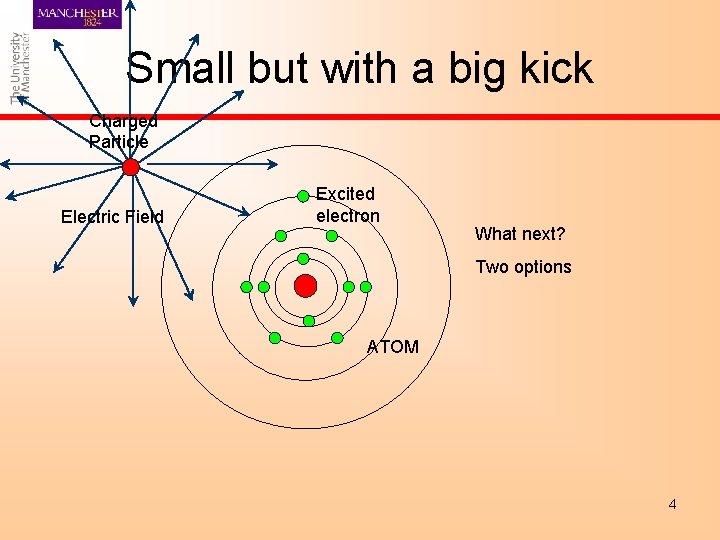
Small but with a big kick Charged Particle Electric Field Excited electron What next? Two options ATOM 4
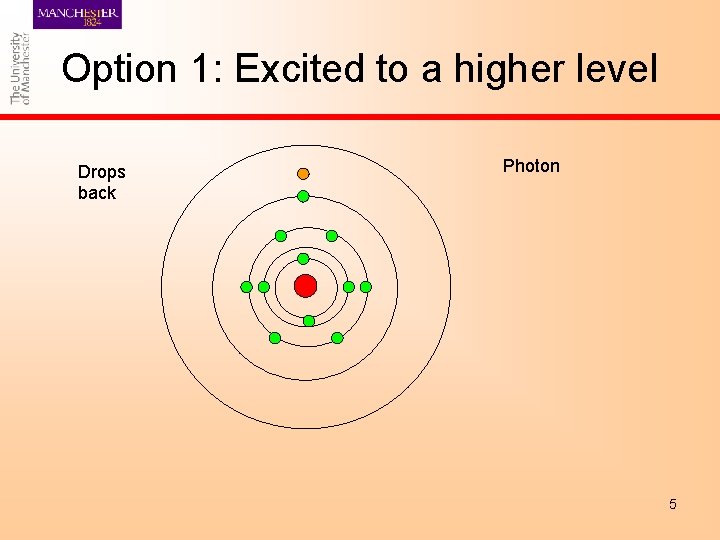
Option 1: Excited to a higher level Drops back Photon 5
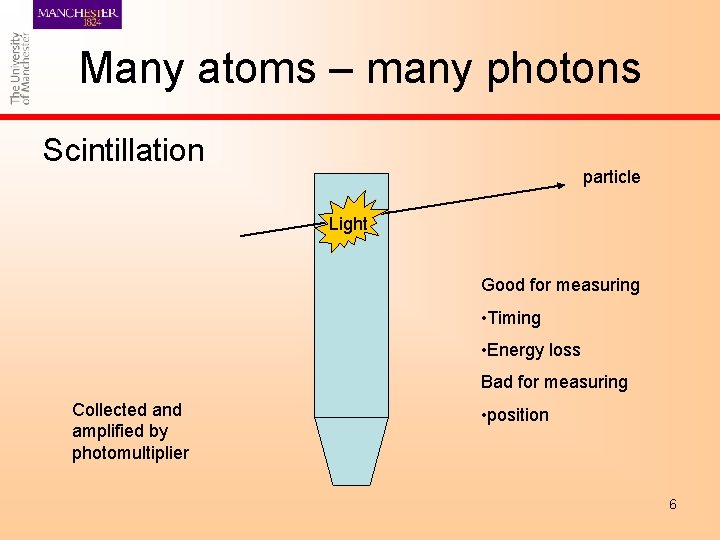
Many atoms – many photons Scintillation particle Light Good for measuring • Timing • Energy loss Bad for measuring Collected and amplified by photomultiplier • position 6
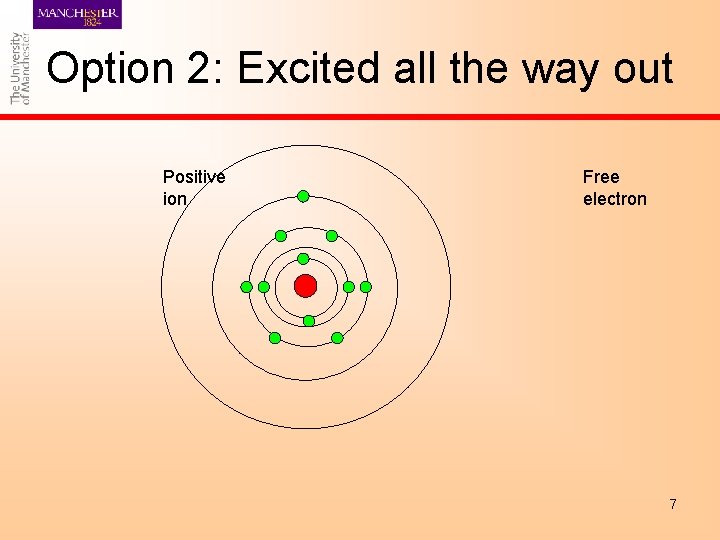
Option 2: Excited all the way out Positive ion Free electron 7
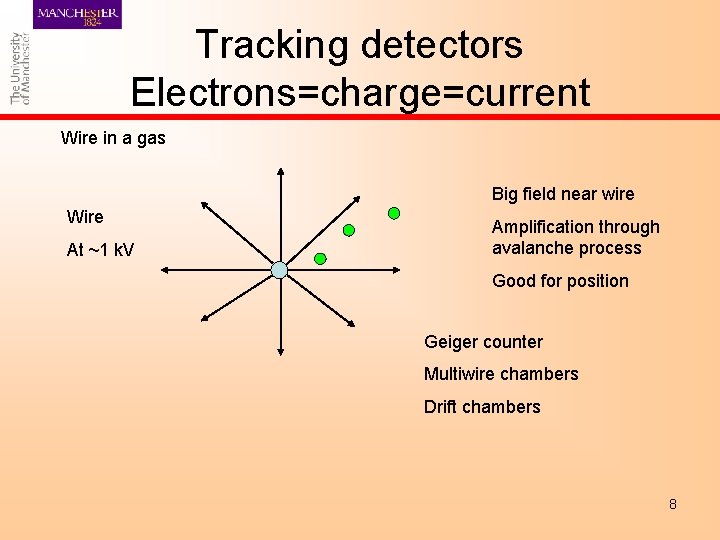
Tracking detectors Electrons=charge=current Wire in a gas Big field near wire Wire At ~1 k. V Amplification through avalanche process Good for position Geiger counter Multiwire chambers Drift chambers 8
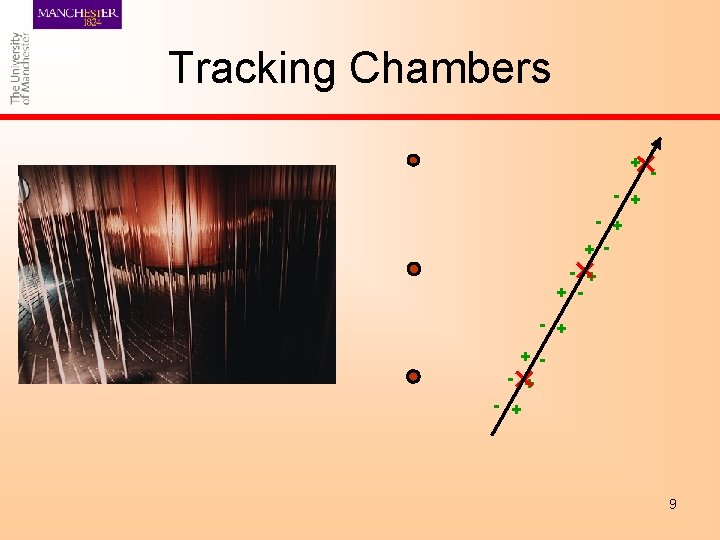
Tracking Chambers + - + + - + 9
Summary so far We can detect a fast charged particle in all sorts of ways, based on • Scintillation • Ionisation What next? 10
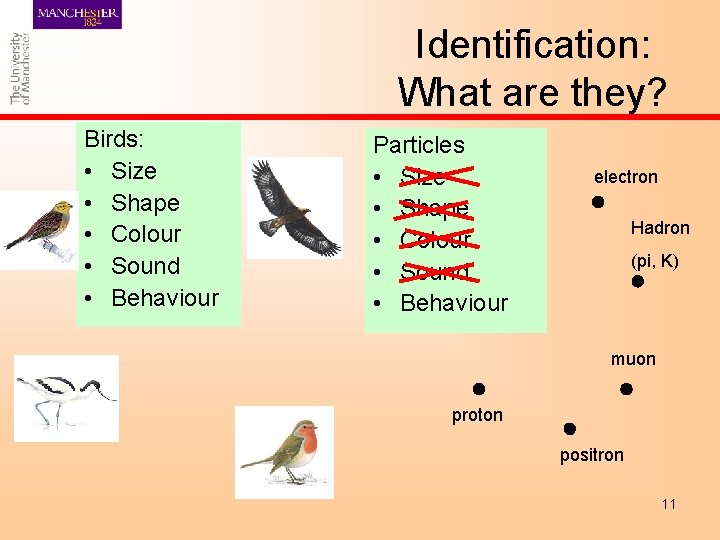
Identification: What are they? Birds: • Size • Shape • Colour • Sound • Behaviour Particles • Size • Shape • Colour • Sound • Behaviour electron Hadron (pi, K) muon proton positron 11
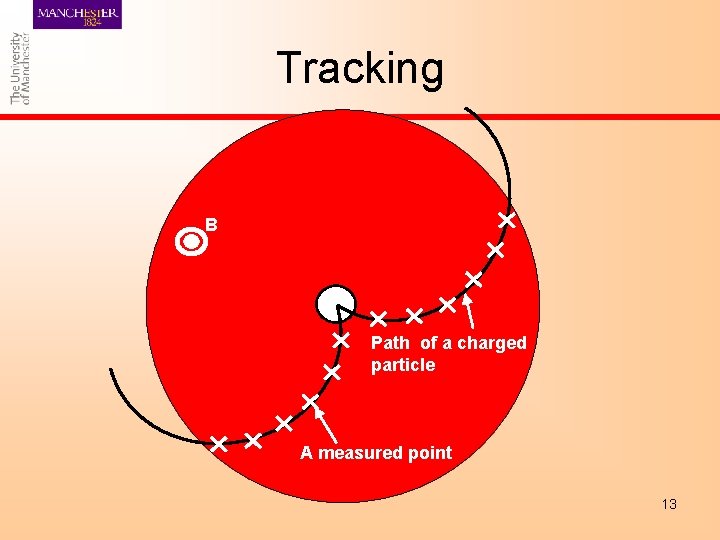
What Charge is it? + or - ? Apply a magnetic field Particle curves to right or left depending on its charge Bonus: faster particles curve less Bend depends on momentum This measures momentum and direction 12
Tracking B Path of a charged particle A measured point 13
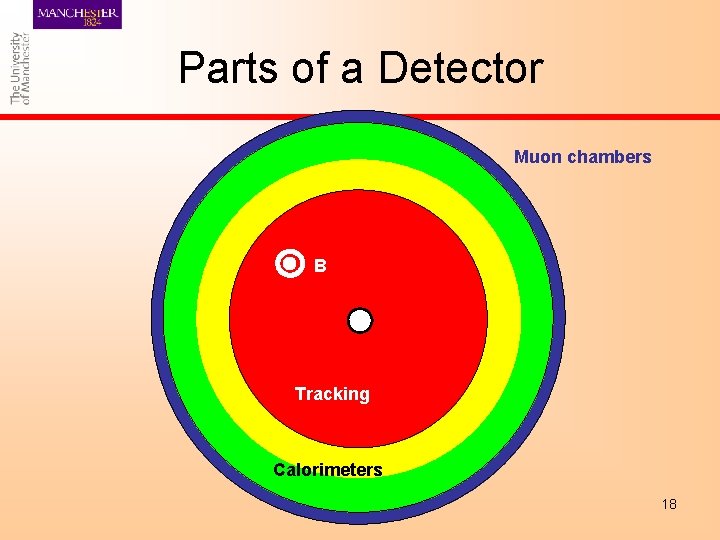
Spotting electrons/positrons Intersperse • Sensitive material – scintillators or tracking chambers • Dense material – sheets of iron or lead (or …) Electrons and positrons shower rapidly e- e- e + e- Hadrons shower more slowly Collide with protons/neutrons and produce more hadrons Muons don’t shower No strong interaction Bonus: photons convert to electrons and then shower Bonus: size of shower gives the energy 14
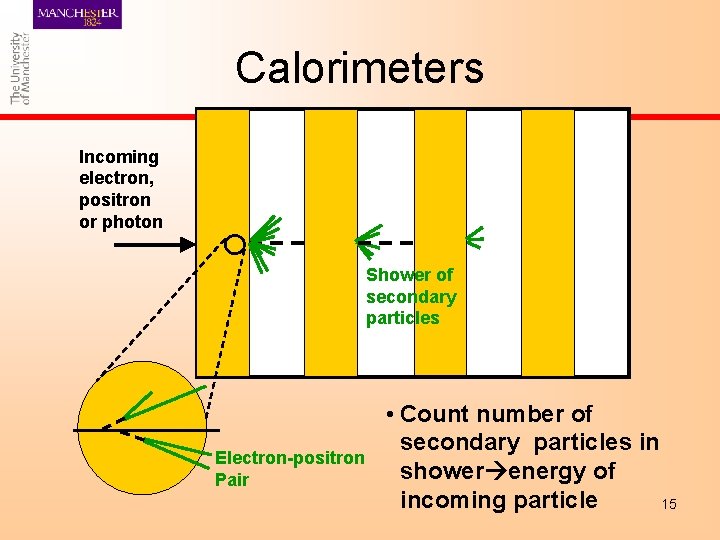
Calorimeters Incoming electron, positron or photon Shower of secondary particles Electron-positron Pair • Count number of secondary particles in shower energy of incoming particle 15
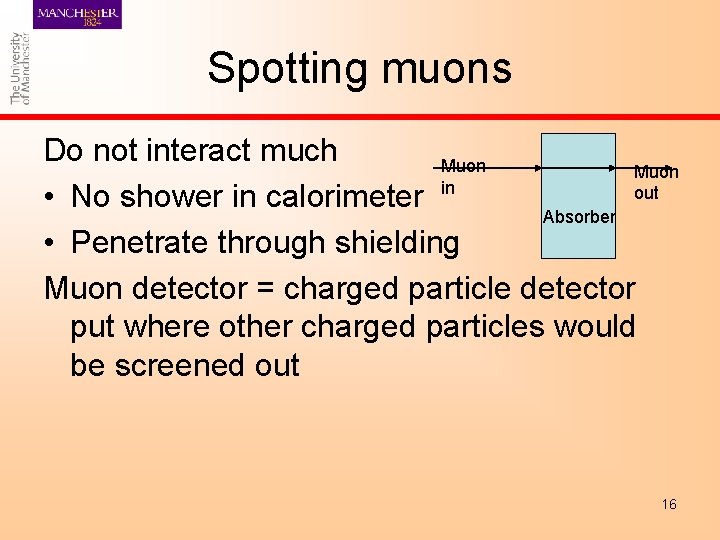
Spotting muons Do not interact much Muon out • No shower in calorimeter in Absorber • Penetrate through shielding Muon detector = charged particle detector put where other charged particles would be screened out 16
Spotting hadrons Anything that is not a muon or an electron is a hadron (pion, kaon, proton) Telling the difference is possible but more complicated and less reliable… 17
Parts of a Detector Muon chambers B Tracking Calorimeters 18
DELPHI Detector 19
Another detector: Ba. Bar 20
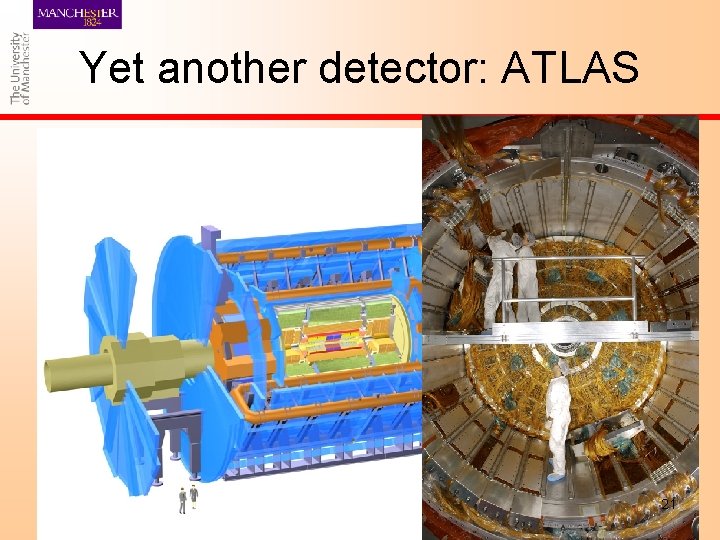
Yet another detector: ATLAS 21
What about quarks? u, d, s, c, b, t • Never been seen directly • Manifest as jets of hadrons Bonus: gluons look almost just like quarks 22
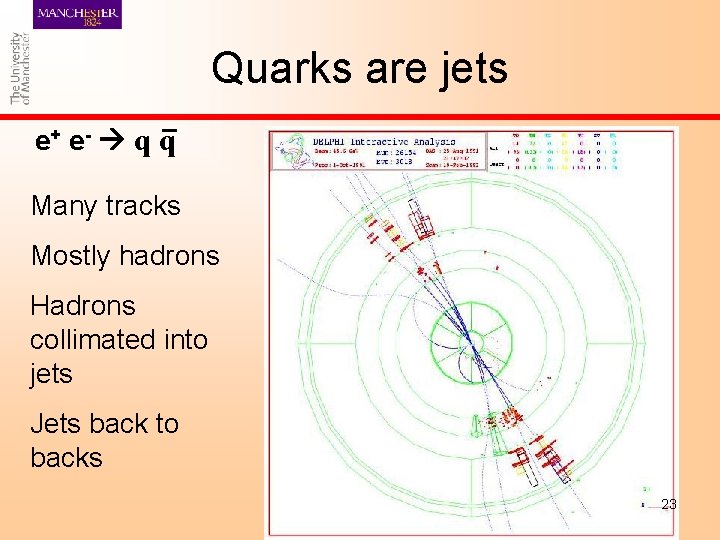
Quarks are jets e+ e - q q Many tracks Mostly hadrons Hadrons collimated into jets Jets back to backs 23
Conclusion Elementary particles are very small BUT we can detect them Lots of different techniques – no single best method New ideas evolving all the time Yesterday’s detectors look primitive compared to today’s sophisticated and ingenious devices Tomorrow’s will be even better. 24
- Slides: 24