
Particle Detection 1 Costituents of Matter 2 Fundamental









- Slides: 29
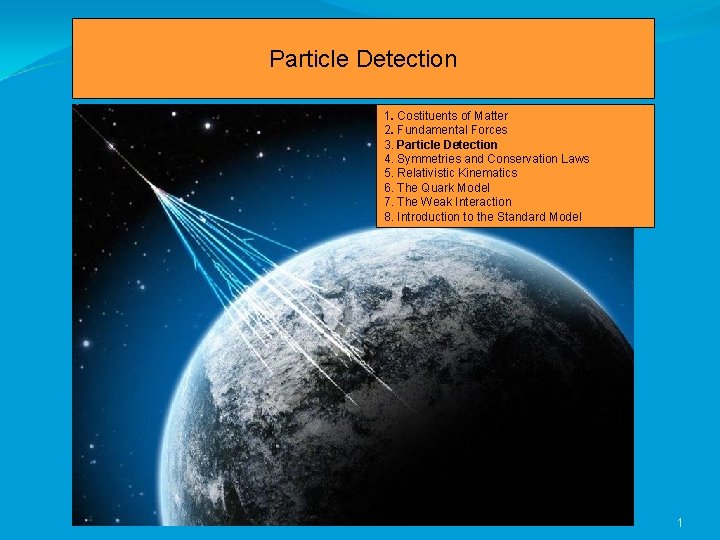
Particle Detection 1. Costituents of Matter 2. Fundamental Forces 3. Particle Detection 4. Symmetries and Conservation Laws 5. Relativistic Kinematics 6. The Quark Model 7. The Weak Interaction 8. Introduction to the Standard Model 1
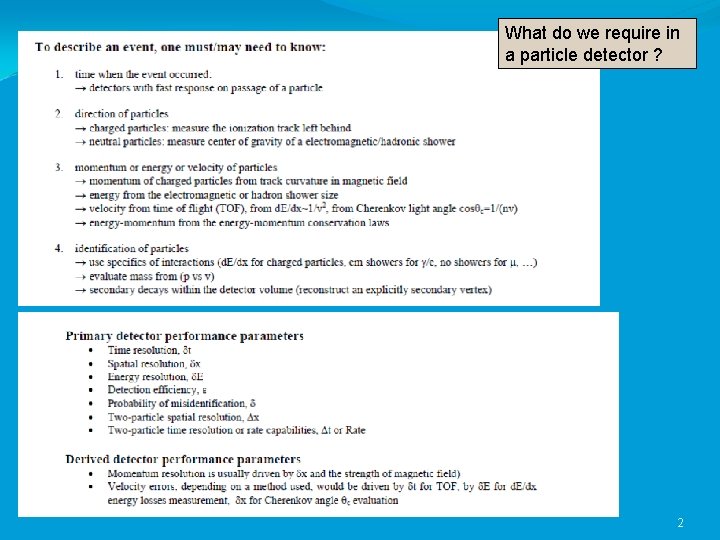
What do we require in a particle detector ? 2
Different information can be obtained by different techniques 3
4
Energy loss by ionization and excitation on the electrons of the material 5
This is the usual calculation leading to the Bethe-Bloch formula for the energy loss of a (heavy) charged particle in the bulk of a material 6
Must be supplemented by quantum mechanical considerations 7
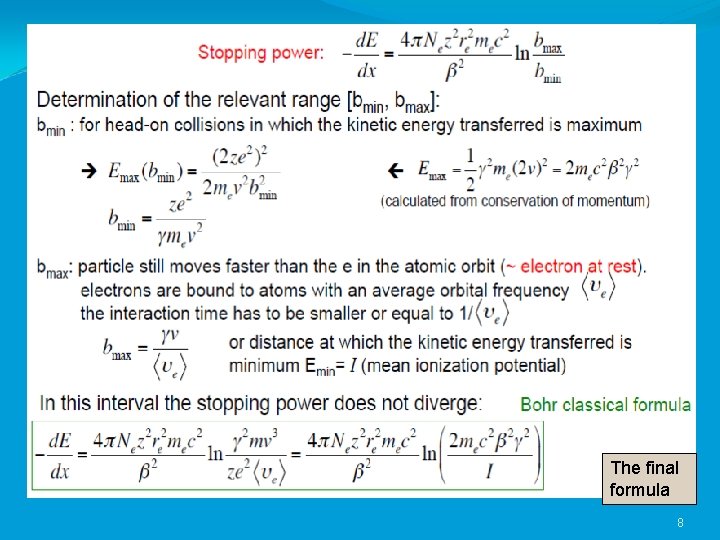
The final formula 8
9
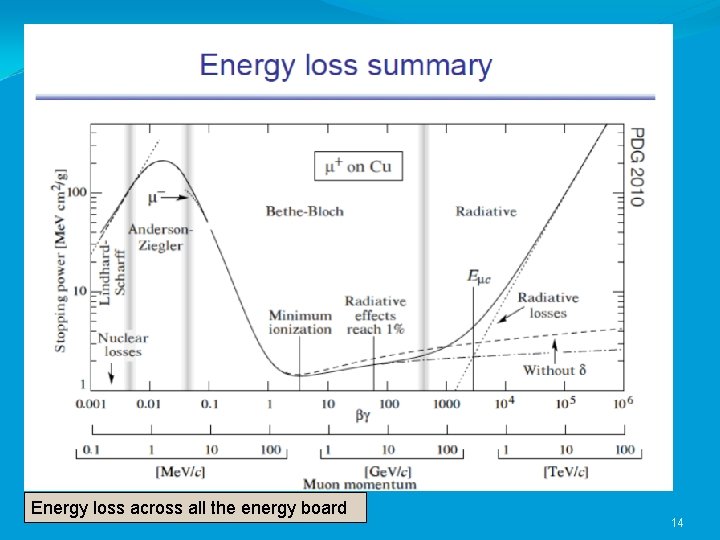
Energy loss for a heavy charged particle (heavier than the electron) in Copper 10
Radiation mechanism has to be added at very high energy This process will dominate above a «critical» energy 11
12
13
Energy loss across all the energy board 14
15
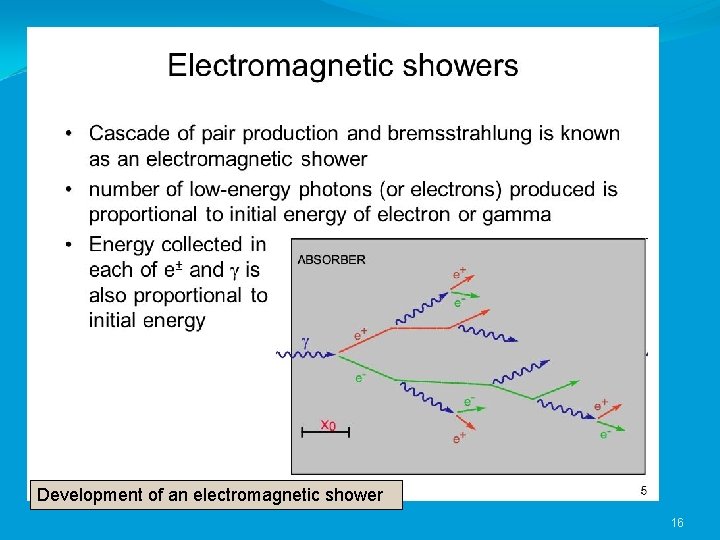
Development of an electromagnetic shower 16
17
18
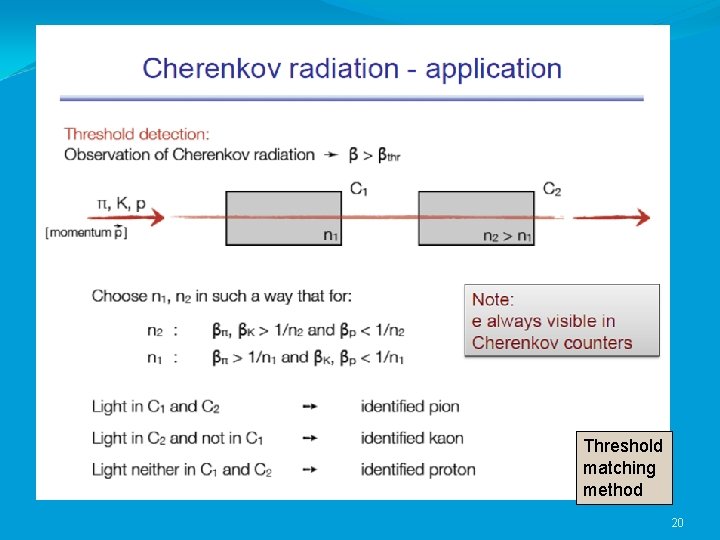
Cerenkov imaging 19
Threshold matching method 20
21
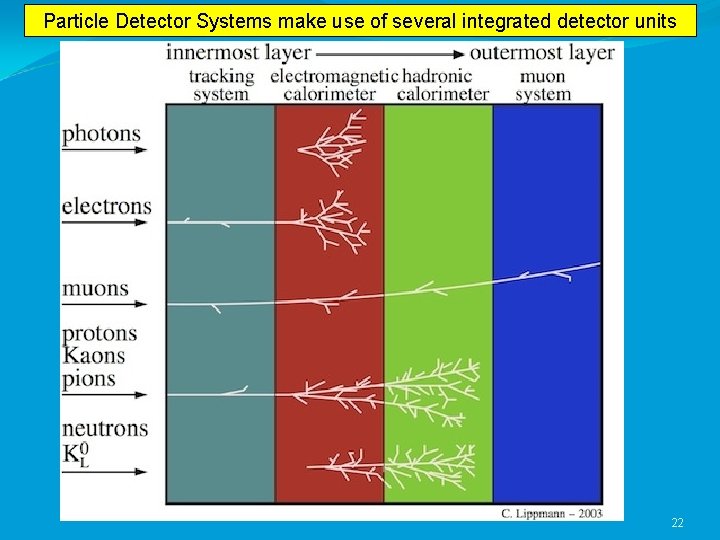
Particle Detector Systems make use of several integrated detector units 22
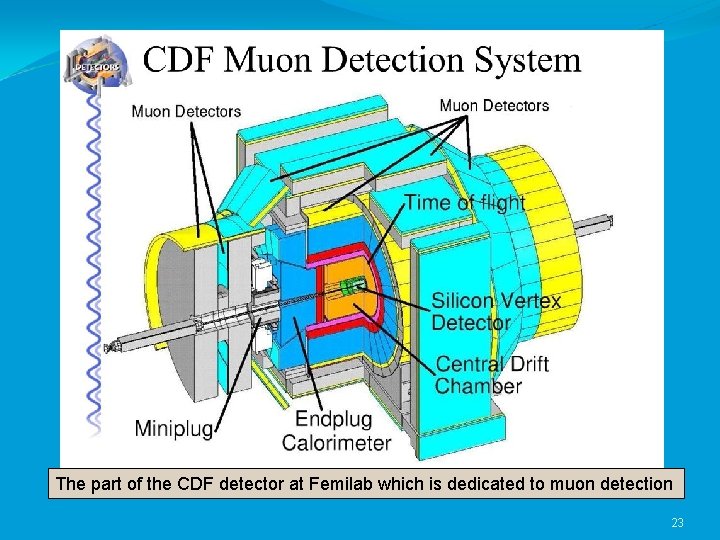
The part of the CDF detector at Femilab which is dedicated to muon detection 23
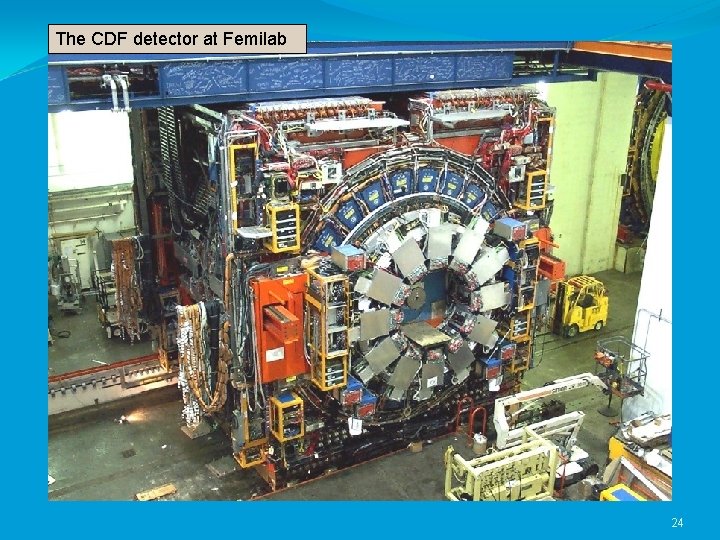
The CDF detector at Femilab 24
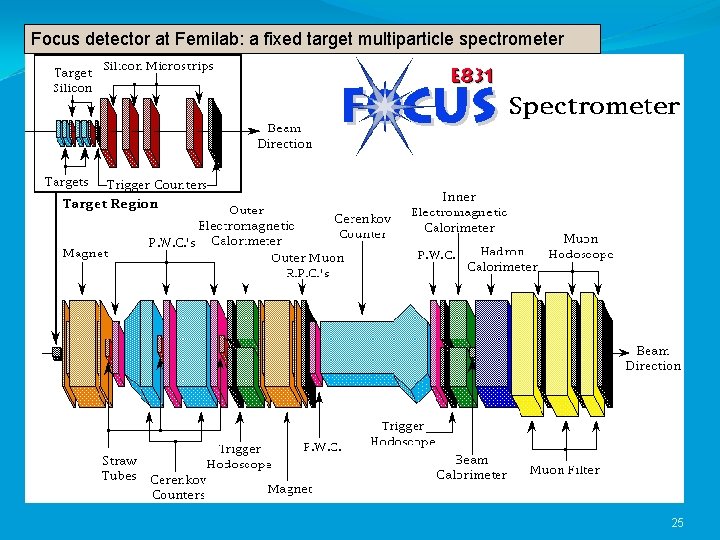
Focus detector at Femilab: a fixed target multiparticle spectrometer 25
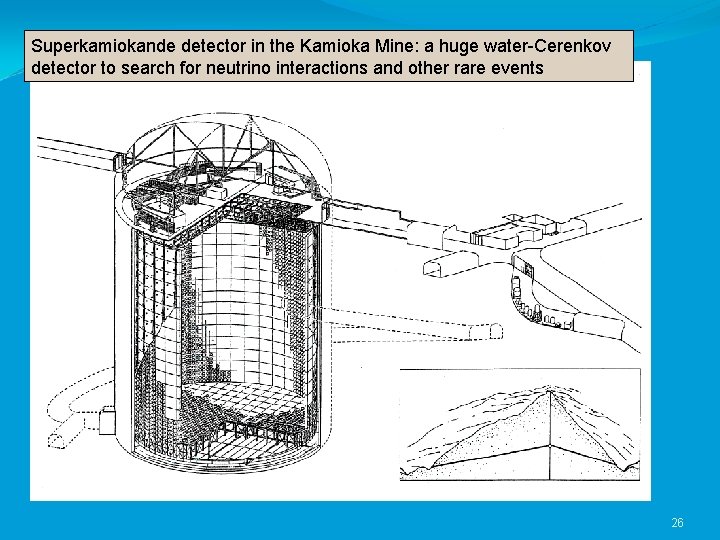
Superkamiokande detector in the Kamioka Mine: a huge water-Cerenkov detector to search for neutrino interactions and other rare events 26
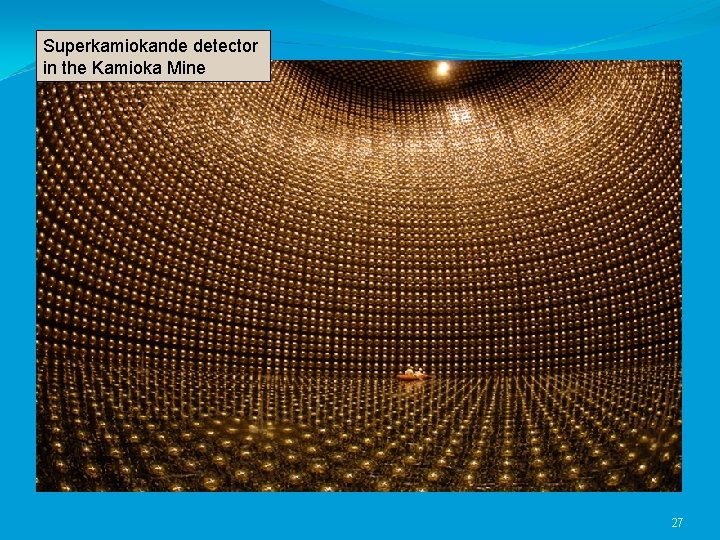
Superkamiokande detector in the Kamioka Mine 27
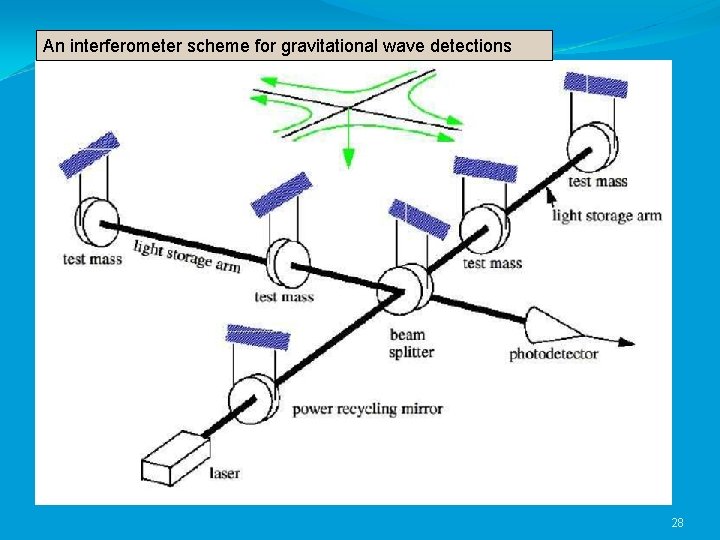
An interferometer scheme for gravitational wave detections 28
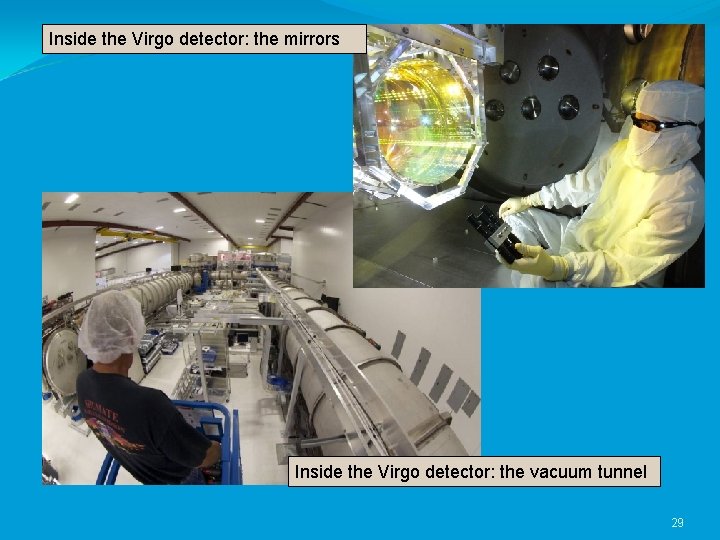
Inside the Virgo detector: the mirrors Inside the Virgo detector: the vacuum tunnel 29