
Participatory approaches for ecological restoration of Myristica swamps
- Slides: 28
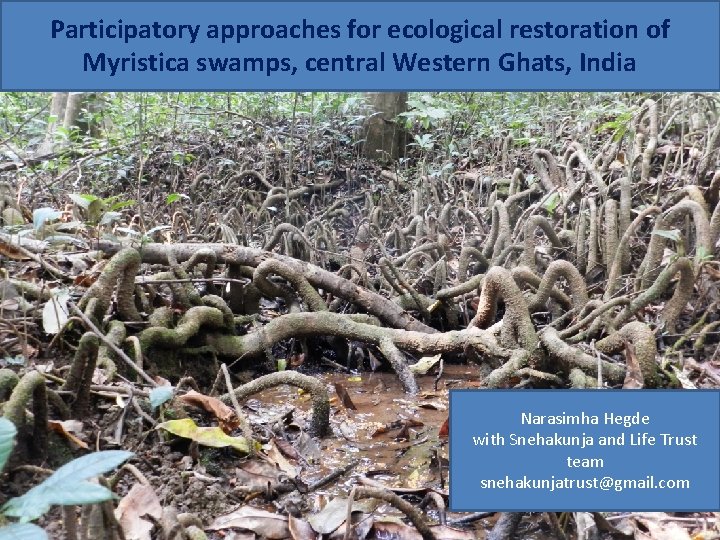
Participatory approaches for ecological restoration of Myristica swamps, central Western Ghats, India Narasimha Hegde with Snehakunja and Life Trust team snehakunjatrust@gmail. com
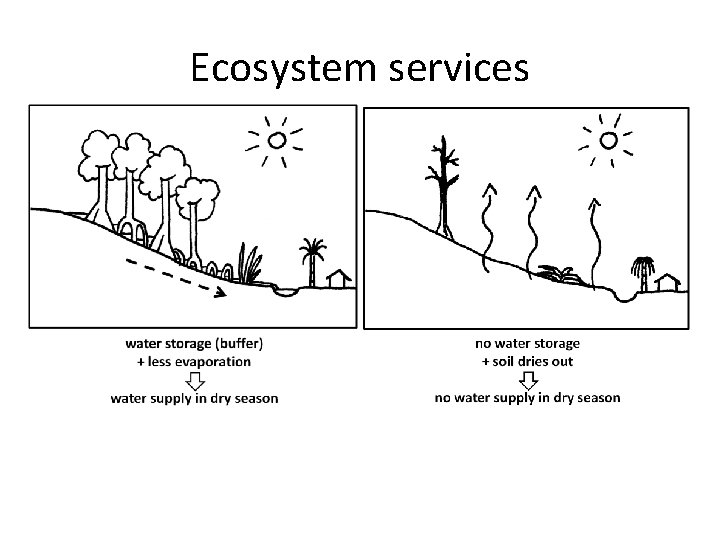
Ecosystem services
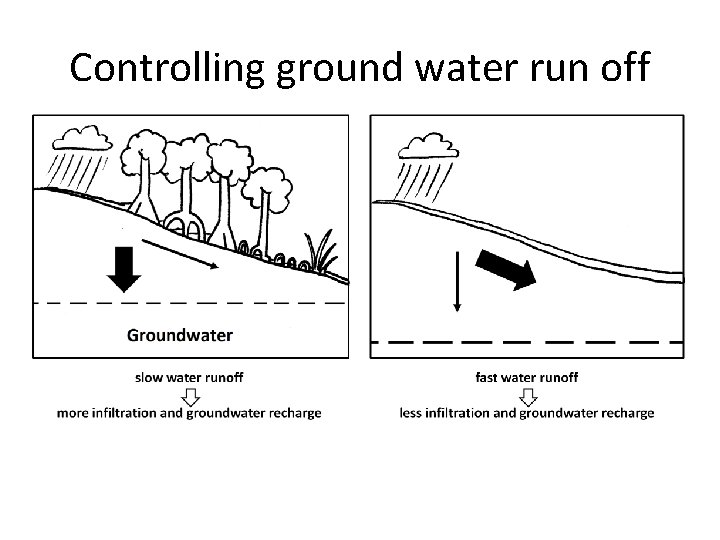
Controlling ground water run off
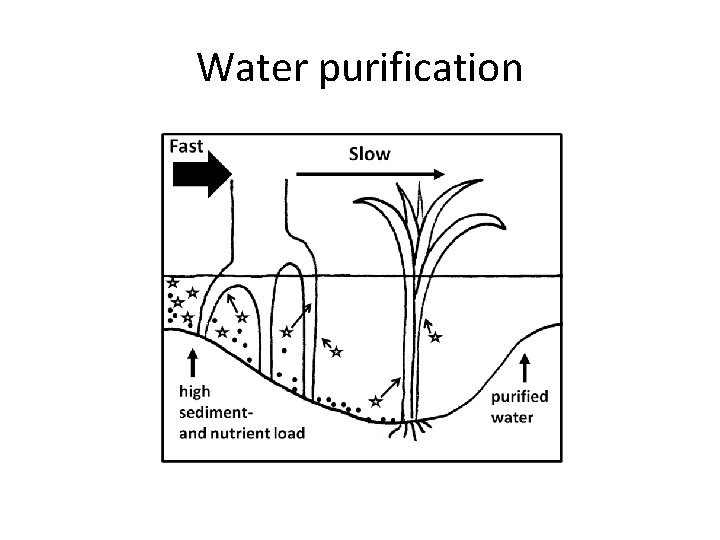
Water purification
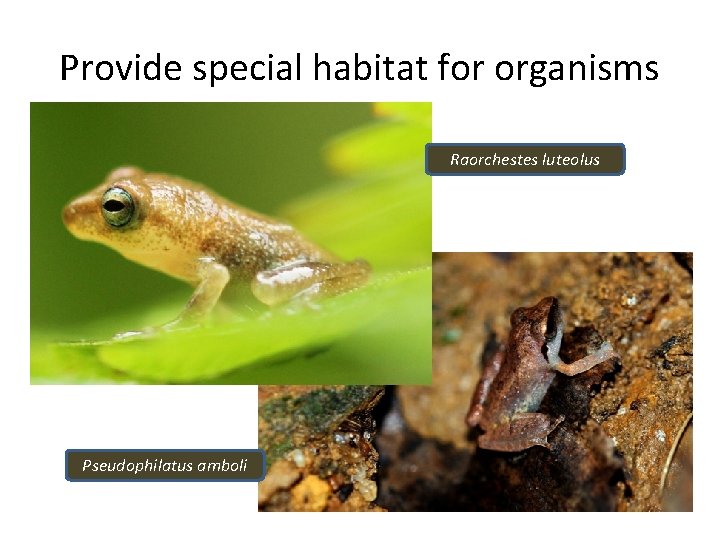
Provide special habitat for organisms Raorchestes luteolus Pseudophilatus amboli
Major threats to swamps • Altering natural hydrologic regimes • Pollution, introduction of exotic/invasive species • Land use change • Pollinator decline • Problems in seed dispersion • Over harvesting of resources
Objectives • Ecological restoration of Myristica swamps in Uttara Kannada district, central Western Ghats India. • Characterizing the swamp fragments and micro-corridors for species composition, resource use, develop an enrichment protocol for each of the micro-corridor with respect to the species, frequency and geometry of planting • Create micro-corridors by enrichment planting through participatory approach, creation of new swamp populations habitat recovery • Achieve a lasting restoration of the swamps
Methods • Identification and mapping of the fresh water swamps • Identify critical micro-corridors to link the swamp fragments • Detailed vegetation survey, listing of obligatory species and facultative swamp species, regeneration and demographic studies.
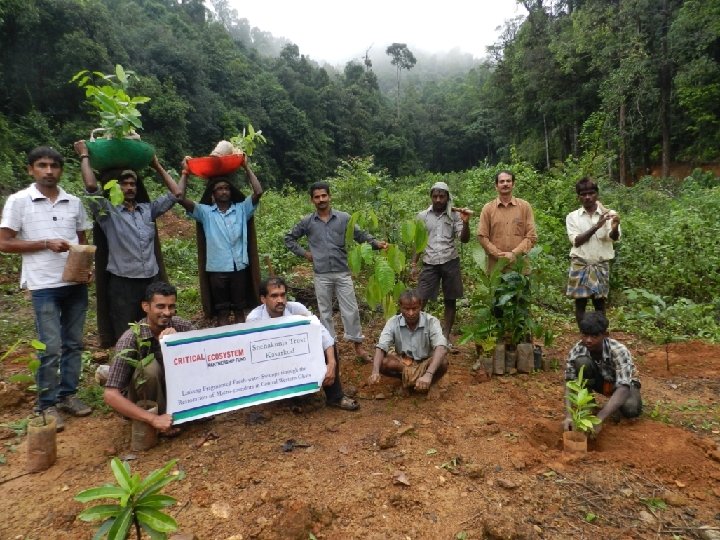
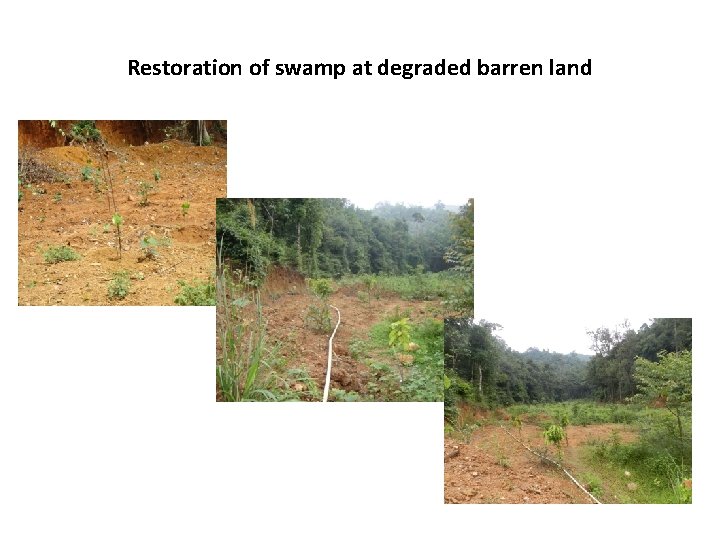
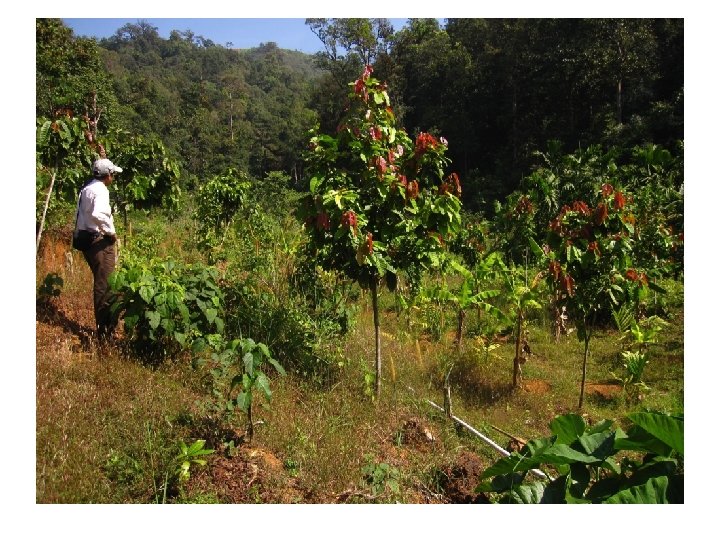
• Standardizing protocol for propagation of swamp species through participatory approach • Decentralized community nurseries near the swamp forests in three villages • Active planting of degraded swamps with obligatory, facultative and associated species was done during period from 2010 -2012 • Survival and growth rates assessed • Re-wetting of the land through installing soil and moisture conservation structures in the degraded swamps
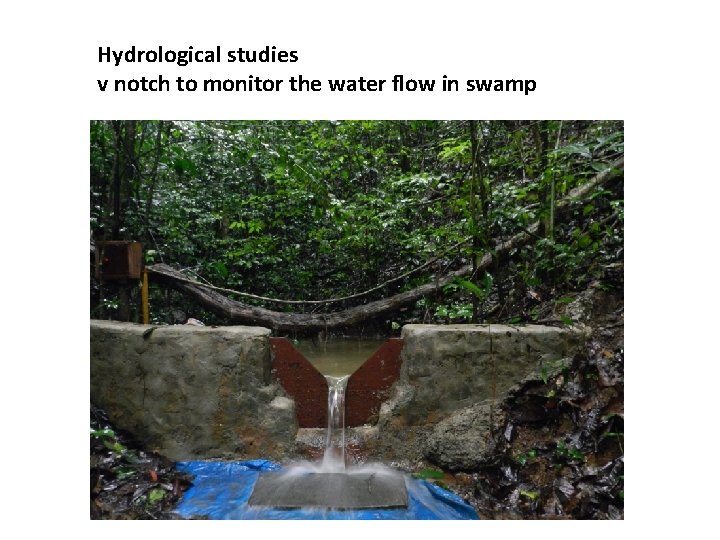
• Activities to ensure community participation in restoration and management • Classification of swamps based on physical characteristics and vegetation elements to suggest effective management plans for the swamps • Soil and hydrological studies
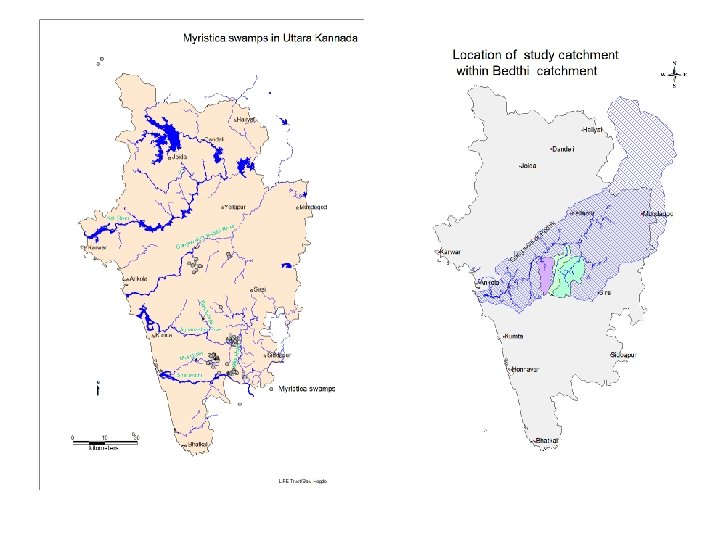
Results • 102 swamps were identified in the district fifteen swamps in Sharavati river catchment • Twenty in Bilgi hole • Seventeen in Bedti • Twenty five in Aghanashini • Twenty three in Mukti hole • Total depression part of swamp area documented is about 82 hectares
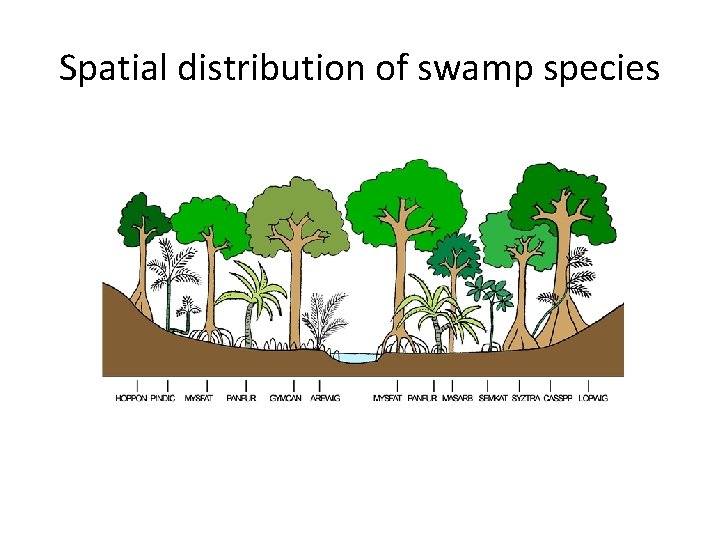
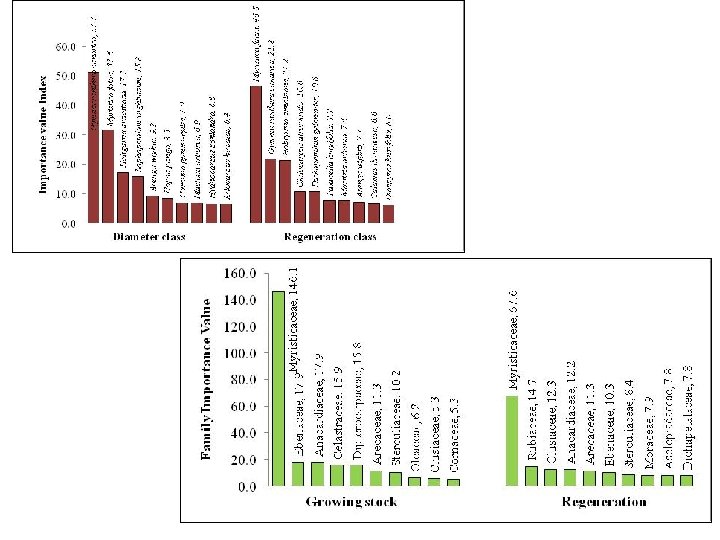
Results • 156 swamp species and associated were documented. • 15 species of lianas, 5 species of climbers, 24 species of shrub and 104 species of trees occur in the swamp area. • Frequency, geometry and spatial dispersion of the obligatory swamp species was carefully noted.
Spatial distribution of swamp species
• Ten thousand seedlings planted • Commercially important and RET forest species were raised • Survival rate - obligatory swamp species was 56 percent and facultative and associate swamp species was 64 percent
Hydrological studies v notch to monitor the water flow in swamp
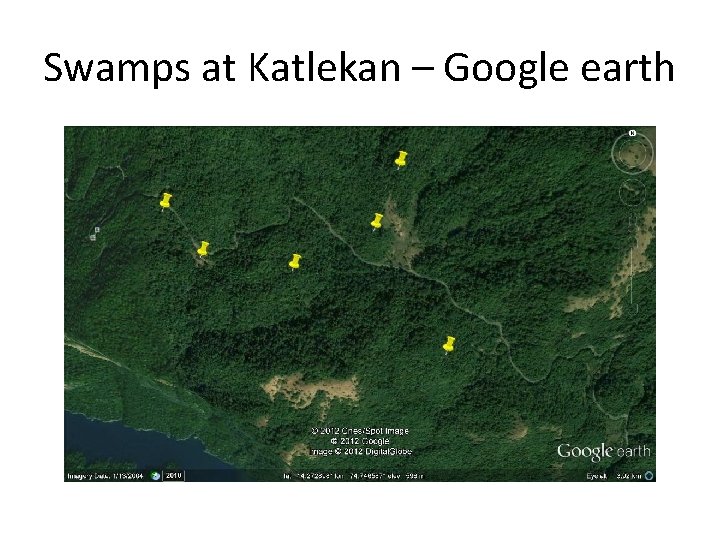
Swamps at Katlekan – Google earth
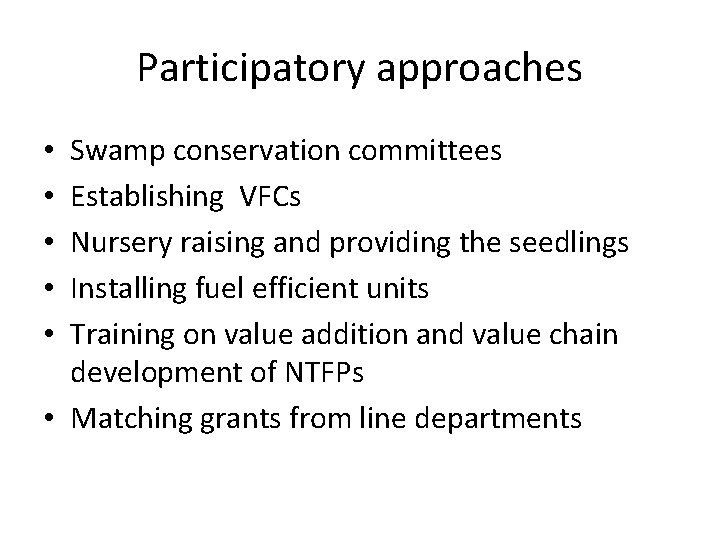
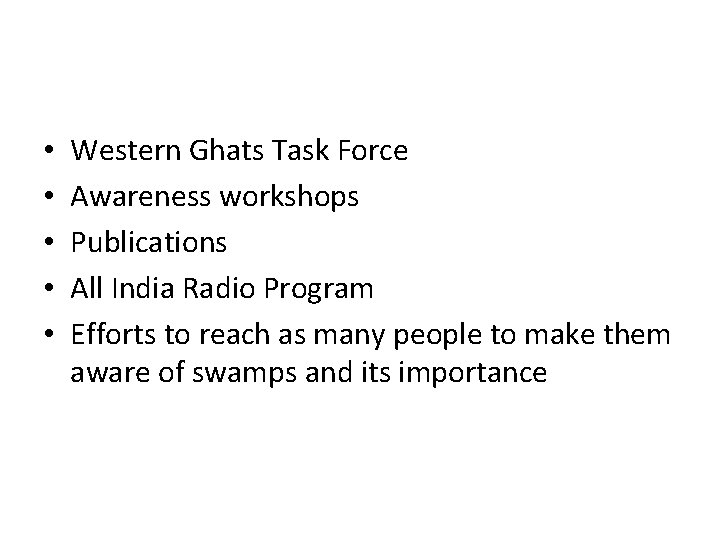
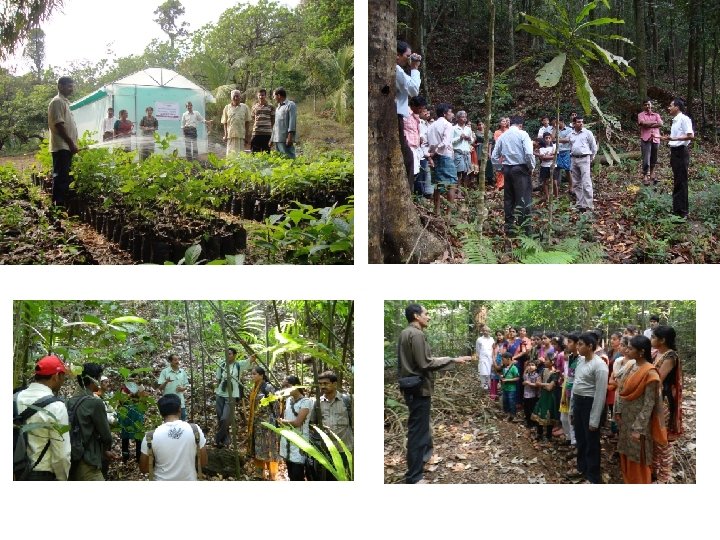
Participatory approaches Swamp conservation committees Establishing VFCs Nursery raising and providing the seedlings Installing fuel efficient units Training on value addition and value chain development of NTFPs • Matching grants from line departments • • •
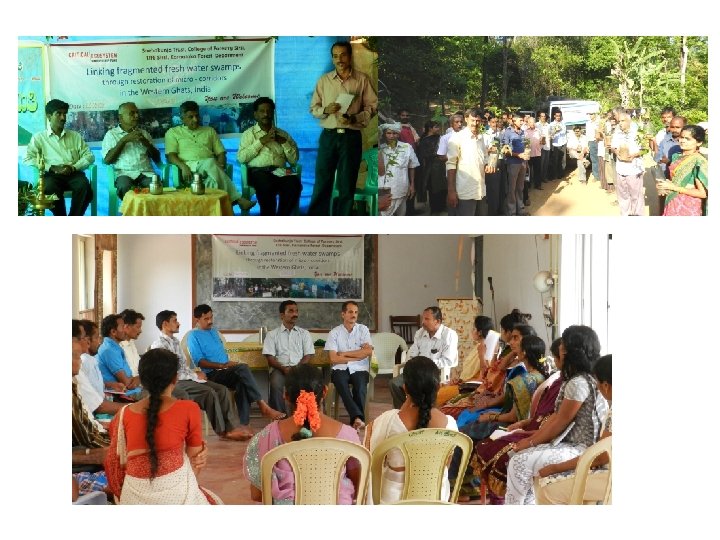
• • • Western Ghats Task Force Awareness workshops Publications All India Radio Program Efforts to reach as many people to make them aware of swamps and its importance
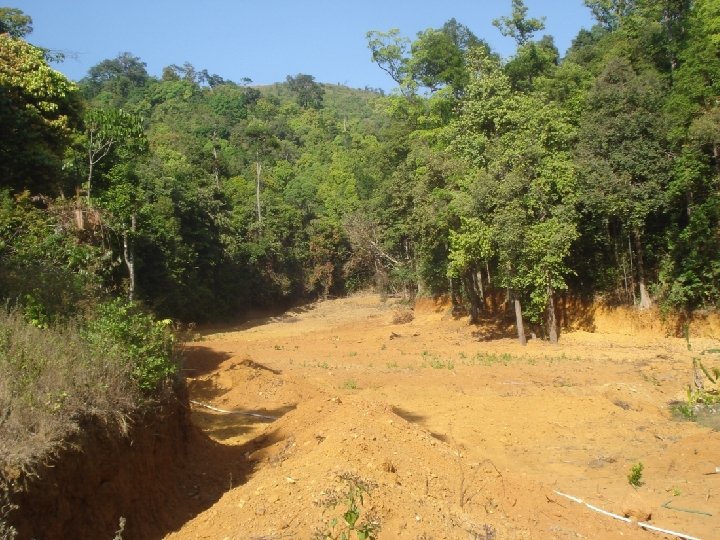
Restoration of swamp at degraded barren land
Acknowledgement • • CEPF-ATREE large grants to Snehakunja Trust Jack Tordoff Ananth Hegde Ashisar Life Trust team Sirsi Balachandra Hegde Dr Shrikanth Gunaga KFD Local villagers
Thank you