
Part 3 Interpreting the Scriptures Distinguishing the literal
- Slides: 19
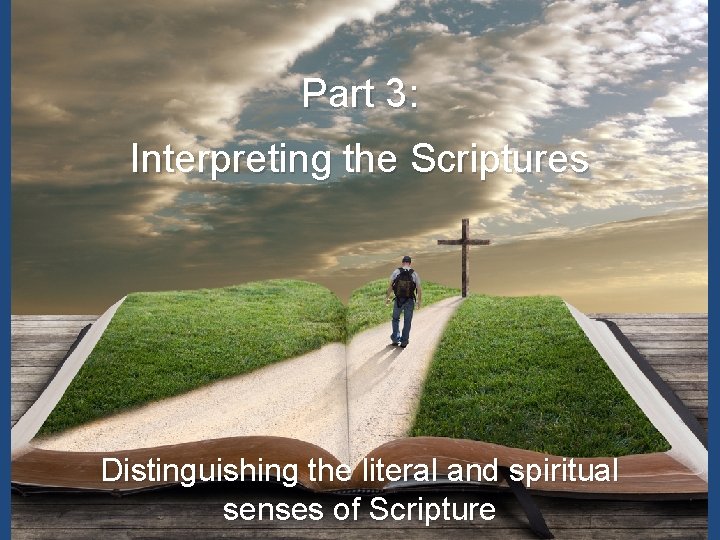
Part 3: Interpreting the Scriptures Distinguishing the literal and spiritual senses of Scripture
Interpreting the Scriptures by Origen of Alexandria (185 -254 AD) "By what principle ought one to read and interpret the Scriptures? It is a fact that a number of errors have had their origin in an inability to understand a sacred text in the right way. …The reason for so many mistaken ideas about God consists solely in the inability to interpret Scripture in a spiritual sense. It has been taken in its literal sense only. ”
The Two Meanings of the Bible Origen Scripture Study: Listening toby God’s Word The reason why the divine power has given us the Scriptures is not solely to present facts according to the literal interpretation of the narrative. If one looks to the letter of the text, some of the facts have not actually happened and would be irrational and illogical. By keeping the commandment of the Lord to search the Scriptures (John 5: 39), one ought to examine with care and attention where the literal meaning is historical and where it is not. In Scripture not everything is objectively historical in the literal sense. Sometimes it is obvious that the result of taking it literally is impossible. But the divine Scripture, taken as a whole, has a spiritual meaning.
Scripture Study: God’s These words are. Listening the Word to of God Quote from Word Origen 185 -254 AD The Scriptures that prophesy about Christ, the words that announce his coming and his teaching are inspired by God. They were proclaimed with power and authority and it is for this reason they have conquered so many people's hearts. However, only with the coming of Christ have the divine character of the prophetic writings and the spiritual meaning of the books of the Mosaic Law become apparent. Before Christ it was not possible to produce decisive arguments for the inspiration of the Old Testament. The coming of Jesus persuaded even the doubtful that those pages were written under the influence of grace.
Scripture Study: Listening to God’s Example of New Testament Interpretation Word “They serve a copy and shadow of the heavenly sanctuary; for when Moses was about to erect the tent, he was instructed by God, saying, "See that you make everything according to the pattern which was shown you on the mountain. ” – Hebrews 8: 5 “For Christ has entered, not into a sanctuary made with hands, a copy of the true one, but into heaven itself, now to appear in the presence of God on our behalf. “ – Hebrews 9: 24
Scripture Study: Listening. Interpretation to God’s Example of New Testament Word “I want you to know, brethren, that our fathers were all under the cloud, and all passed through the sea, and all were baptized into Moses in the cloud and in the sea, and all ate the same supernatural food and all drank the same supernatural drink. For they drank from the supernatural Rock which followed them, and the Rock was Christ. ” – 1 Corinthians 10: 1 -4
Scripture Study: Listening to God’s Word The Spiritual Interpretation of the Bible Quotes from Raniero Cantalemessa Biblical inspiration is the basis for much more than the. . . inerrancy of the Word of God; positively, it is the basis for its inexhaustibility, its divine force and vitality, and what St. Augustine called its mira projunditas, its marvellous depth.
Cantalemessa continued Scripture Study: Listening toquote, God’s Word Spiritual interpretation is objective; it is interpretation done under the guidance, or by the light, of the Holy Spirit, who inspired the Scriptures in the first place. It is based on an historical event, that is, the redemptive act of Christ, who by his death and resurrection completes the plan of salvation, fulfils all types and prophecies, unveils all hidden mysteries, and offers us the true key for interpreting the whole Bible.
Cantalamessa quote, continued Scripture Study: Listening to God’s Anyone choosing to read. Word the Scriptures after Christ's . life while disregarding his act would be like someone persistently reading a musical score in the key of G when the composer has already moved into the key of B; every single note after the shift would sound false and out of tune. The New Testament calls the new key "the Spirit, " while it defines the old key as "the letter, " saying that "the letter brings death, but the Spirit gives life" (2 Cor. 3: 6). Reading the Scriptures without the Holy Spirit would be like opening a book in the dark.
Cantalamessa quote, continued Scripture Study: Listening to God’s. Word"letter" and "Spirit" does To erect an antithesis between not mean erecting one between Old and New Testaments, as though the former merely represented the letter and the latter only the Spirit. It means, rather, to make an antithesis between the two different ways of reading either the Old Testament or the New: between the way which disregards Christ, and the way which, by contrast, evaluates everything by the light of Christ. This is why the Church prizes both Testaments, for both speak to her of Christ.
Scripture Study: Listening to God’s Examples of some Old Testament types Word that foreshadow Christ and his role as Priest, Prophet, and King Abraham Isaac Melchizedek
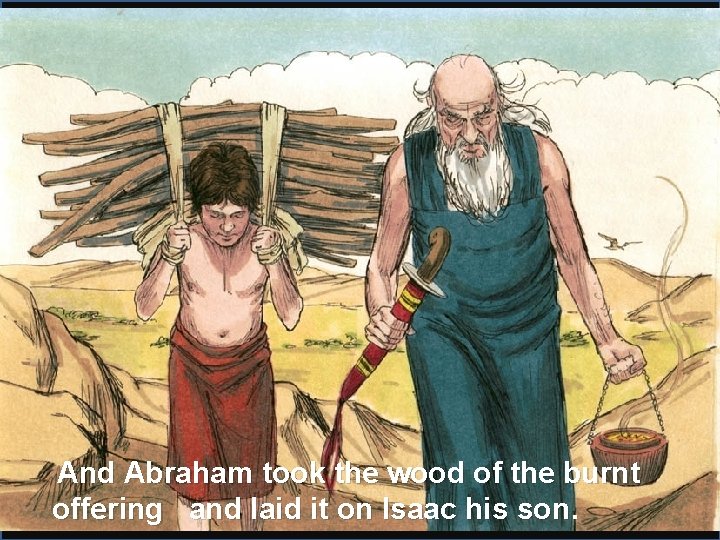
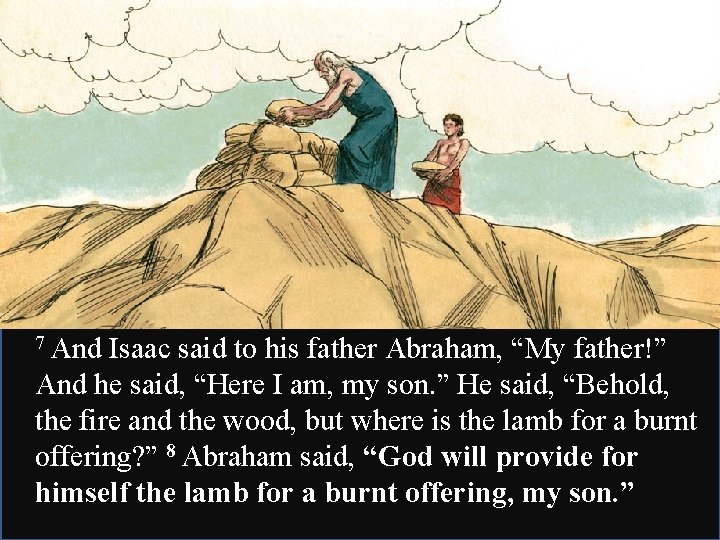
Scripture Study: Listening to God’s Word And Abraham took the wood of the burnt offering and laid it on Isaac his son
Scripture Study: Listening to God’s Word 7 And Isaac said to his father Abraham, “My father!” And he said, “Here I am, my son. ” He said, “Behold, the fire and the wood, but where is the lamb for a burnt offering? ” 8 Abraham said, “God will provide for himself the lamb for a burnt offering, my son. ”
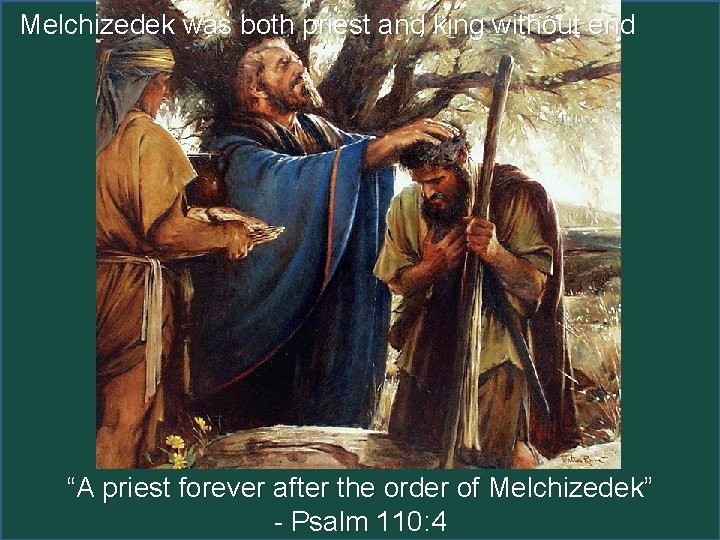
Melchizedek was both priest and king without end Scripture Study: Listening to God’s Word “A priest forever after the order of Melchizedek” - Psalm 110: 4
Scripture Study: Listening to God’s Melchizedek Word. . And Melchizedek king of Salem brought out bread and wine: and he was the priest of the most high God. And he blessed him, and said, "Blessed be Abram to the most high God, possessor of heaven and earth, And blessed be the most high God, who has delivered your enemies into your hand". And he gave him tithe from all. — Genesis 14: 18 -20
Scripture Study: Listening to God’s New Testament Interpretation. . Word “Christ did not exalt himself to be made a high priest, but was appointed by him who said to him, “You are my Son, today I have begotten you"; as he says also in another place, “You are a priest for ever, after the order of Melchizedek. " - Hebrews 5: 5, 10
Melchizedek and Jesus Scripture Study: Listening to God’s Jesus is explicitly compared with Melchizedek in the Word New Testament (Genesis 14: 18 -20) because both held the position of Priest and King for eternity. (Hebrews 57; Genesis 14/ Psalm 110: 4; Hebrews 5: 6) Melchizedek’s name means “King of Righteousness. ” He ruled over “Salem” which means “peace. ” He was the King of Peace. As a Priest, he was superior to the Aaronic priesthood of the Jews in the sense that even Abraham, (great-grandfather of Levi – Aaron and the priests of Israel all came from the tribe of Levi), paid tithes to Melchizedek. The Letter to the Hebrews makes the argument that even Aaron paid tithes to Melchizedek through Abraham.
Scripture Study: Listening to God’s Word
Scripture Study: Listening to God’s Word Credits for Kairos Scripture Study Course 1. 2. 3. Illustrations by Kevin Carden, slides 1, 7, 20 Bible Illustrations by Sweet Media, slides 12, 13 Slides edited by Don Schwager