
PART 3 HUMAN IMPACT ON TERRESTRIAL ECOSYSTEMS Environmental
- Slides: 31
PART 3 – HUMAN IMPACT ON TERRESTRIAL ECOSYSTEMS • Environmental concerns for tundra, taiga, and deciduous forests • Role of these ecosystems in Earth’s climate • Major Environmental Issues • Conservation Biology – goals, environmental threats, actions
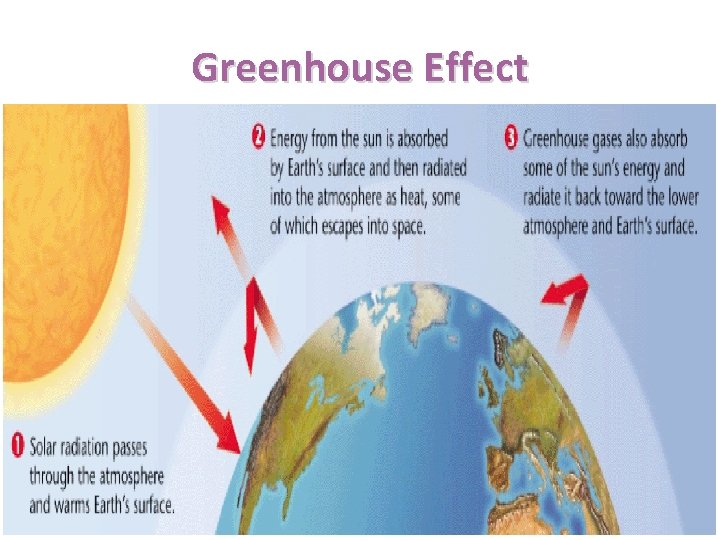
TUNDRA: Environmental Concerns • Large scale extraction industries ( oil, gas, and minerals as uranium) • Pollution – chemical waste, mining, hydroelectric development • Expansion of agriculture/livestock, vehicular traffic, and tourism increase degradation • Global warming – 1/3 of soil bound carbon is found in this area. • Melting of permafrost releases large amounts of carbon into the atmosphere increasing • “Greenhouse Affect” as organic matter decays and released carbon dioxide. • Erosion is emerging due to permafrost thaw and overgrazing • Poaching – hunting and fishing out of season, on protected land, or to endangered species
Taiga: Environmental Concerns Pollution Clear cutting Illegal logging Poaching Forest fires – unnatural fires Mining Drilling for oil and natural gas disrupt the forest • Global warming • • •
ENVIRONMENTAL CONCERNS FOR THE DECIDUOUS FOREST • Many of the world's great tracts of temperate deciduous forest have experienced significant alteration through logging, conversion to agricultural land urban development. • Human industry within and adjacent to temperate deciduous forests may pollute air and water resources • Species introduced to temperate deciduous forests by humans may become invasive and threaten native ecological systems
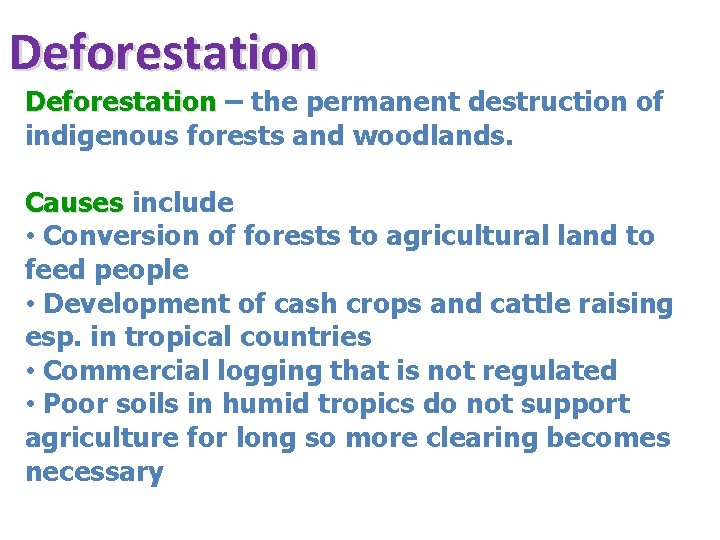
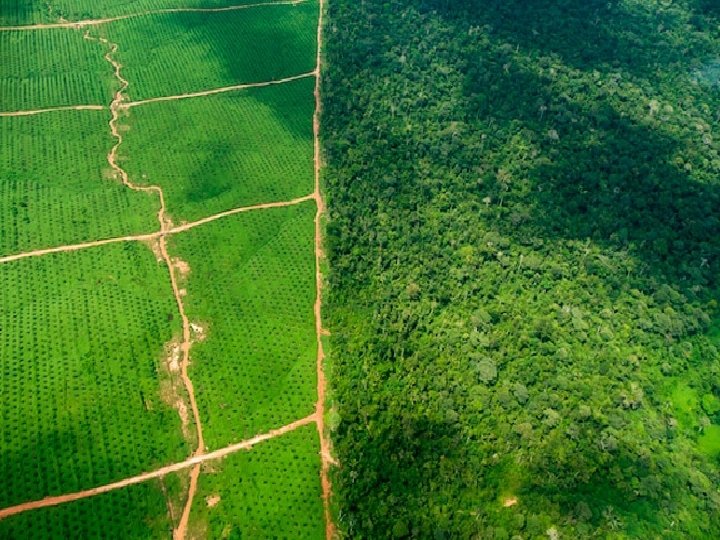
Deforestation – the permanent destruction of Deforestation indigenous forests and woodlands. Causes include Causes • Conversion of forests to agricultural land to feed people • Development of cash crops and cattle raising esp. in tropical countries • Commercial logging that is not regulated • Poor soils in humid tropics do not support agriculture for long so more clearing becomes necessary
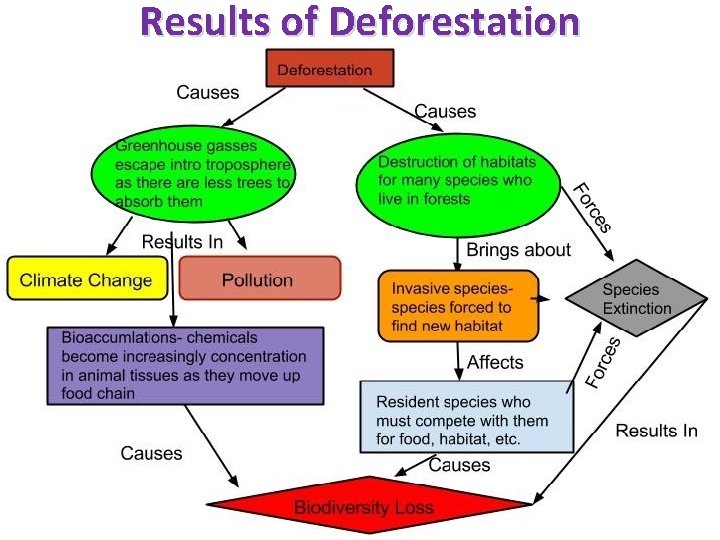
Results of Deforestation
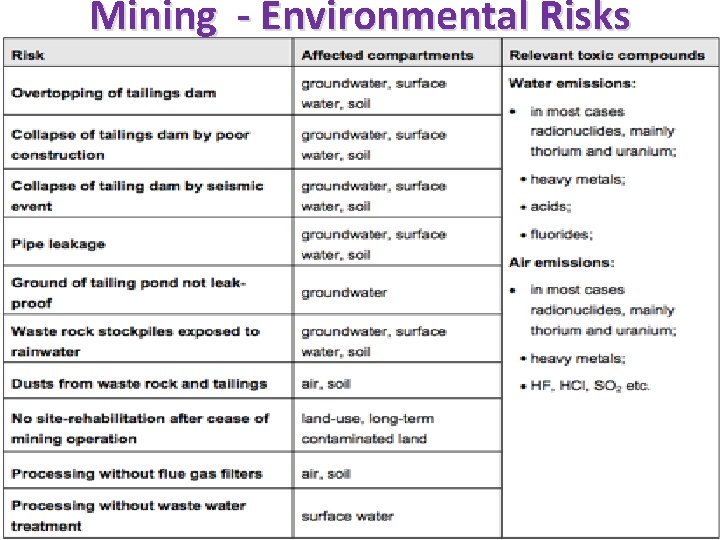
Mining - Environmental Risks
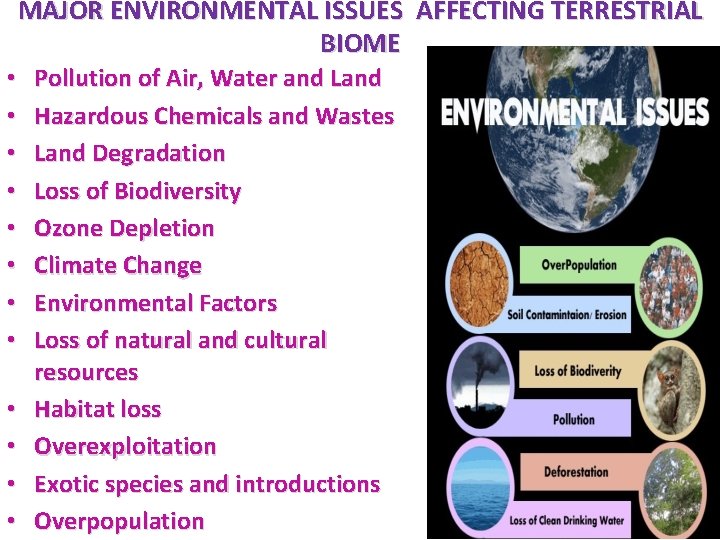
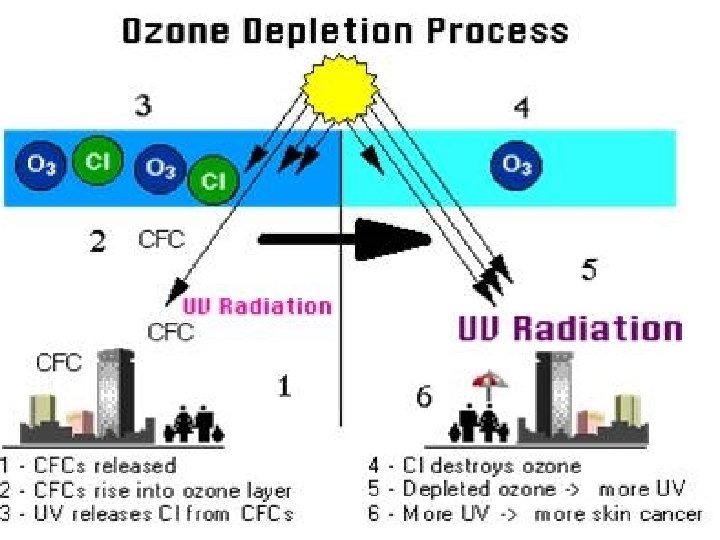
MAJOR ENVIRONMENTAL ISSUES AFFECTING TERRESTRIAL BIOME • • • Pollution of Air, Water and Land Hazardous Chemicals and Wastes Land Degradation Loss of Biodiversity Ozone Depletion Climate Change Environmental Factors Loss of natural and cultural resources Habitat loss Overexploitation Exotic species and introductions Overpopulation
Pollution • Harmful materials entering the environment • Point source pollution – from a clearly identifiable source • Nonpoint pollution comes from many different sources. • Four main categories – industrial, residential, commercial, and environmental
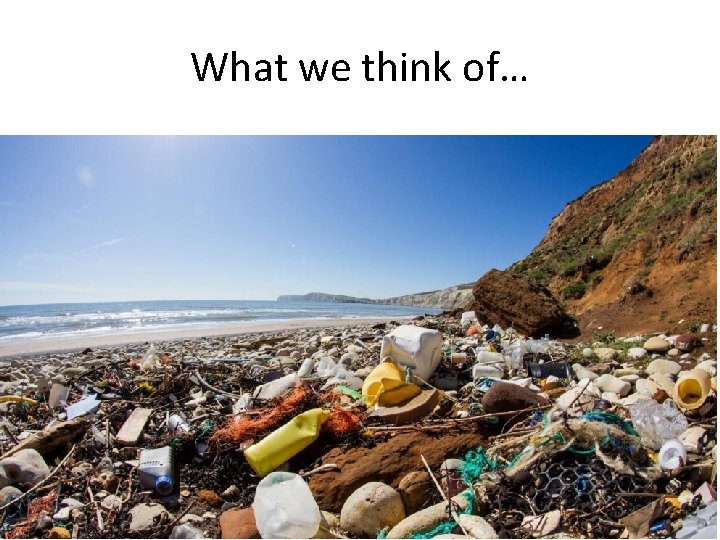
What we think of…
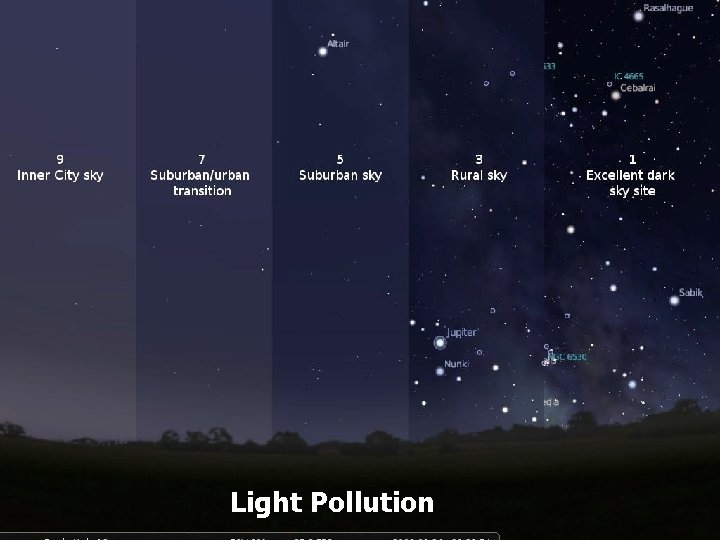
Light Pollution
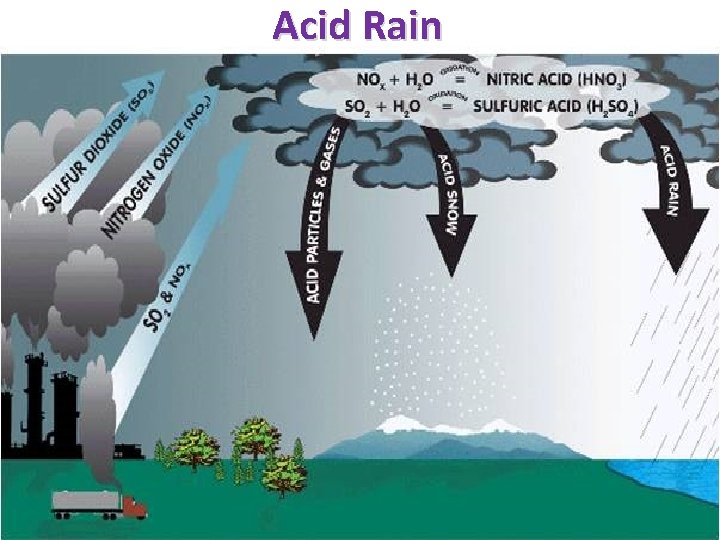
Acid Rain
Greenhouse Effect
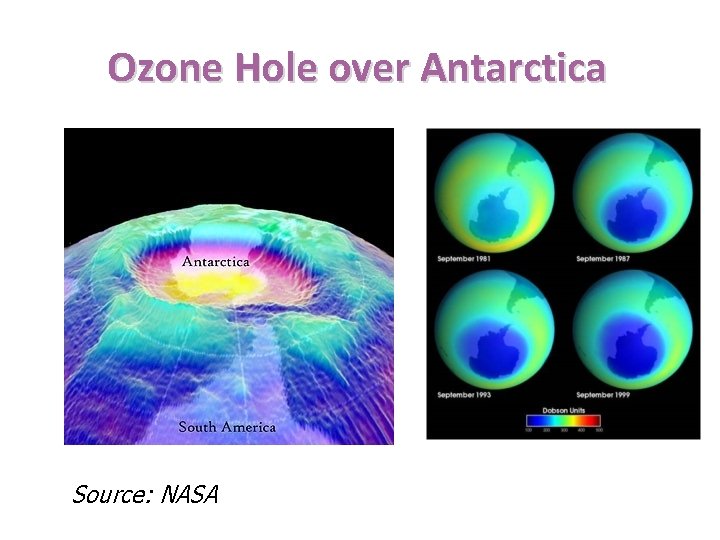
Ozone Hole over Antarctica Source: NASA
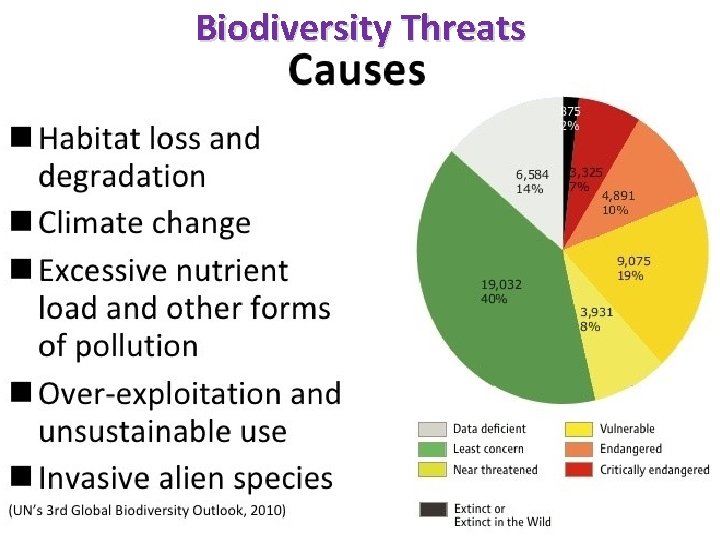
Biodiversity Threats
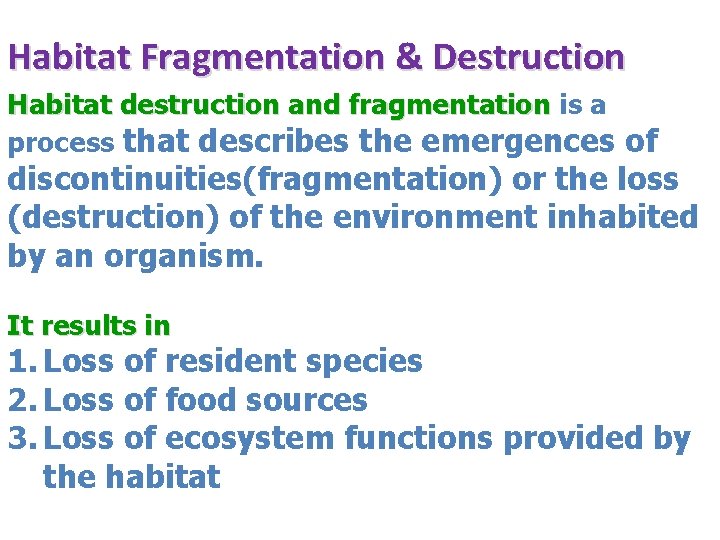
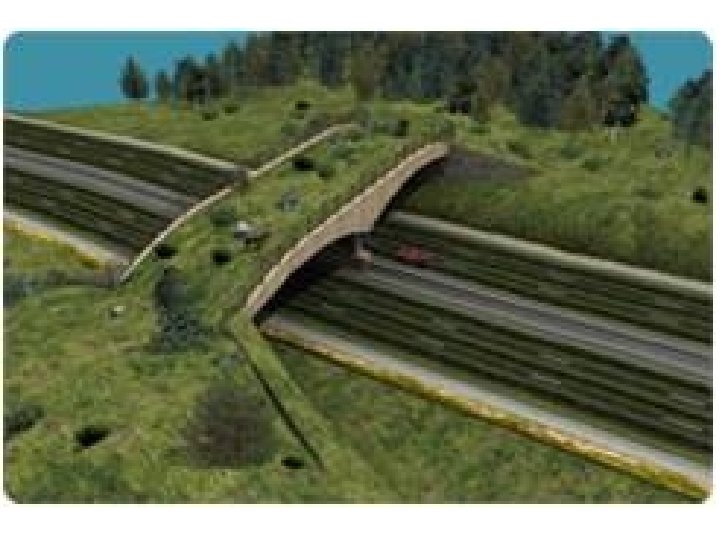
Habitat Fragmentation & Destruction Habitat destruction and fragmentation is a Habitat destruction and fragmentation process that describes the emergences of discontinuities(fragmentation) or the loss (destruction) of the environment inhabited by an organism. It results in 1. Loss of resident species 2. Loss of food sources 3. Loss of ecosystem functions provided by the habitat
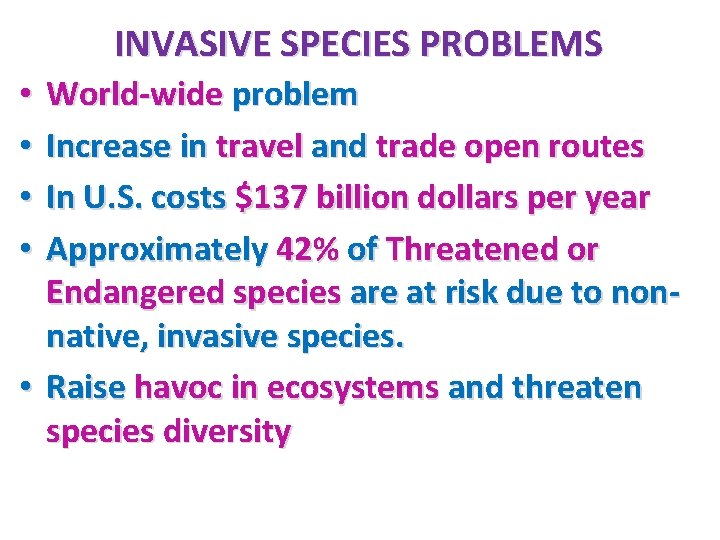
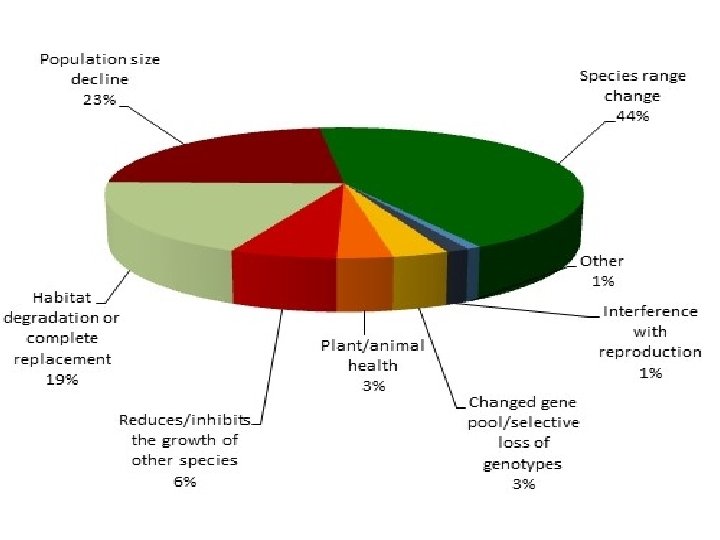
INVASIVE SPECIES PROBLEMS World-wide problem Increase in travel and trade open routes In U. S. costs $137 billion dollars per year Approximately 42% of Threatened or Endangered species are at risk due to nonnative, invasive species. • Raise havoc in ecosystems and threaten species diversity • •
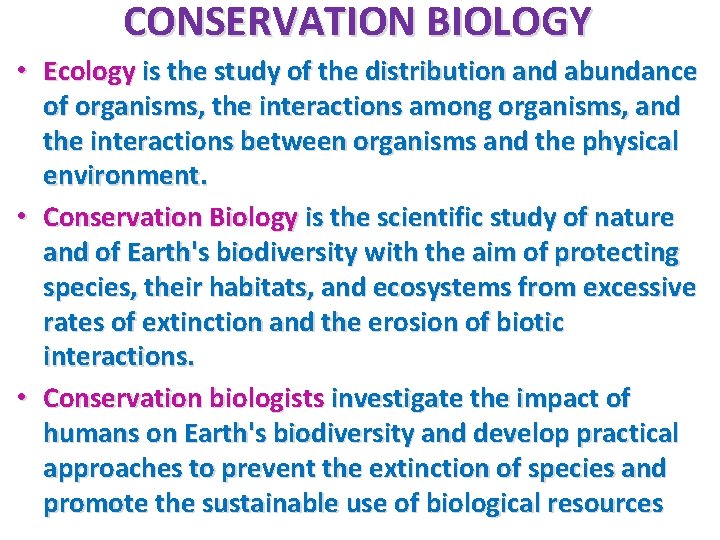
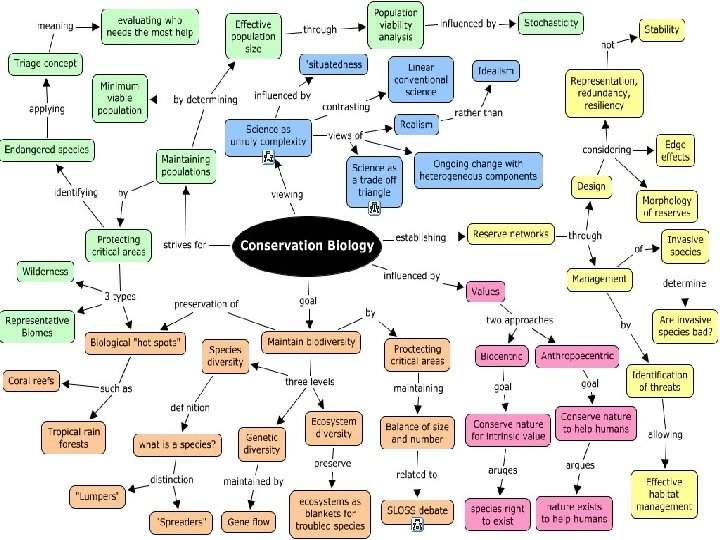
CONSERVATION BIOLOGY • Ecology is the study of the distribution and abundance of organisms, the interactions among organisms, and the interactions between organisms and the physical environment. • Conservation Biology is the scientific study of nature and of Earth's biodiversity with the aim of protecting species, their habitats, and ecosystems from excessive rates of extinction and the erosion of biotic interactions. • Conservation biologists investigate the impact of humans on Earth's biodiversity and develop practical approaches to prevent the extinction of species and promote the sustainable use of biological resources
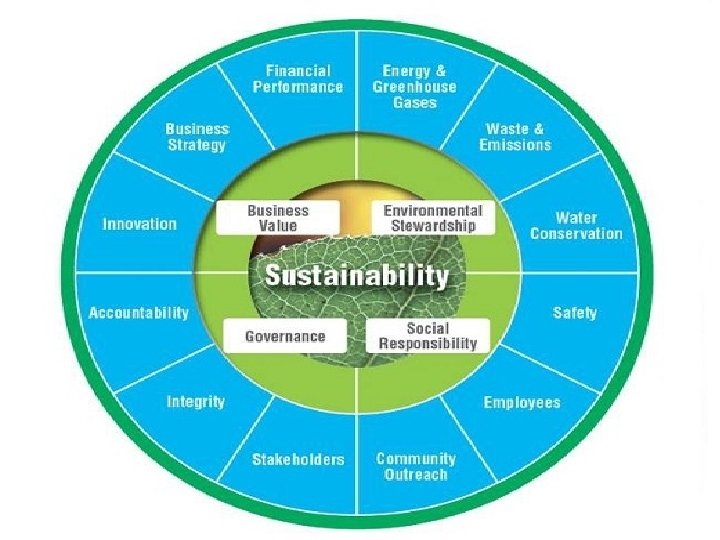
Strategies for a Sustainable World • advancing technologies to reduce waste • increasing recycling and reuse • creating even safer treatment and disposal options • developing sources of renewable energy • sharing the benefits of our learning and innovation
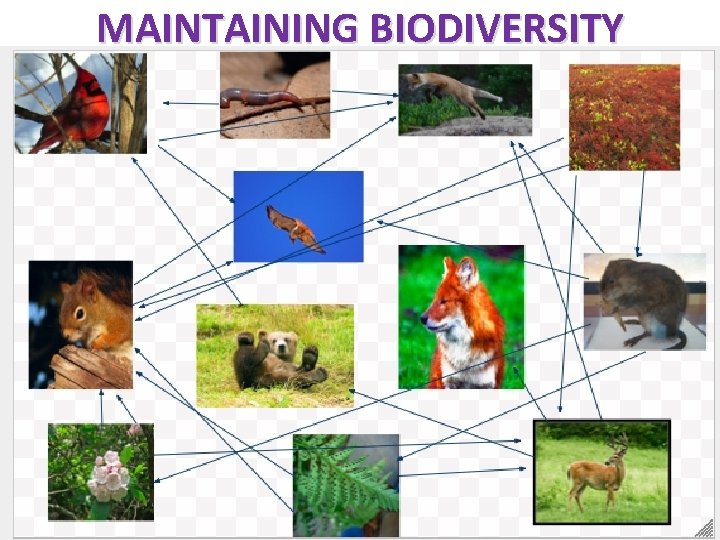
MAINTAINING BIODIVERSITY
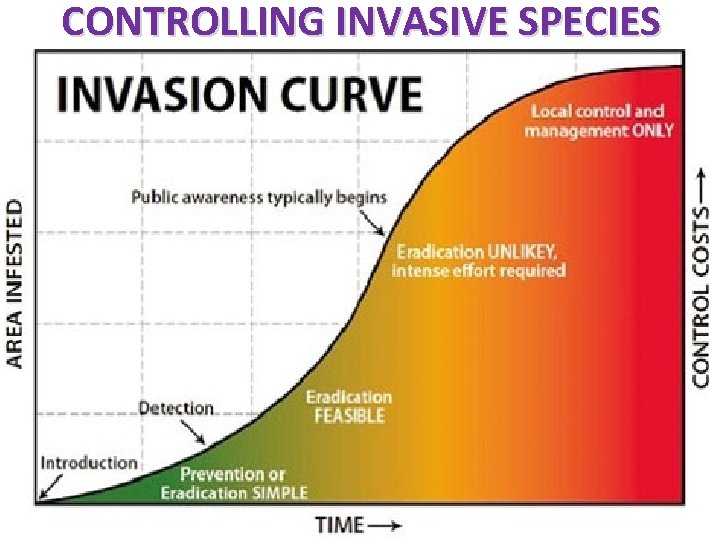
CONTROLLING INVASIVE SPECIES
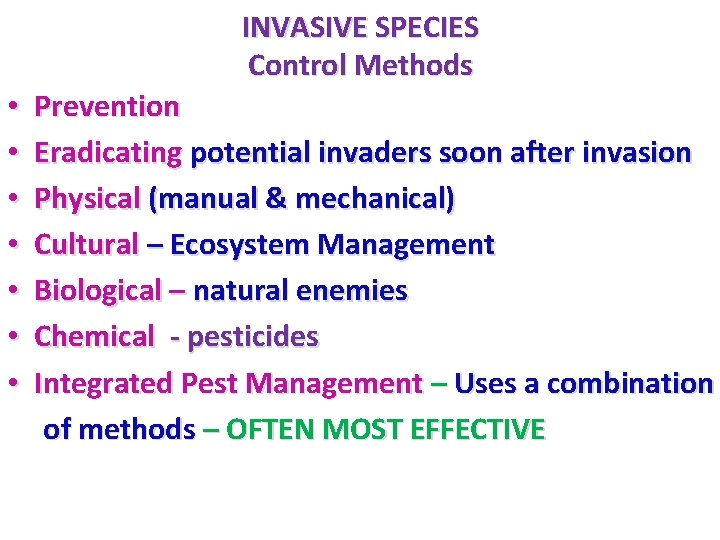
INVASIVE SPECIES Control Methods • • Prevention Eradicating potential invaders soon after invasion Physical (manual & mechanical) Cultural – Ecosystem Management Biological – natural enemies Chemical - pesticides Integrated Pest Management – Uses a combination of methods – OFTEN MOST EFFECTIVE
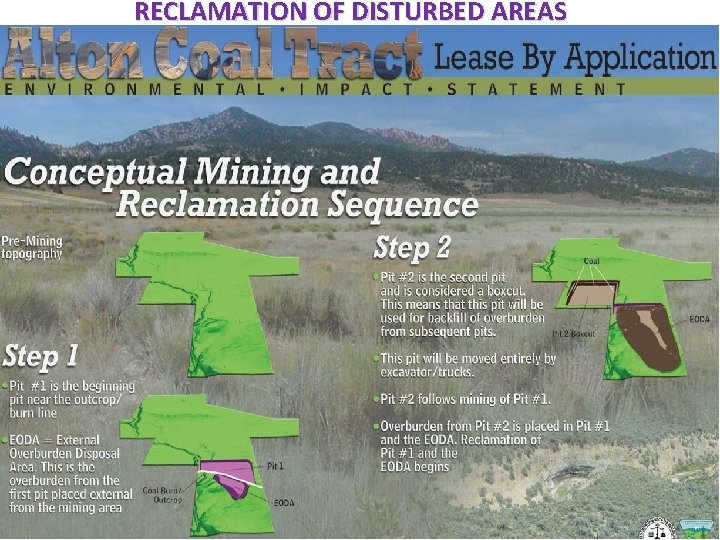
RECLAMATION OF DISTURBED AREAS
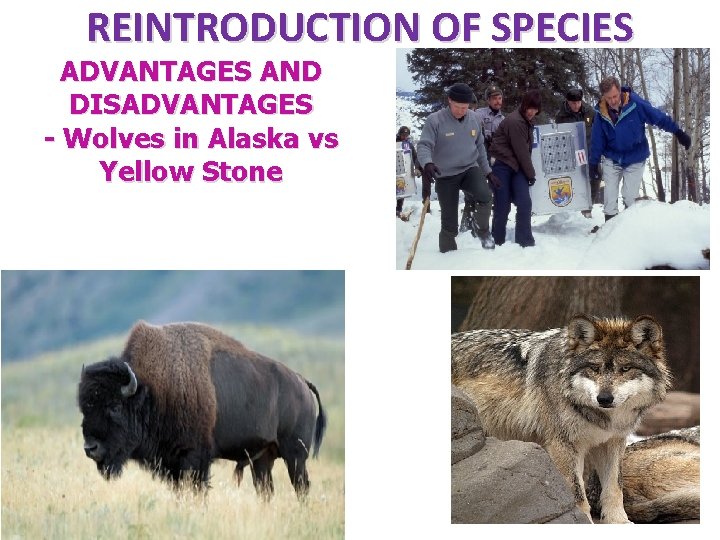
REINTRODUCTION OF SPECIES ADVANTAGES AND DISADVANTAGES - Wolves in Alaska vs Yellow Stone
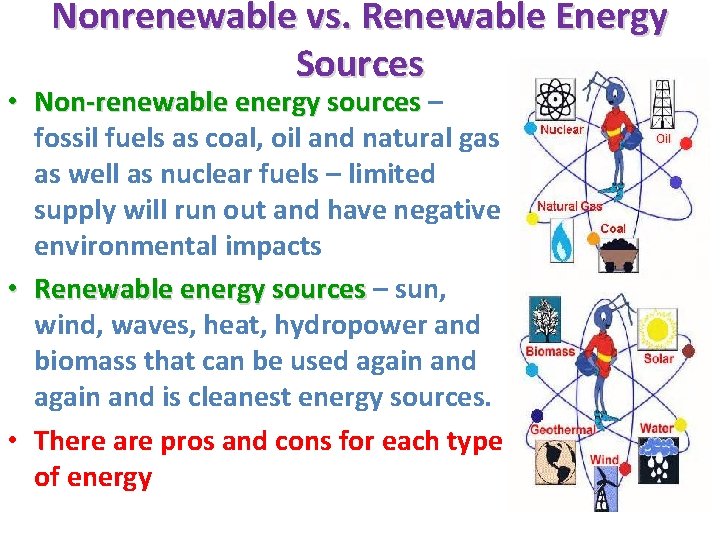
Nonrenewable vs. Renewable Energy Sources • Non-renewable energy sources – fossil fuels as coal, oil and natural gas as well as nuclear fuels – limited supply will run out and have negative environmental impacts • Renewable energy sources – sun, wind, waves, heat, hydropower and biomass that can be used again and is cleanest energy sources. • There are pros and cons for each type of energy