
PART 1 FUNDAMENTALS Chapter 1 7 Scale and
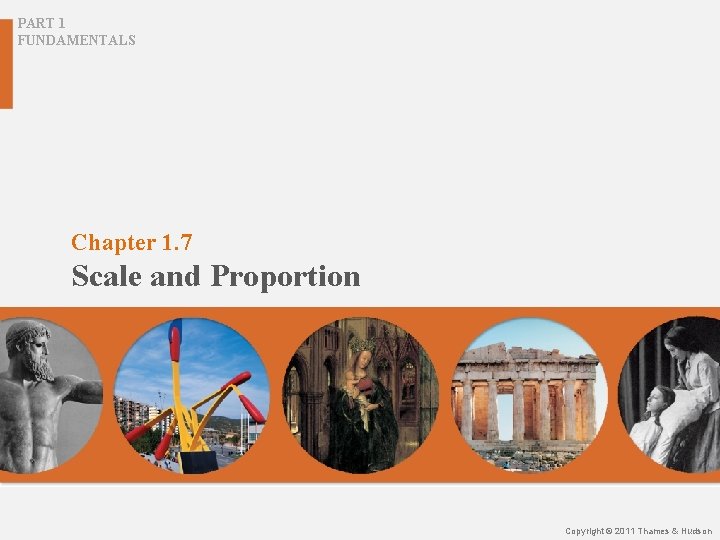
- Slides: 32
PART 1 FUNDAMENTALS Chapter 1. 7 Scale and Proportion Copyright © 2011 Thames & Hudson
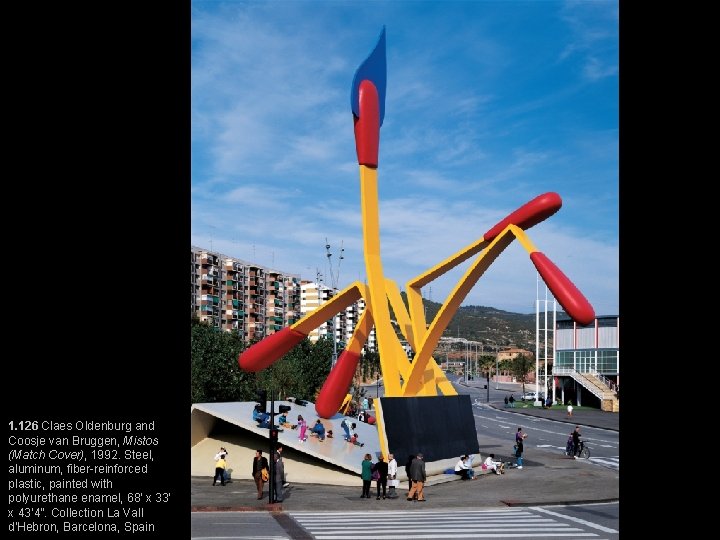
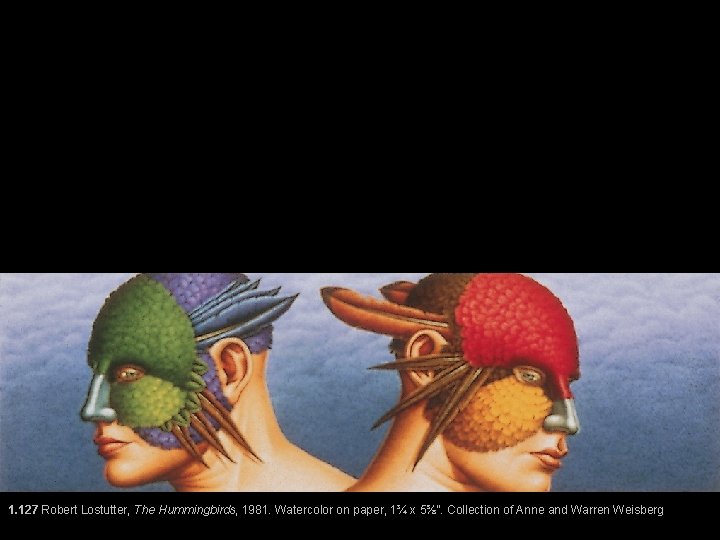
Chapter 1. 7 Scale and Proportion PART 1 FUNDAMENTALS Introduction § We perceive scale in relation to our own size u u u Art objects created on a monumental scale appear larger than they would be in normal life Art objects created on a human scale correspond to the size of things as they actually exist Small-scale objects appear smaller than our usual experience of them in the real world § Usually, an artist ensures that all the parts of an object are in proportion to one another § But discordant proportions can express specific meanings Gateways to Art: Understanding the Visual Arts, Debra J. De. Witte, Ralph M. Larmann, M. Kathryn Shields
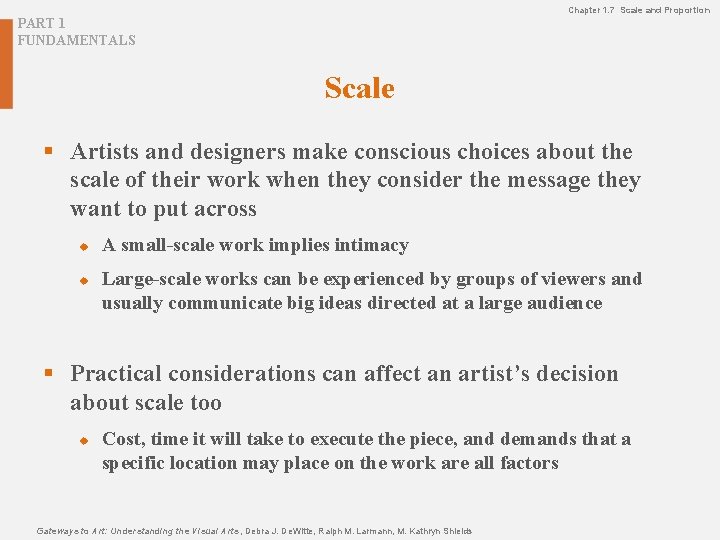
Chapter 1. 7 Scale and Proportion PART 1 FUNDAMENTALS Scale § Artists and designers make conscious choices about the scale of their work when they consider the message they want to put across u u A small-scale work implies intimacy Large-scale works can be experienced by groups of viewers and usually communicate big ideas directed at a large audience § Practical considerations can affect an artist’s decision about scale too u Cost, time it will take to execute the piece, and demands that a specific location may place on the work are all factors Gateways to Art: Understanding the Visual Arts, Debra J. De. Witte, Ralph M. Larmann, M. Kathryn Shields
Chapter 1. 7 Scale and Proportion PART 1 FUNDAMENTALS Scale and Meaning § Usually a monumental scale indicates heroism or other epic virtues § War monuments, for example, often feature figures much larger than life-size in order to convey the bravery of the warriors Gateways to Art: Understanding the Visual Arts, Debra J. De. Witte, Ralph M. Larmann, M. Kathryn Shields
1. 126 Claes Oldenburg and Coosje van Bruggen, Mistos (Match Cover), 1992. Steel, aluminum, fiber-reinforced plastic, painted with polyurethane enamel, 68' x 33' x 43’ 4”. Collection La Vall d'Hebron, Barcelona, Spain
1. 127 Robert Lostutter, The Hummingbirds, 1981. Watercolor on paper, 1¾ x 5⅝”. Collection of Anne and Warren Weisberg
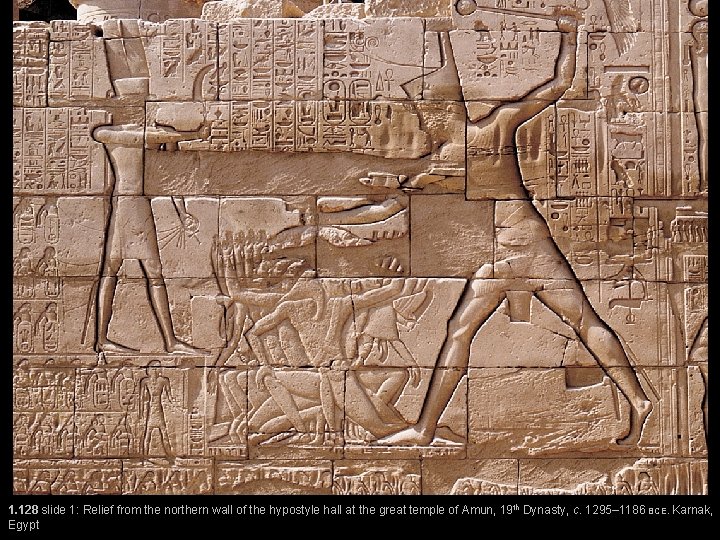
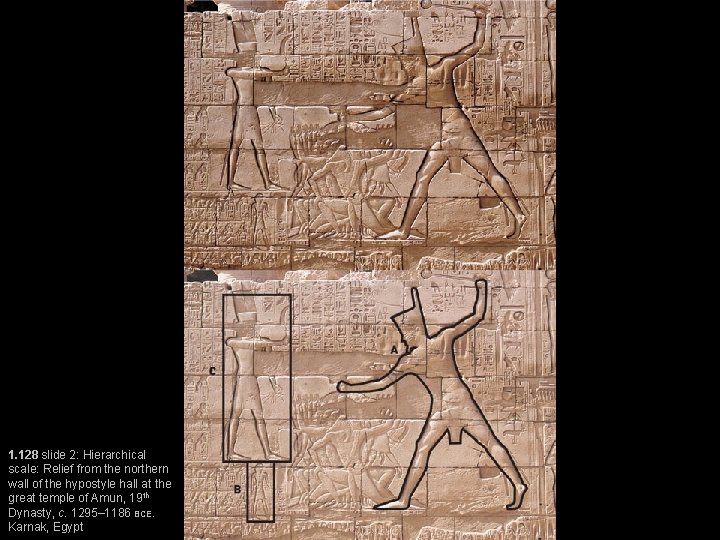
Chapter 1. 7 Scale and Proportion PART 1 FUNDAMENTALS Hierarchical Scale § Hierarchical scale refers to the deliberate use of relative size in a work of art, in order to communicate differences in importance § Almost always, larger means more important, and smaller means less important Gateways to Art: Understanding the Visual Arts, Debra J. De. Witte, Ralph M. Larmann, M. Kathryn Shields
1. 128 slide 1: Relief from the northern wall of the hypostyle hall at the great temple of Amun, 19 th Dynasty, c. 1295– 1186 BCE. Karnak, Egypt
1. 128 slide 2: Hierarchical scale: Relief from the northern wall of the hypostyle hall at the great temple of Amun, 19 th Dynasty, c. 1295– 1186 BCE. Karnak, Egypt
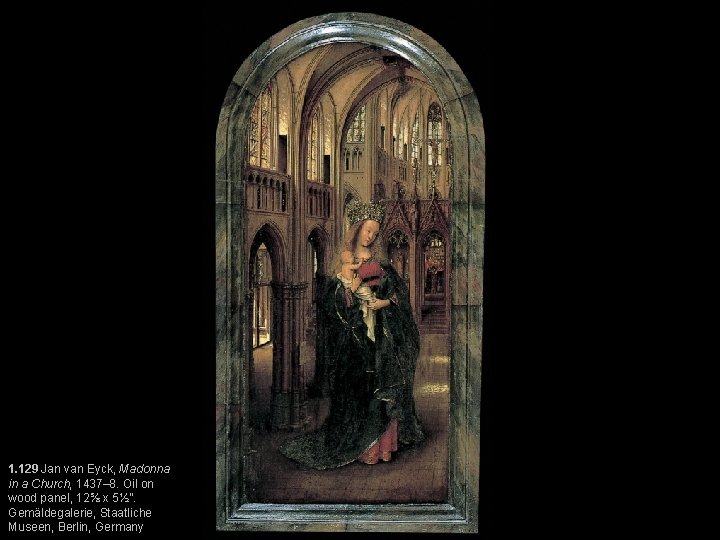
1. 129 Jan van Eyck, Madonna in a Church, 1437– 8. Oil on wood panel, 12⅝ x 5½”. Gemäldegalerie, Staatliche Museen, Berlin, Germany
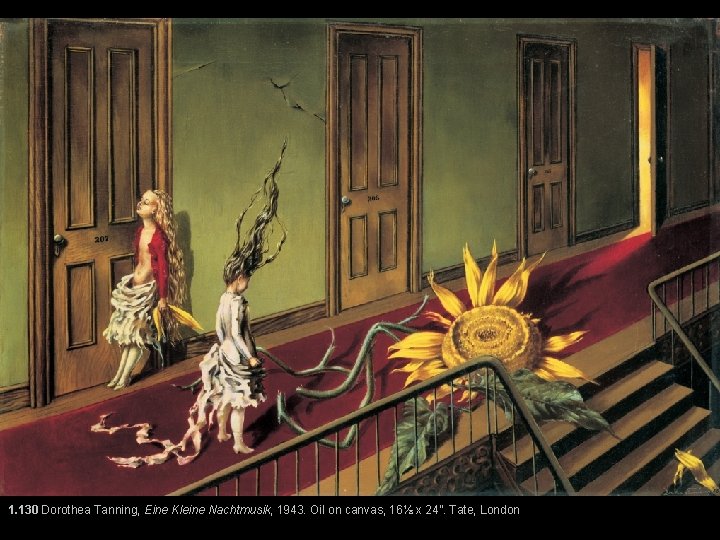
Chapter 1. 7 Scale and Proportion PART 1 FUNDAMENTALS Distorted Scale § An artist may deliberately distort scale to create an abnormal or supernatural effect Gateways to Art: Understanding the Visual Arts, Debra J. De. Witte, Ralph M. Larmann, M. Kathryn Shields
1. 130 Dorothea Tanning, Eine Kleine Nachtmusik, 1943. Oil on canvas, 16⅛ x 24”. Tate, London
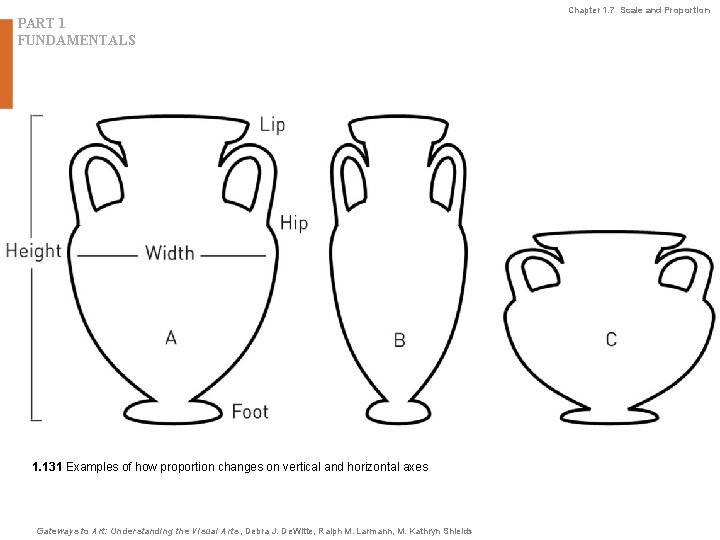
Chapter 1. 7 Scale and Proportion PART 1 FUNDAMENTALS Proportion § The relationships between the sizes of different parts of a work make up its proportions § By controlling these size relationships, an artist can enhance the expressive and descriptive characteristics of the work Gateways to Art: Understanding the Visual Arts, Debra J. De. Witte, Ralph M. Larmann, M. Kathryn Shields
Chapter 1. 7 Scale and Proportion PART 1 FUNDAMENTALS 1. 131 Examples of how proportion changes on vertical and horizontal axes Gateways to Art: Understanding the Visual Arts, Debra J. De. Witte, Ralph M. Larmann, M. Kathryn Shields
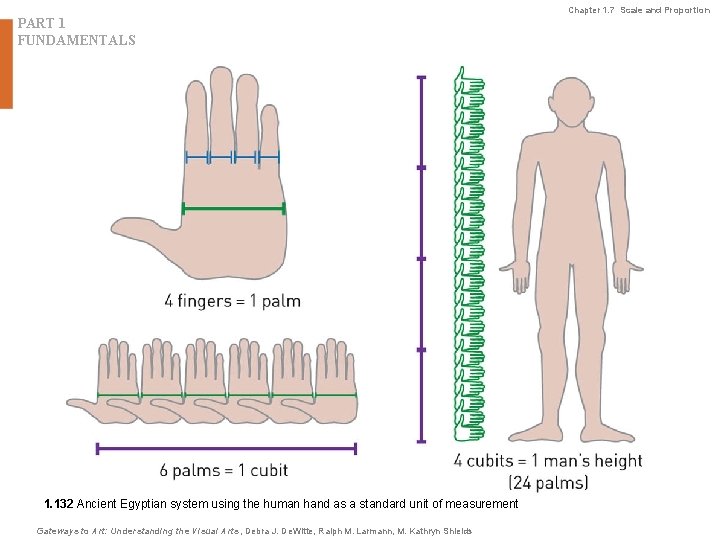
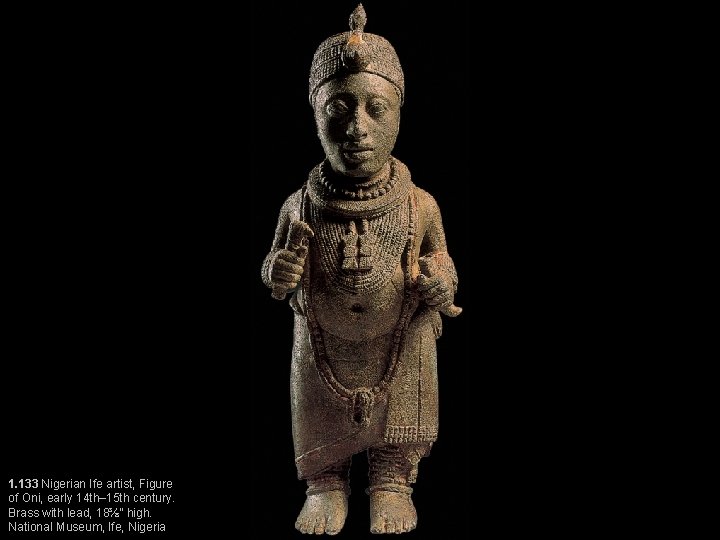
Chapter 1. 7 Scale and Proportion PART 1 FUNDAMENTALS Human Proportion § Carefully chosen proportion can make an art object seem pleasing to the eye u This goes for the human body, too § The ancient Egyptians used the palm of the hand as a unit of measurement § The ancient Greeks sought an ideal of beauty in the principle of proportion § The models used by the Greeks for calculating human proportion were later adopted by artists of ancient Rome, and then by Renaissance artists Gateways to Art: Understanding the Visual Arts, Debra J. De. Witte, Ralph M. Larmann, M. Kathryn Shields
Chapter 1. 7 Scale and Proportion PART 1 FUNDAMENTALS 1. 132 Ancient Egyptian system using the human hand as a standard unit of measurement Gateways to Art: Understanding the Visual Arts, Debra J. De. Witte, Ralph M. Larmann, M. Kathryn Shields
1. 133 Nigerian Ife artist, Figure of Oni, early 14 th– 15 th century. Brass with lead, 18⅜” high. National Museum, Ife, Nigeria
Chapter 1. 7 Scale and Proportion PART 1 FUNDAMENTALS The Master Sculptors of Benin and Ife Click the image above to launch the video Gateways to Art: Understanding the Visual Arts, Debra J. De. Witte, Ralph M. Larmann, M. Kathryn Shields
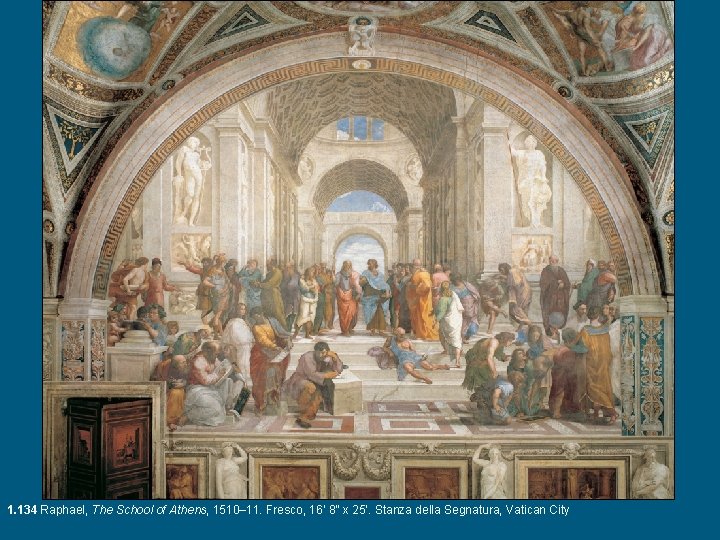
1. 134 Raphael, The School of Athens, 1510– 11. Fresco, 16’ 8” x 25’. Stanza della Segnatura, Vatican City
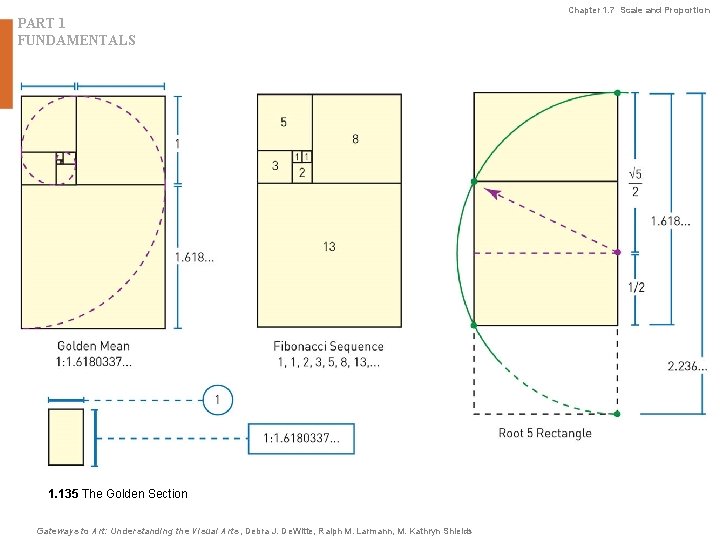
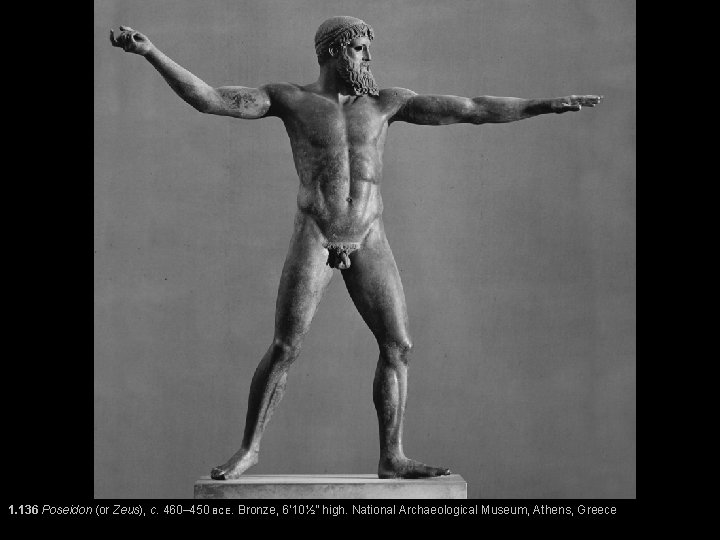
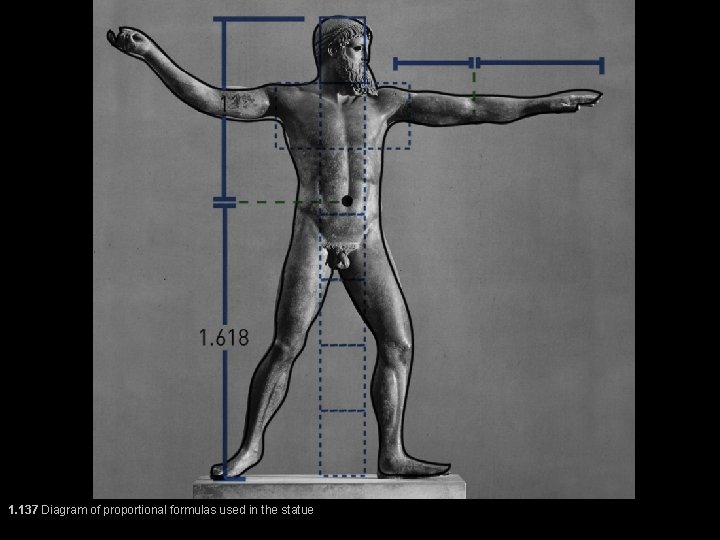
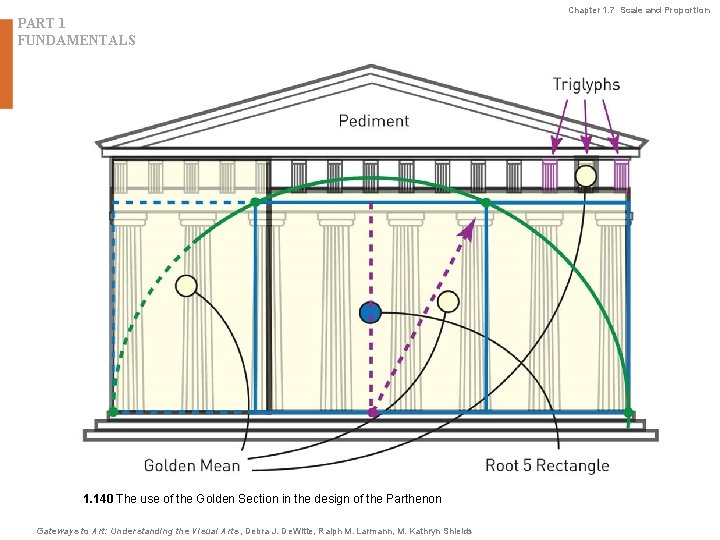
Chapter 1. 7 Scale and Proportion PART 1 FUNDAMENTALS The Golden Section § The Golden Section is a proportional ratio of 1: 1. 618, which occurs in many natural objects § Real human bodies do not have exactly these proportions, but when the ratio 1: 1. 618 is applied to making statues, it gives naturalistic results § The proportions of Ancient Greek sculptures are often very close to the Golden Section Gateways to Art: Understanding the Visual Arts, Debra J. De. Witte, Ralph M. Larmann, M. Kathryn Shields
Chapter 1. 7 Scale and Proportion PART 1 FUNDAMENTALS 1. 135 The Golden Section Gateways to Art: Understanding the Visual Arts, Debra J. De. Witte, Ralph M. Larmann, M. Kathryn Shields
1. 136 Poseidon (or Zeus), c. 460– 450 BCE. Bronze, 6’ 10½” high. National Archaeological Museum, Athens, Greece
1. 137 Diagram of proportional formulas used in the statue
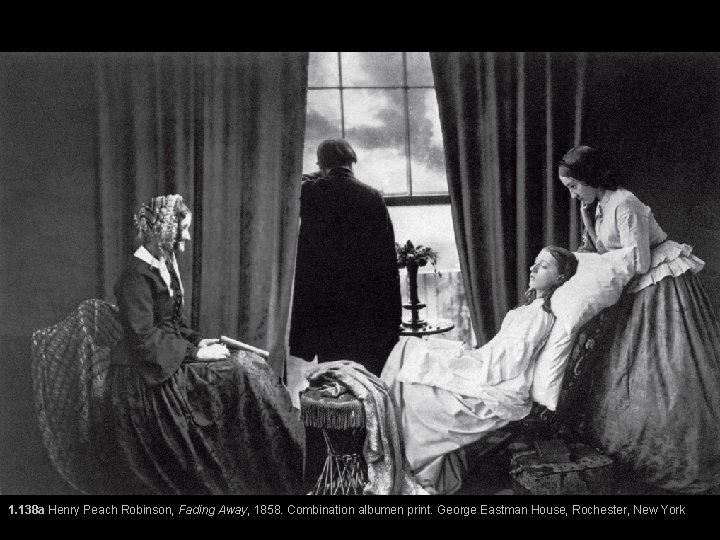
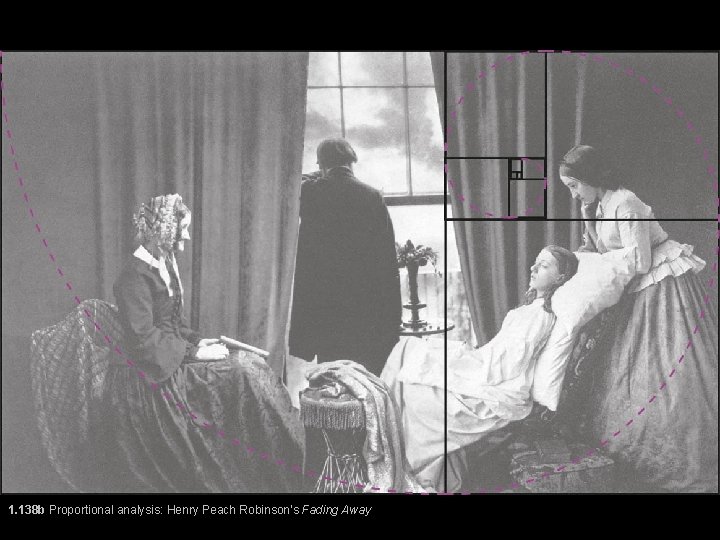
Chapter 1. 7 Scale and Proportion PART 1 FUNDAMENTALS Proportional Ratios § “Golden Rectangles” is a technique based on nesting inside each other a succession of rectangles based on the 1: 1. 618 proportions of the Golden Section u u The shorter side of the outer rectangle becomes the longer side of the smaller rectangle inside it, and so on The result is an elegant spiral shape Gateways to Art: Understanding the Visual Arts, Debra J. De. Witte, Ralph M. Larmann, M. Kathryn Shields
1. 138 a Henry Peach Robinson, Fading Away, 1858. Combination albumen print. George Eastman House, Rochester, New York
1. 138 b Proportional analysis: Henry Peach Robinson’s Fading Away
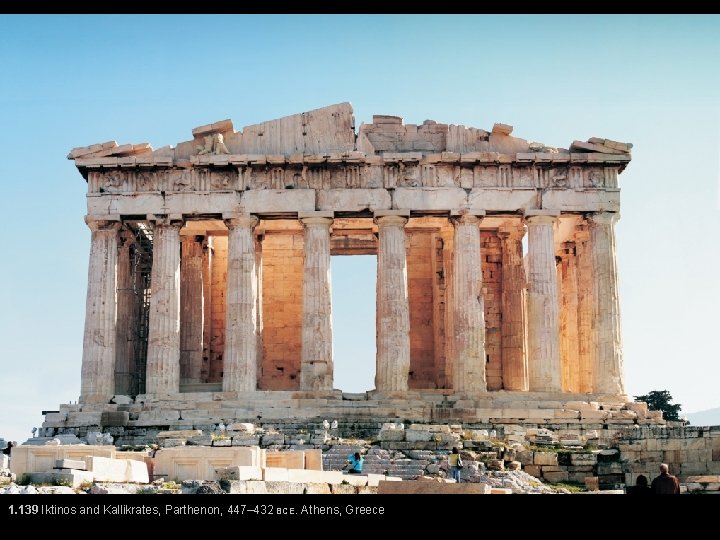
1. 139 Iktinos and Kallikrates, Parthenon, 447– 432 BCE. Athens, Greece
Chapter 1. 7 Scale and Proportion PART 1 FUNDAMENTALS 1. 140 The use of the Golden Section in the design of the Parthenon Gateways to Art: Understanding the Visual Arts, Debra J. De. Witte, Ralph M. Larmann, M. Kathryn Shields
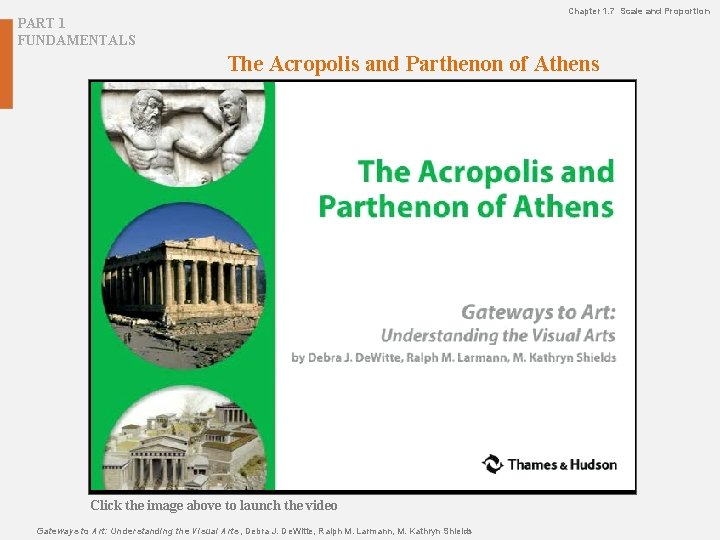
Chapter 1. 7 Scale and Proportion PART 1 FUNDAMENTALS The Acropolis and Parthenon of Athens Click the image above to launch the video Gateways to Art: Understanding the Visual Arts, Debra J. De. Witte, Ralph M. Larmann, M. Kathryn Shields
Chapter 1. 7 Scale and Proportion PART 1 FUNDAMENTALS Conclusion § When proportion conforms to scale, all the parts of the work look the way we expect them to § Scale and proportion are basic to most works; size choices influence all the other elements and principles in the design Gateways to Art: Understanding the Visual Arts, Debra J. De. Witte, Ralph M. Larmann, M. Kathryn Shields
Chapter 1. 7 Scale and Proportion PART 1 FUNDAMENTALS This concludes the Power. Point slide set for Chapter 1. 7 Gateways to Art: Understanding the Visual Arts By Debra J. De. Witte, Ralph M. Larmann, M. Kathryn Shields Copyright © 2011 Thames & Hudson Power. Points developed by Creative. Myndz Multimedia Studios
Chapter 1. 7 Scale and Proportion PART 1 FUNDAMENTALS Picture Credits for Chapter 1. 7 1. 126 Photo Attilio Maranzano. Photo courtesy the Oldenburg van Bruggen Foundation. Copyright 1992 Claes Oldenburg and Coosje van Bruggen 1. 127 Courtesy the artist 1. 128 Werner Forman Archive, line artwork Ralph Larmann 1. 129 Gemäldegalerie, Staatliche Museen, Berlin 1. 130 Purchased with assistance from the Art Fund and the American Fund for the Tate Gallery 1997 © Tate, London, 2011. © ADAGP, Paris and DACS, London 2011 1. 131, 1. 132 Ralph Larmann 1. 133 National Museum, Ife, Nigeria 1. 134 Stanza della Segnatura, Vatican Museums, Rome 1. 135 Ralph Larmann 1. 136 National Archaeological Museum, Athens 1. 137 Ralph Larmann 1. 138 a George Eastman House, New York 1. 138 b Ralph Larmann 1. 139 i. Stockphoto. com 1. 140 Ralph Larmann Power. Points developed by Creative. Myndz Multimedia Studios