
Part 1 An Overview Part 2 Maintaining Homeostasis
- Slides: 18
Part 1: An Overview Part 2: Maintaining Homeostasis
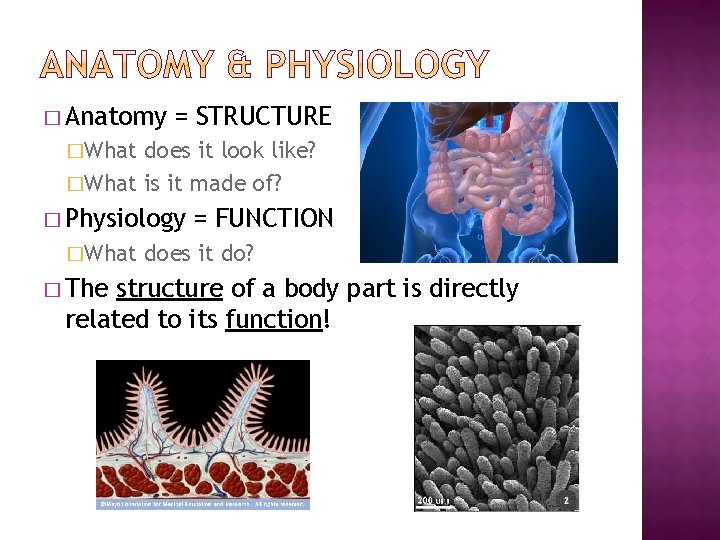
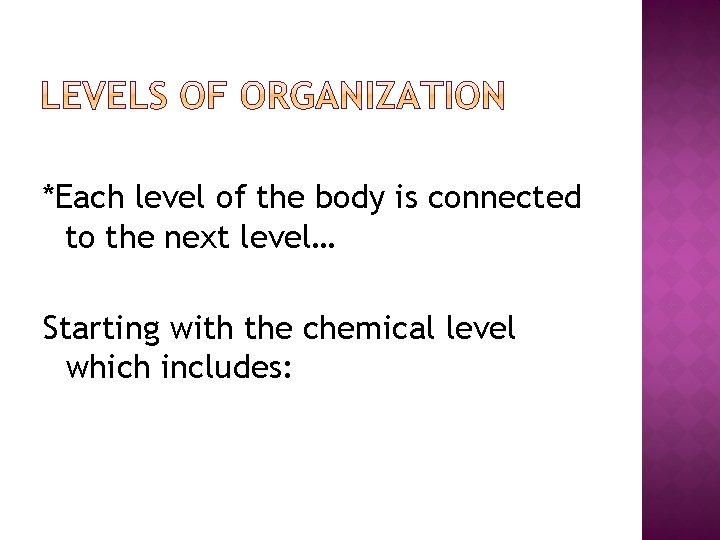
� Anatomy = STRUCTURE �What does it look like? �What is it made of? � Physiology �What � The = FUNCTION does it do? structure of a body part is directly related to its function!
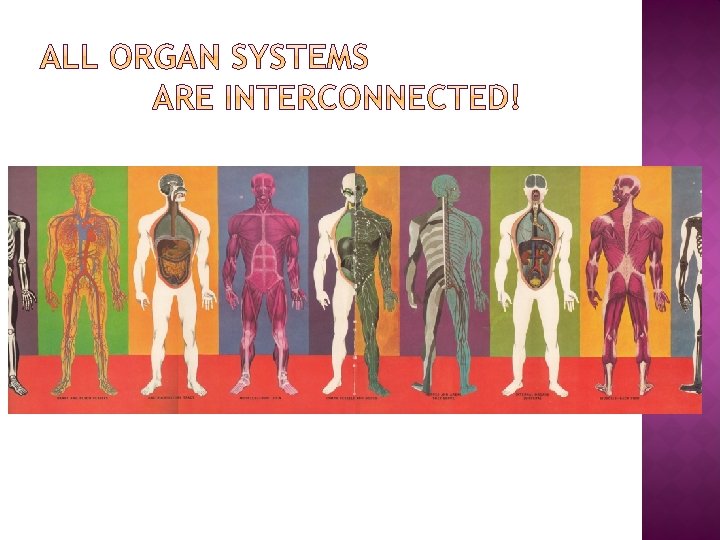
*Each level of the body is connected to the next level… Starting with the chemical level which includes:
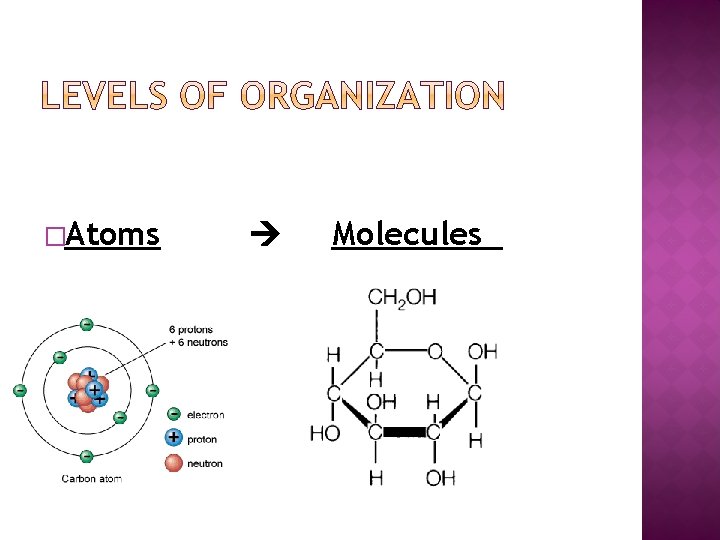
�Atoms Molecules
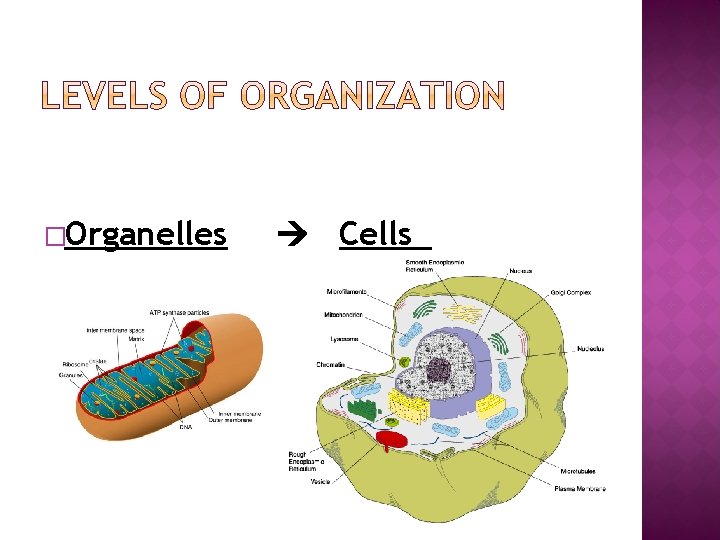
�Organelles Cells
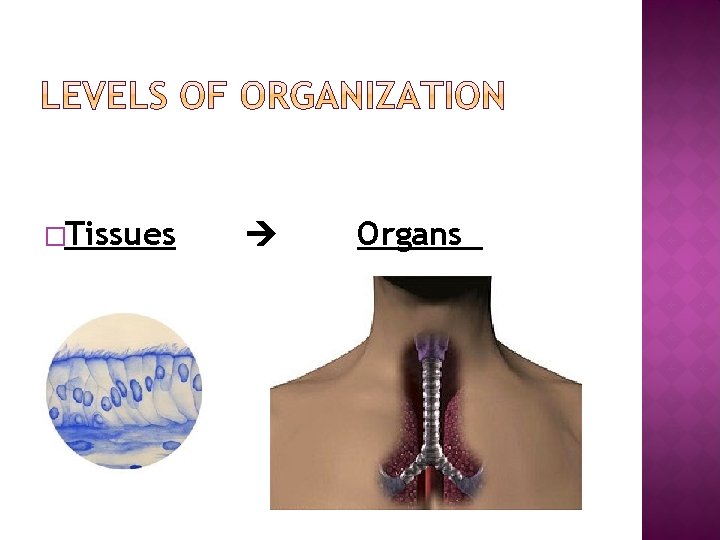
�Tissues Organs
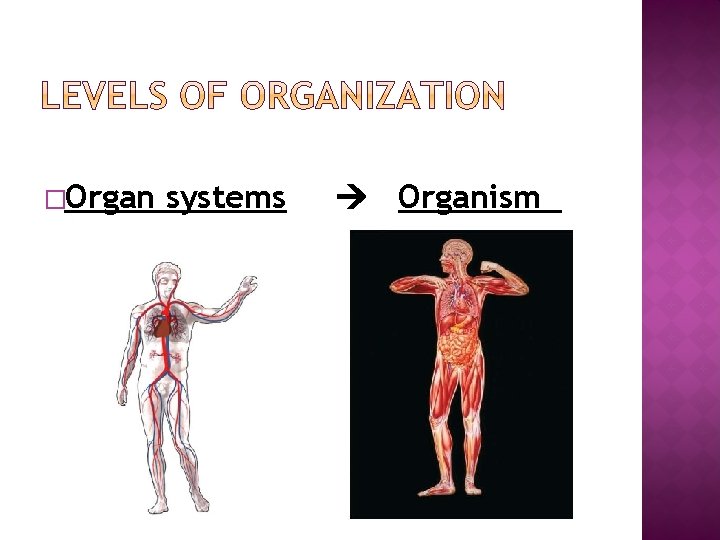
�Organ systems Organism
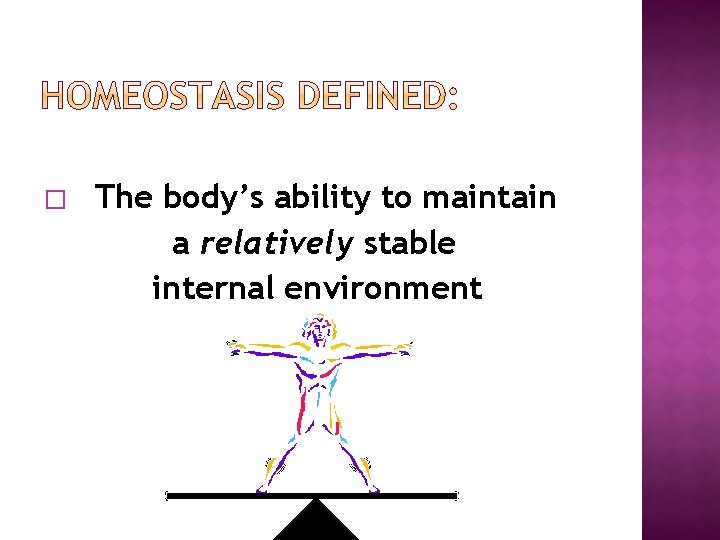
� The body’s ability to maintain a relatively stable internal environment
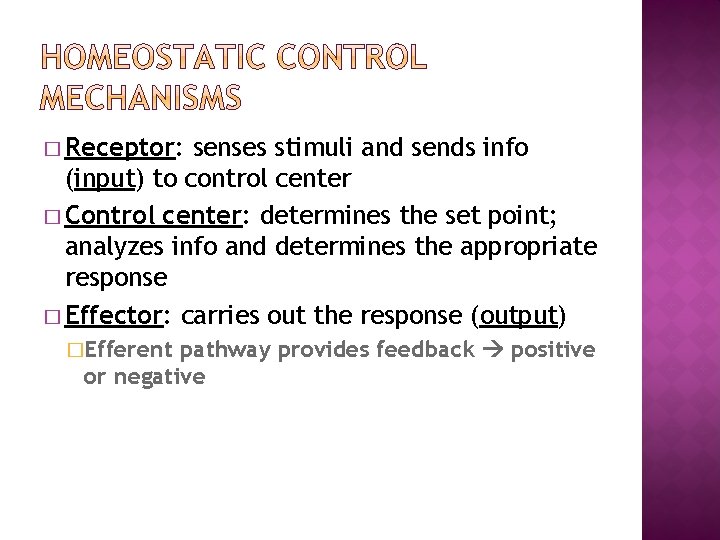
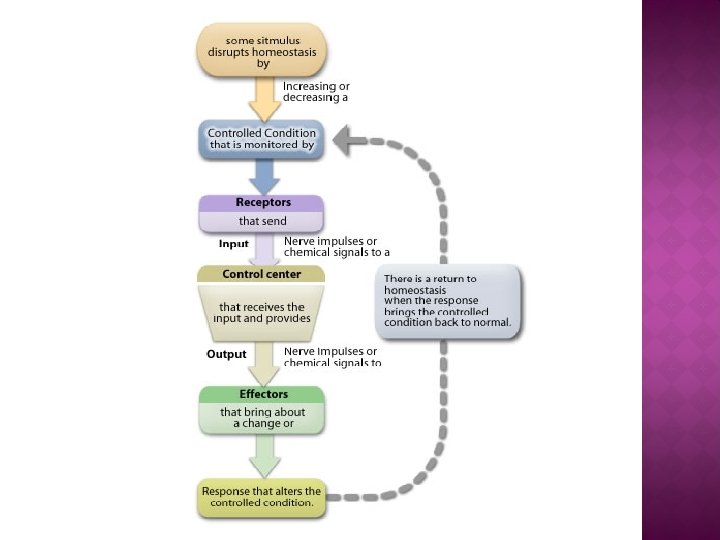
� Receptor: senses stimuli and sends info (input) to control center � Control center: determines the set point; analyzes info and determines the appropriate response � Effector: carries out the response (output) �Efferent pathway provides feedback positive or negative
1) NEGATIVE feedback mechanism � Most common Occurs when a pathway regulates itself by shutting off (inhibiting) the beginning of the pathway * Reverses original stimulus � � Ex: fever
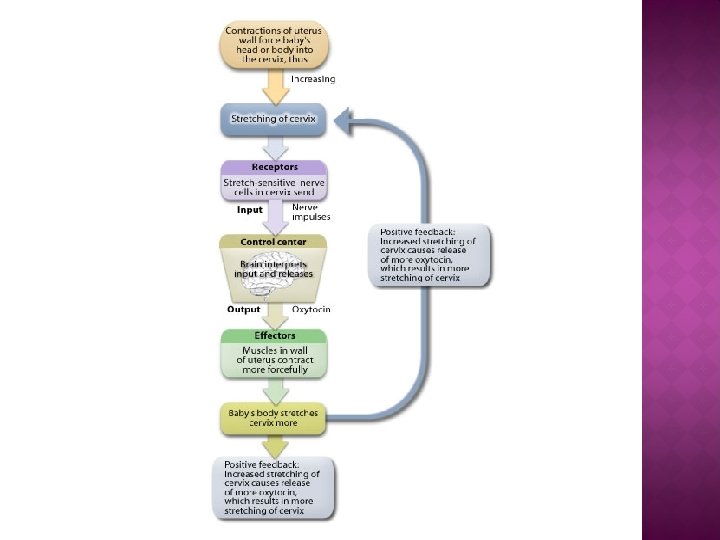
2) POSITIVE feedback mechanism Occurs when the original stimulus is increased � � Ex: labor (childbirth)
Acute: affects a person for a certain amount of time; usually temporary � Ex: heart attack Chronic: remain for a long time and can get worse; usually no cure � Ex: atherosclerosis (heart disease)
Both = disruption of homeostasis Disease: illness characterized by a particular set of signs and symptoms Disorder: abnormality of function
Symptom: subjective change in body function Sign: measureable condition
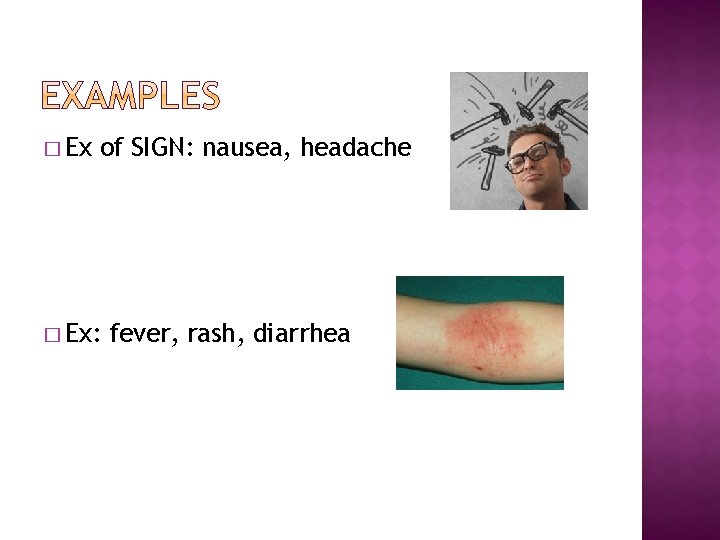
� Ex of SIGN: nausea, headache � Ex: fever, rash, diarrhea