
Part 1 A Observations Inferences What are Observations
Part 1 A. Observations & Inferences
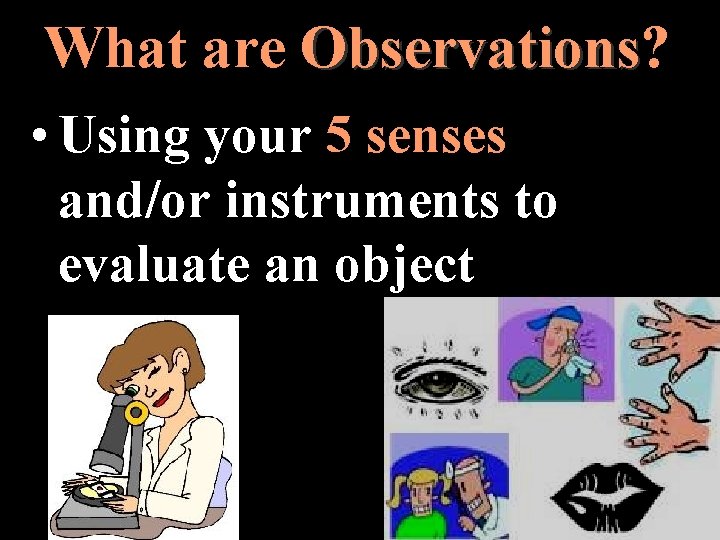
What are Observations? Observations • Using your 5 senses and/or instruments to evaluate an object
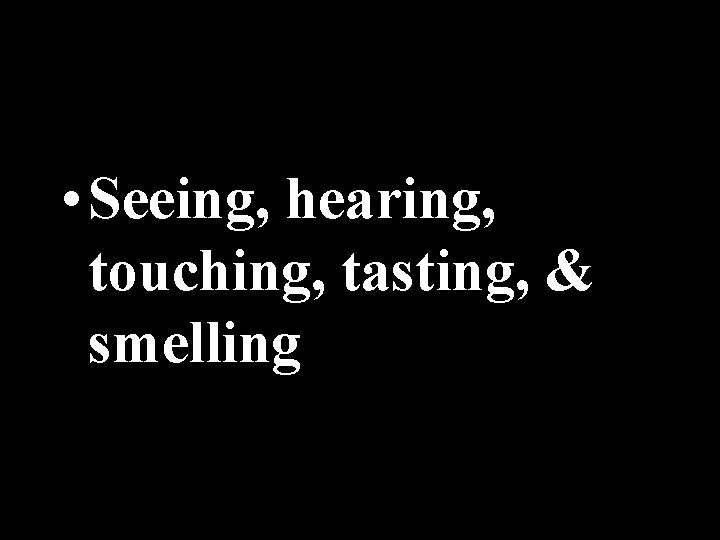
• Seeing, hearing, touching, tasting, & smelling
What are Inferences? Inferences • Educated guesses or predictions based on your observations.
• Example: There are many clouds in the sky, therefore, I predict it will rain. –“It will rain” is the inference!
Observation or Inference? • This rock is smooth and round. • Observation. • This rock was eroded by a river. • Inference.
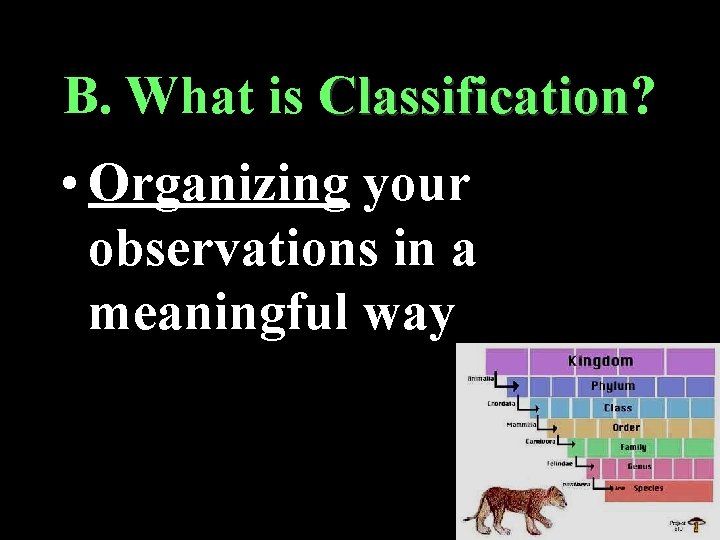
B. What is Classification? Classification • Organizing your observations in a meaningful way
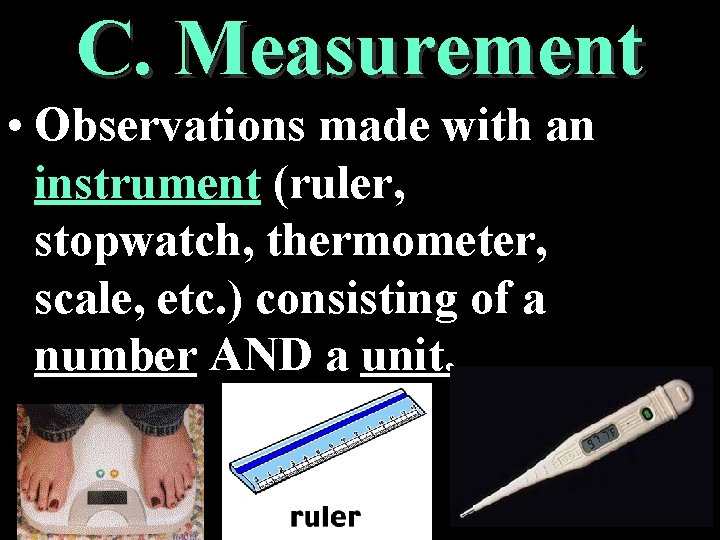
C. Measurement • Observations made with an instrument (ruler, stopwatch, thermometer, scale, etc. ) consisting of a number AND a unit.
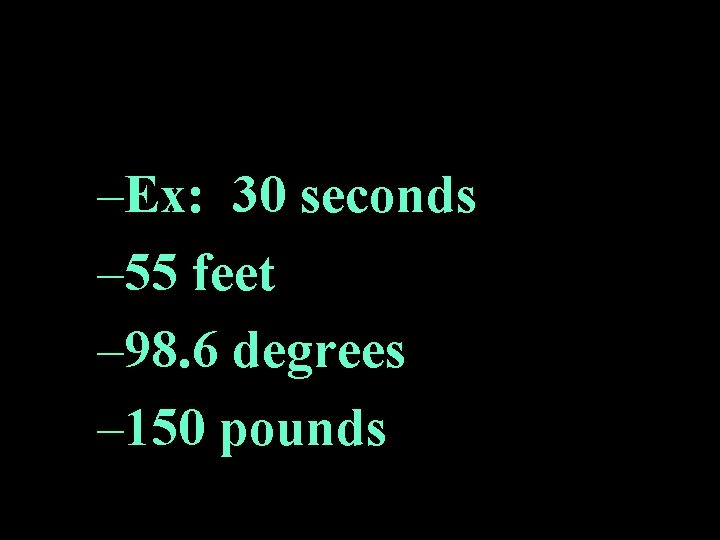
–Ex: 30 seconds – 55 feet – 98. 6 degrees – 150 pounds
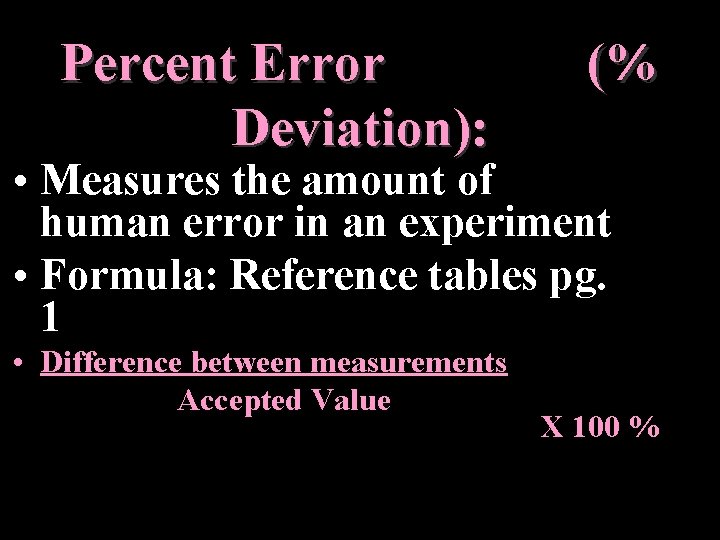
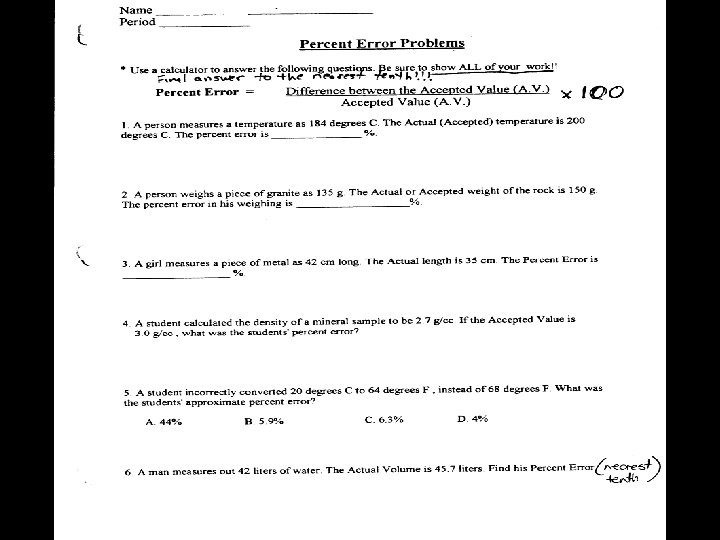
Percent Error Deviation): (% • Measures the amount of human error in an experiment • Formula: Reference tables pg. 1 • Difference between measurements Accepted Value X 100 %
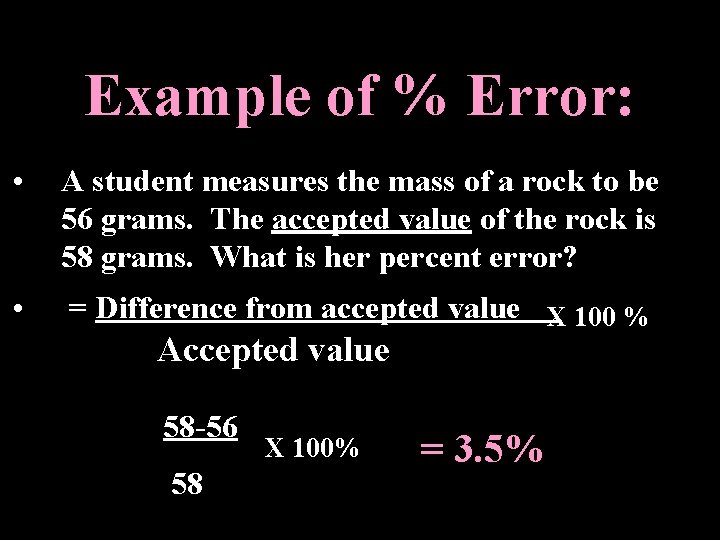
Example of % Error: • A student measures the mass of a rock to be 56 grams. The accepted value of the rock is 58 grams. What is her percent error? • = Difference from accepted value X 100 % Accepted value 58 -56 58 X 100% = 3. 5%
Scientific Notation: • A way to express very large or very small numbers in an easier way
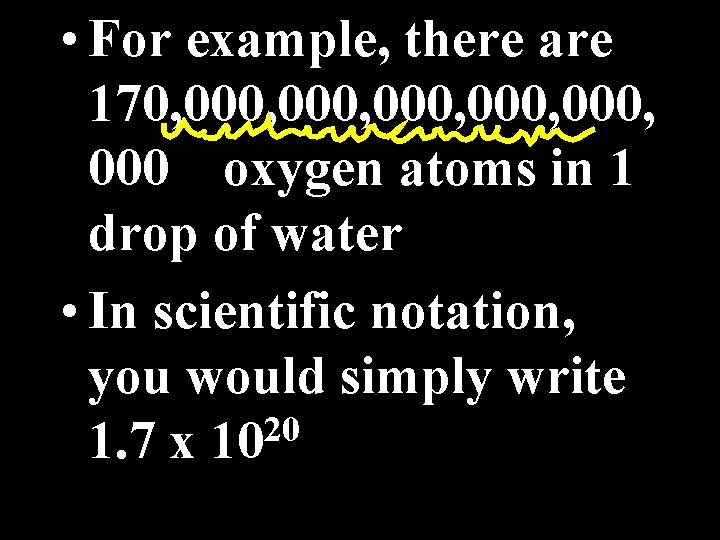
• For example, there are 170, 000, 000 oxygen atoms in 1 drop of water • In scientific notation, you would simply write 20 1. 7 x 10
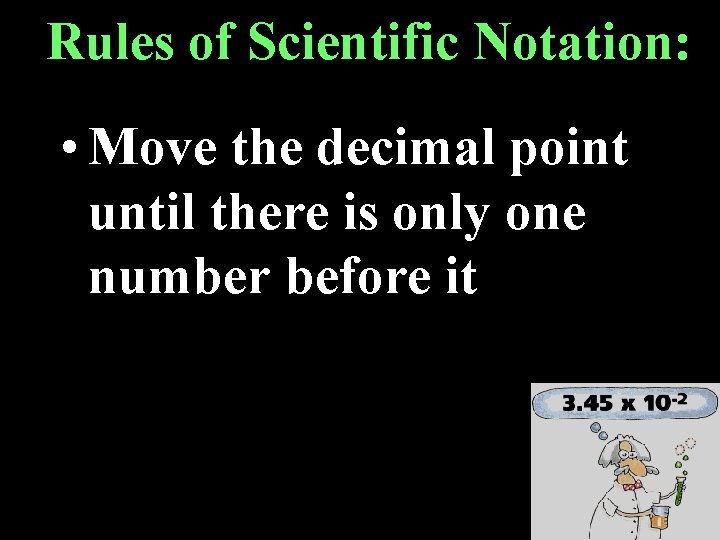
Rules of Scientific Notation: • Move the decimal point until there is only one number before it
• Very large numbers will have a positive exponent • Very small numbers will have a negative exponent
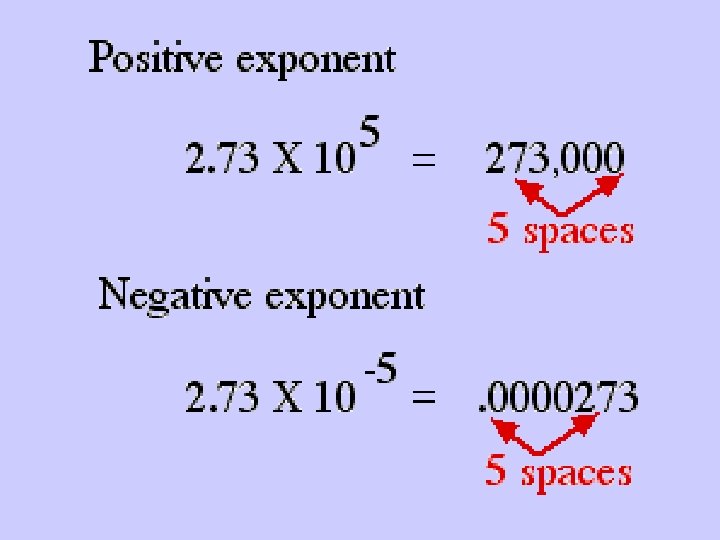
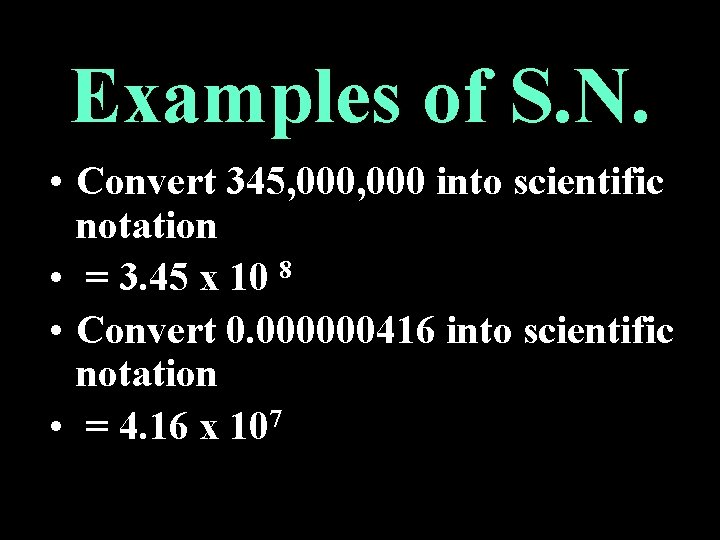
Examples of S. N. • Convert 345, 000 into scientific notation • = 3. 45 x 10 8 • Convert 0. 000000416 into scientific notation • = 4. 16 x 107
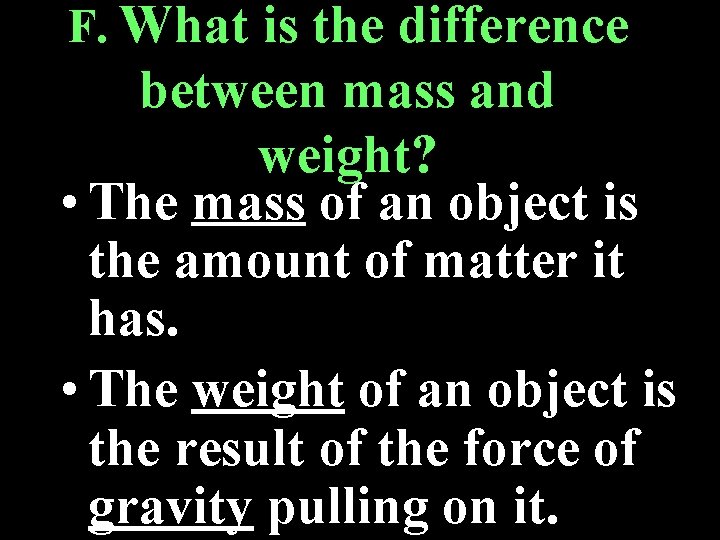
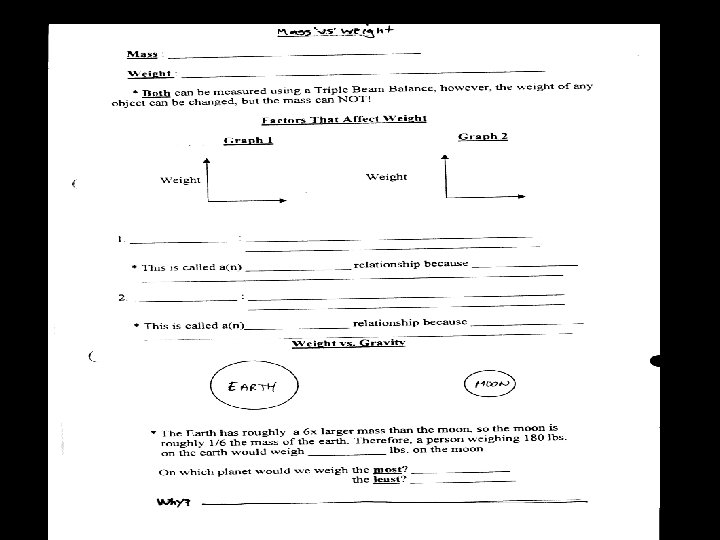
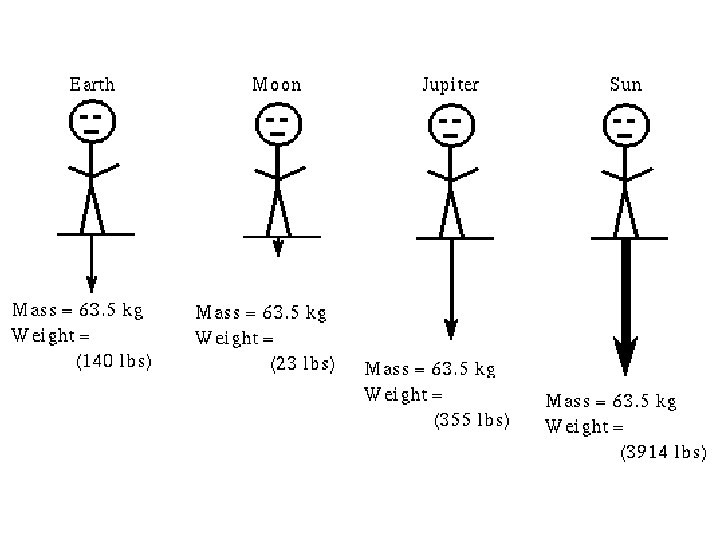
F. What is the difference between mass and weight? • The mass of an object is the amount of matter it has. • The weight of an object is the result of the force of gravity pulling on it.

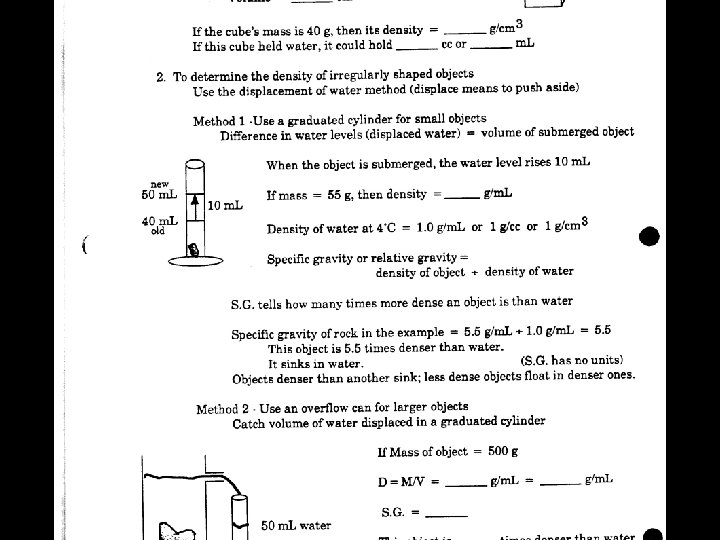
What is Density? Density • Which one is more dense, a bowling ball or a soccer ball? • Even though they are both approximately the same size and shape, the bowling ball is much more dense.
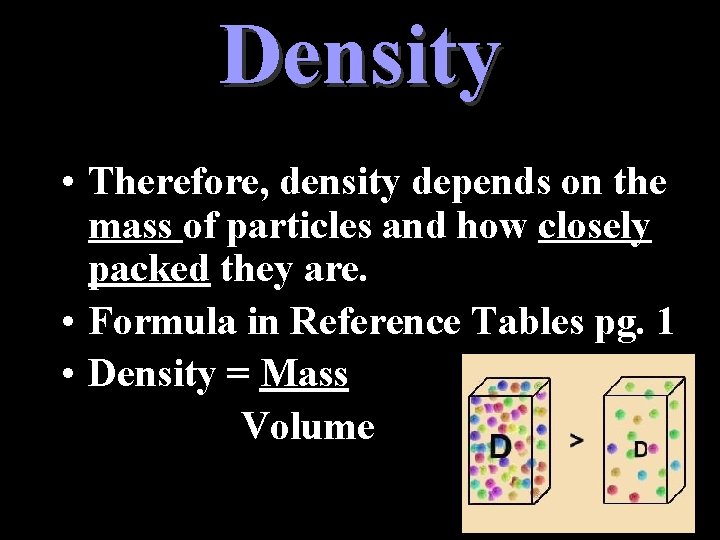
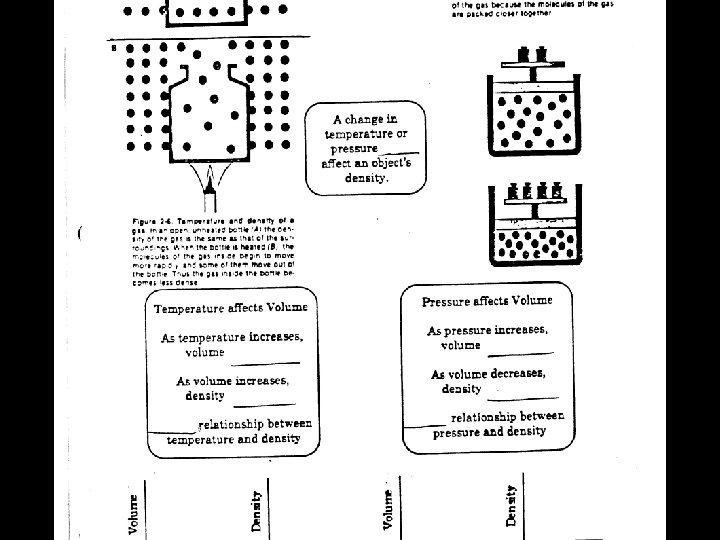
Density • Therefore, density depends on the mass of particles and how closely packed they are. • Formula in Reference Tables pg. 1 • Density = Mass Volume
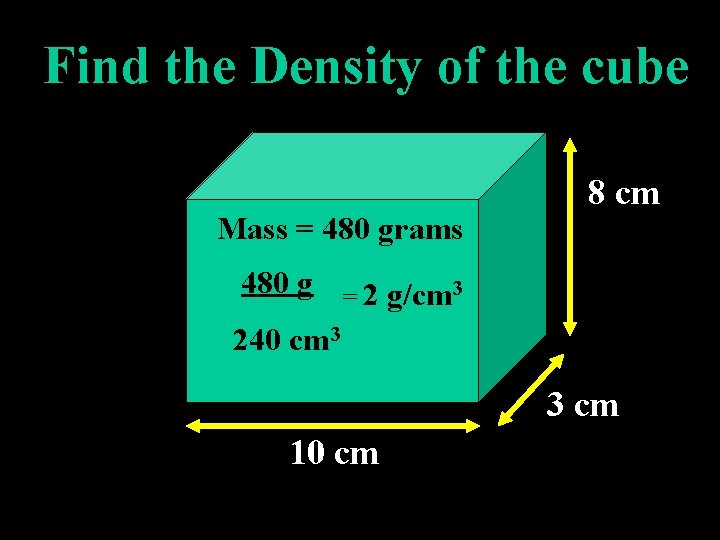
Find the Density of the cube Mass = 480 grams 480 g =2 8 cm g/cm 3 240 cm 3 3 cm 10 cm
Density Facts • The Density of a substance remains the same regardless of size, shape, or mass of sample • Example: The density of a piece of aluminum is 2. 7 g/cm 3. • If you cut the Al bar in half, the density of each piece is still 2. 7 g/cm 3
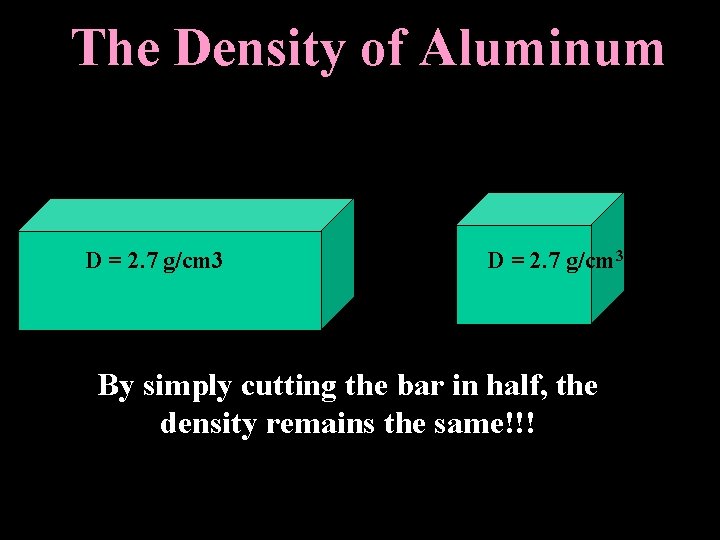
The Density of Aluminum D = 2. 7 g/cm 3 By simply cutting the bar in half, the density remains the same!!!
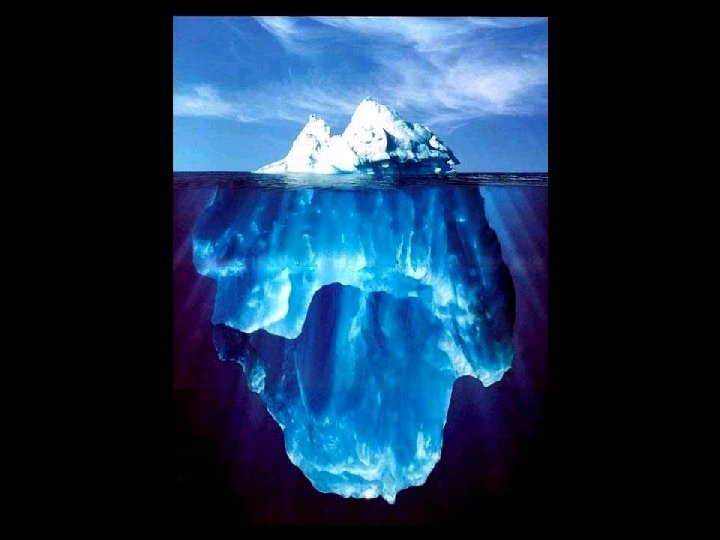
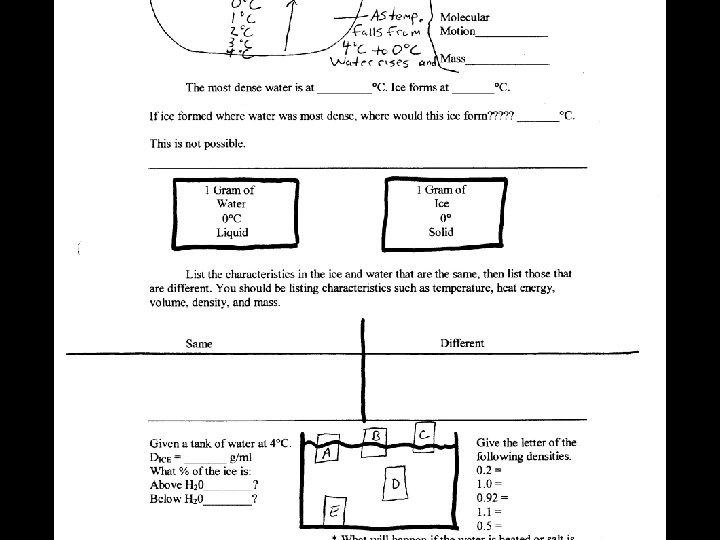
Density • Most natural substances are densest in their solid phase (aluminum, lead, steel) • However, there is one exception. • Water is more dense as a liquid, and less dense as a solid (ice cube)
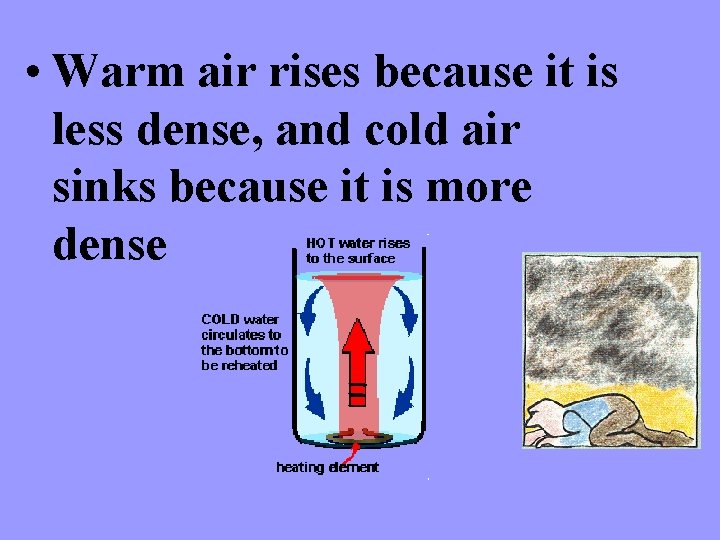
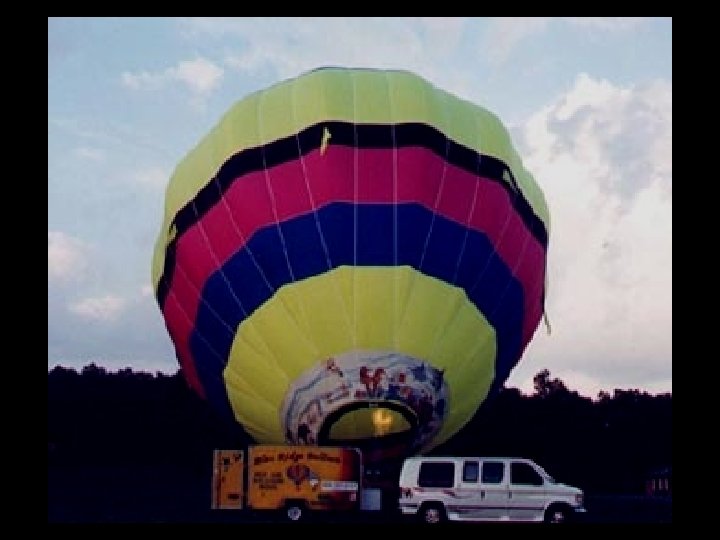
• Warm air rises because it is less dense, and cold air sinks because it is more dense
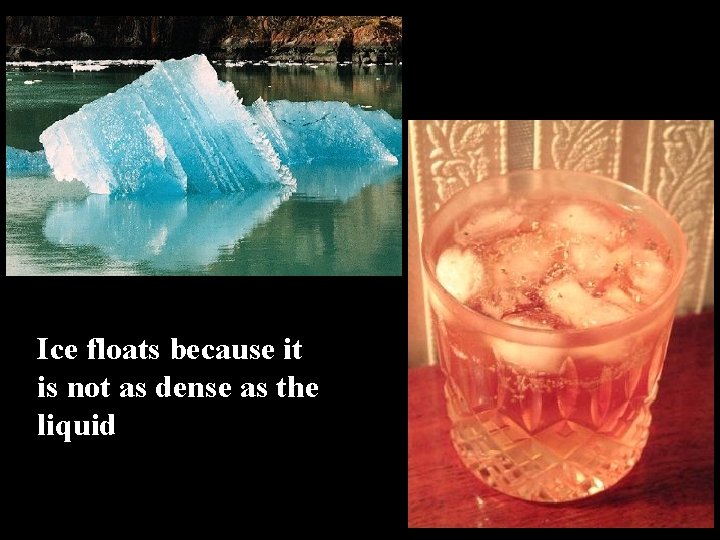
Ice floats because it is not as dense as the liquid
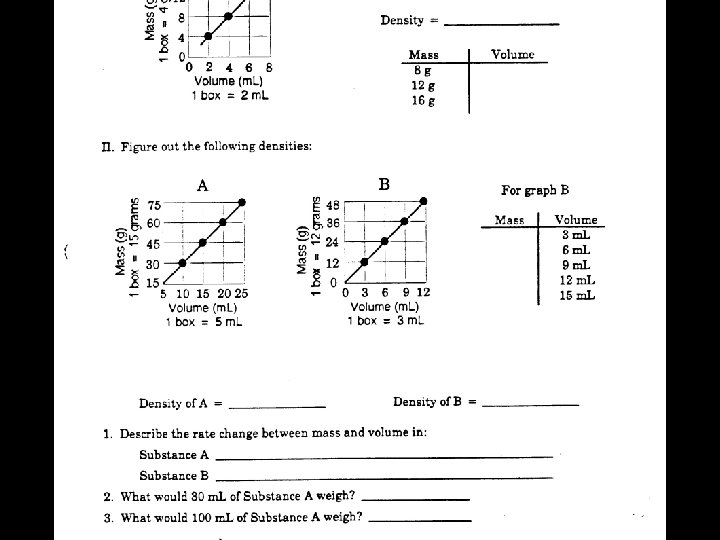
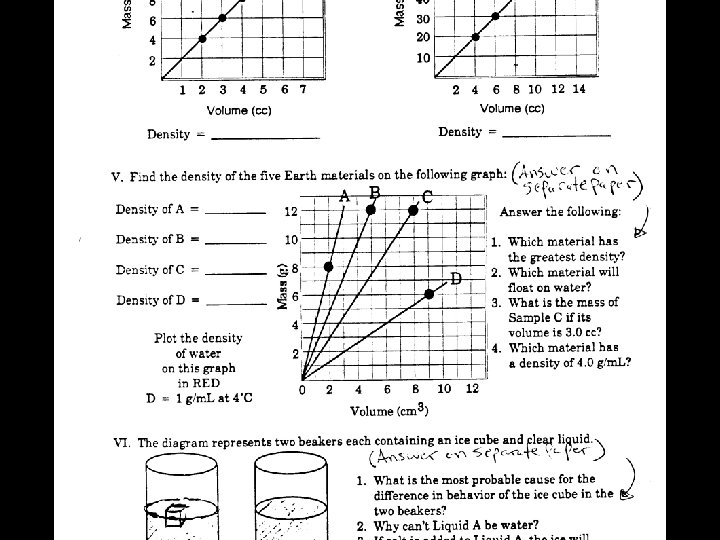

Line Graph Basics • Line graphs are used to show trends or how data changes over time. • When drawing your graph the depending variable is placed on the y-axis (vertical axis). The independent variable is placed on the x-axis (horizontal axis).
• Example: The longer your hot chocolate sits out the cooler it gets. • In the example above (hot chocolate), what are the dependent and independent variables? • Dependent Variable ______ • Independent Variable______
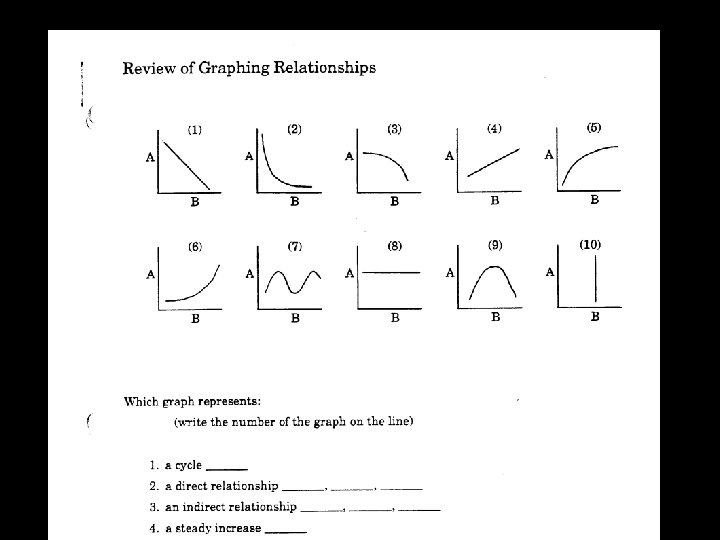
Variables and Change • 1. When variables increase together this is a direct relationship. • 2. If the two variables changed in a reverse manner or inversely you have an inverse relationship.

Cyclic Graphs • A series of events that repeat themselves at regular intervals
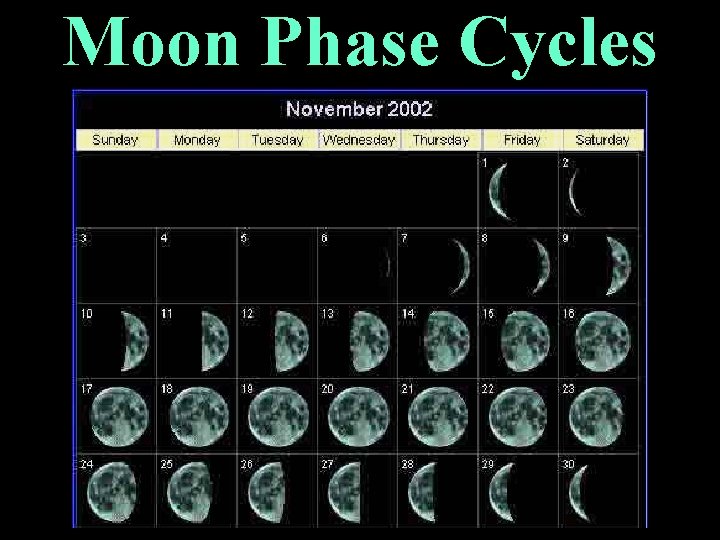
Moon Phase Cycles
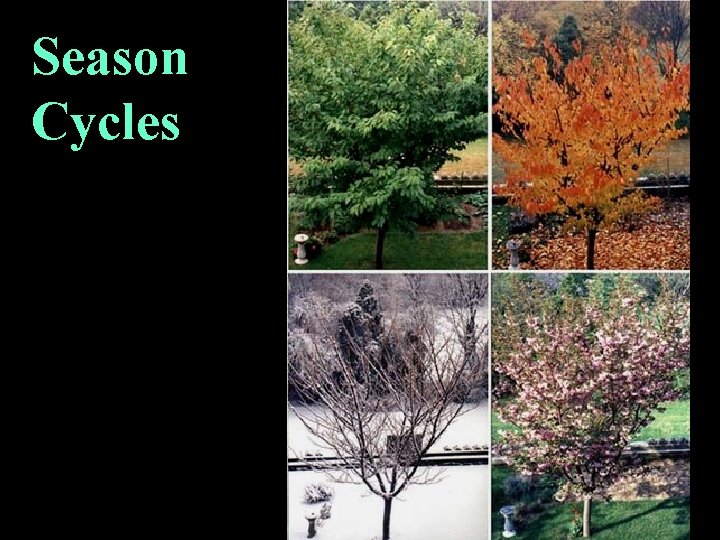
Season Cycles
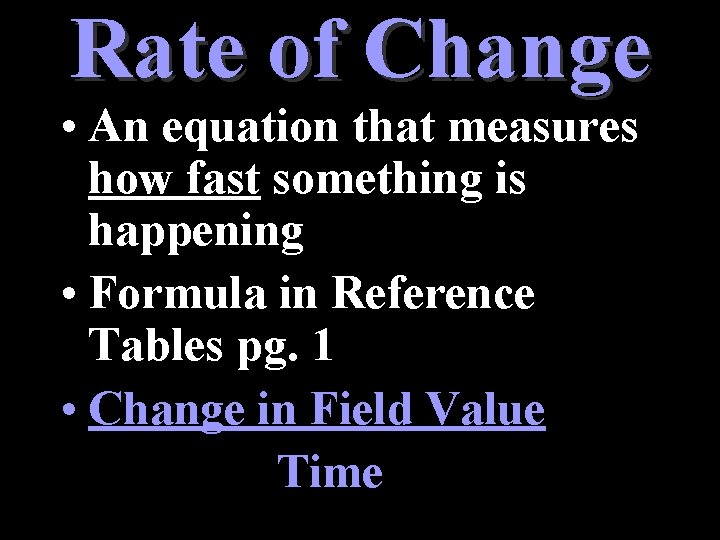
Rate of Change • An equation that measures how fast something is happening • Formula in Reference Tables pg. 1 • Change in Field Value Time
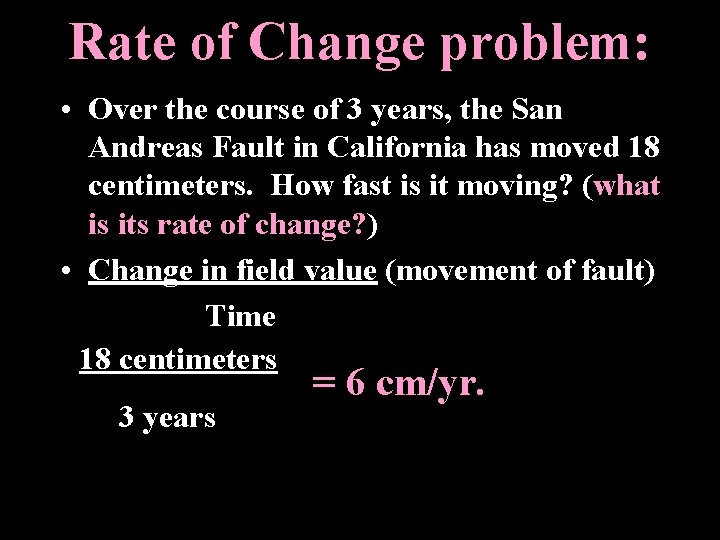
Rate of Change problem: • Over the course of 3 years, the San Andreas Fault in California has moved 18 centimeters. How fast is it moving? (what is its rate of change? ) • Change in field value (movement of fault) Time 18 centimeters 3 years = 6 cm/yr.
Part IV -Energy • Energy is the capacity to do work. • There are two types of energy • 1) Potential (potential to do work) • 2) Kinetic (energy of motion)
• Interface - The boundary where energy is transferred (flows) is called the. • Distinct interfaces can be well defined and clear such as that of a tire touching the road or a stream flowing over a stream bed. • Diffuse interfaces - are interfaces that are not well defined. • What is the layer of gas around the Earth called? • What type of boundary is it? • Example: The boundary between the earth’s atmosphere and space.
Part V Pollution
How Does Pollution Change our environment? • What is pollution? • An environment is said to be polluted if the concentration of a substance or form of energy becomes high enough to adversely affect people, their property, plants or animals. • The chemicals or energy that causes these conditions are called pollutants.
Effects of Pollution • Pollutants can be caused by both man and by nature. • What does equilibrium or dynamicequilibrium mean? • How does man affect the Earths equilibrium?

- Slides: 55