
Parent Workshop Online Safety Computer Safety Quiz The











- Slides: 33
Parent Workshop Online Safety
Computer Safety Quiz
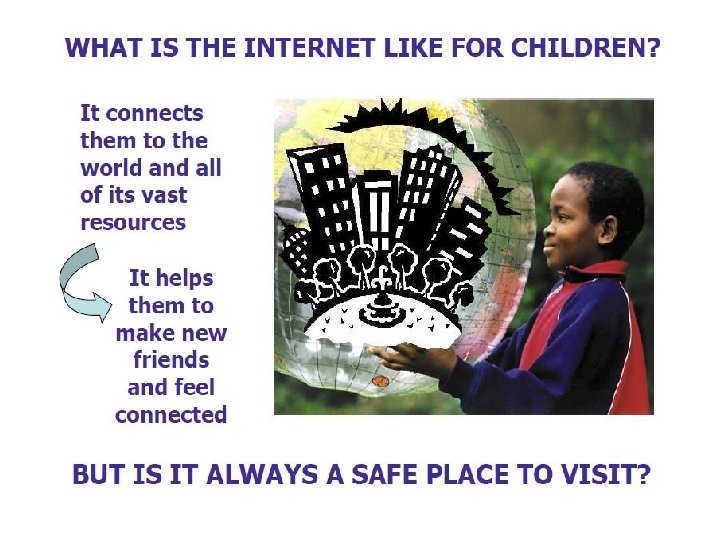
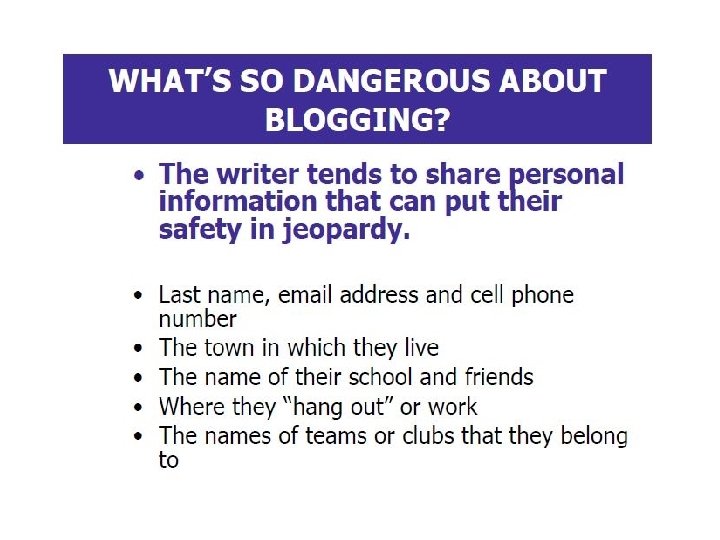
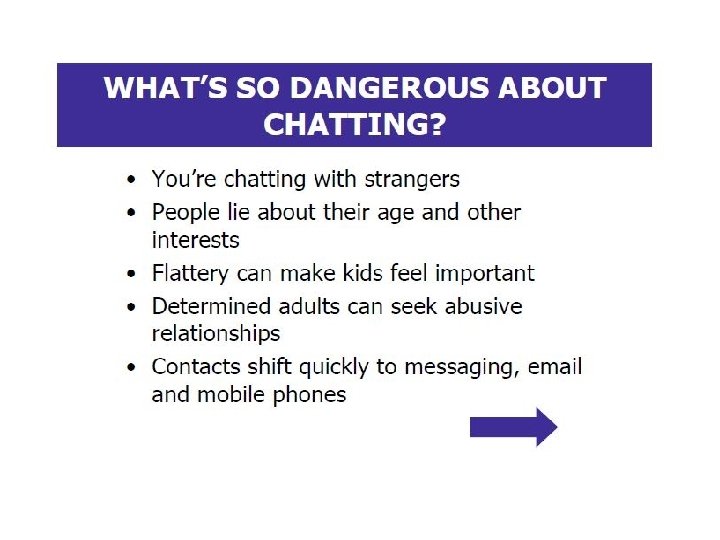
The Need for Internet Safety The Internet has great potential for good, but it has also provided predators with almost unhindered access to teens, and provides them with the anonymity they need. There are people online who target teens and purposely expose them to inappropriate materials and activities. Kids online are tricked or manipulated to look at pornography, join gangs, commit crimes, leave home, and more.
Who is most at risk online? Teenagers. They have a high level of autonomy & independence Are technologically savvy (far beyond their parents and teachers) but have little wisdom about good boundaries
Why Teenagers? Online, they know they won’t be dismissed based on appearance; it feels safer than “real life” relationships In online relationships, there is a lack of social constraint: two “loners” are communicating with no one watching. This anonymity leads to selfdisclosure and a strong sense of intimacy They are highly curious about romance & relationships
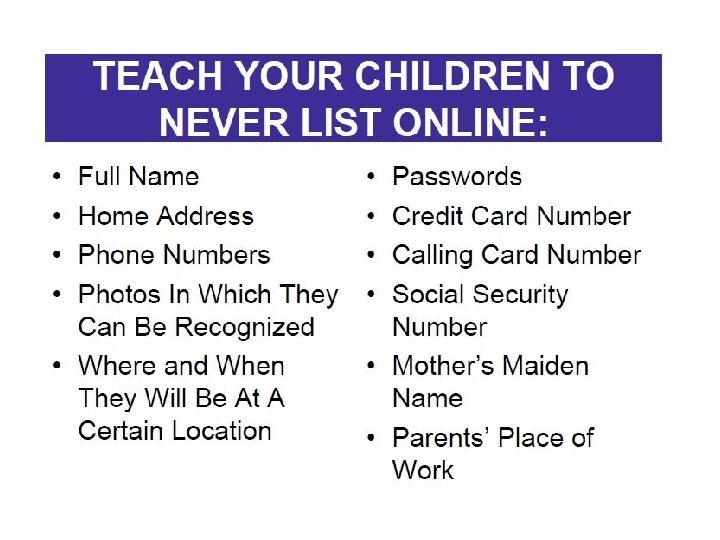
Teens need to learn: they are vulnerable to predators how dangerous it is to post personal information and photos online how to remain as anonymous as possible when using the Internet to avoid endangering themselves how to recognize and repel the advances of a predator what to do and who to talk to if they feel they have been approached by a stranger online that it is NEVER a good idea to meet in person someone they have “gotten to know” online
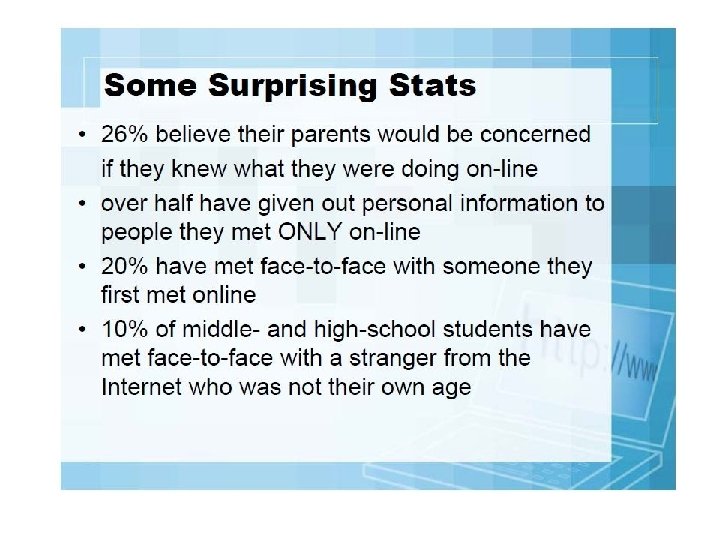
Statistics. “Topline Findings from Omnibuzz® Research, ” Teen Research Unlimited, Oct. 2005 Online teens frequently communicate with people they have never met: 54% have Instant Messaged a stranger, 50% have emailed a stranger, and 45% have participated in a chat room discussion with a stranger. Nearly one third (30%) of online teens said that they have talked about meeting someone whom they’ve only met through the Internet. 28% of online teens said they use texting language on a daily basis to hide online conversations from their parents
Statistics Research Unlimited, Oct. 2005, con’t. 56% of teens said that they have been asked personal questions (such as their age, sex, or location) online by someone they have never met. One fourth (27%) of teens report that they have talked online about sex with someone they have never met. 27% of teens said that they’ve known a friend to actually meet someone they only knew online. One in five (21%) reported that a person they only knew through online contact has asked to meet them.
Some Facts About Social Networking taken from Pew Internet & American Life Project, "Teen Content Creators and Consumers", Nov. 2005 33% of teens post photos, stories, or videos on the web on sites such as My. Space, Friendster, Xanga, Facebook 19% of teens keep an online blog (diary); 69% of these post photos, stories or videos on the web 38% of teens read online blogs Video
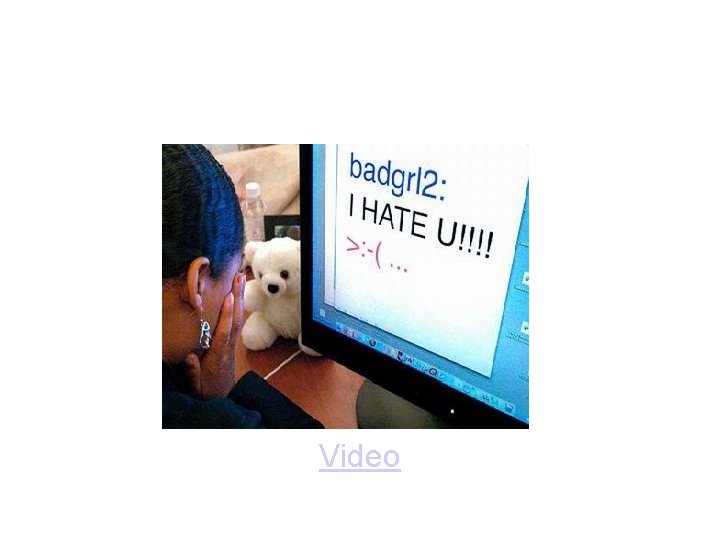
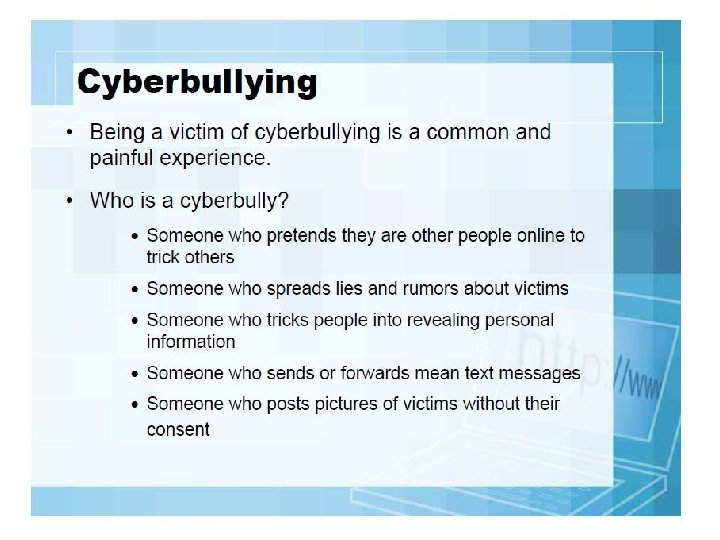
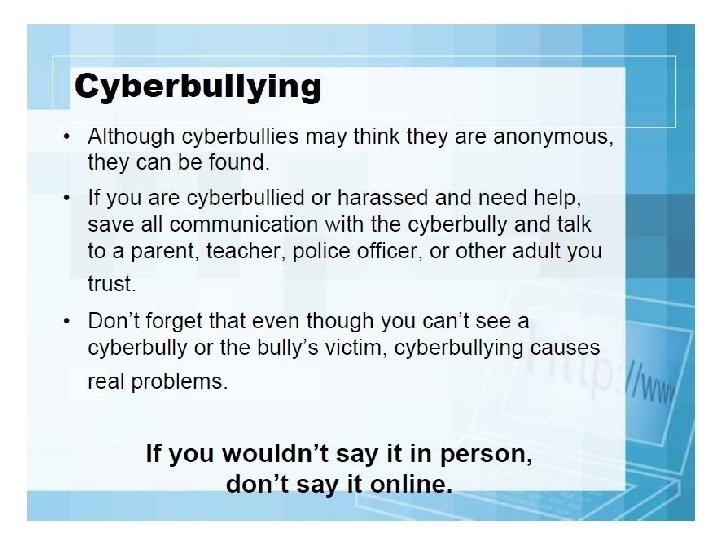
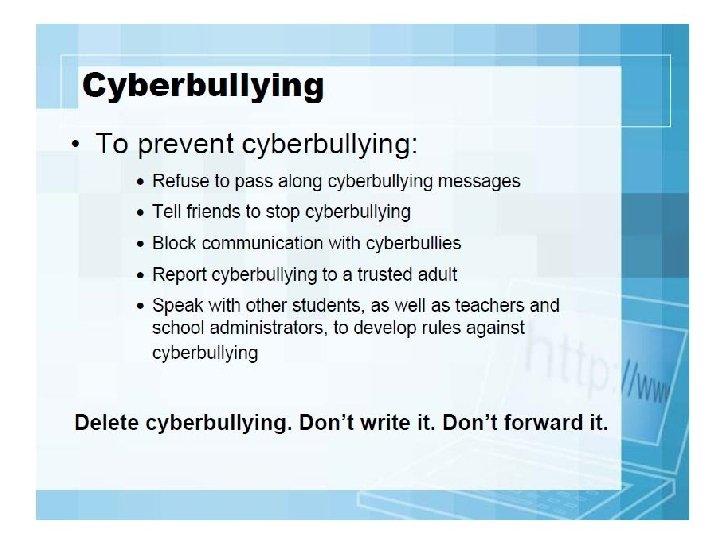
Cyberbullying Video
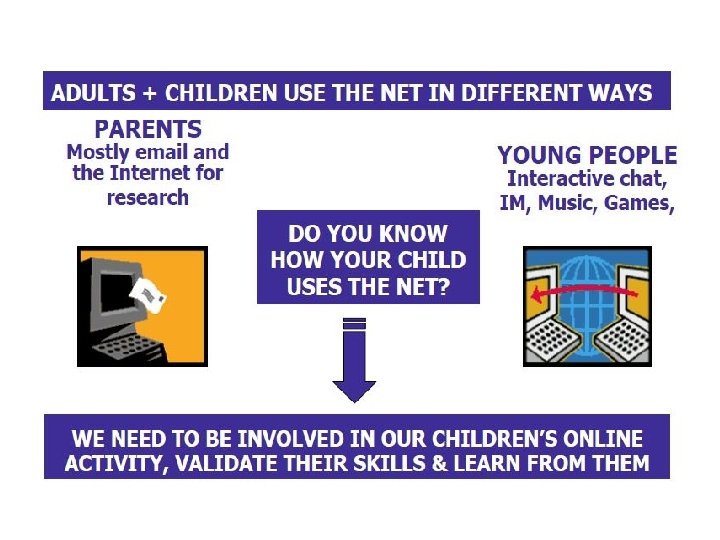
#1 Issue for Parents Lack of Knowledge Some parents are uninformed about the Internet and its safety hazards and as a result may feel uncomfortable or awkward talking about Internet safety to their child
Nationwide Parent Study by ADVO, Inc. , 2004 One in three parents (30%) are not concerned for their children’s safety when they are online. One in five parents (20%) said they do not know any of the internet codes or passwords, IM “handles”, or e-mail addresses of their children. 5% or less of parents surveyed are familiar with acronyms most commonly used by children online
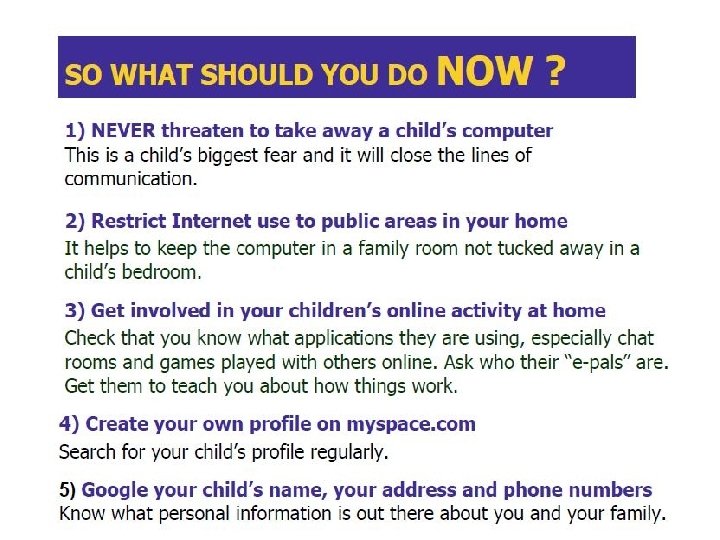
What can parents do to protect their children?
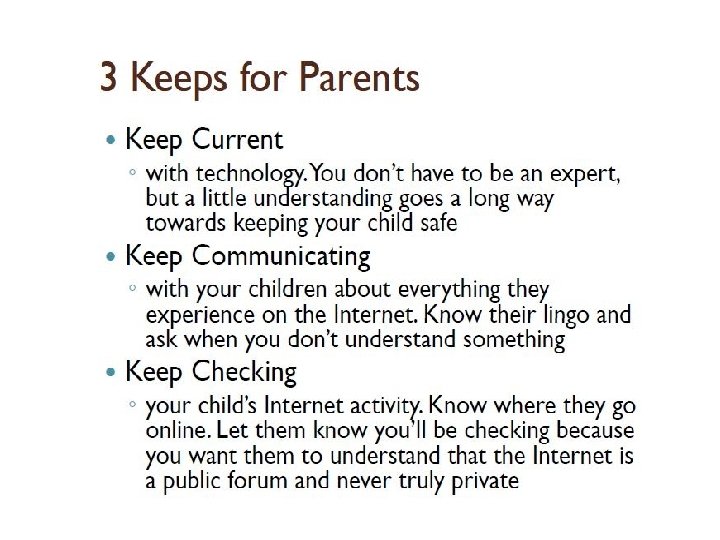
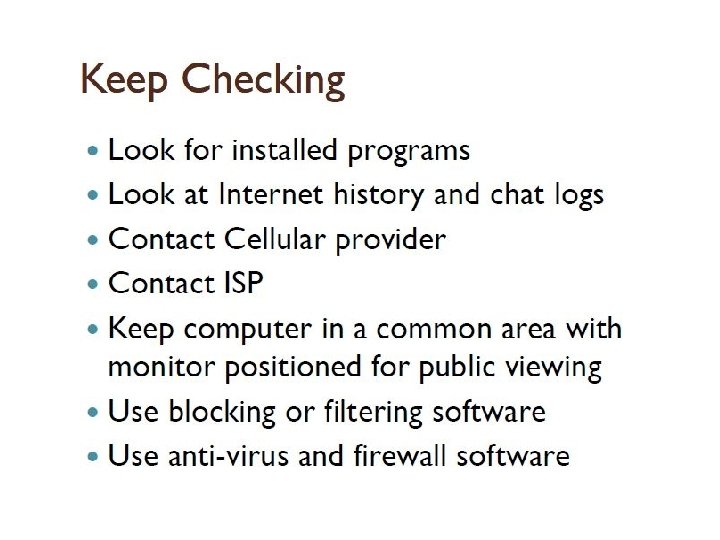
Keep Current Know your child's email addresses, passwords, IM usernames for all sites and software they use Sit with your child and have them show you any sites or software you are unfamiliar with
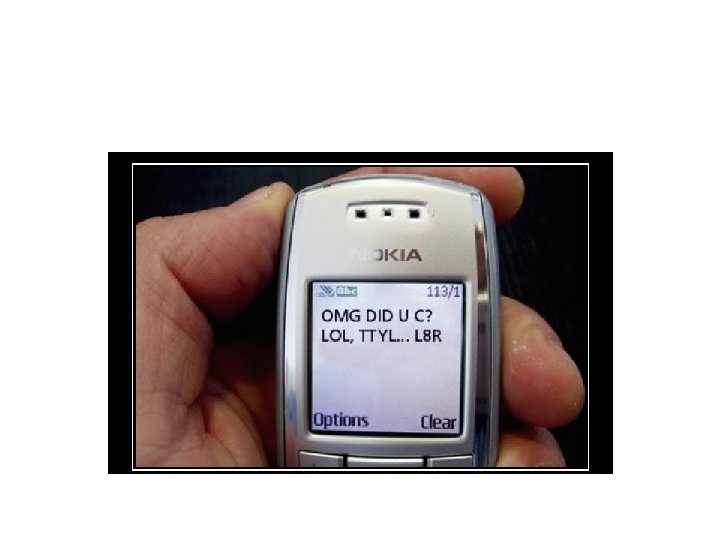
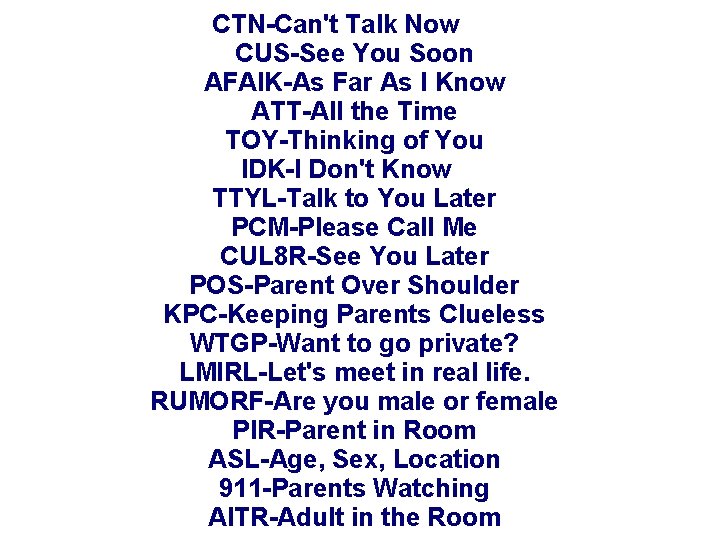
Keep Communicating: Know the Lingo
CTN NIMBY IDK CUL 8 R WTGP PIR CUS ATT TTYL PCM LMIRL ASL AITR AFAIK TOY POS KPC RUMORF 911
CTN-Can't Talk Now CUS-See You Soon AFAIK-As Far As I Know ATT-All the Time TOY-Thinking of You IDK-I Don't Know TTYL-Talk to You Later PCM-Please Call Me CUL 8 R-See You Later POS-Parent Over Shoulder KPC-Keeping Parents Clueless WTGP-Want to go private? LMIRL-Let's meet in real life. RUMORF-Are you male or female PIR-Parent in Room ASL-Age, Sex, Location 911 -Parents Watching AITR-Adult in the Room
Warning Signs Hang up phone calls Children close a website/chat when you are near Gifts (bribes) Secretive behavior Preferring to be online rather than spending time with friends/real world Spending large amounts of time online-especially at night and in chat rooms Change in personality(withdrawn, depressed) Finding pornography on computer