
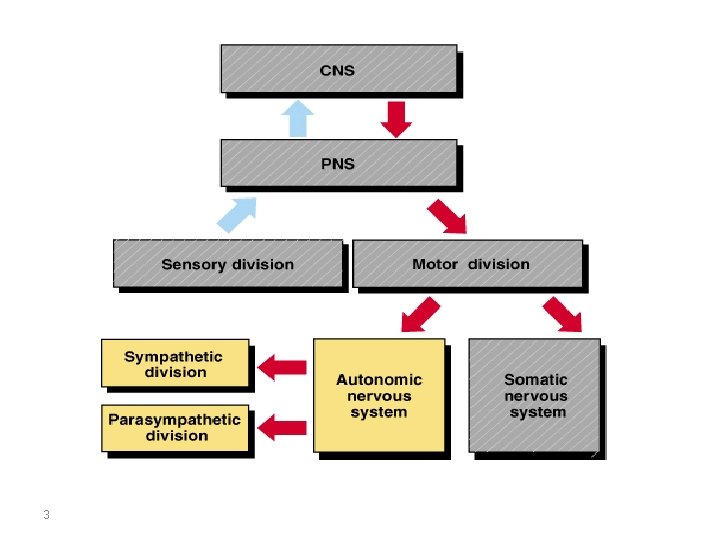
Parasympathetic Nervous System 2 3 Autonomic nervous system
- Slides: 14
Parasympathetic Nervous System 2
3
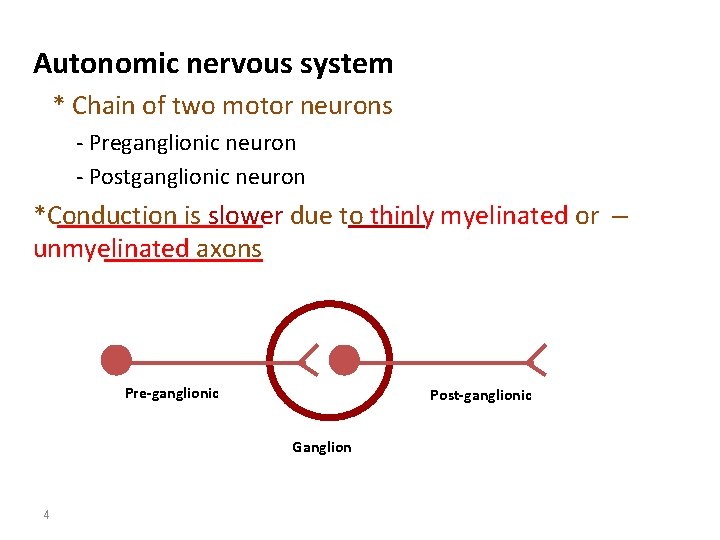
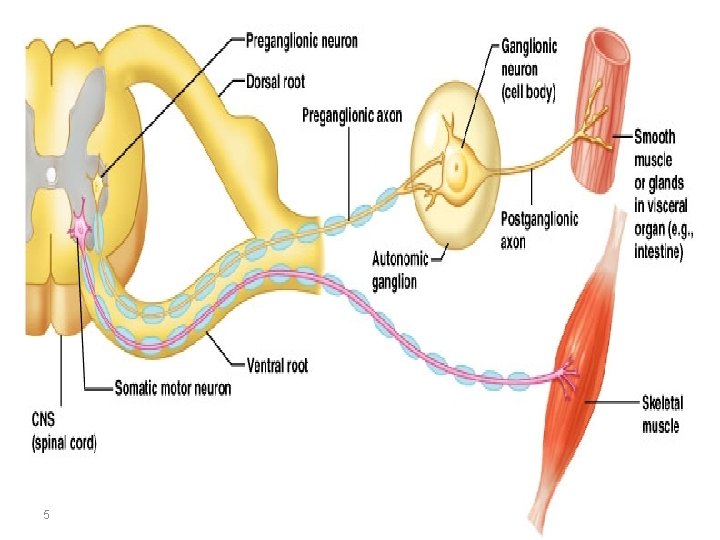
Autonomic nervous system * Chain of two motor neurons - Preganglionic neuron - Postganglionic neuron *Conduction is slower due to thinly myelinated or – unmyelinated axons Pre-ganglionic Post-ganglionic Ganglion 4
5
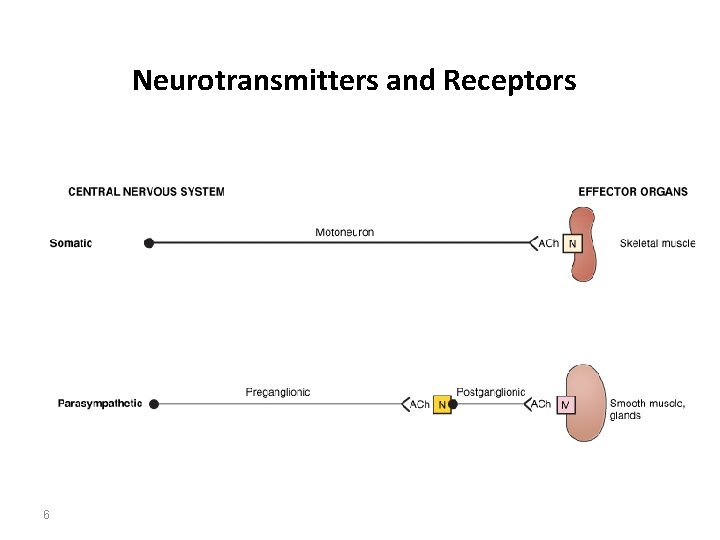
Neurotransmitters and Receptors 6
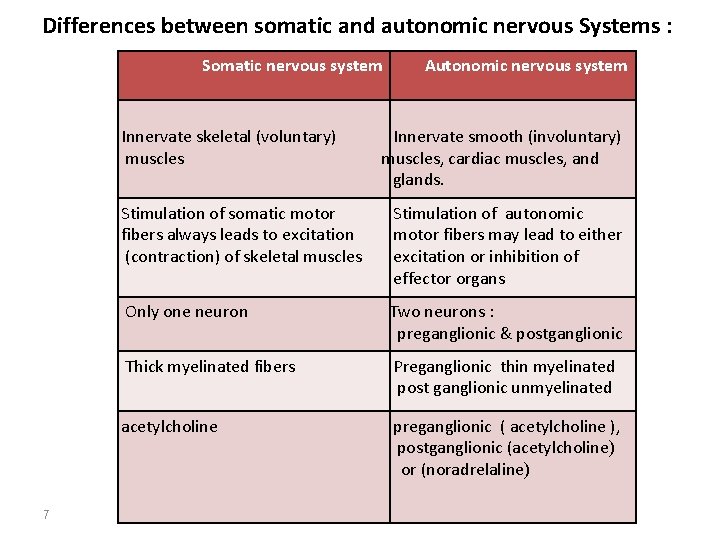
Differences between somatic and autonomic nervous Systems : Somatic nervous system Innervate skeletal (voluntary) muscles 7 Autonomic nervous system Innervate smooth (involuntary) muscles, cardiac muscles, and glands. Stimulation of somatic motor fibers always leads to excitation (contraction) of skeletal muscles Stimulation of autonomic motor fibers may lead to either excitation or inhibition of effector organs Only one neuron Two neurons : preganglionic & postganglionic Thick myelinated fibers Preganglionic thin myelinated post ganglionic unmyelinated acetylcholine preganglionic ( acetylcholine ), postganglionic (acetylcholine) or (noradrelaline)
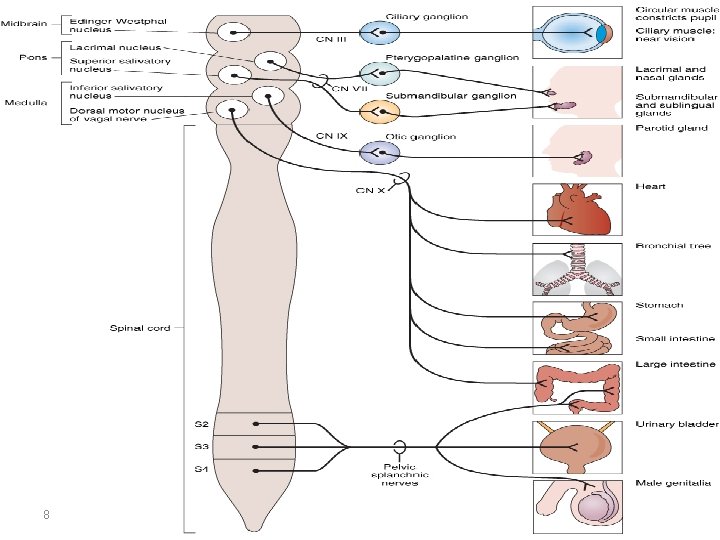
8
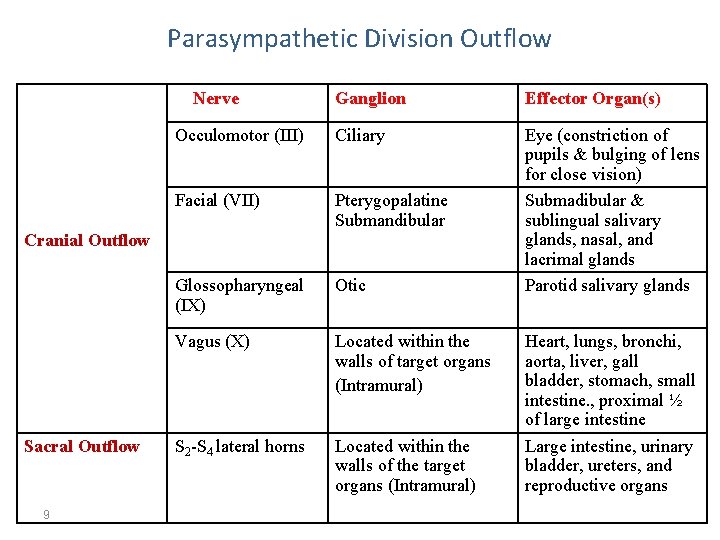
Parasympathetic Division Outflow Nerve Ganglion Effector Organ(s) Occulomotor (III) Ciliary Facial (VII) Pterygopalatine Submandibular Glossopharyngeal (IX) Otic Eye (constriction of pupils & bulging of lens for close vision) Submadibular & sublingual salivary glands, nasal, and lacrimal glands Parotid salivary glands Vagus (X) Located within the walls of target organs (Intramural) S 2 -S 4 lateral horns Located within the walls of the target organs (Intramural) Cranial Outflow Sacral Outflow 9 Heart, lungs, bronchi, aorta, liver, gall bladder, stomach, small intestine. , proximal ½ of large intestine Large intestine, urinary bladder, ureters, and reproductive organs
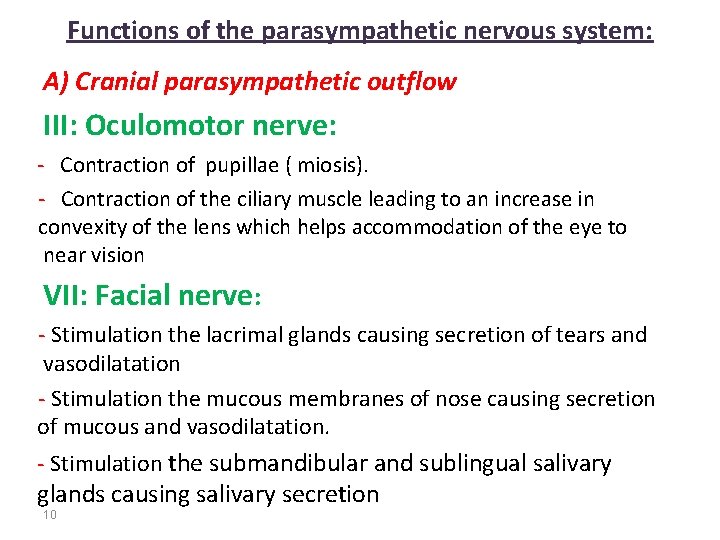
Functions of the parasympathetic nervous system: A) Cranial parasympathetic outflow III: Oculomotor nerve: - Contraction of pupillae ( miosis). - Contraction of the ciliary muscle leading to an increase in convexity of the lens which helps accommodation of the eye to near vision VII: Facial nerve: - Stimulation the lacrimal glands causing secretion of tears and vasodilatation - Stimulation the mucous membranes of nose causing secretion of mucous and vasodilatation. - Stimulation the submandibular and sublingual salivary glands causing salivary secretion 10
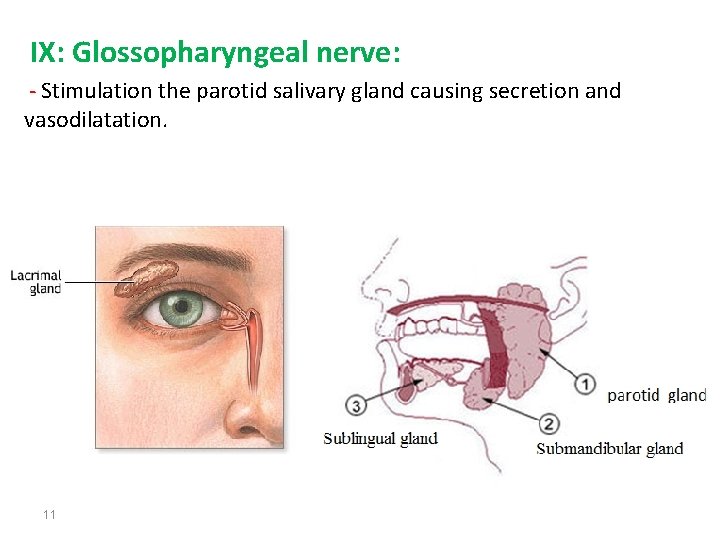
IX: Glossopharyngeal nerve: - Stimulation the parotid salivary gland causing secretion and vasodilatation. 11
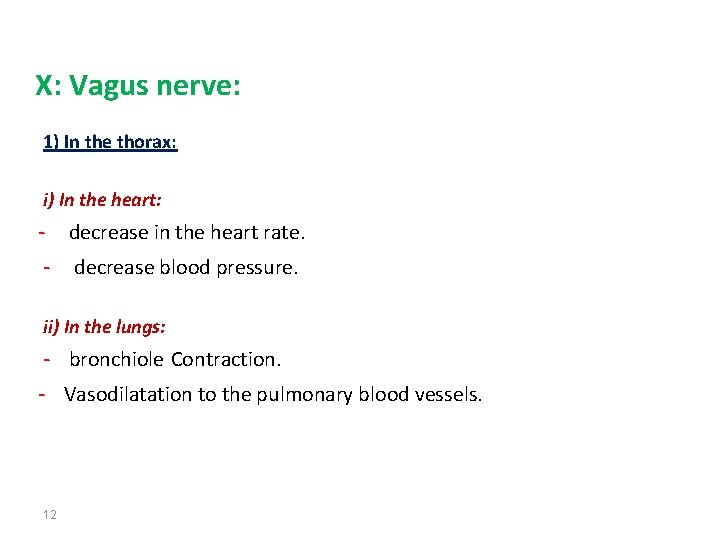
X: Vagus nerve: 1) In the thorax: i) In the heart: - decrease in the heart rate. - decrease blood pressure. ii) In the lungs: - bronchiole Contraction. - Vasodilatation to the pulmonary blood vessels. 12
2) In the abdomen: i) In the gastrointestinal tract: - Motor to the smooth muscles of the esophagus, stomach, small intestine and proximal part of the large intestine but inhibitory to their sphincters. In other words, it helps deglutition, gastric motility and evacuation, and stimulates peristaltic movements in the intestine. - producing gastric juice. ii) In the liver: - Stimulates secretion of hepatic bile. iii) In the pancreas: - Secretion of the pancreatic juice which is rich in enzymes. - Stimulation of insulin secretion from the beta cells of the islets of Langerhans 13
B) Sacral parasympathetic outflow: i) In the urinary bladder: - Motor to the wall of the urinary bladder and inhibitory to internal uretheral sphincter leading to micturition. ii) In the distal part of the large intestine and rectum: - Motor to the wall and inhibitory to the internal anal sphincter leading to defecation. iii) In the sex organs: - Vasodilatation of the blood vessels of the pelvic viscera including that of the sex organs leading to erection of penis. - Secretory to the seminal vesicles and prostate. 14