
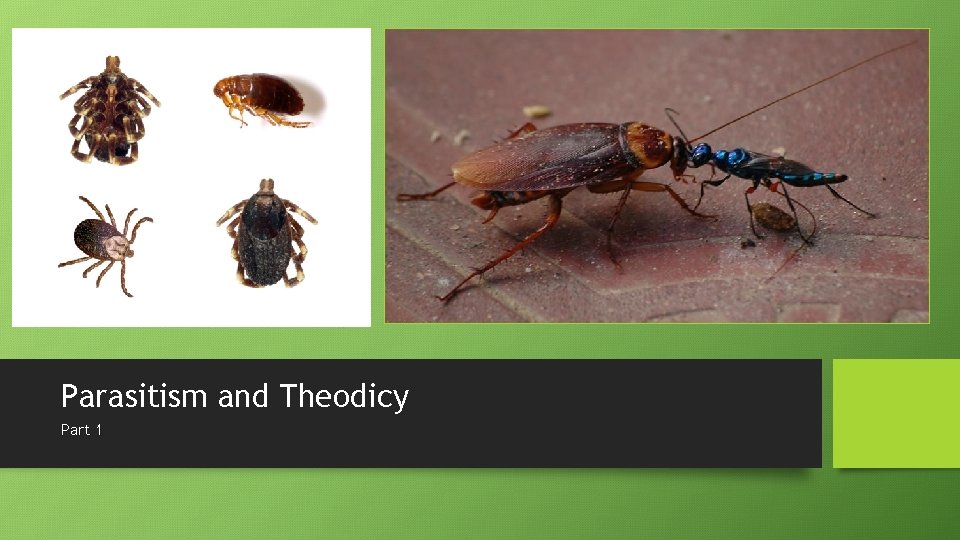
Parasitism and Theodicy Part 1 Parasite A parasite





- Slides: 32
Parasitism and Theodicy Part 1
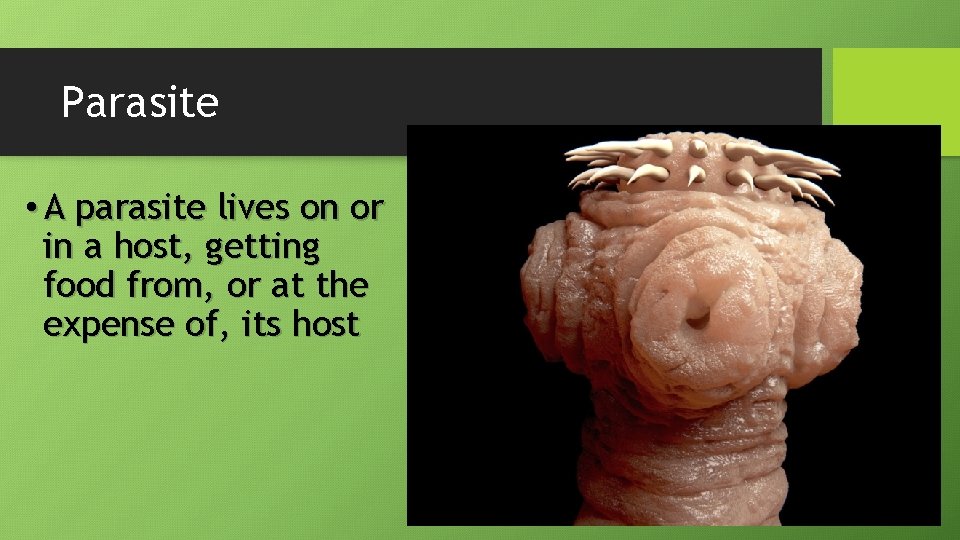
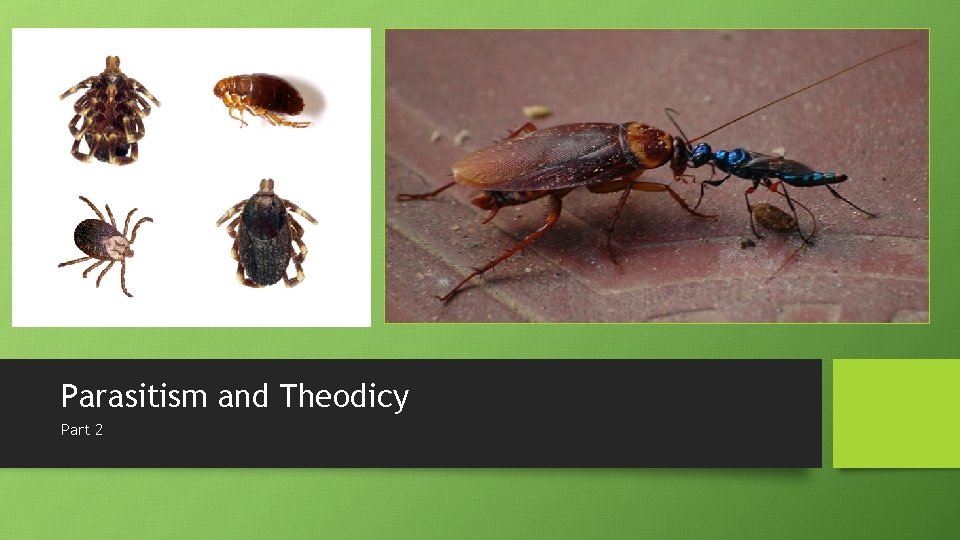
Parasite • A parasite lives on or in a host, getting food from, or at the expense of, its host
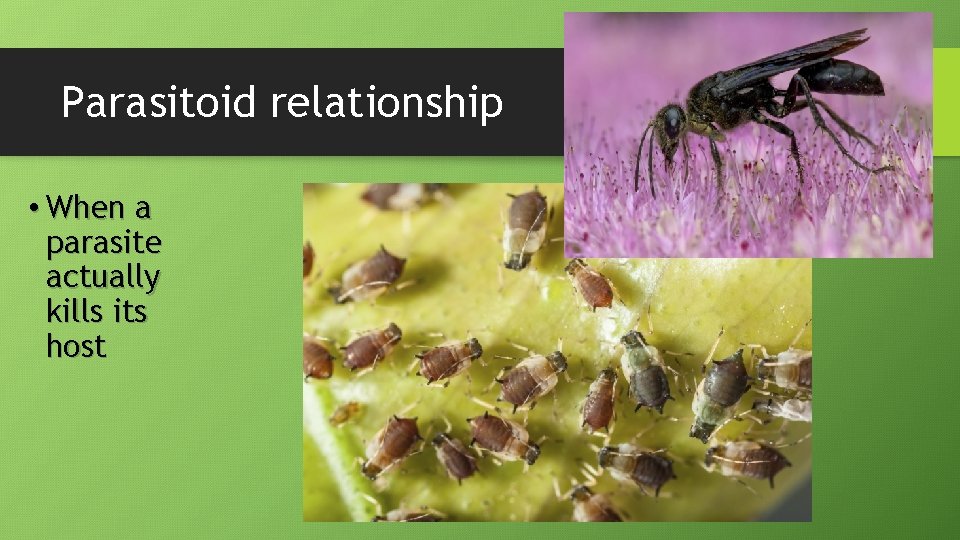
Parasitoid relationship • When a parasite actually kills its host
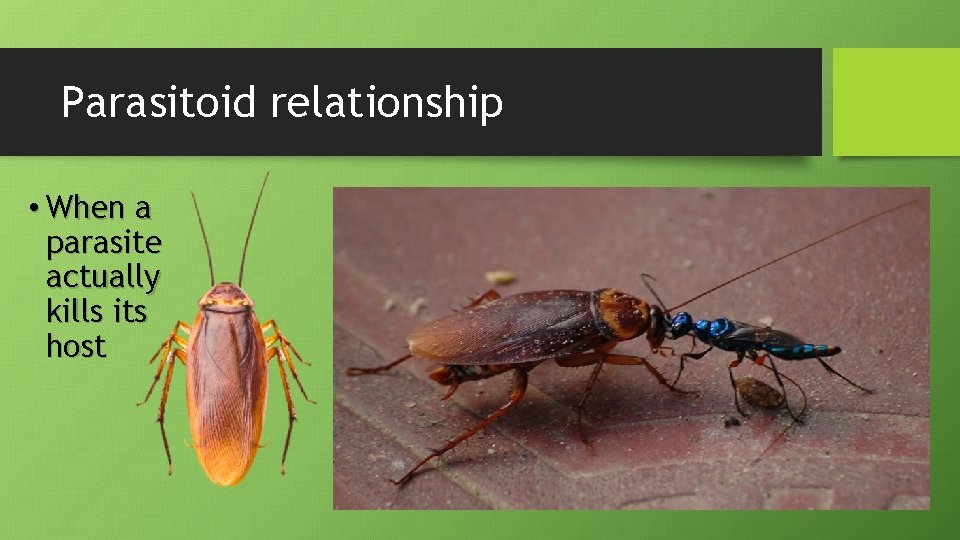
Parasitoid relationship • When a parasite actually kills its host
How can we explain something so awful in the world God created?
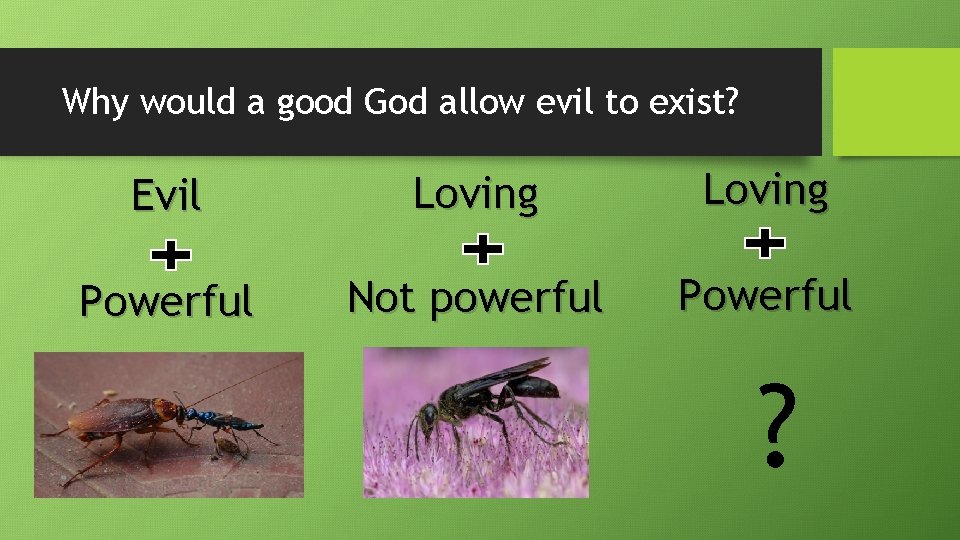
Why would a good God allow evil to exist? Evil Loving Powerful Not powerful Powerful ?
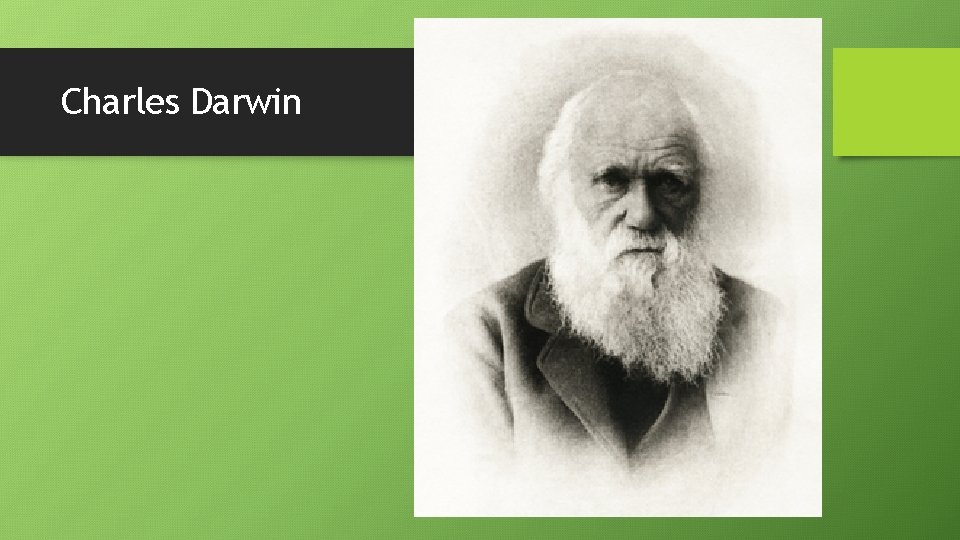
Charles Darwin
Theodicy • Attempts to answer this question: How can evil exist if God is loving, all-powerful, and just?
Theodicy • Theo (God) + dicy (justice) • The justification of God
Many theodicies exist As Christians with a biblical worldview, we look to the Bible for answers
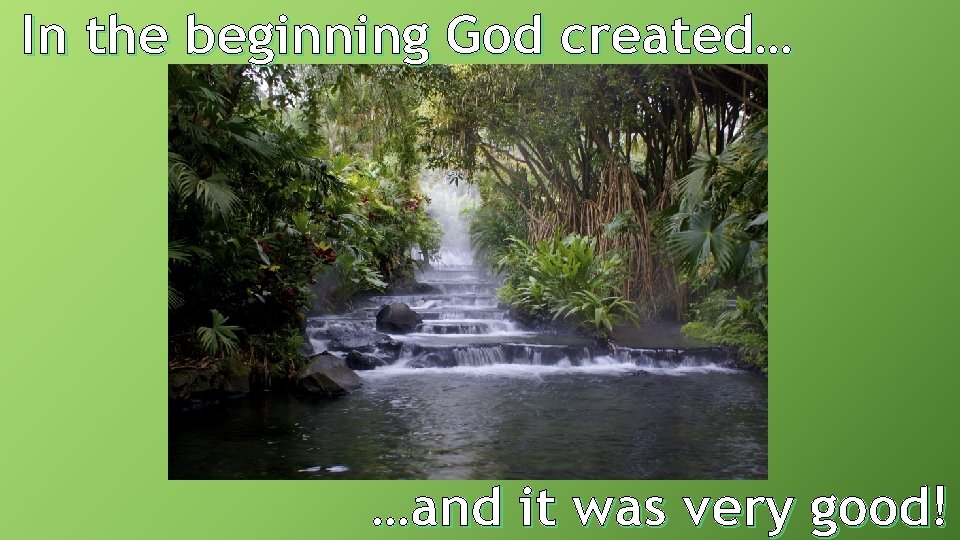
In the beginning God created… …and it was very good!
How can we explain something so awful in the world God created? He didn’t create them that way
What happened?
Biblical theodicy Freedom of choice
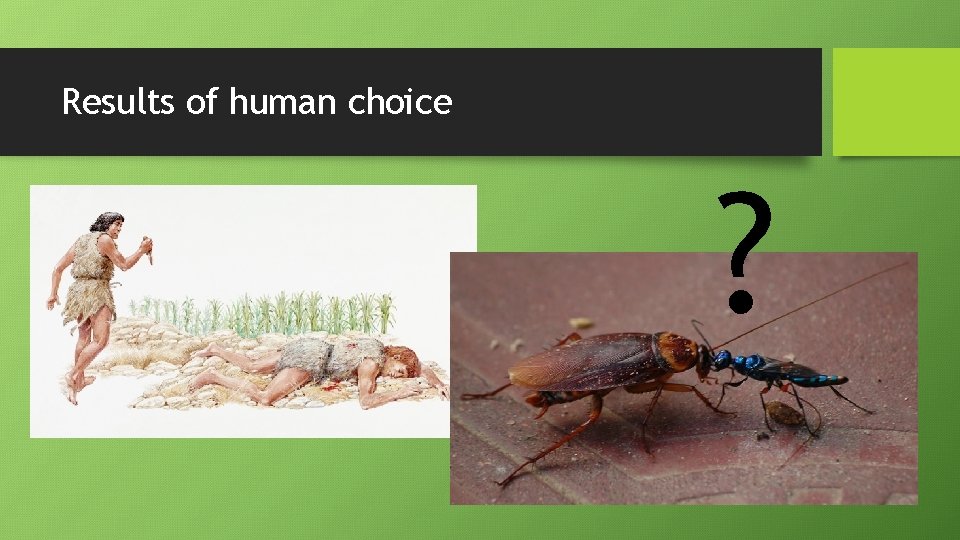
Biblical theodicy Adam and Eve chose to sin
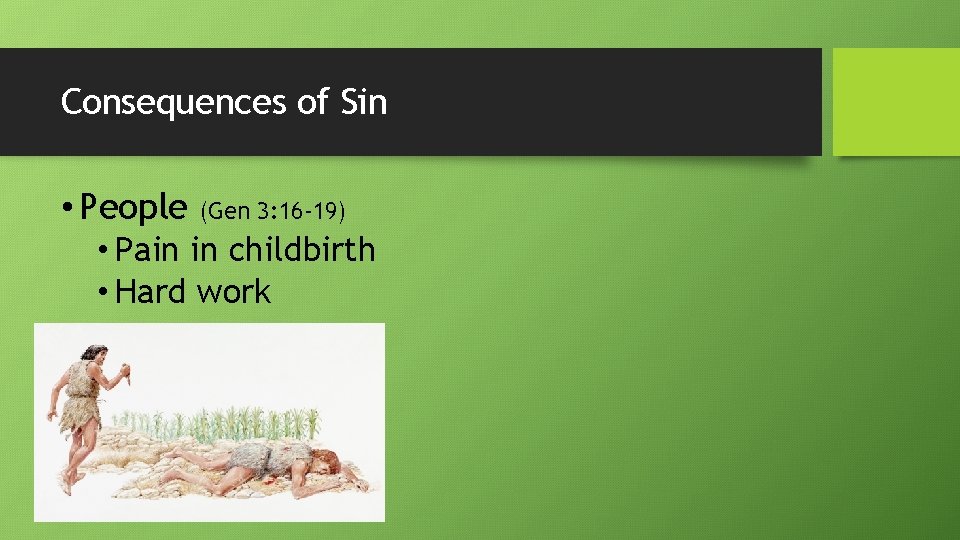
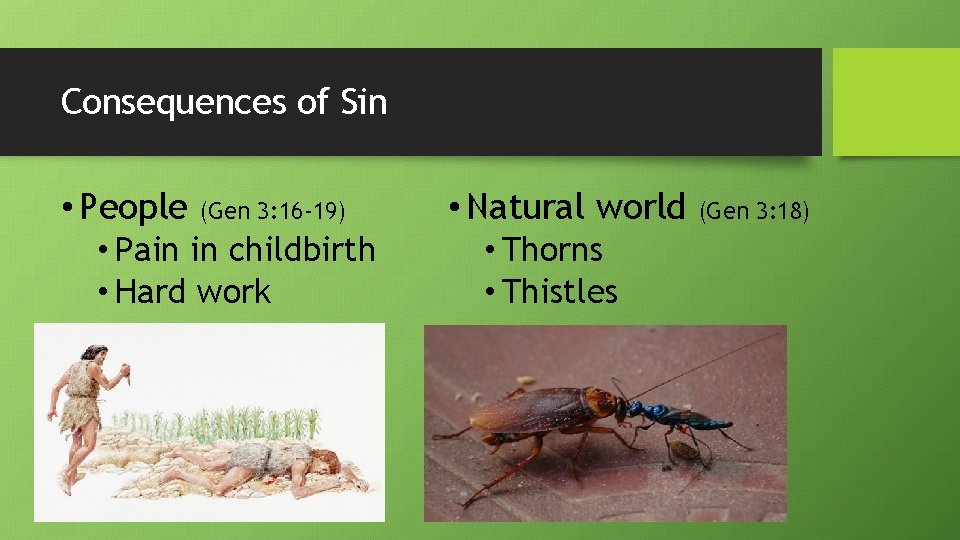
Consequences of Sin • People (Gen 3: 16 -19) • Pain in childbirth • Hard work
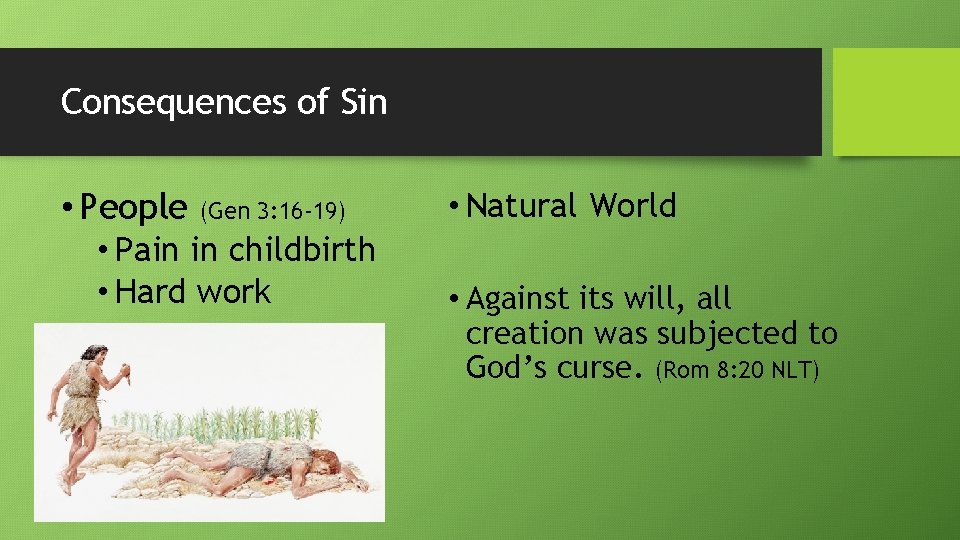
Consequences of Sin • People (Gen 3: 16 -19) • Pain in childbirth • Hard work • Natural World • Against its will, all creation was subjected to God’s curse. (Rom 8: 20 NLT)
Consequences of Sin • People (Gen 3: 16 -19) • Pain in childbirth • Hard work • Natural world • Thorns • Thistles (Gen 3: 18)
Theodicy How can evil exist if God is loving, all-powerful, and just?
Short answer Sin Free Choice
Results of human choice ?
Parasitism and Theodicy Part 2
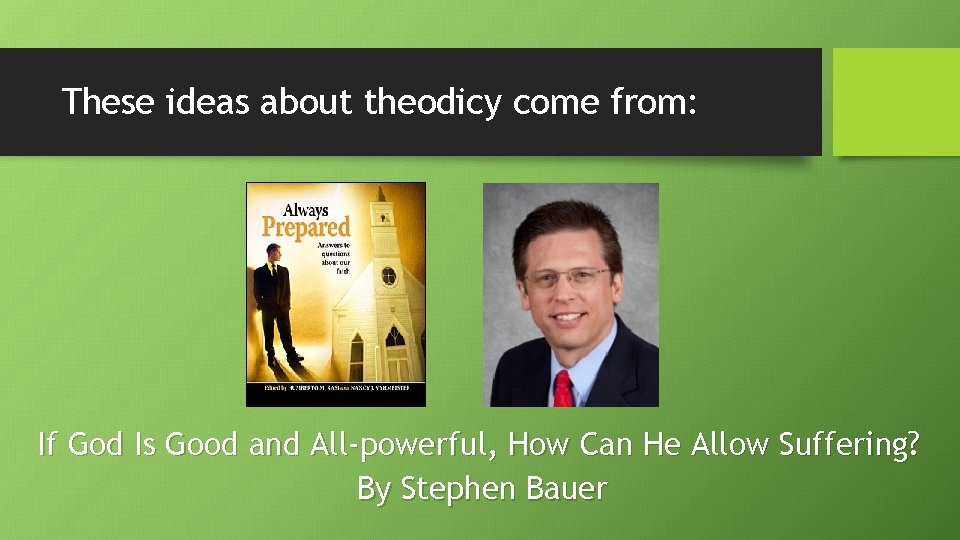
These ideas about theodicy come from: If God Is Good and All-powerful, How Can He Allow Suffering? By Stephen Bauer
Recorded at Chattanooga Public Radio. SM Classical 90. 5 WSMC
Images By Images may appear on more than one slide. Citation is given on the first slide where each image appears. [1 a] Ticks and Flea 114163615 Amando Frazao, Thinkstock Image Subscription Agreement [1 b] Jewel Wasp, unknown artist, http: //www. odditycentral. com/animals/insect-body-snatchershow-the-jewel-wasp-turns-cockroaches-into-zombies. html. Creative Commons Attribution-Non. Commercial-No Derivative works 3. 0 Unported license. [ [2 b] Ox picker 29141776, 2630 ben, Getty Images (US), Inc. Subscription [2 d] Head of a tapeworm 465954259 selvanegra, Thinkstock Image Subscription Agreement [3 a] Great black wasp 465171185 Paul. Reeves. Photography, Thinkstock Image Subscription Agreement [3 b] Aphids colony 480244113 Dario Lo Presti, Thinkstock Image Subscription Agreement [4 a] Cockroach 177409316 somchaisom, Thinkstock Image Subscription Agreement [7] Charles Darwin 16835919, picture, Getty Images (US), Inc. Subscription
Images By [10] Vintage old book 95272278, Sharon Bronte, Thinkstock Image Subscription Agreement [12] Hot Springs 457377547, Bkamprath, Thinkstock Image Subscription Agreement [16] Illustration of Cain and Abel 85594750, Dorling Kindersley, Thinkstock Image Subscription Agreement [23 a] Photo of Always Prepared, Carol Raney [23 b] Stephen Bauer, http: //www 1. southern. edu/academicsites/religion/faculty/bauer. html)
Special Thanks Stephen Bauer, Ph. D Religion Professor, Southern Adventist University and the Foundation for Adventist Education
© Origins Curriculum Resources 2015
© Southern Adventist University 2015
© Seventh-day Adventist North American Division 2015
© General Conference of Seventh-day Adventists 2015
© SCORE Southern Center for Origins Research & Education 2015