
Parasite Examples Assassin bugs Triatoma Malaria Tapeworms Cestodes
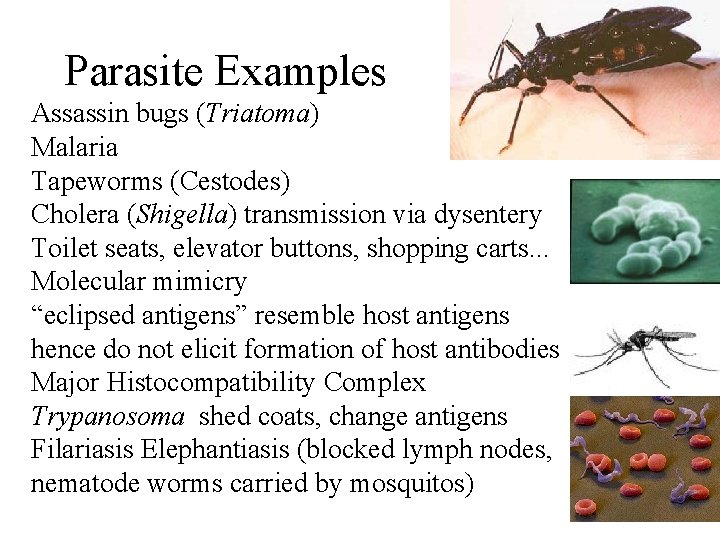
Parasite Examples Assassin bugs (Triatoma) Malaria Tapeworms (Cestodes) Cholera (Shigella) transmission via dysentery Toilet seats, elevator buttons, shopping carts. . . Molecular mimicry “eclipsed antigens” resemble host antigens hence do not elicit formation of host antibodies Major Histocompatibility Complex Trypanosoma shed coats, change antigens Filariasis Elephantiasis (blocked lymph nodes, nematode worms carried by mosquitos)
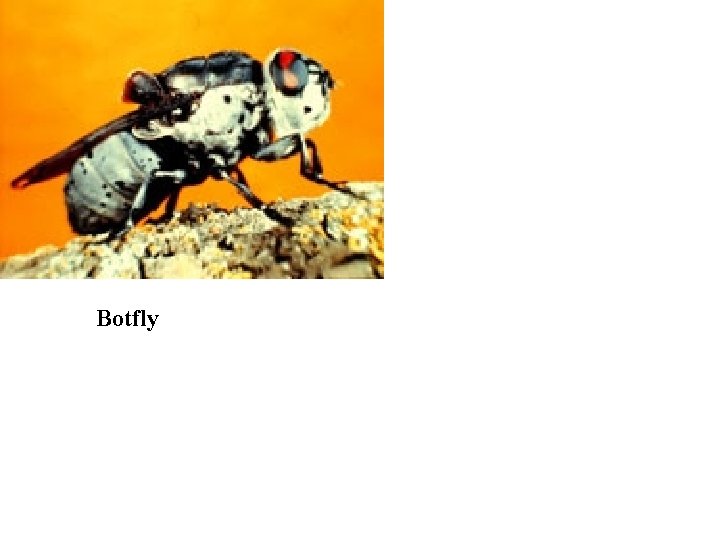
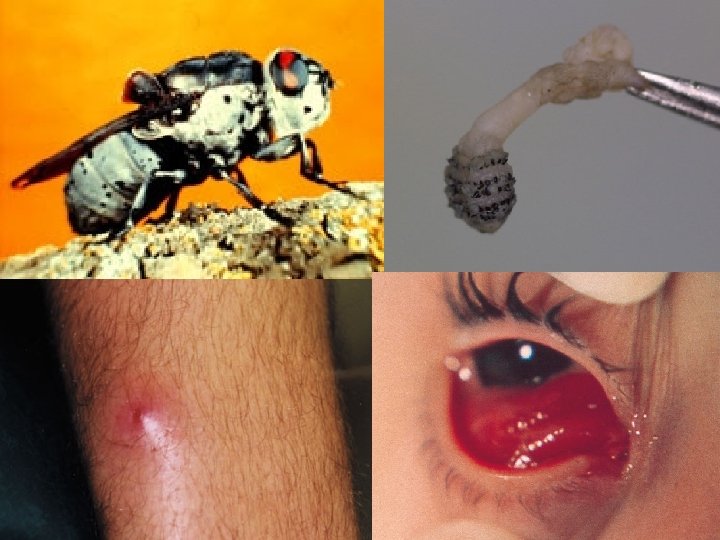
Botfly
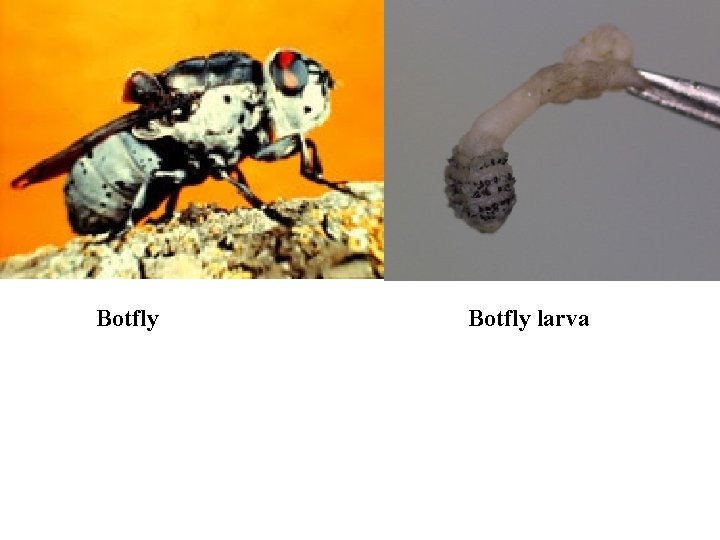
Botfly larva
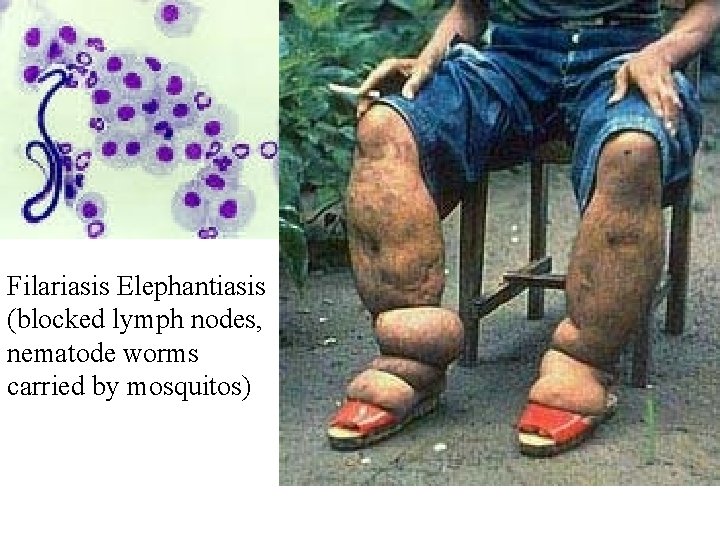
Filariasis Elephantiasis (blocked lymph nodes, nematode worms carried by mosquitos)

Nematode (Roundworm) Dracunculus medinensis
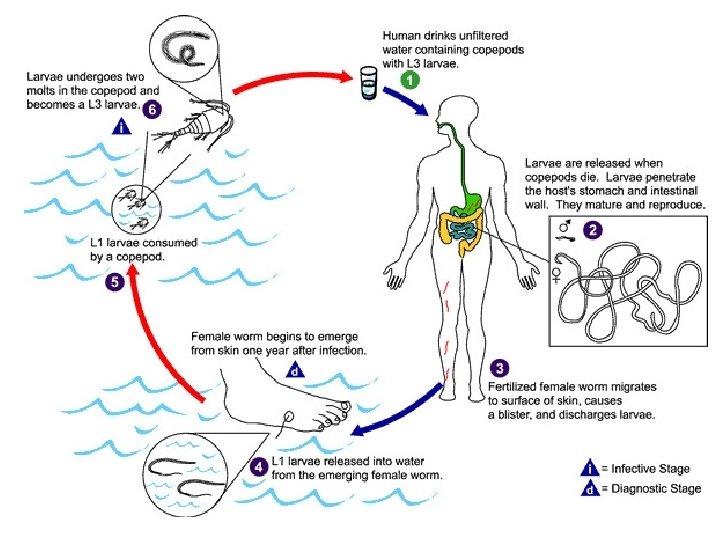

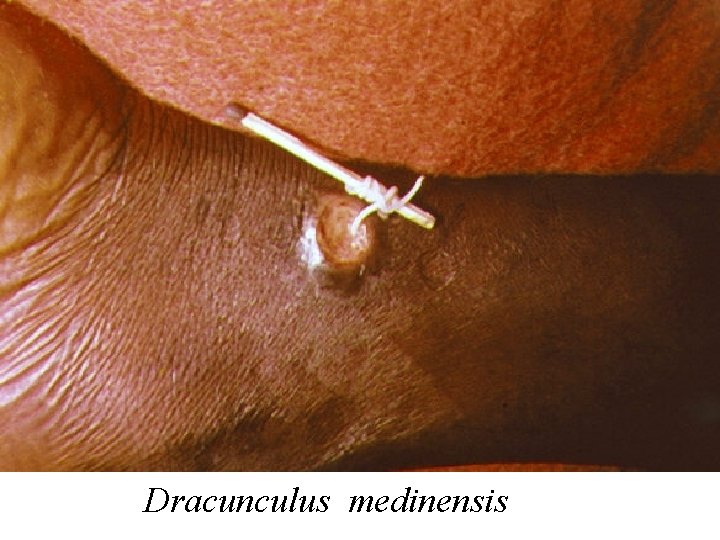
Dracunculus medinensis


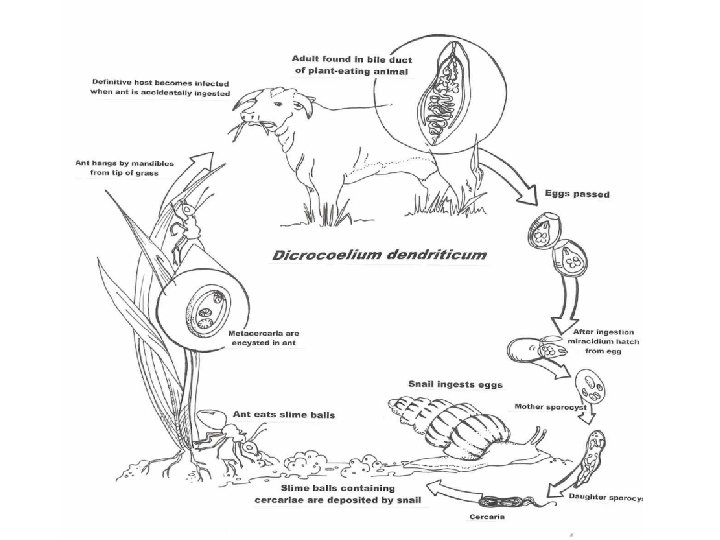
Host Altered Behavior Rabies virus — rabid animals bite Lancet fluke Trematode Dicrocoelium dentriticum Cercaria —> Metacercariae encyst on ant’s brain Sheep ingest an ant and get infected Starlings, Pill bugs, and Acanthocephalans Ducks, Amphipods, and Acanthocephalans STDs —> increased sexual activity?
Ectoparasites, endoparasites Social parasites Parasite–Predator spectrum Microparasites Macroparasites Parasitoids Predators Mode of transmission & virulence
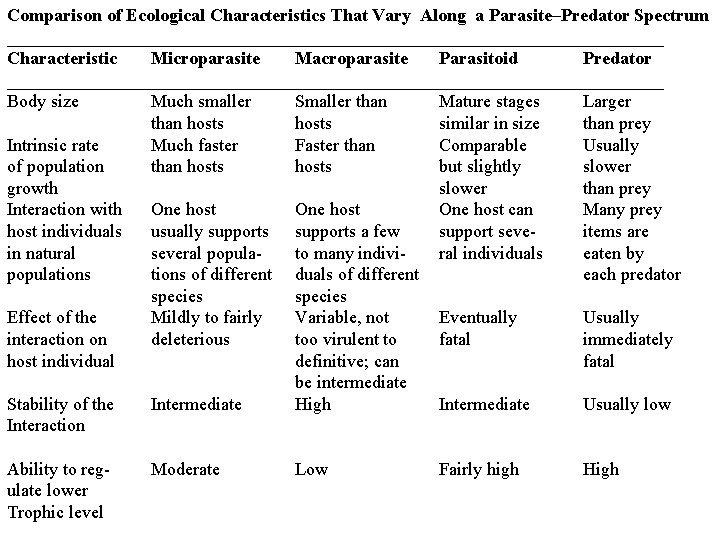
Comparison of Ecological Characteristics That Vary Along a Parasite–Predator Spectrum _____________________________________ Characteristic Microparasite Macroparasite Parasitoid Predator _____________________________________ Body size Much smaller Smaller than Mature stages Larger than hosts similar in size than prey Intrinsic rate Much faster Faster than Comparable Usually of population than hosts but slightly slower growth slower than prey Interaction with One host can Many prey host individuals usually supports a few support seveitems are in natural several populato many indiviral individuals eaten by populations of different duals of different each predator species Effect of the Mildly to fairly Variable, not Eventually Usually interaction on deleterious too virulent to fatal immediately host individual definitive; can fatal be intermediate Stability of the Intermediate High Intermediate Usually low Interaction Ability to reg. Moderate Low Fairly high High ulate lower Trophic level _________________________________
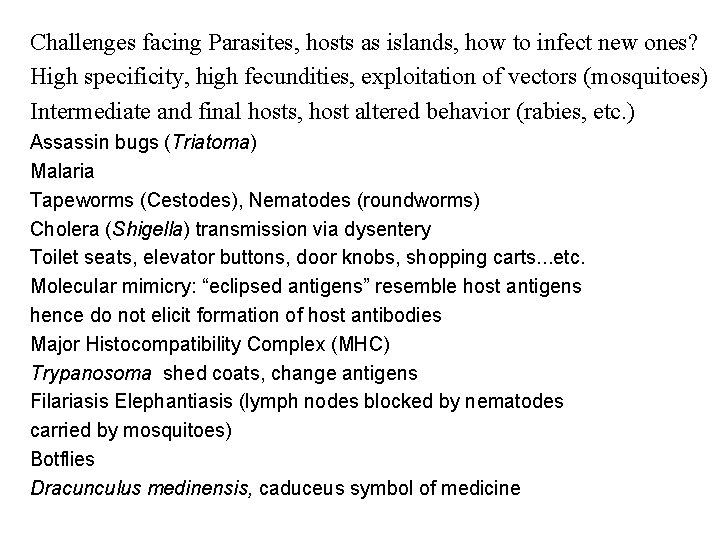
Challenges facing Parasites, hosts as islands, how to infect new ones? High specificity, high fecundities, exploitation of vectors (mosquitoes) Intermediate and final hosts, host altered behavior (rabies, etc. ) Assassin bugs (Triatoma) Malaria Tapeworms (Cestodes), Nematodes (roundworms) Cholera (Shigella) transmission via dysentery Toilet seats, elevator buttons, door knobs, shopping carts. . . etc. Molecular mimicry: “eclipsed antigens” resemble host antigens hence do not elicit formation of host antibodies Major Histocompatibility Complex (MHC) Trypanosoma shed coats, change antigens Filariasis Elephantiasis (lymph nodes blocked by nematodes carried by mosquitoes) Botflies Dracunculus medinensis, caduceus symbol of medicine
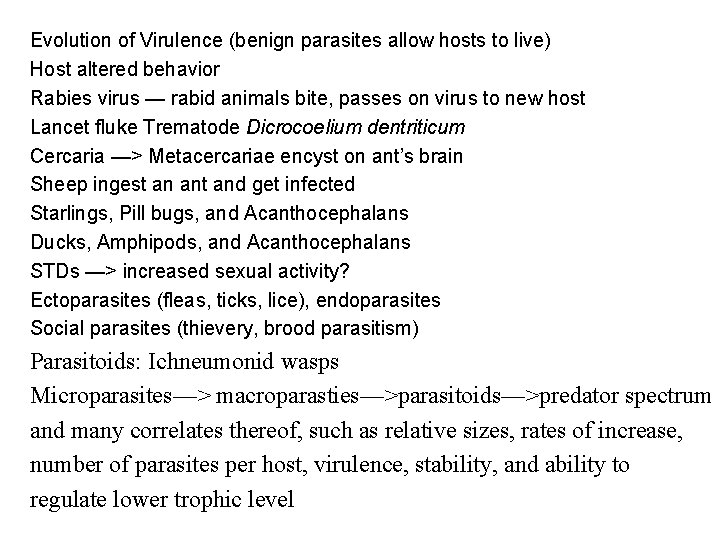
Evolution of Virulence (benign parasites allow hosts to live) Host altered behavior Rabies virus — rabid animals bite, passes on virus to new host Lancet fluke Trematode Dicrocoelium dentriticum Cercaria —> Metacercariae encyst on ant’s brain Sheep ingest an ant and get infected Starlings, Pill bugs, and Acanthocephalans Ducks, Amphipods, and Acanthocephalans STDs —> increased sexual activity? Ectoparasites (fleas, ticks, lice), endoparasites Social parasites (thievery, brood parasitism) Parasitoids: Ichneumonid wasps Microparasites—> macroparasties—>parasitoids—>predator spectrum and many correlates thereof, such as relative sizes, rates of increase, number of parasites per host, virulence, stability, and ability to regulate lower trophic level
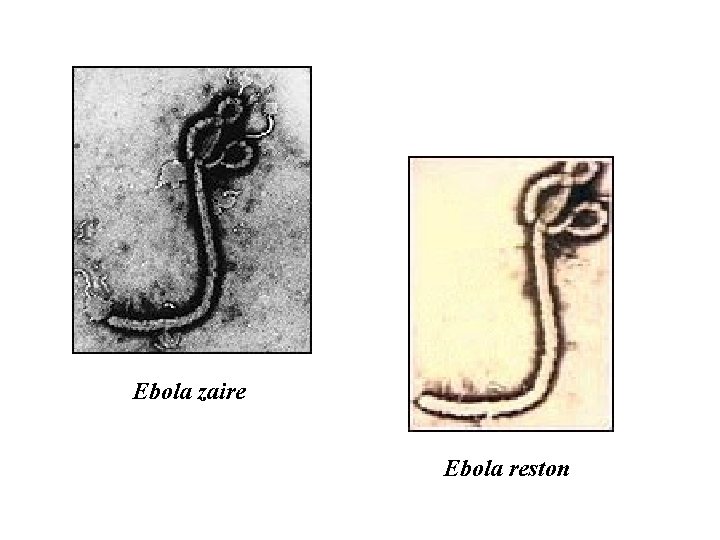
Ebola zaire Ebola reston
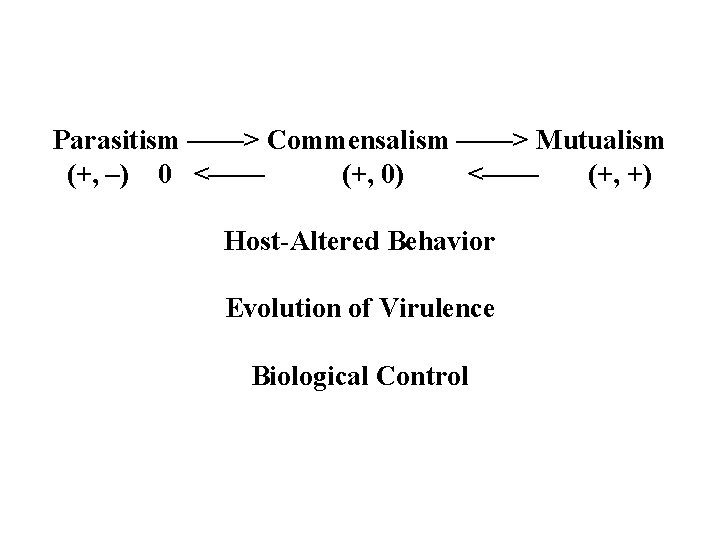
Parasitism ——> Commensalism ——> Mutualism (+, –) 0 <—— (+, 0) <—— (+, +) Host-Altered Behavior Evolution of Virulence Biological Control
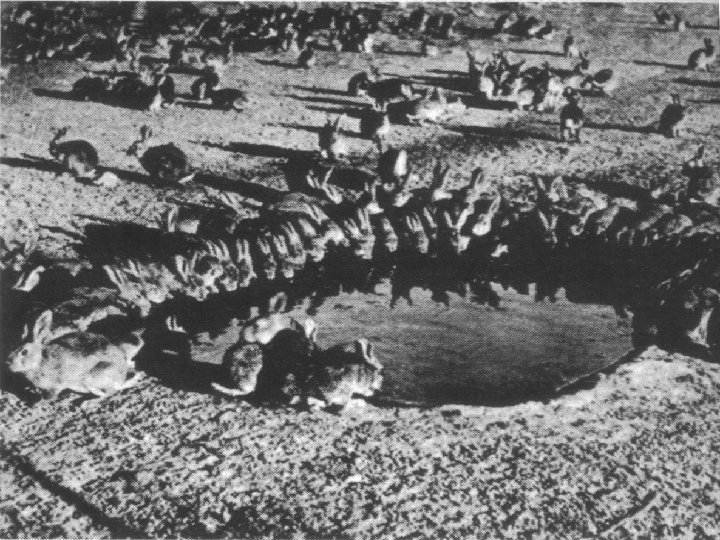

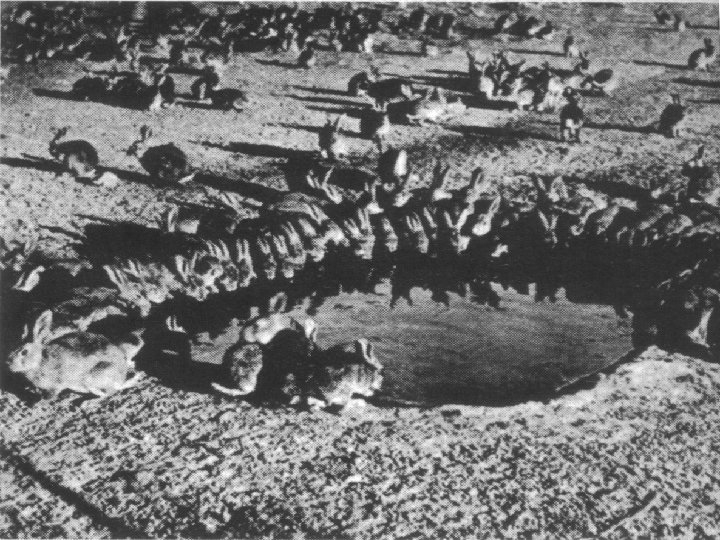


Brazilian cottontail rabbit Sylvilagus brasilensis carried a benign myxoma virus which, when injected into an Oryctolagus cunniculus hare caused cancers that quickly killed the rabbits. Released in 1951, epidemic killed 99. 9% of bunnies but, rabbits being rabbits, bred like bunnies, and soon there were as many as ever. Second epidemic only killed 70% and the third only 50%. Resistent Rabbits evolved, but so did the virus — as it was spreading through the rabbit population, the virus evolved reduced virulence.

- Slides: 28