
Paraganglioma An Overview Matrix Fung QMH Ms Lam

- Slides: 34
Paraganglioma: An Overview Matrix Fung QMH
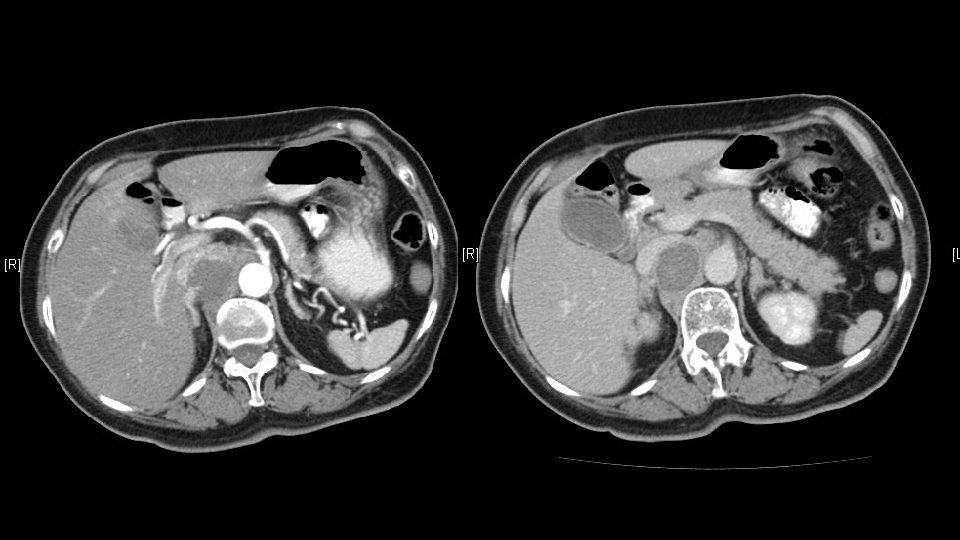
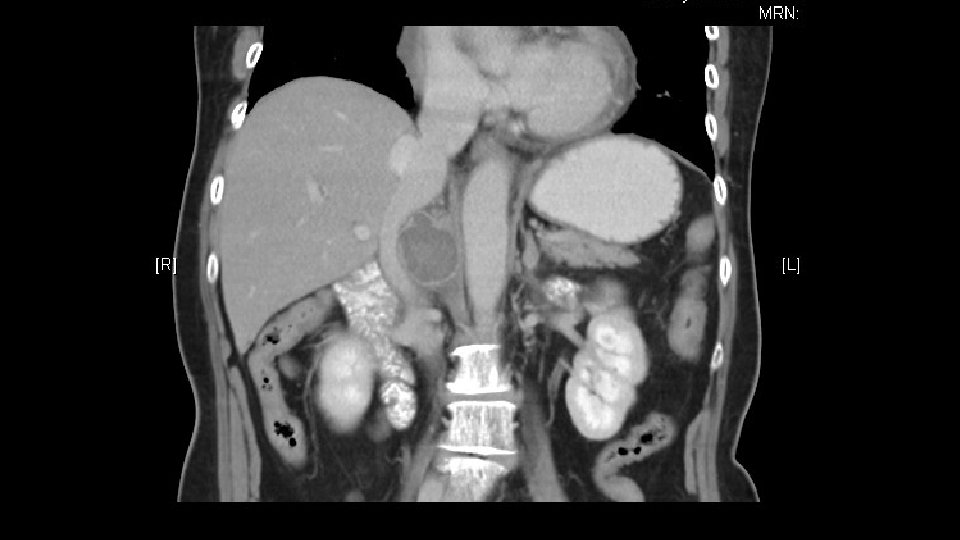
Ms Lam, F/71 Admitted for right upper quadrant pain Hypertensive Frequent headache and palpitations for 3 years
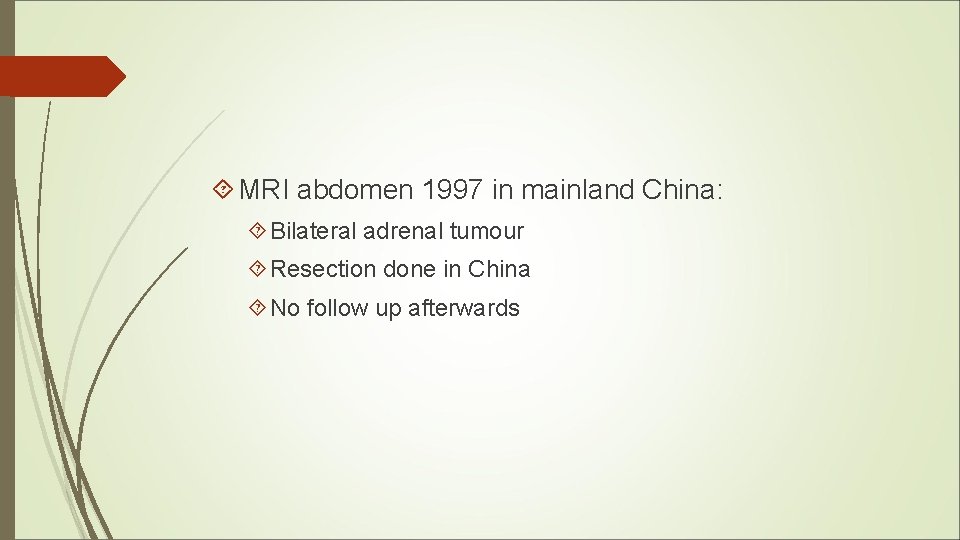
MRI abdomen 1997 in mainland China: Bilateral adrenal tumour Resection done in China No follow up afterwards
CT
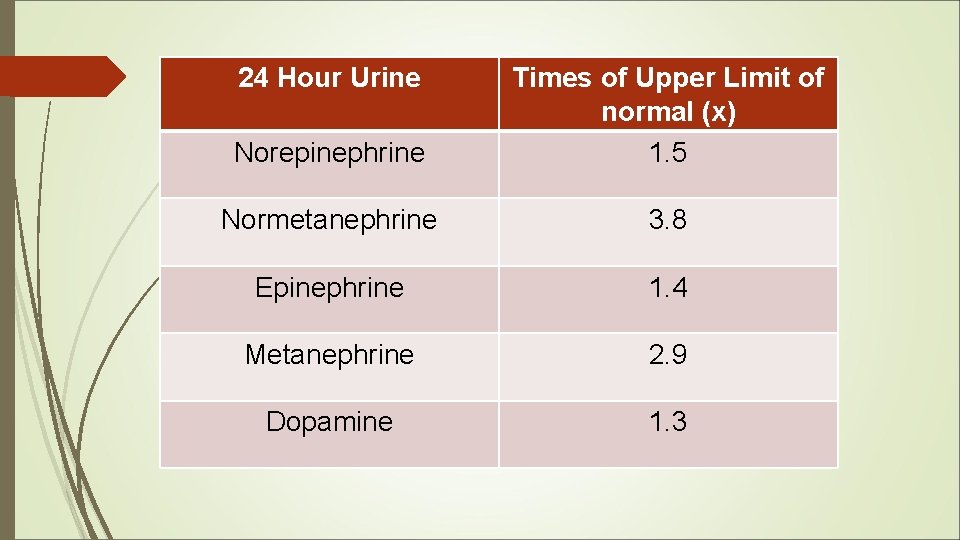
24 Hour Urine Norepinephrine Times of Upper Limit of normal (x) 1. 5 Normetanephrine 3. 8 Epinephrine 1. 4 Metanephrine 2. 9 Dopamine 1. 3
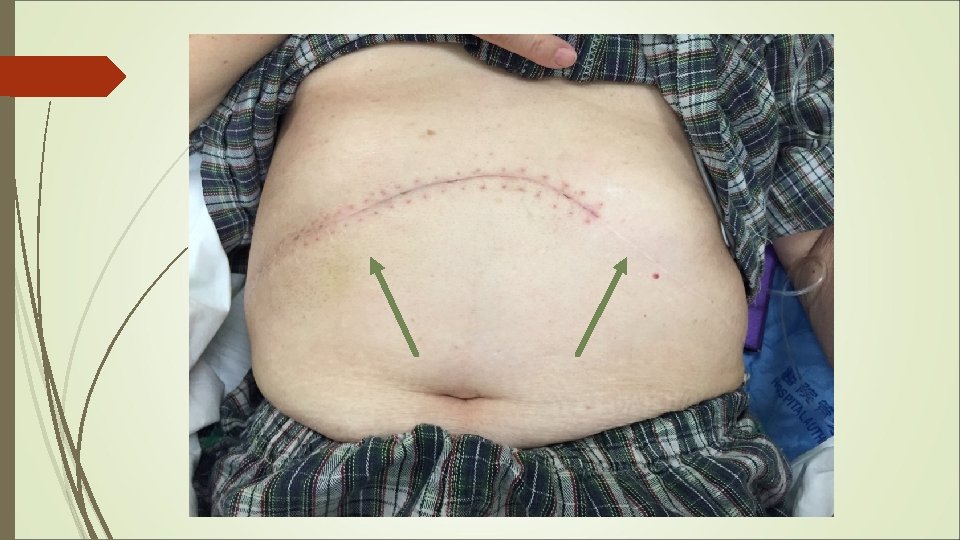
Laparotomy findings: Previous right adrenalectomy Recurrent tumour at the previous excision site Tumour excised Pathology: Phaeochromocytoma
Paragangliomas Paraganglias neuroendocrine organs developed from neural crests cells Homeostasis Eg. Adrenal medulla, carotid body, vagal and aortic paraganglia Paraganglioma Highly vascular tumours “ The only true indicator of malignant behavior is metastatic spread” IARC WHO Classification of Tumours 2004
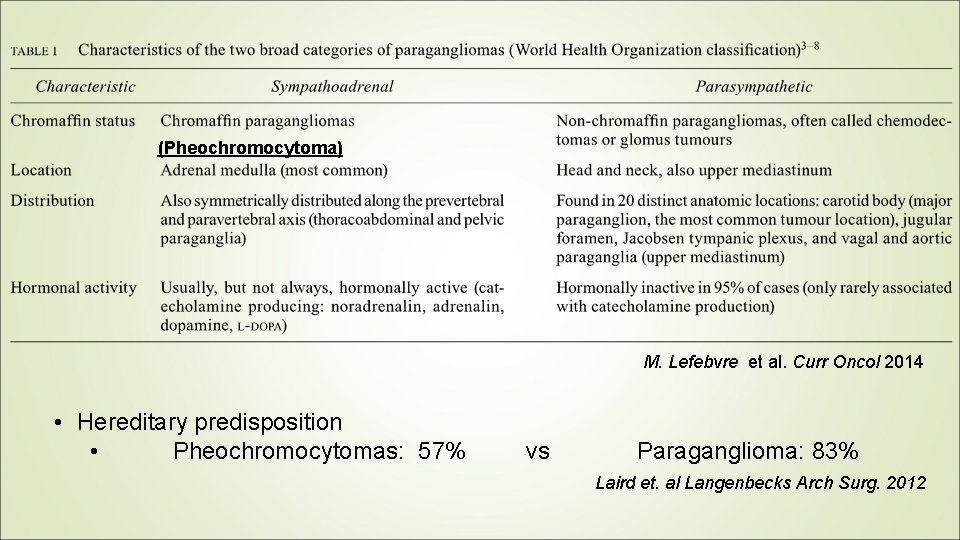
(Pheochromocytoma) M. Lefebvre et al. Curr Oncol 2014 • Hereditary predisposition • Pheochromocytomas: 57% vs Paraganglioma: 83% Laird et. al Langenbecks Arch Surg. 2012
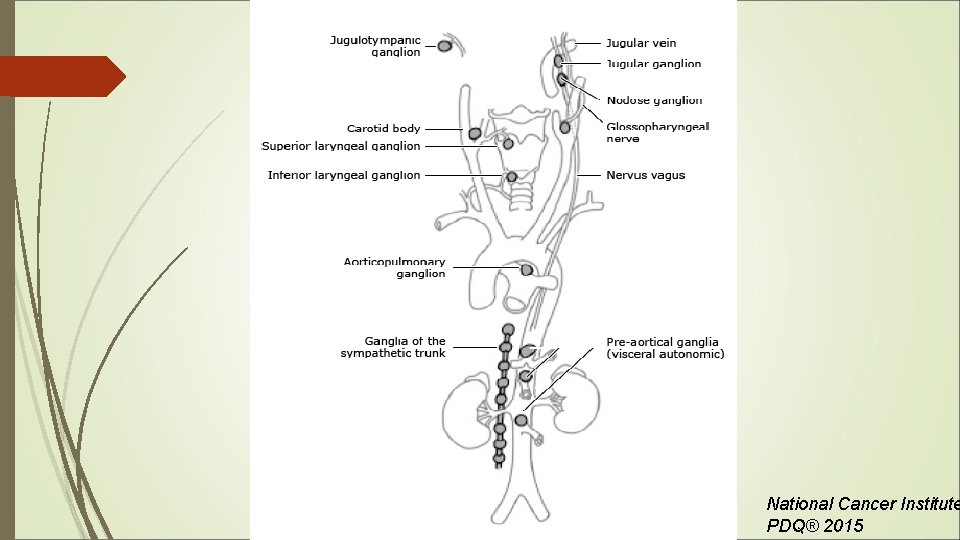
National Cancer Institute PDQ® 2015
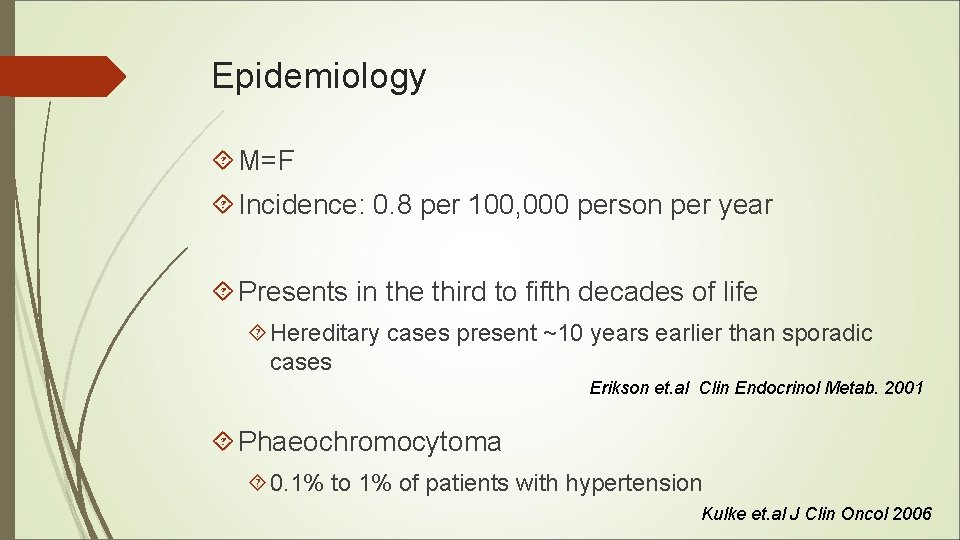
Epidemiology M=F Incidence: 0. 8 per 100, 000 person per year Presents in the third to fifth decades of life Hereditary cases present ~10 years earlier than sporadic cases Erikson et. al Clin Endocrinol Metab. 2001 Phaeochromocytoma 0. 1% to 1% of patients with hypertension Kulke et. al J Clin Oncol 2006
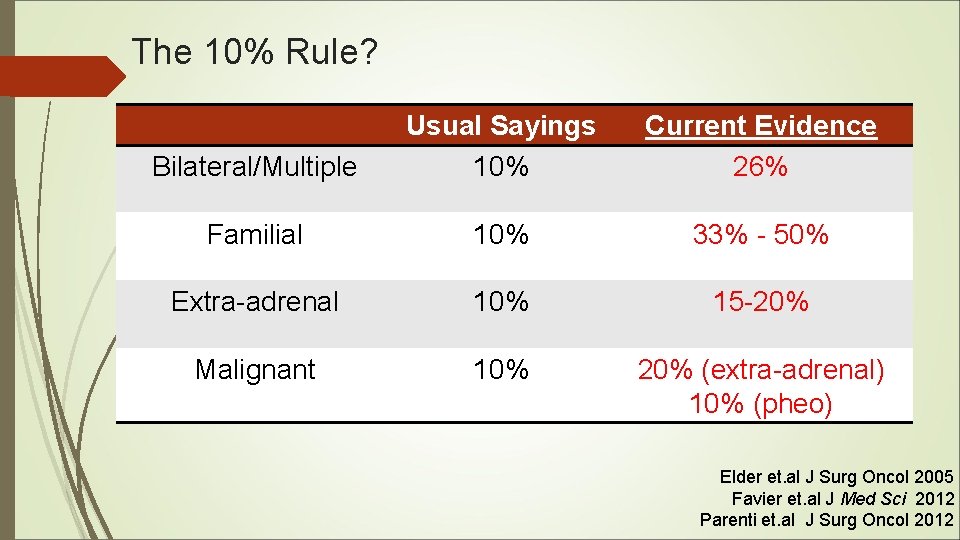
The 10% Rule? Bilateral/Multiple Usual Sayings 10% Current Evidence 26% Familial 10% 33% - 50% Extra-adrenal 10% 15 -20% Malignant 10% 20% (extra-adrenal) 10% (pheo) Elder et. al J Surg Oncol 2005 Favier et. al J Med Sci 2012 Parenti et. al J Surg Oncol 2012
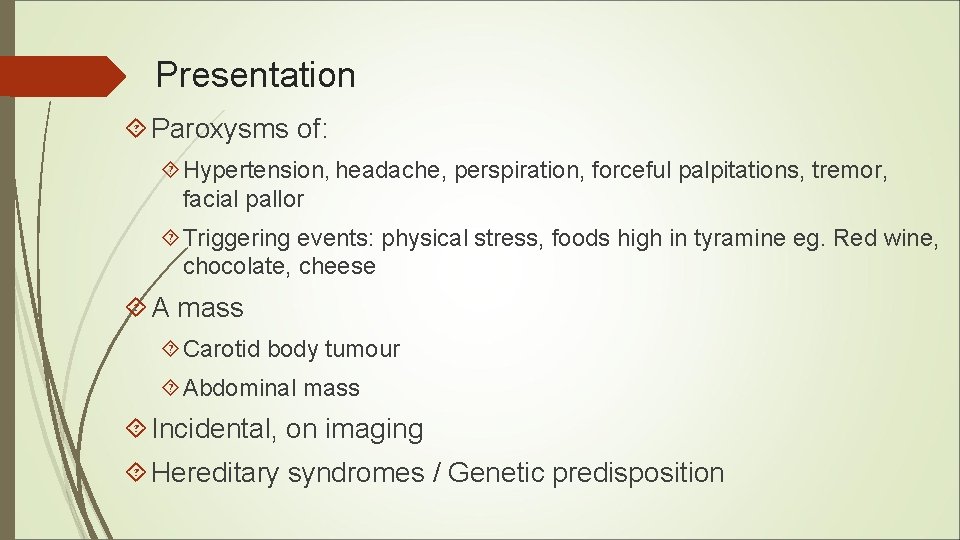
Presentation Paroxysms of: Hypertension, headache, perspiration, forceful palpitations, tremor, facial pallor Triggering events: physical stress, foods high in tyramine eg. Red wine, chocolate, cheese A mass Carotid body tumour Abdominal mass Incidental, on imaging Hereditary syndromes / Genetic predisposition
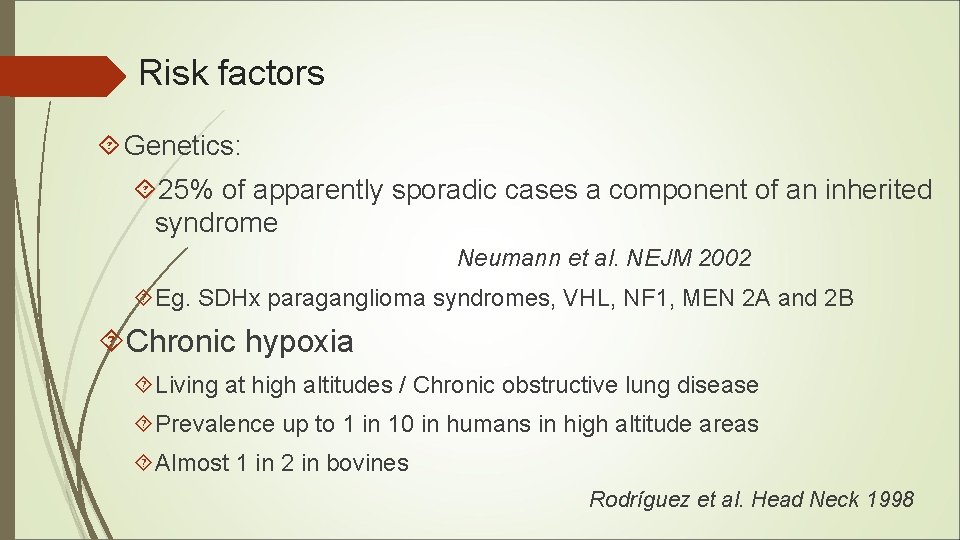
Risk factors Genetics: 25% of apparently sporadic cases a component of an inherited syndrome Neumann et al. NEJM 2002 Eg. SDHx paraganglioma syndromes, VHL, NF 1, MEN 2 A and 2 B Chronic hypoxia Living at high altitudes / Chronic obstructive lung disease Prevalence up to 1 in 10 in humans in high altitude areas Almost 1 in 2 in bovines Rodríguez et al. Head Neck 1998
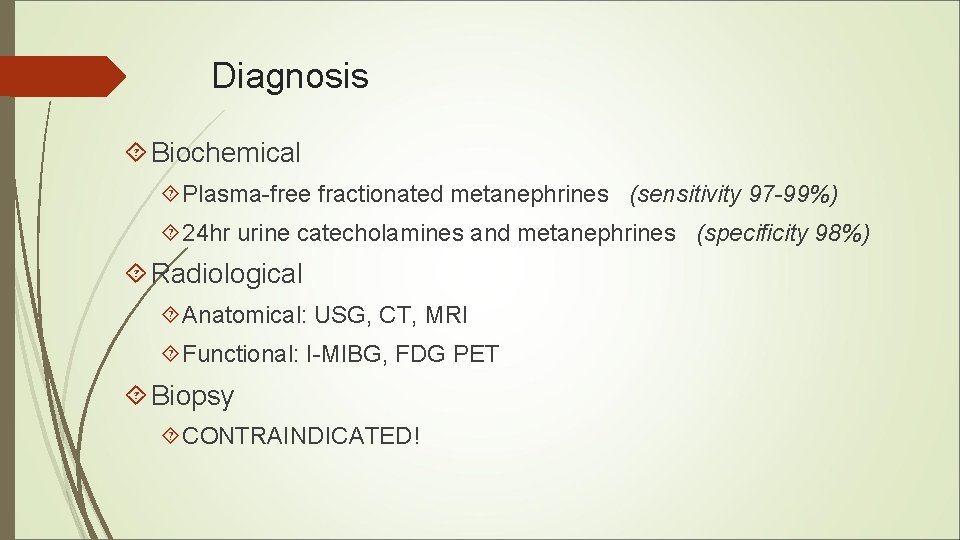
Diagnosis Biochemical Plasma-free fractionated metanephrines (sensitivity 97 -99%) 24 hr urine catecholamines and metanephrines (specificity 98%) Radiological Anatomical: USG, CT, MRI Functional: I-MIBG, FDG PET Biopsy CONTRAINDICATED!
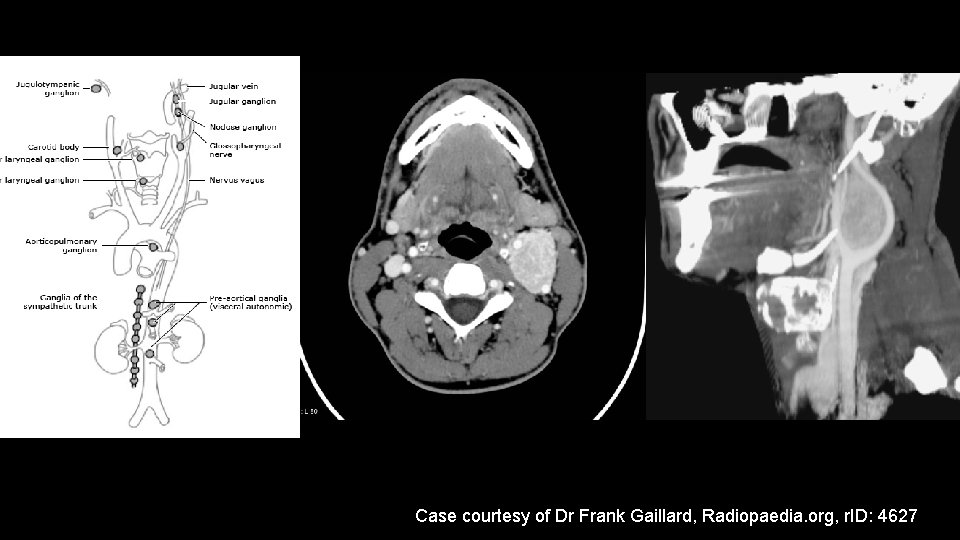
Case courtesy of Dr Frank Gaillard, Radiopaedia. org, r. ID: 4627
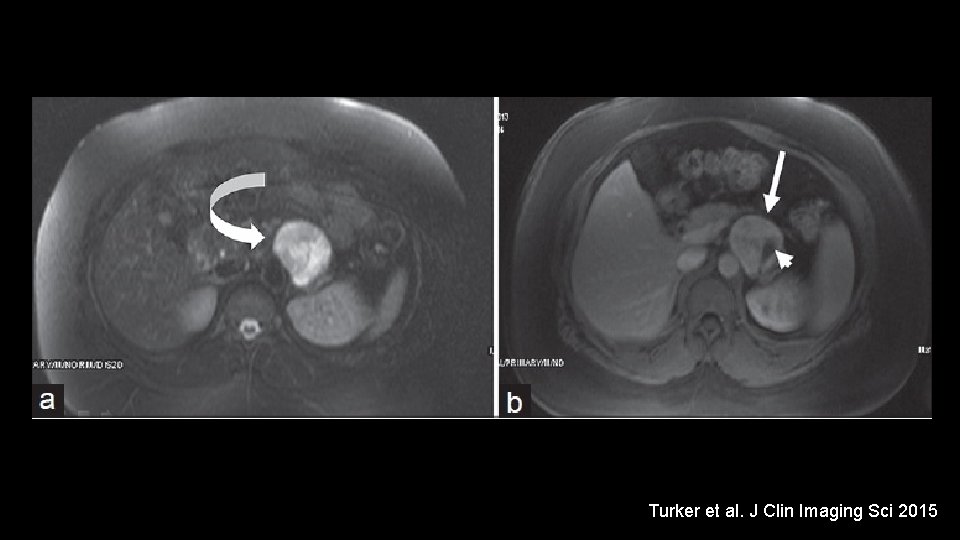
Turker et al. J Clin Imaging Sci 2015
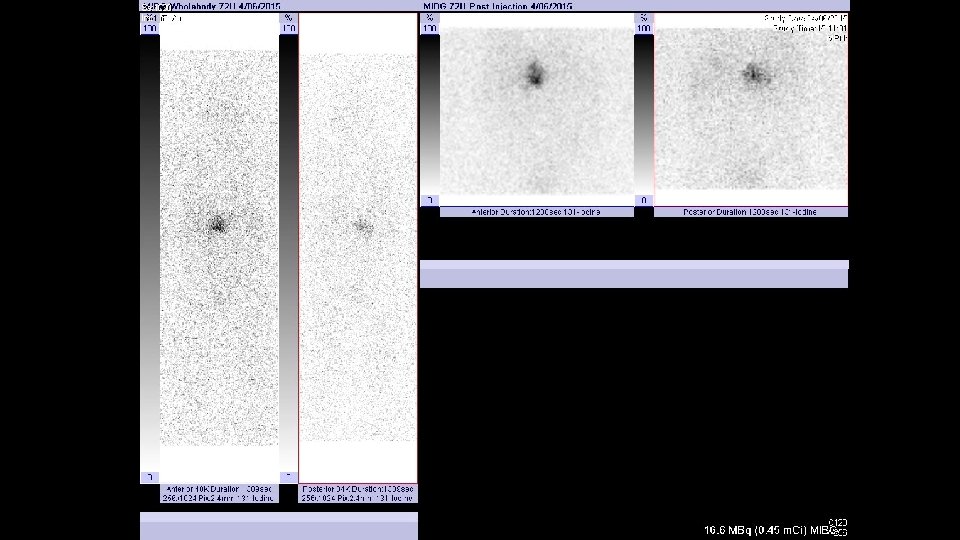
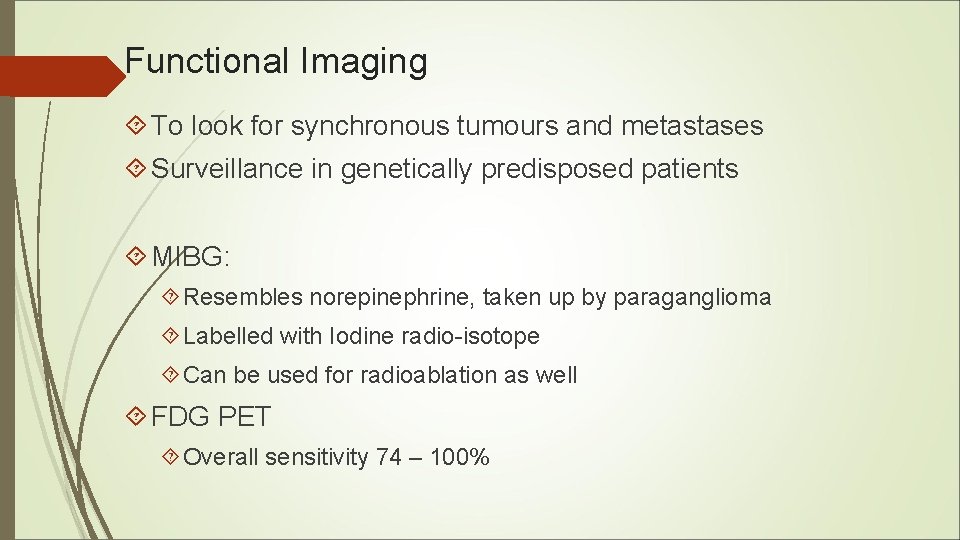
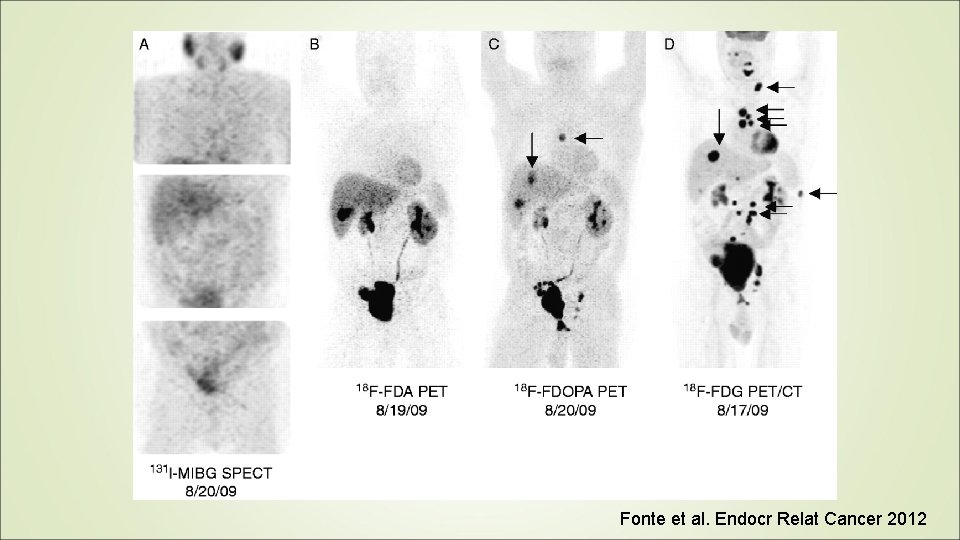
Functional Imaging To look for synchronous tumours and metastases Surveillance in genetically predisposed patients MIBG: Resembles norepinephrine, taken up by paraganglioma Labelled with Iodine radio-isotope Can be used for radioablation as well FDG PET Overall sensitivity 74 – 100%
Fonte et al. Endocr Relat Cancer 2012
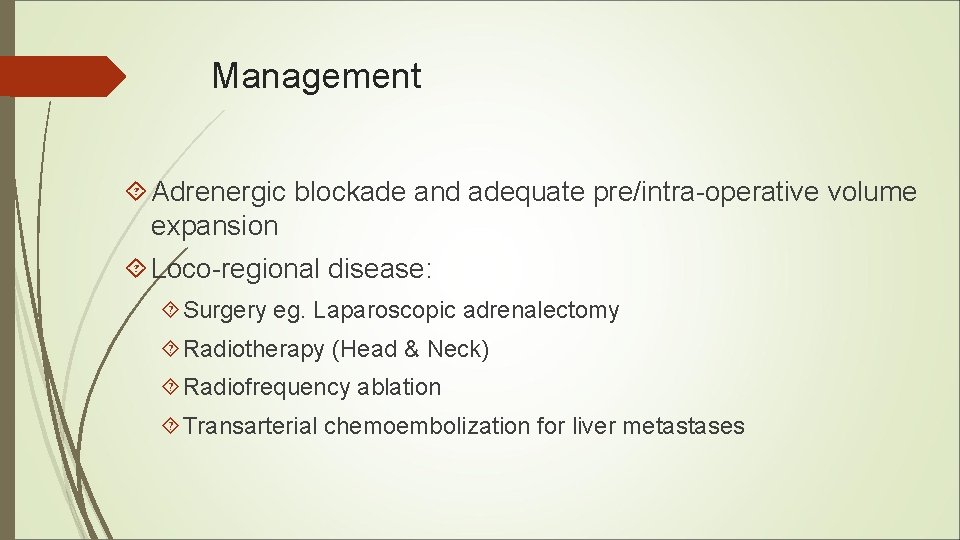
Management Adrenergic blockade and adequate pre/intra-operative volume expansion Loco-regional disease: Surgery eg. Laparoscopic adrenalectomy Radiotherapy (Head & Neck) Radiofrequency ablation Transarterial chemoembolization for liver metastases
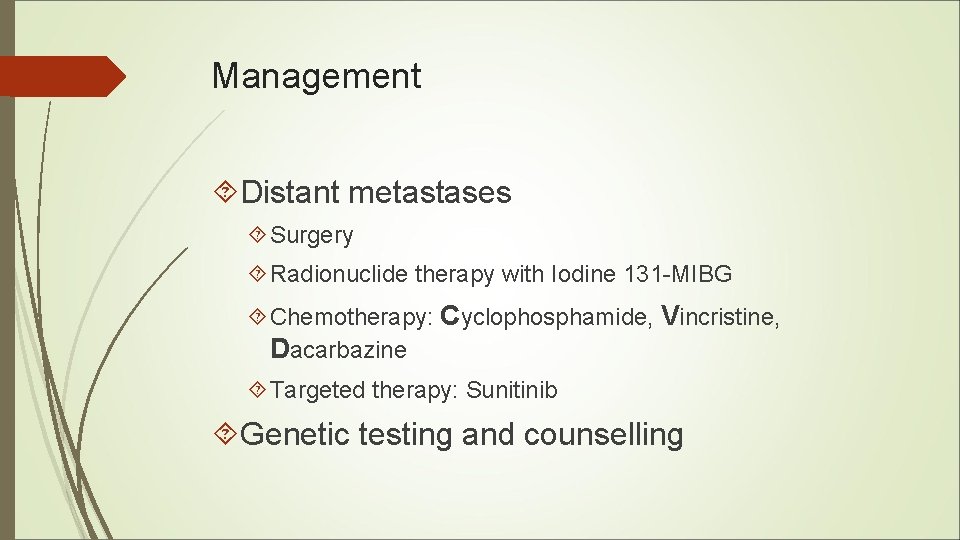
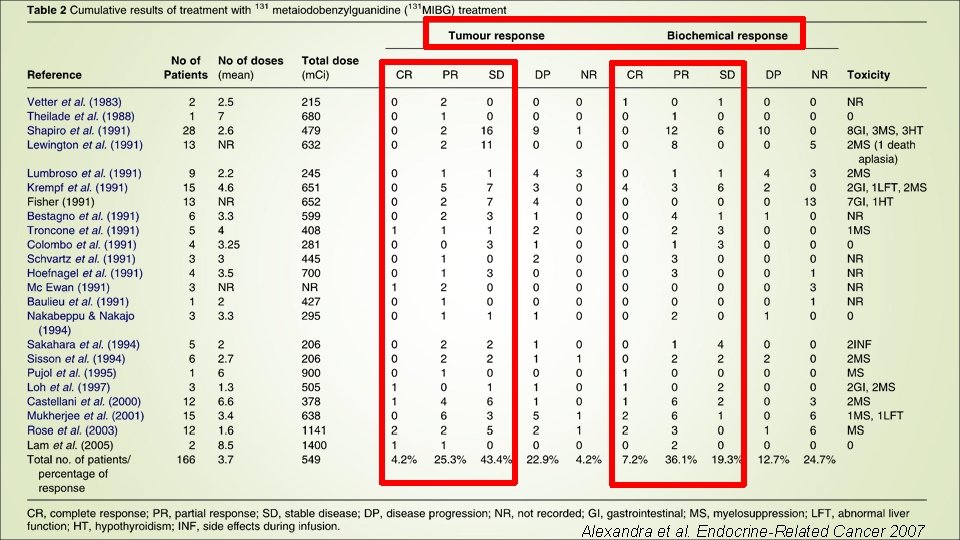
Management Distant metastases Surgery Radionuclide therapy with Iodine 131 -MIBG Chemotherapy: Cyclophosphamide, Vincristine, Dacarbazine Targeted therapy: Sunitinib Genetic testing and counselling
Alexandra et al. Endocrine-Related Cancer 2007
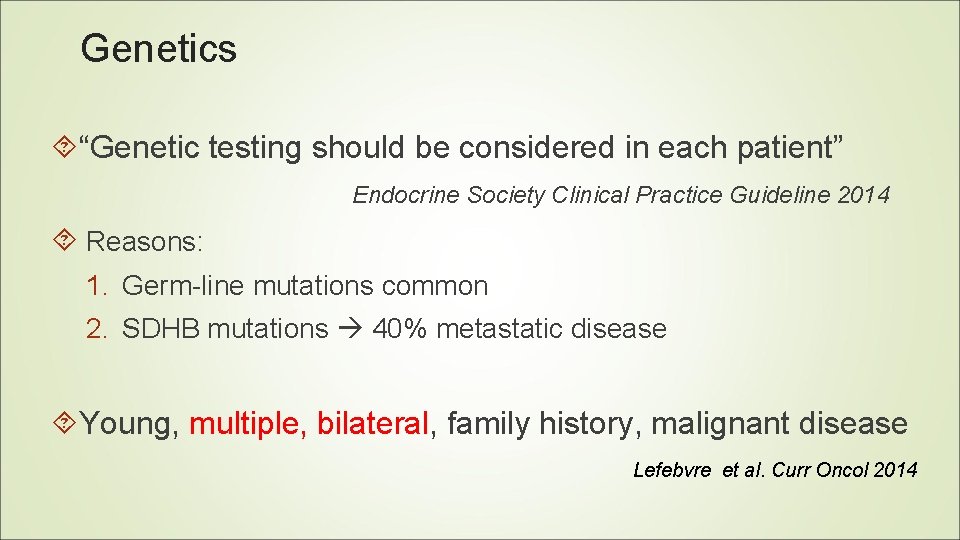
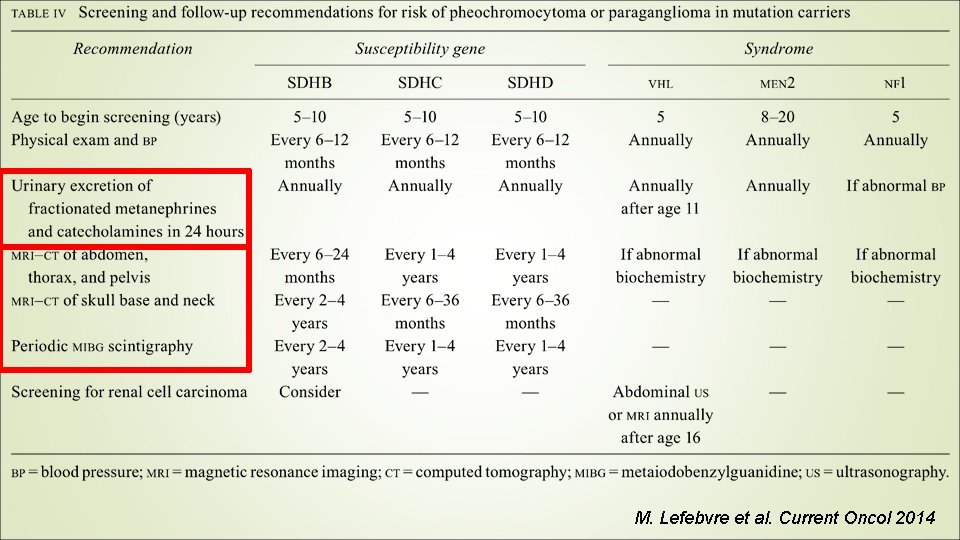
Genetics “Genetic testing should be considered in each patient” Endocrine Society Clinical Practice Guideline 2014 Reasons: 1. Germ-line mutations common 2. SDHB mutations 40% metastatic disease Young, multiple, bilateral, family history, malignant disease Lefebvre et al. Curr Oncol 2014
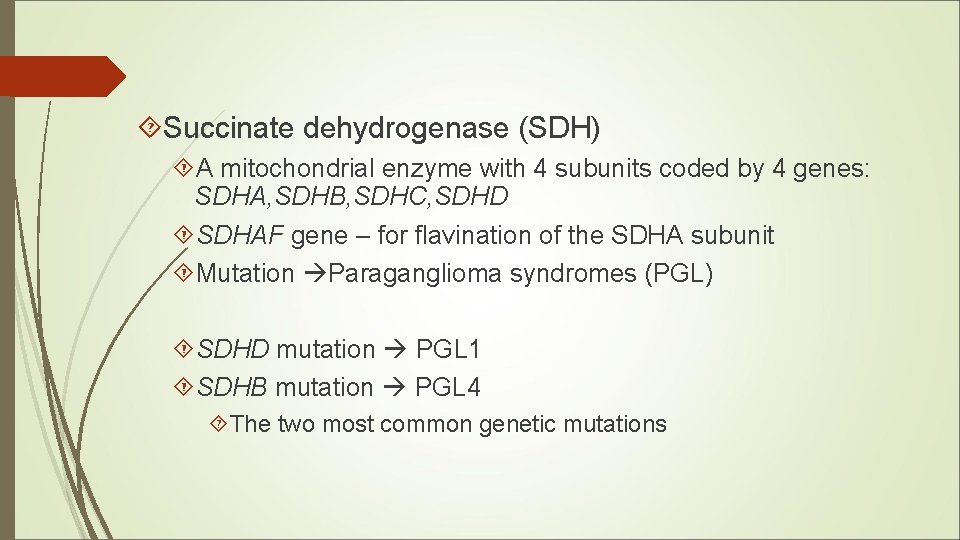
Succinate dehydrogenase (SDH) A mitochondrial enzyme with 4 subunits coded by 4 genes: SDHA, SDHB, SDHC, SDHD SDHAF gene – for flavination of the SDHA subunit Mutation Paraganglioma syndromes (PGL) SDHD mutation PGL 1 SDHB mutation PGL 4 The two most common genetic mutations
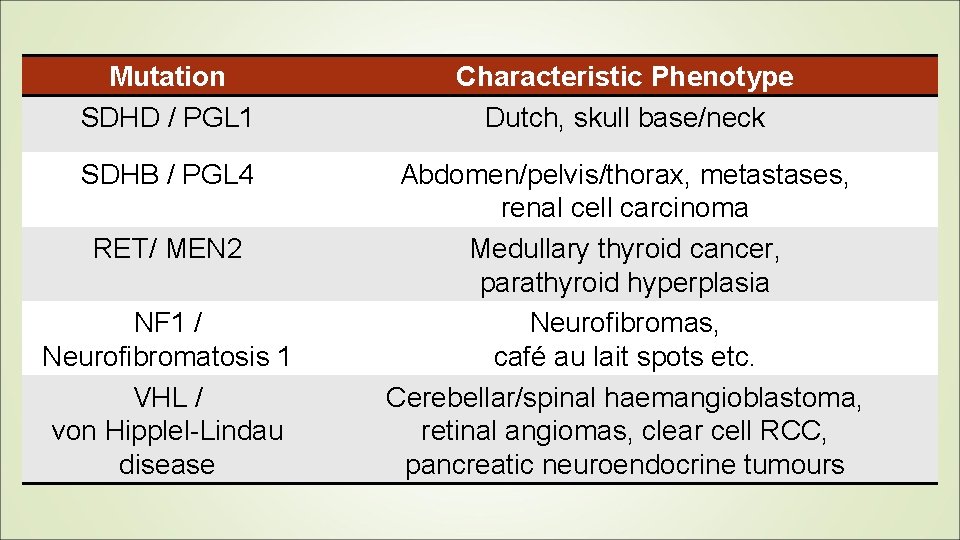
Mutation SDHD / PGL 1 Characteristic Phenotype Dutch, skull base/neck SDHB / PGL 4 Abdomen/pelvis/thorax, metastases, renal cell carcinoma Medullary thyroid cancer, parathyroid hyperplasia Neurofibromas, café au lait spots etc. Cerebellar/spinal haemangioblastoma, retinal angiomas, clear cell RCC, pancreatic neuroendocrine tumours RET/ MEN 2 NF 1 / Neurofibromatosis 1 VHL / von Hipplel-Lindau disease
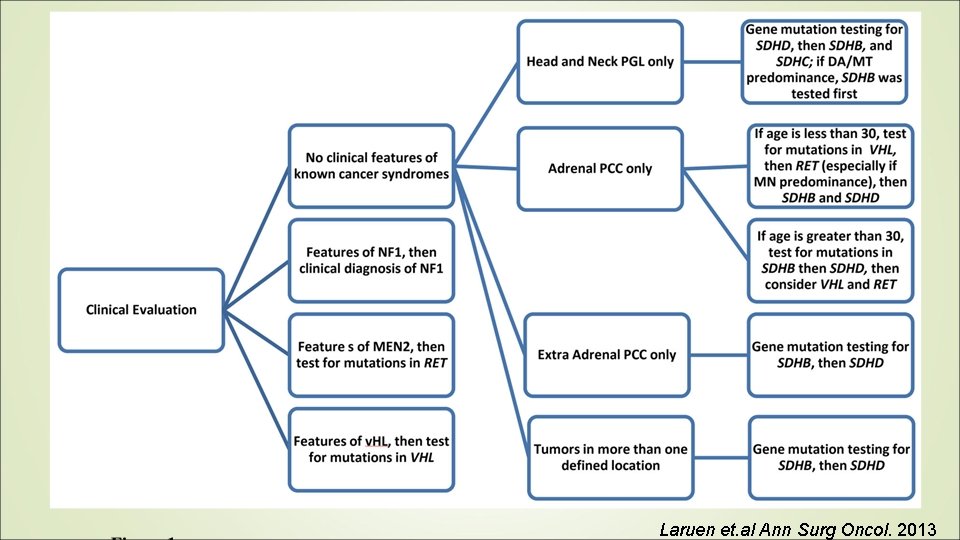
Laruen et. al Ann Surg Oncol. 2013
M. Lefebvre et al. Current Oncol 2014
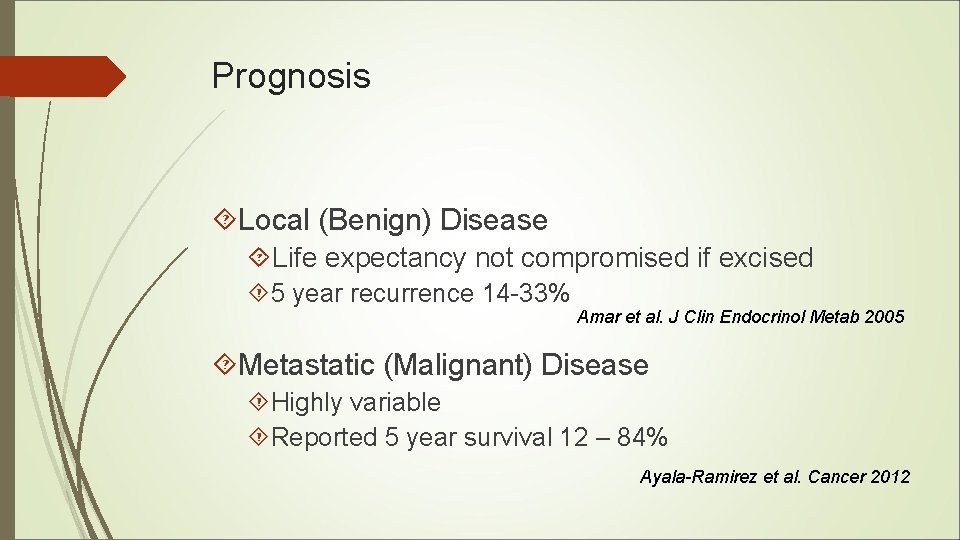
Prognosis Local (Benign) Disease Life expectancy not compromised if excised 5 year recurrence 14 -33% Amar et al. J Clin Endocrinol Metab 2005 Metastatic (Malignant) Disease Highly variable Reported 5 year survival 12 – 84% Ayala-Ramirez et al. Cancer 2012
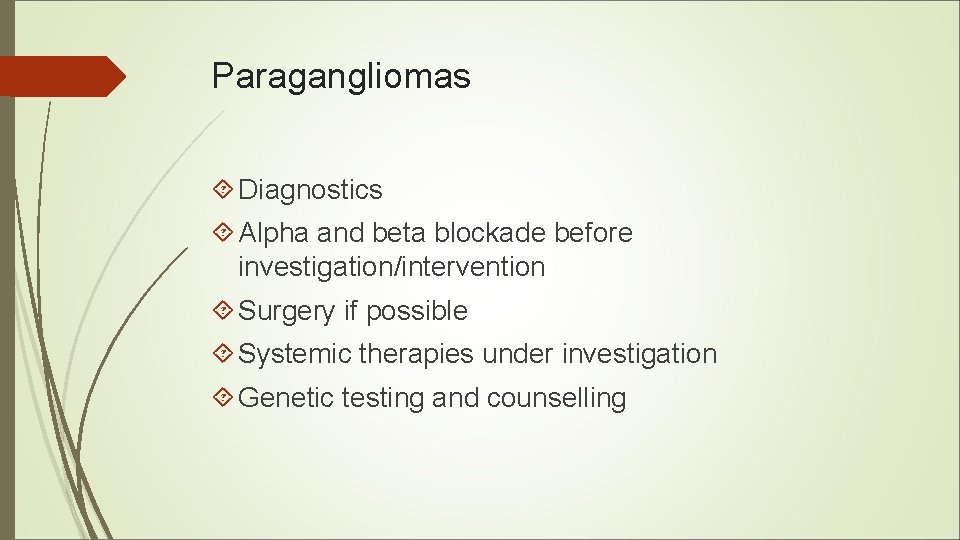
Paragangliomas Diagnostics Alpha and beta blockade before investigation/intervention Surgery if possible Systemic therapies under investigation Genetic testing and counselling
Thank you!
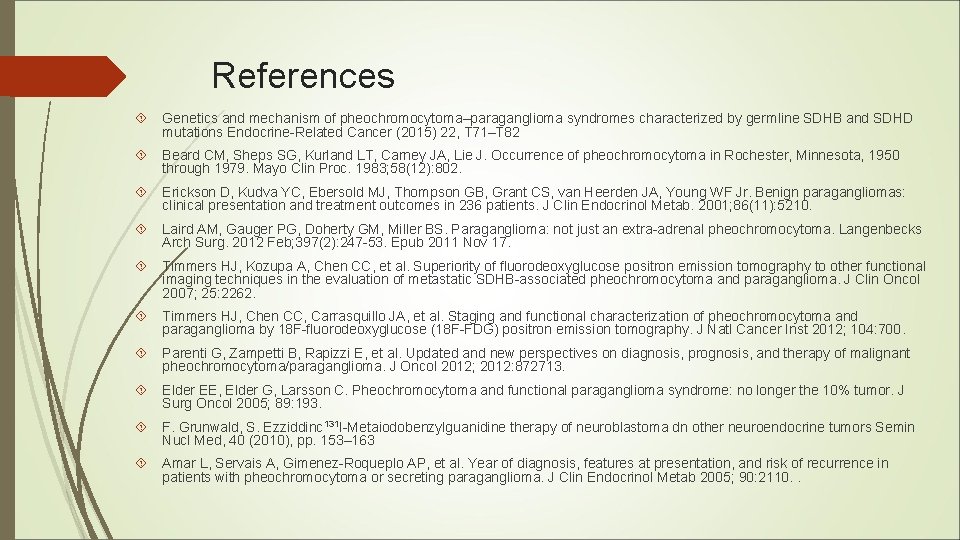
References Genetics and mechanism of pheochromocytoma–paraganglioma syndromes characterized by germline SDHB and SDHD mutations Endocrine-Related Cancer (2015) 22, T 71–T 82 Beard CM, Sheps SG, Kurland LT, Carney JA, Lie J. Occurrence of pheochromocytoma in Rochester, Minnesota, 1950 through 1979. Mayo Clin Proc. 1983; 58(12): 802. Erickson D, Kudva YC, Ebersold MJ, Thompson GB, Grant CS, van Heerden JA, Young WF Jr. Benign paragangliomas: clinical presentation and treatment outcomes in 236 patients. J Clin Endocrinol Metab. 2001; 86(11): 5210. Laird AM, Gauger PG, Doherty GM, Miller BS. Paraganglioma: not just an extra-adrenal pheochromocytoma. Langenbecks Arch Surg. 2012 Feb; 397(2): 247 -53. Epub 2011 Nov 17. Timmers HJ, Kozupa A, Chen CC, et al. Superiority of fluorodeoxyglucose positron emission tomography to other functional imaging techniques in the evaluation of metastatic SDHB-associated pheochromocytoma and paraganglioma. J Clin Oncol 2007; 25: 2262. Timmers HJ, Chen CC, Carrasquillo JA, et al. Staging and functional characterization of pheochromocytoma and paraganglioma by 18 F-fluorodeoxyglucose (18 F-FDG) positron emission tomography. J Natl Cancer Inst 2012; 104: 700. Parenti G, Zampetti B, Rapizzi E, et al. Updated and new perspectives on diagnosis, prognosis, and therapy of malignant pheochromocytoma/paraganglioma. J Oncol 2012; 2012: 872713. Elder EE, Elder G, Larsson C. Pheochromocytoma and functional paraganglioma syndrome: no longer the 10% tumor. J Surg Oncol 2005; 89: 193. F. Grunwald, S. Ezziddinc 131 I-Metaiodobenzylguanidine therapy of neuroblastoma dn other neuroendocrine tumors Semin Nucl Med, 40 (2010), pp. 153– 163 Amar L, Servais A, Gimenez-Roqueplo AP, et al. Year of diagnosis, features at presentation, and risk of recurrence in patients with pheochromocytoma or secreting paraganglioma. J Clin Endocrinol Metab 2005; 90: 2110. .
Sua rez C, Rodrigo JP, Bo deker CC, et al. Jugular and vagal paragangliomas: Systematic study of management with surgery and radiotherapy. Head Neck 2013; 35: 1195. Alexandra Chrisoulidou, Gregory Kaltsas, Ioannis Ilias, Ashley B Grossman The diagnosis and management of malignant phaeochromocytoma and paraganglioma. Endocrine-Related Cancer (2007) 14 569– 585 Ayala-Ramirez M, Feng L, Habra MA, et al. Clinical benefits of systemic chemotherapy for patients with metastatic pheochromocytomas or sympathetic extra-adrenal paragangliomas: insights from the largest single-institutional experience. Cancer 2012; 118: 2804