
Palliative Chemotherapy Dr Oscar S Breathnach Consultant Medical
Palliative Chemotherapy Dr. Oscar S. Breathnach Consultant Medical Oncologist Palliative Care Multidisciplinary Study Day Beaumont Hospital Sept. 19 th, 2013
You have been diagnosed with ADVANCED CANCER

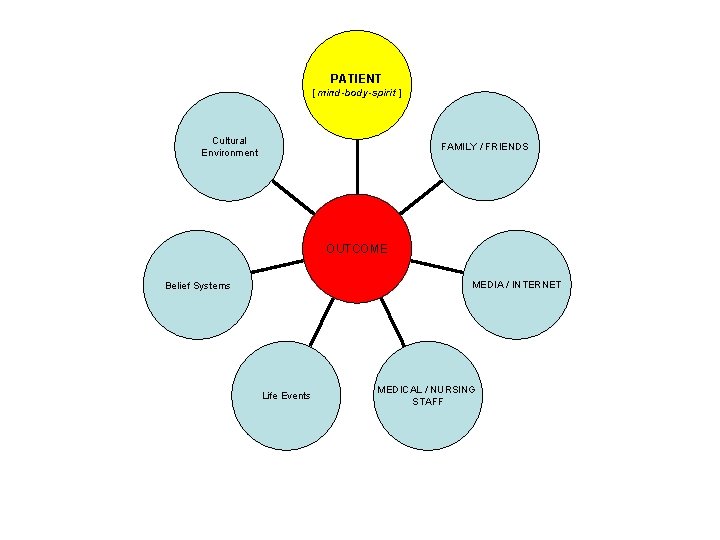
PATIENT [ mind-body-spirit ] Cultural Environment FAMILY / FRIENDS OUTCOME MEDIA / INTERNET Belief Systems Life Events MEDICAL / NURSING STAFF
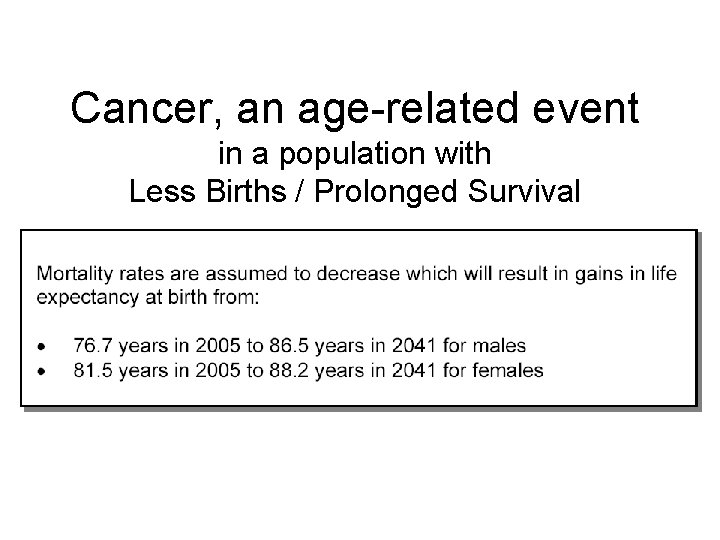
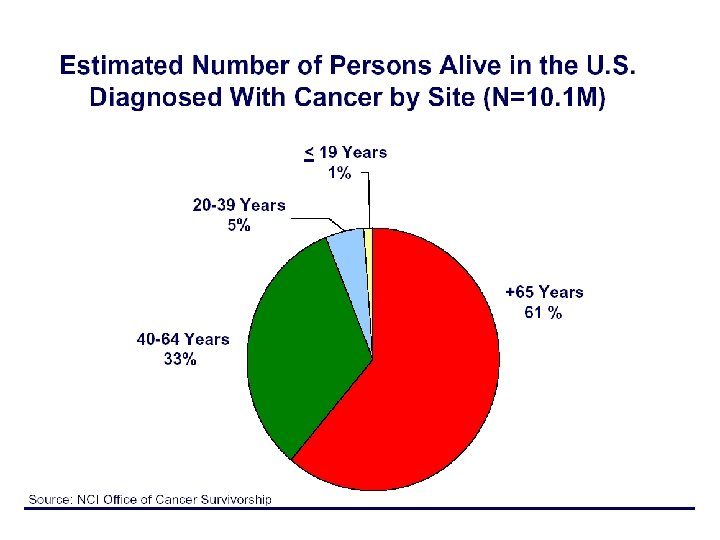
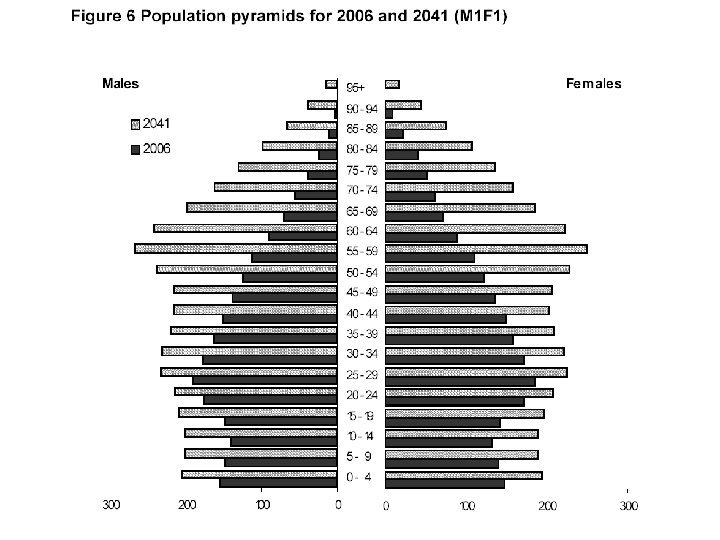
Cancer, an age-related event in a population with Less Births / Prolonged Survival
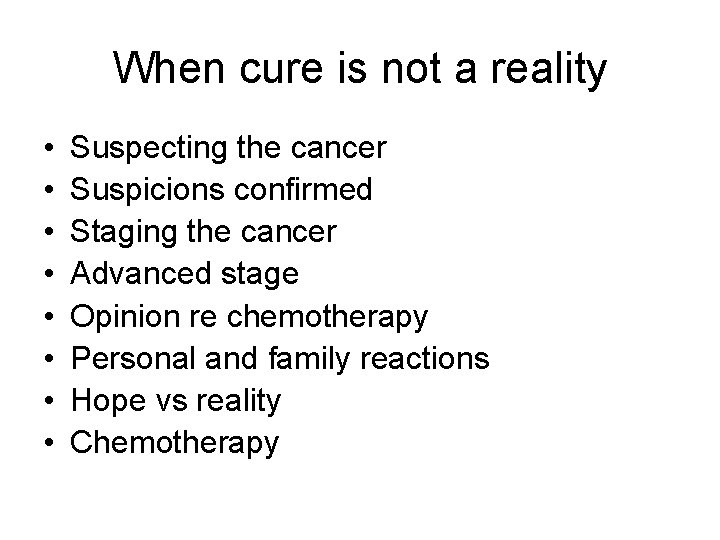
When cure is not a reality • • Suspecting the cancer Suspicions confirmed Staging the cancer Advanced stage Opinion re chemotherapy Personal and family reactions Hope vs reality Chemotherapy
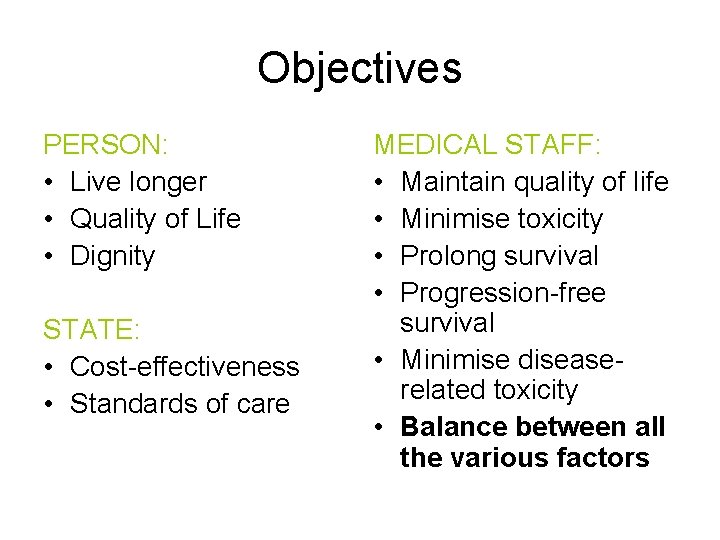
Objectives PERSON: • Live longer • Quality of Life • Dignity STATE: • Cost-effectiveness • Standards of care MEDICAL STAFF: • Maintain quality of life • Minimise toxicity • Prolong survival • Progression-free survival • Minimise diseaserelated toxicity • Balance between all the various factors
Palliative Chemotherapy • Other patients / families (the waiting room) • Anti-cancer agents • Support personnel: – oncologists, nurses, physios, OTs, dieticians, social workers, psycho-oncology, palliative care team, health care assistants, ward clerks, catering staff, cleaners, etc • • The Hospital building The Internet’s message of hope / options The Myths History / transmitted memories
3 Lives -: - 3 Pathways • Relatively asymptomatic • Symptomatic, but reversible • Profoundly symptomatic, non-reversible
Considerations re Treatment • • Performance Status Range of agents Therapeutic target Measuring benefit – Symptoms – Radiology – Function • When to break / stop
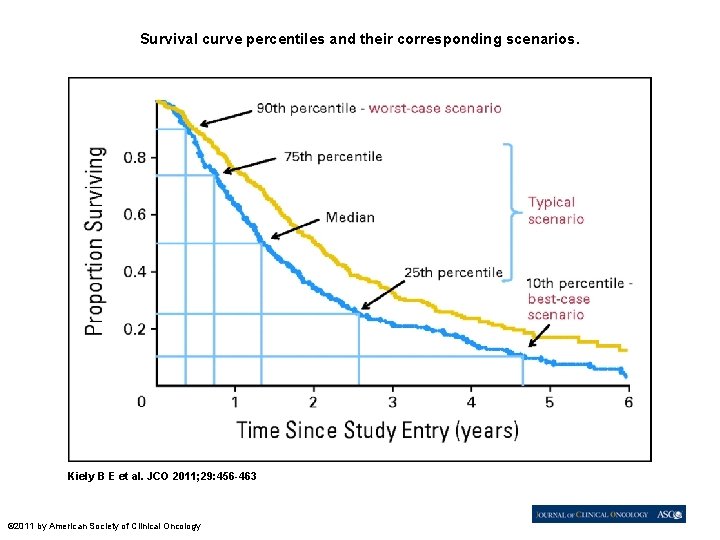
Survival curve percentiles and their corresponding scenarios. Kiely B E et al. JCO 2011; 29: 456 -463 © 2011 by American Society of Clinical Oncology
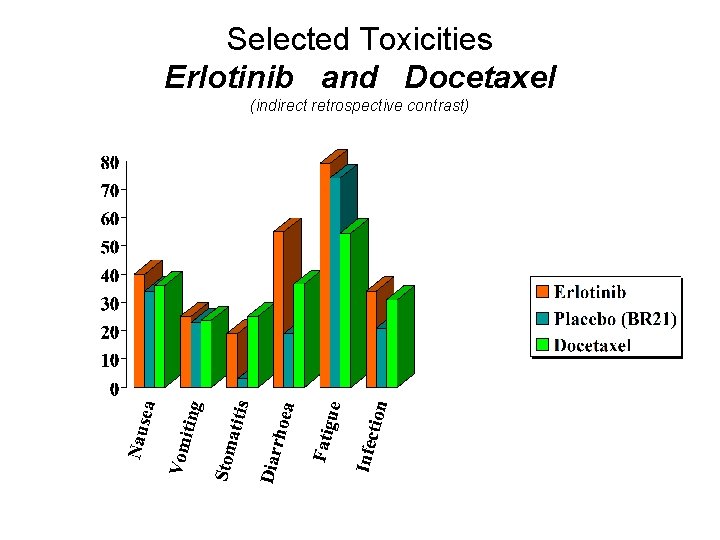
Selected Toxicities Erlotinib and Docetaxel (indirect retrospective contrast)
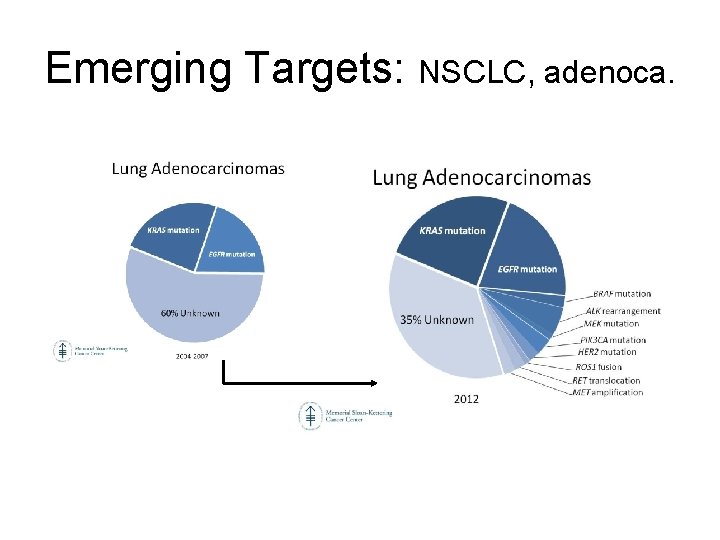
Emerging Targets: NSCLC, adenoca.
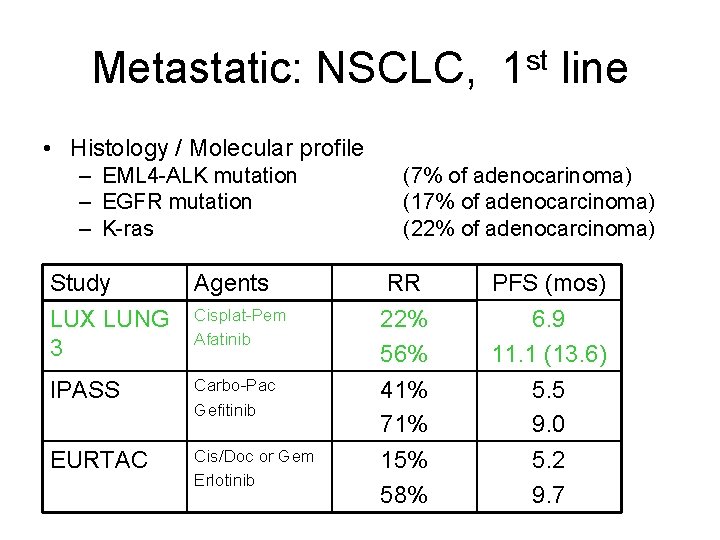
Metastatic: NSCLC, 1 st line • Histology / Molecular profile – EML 4 -ALK mutation – EGFR mutation – K-ras Study LUX LUNG 3 Agents IPASS Carbo-Pac Gefitinib EURTAC Cis/Doc or Gem Erlotinib Cisplat-Pem Afatinib (7% of adenocarinoma) (17% of adenocarcinoma) (22% of adenocarcinoma) RR 22% 56% 41% 71% PFS (mos) 6. 9 11. 1 (13. 6) 5. 5 9. 0 15% 58% 5. 2 9. 7
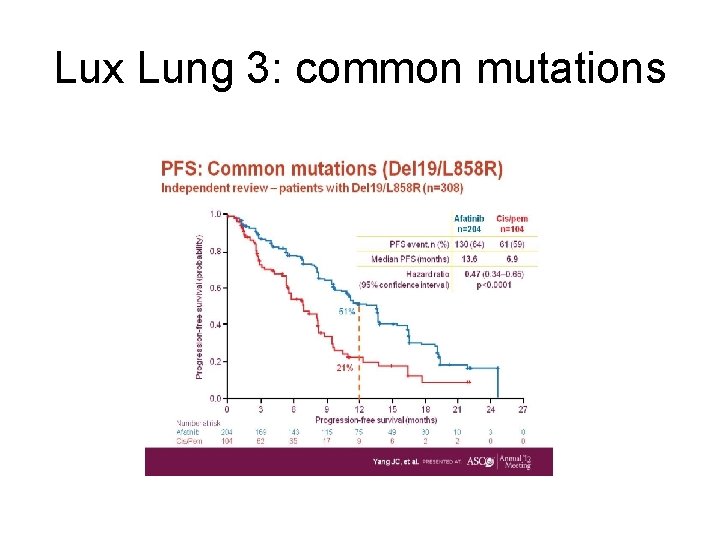
Lux Lung 3: common mutations
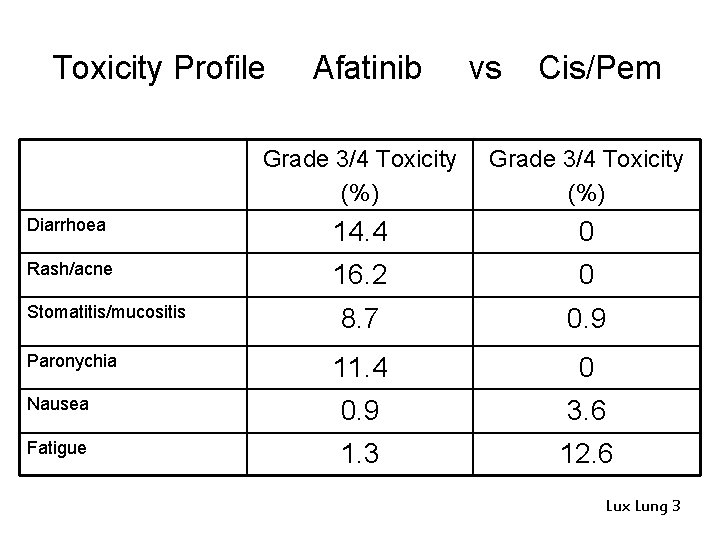
Toxicity Profile Afatinib vs Cis/Pem Grade 3/4 Toxicity (%) Diarrhoea 14. 4 0 Rash/acne 16. 2 0 8. 7 0. 9 11. 4 0 Nausea 0. 9 3. 6 Fatigue 1. 3 12. 6 Stomatitis/mucositis Paronychia Lux Lung 3
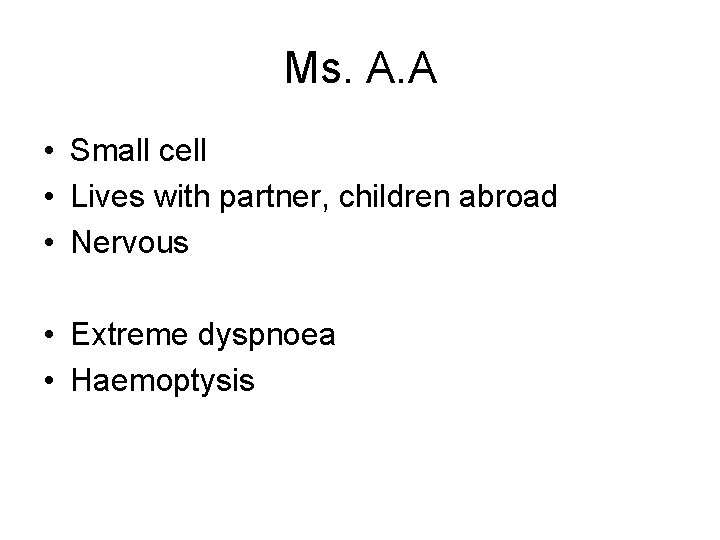
Ms. A. A • Small cell • Lives with partner, children abroad • Nervous • Extreme dyspnoea • Haemoptysis
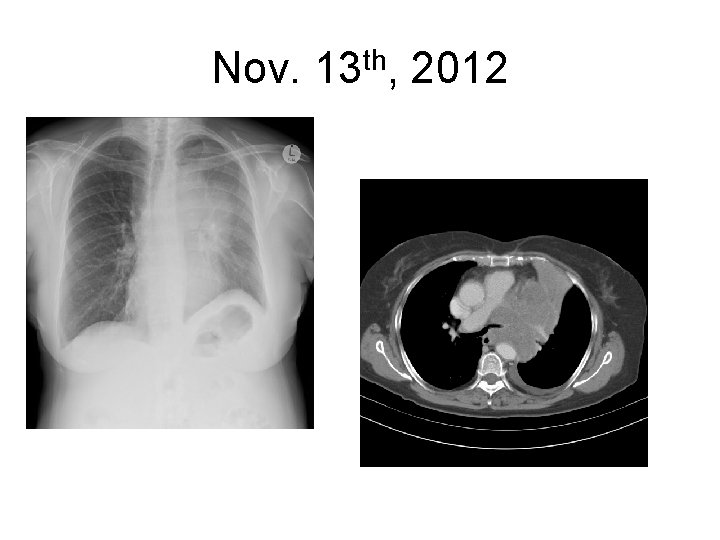
Nov. 13 th, 2012
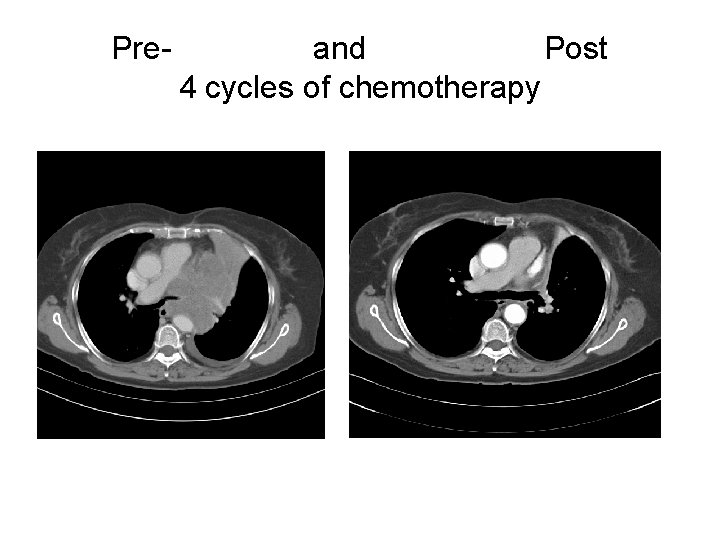
Pre- and Post 4 cycles of chemotherapy
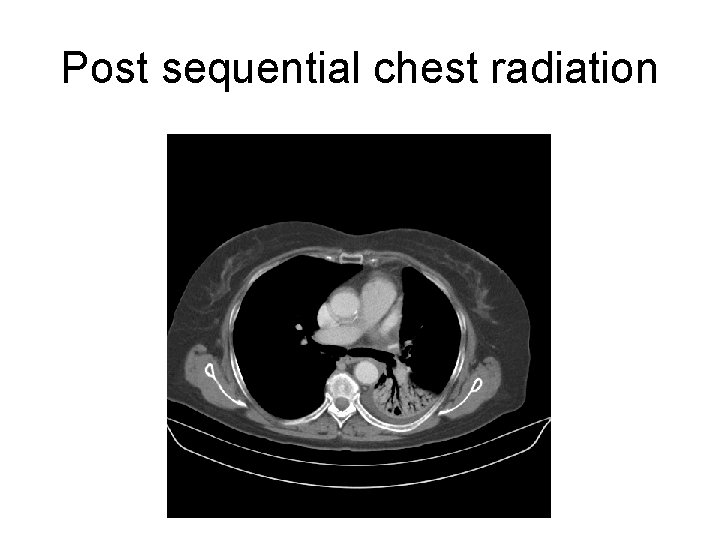
Post sequential chest radiation
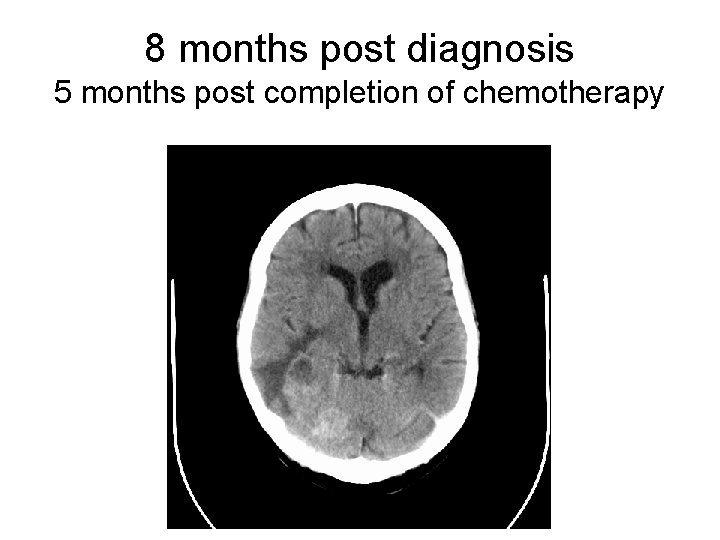
8 months post diagnosis 5 months post completion of chemotherapy
Ms. M. C. • Breast lesion x 4 yrs • Single; no children • Bleeding chest wall; increasing left arm pain, with decreasing sensation • Deliberated over radiation and chemotherapy
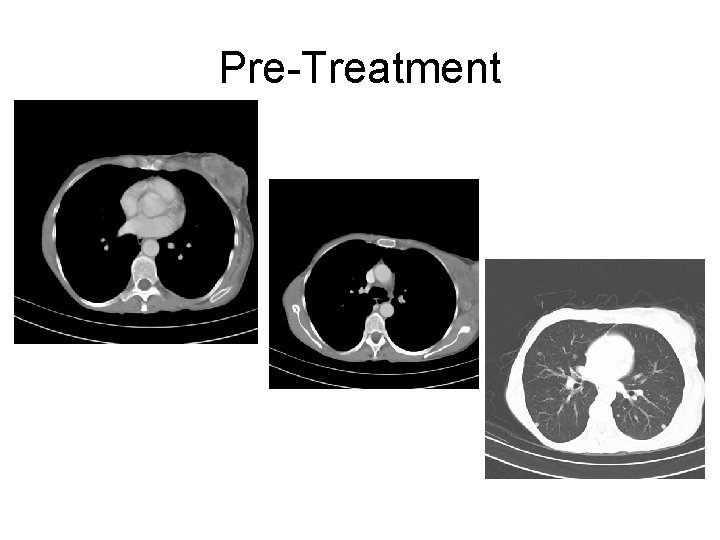
Pre-Treatment
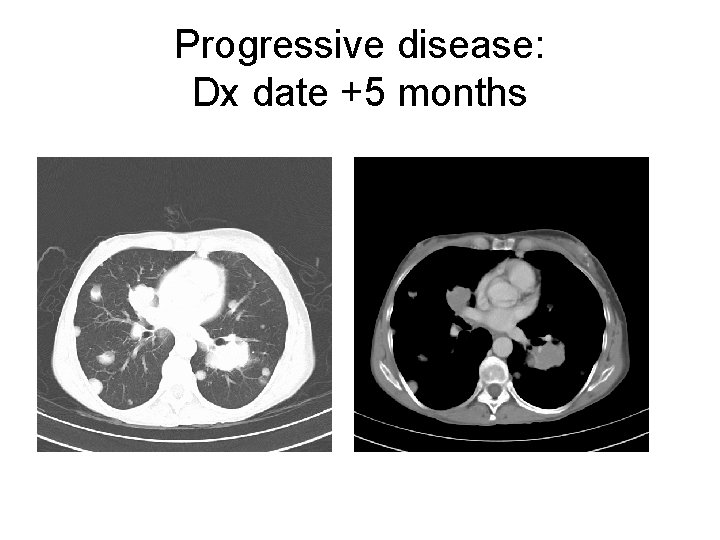
Progressive disease: Dx date +5 months
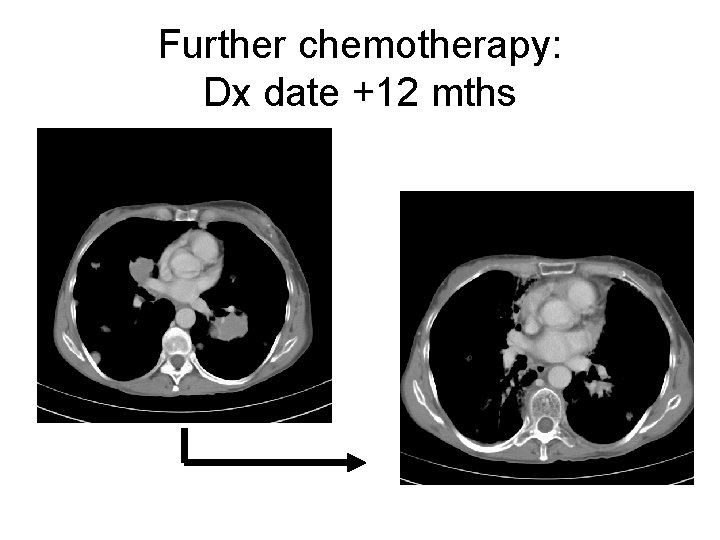
Further chemotherapy: Dx date +12 mths
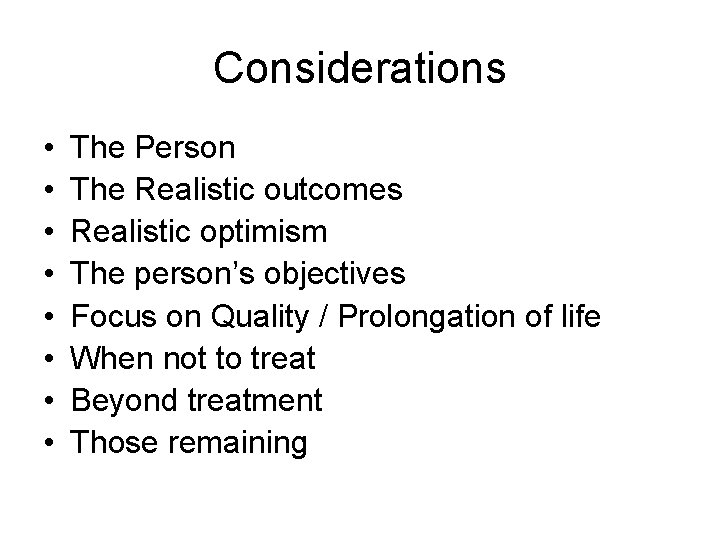
Considerations • • The Person The Realistic outcomes Realistic optimism The person’s objectives Focus on Quality / Prolongation of life When not to treat Beyond treatment Those remaining
Choose Wisely
- Slides: 29