
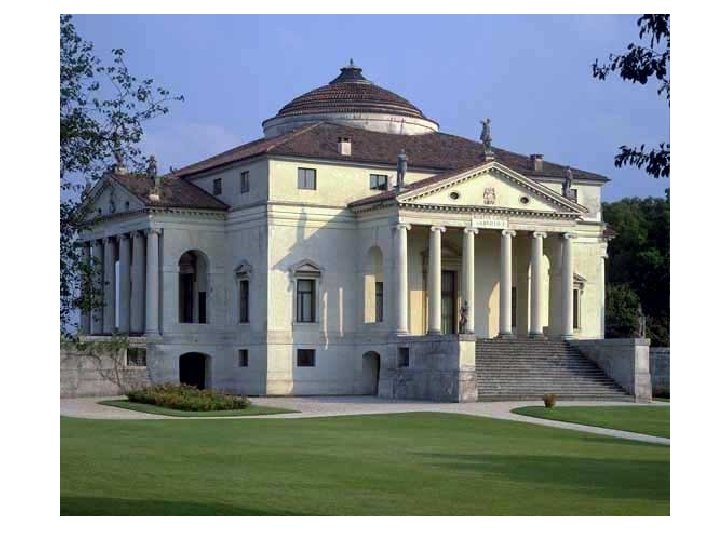
Palladio and Jefferson and Boyle Palladio Villa Rotunda
Palladio and Jefferson and Boyle
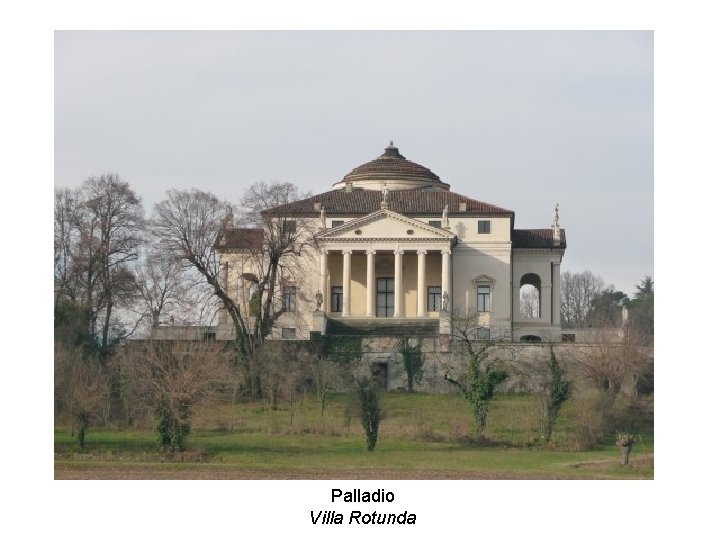
Palladio Villa Rotunda
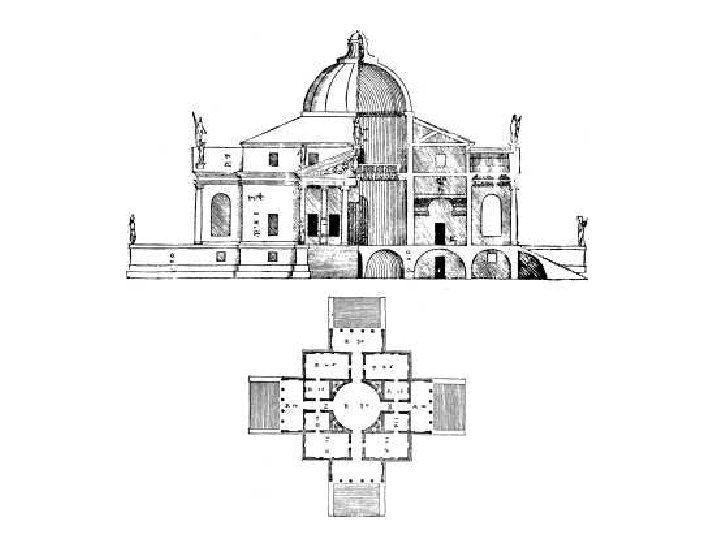
Andrea Palladio • He pursued mathematical clarity in both plan and elevation, stemming from the Renaissance belief that beauty could be attained through the use of geometry and measurement. • His buildings were largely intended as reconstructions of antique architecture, based on his reading of Vitruvius’ De Architectura. • His villas, the most influential part of his work, use the temple front, because Palladio believed that this was also a feature of antique domestic architecture. • Palladio conceived of architecture as something rational, which obeyed rules: if a work is created according to rules, it can be imitated and taught, assuming that the same basic precepts are imparted. • Expect geometrical symmetry
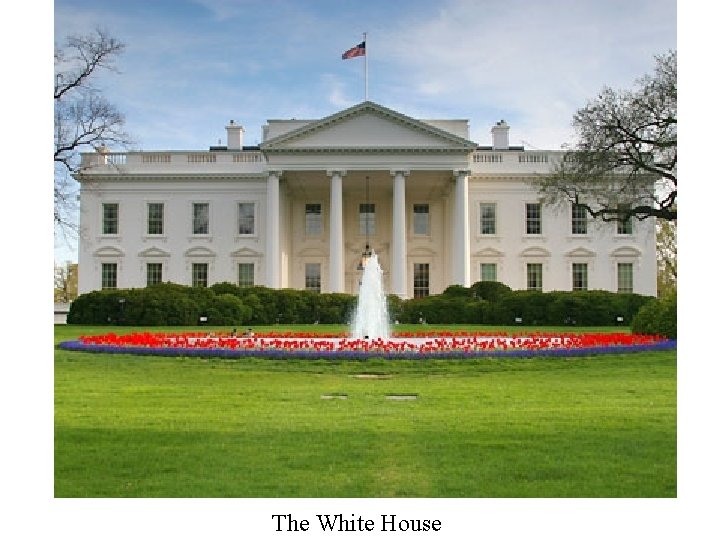
The White House
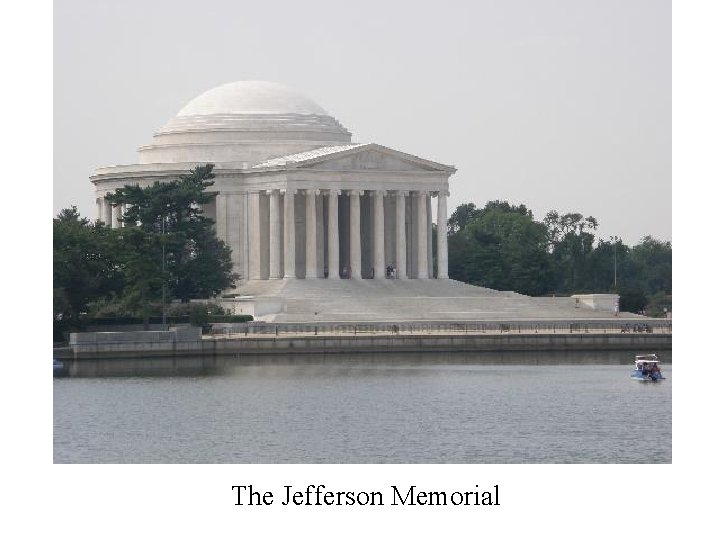
The Jefferson Memorial
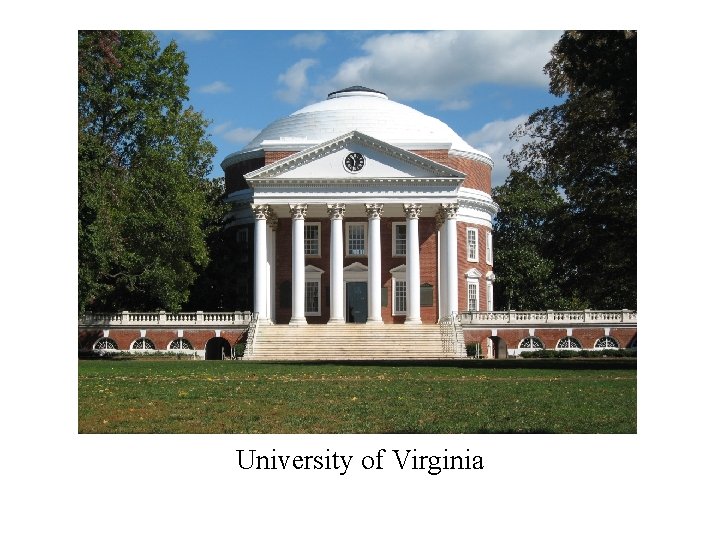
University of Virginia
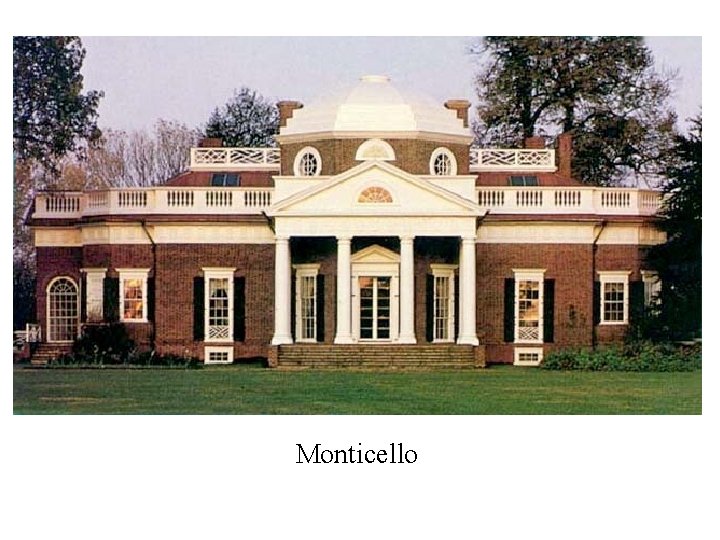
Monticello
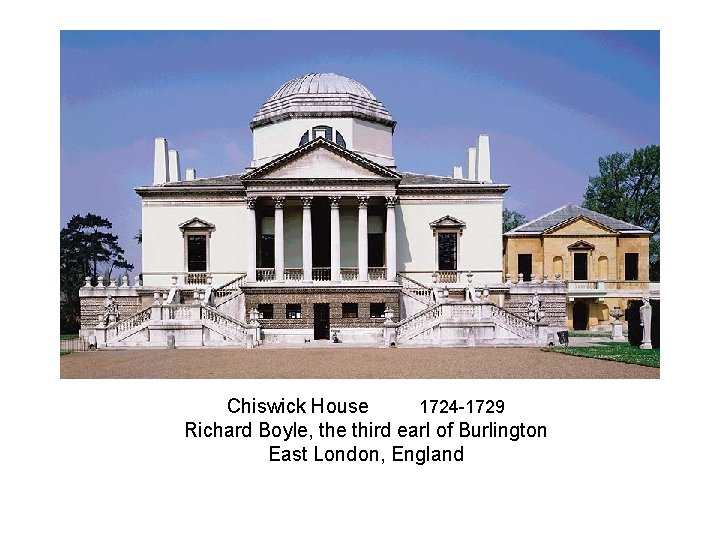
Chiswick House 1724 -1729 Richard Boyle, the third earl of Burlington East London, England
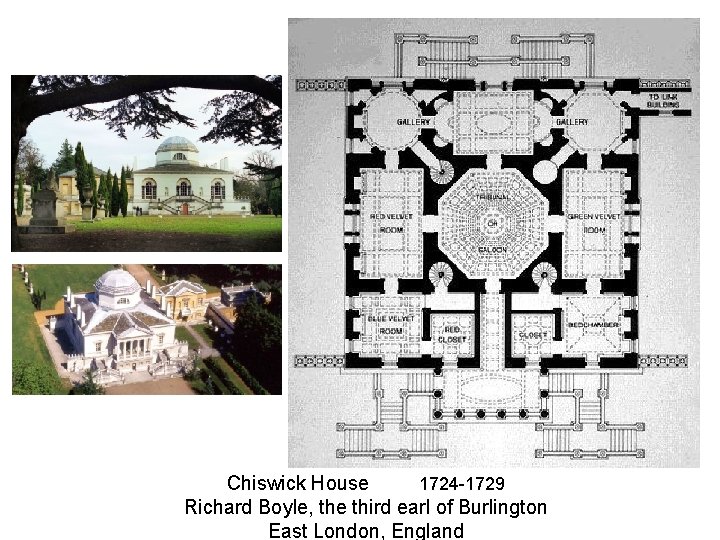
Chiswick House 1724 -1729 Richard Boyle, the third earl of Burlington East London, England
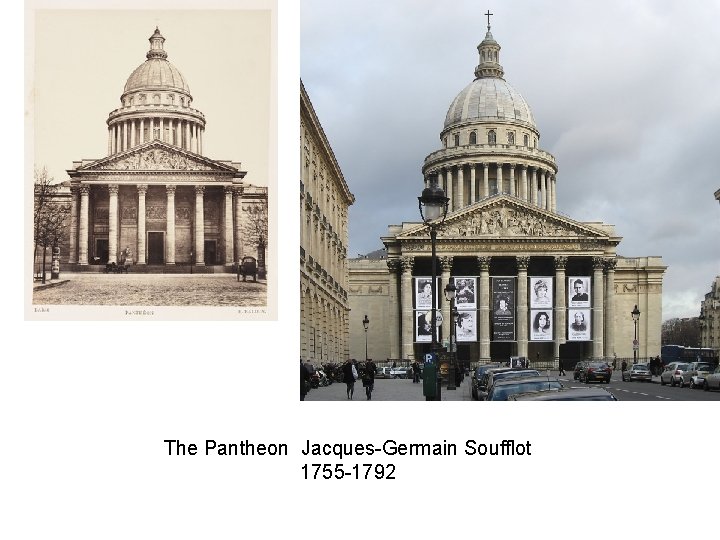
The Pantheon Jacques-Germain Soufflot 1755 -1792
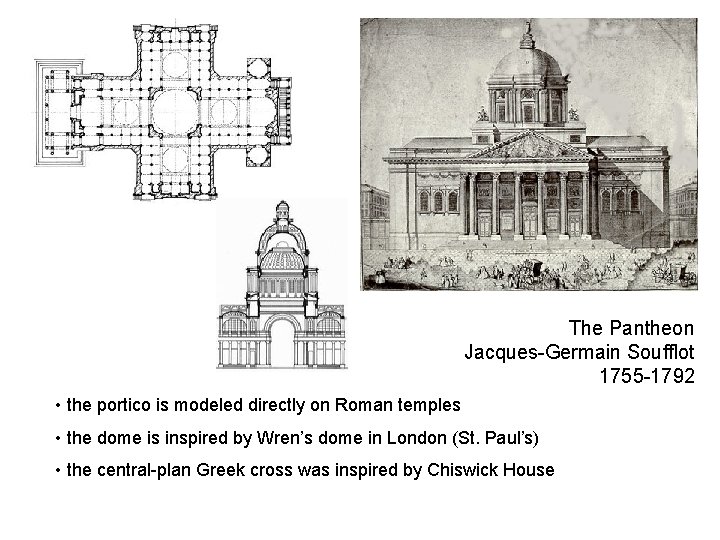
The Pantheon Jacques-Germain Soufflot 1755 -1792 • the portico is modeled directly on Roman temples • the dome is inspired by Wren’s dome in London (St. Paul’s) • the central-plan Greek cross was inspired by Chiswick House
- Slides: 13