
Pain Management Dr Jonathan Riordan Consultant in Palliative



- Slides: 56
Pain Management Dr Jonathan Riordan Consultant in Palliative Medicine St Clare Hospice
Objectives v Introduction to pain and why it is important v Pathophysiology of pain v General principles of pain management v Opioids and adjuncts
Pain
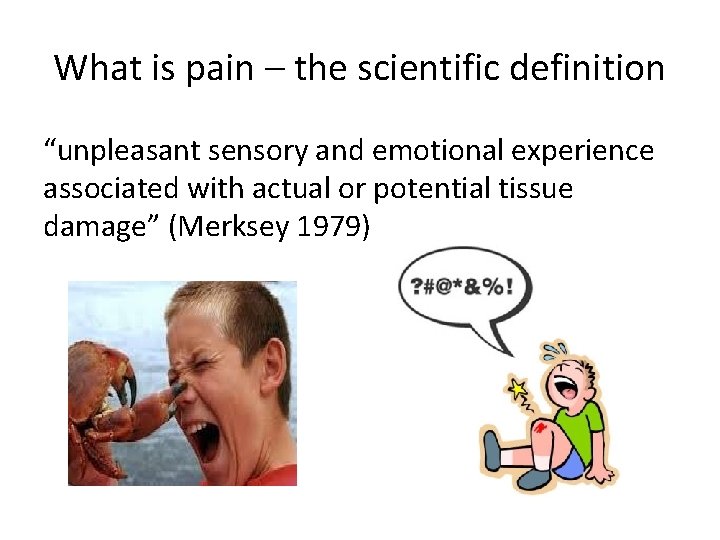
What is pain – the scientific definition “unpleasant sensory and emotional experience associated with actual or potential tissue damage” (Merksey 1979)
BUT… • Pain is always subjective. Each individual learns the application of the word through experiences related to injury in early life. • Pain is unquestionably a sensation in part or parts of the body but is also unpleasant and therefore an emotional experience.
And So… v Pain is a complex v A physiological and emotional experience not a simple sensation v It is a subjective feeling, rather than objective
Why is pain important?
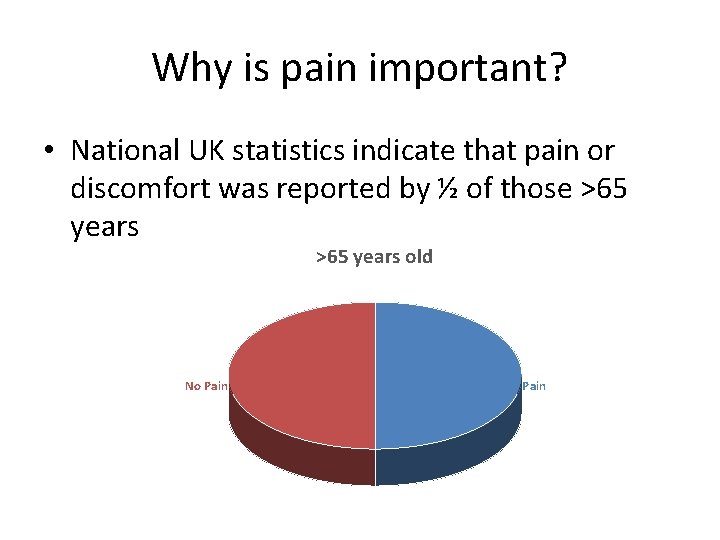
Why is pain important? • National UK statistics indicate that pain or discomfort was reported by ½ of those >65 years old No Pain
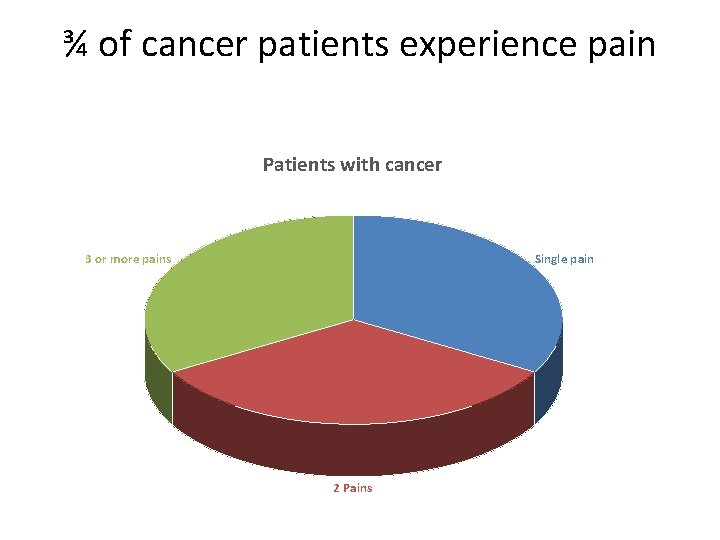
¾ of cancer patients experience pain Patients with cancer 3 or more pains Single pain 2 Pains
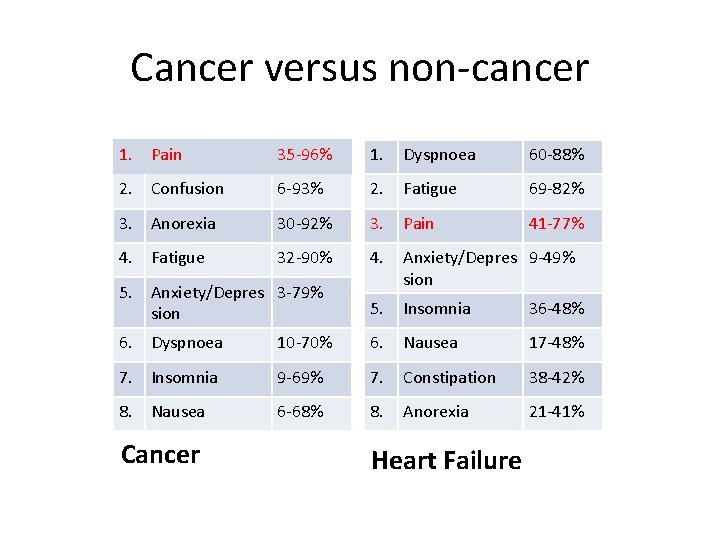
Cancer versus non-cancer 1. Pain 35 -96% 1. Dyspnoea 60 -88% 2. Confusion 6 -93% 2. Fatigue 69 -82% 3. Anorexia 30 -92% 3. Pain 41 -77% 4. Fatigue 32 -90% 4. 5. Anxiety/Depres 3 -79% sion Anxiety/Depres 9 -49% sion 5. Insomnia 36 -48% 6. Dyspnoea 10 -70% 6. Nausea 17 -48% 7. Insomnia 9 -69% 7. Constipation 38 -42% 8. Nausea 6 -68% 8. Anorexia 21 -41% Cancer Heart Failure
Objectives v Introduction to pain and why it is important v Pathophysiology of pain v General principles of pain management v Opioids and adjuncts
Objectives v Introduction to pain and why it is important v Pathophysiology of pain v General principles of pain management v Opioids and adjuncts
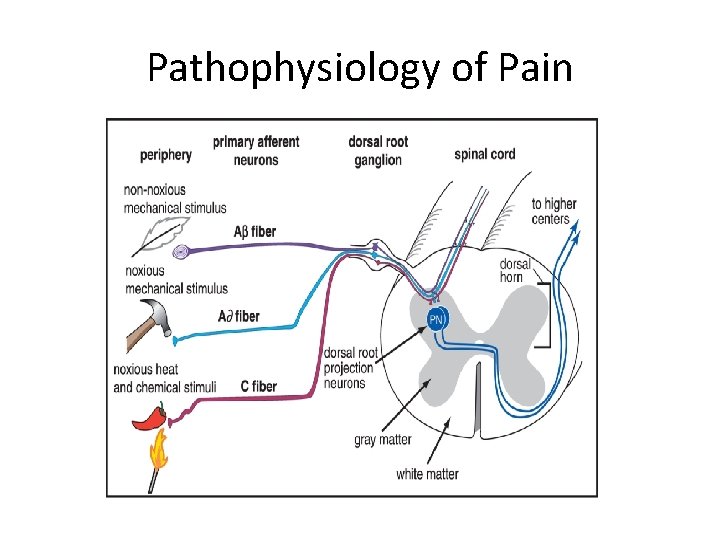
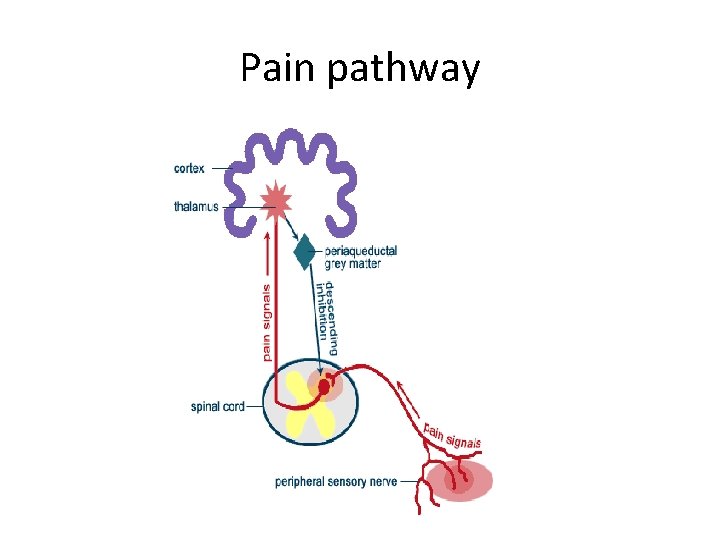
Pathophysiology of Pain
Pain pathway
Objectives v Introduction to pain and why it is important v Pathophysiology of pain v General principles of pain management v Opioids and adjuncts
Objectives v Introduction to pain and why it is important v Pathophysiology of pain v General principles of pain management v Opioids and adjuncts
General Principles of Pain Management
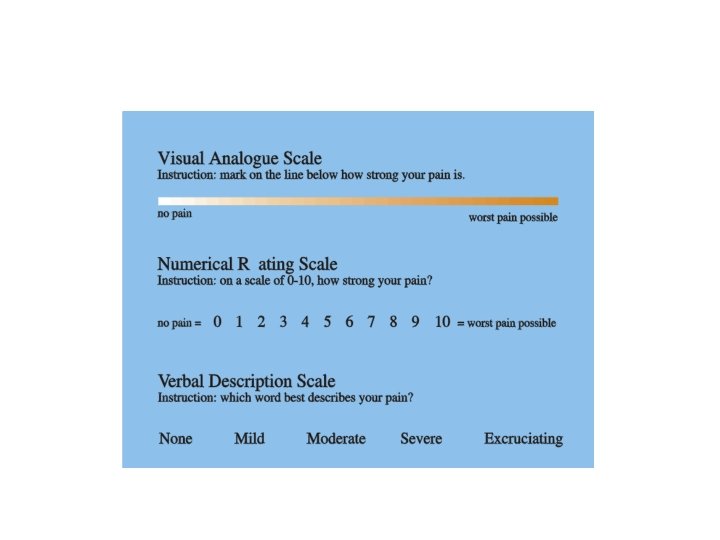
Assessing pain Remember pain is a subjective feeling. It is what the patient says it is. . . But, try and assess using: v clinical acumen v pain scores v specific pain assessment tools
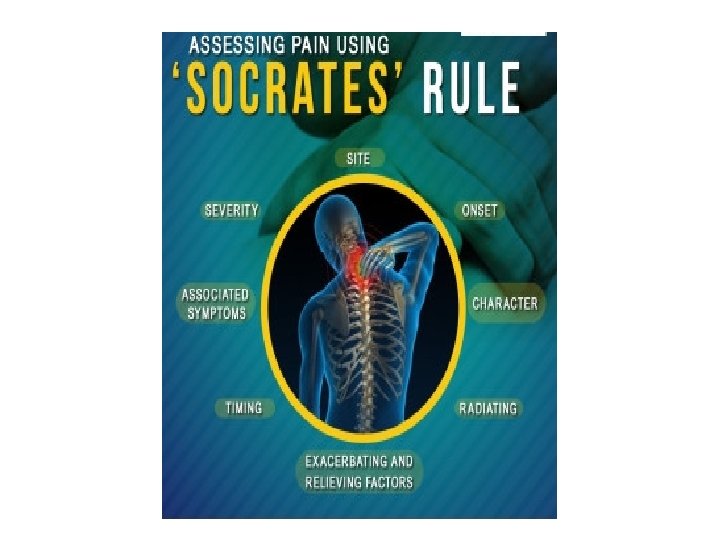
Begin by assessing the physical pain. . . �S – site (? more than one site) – record on body map �O – onset �C – character (descriptive terms e. g. aching/burning) �R – radiations �A – alleviating factors �T – time course �E – exacerbating factors �S – severity
Cognitively impaired Patients �Increasing amount of work looking at specialist palliative care needs of dementia patients �Estimated that 1/3 will die with dementia by 2050 �Often a challenge to assess their level of discomfort
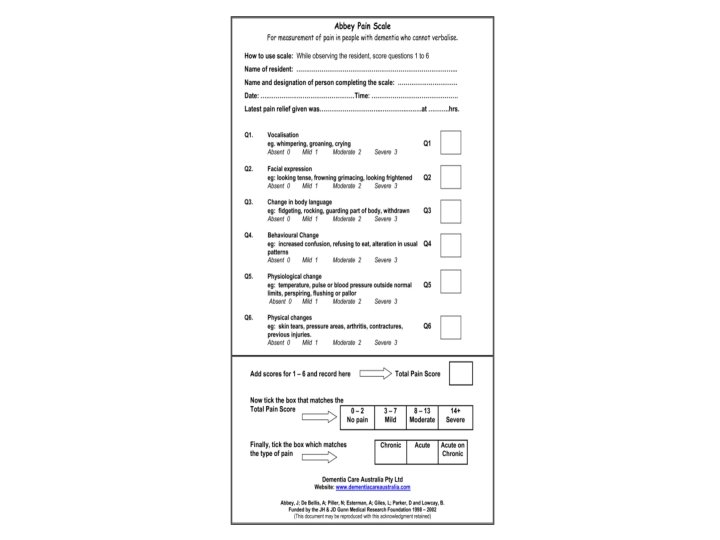
Cognitively impaired Patients �Important to involve carers (or those who know patient best) �Take your time �Advocate the use of observational behavioural measurement tools �Numerous pain assessment/measurement tools available
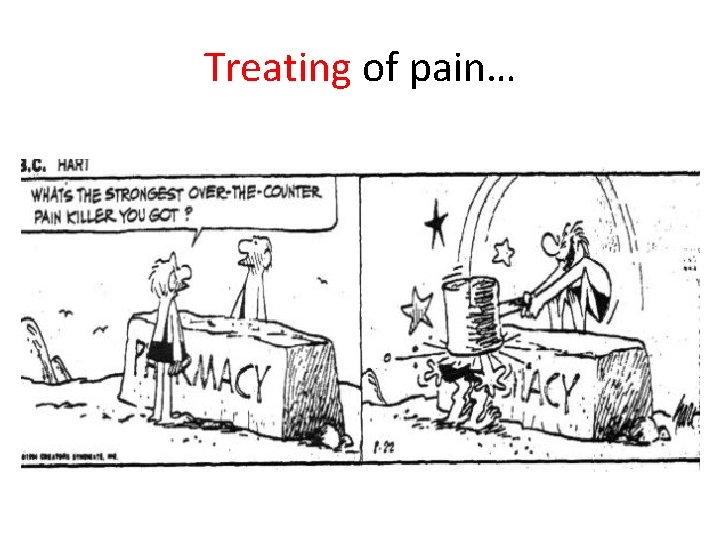
Treating of pain…
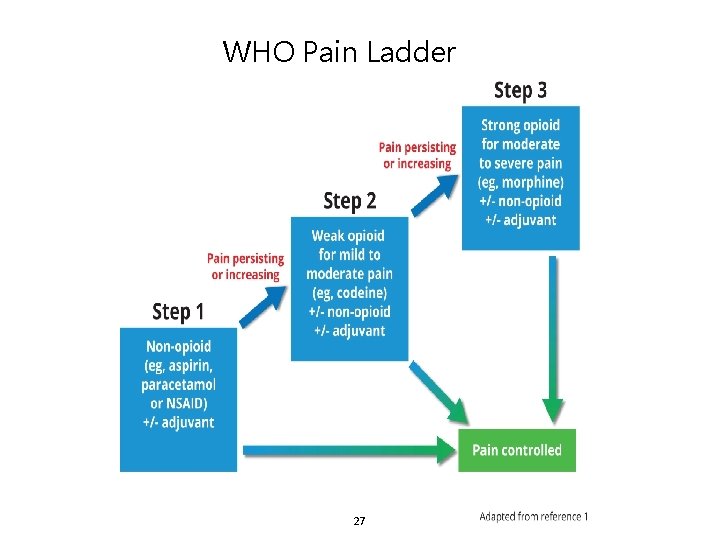
WHO Pain Ladder 27
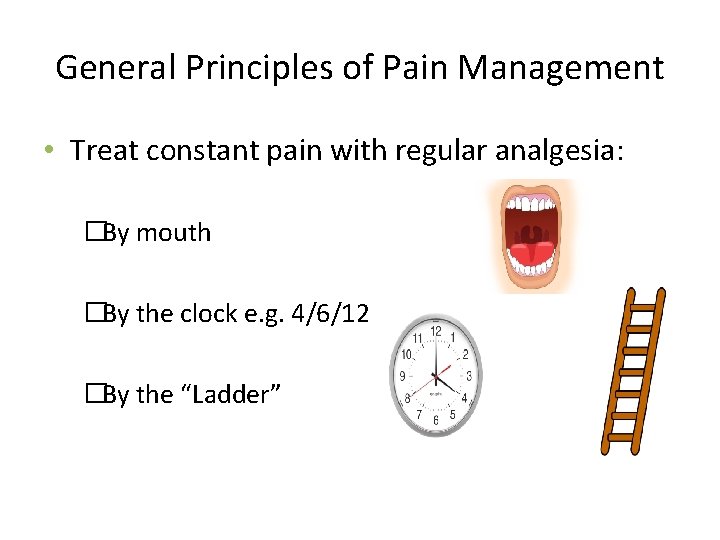
General Principles of Pain Management • Treat constant pain with regular analgesia: �By mouth �By the clock e. g. 4/6/12 hourly �By the “Ladder”
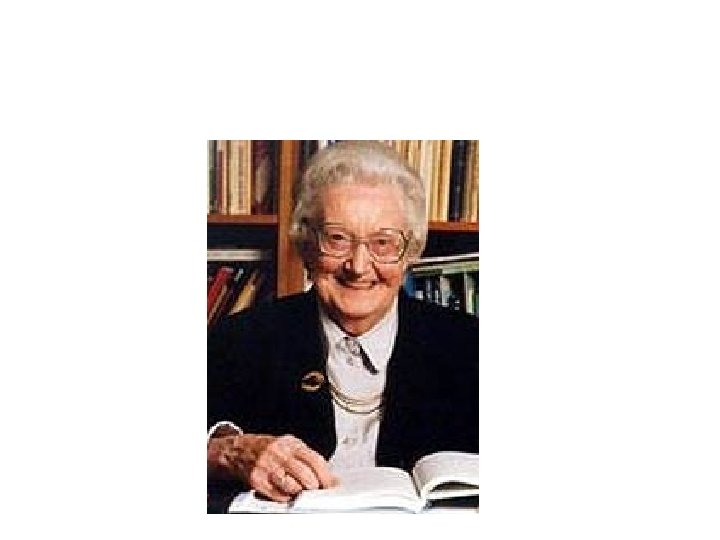
Dame Cicely Saunders
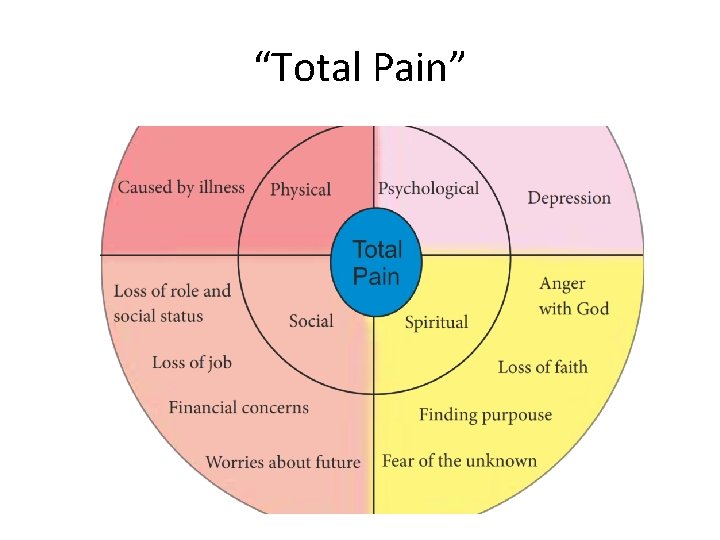
“Total Pain”
Objectives v Introduction to pain and why it is important v Pathophysiology of pain v General principles of pain management v Opioids and adjuncts
Objectives v Introduction to pain and why it is important v Pathophysiology of pain v General principles of pain management v Opioids and adjuncts
Opioids
• A number of strong opioids are licensed in the UK, however for pain relief in palliative care a relatively small number are commonly used. • For example, NICE guidelines mainly focus on: Codeine Morphine Oxycodone Buprenorphine Fentanyl Alfentanil
How do you choose between opioids?
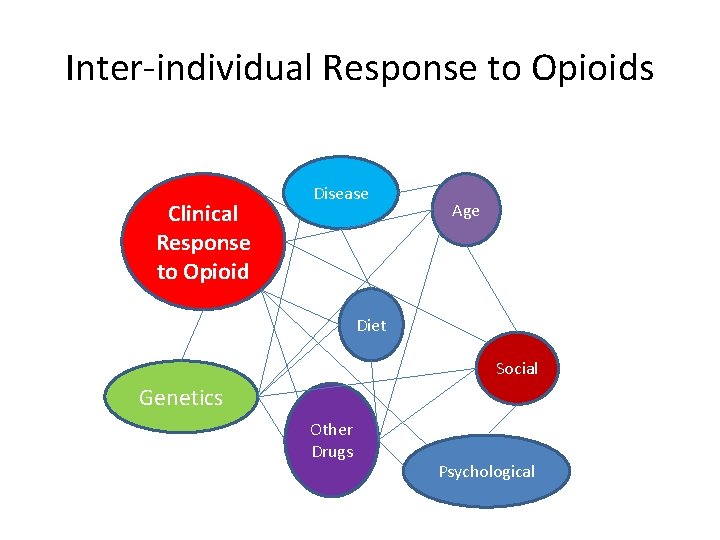
Inter-individual Response to Opioids Clinical Response to Opioid Disease Age Diet Social Genetics Other Drugs Psychological
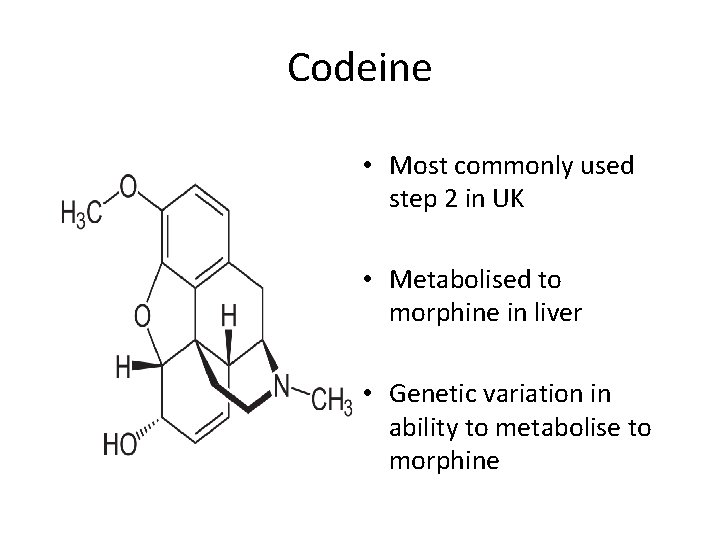
Codeine • Most commonly used step 2 in UK • Metabolised to morphine in liver • Genetic variation in ability to metabolise to morphine
Morphine • Remains gold standard choice for moderate to severe cancer pain • Strong agonist at receptor • Should be avoided in renal failure where possible
Morphine • Dose is titrated according to effect: – No standard dose – No ceiling dose – Large dose variations between individuals • With proper administration – 70 – 90% will get adequate pain relief
Morphine • Immediate release preparations: – Oramorph 10 mg/5 ml liquid and 20 mg/ml concentrate – Sevredol tablets • Modified release preparations (12 hrly): – MST MR tablets – Zomorph capsules/MST granules (PEGs) • Subcutaneous preparations
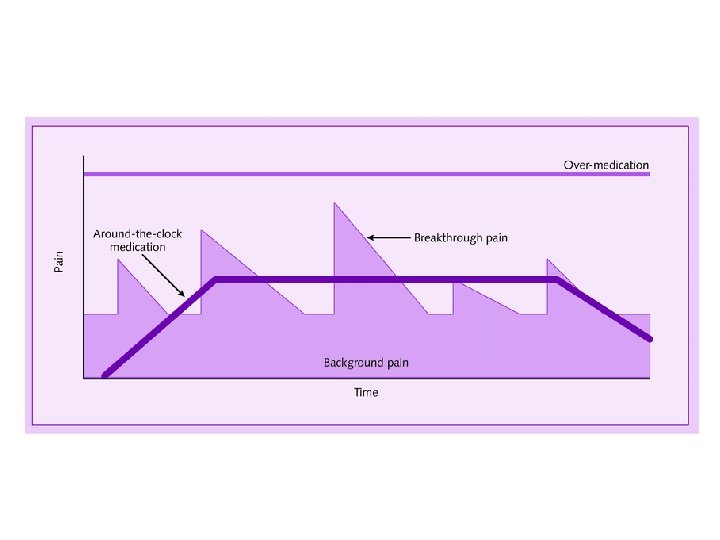
Oral Morphine Dose Titration (opioid naive): �Short acting IR formula e. g 2. 5 mg – 5 mg oramorph �Given PRN when pain occurs �After 24 -48 hours assess requirement and switch to maintenance dose of MR preparation �Continue to offer PRN IR preparation for “breakthrough” pain. �Increase maintenance dose is needed
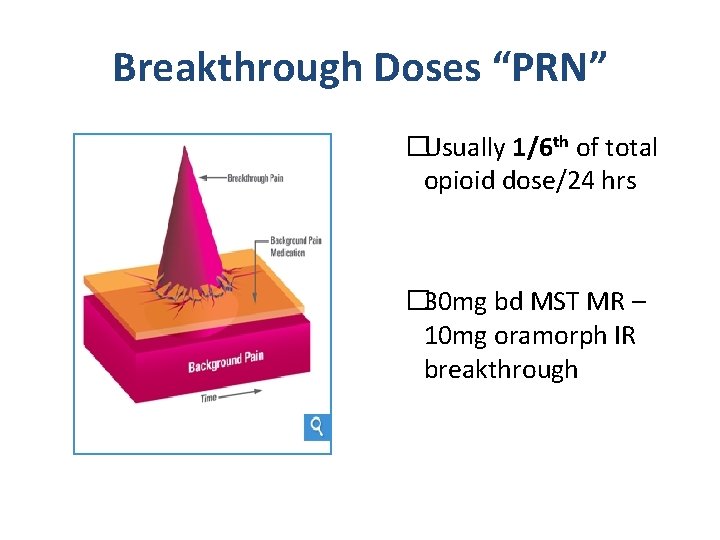
Breakthrough Doses “PRN” �Usually 1/6 th of total opioid dose/24 hrs � 30 mg bd MST MR – 10 mg oramorph IR breakthrough
Example… • If patient required 6 doses of 5 mg oramorph in 24 hours = 30 mg morphine in 24 hours = 15 mg BD MST • PRN dose would be 1/6 th of this dose = 5 mg oramorph PRN
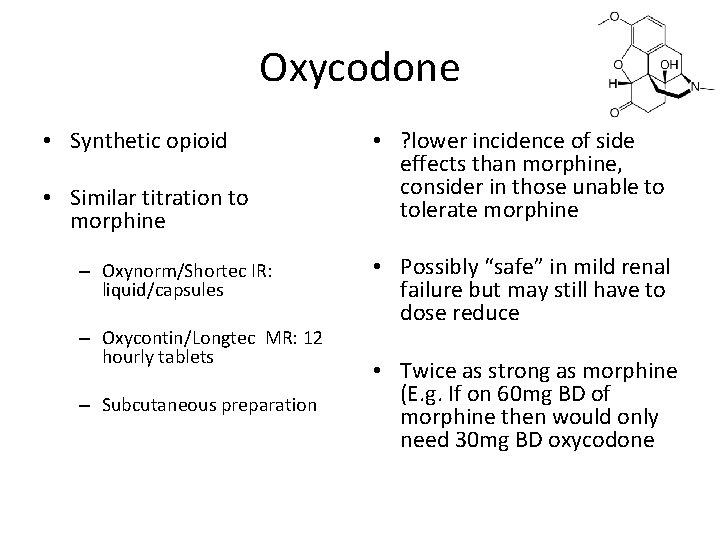
Oxycodone • Synthetic opioid • Similar titration to morphine – Oxynorm/Shortec IR: liquid/capsules – Oxycontin/Longtec MR: 12 hourly tablets – Subcutaneous preparation • ? lower incidence of side effects than morphine, consider in those unable to tolerate morphine • Possibly “safe” in mild renal failure but may still have to dose reduce • Twice as strong as morphine (E. g. If on 60 mg BD of morphine then would only need 30 mg BD oxycodone
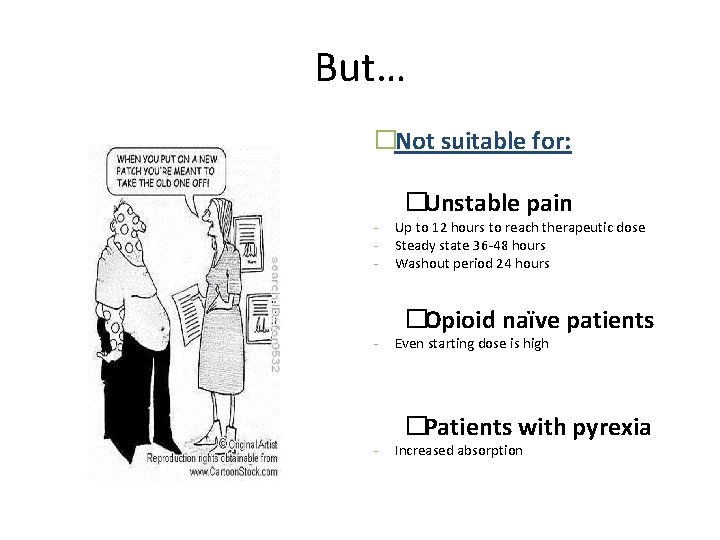
Patches - Fentanyl • Dysphagia/tablet phobia • Less constipating • Safe in renal failure (inactive metabolites) • Patch change every 72 hours
But… �Not suitable for: - - - �Unstable pain Up to 12 hours to reach therapeutic dose Steady state 36 -48 hours Washout period 24 hours �Opioid naïve patients Even starting dose is high �Patients with pyrexia Increased absorption
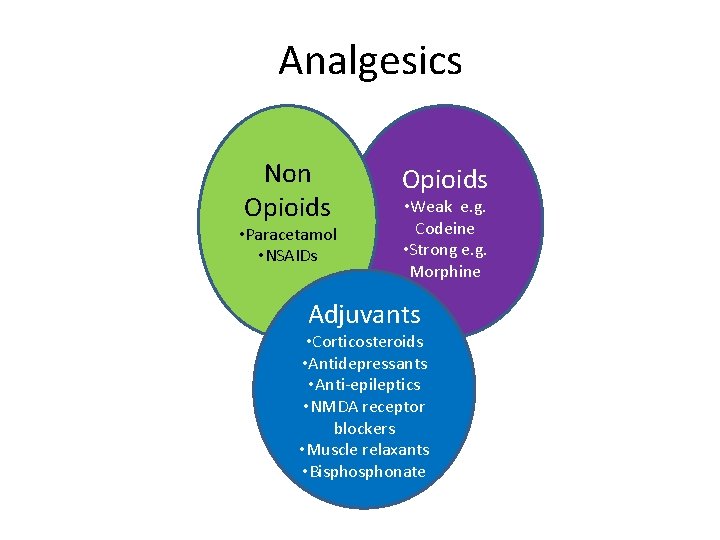
Analgesics Non Opioids • Paracetamol • NSAIDs Opioids • Weak e. g. Codeine • Strong e. g. Morphine Adjuvants • Corticosteroids • Antidepressants • Anti-epileptics • NMDA receptor blockers • Muscle relaxants • Bisphonate
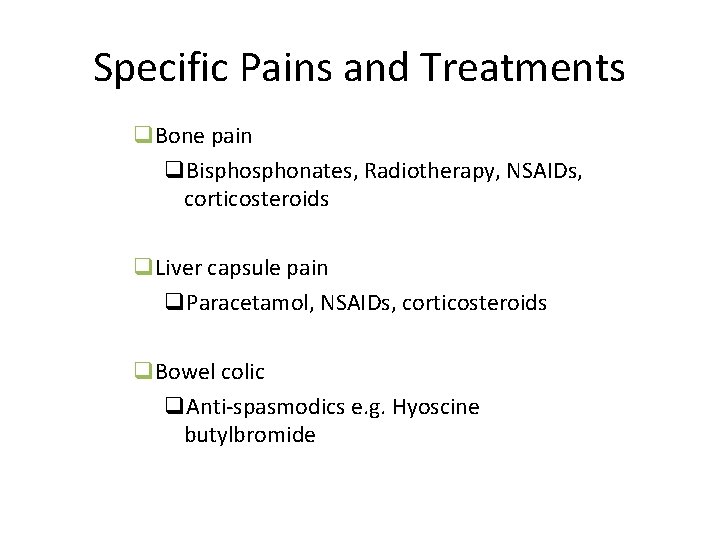
Specific Pains and Treatments q. Bone pain q. Bisphonates, Radiotherapy, NSAIDs, corticosteroids q. Liver capsule pain q. Paracetamol, NSAIDs, corticosteroids q. Bowel colic q. Anti-spasmodics e. g. Hyoscine butylbromide
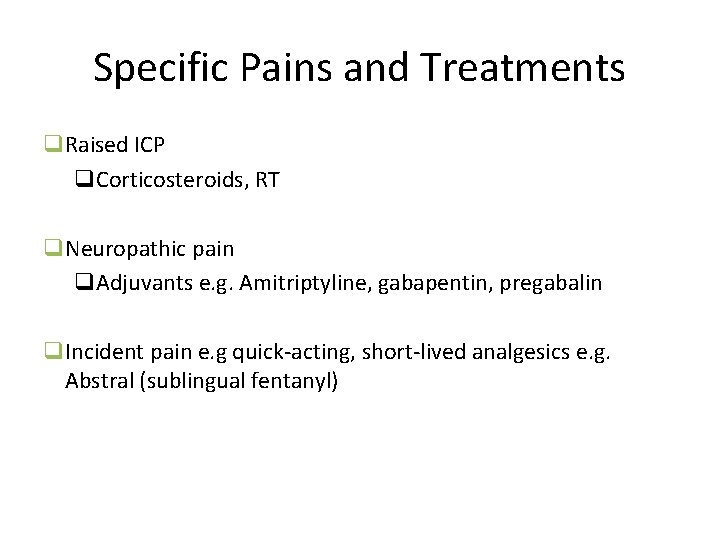
Specific Pains and Treatments q. Raised ICP q. Corticosteroids, RT q. Neuropathic pain q. Adjuvants e. g. Amitriptyline, gabapentin, pregabalin q. Incident pain e. g quick-acting, short-lived analgesics e. g. Abstral (sublingual fentanyl)
Objectives v Introduction to pain and why it is important v Pathophysiology of pain v General principles of pain management v Opioids and adjuncts
Objectives v Introduction to pain and why it is important v Pathophysiology of pain v General principles of pain management v Opioids and adjuncts
In Summary… • The nature of pain is complex • It is important for us to have a good understanding of it • Management is based on a good assessment
In Summary… • Using the WHO ladder and the appropriate adjuncts we should expect to get on top of the majority of people’s pain • Don’t forget to address the non-physical aspects
Thank you for listening