
Oxygen Deficiency Hazards ODH SAF 103 Patty Hunt

- Slides: 59
Oxygen Deficiency Hazards ODH SAF 103 Patty Hunt
ODH - Oxygen Deficiency Hazards POLICY Personnel will not enter or occupy areas in which oxygen concentration is less than 19. 5%
ODH training objectives 1. Health Effects of ODH 2. ODH Hazards that can be Encountered at Jefferson Lab: Cryogenic and Non Cryogenic Sources 3. Special Hazards from handling Ultracold Liquids 4. Jefferson Lab Controls for Cryogenic ODH: • Identification and Classification of ODH Areas • Worker Requirements for Entry into ODH Areas • Engineering Controls Used to Reduce ODH Hazards • Emergency Response Procedures
Training provides THIS TRAINING DOES PROVIDE: • qualification for entry to ODH 0 and ODH 1 areas • retraining required every 12 months ODH 2 AND HIGHER WORK REQUIREMENTS REQUIRE • medical approval THIS TRAINING DOES NOT QUALIFY YOU FOR CONFINED SPACE ENTRY.
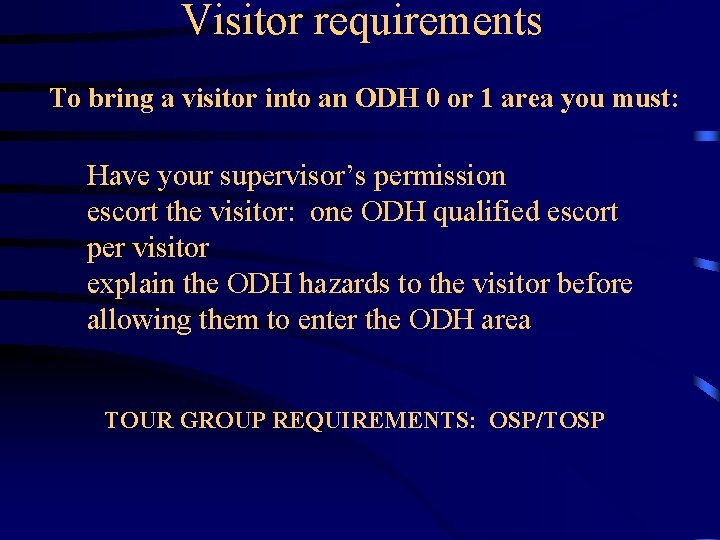
Visitor requirements To bring a visitor into an ODH 0 or 1 area you must: Have your supervisor’s permission escort the visitor: one ODH qualified escort per visitor explain the ODH hazards to the visitor before allowing them to enter the ODH area TOUR GROUP REQUIREMENTS: OSP/TOSP
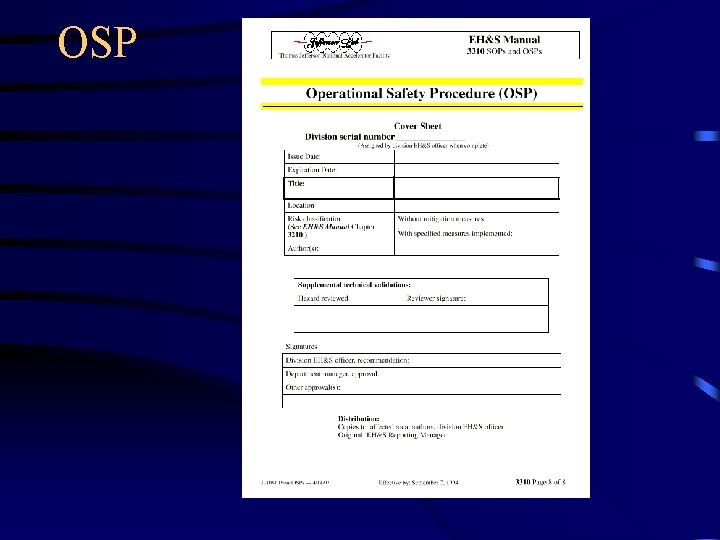
OSP
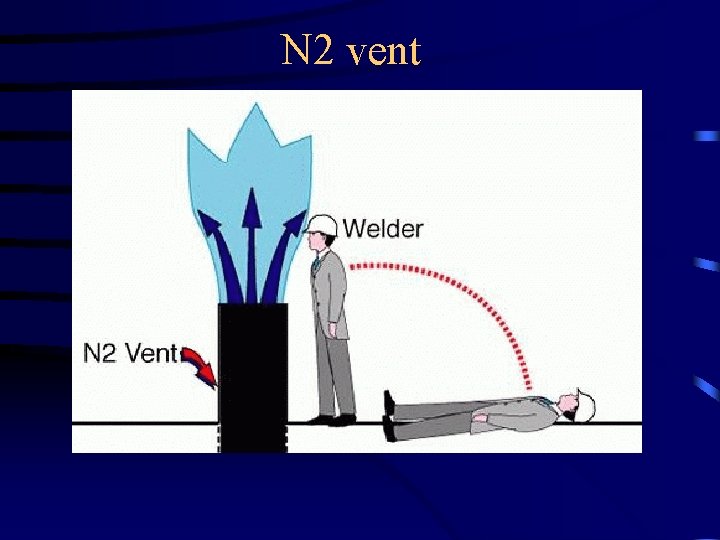
N 2 vent
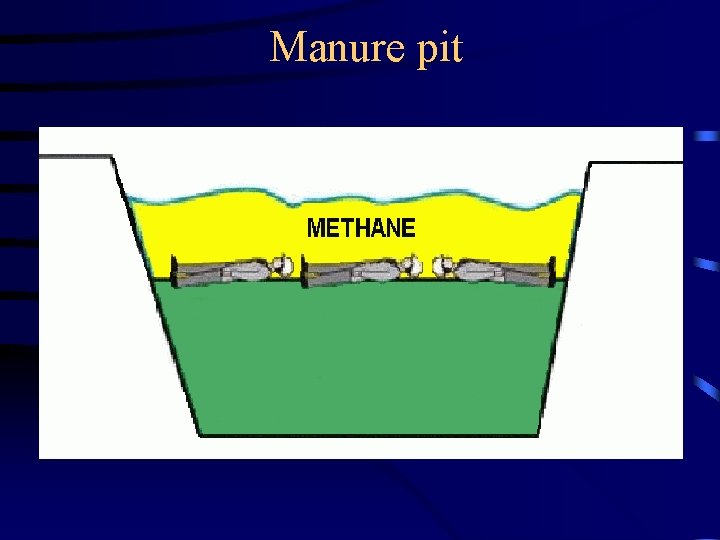
Manure pit
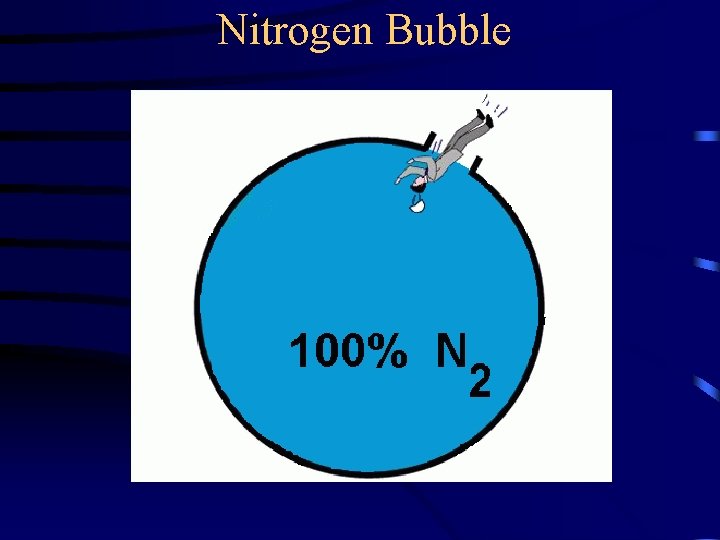
Nitrogen Bubble
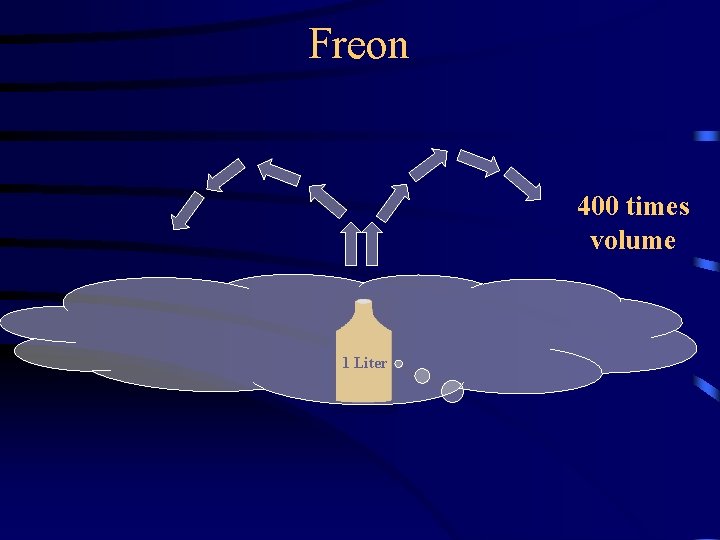
Freon 400 times volume 1 Liter
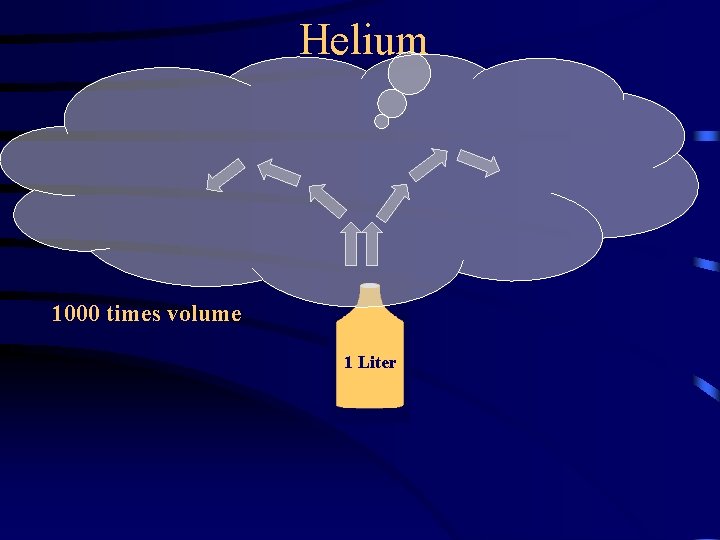
Helium 1000 times volume 1 Liter
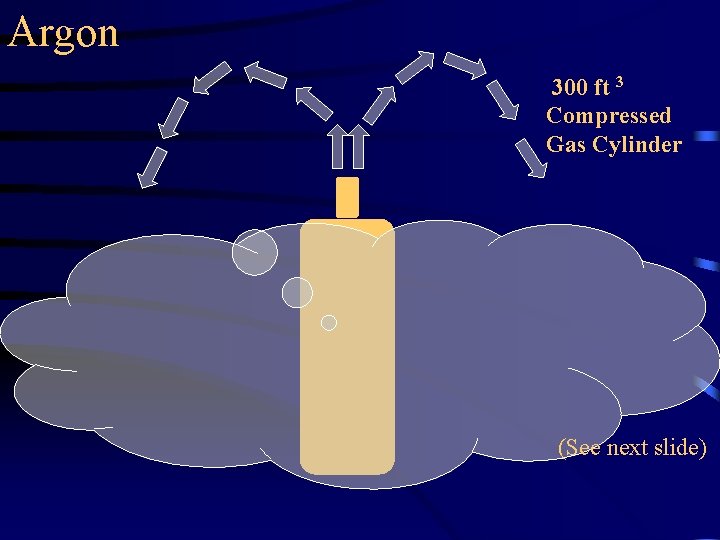
Argon 300 ft 3 Compressed Gas Cylinder (See next slide)
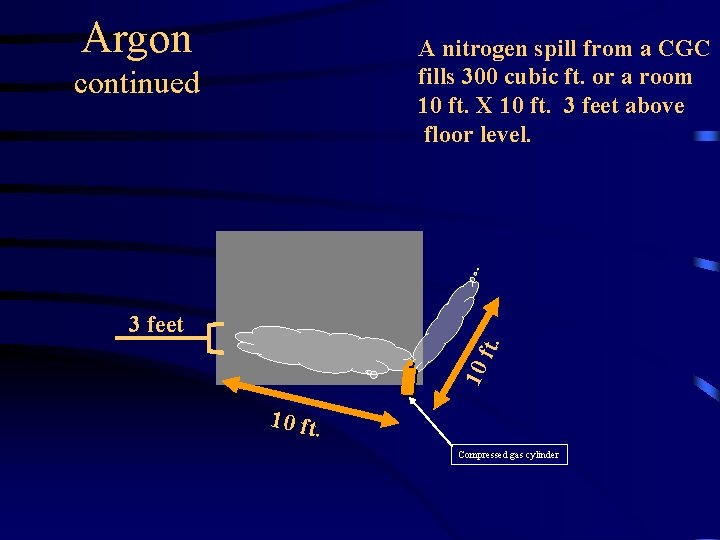
Argon A nitrogen spill from a CGC fills 300 cubic ft. or a room 10 ft. X 10 ft. 3 feet above floor level. continued 10 ft. 3 feet 10 ft. Compressed gas cylinder
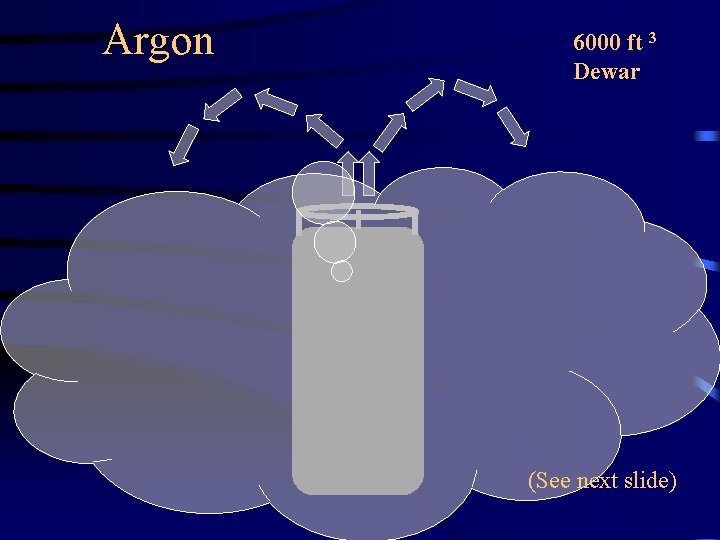
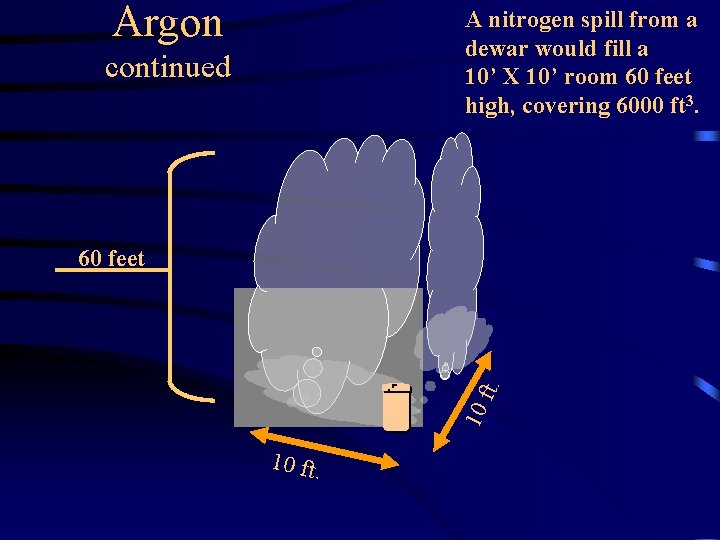
Argon 6000 ft 3 Dewar (See next slide)
Argon A nitrogen spill from a dewar would fill a 10’ X 10’ room 60 feet high, covering 6000 ft 3. continued 10 ft. 60 feet 10 ft.
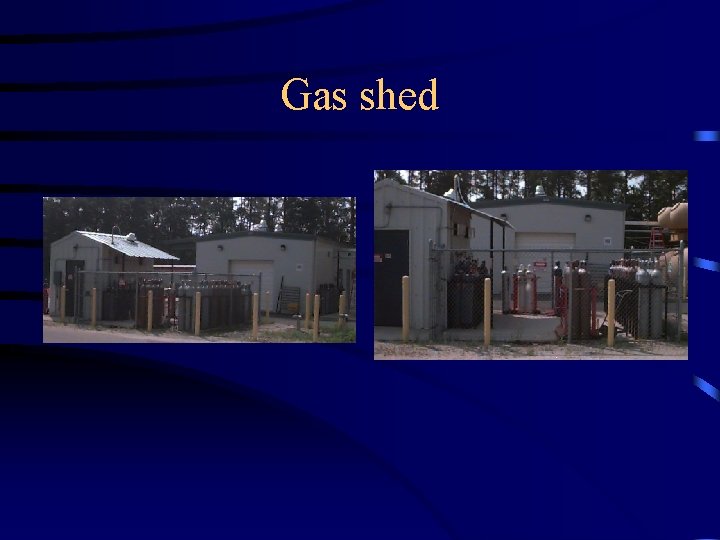
Gas shed
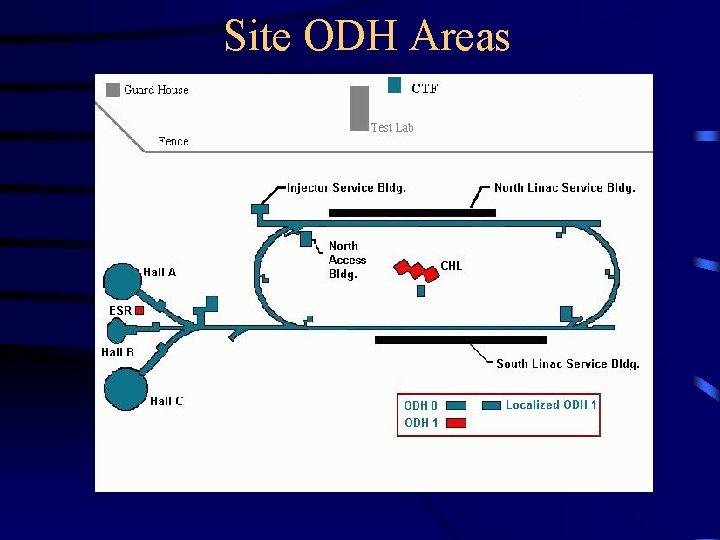
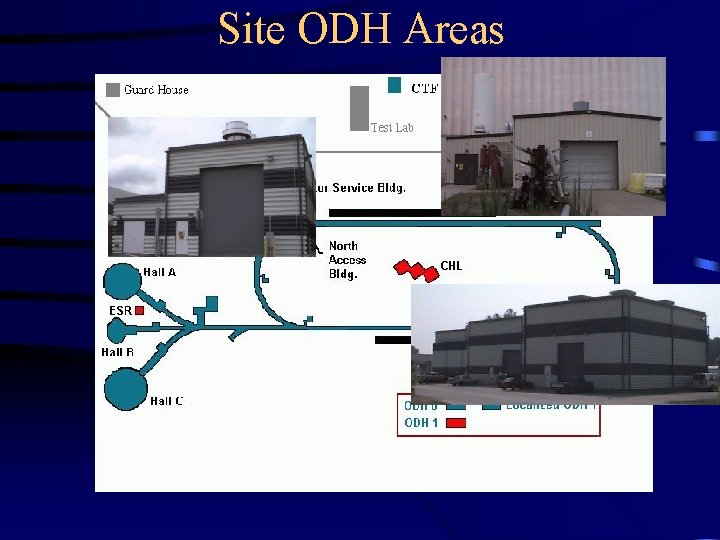
Site ODH Areas
Site ODH Areas
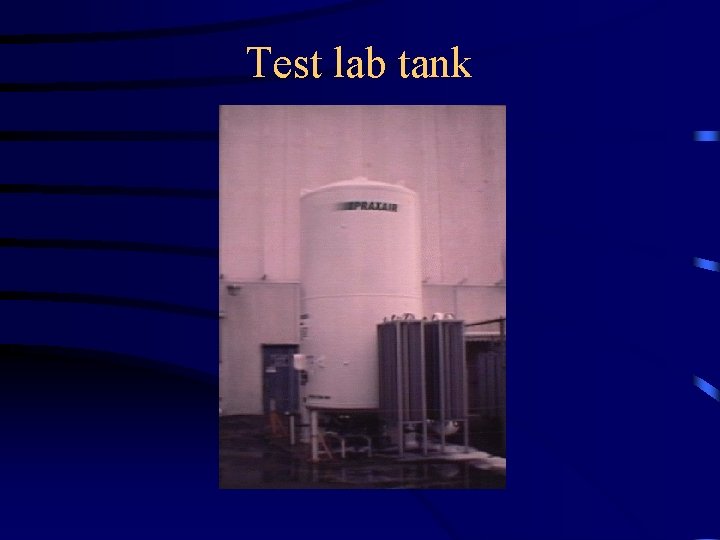
Test lab tank
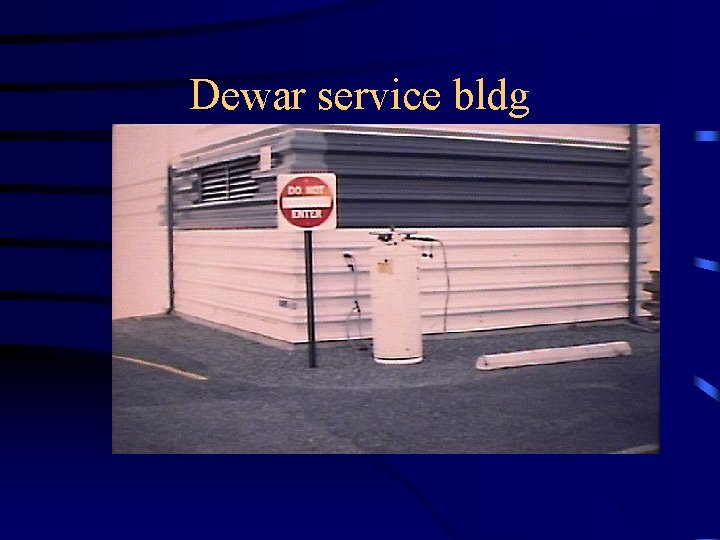
Dewar service bldg
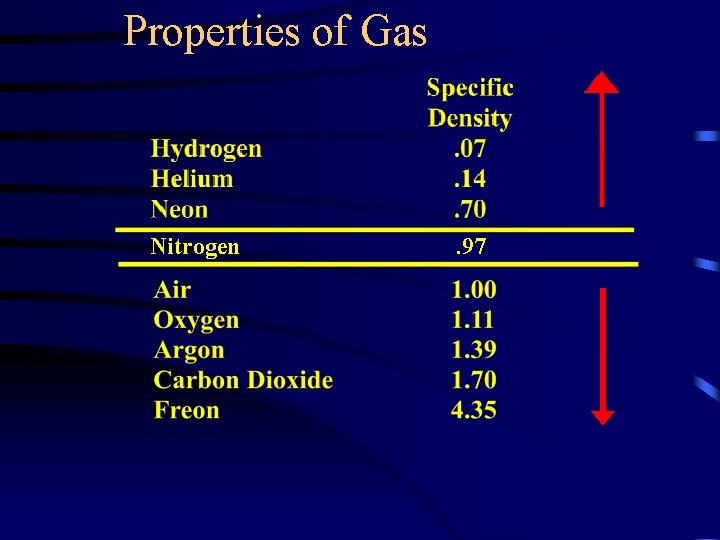
• • • 4 Important Properties of Cryogens can liquify other gases. Cryogens can cause frost bite. Cryogens have high expansion ratio on vaporization. explosion hazard ODH hazard • Cryogenic gases rise or sink depending on density.
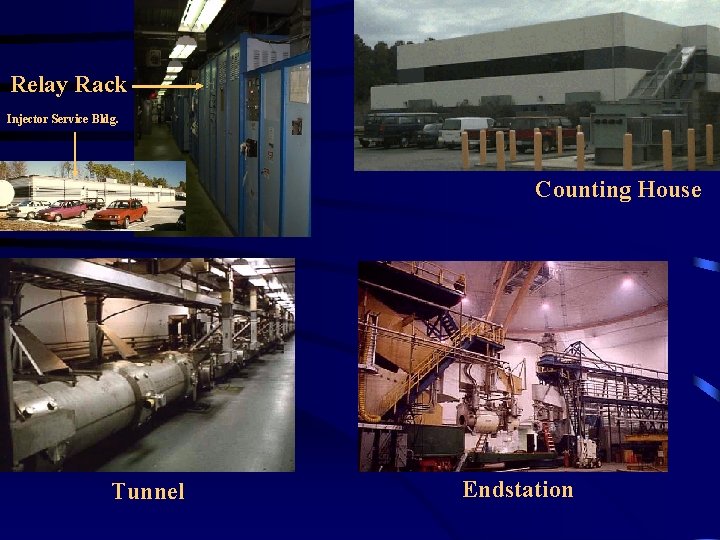
Relay Rack Injector Service Bldg. Counting House Tunnel Endstation
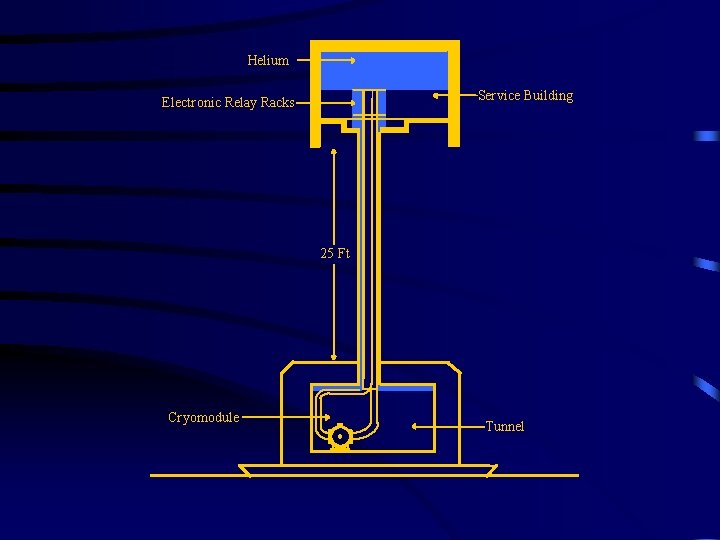
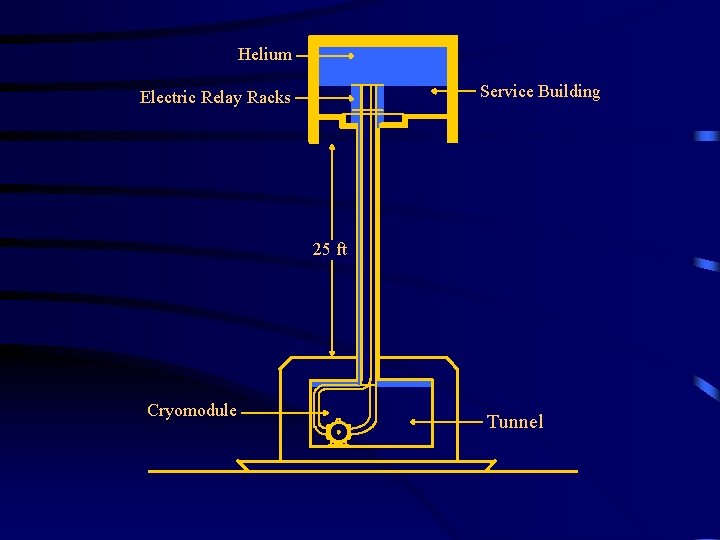
Helium Service Building Electronic Relay Racks 25 Ft Cryomodule Tunnel
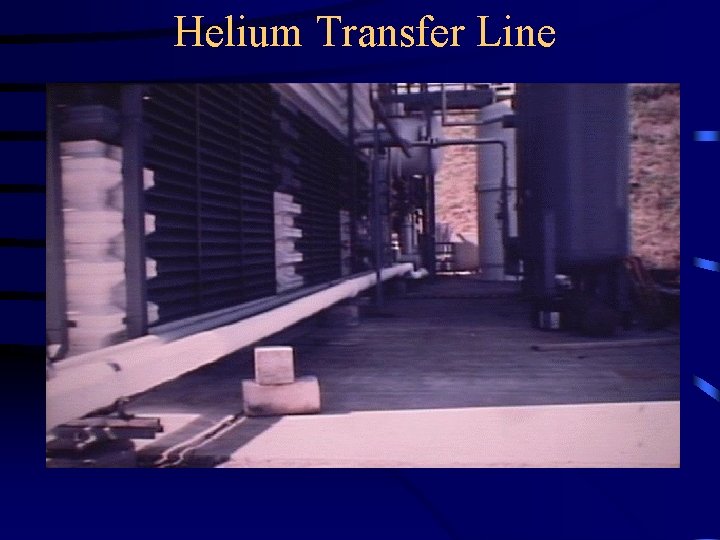
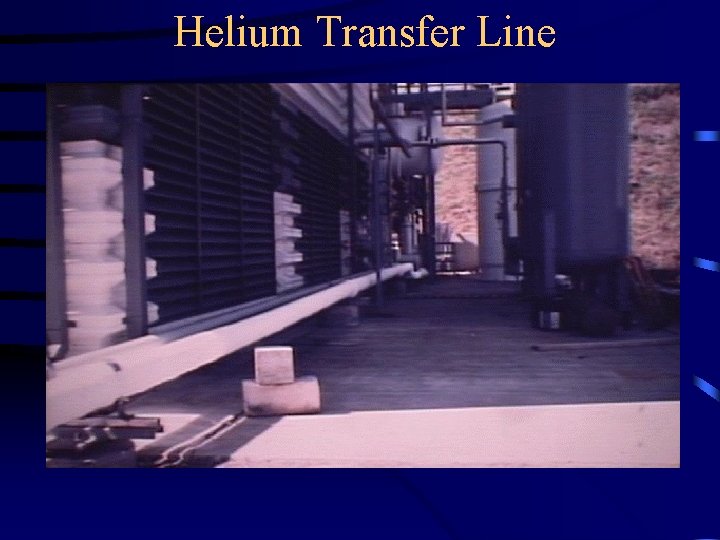
Helium Transfer Line
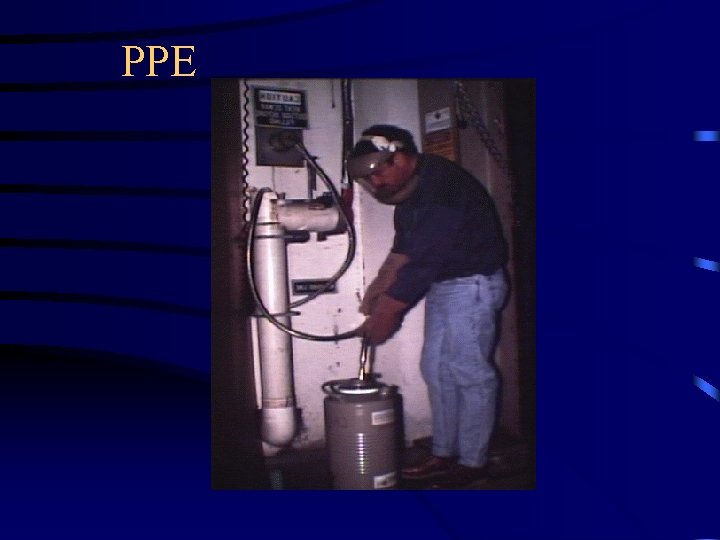
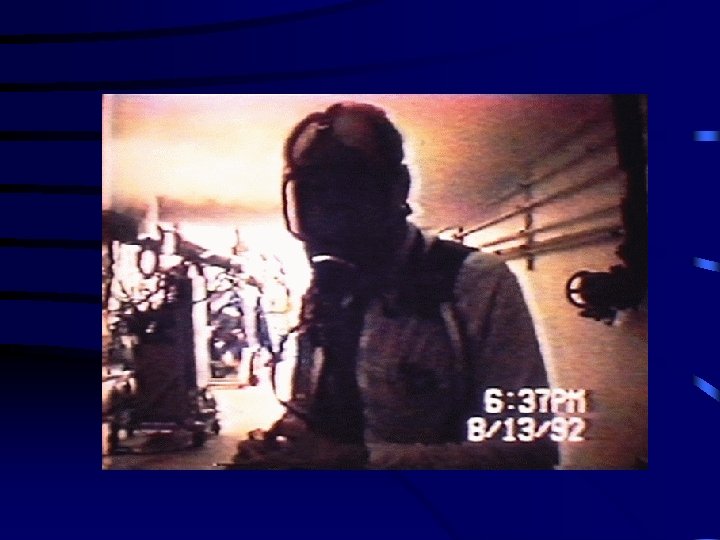
PPE
Helium Transfer Line
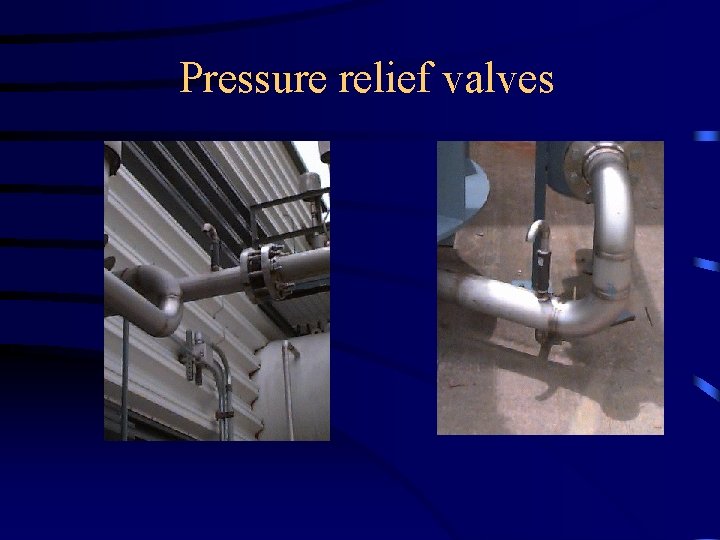
Pressure relief valves
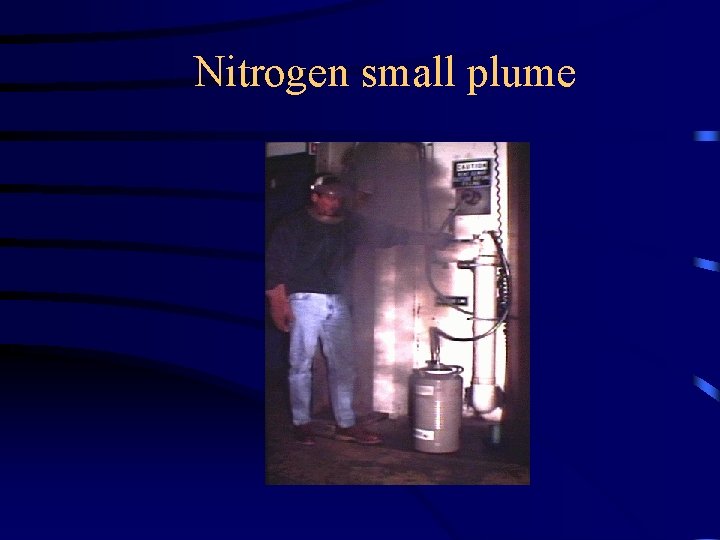
Nitrogen small plume
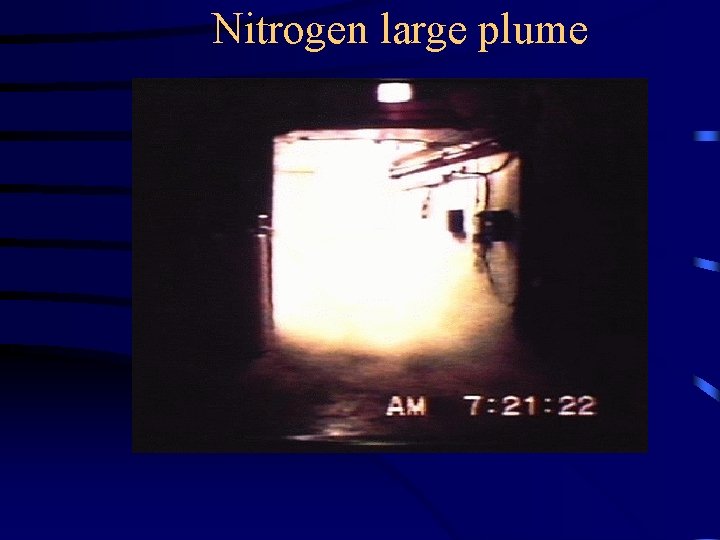
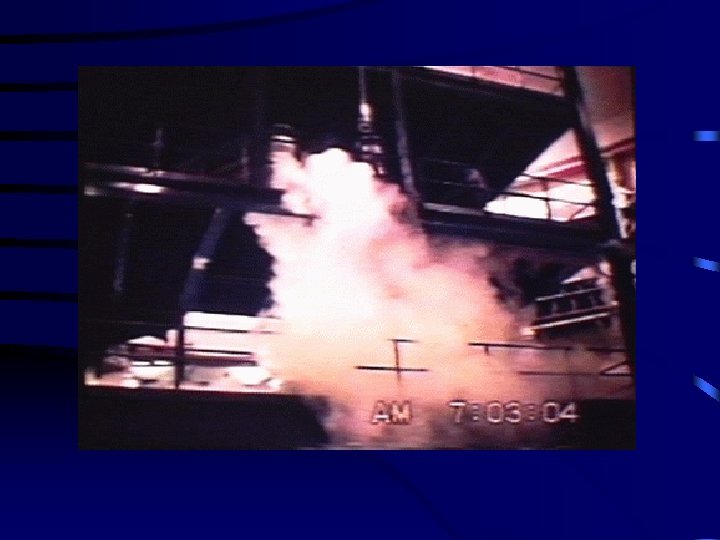
Nitrogen large plume
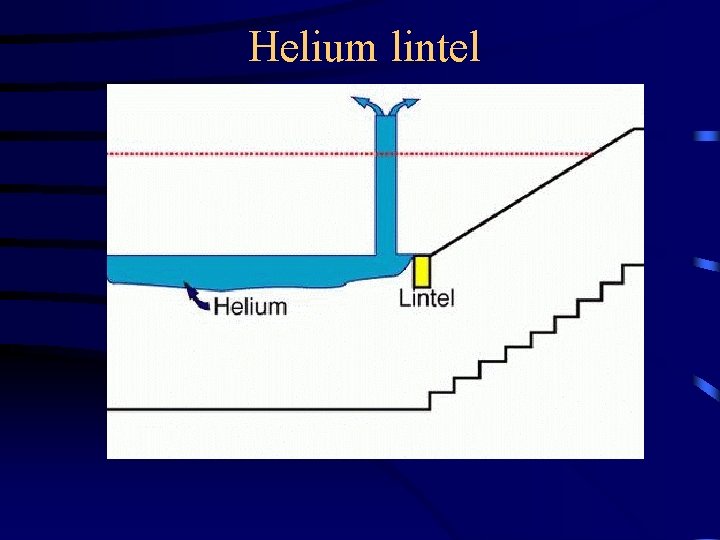
Helium lintel
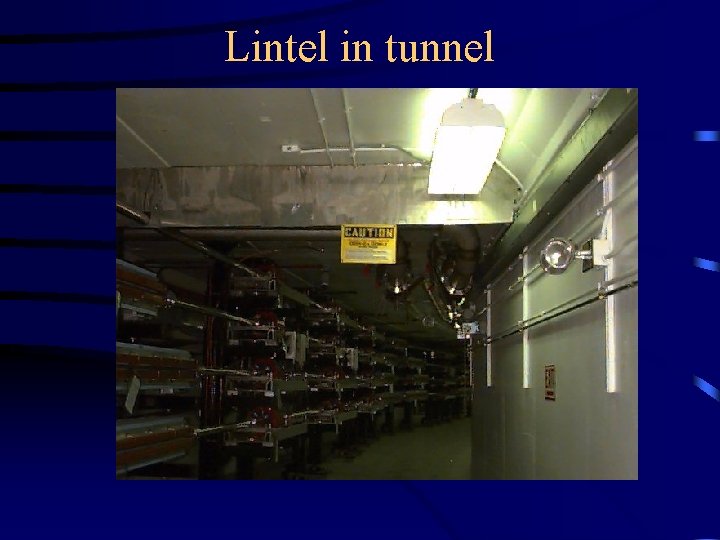
Lintel in tunnel
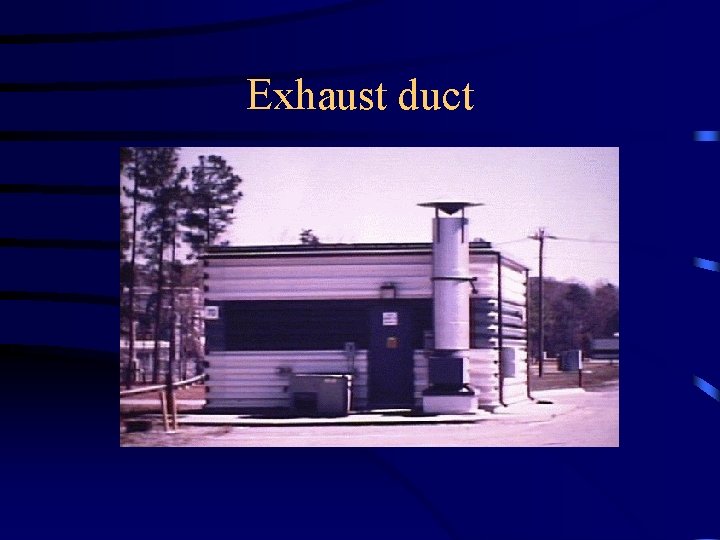
Exhaust duct
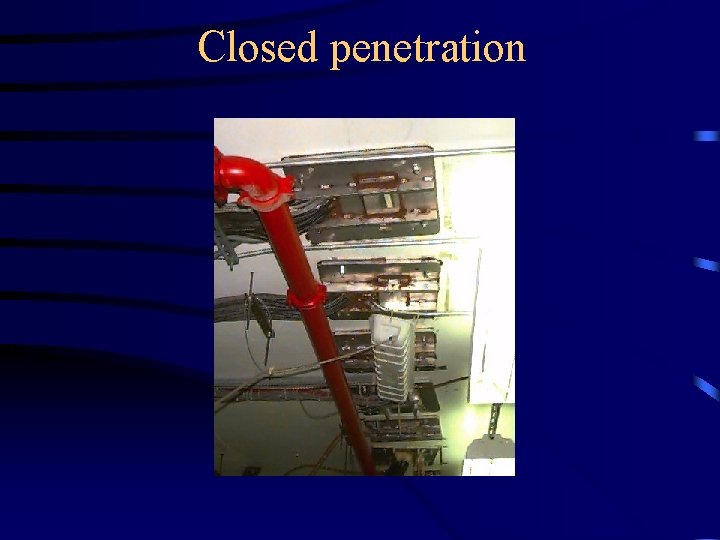
Closed penetration
Properties of Gas Nitrogen . 97
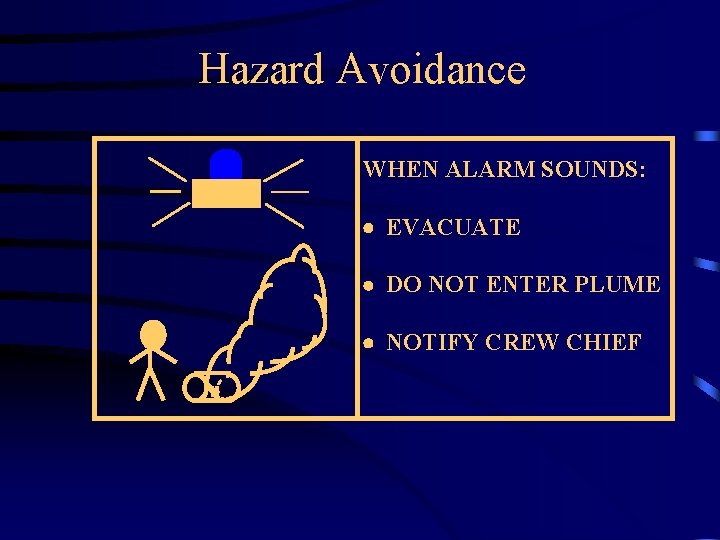
Hazard Avoidance WHEN ALARM SOUNDS: EVACUATE DO NOT ENTER PLUME NOTIFY CREW CHIEF
Helium Service Building Electric Relay Racks 25 ft Cryomodule Tunnel
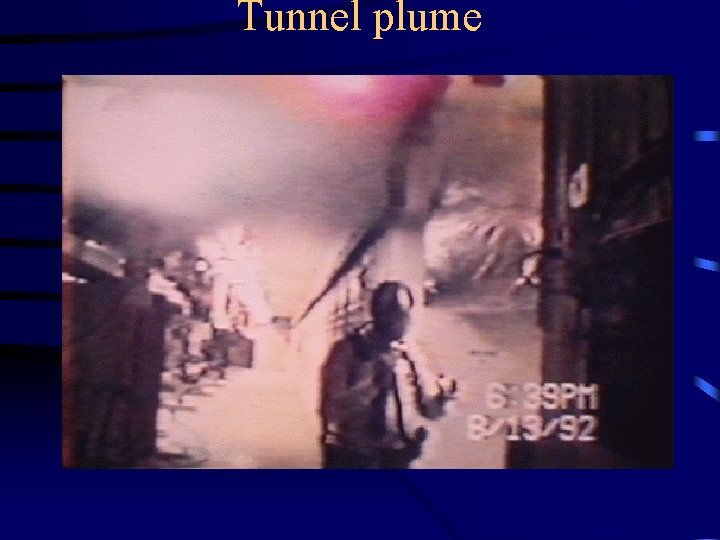
Tunnel plume
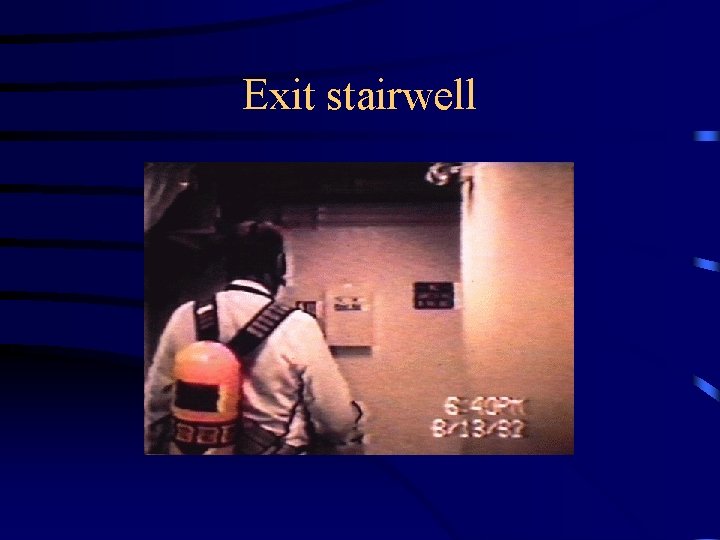
Exit stairwell
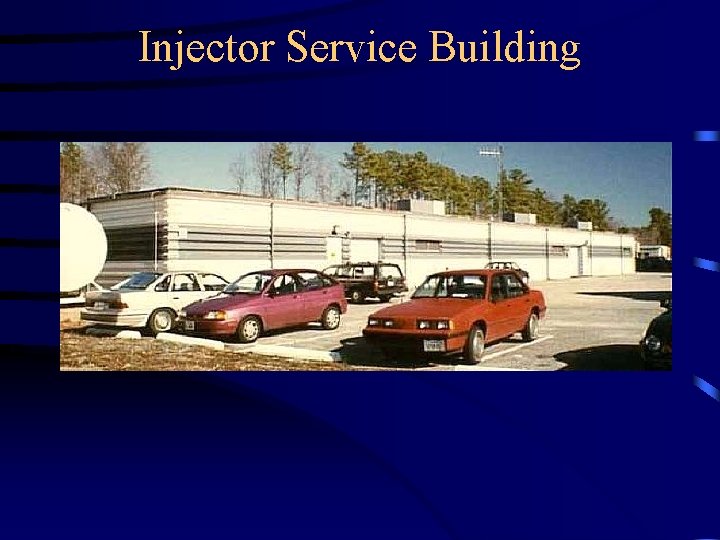
Injector Service Building
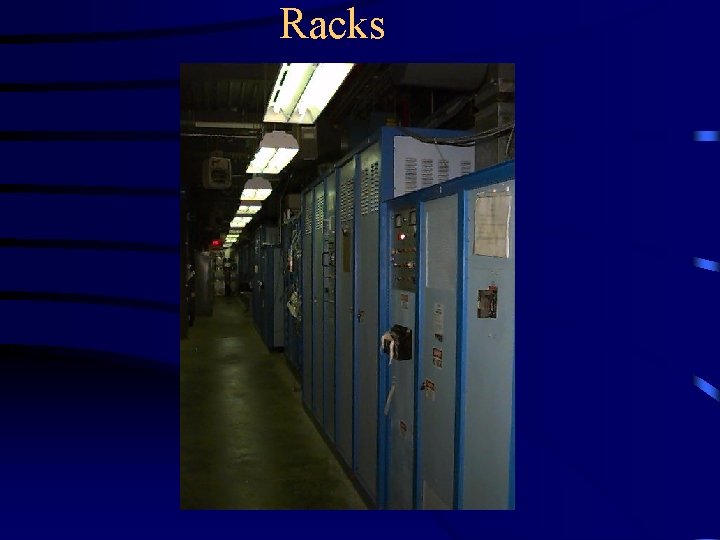
Racks
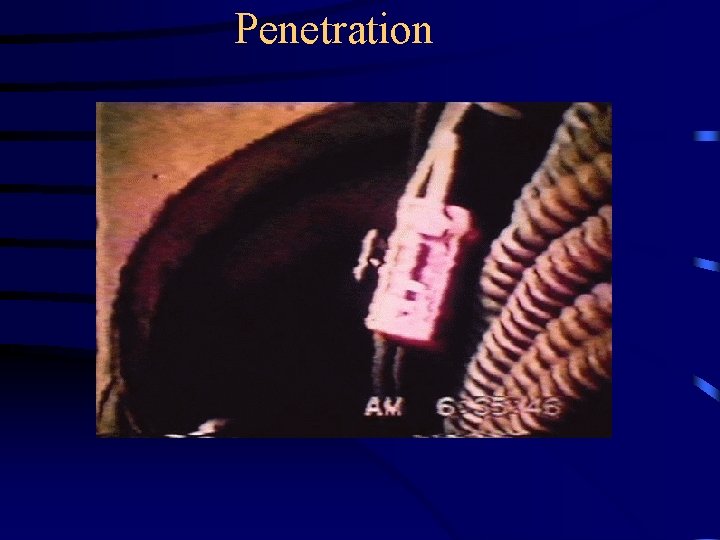
Penetration
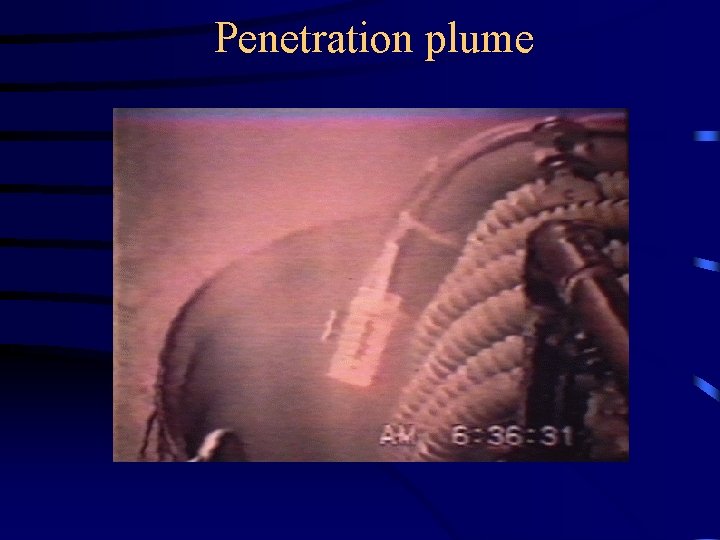
Penetration plume
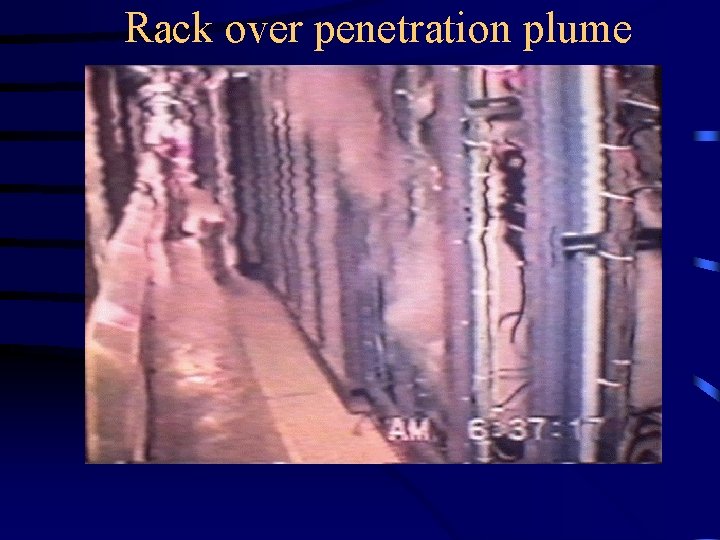
Rack over penetration plume
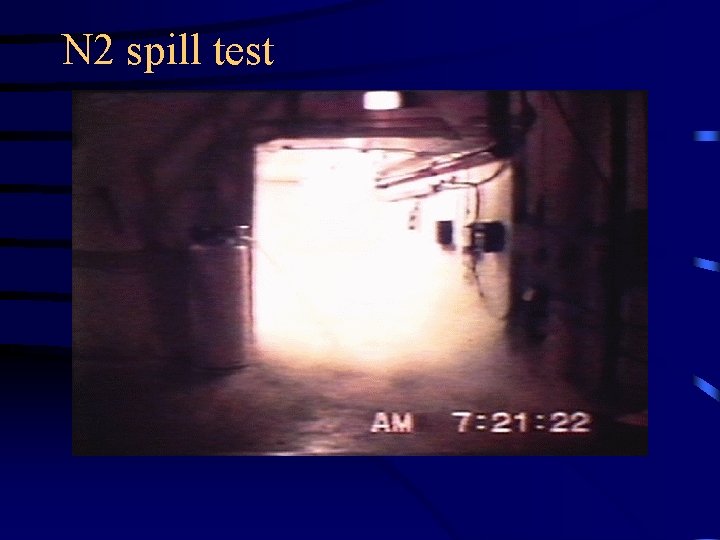
N 2 spill test
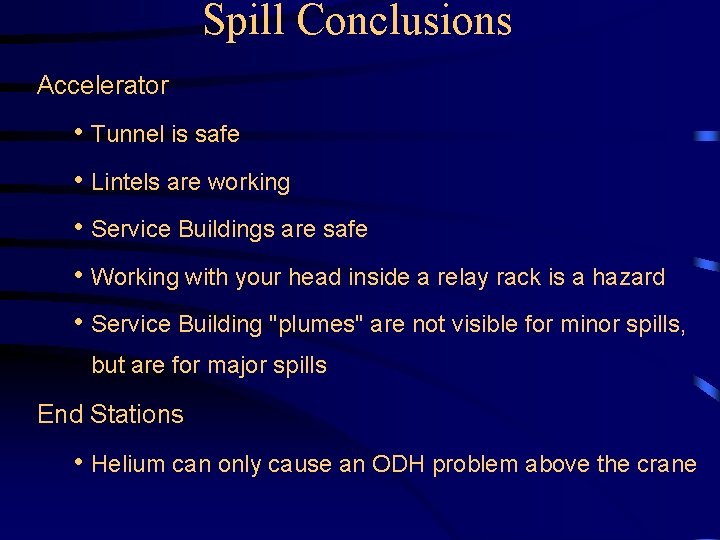
Spill Conclusions Accelerator • Tunnel is safe • Lintels are working • Service Buildings are safe • Working with your head inside a relay rack is a hazard • Service Building "plumes" are not visible for minor spills, but are for major spills End Stations • Helium can only cause an ODH problem above the crane
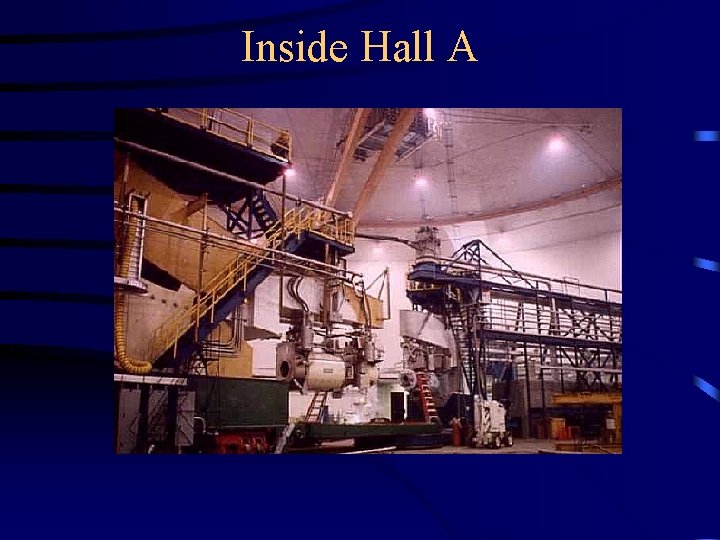
Inside Hall A
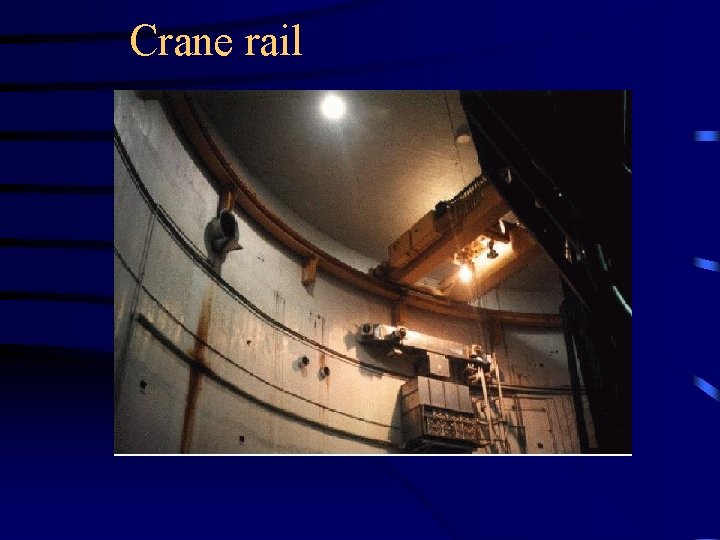
Crane rail
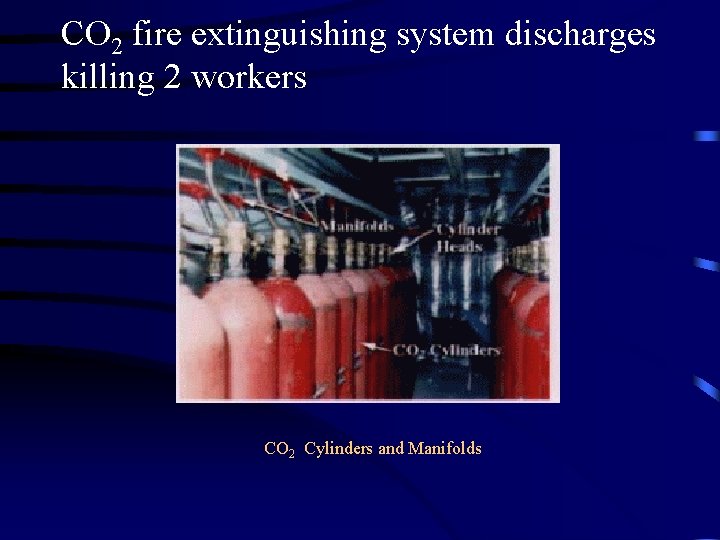
CO 2 fire extinguishing system discharges killing 2 workers CO 2 Cylinders and Manifolds
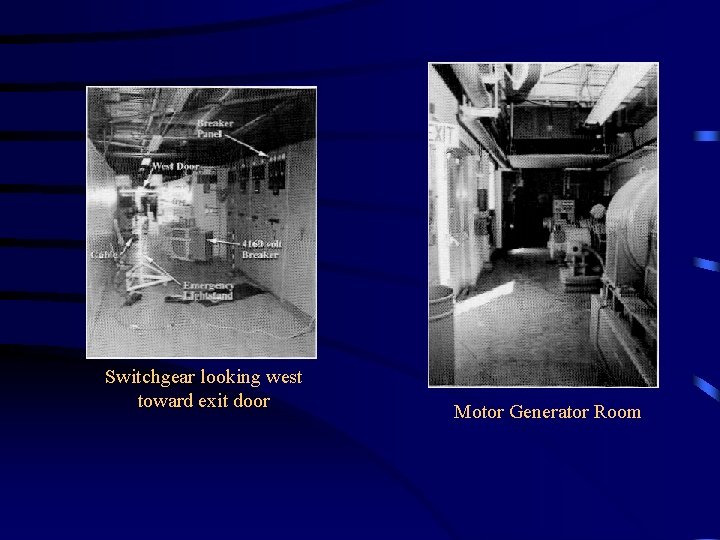
Switchgear looking west toward exit door Motor Generator Room
External Requirements - NFPA 12 - Carbon Dioxide Extinguishing Systems • Warning signs at entryways to protected spaces and adjacent areas where the CO 2 could migrate. • All persons that can enter the space shall be warned of the hazards, given the alarm signal, and provided with safe evacuation procedures. • The pre-discharge warning signal shall provide significant time delay to allow for evacuation under worst case conditions. • All personnel shall be informed that discharge directly at a person will cause eye injury, ear injury, or even falls due to loss of balance upon impingement. • To prevent accidental or deliberate discharge, a “lock-out” shall be provided when persons not familiar with the system are present in a protected space. • Consideration shall be given to the possibility that personnel could be trapped or enter into an atmosphere made hazardous by discharge. Suitable safeguards shall be provided to ensure prompt evacuation, to prevent entry into such atmospheres, and to provide means for prompt rescue of any trapped personnel. Personnel training shall be provided. Pre-discharge alarms shall be provided.
Additional Information in NFPA 12, Appendix A indicates consideration should be given to: Adequate aisleways and routes of exit kept clear at all times Necessary additional or emergency lighting and directional signals to support quick safe evacuation. Only outwardly swinging self closing doors at exits with provisions for panic hardware as necessary. Continuous alarms at entrances until the atmosphere has been returned to normal Odor added to the CO 2 so that such atmospheres can be recognized Warning and instruction signs at entrances and within areas Prompt discovery and rescue of persons rendered unconscious in such areas (This can be accomplished by search by trained personnel with appropriate breathing apparatus immediately after discharge stops) Instruction and drills for all personnel within the area including maintenance construction personnel that may work in the area. Means for prompt ventilation of such areas Other steps or safeguards that are necessary to prevent injury or death based on careful study of each particular situation It is recommended that SCBAs be provided for rescue purposes.