Oxalic Acid in Varroa Management Randy Oliver Revised










- Slides: 84
Oxalic Acid in Varroa Management Randy Oliver Revised 14 Jan 2016 (see notes under the slides)
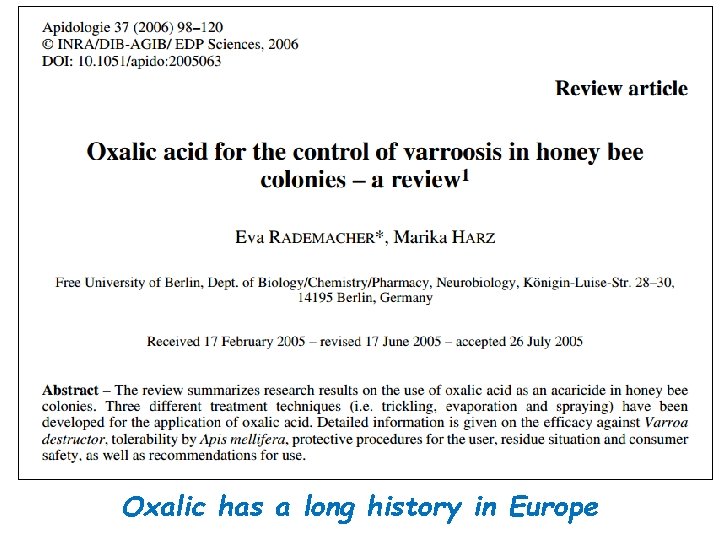
Oxalic has a long history in Europe
Why Oxalic Acid?
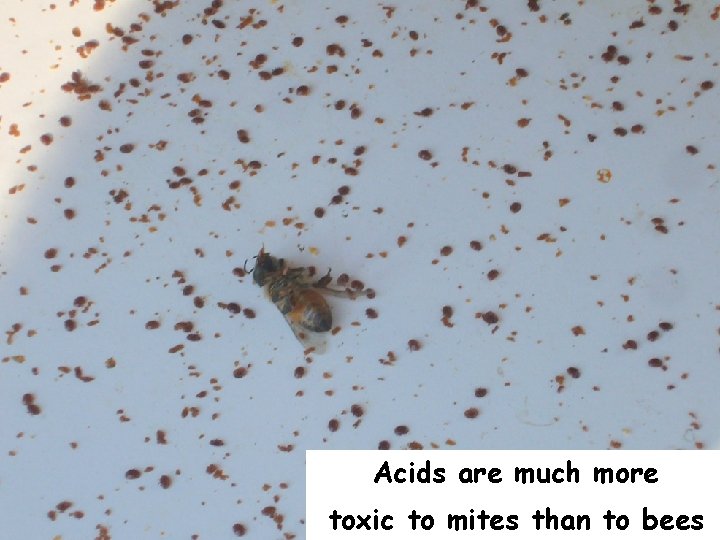
Acids are much more toxic to mites than to bees
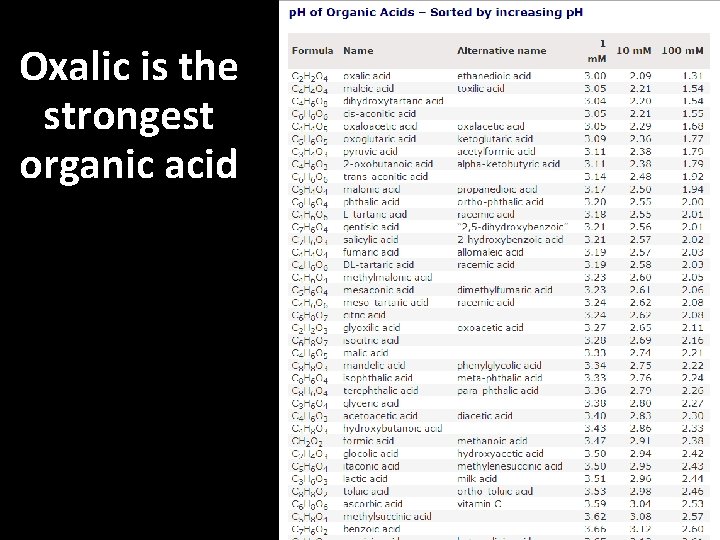
Oxalic is the strongest organic acid
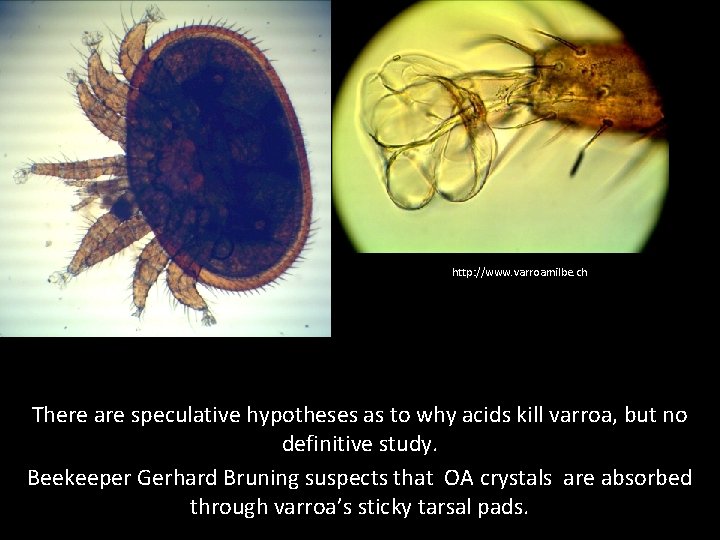
http: //www. varroamilbe. ch/ There are speculative hypotheses as to why acids kill varroa, but no definitive study. Beekeeper Gerhard Bruning suspects that OA crystals are absorbed through varroa’s sticky tarsal pads.
Safety to Humans
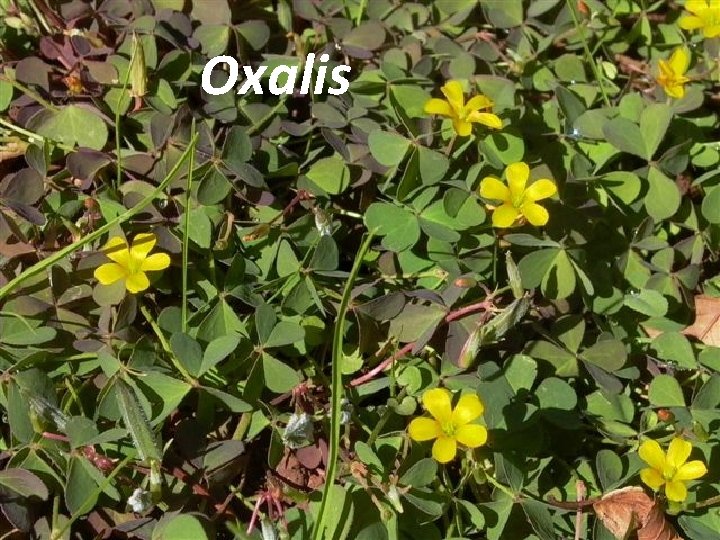
Oxalis
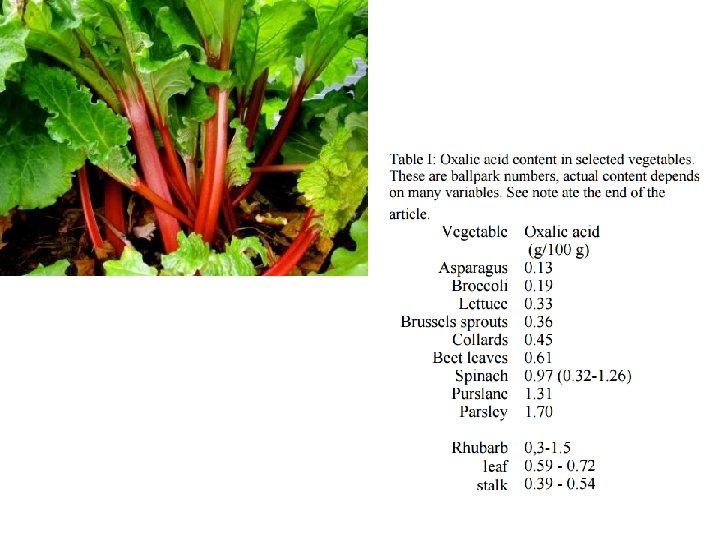
http: //helios. hampshire. edu/~nl. NS/mompdfs/oxalica
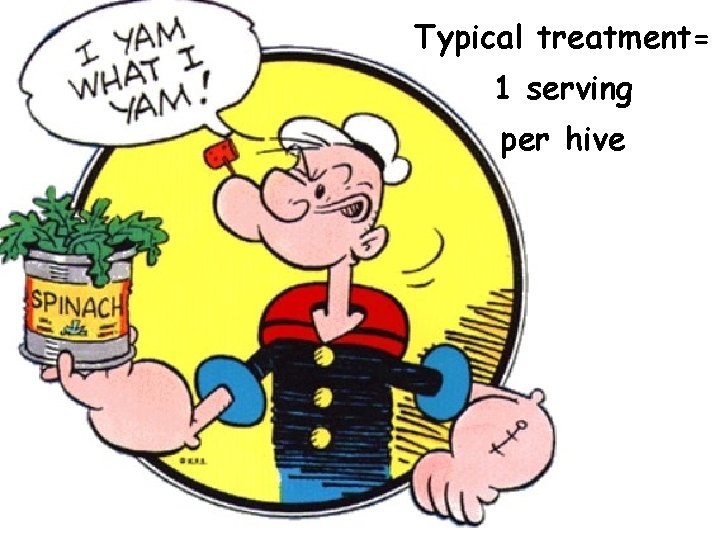
Typical treatment= 1 serving per hive
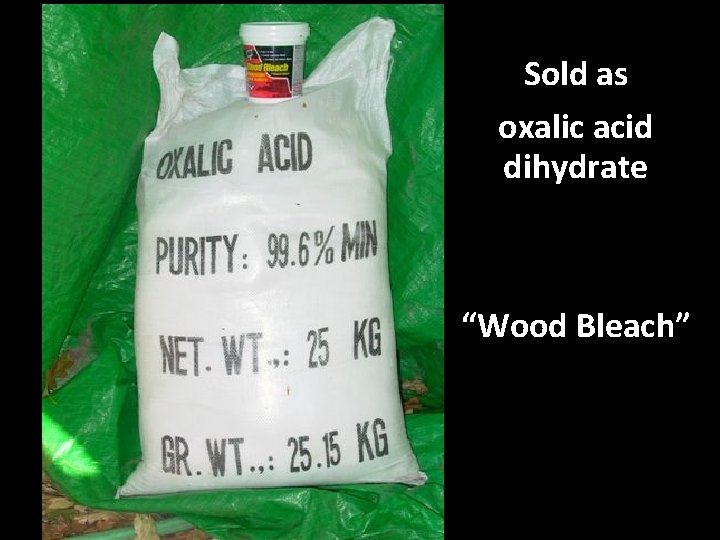
Purchasing Oxalic Acid
Sold as oxalic acid dihydrate “Wood Bleach”
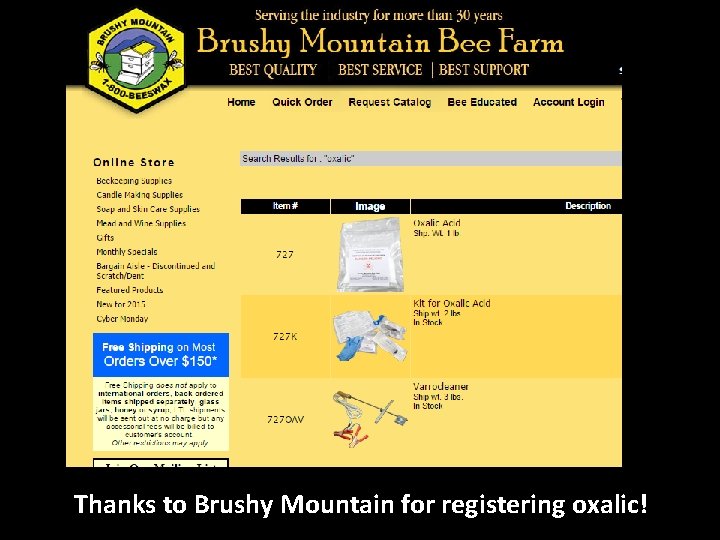
Thanks to Brushy Mountain for registering oxalic!
Mixing Oxalic Syrup
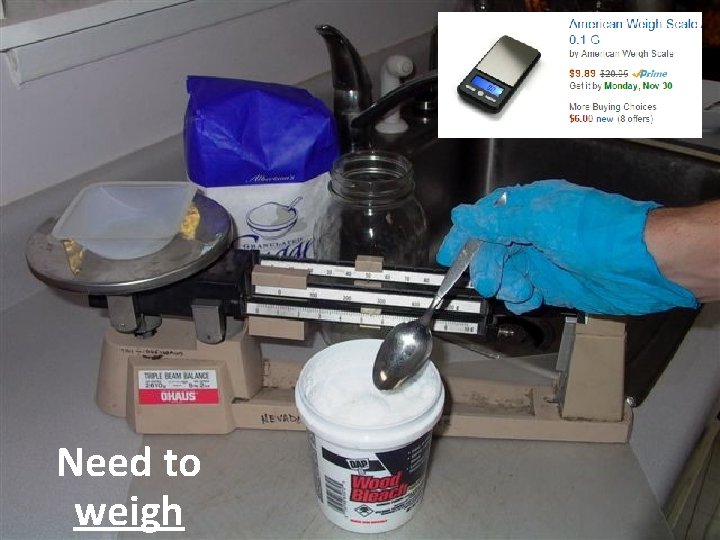
Need to weigh
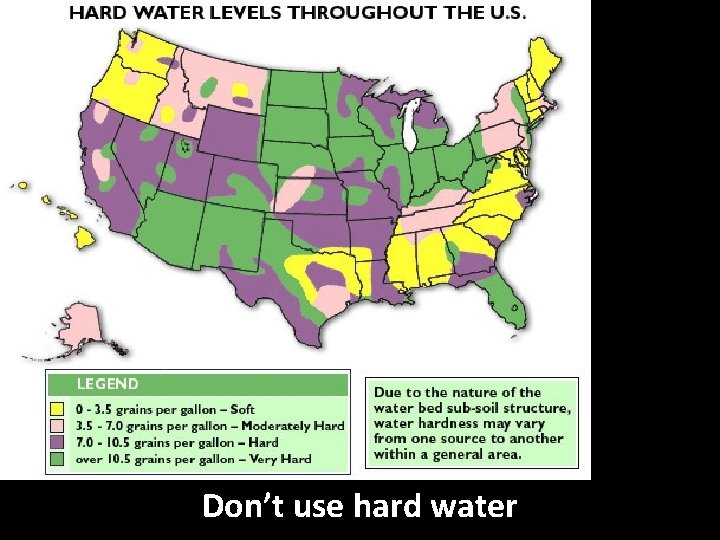
Don’t use hard water
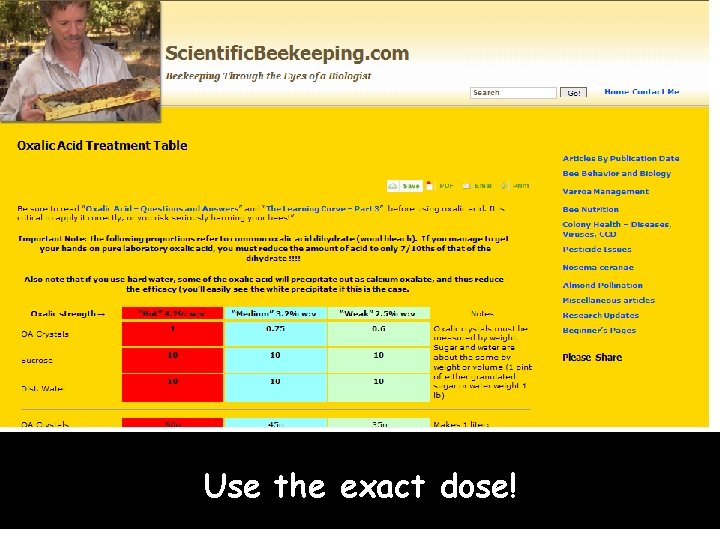
Use the exact dose!
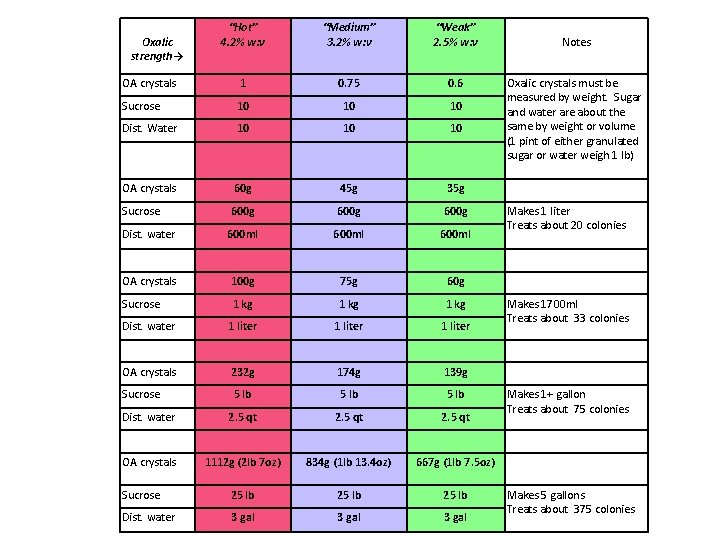
“Hot” 4. 2% w: v “Medium” 3. 2% w: v “Weak” 2. 5% w: v OA crystals 1 0. 75 0. 6 Sucrose 10 10 10 Dist. Water 10 10 10 OA crystals 60 g 45 g 35 g Sucrose 600 g Dist. water 600 ml OA crystals 100 g 75 g 60 g Sucrose 1 kg Dist. water 1 liter OA crystals 232 g 174 g 139 g Sucrose 5 lb Dist. water 2. 5 qt OA crystals 1112 g (2 lb 7 oz) 834 g (1 lb 13. 4 oz) 667 g (1 lb 7. 5 oz) Sucrose 25 lb Dist. water 3 gal Oxalic strength→ Notes Oxalic crystals must be measured by weight. Sugar and water are about the same by weight or volume (1 pint of either granulated sugar or water weigh 1 lb) Makes 1 liter Treats about 20 colonies Makes 1700 ml Treats about 33 colonies Makes 1+ gallon Treats about 75 colonies Makes 5 gallons Treats about 375 colonies
Oxalic acid crystals dissolve more readily in hot water than in sugar solution. Tip: dissolve the oxalic crystals in the indicated amount of hot (150˚F) water before adding the sugar. After the oxalic crystals are fully dissolved, only then stir in the sugar.
Storage
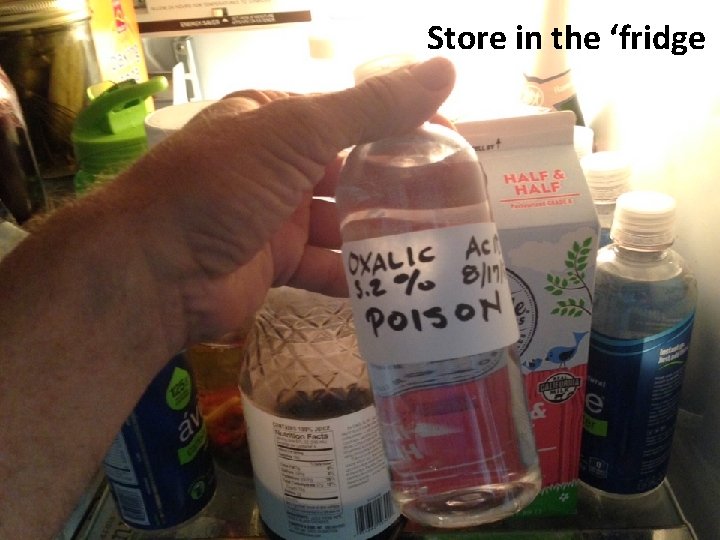
Store in the ‘fridge
Safety
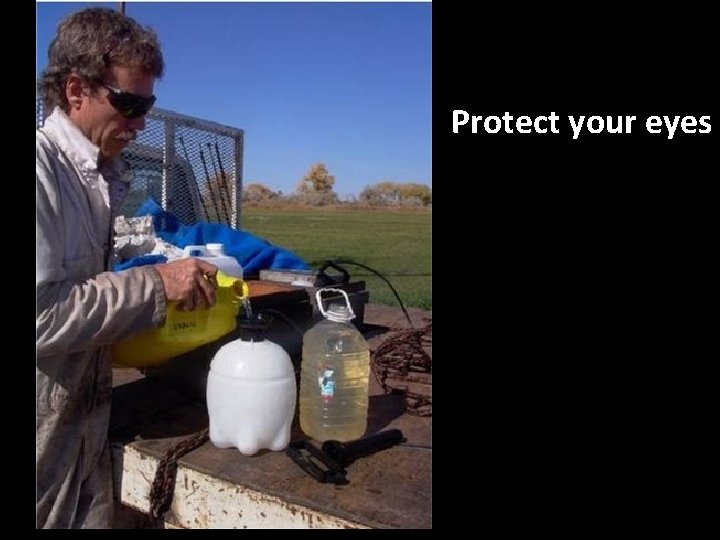
Protect your eyes
Tastes like strong lemonade
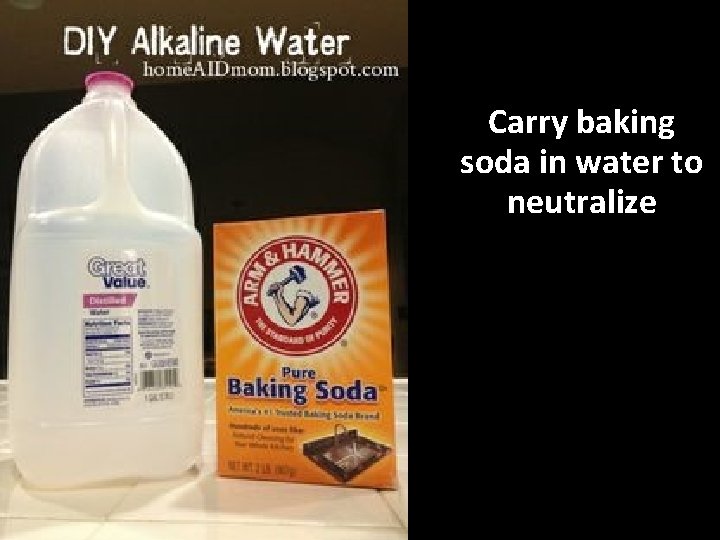
Carry baking soda in water to neutralize
Application
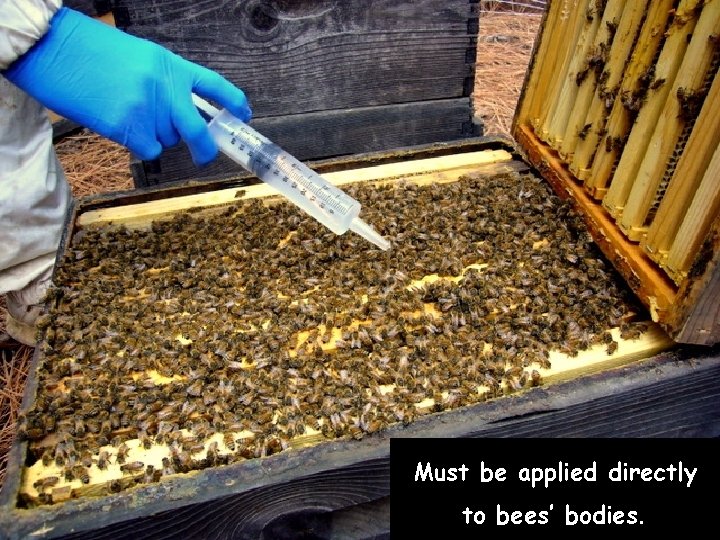
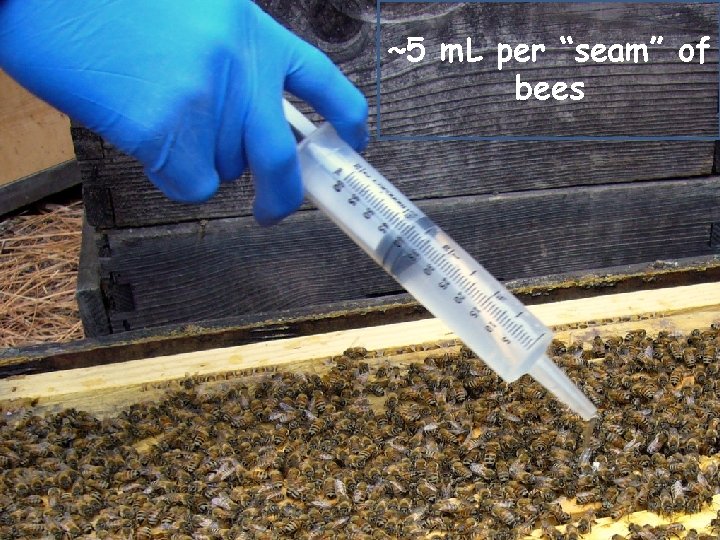
Must be applied directly to bees’ bodies.
~5 m. L per “seam” of bees
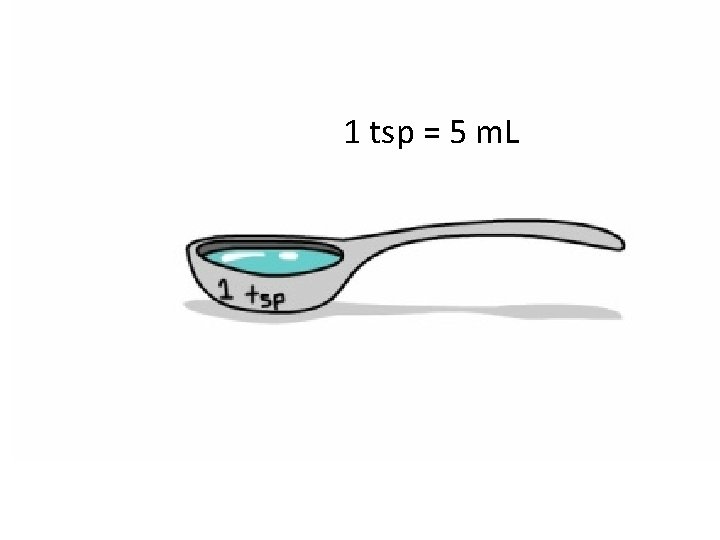
1 tsp = 5 m. L
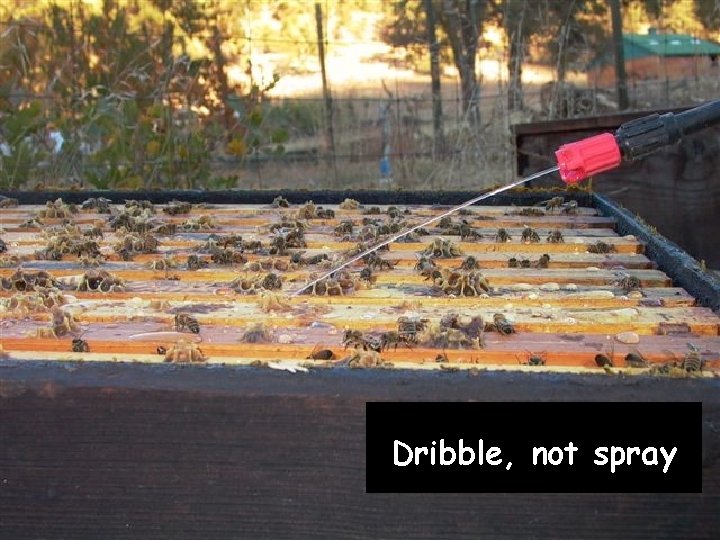
Dribble, not spray
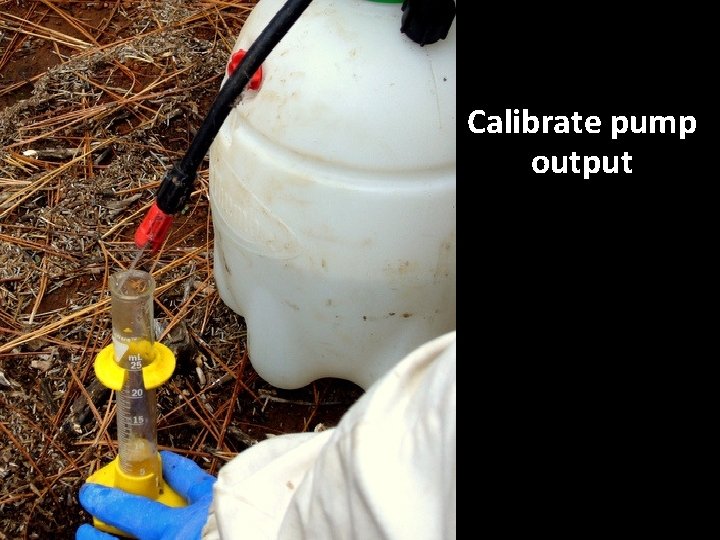
Calibrate pump output
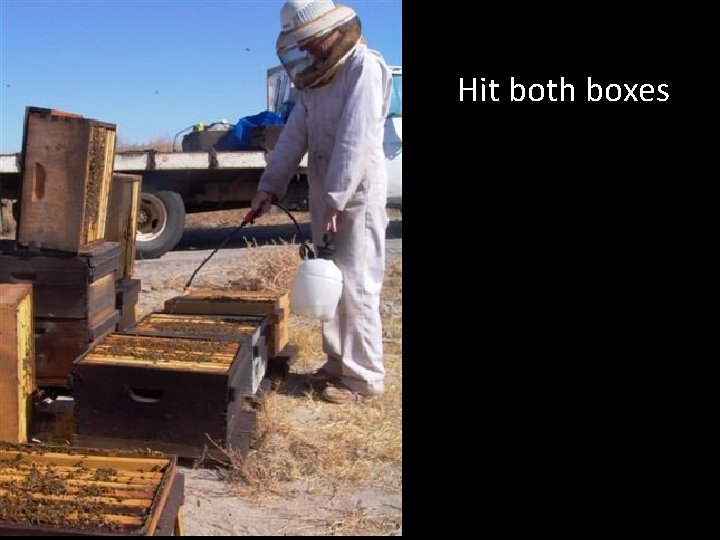
Hit both boxes
Tips: Fill the garden sprayer only about ¼ full of solution. This leaves a large air space, which minimizes the fluctuation in pressure. After you’ve dribbled a yard of hives, measure how much syrup you’ve applied in total, and divide by the number of hives. This will tell you if you’re applying the correct amount.
Timing of Treatment
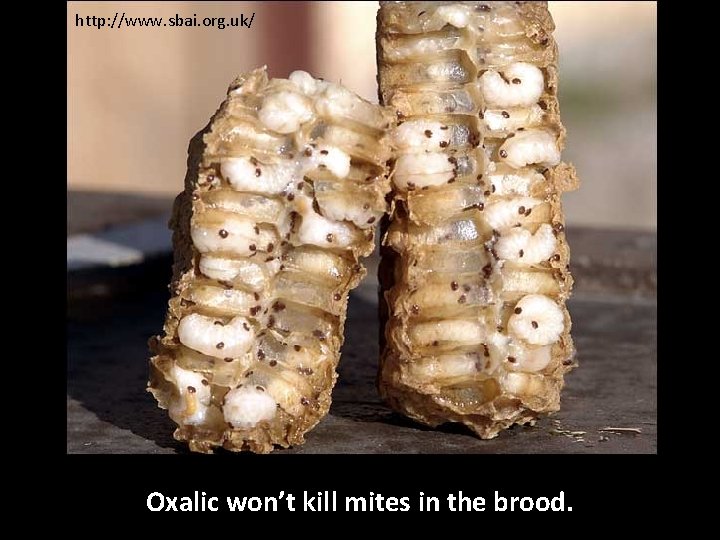
http: //www. sbai. org. uk/ Oxalic won’t kill mites in the brood.
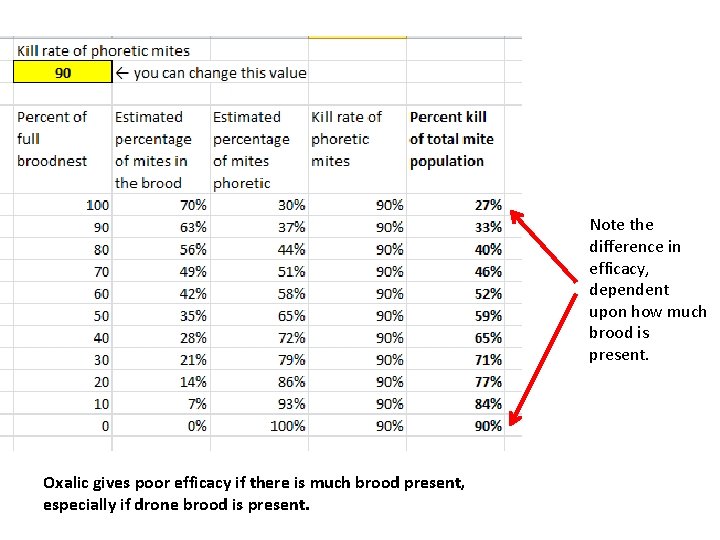
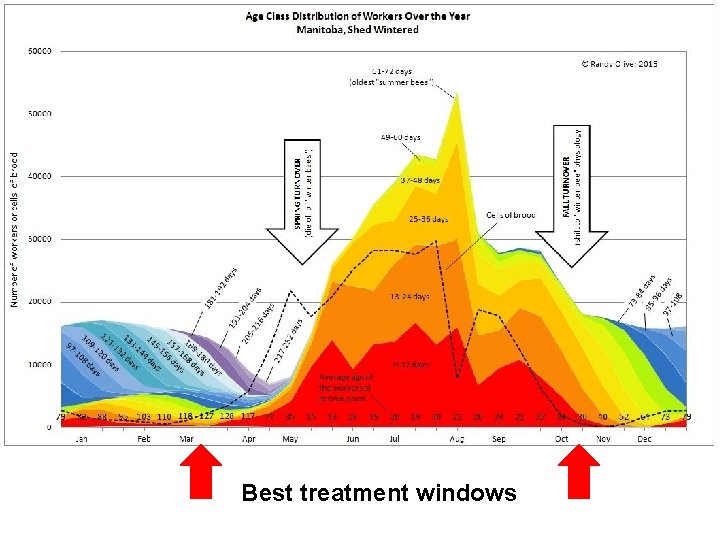
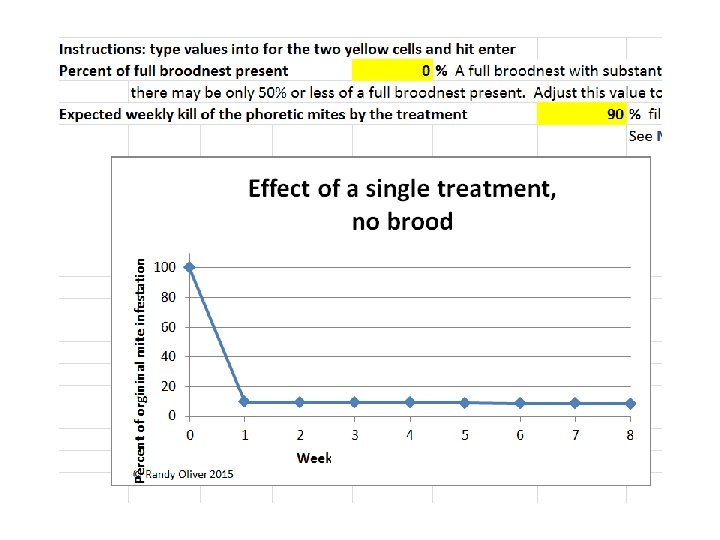
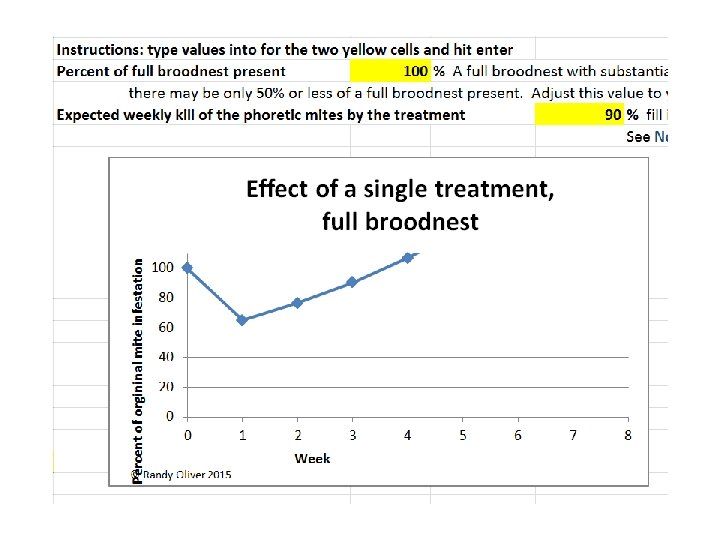
Note the difference in efficacy, dependent upon how much brood is present. Oxalic gives poor efficacy if there is much brood present, especially if drone brood is present.
Seasonality Best treatment windowsof Worker Demographics
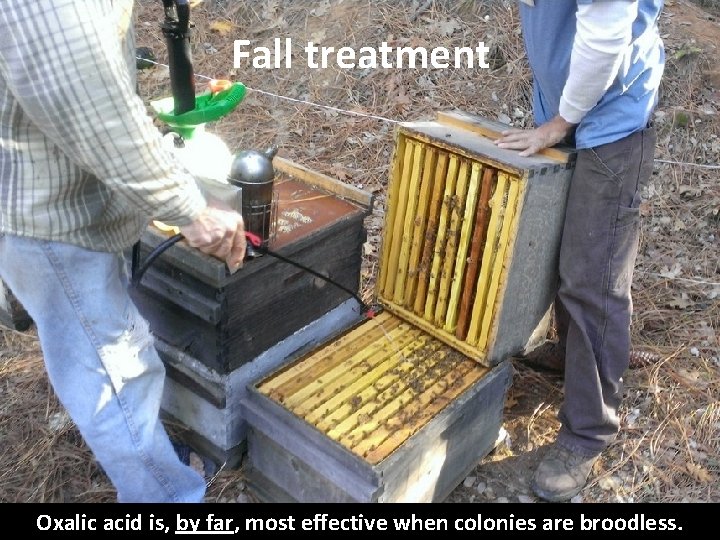
Fall treatment Oxalic acid is, by far, most effective when colonies are broodless.
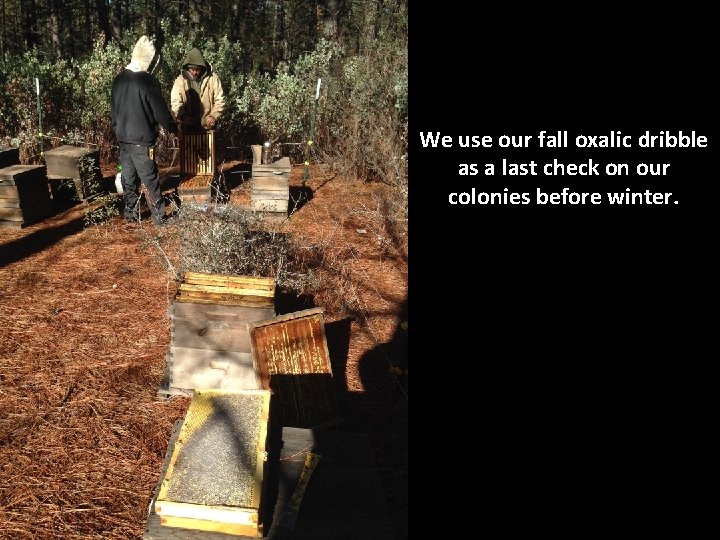
We use our fall oxalic dribble as a last check on our colonies before winter. I took a step back from swapping frames of honey from heavy to lightweight hives to show Eric and Ian dribbling oxalic in the background.
We use our fall oxalic dribble as a last check on our colonies before winter.
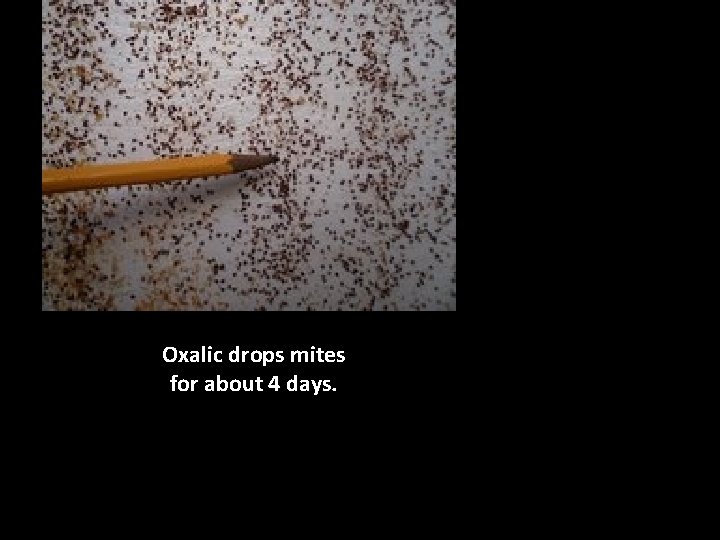
Oxalic drops mites for about 4 days.
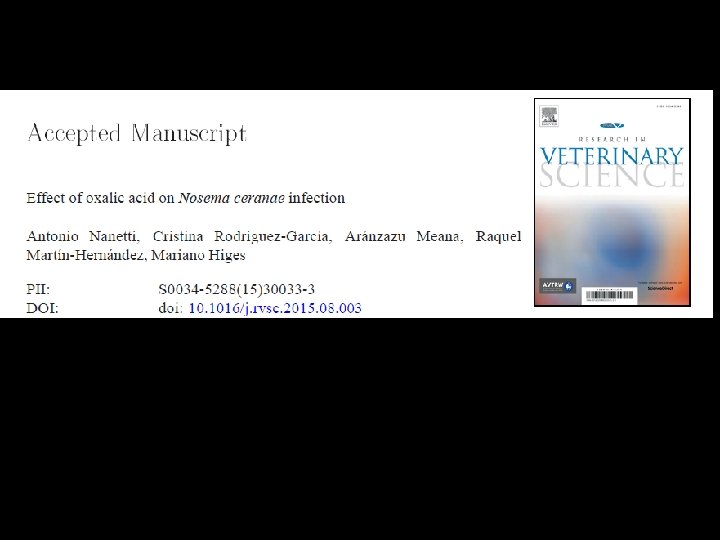
Benefit against nosema
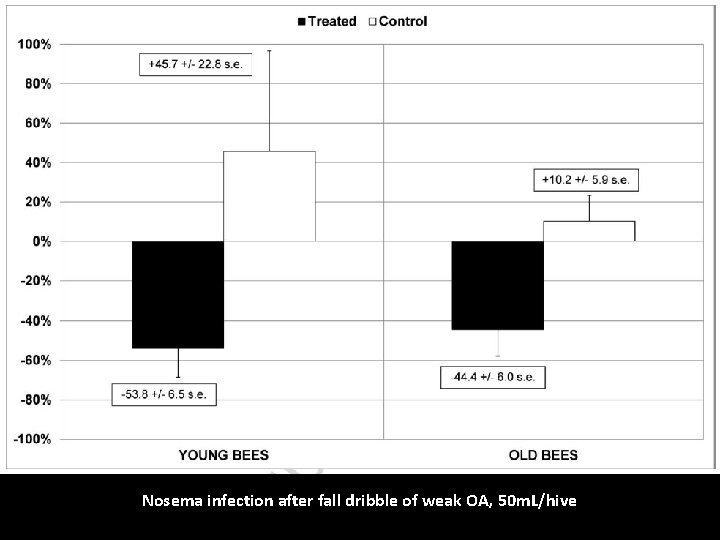
Nosema infection after fall dribble of weak OA, 50 m. L/hive
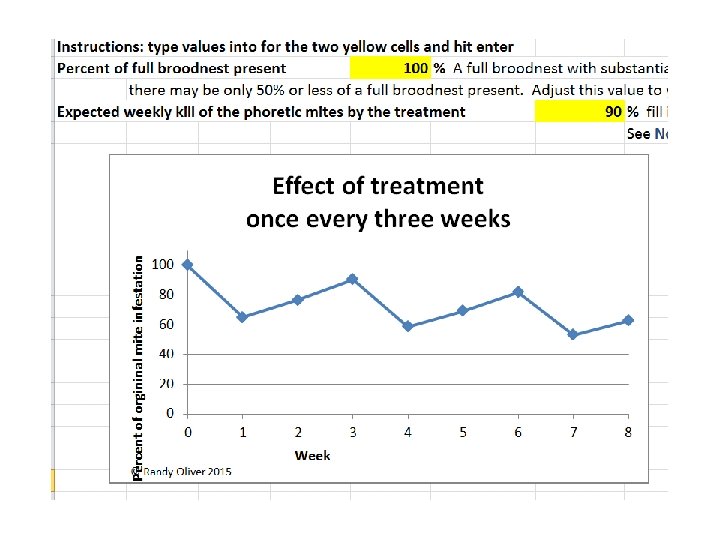
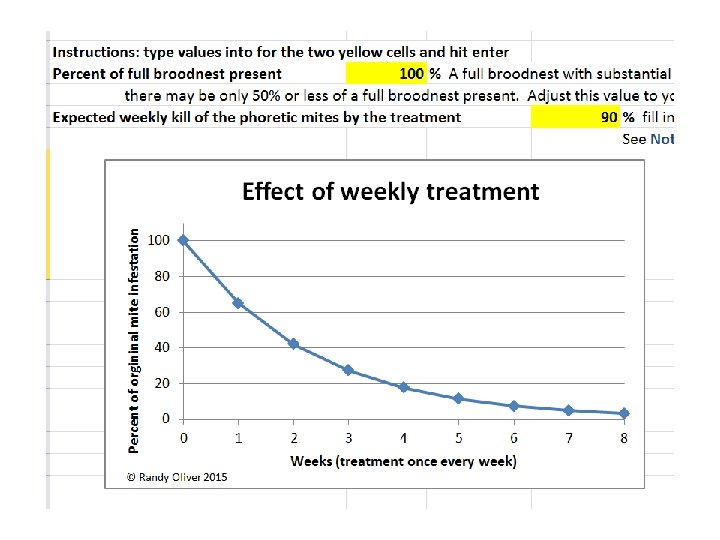
Summer Treatment • Can be used on severely mite-stressed colonies to buy time. • Must be repeated at weekly intervals.
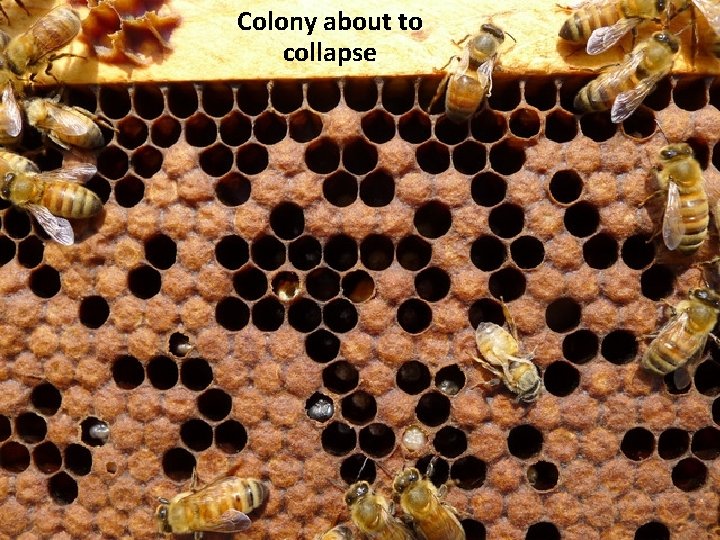
Colony about to collapse
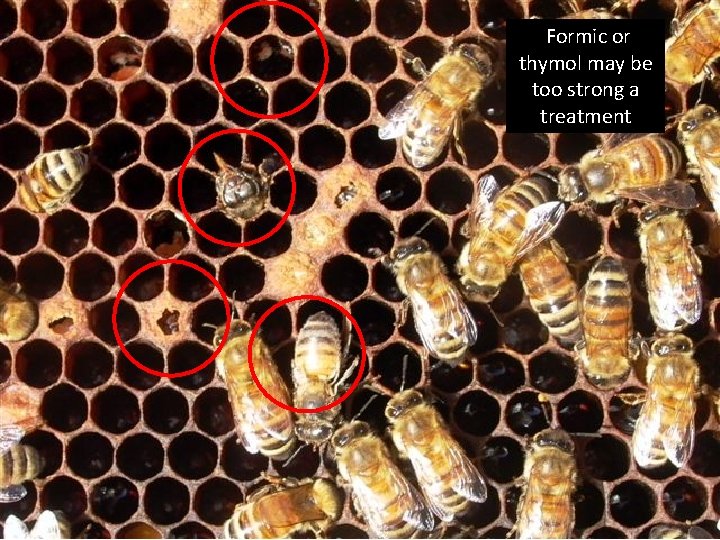
Formic or thymol may be too strong a treatment
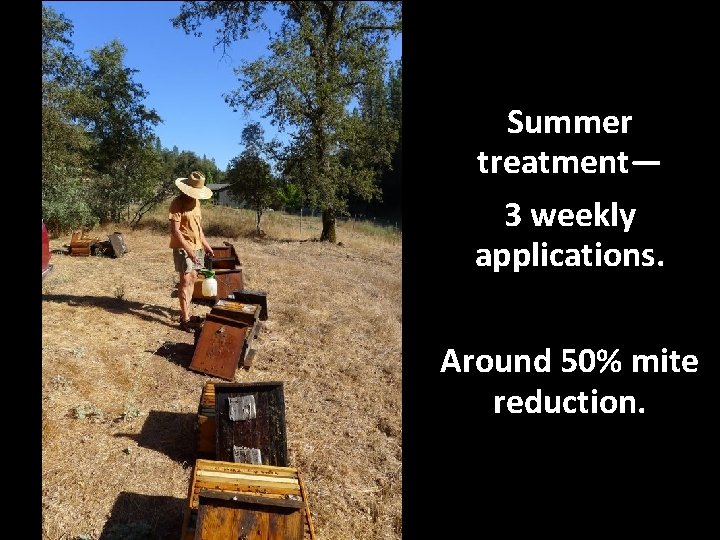
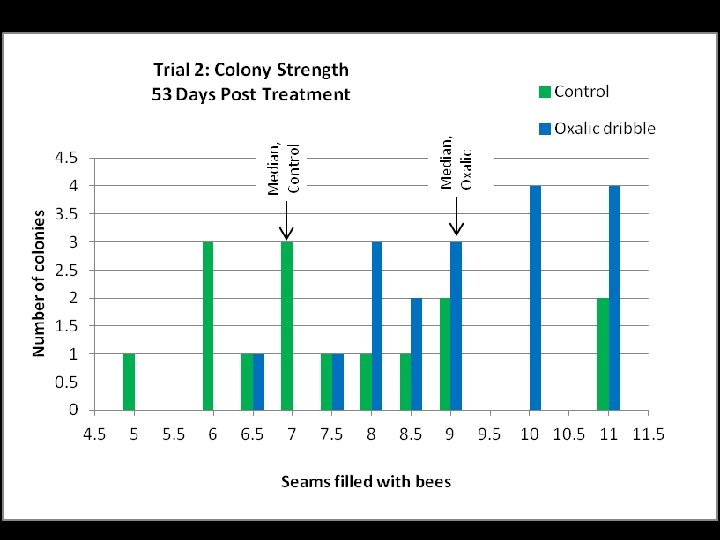
Summer treatment— 3 weekly applications. Around 50% mite reduction.
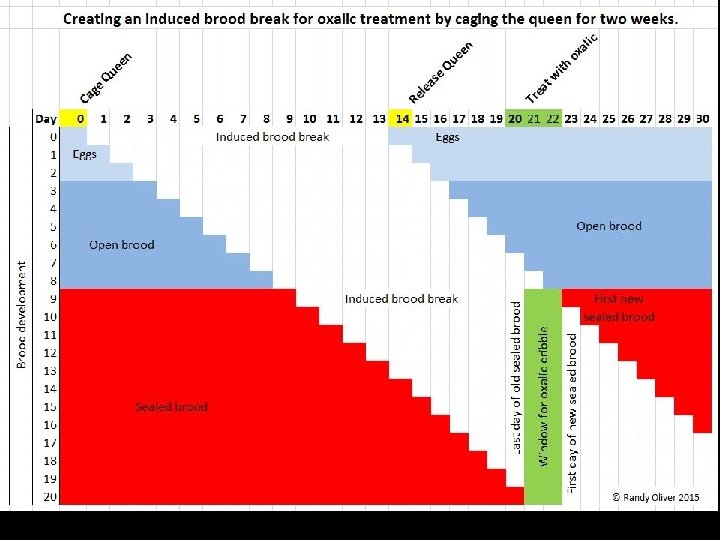
Induced Brood Break
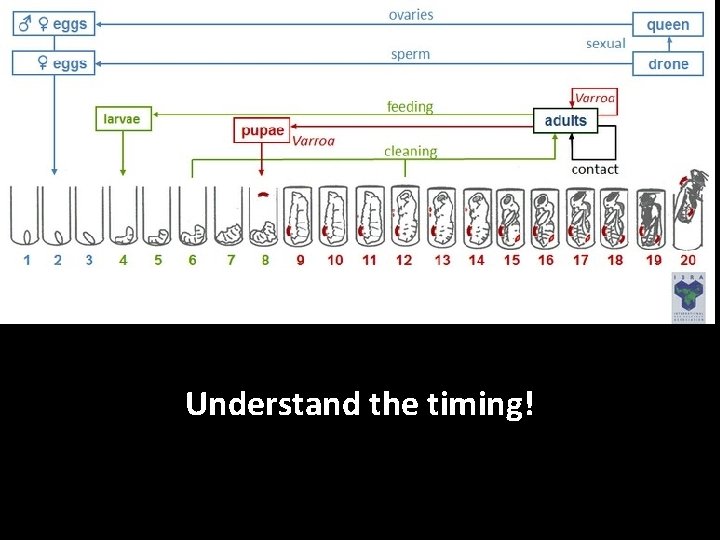
Understand the timing!
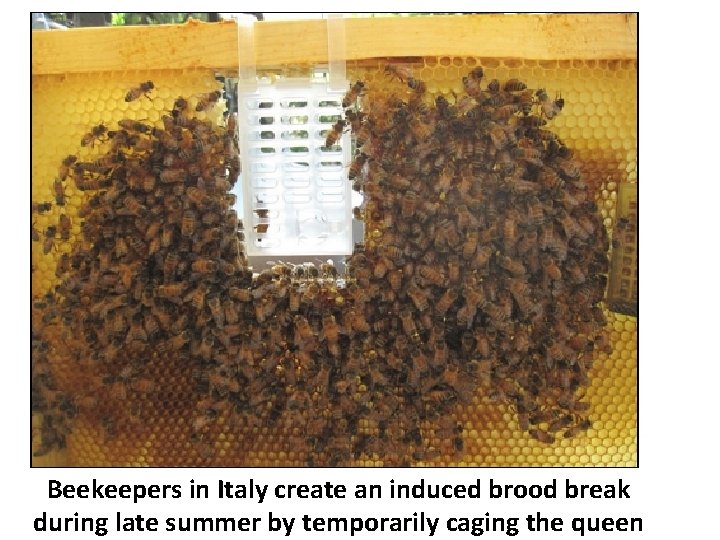
Beekeepers in Italy create an induced brood break during late summer by temporarily caging the queen
Understand the timing!
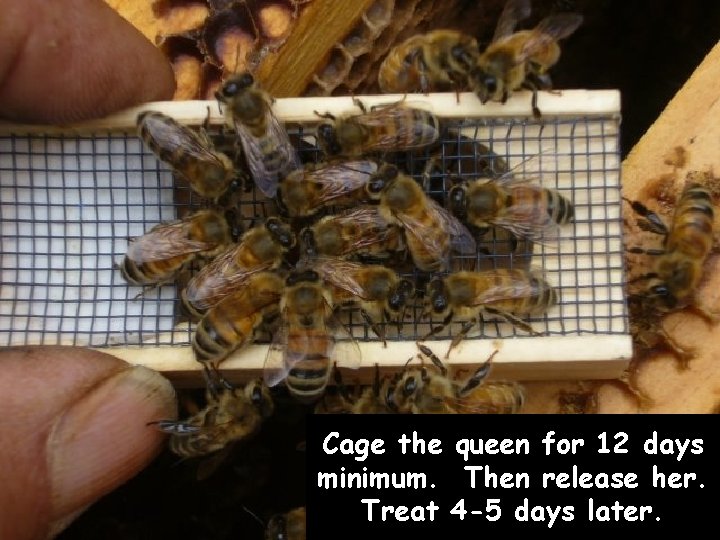
Cage the queen for 12 days minimum. Then release her. Treat 4 -5 days later.
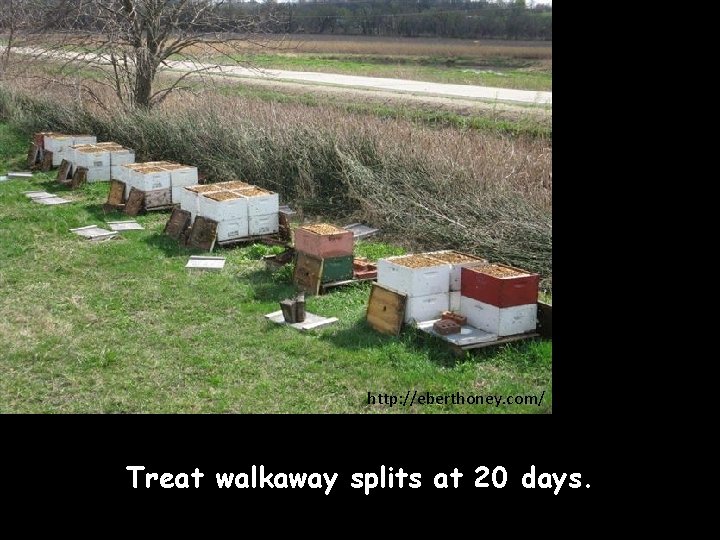
http: //eberthoney. com/ Treat walkaway splits at 20 days.
Combine OA with requeening
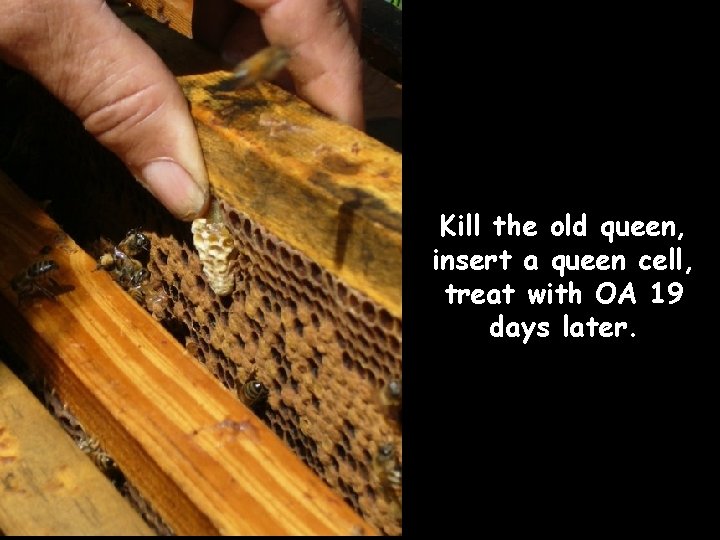
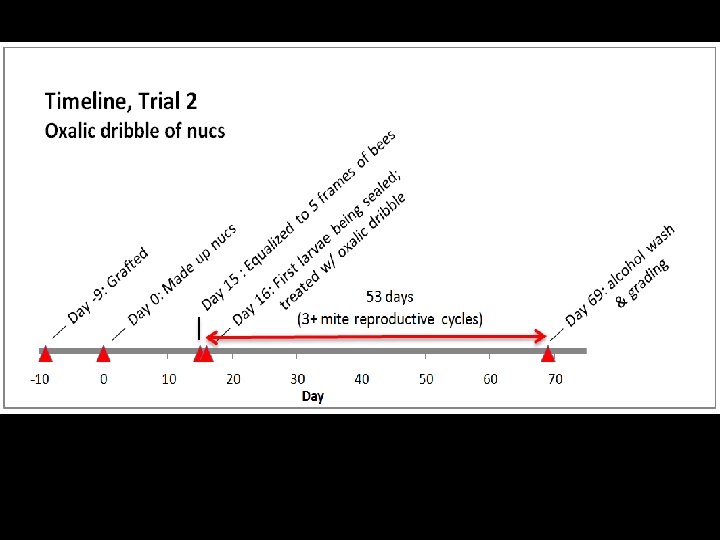
Kill the old queen, insert a queen cell, treat with OA 19 days later. http: //eberthoney. com/
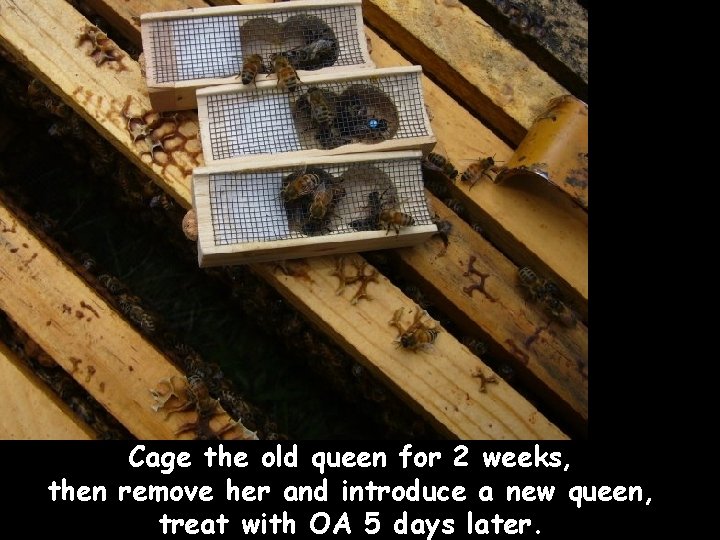
http: //eberthoney. com/ Cage the old queen for 2 weeks, then remove her and introduce a new queen, treat with OA 5 days later.
Treatment of Nucs or Packages A no brainer
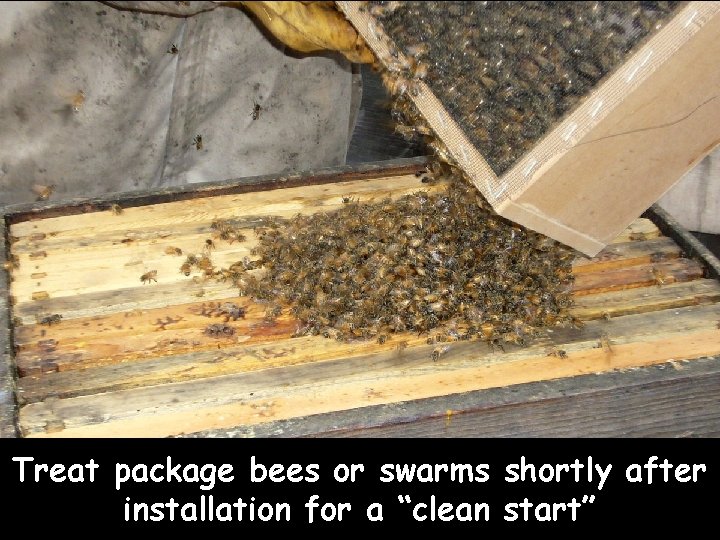
Treat package bees or swarms shortly after installation for a “clean start”
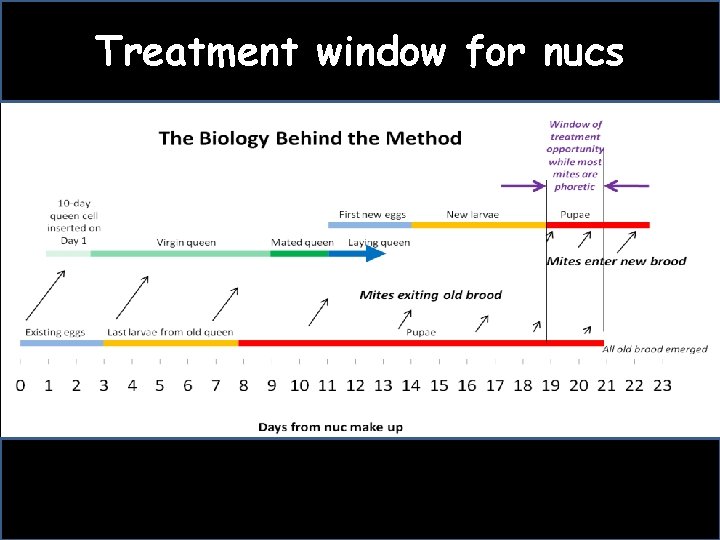
Treatment window for nucs
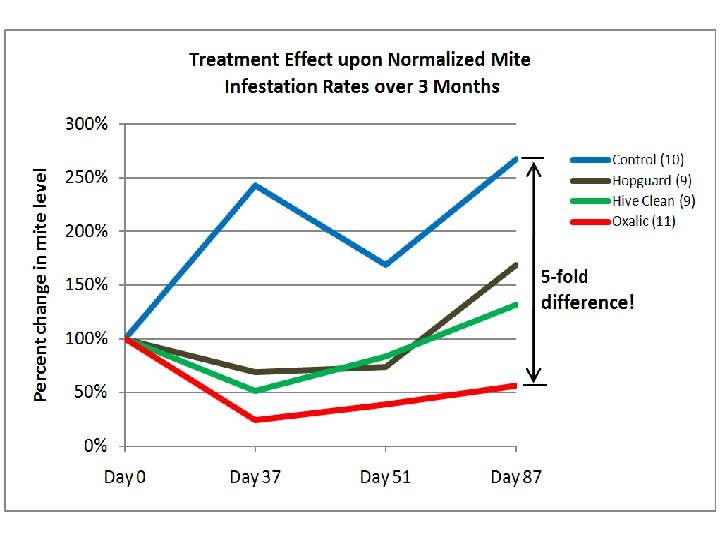
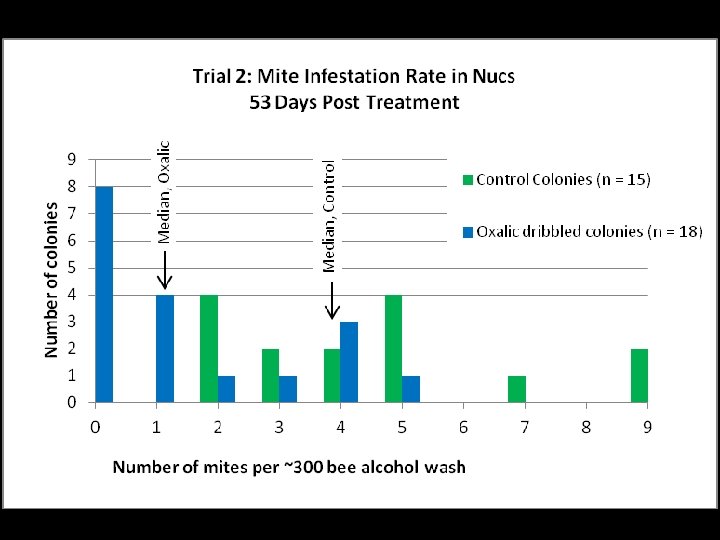
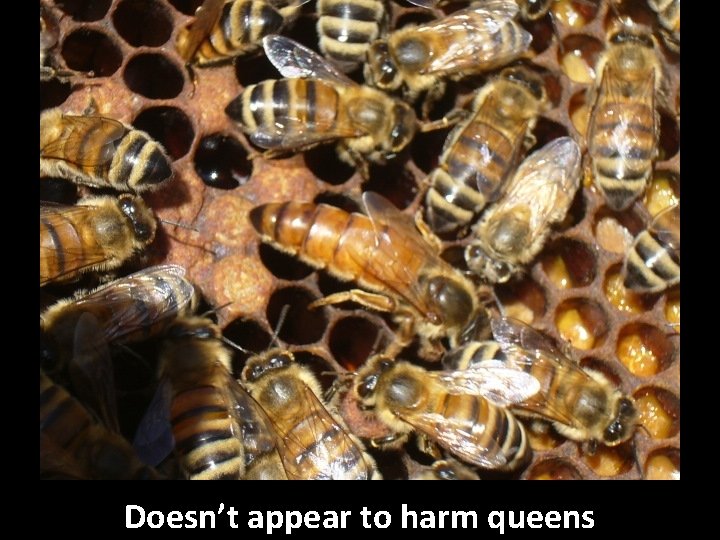
Doesn’t appear to harm queens
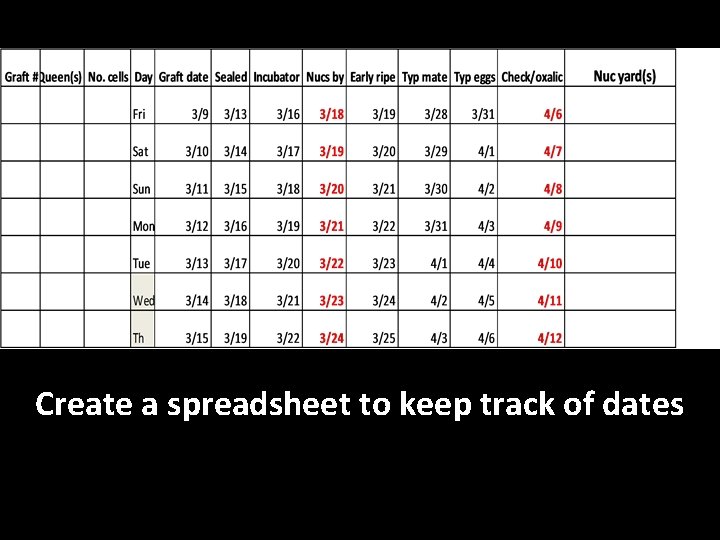
Create a spreadsheet to keep track of dates
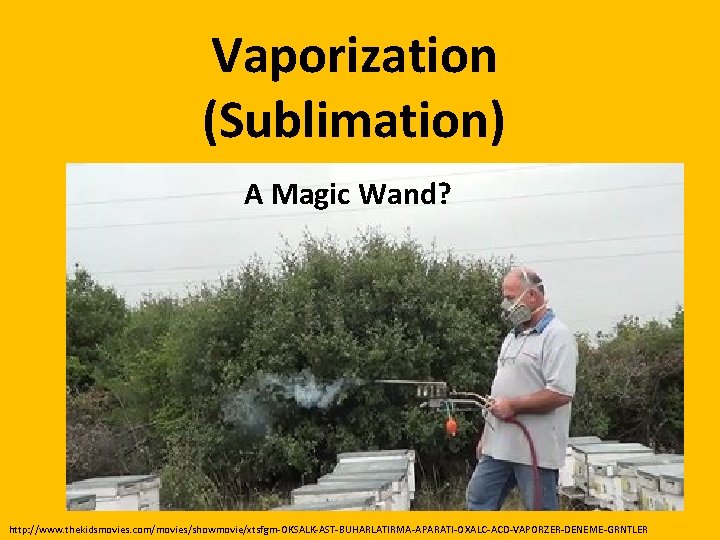
Vaporization (Sublimation) A Magic Wand? http: //www. thekidsmovies. com/movies/showmovie/xtsfgm-OKSALK-AST-BUHARLATIRMA-APARATI-OXALC-ACD-VAPORZER-DENEME-GRNTLER
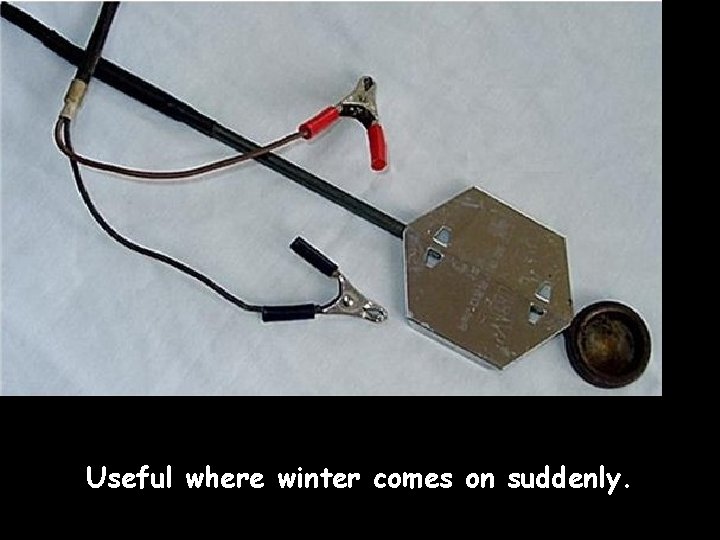
Useful where winter comes on suddenly.
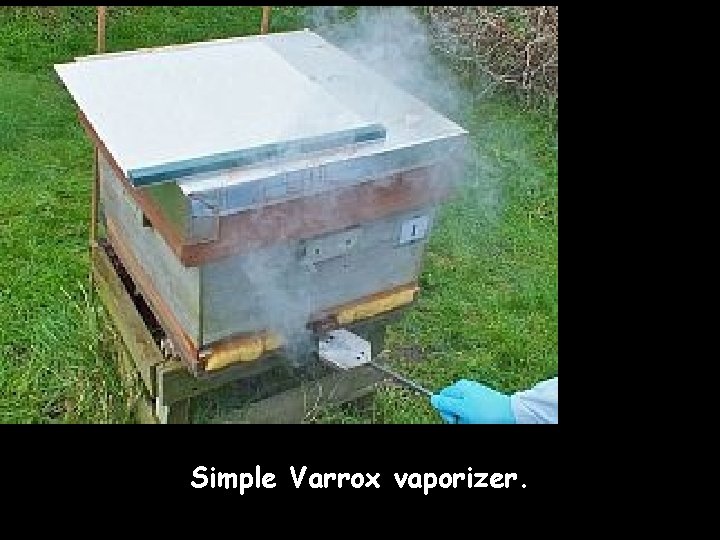
Simple Varrox vaporizer.
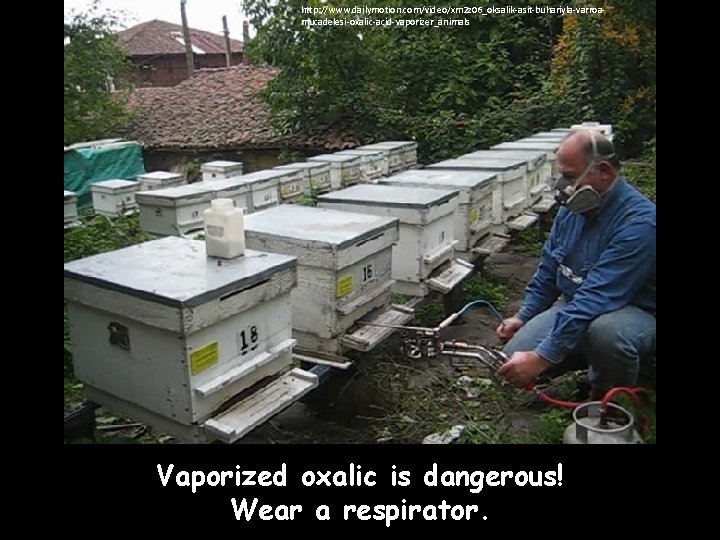
http: //www. dailymotion. com/video/xm 2 z 06_oksalik-asit-buhariyla-varroamucadelesi-oxalic-acid-vaporizer_animals Vaporized oxalic is dangerous! Wear a respirator.
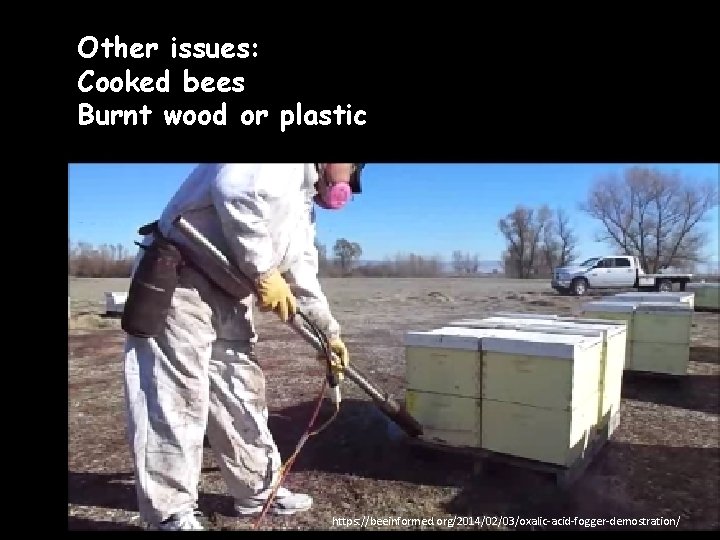
Other issues: Cooked bees Burnt wood or plastic https: //beeinformed. org/2014/02/03/oxalic-acid-fogger-demostration/
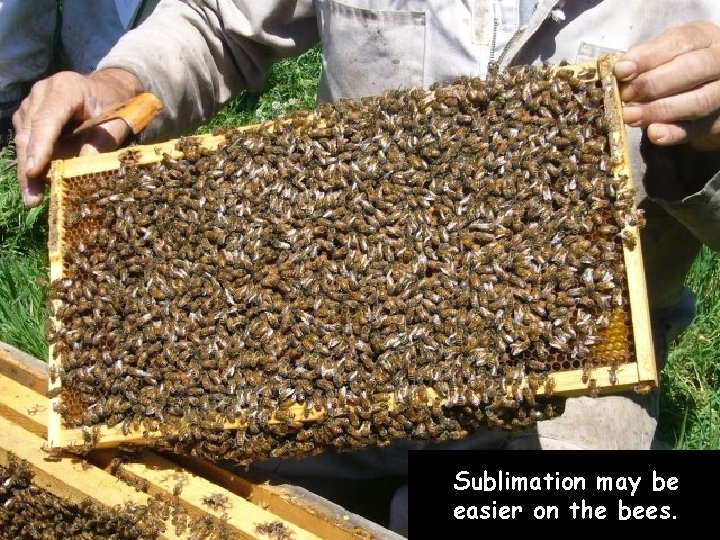
Sublimation may be easier on the bees.
Soon to be published
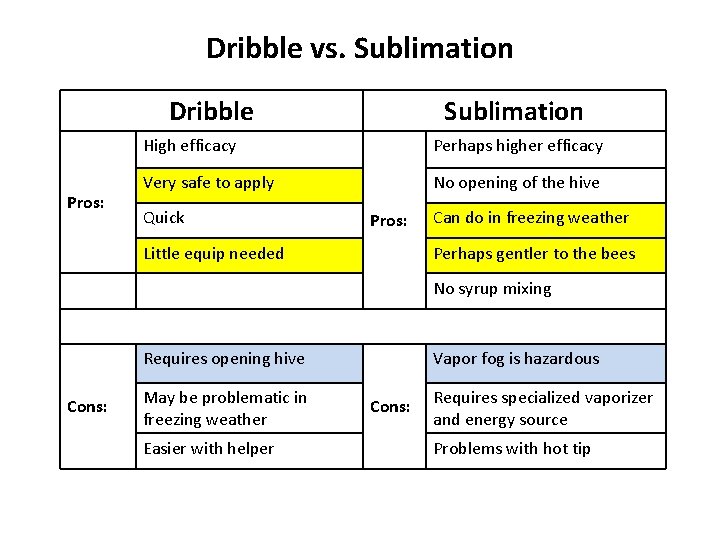
Dribble vs. Sublimation Dribble Pros: Sublimation High efficacy Perhaps higher efficacy Very safe to apply No opening of the hive Quick Pros: Little equip needed Can do in freezing weather Perhaps gentler to the bees No syrup mixing Requires opening hive Cons: May be problematic in freezing weather Easier with helper Vapor fog is hazardous Cons: Requires specialized vaporizer and energy source Problems with hot tip
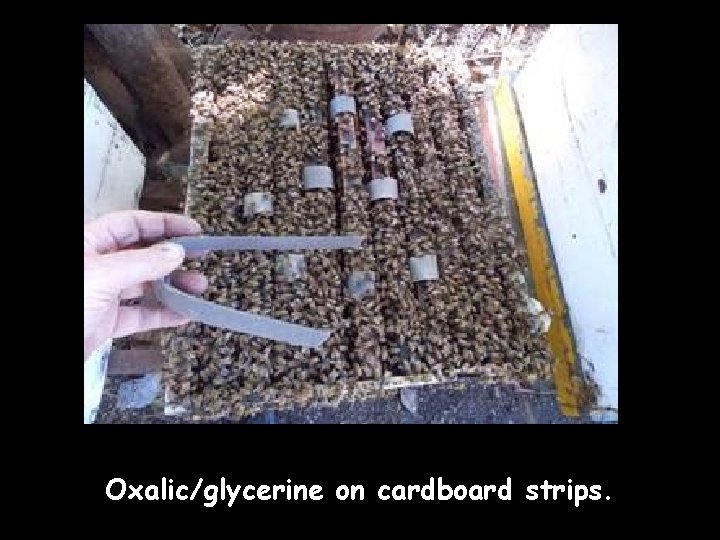
Another application method
Oxalic/glycerine on cardboard strips.
A Critical Closing Thought “The only way to halt the development of resistance to a certain product is by interrupting its use in the control strategy. ” Lodesani (2009) Limits of chemotherapy in beekeeping: development of resistance and the problem of residues.
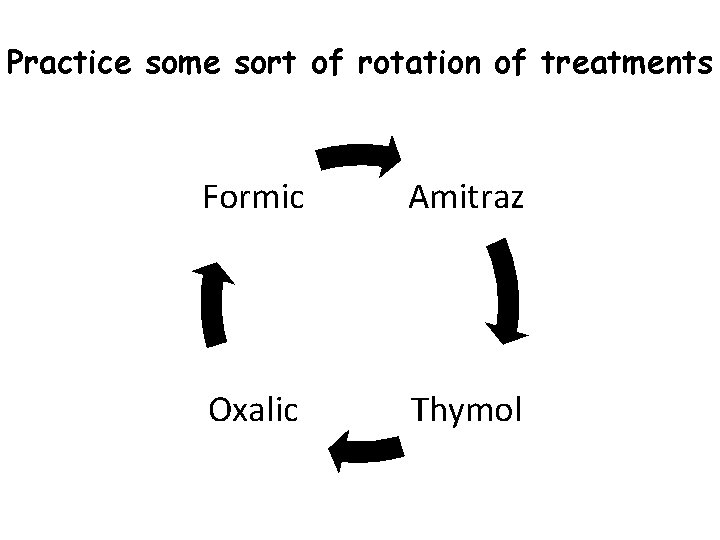
Practice some sort of rotation of treatments Formic Amitraz Oxalic Thymol
Bloom Honey Co Happy beekeeping! Scientific. Beekeeping. com