
Overview Slavery as a peculiar institution rooted in
![Southern Society (1850) 6, 000 “Slavocracy” [plantation owners] The “Plain Folk” [white yeoman farmers]](https://slidetodoc.com/presentation_image/548cb37d2c7f1e8f7f97bee3b60c5062/image-11.jpg "Southern Society (1850) 6, 000 “Slavocracy” [plantation owners] The “Plain Folk” [white yeoman farmers]")

- Slides: 30
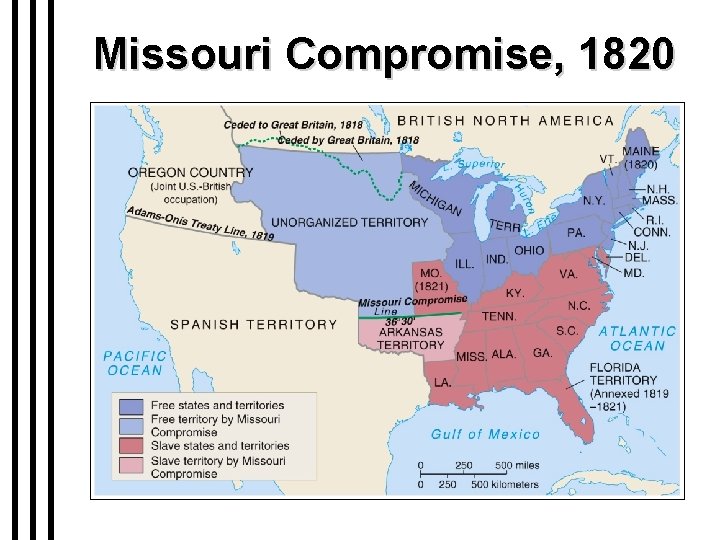
Overview • Slavery as a “peculiar institution” rooted in both racism and economic exploitation • Early Republic banned slavery in Northwest in 1787 • Prohibited further importation of slaves as of 1808 • Missouri Compromise of 1820 • Eli Whitney’s Cotton Gin 1790 meant southern planter class increasingly dependent on slave labor and cotton cultivation moved westward
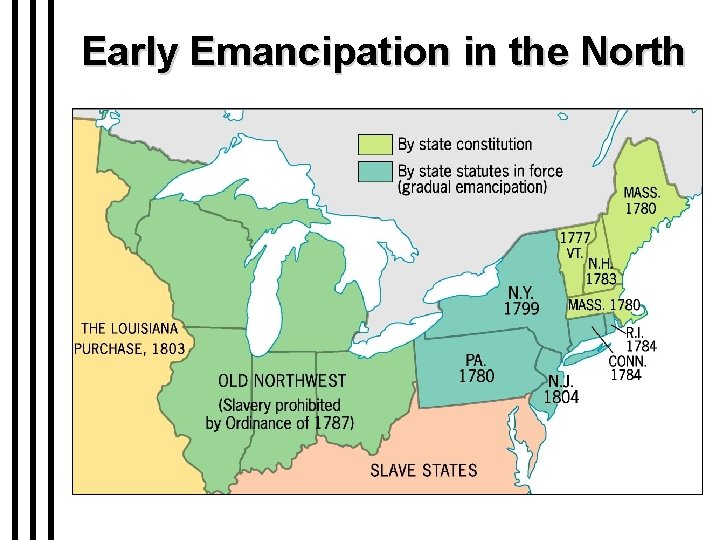
Early Emancipation in the North
Missouri Compromise, 1820
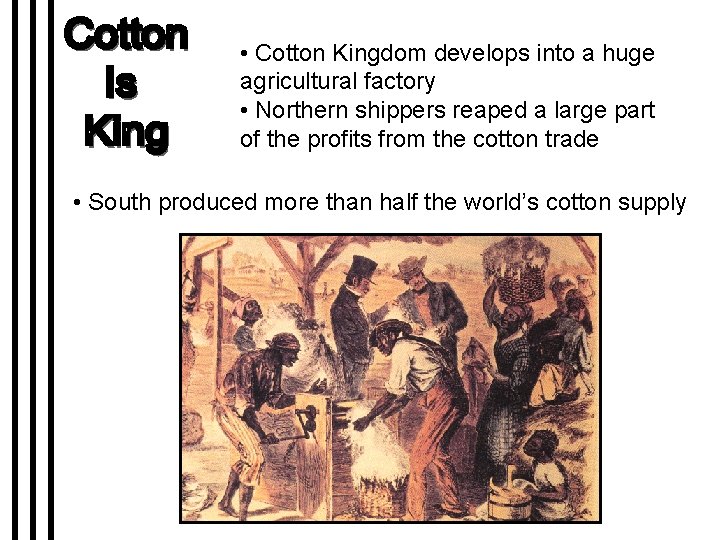
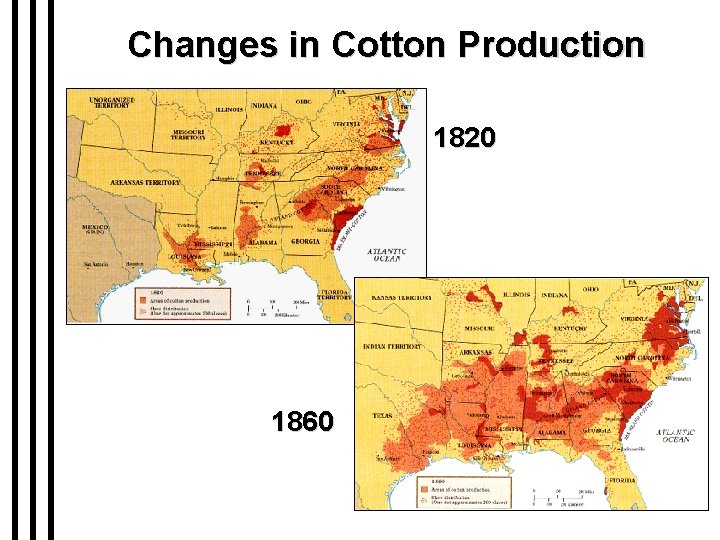
• Cotton Kingdom develops into a huge agricultural factory • Northern shippers reaped a large part of the profits from the cotton trade • South produced more than half the world’s cotton supply
Changes in Cotton Production 1820 1860
Southern Society as an Oligarchy rather than a Democracy • Planter aristocrats had the majority of the wealth –Educated their children in private schools –Widened gap between rich and poor –No reason to favor tax-supported public education
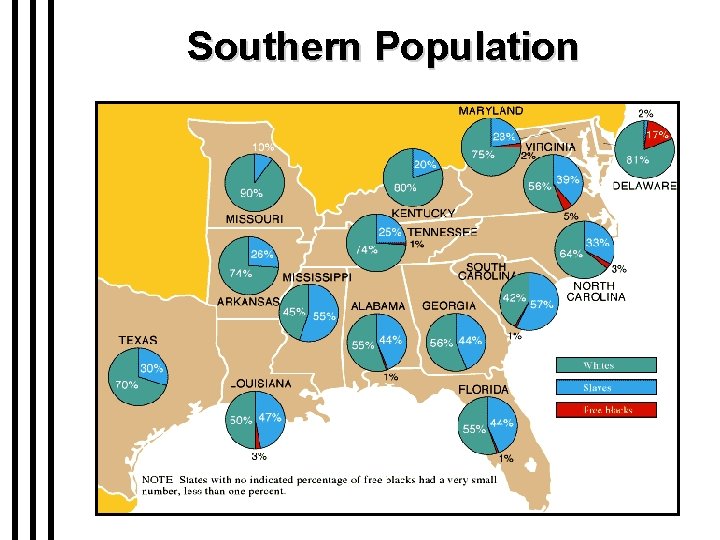
Southern Population
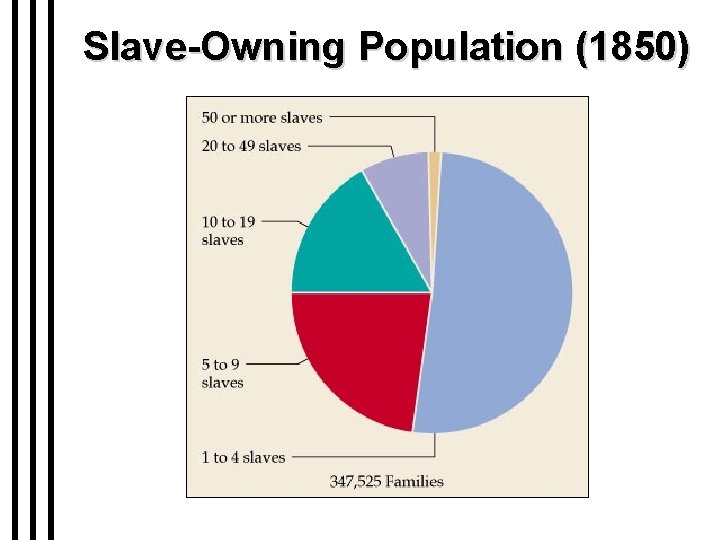
Southern Society (1850) 6, 000 “Slavocracy” [plantation owners] The “Plain Folk” [white yeoman farmers] Black Freemen 250, 000 Black Slaves 3, 200, 000 Total US Population 23, 000 [9, 250, 000 in the South = 40%]
Slave-Owning Population (1850)
All these whites without slaves had no direct stake in preservation of slavery yet they were among the stoutest defenders. Why?
Free blacks • purchased freedom • often illegal to marry within the state of residence • Owned property • Owned other slaves • Couldn’t testify in court • Vulnerable to being kidnapped and sold into slavery • Freed blacks unpopular in North –Compete with immigrant labor
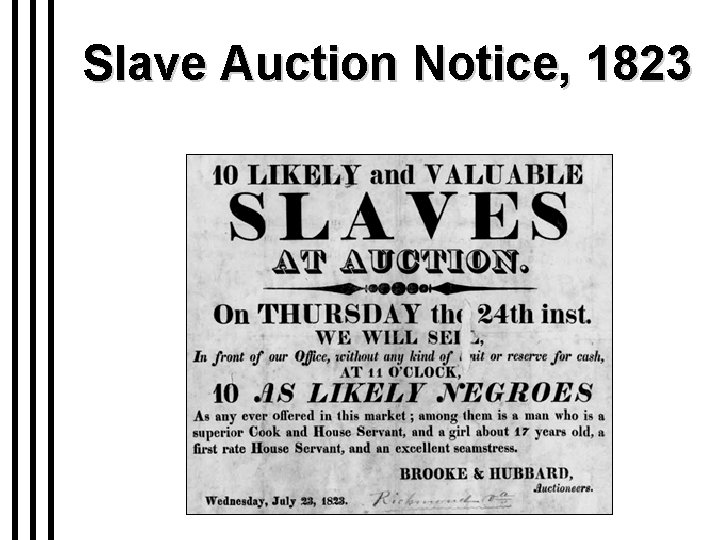
Slave Auction Notice, 1823
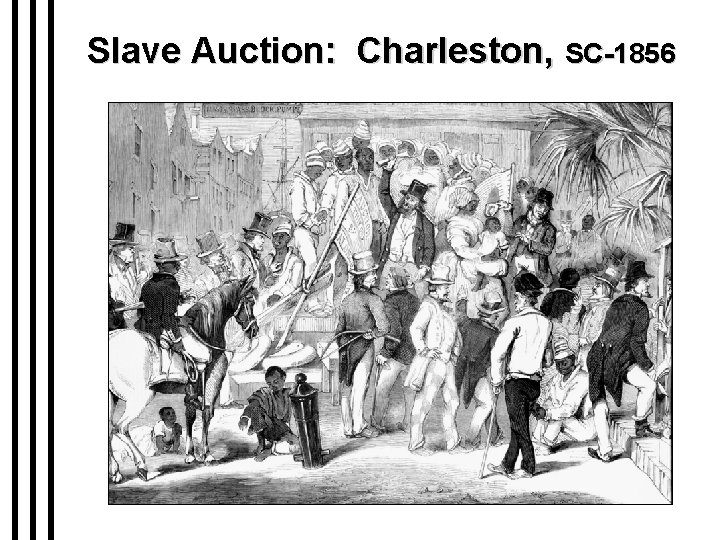
Slave Auction: Charleston, SC-1856
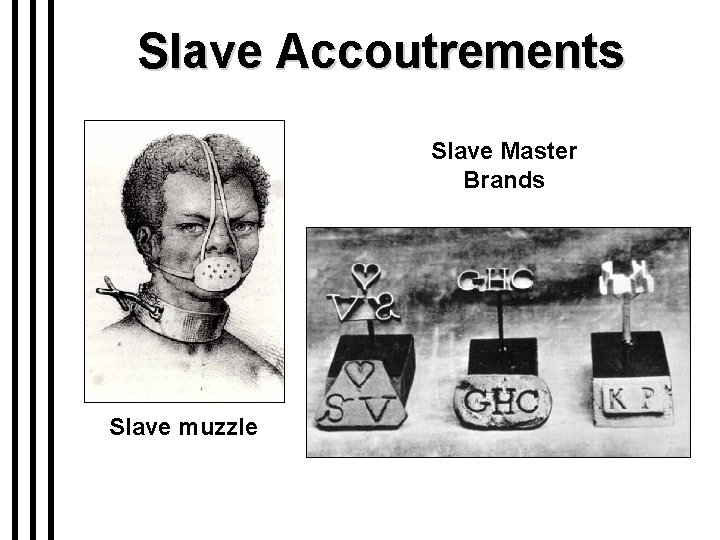
Slave Accoutrements Slave Master Brands Slave muzzle
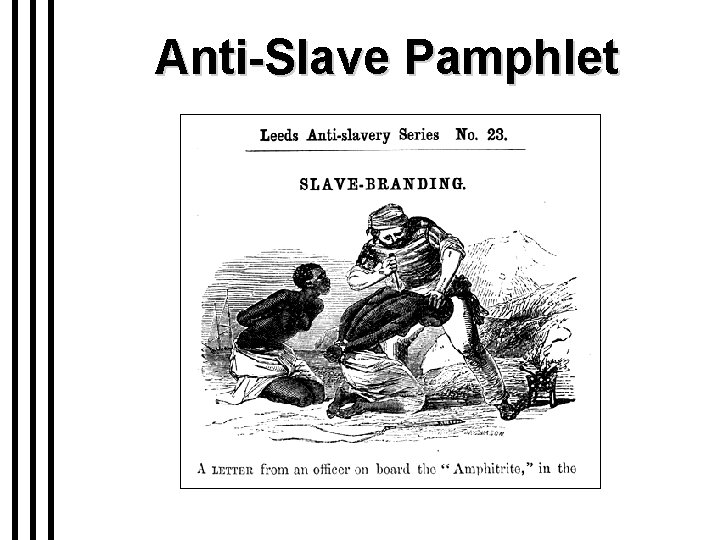
Anti-Slave Pamphlet
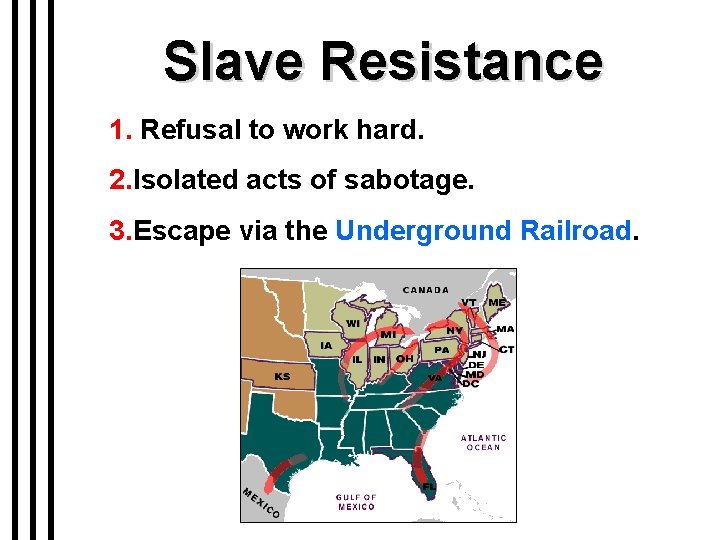
Slave Resistance 1. Refusal to work hard. 2. Isolated acts of sabotage. 3. Escape via the Underground Railroad.
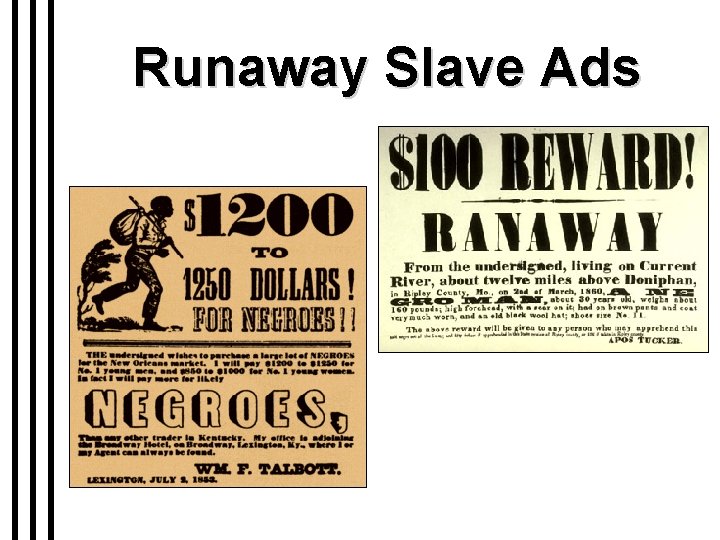
Runaway Slave Ads
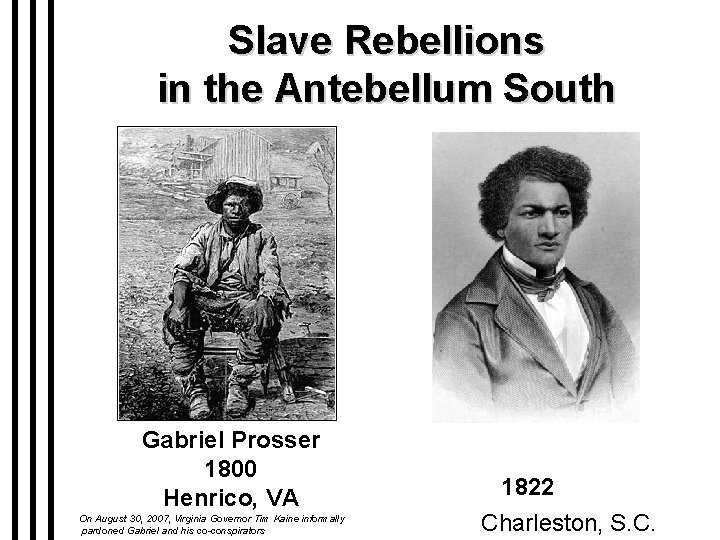
Slave Rebellions in the Antebellum South Gabriel Prosser 1800 Henrico, VA On August 30, 2007, Virginia Governor Tim Kaine informally pardoned Gabriel and his co-conspirators 1822 Charleston, S. C.
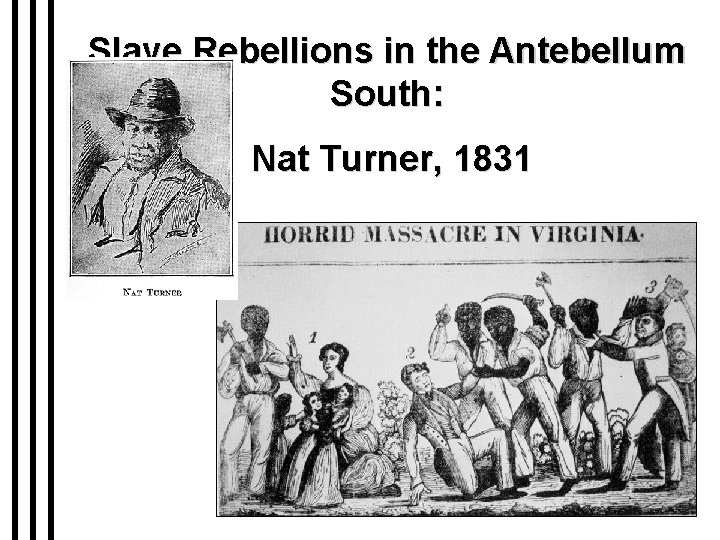
Slave Rebellions in the Antebellum South: Nat Turner, 1831
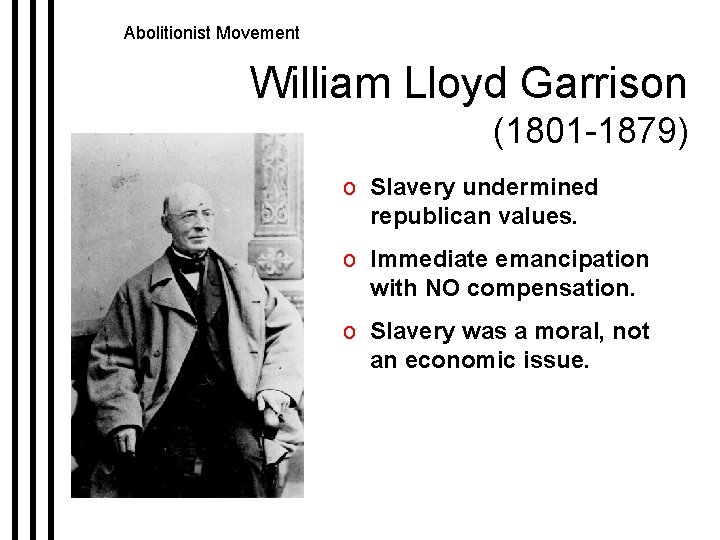
Abolitionist Movement William Lloyd Garrison (1801 -1879) o Slavery undermined republican values. o Immediate emancipation with NO compensation. o Slavery was a moral, not an economic issue. R 2 -4
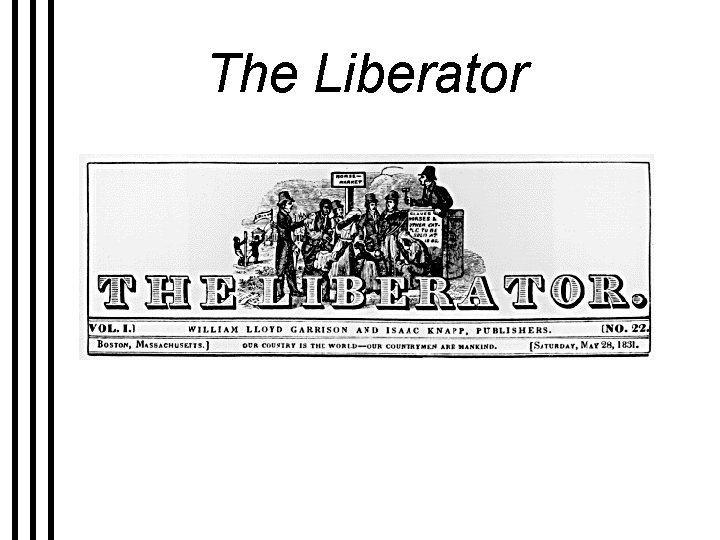
The Liberator Premiere issue � January 1, 1831 R 2 -5
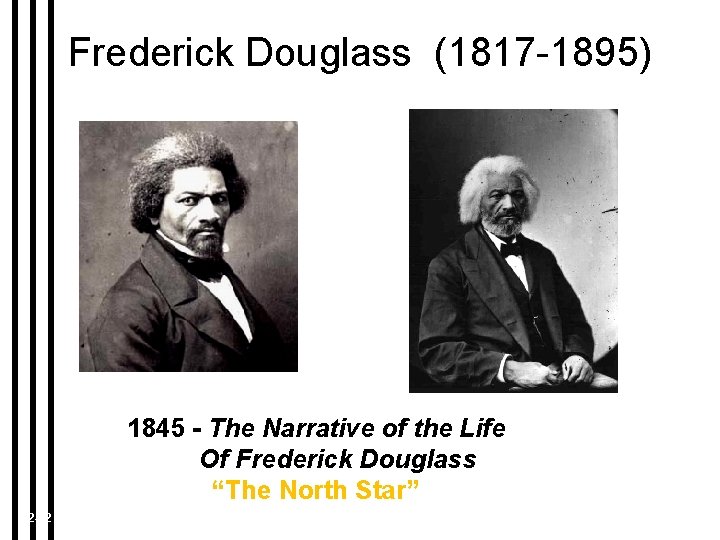
Frederick Douglass (1817 -1895) 1845 - The Narrative of the Life Of Frederick Douglass 1847 �“The North Star” R 2 -12
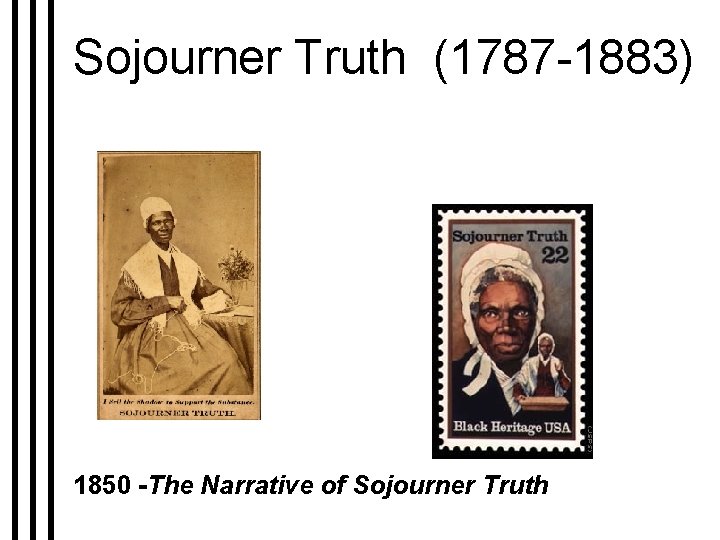
Sojourner Truth (1787 -1883) 1850 -The Narrative of Sojourner Truth R 2 -10
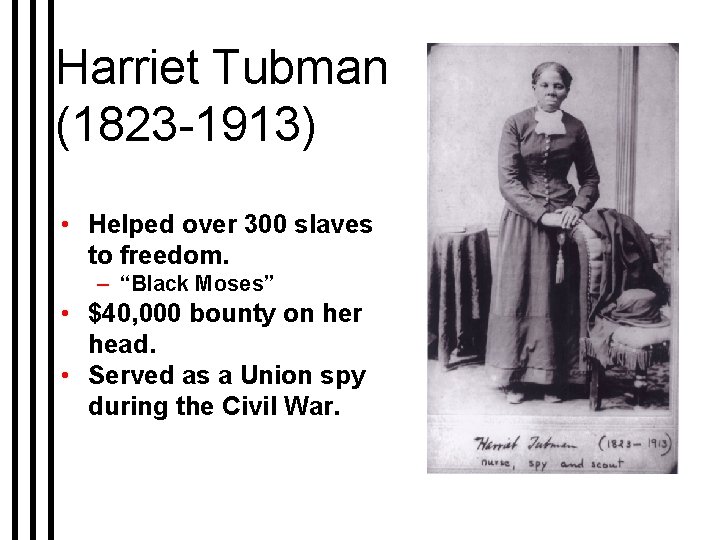
Harriet Tubman (1823 -1913) • Helped over 300 slaves to freedom. – “Black Moses” • $40, 000 bounty on her head. • Served as a Union spy during the Civil War. “Moses”