
OVERVIEW Signals for cell surface receptors hydrophilic membranebound
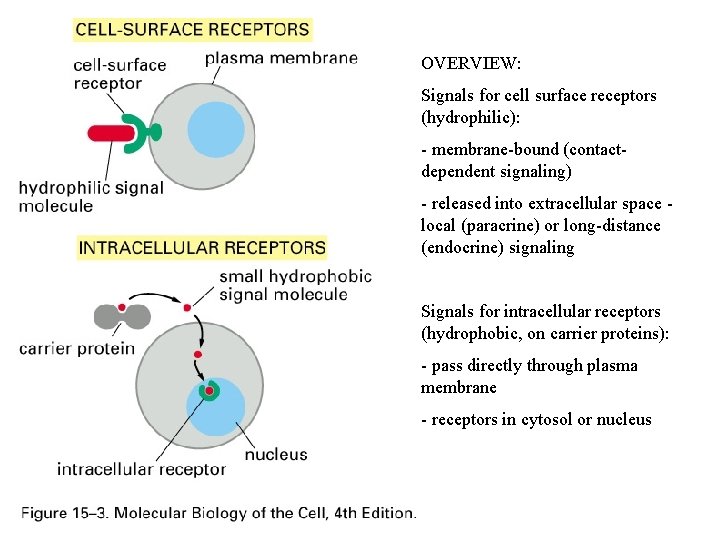
OVERVIEW: Signals for cell surface receptors (hydrophilic): - membrane-bound (contactdependent signaling) - released into extracellular space local (paracrine) or long-distance (endocrine) signaling Signals for intracellular receptors (hydrophobic, on carrier proteins): - pass directly through plasma membrane - receptors in cytosol or nucleus
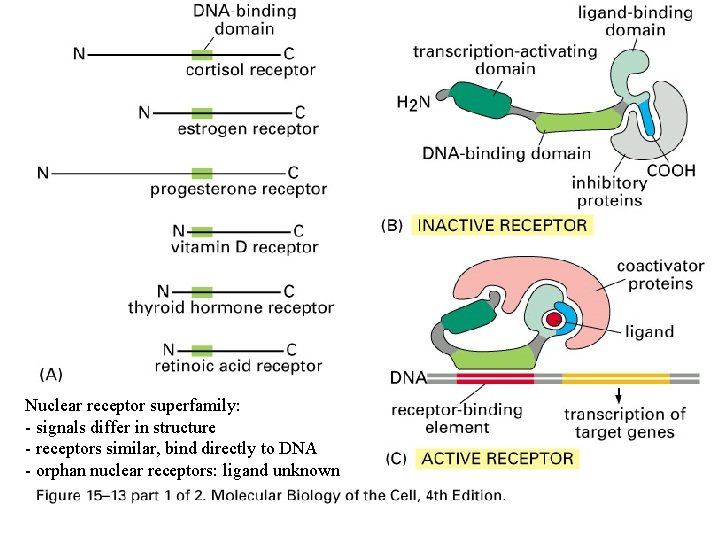
Nuclear receptor superfamily: - signals differ in structure - receptors similar, bind directly to DNA - orphan nuclear receptors: ligand unknown
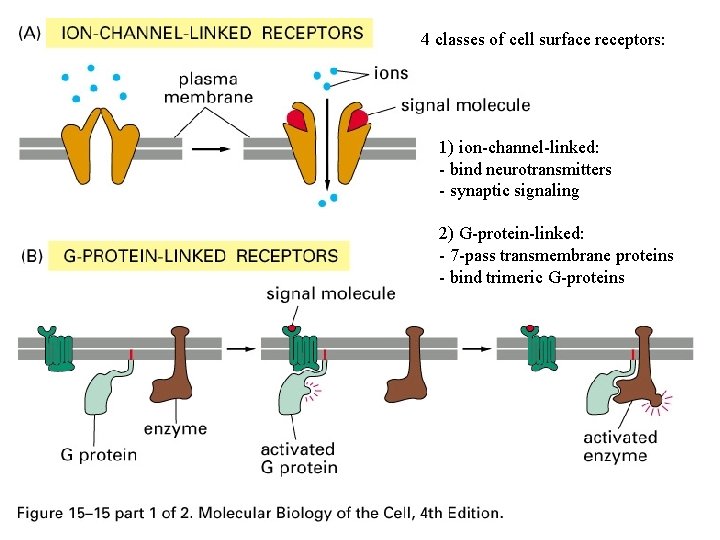
4 classes of cell surface receptors: 1) ion-channel-linked: - bind neurotransmitters - synaptic signaling 2) G-protein-linked: - 7 -pass transmembrane proteins - bind trimeric G-proteins
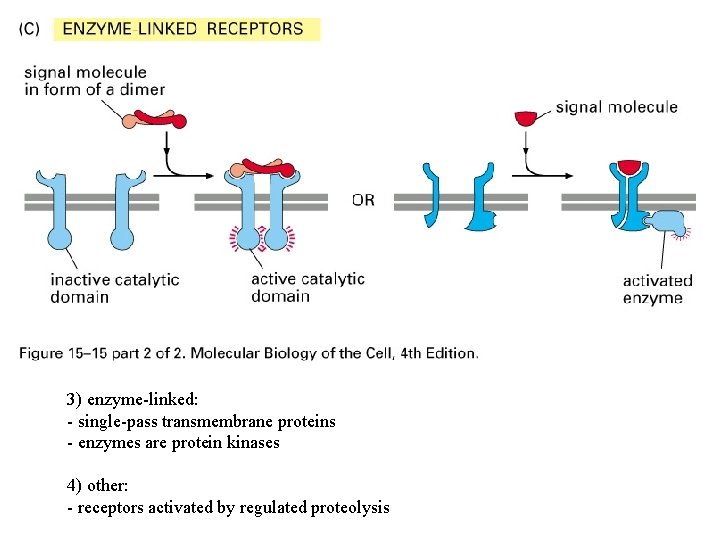
3) enzyme-linked: - single-pass transmembrane proteins - enzymes are protein kinases 4) other: - receptors activated by regulated proteolysis
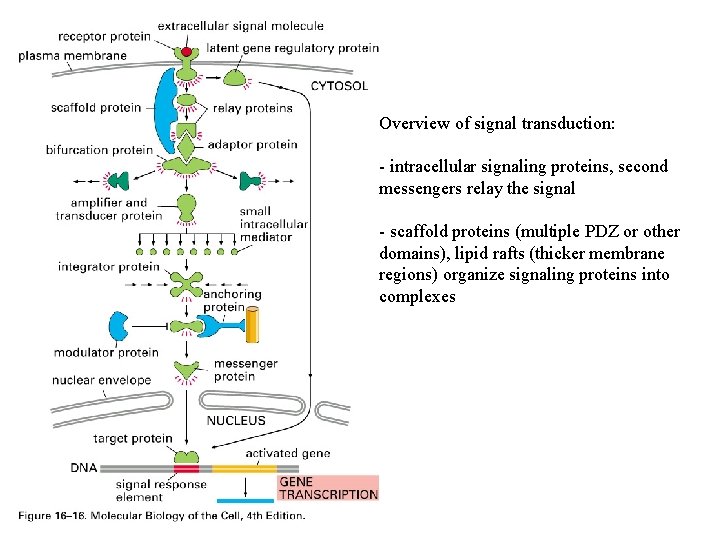
Overview of signal transduction: - intracellular signaling proteins, second messengers relay the signal - scaffold proteins (multiple PDZ or other domains), lipid rafts (thicker membrane regions) organize signaling proteins into complexes
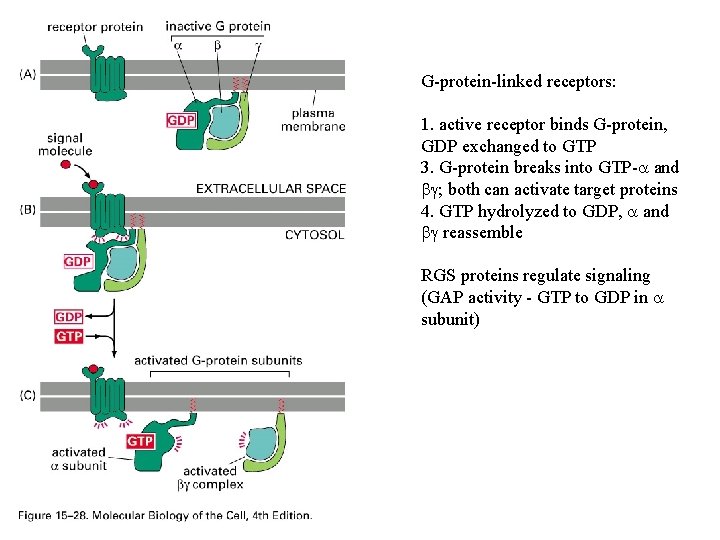
G-protein-linked receptors: 1. active receptor binds G-protein, GDP exchanged to GTP 3. G-protein breaks into GTP-a and bg; both can activate target proteins 4. GTP hydrolyzed to GDP, a and bg reassemble RGS proteins regulate signaling (GAP activity - GTP to GDP in a subunit)
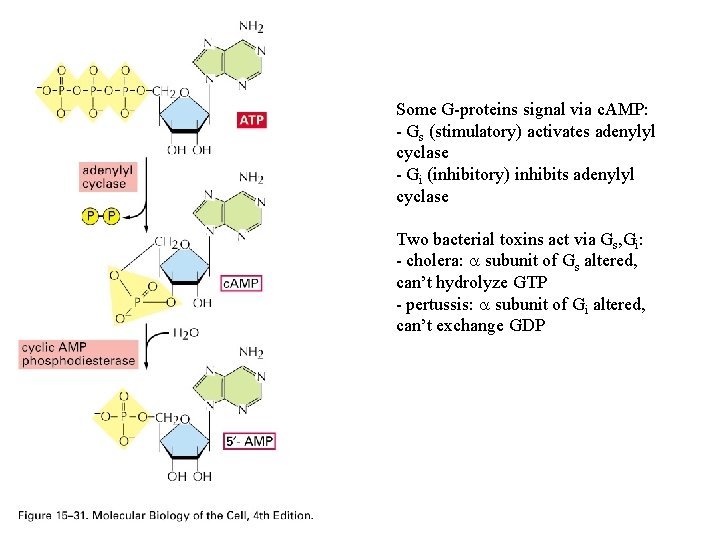
Some G-proteins signal via c. AMP: - Gs (stimulatory) activates adenylyl cyclase - Gi (inhibitory) inhibits adenylyl cyclase Two bacterial toxins act via Gs, Gi: - cholera: a subunit of Gs altered, can’t hydrolyze GTP - pertussis: a subunit of Gi altered, can’t exchange GDP
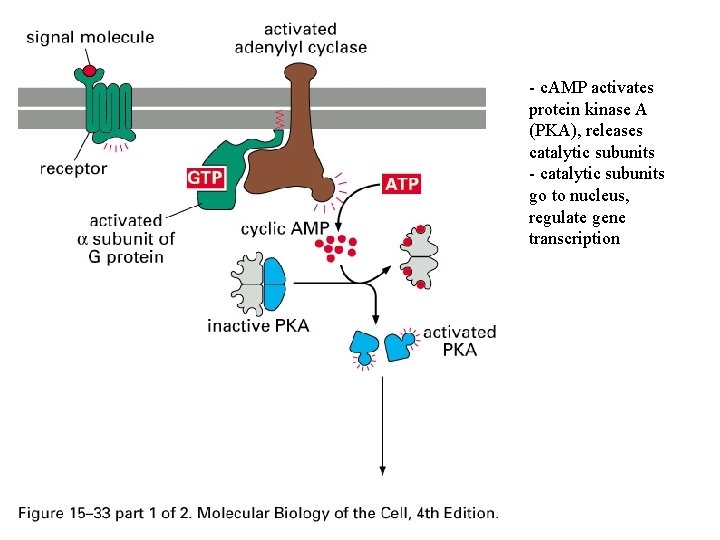
- c. AMP activates protein kinase A (PKA), releases catalytic subunits - catalytic subunits go to nucleus, regulate gene transcription
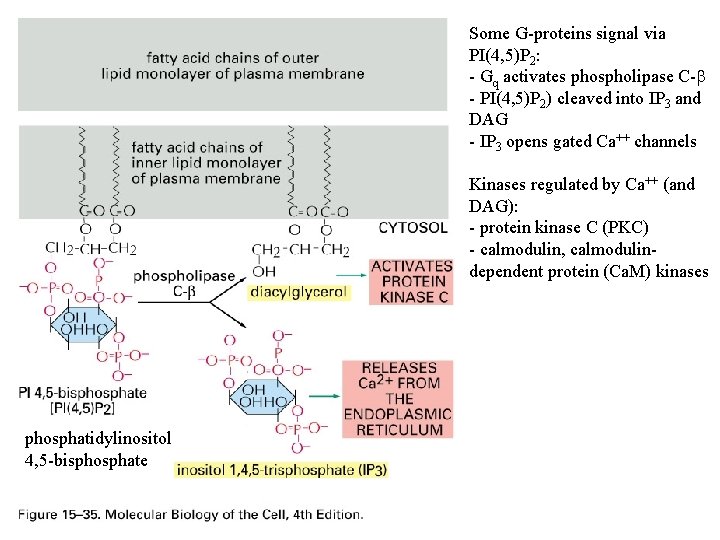
Some G-proteins signal via PI(4, 5)P 2: - Gq activates phospholipase C-b - PI(4, 5)P 2) cleaved into IP 3 and DAG - IP 3 opens gated Ca++ channels Kinases regulated by Ca++ (and DAG): - protein kinase C (PKC) - calmodulin, calmodulindependent protein (Ca. M) kinases phosphatidylinositol 4, 5 -bisphosphate
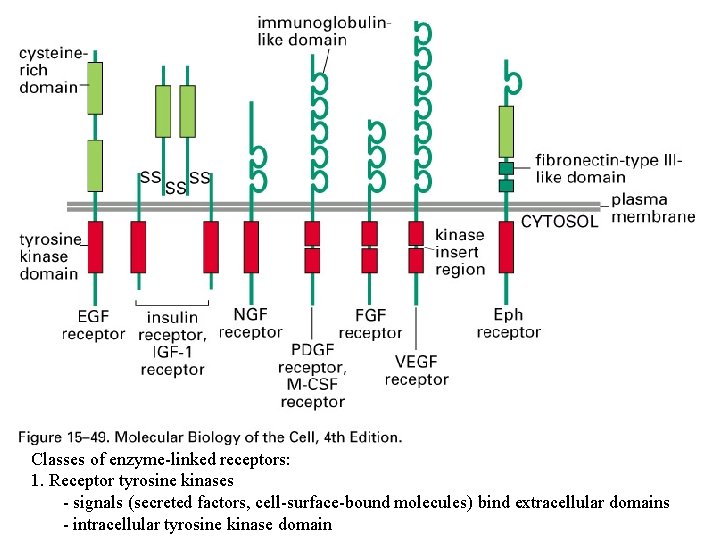
Classes of enzyme-linked receptors: 1. Receptor tyrosine kinases - signals (secreted factors, cell-surface-bound molecules) bind extracellular domains - intracellular tyrosine kinase domain
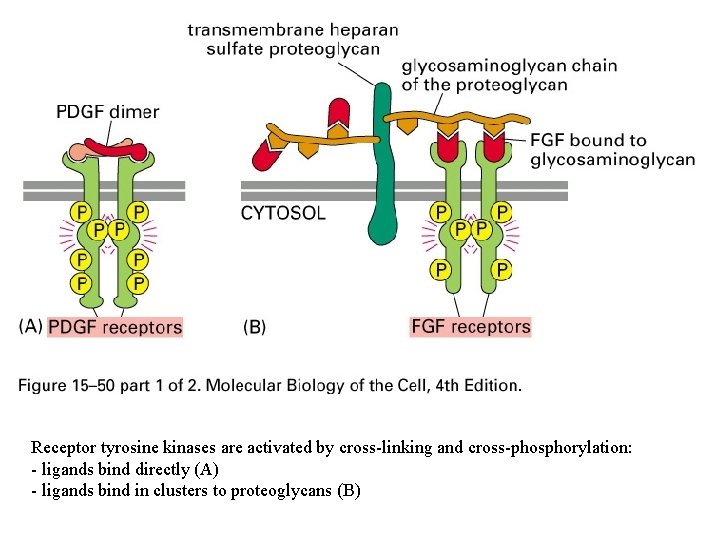
Receptor tyrosine kinases are activated by cross-linking and cross-phosphorylation: - ligands bind directly (A) - ligands bind in clusters to proteoglycans (B)
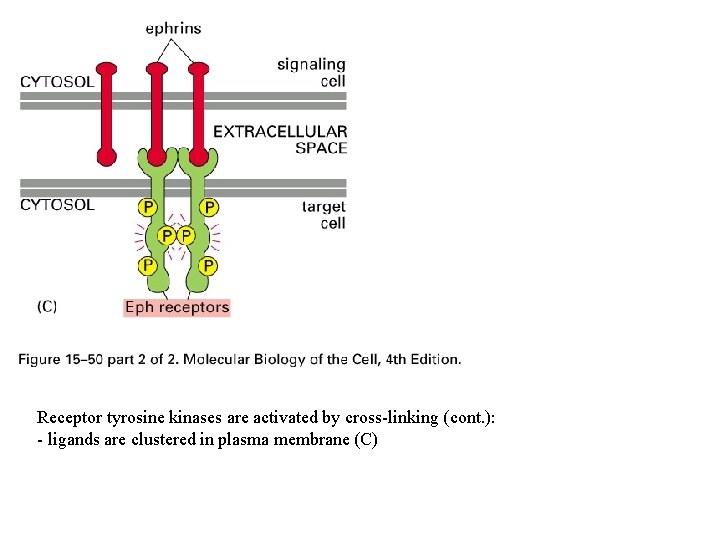
Receptor tyrosine kinases are activated by cross-linking (cont. ): - ligands are clustered in plasma membrane (C)
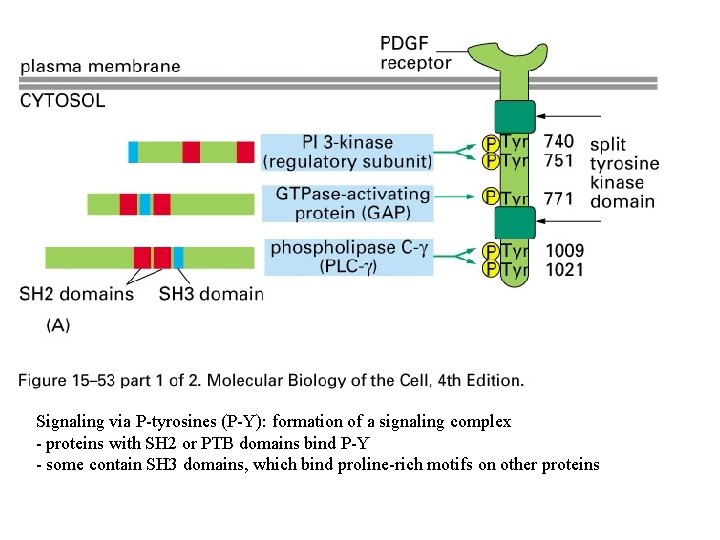
Signaling via P-tyrosines (P-Y): formation of a signaling complex - proteins with SH 2 or PTB domains bind P-Y - some contain SH 3 domains, which bind proline-rich motifs on other proteins
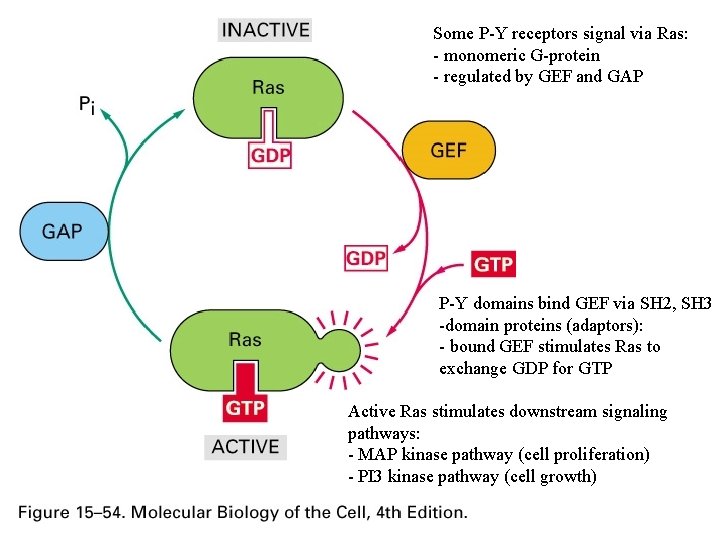
Some P-Y receptors signal via Ras: - monomeric G-protein - regulated by GEF and GAP P-Y domains bind GEF via SH 2, SH 3 -domain proteins (adaptors): - bound GEF stimulates Ras to exchange GDP for GTP Active Ras stimulates downstream signaling pathways: - MAP kinase pathway (cell proliferation) - PI 3 kinase pathway (cell growth)
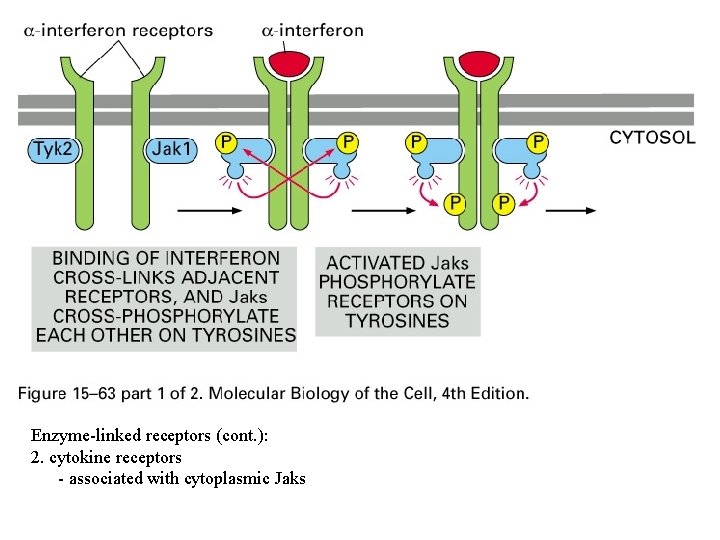
Enzyme-linked receptors (cont. ): 2. cytokine receptors - associated with cytoplasmic Jaks
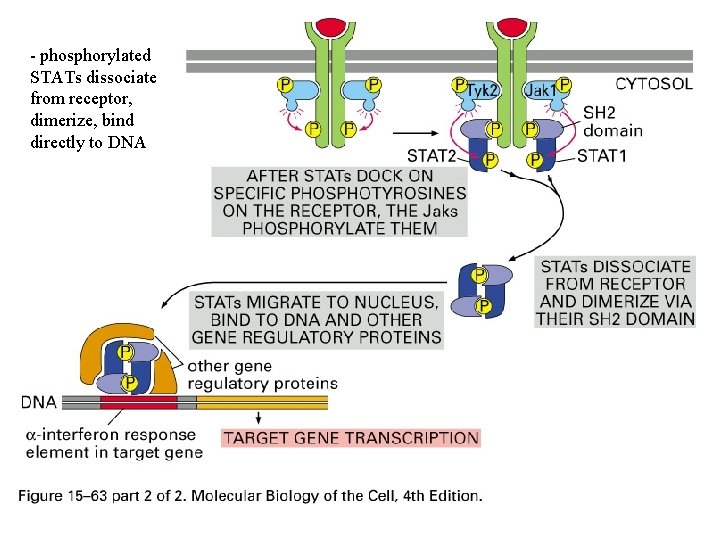
- phosphorylated STATs dissociate from receptor, dimerize, bind directly to DNA
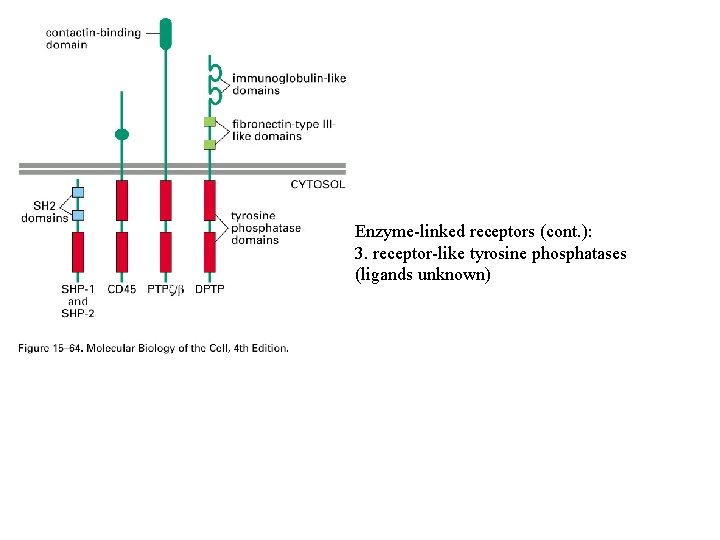
Enzyme-linked receptors (cont. ): 3. receptor-like tyrosine phosphatases (ligands unknown)
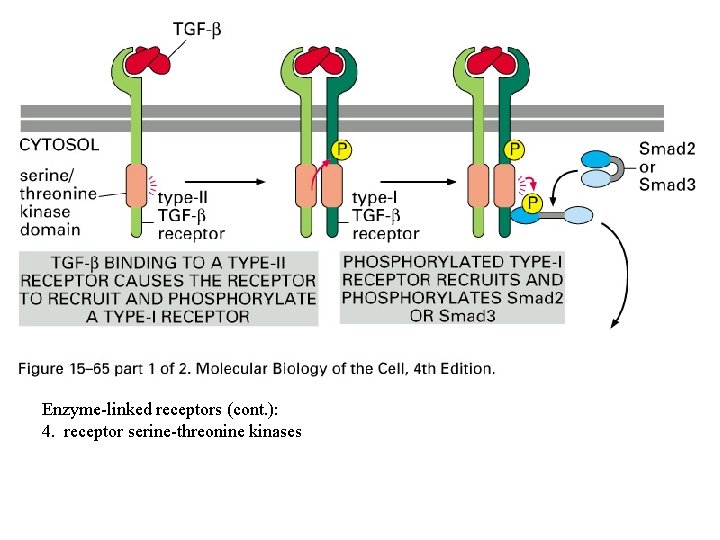
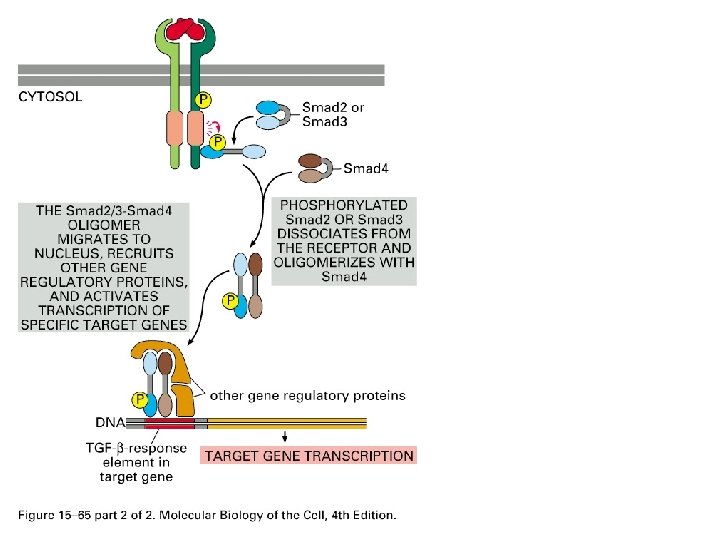
Enzyme-linked receptors (cont. ): 4. receptor serine-threonine kinases
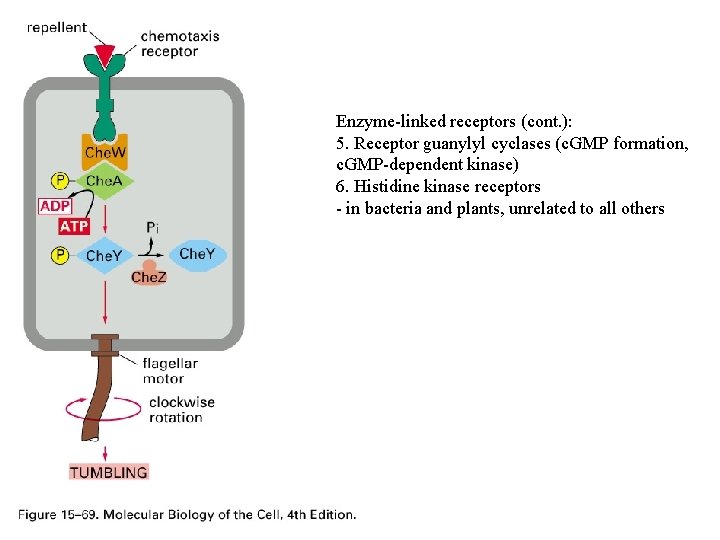
Enzyme-linked receptors (cont. ): 5. Receptor guanylyl cyclases (c. GMP formation, c. GMP-dependent kinase) 6. Histidine kinase receptors - in bacteria and plants, unrelated to all others
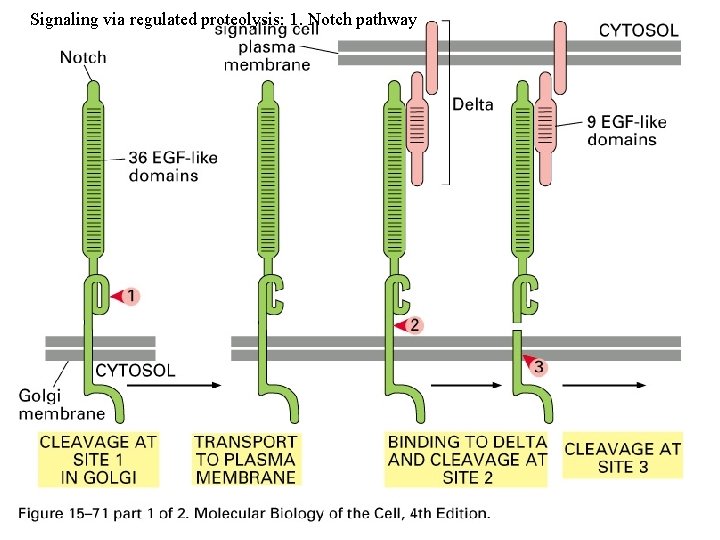
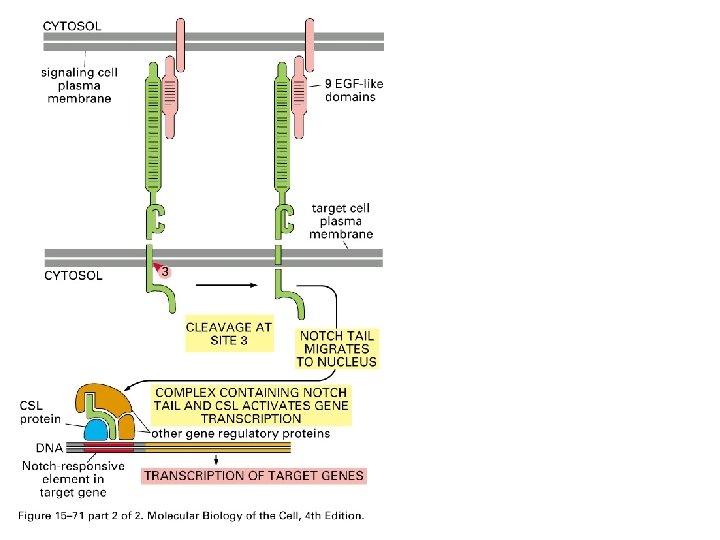
Signaling via regulated proteolysis: 1. Notch pathway
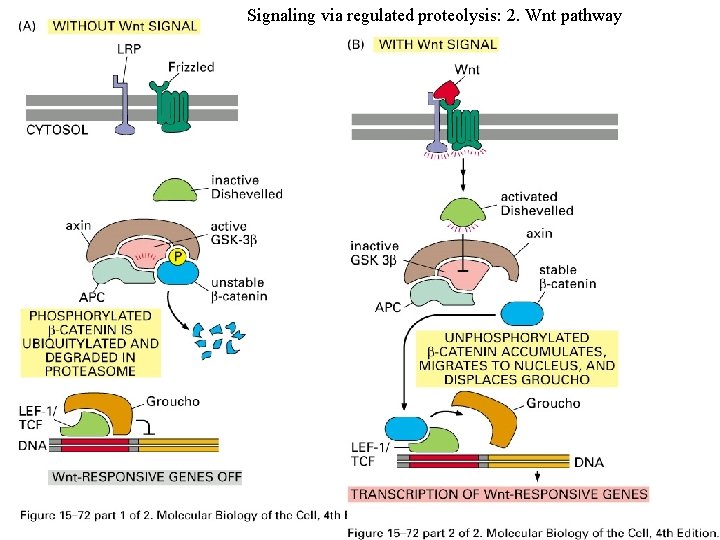
Signaling via regulated proteolysis: 2. Wnt pathway
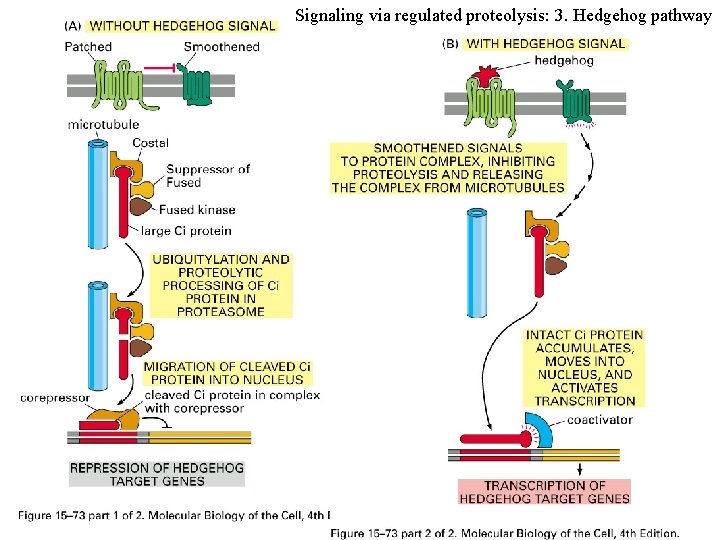
Signaling via regulated proteolysis: 3. Hedgehog pathway
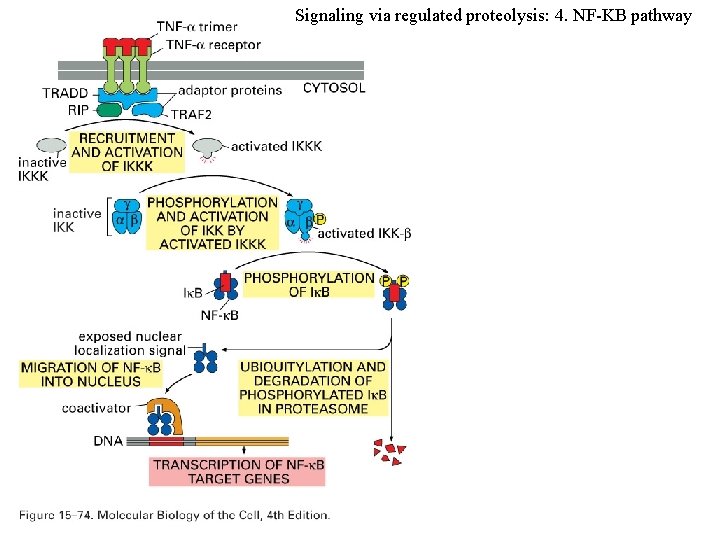
Signaling via regulated proteolysis: 4. NF-KB pathway
- Slides: 25