
OVERVIEW OF THE HUMAN BODY Year 10 Human
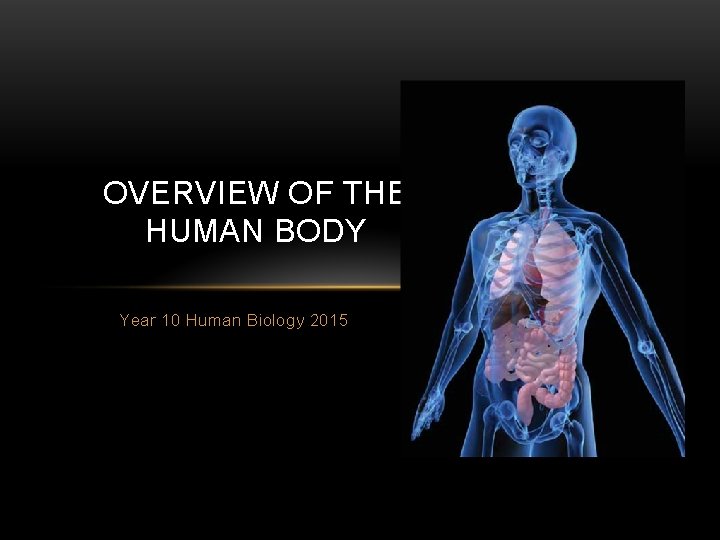
OVERVIEW OF THE HUMAN BODY Year 10 Human Biology 2015
COURSE CONTENT • Levels of Organisation • Link systems to essential processes • Internal body organisation • Cells as the basic structure • Link cellular structures with essential processes
FROM THE CELL TO THE BODY • Each human develops from just one cell – the ZYGOTE. • That cell divides repeatedly (mitosis) and by a process called DIFFERENTIATION the new cells become specialised for particular functions. • There around 200 different types of cells in the human body.
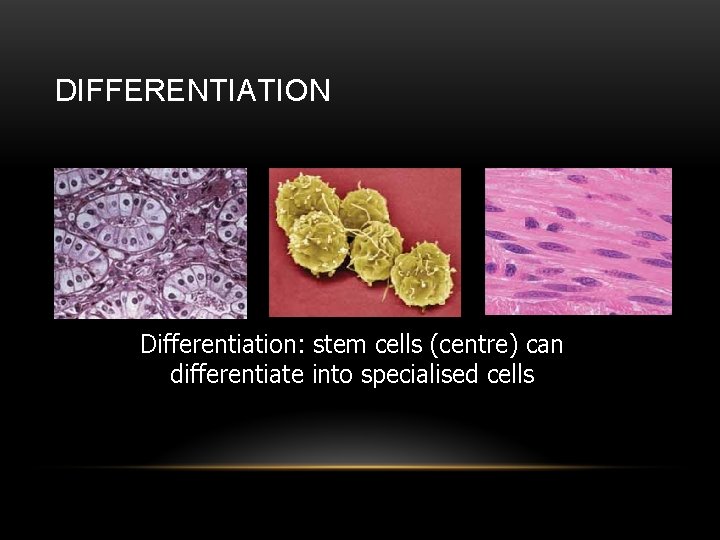
DIFFERENTIATION Differentiation: stem cells (centre) can differentiate into specialised cells
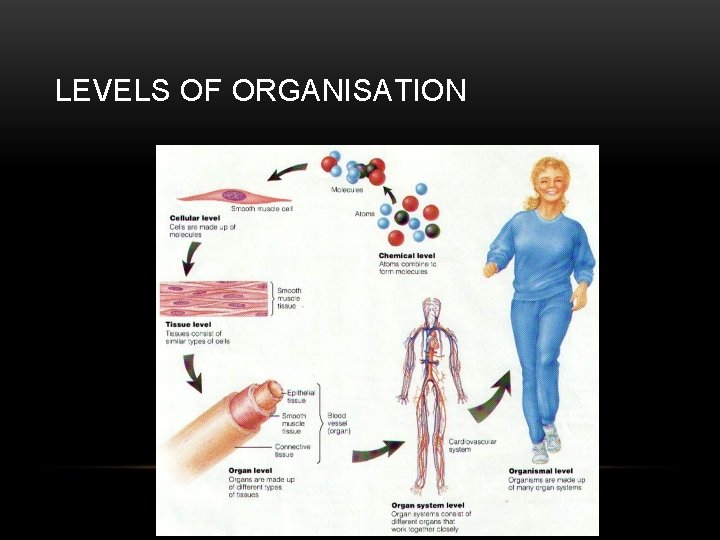
LEVELS OF ORGANISATION - CELLS • Cells are the basic structure of all body systems • Cells are specialised to carry out different functions • Cells with similar specialisations that carry out a common function are grouped together to form tissues
LEVELS OF ORGANISATION – TISSUES, ORGANS AND SYSTEMS • Tissues are the second structural level • Different types of tissue work together as organs • An organ is normally made up of two or more tissues • A group of organs that work together is called a system • All body systems are integrated to form the organism
LEVELS OF ORGANISATION
STRUCTURAL ORGANISATION OF THE BODY • Organism • System eg/ Digestive • Organ eg/ Small Intestines • Tissue eg/ Bones • Cell eg/ Muscle cell • Organelle eg/ Mitochondria • Molecule eg/ Water (H 2 O) • Atom eg/ Carbon
BODY SYSTEMS How many body systems can you name?
INTERNAL BODY ORGANISATION: BODY SYSTEMS • Digestive system • Muscular system • Respiratory system • Skeletal system • Integumentary system • Lymphatic system • Circulatory system • Reproductive system (male and female) • Urinary system • Nervous system • Endocrine system
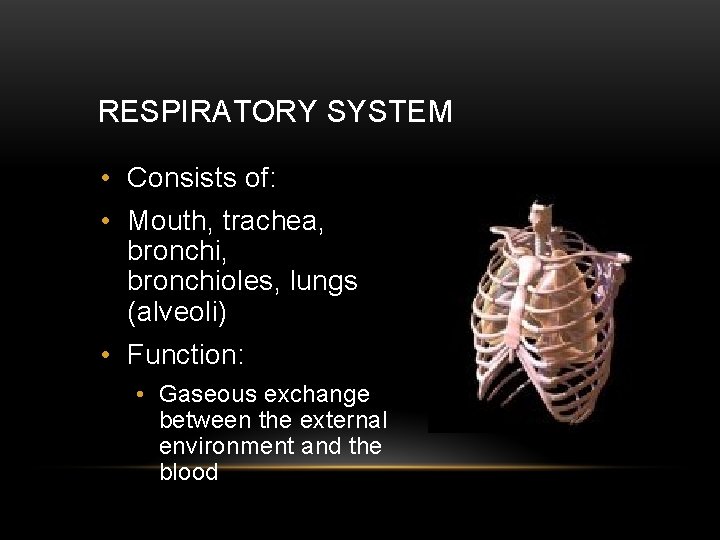
RESPIRATORY SYSTEM • Consists of: • Mouth, trachea, bronchioles, lungs (alveoli) • Function: • Gaseous exchange between the external environment and the blood
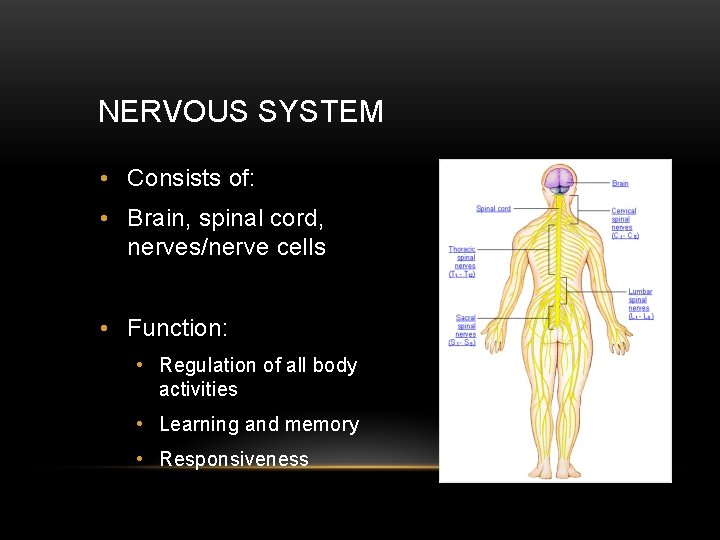
NERVOUS SYSTEM • Consists of: • Brain, spinal cord, nerves/nerve cells • Function: • Regulation of all body activities • Learning and memory • Responsiveness
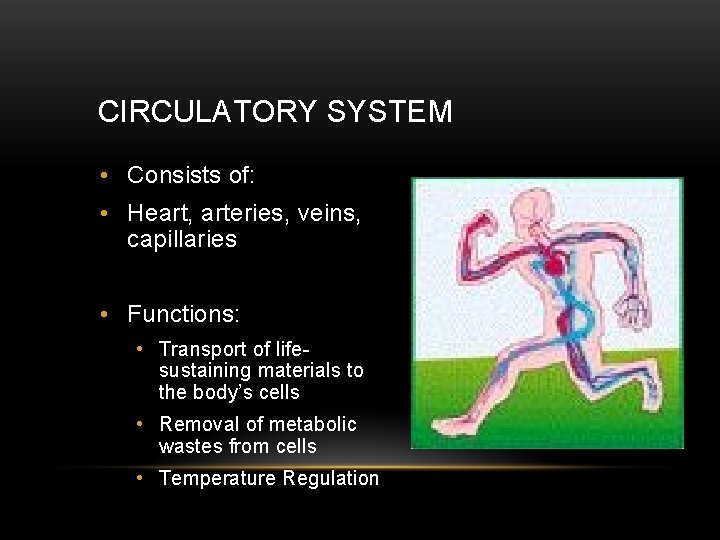
CIRCULATORY SYSTEM • Consists of: • Heart, arteries, veins, capillaries • Functions: • Transport of lifesustaining materials to the body’s cells • Removal of metabolic wastes from cells • Temperature Regulation
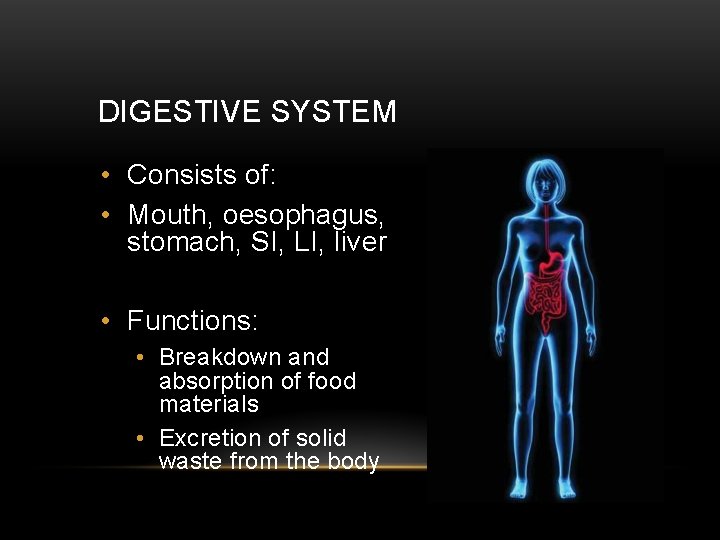
DIGESTIVE SYSTEM • Consists of: • Mouth, oesophagus, stomach, SI, LI, liver • Functions: • Breakdown and absorption of food materials • Excretion of solid waste from the body
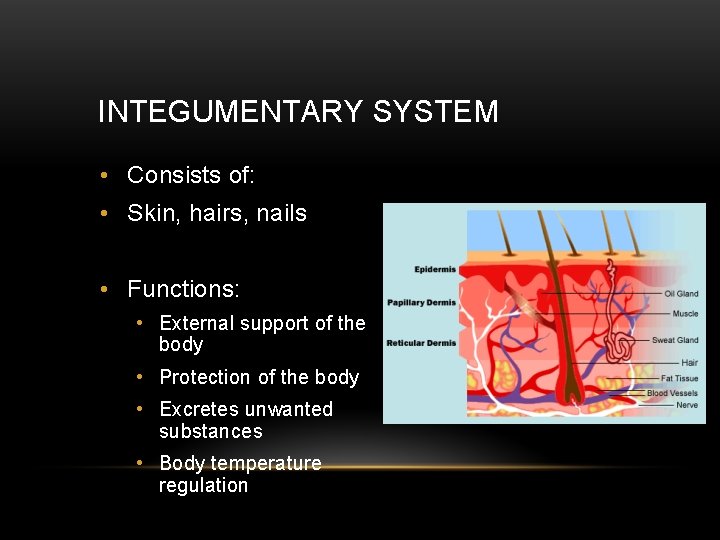
INTEGUMENTARY SYSTEM • Consists of: • Skin, hairs, nails • Functions: • External support of the body • Protection of the body • Excretes unwanted substances • Body temperature regulation
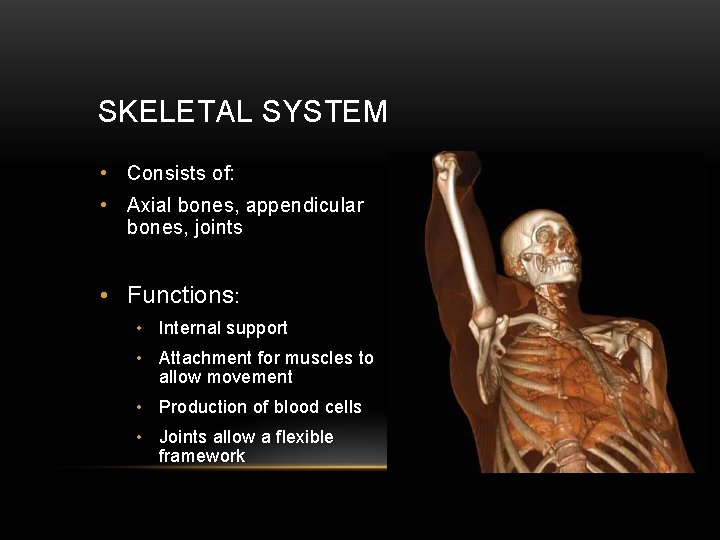
SKELETAL SYSTEM • Consists of: • Axial bones, appendicular bones, joints • Functions: • Internal support • Attachment for muscles to allow movement • Production of blood cells • Joints allow a flexible framework
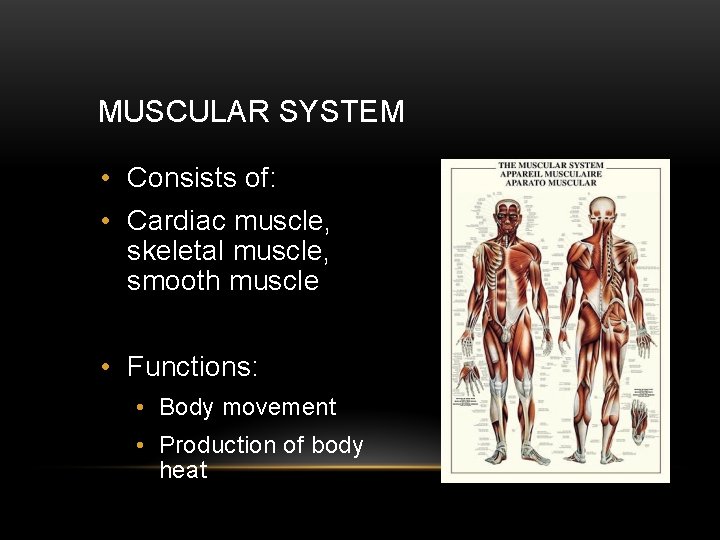
MUSCULAR SYSTEM • Consists of: • Cardiac muscle, skeletal muscle, smooth muscle • Functions: • Body movement • Production of body heat
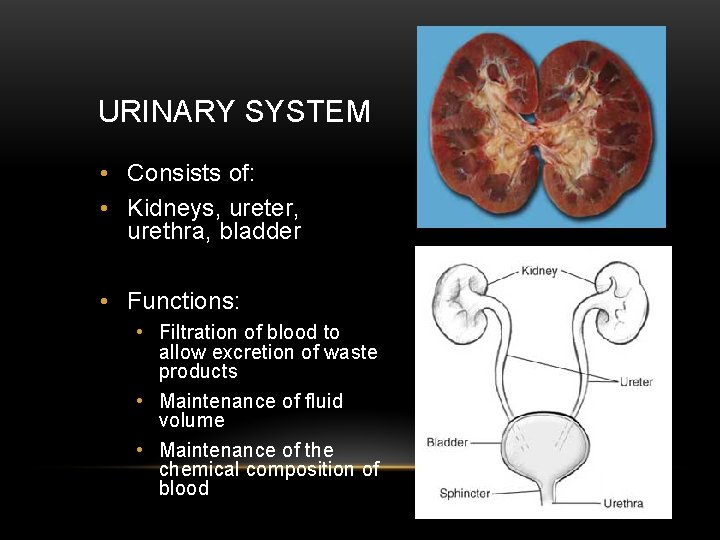
URINARY SYSTEM • Consists of: • Kidneys, ureter, urethra, bladder • Functions: • Filtration of blood to allow excretion of waste products • Maintenance of fluid volume • Maintenance of the chemical composition of blood
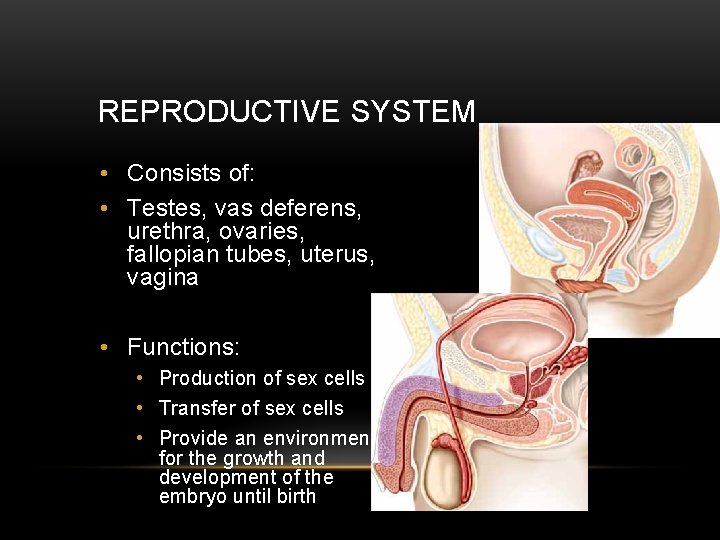
REPRODUCTIVE SYSTEM • Consists of: • Testes, vas deferens, urethra, ovaries, fallopian tubes, uterus, vagina • Functions: • Production of sex cells • Transfer of sex cells • Provide an environment for the growth and development of the embryo until birth
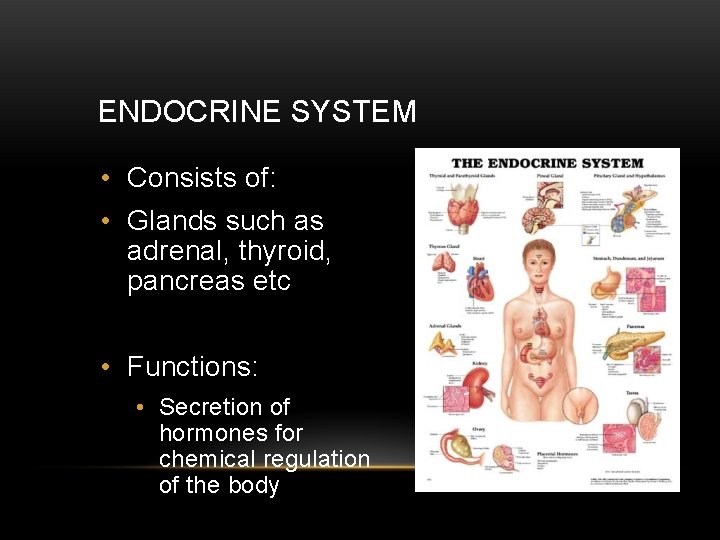
ENDOCRINE SYSTEM • Consists of: • Glands such as adrenal, thyroid, pancreas etc • Functions: • Secretion of hormones for chemical regulation of the body
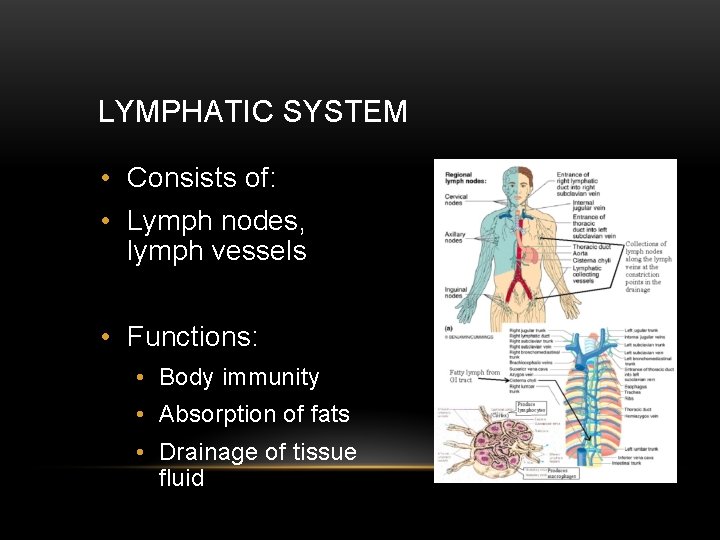
LYMPHATIC SYSTEM • Consists of: • Lymph nodes, lymph vessels • Functions: • Body immunity • Absorption of fats • Drainage of tissue fluid
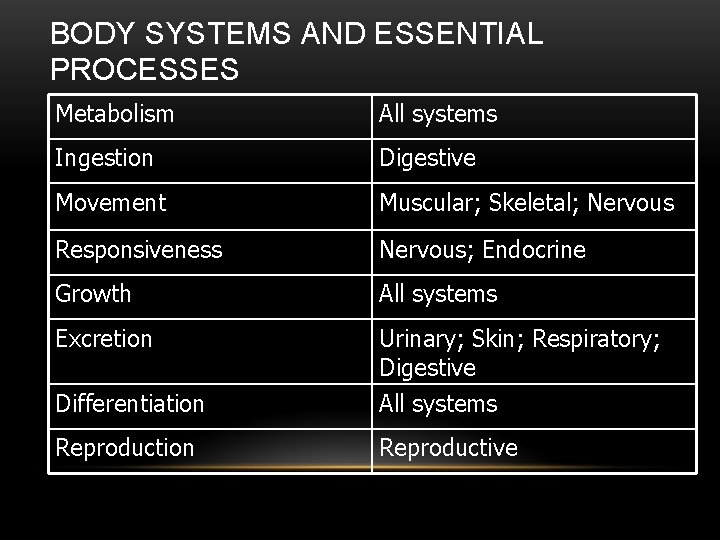
BODY SYSTEMS AND ESSENTIAL PROCESSES Metabolism All systems Ingestion Digestive Movement Muscular; Skeletal; Nervous Responsiveness Nervous; Endocrine Growth All systems Excretion Differentiation Urinary; Skin; Respiratory; Digestive All systems Reproduction Reproductive
WORK TO BE COMPLETED • Complete Body systems sheet • Link the Body systems to the Essential processes • Answer the Section one review questions.
CELLS Year 10 Human Biology 2015
CELLS • Different cells are specialised for different tasks • Shape and structure of a cell varies according to the task they perform • Certain structures are common to most cells
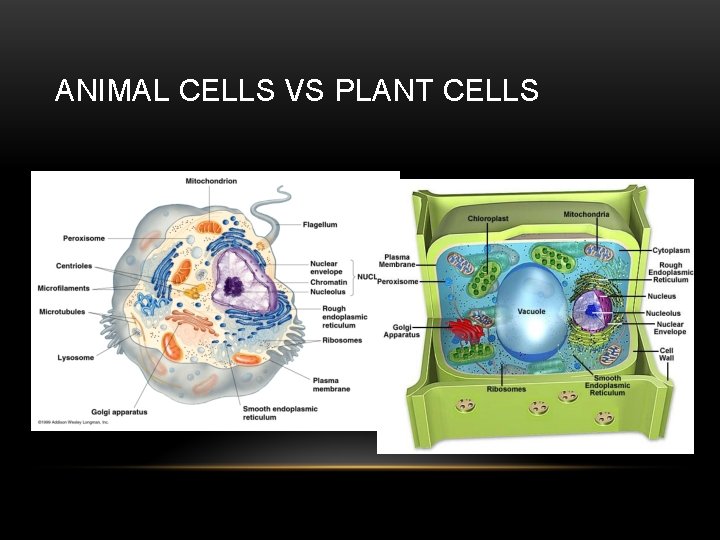
ANIMAL CELLS VS PLANT CELLS
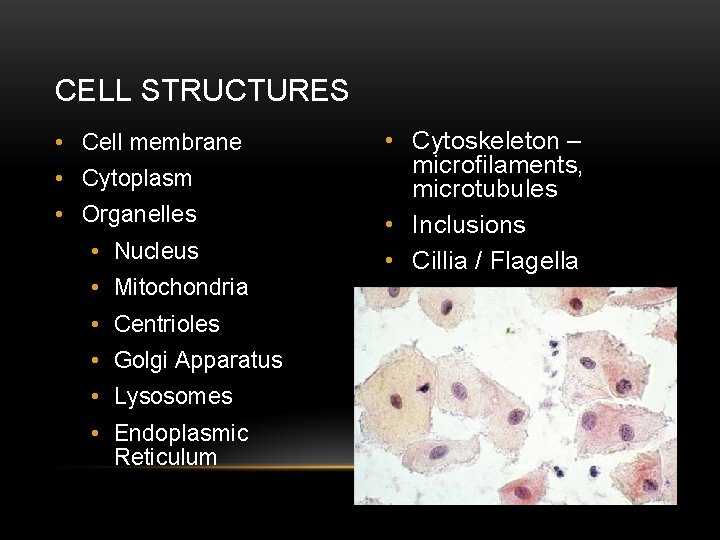
CELL STRUCTURES • Cell membrane • Cytoplasm • Organelles • Nucleus • Mitochondria • Centrioles • Golgi Apparatus • Lysosomes • Endoplasmic Reticulum • Cytoskeleton – microfilaments, microtubules • Inclusions • Cillia / Flagella
CELL MEMBRANE • Surrounds and forms the outer boundary of the cell • Very thin • Allows certain substances to enter and leave the cell
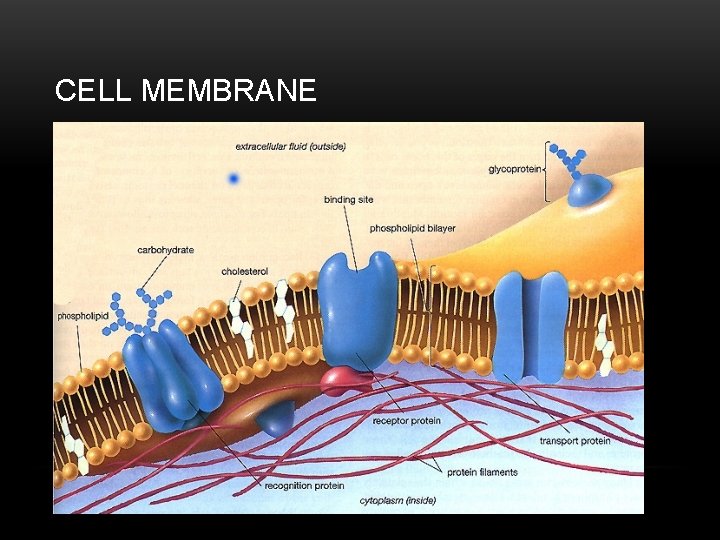
CELL MEMBRANE
CYTOPLASM • Thick fluid between the cell membrane and the nucleus of the cell • 75% to 90% water • All the cell’s contents are suspended in the cytoplasm
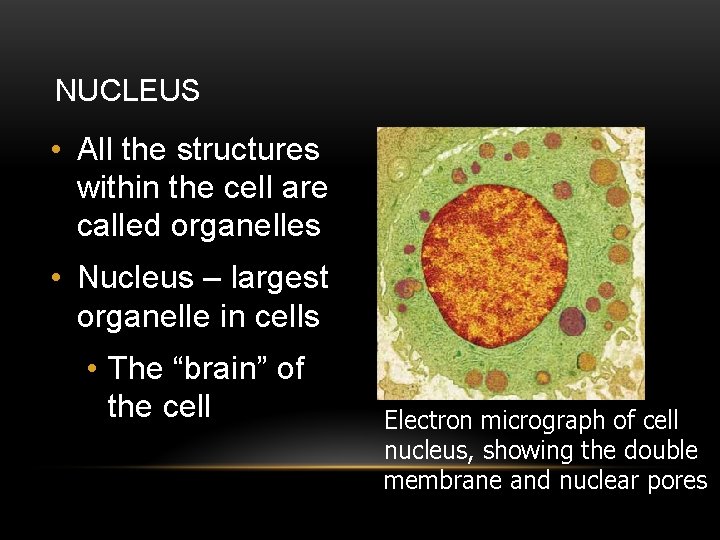
NUCLEUS • All the structures within the cell are called organelles • Nucleus – largest organelle in cells • The “brain” of the cell Electron micrograph of cell nucleus, showing the double membrane and nuclear pores
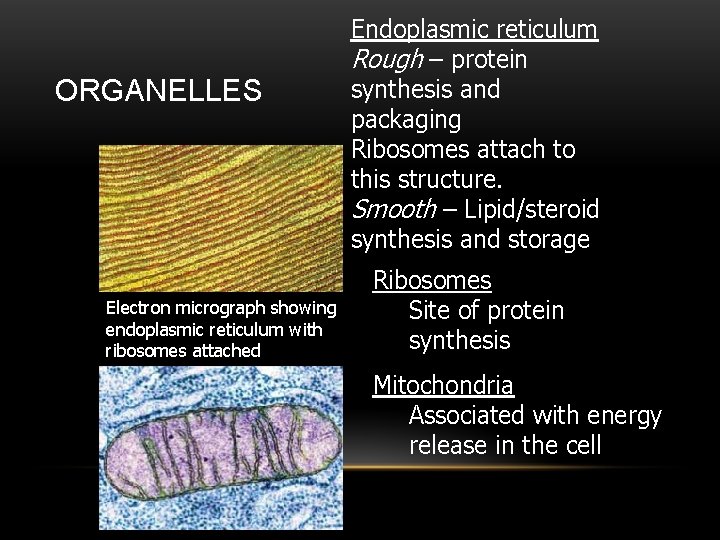
ORGANELLES Electron micrograph showing endoplasmic reticulum with ribosomes attached Endoplasmic reticulum Rough – protein synthesis and packaging Ribosomes attach to this structure. Smooth – Lipid/steroid synthesis and storage Ribosomes Site of protein synthesis Mitochondria Associated with energy release in the cell
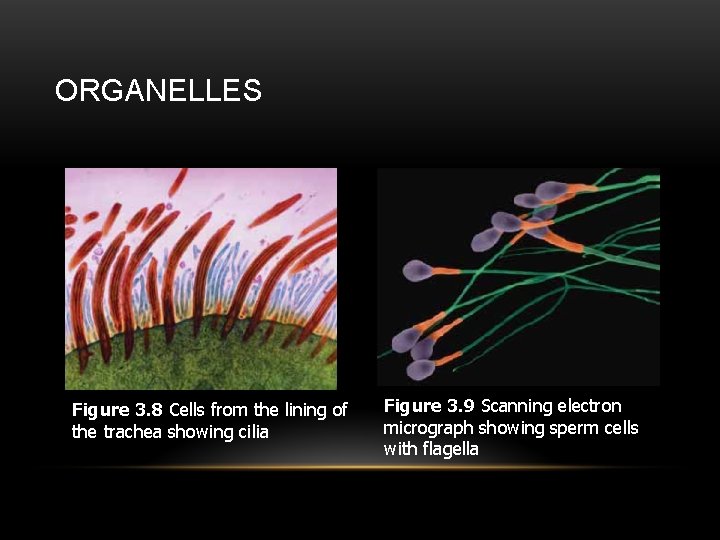
ORGANELLES Figure 3. 8 Cells from the lining of the trachea showing cilia Figure 3. 9 Scanning electron micrograph showing sperm cells with flagella
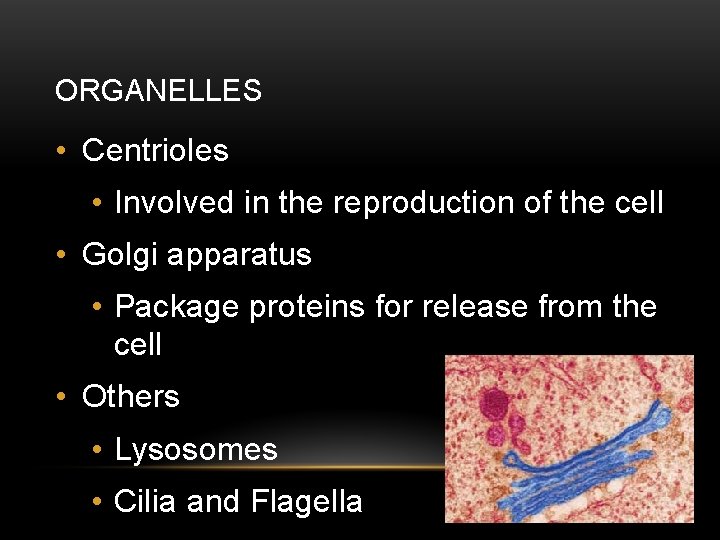
ORGANELLES • Centrioles • Involved in the reproduction of the cell • Golgi apparatus • Package proteins for release from the cell • Others • Lysosomes • Cilia and Flagella
OTHER CELL ORGANELLES… • Lysosomes • Contain acid enzymes that break down waste materials and cellular debris. They can be described as the stomach of the cell. • Digest excess or worn-out organelles, food particles, and engulfed viruses or bacteria. • Cytoplasmic Inclusions • Non-living cellular components. Eg Lipids, Glycogen, Pigments,
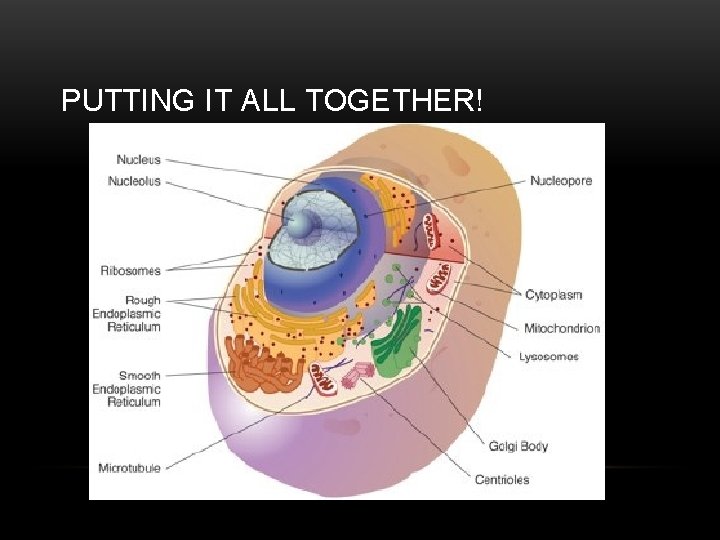
PUTTING IT ALL TOGETHER!
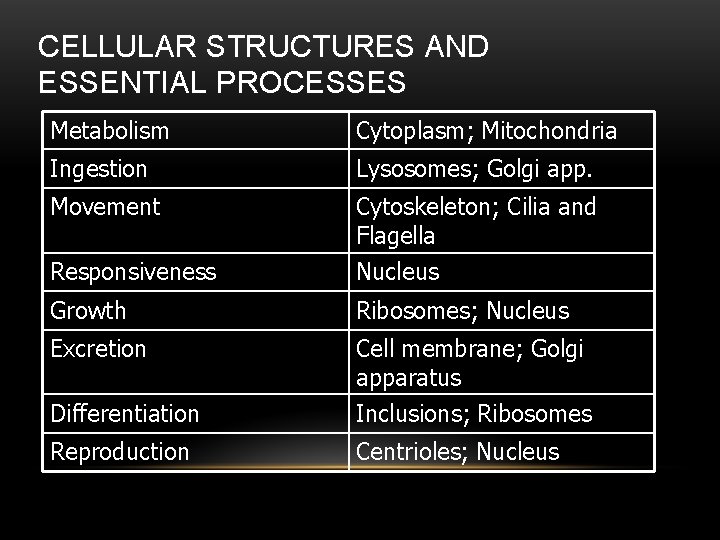
CELLULAR STRUCTURES AND ESSENTIAL PROCESSES Metabolism Cytoplasm; Mitochondria Ingestion Lysosomes; Golgi app. Movement Cytoskeleton; Cilia and Flagella Responsiveness Nucleus Growth Ribosomes; Nucleus Excretion Differentiation Cell membrane; Golgi apparatus Inclusions; Ribosomes Reproduction Centrioles; Nucleus
WORK TO BE COMPLETED • Cell structures worksheet • Summary tables of essential processes
- Slides: 38