
Overview of Solar System Planet Atmospheres Yuk Yung


![[Friedson et al. , Icarus, 2002]](https://slidetodoc.com/presentation_image_h2/80690ce0716a756e17834e04594421fa/image-33.jpg "[Friedson et al. , Icarus, 2002]")


- Slides: 45
Overview of Solar System Planet Atmospheres Yuk Yung GPS Caltech Sagan Exoplanet Summer Workshop Jul 20 2009
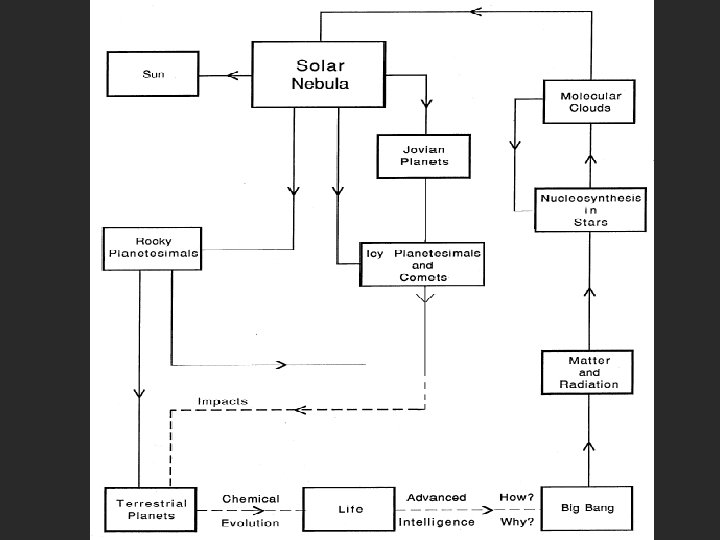
Today’s Outline v Origins v Giant planets v Small bodies v Terrestrial planets v Conclusions
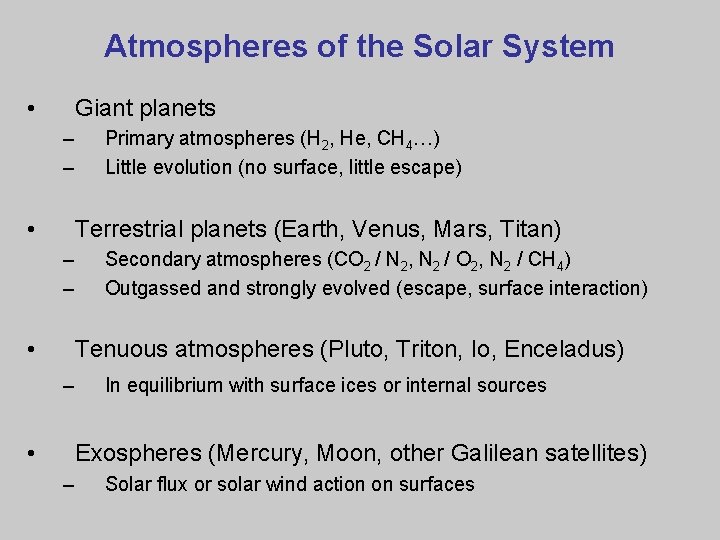
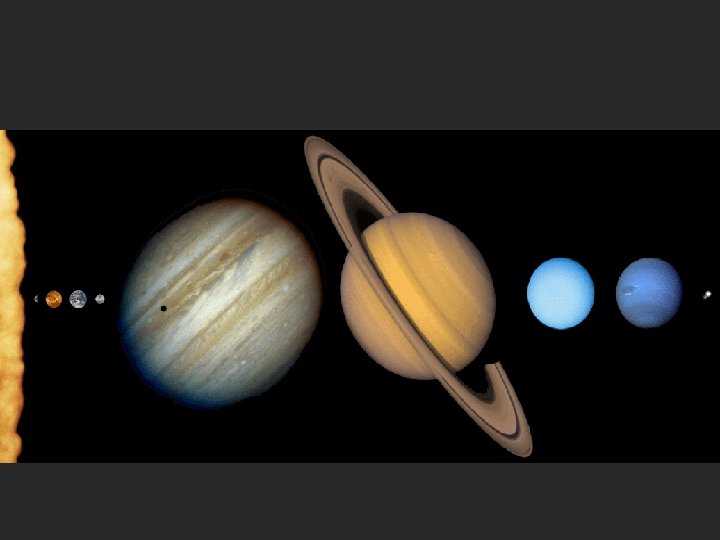
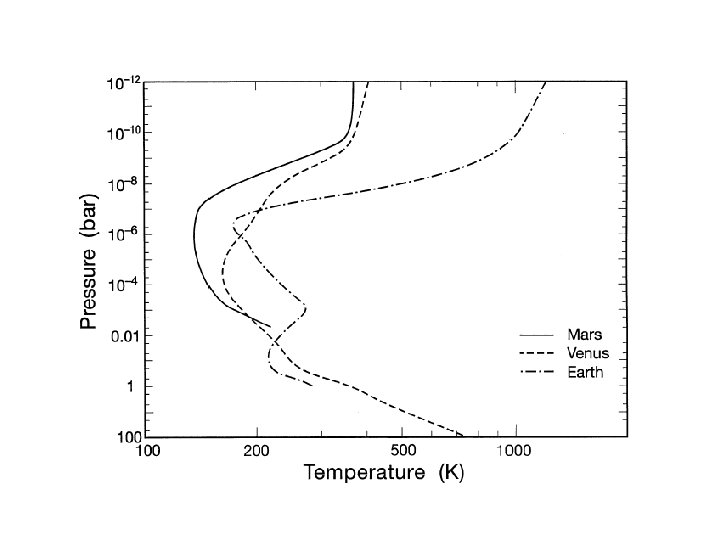
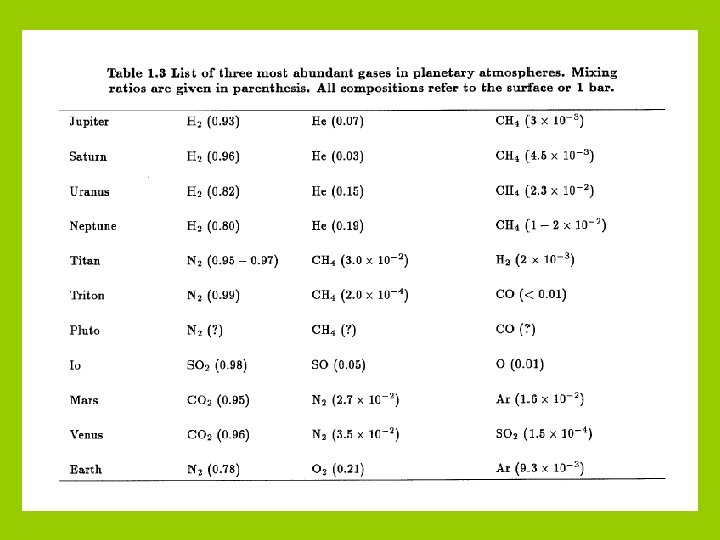
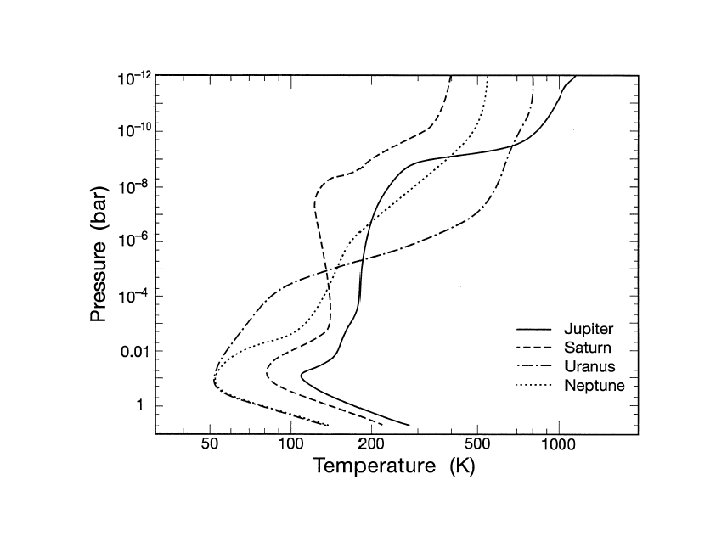
Atmospheres of the Solar System • Giant planets – – • Primary atmospheres (H 2, He, CH 4…) Little evolution (no surface, little escape) Terrestrial planets (Earth, Venus, Mars, Titan) – – • Secondary atmospheres (CO 2 / N 2, N 2 / O 2, N 2 / CH 4) Outgassed and strongly evolved (escape, surface interaction) Tenuous atmospheres (Pluto, Triton, Io, Enceladus) – • In equilibrium with surface ices or internal sources Exospheres (Mercury, Moon, other Galilean satellites) – Solar flux or solar wind action on surfaces
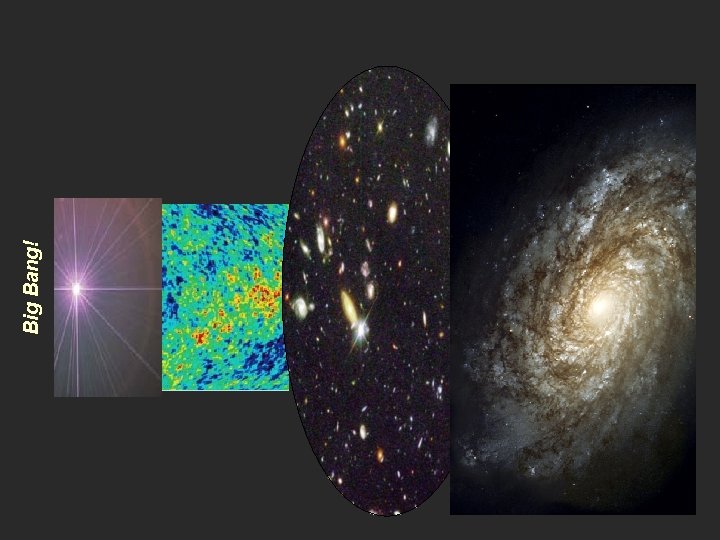
Big Bang!
Today’s Outline v Origins v Giant planets v Small bodies v Terrestrial planets v Conclusions
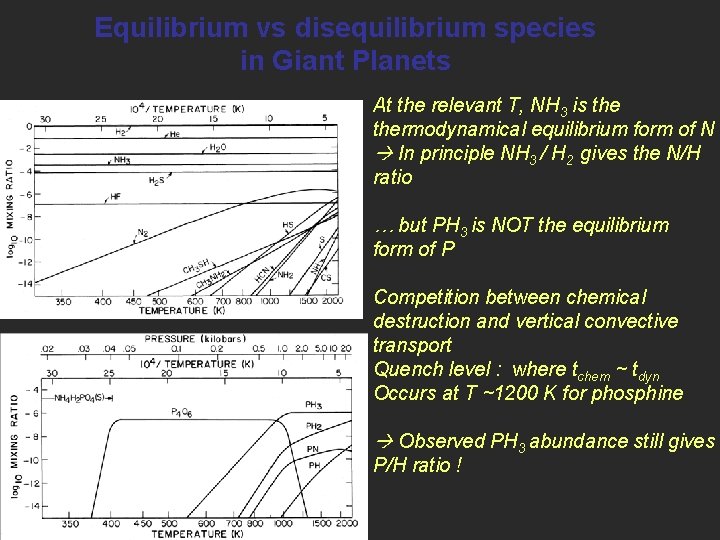
Equilibrium vs disequilibrium species in Giant Planets At the relevant T, NH 3 is thermodynamical equilibrium form of N In principle NH 3 / H 2 gives the N/H ratio … but PH 3 is NOT the equilibrium form of P Competition between chemical destruction and vertical convective transport Quench level : where tchem ~ tdyn Occurs at T ~1200 K for phosphine Observed PH 3 abundance still gives P/H ratio !
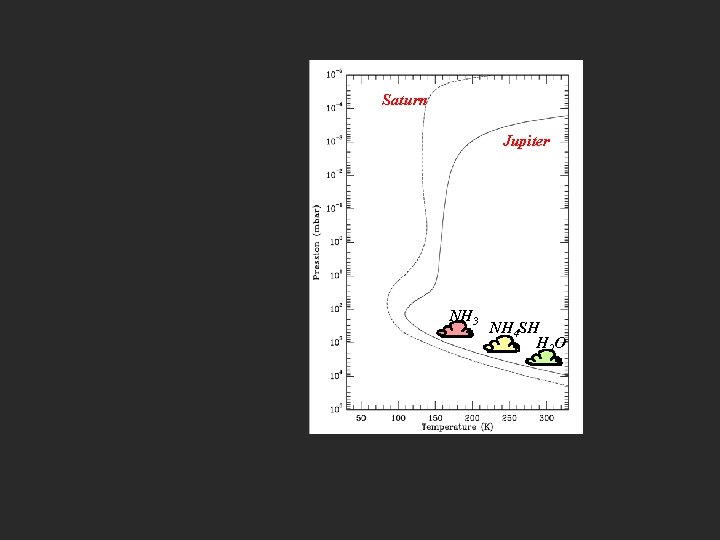
Saturn Jupiter NH 3 NH 4 SH H 2 O
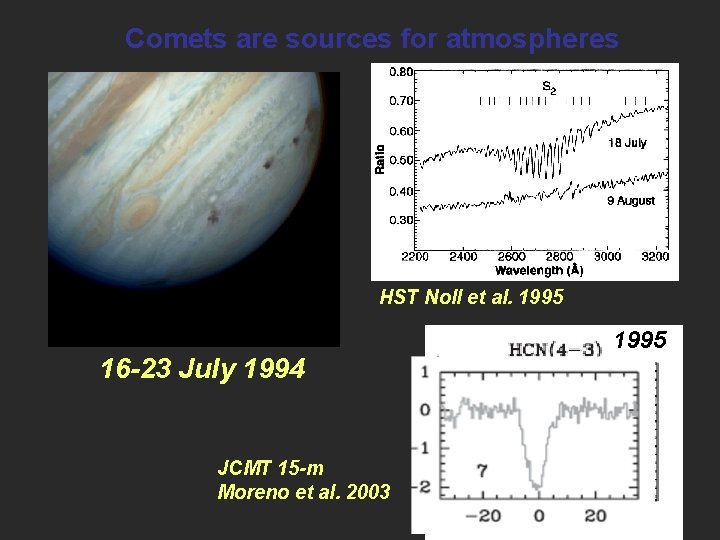
Comets are sources for atmospheres HST Noll et al. 1995 16 -23 July 1994 JCMT 15 -m Moreno et al. 2003 1995
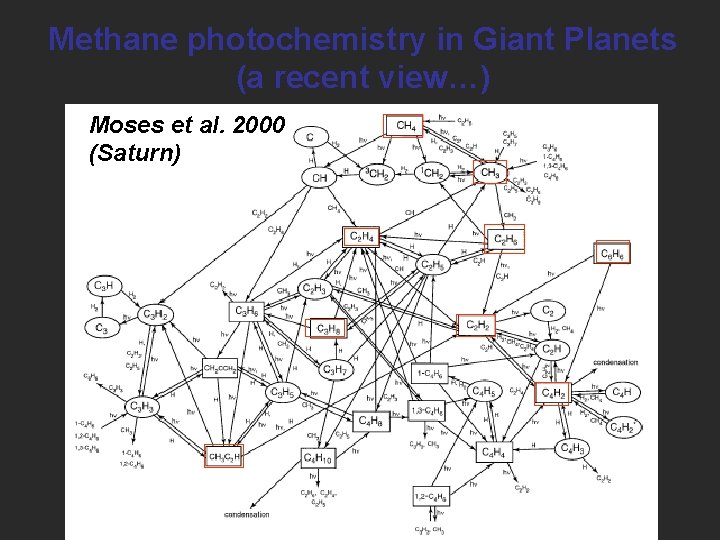
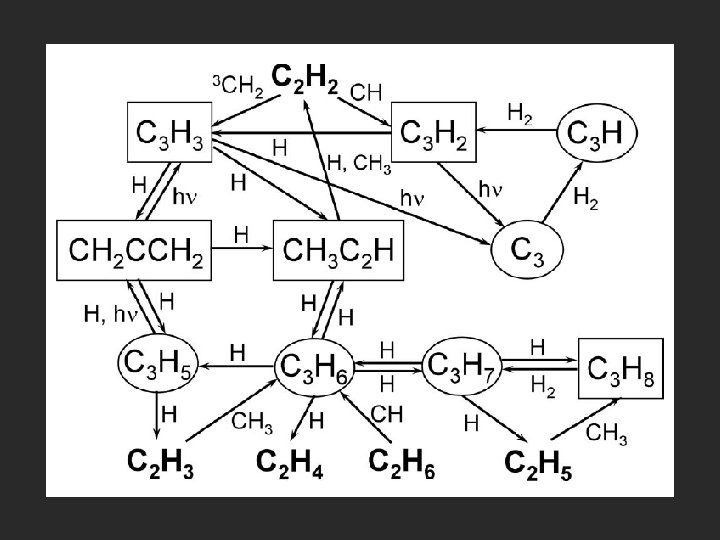
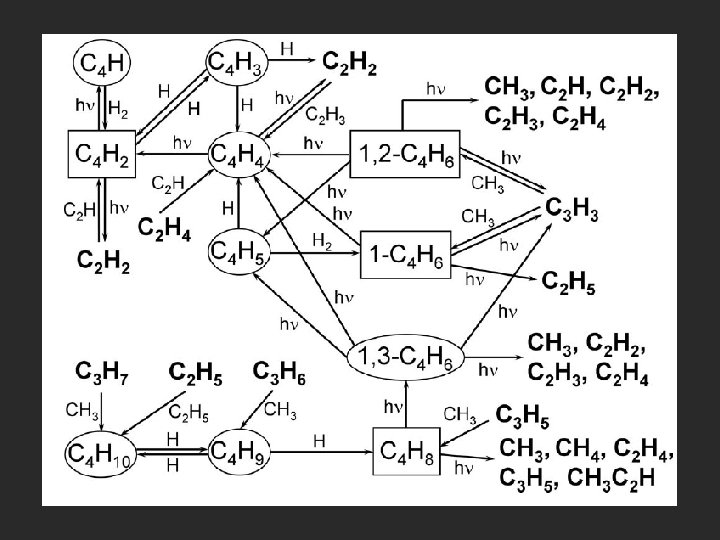
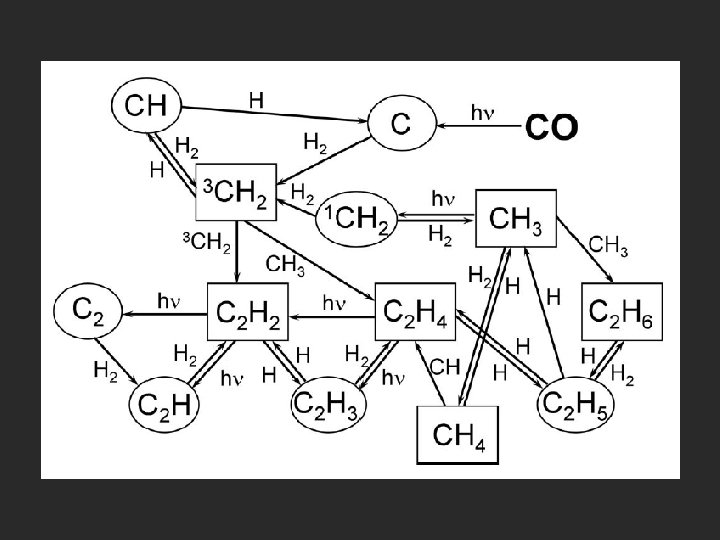
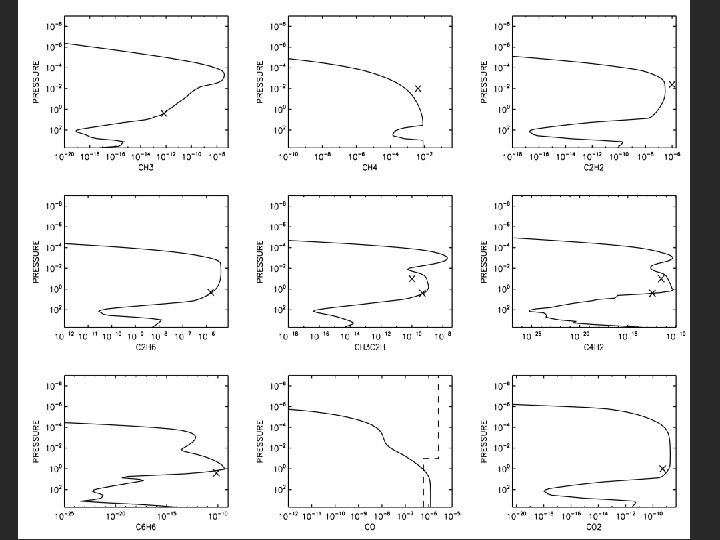
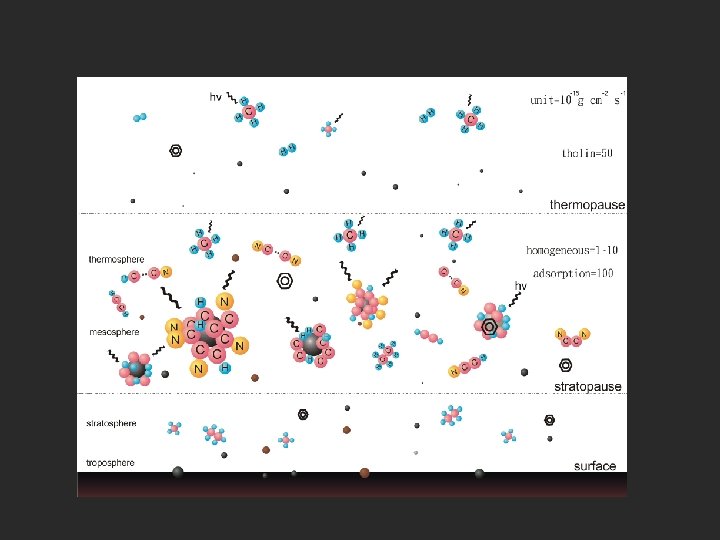
Methane photochemistry in Giant Planets (a recent view…) Moses et al. 2000 (Saturn)
Today’s Outline v Origins v Giant planets v Small bodies v Terrestrial planets v Conclusions
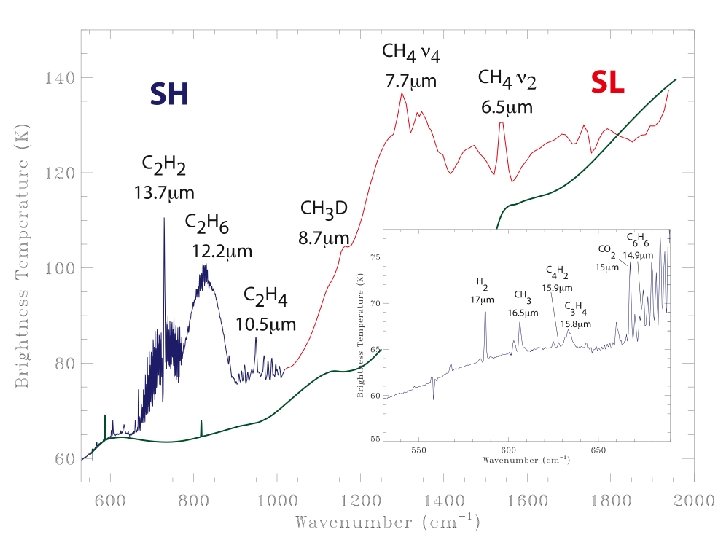
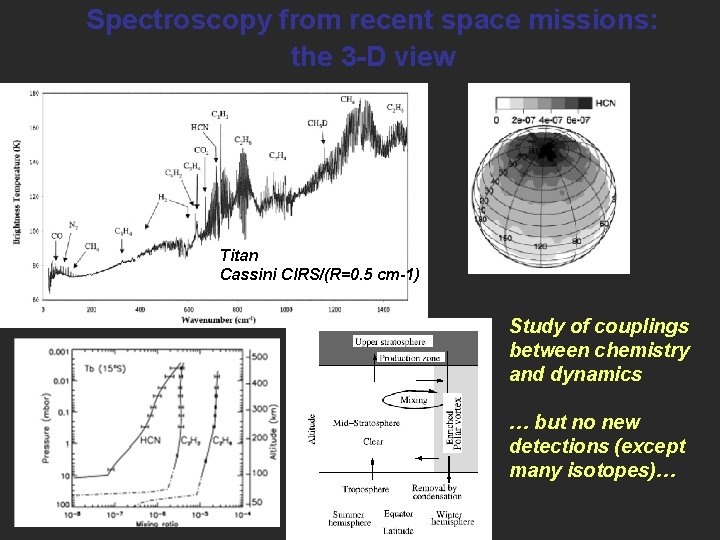
Spectroscopy from recent space missions: the 3 -D view Titan Cassini CIRS/(R=0. 5 cm-1) Study of couplings between chemistry and dynamics … but no new detections (except many isotopes)…
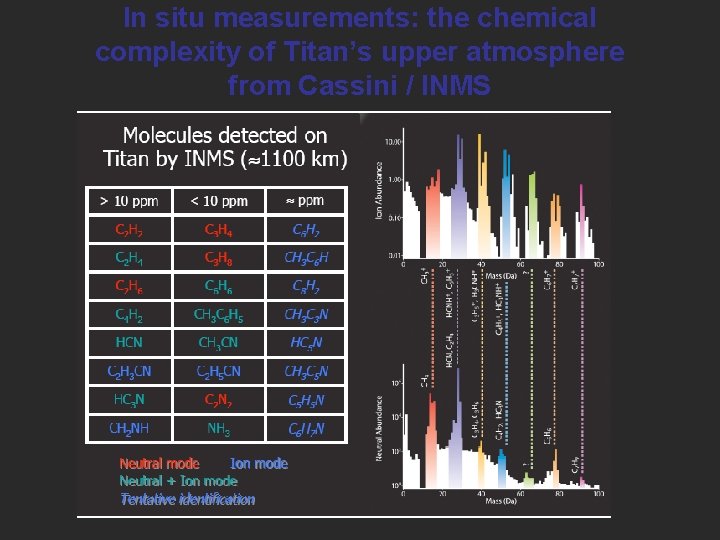
In situ measurements: the chemical complexity of Titan’s upper atmosphere from Cassini / INMS
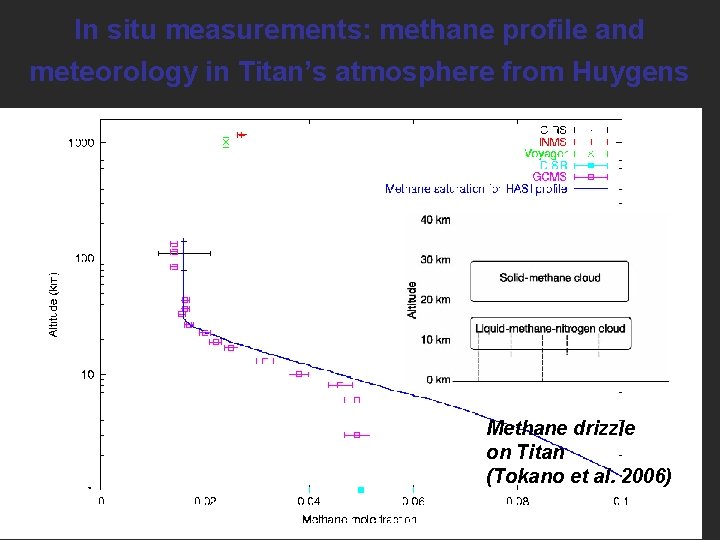
In situ measurements: methane profile and meteorology in Titan’s atmosphere from Huygens Methane drizzle on Titan (Tokano et al. 2006)
Today’s Outline v Origins v Giant planets v Small bodies v Terrestrial planets v Conclusions
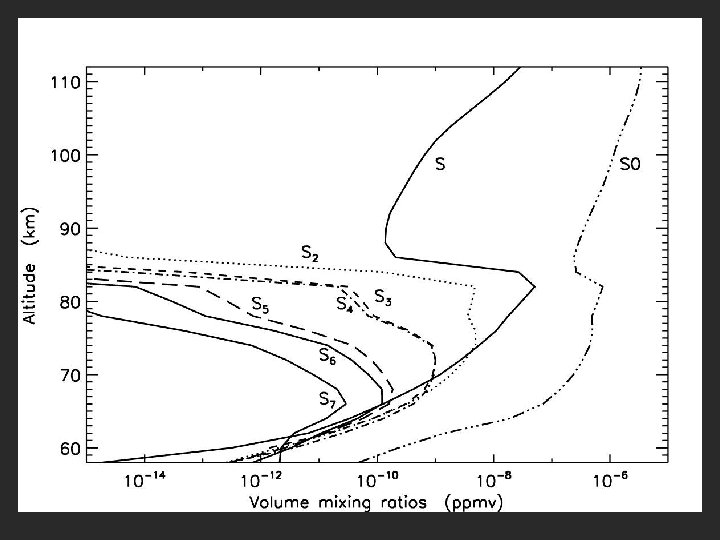
[Friedson et al. , Icarus, 2002]
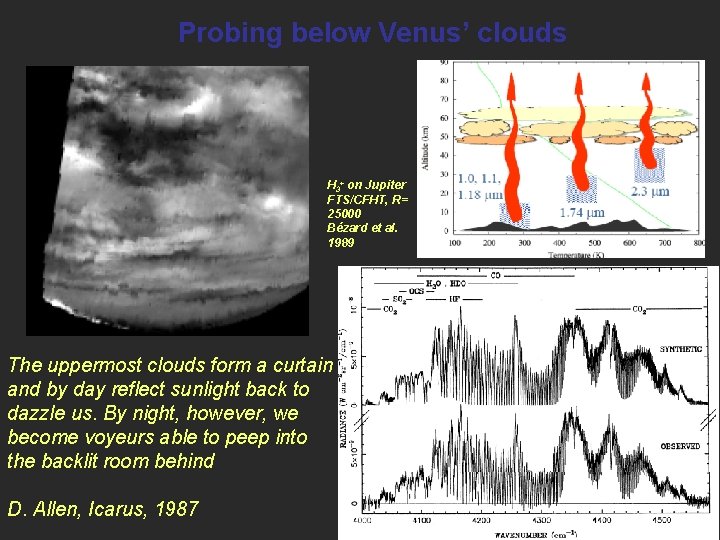
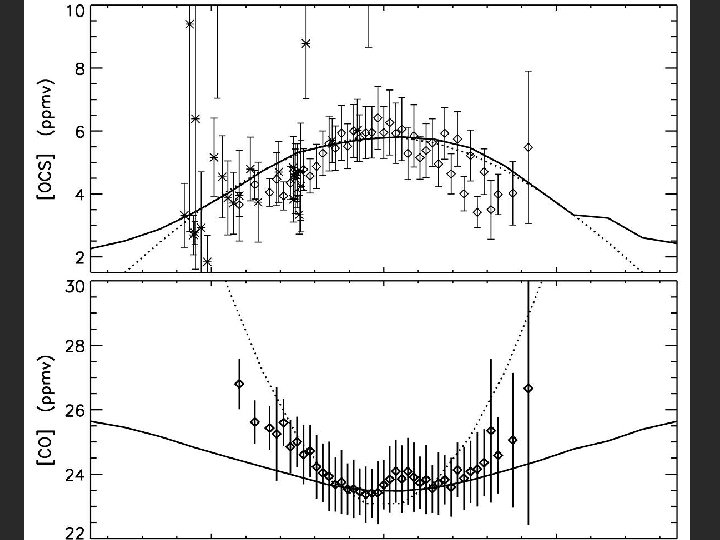
Probing below Venus’ clouds H 3+ on Jupiter FTS/CFHT, R= 25000 Bézard et al. 1989 The uppermost clouds form a curtain and by day reflect sunlight back to dazzle us. By night, however, we become voyeurs able to peep into the backlit room behind D. Allen, Icarus, 1987
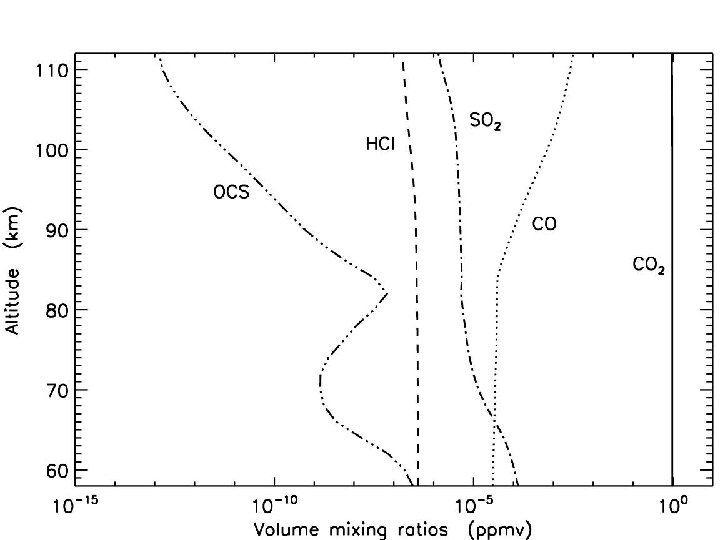
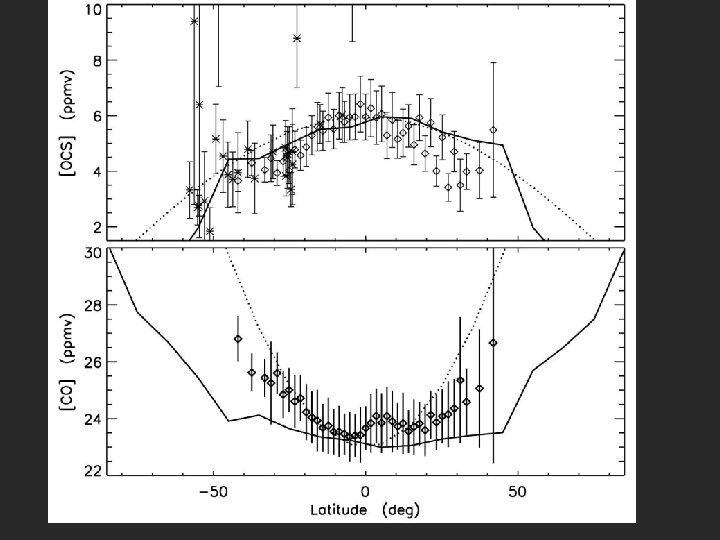
OCS
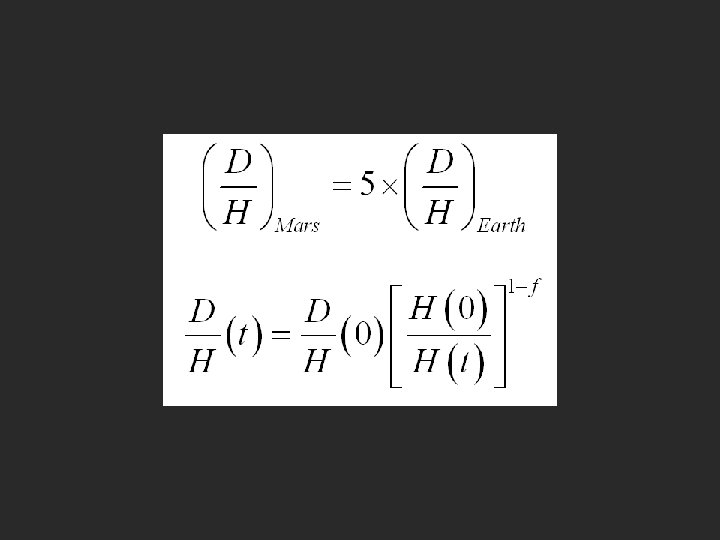
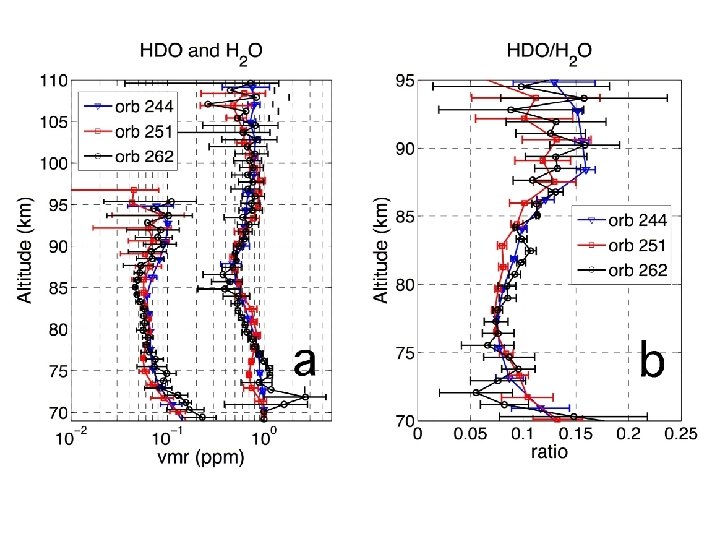
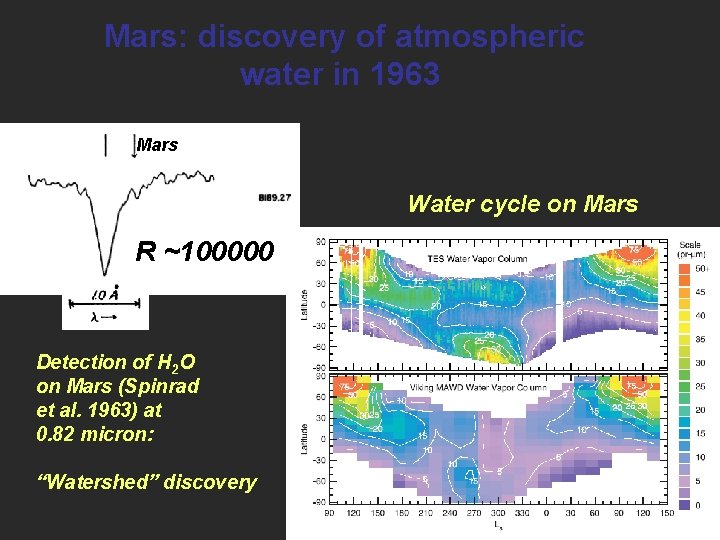
Mars: discovery of atmospheric water in 1963 Mars Water cycle on Mars R ~100000 Detection of H 2 O on Mars (Spinrad et al. 1963) at 0. 82 micron: “Watershed” discovery
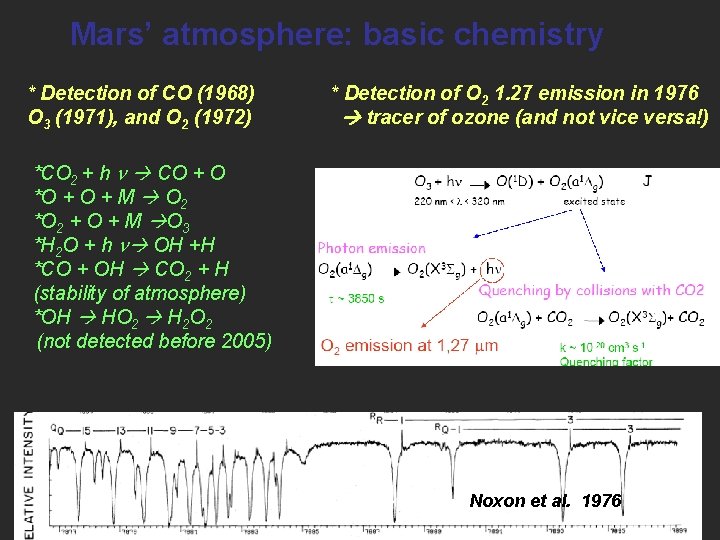
Mars’ atmosphere: basic chemistry * Detection of CO (1968) O 3 (1971), and O 2 (1972) * Detection of O 2 1. 27 emission in 1976 tracer of ozone (and not vice versa!) *CO 2 + h CO + O *O + M O 2 *O 2 + O + M O 3 *H 2 O + h OH +H *CO + OH CO 2 + H (stability of atmosphere) *OH HO 2 H 2 O 2 (not detected before 2005) Noxon et al. 1976
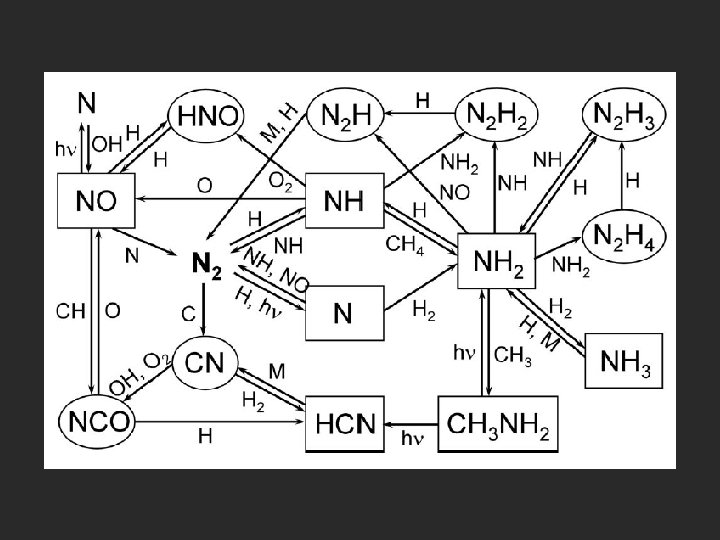
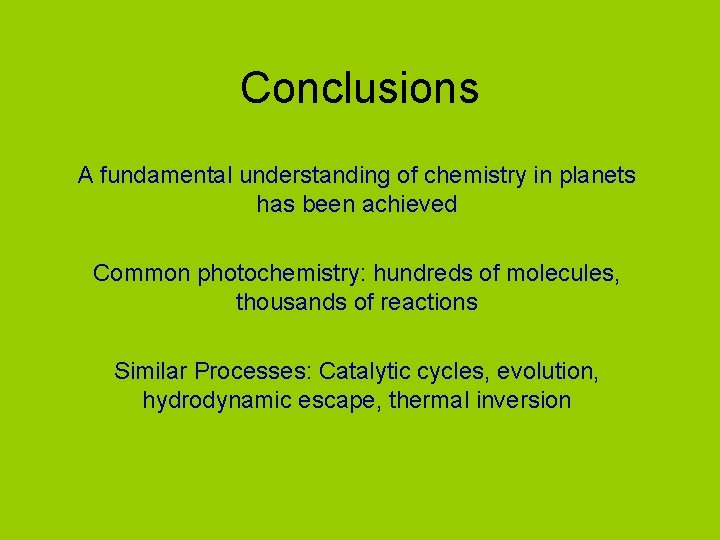
Conclusions A fundamental understanding of chemistry in planets has been achieved Common photochemistry: hundreds of molecules, thousands of reactions Similar Processes: Catalytic cycles, evolution, hydrodynamic escape, thermal inversion
Acknowledgements • NASA and ESA • Yung’s Group at Caltech • Lellouch’s review 2008 • Meadows et al. 2008 • Yung and De. More (1999) Book
Back-up slides