
Overview of Mapping Process Visioning Outcomes Mapping Program
- Slides: 57
Overview of Mapping Process Visioning Outcomes Mapping Program Document Program Assessment Plan Learning Design Cogging Nunavut Arctic College January 16, 2004 Anne Larson
Agenda – 2 pm to 4 pm 1. Overview–Perspective and Philosophy 2. The Program Design Process and Products 1) Overview of Program Outcomes 2) Teaching, Learning and Assessment Approach 3) Map the Learner’s Journey 4) Program Curriculum Assessment Plan 5) Program Information Document 3. Learning Design
We can't solve problems by using the same kind of thinking we used when we created them. - Albert Einstein
Tenets of the Program Outcomes and Mapping Process • • • Team Vision and Voice Leadership Participation Conversation Collaborative decision-making
Curriculum encompasses all the activities and materials that facilitate learning. Curriculum includes the purposeful and proactive organization and management of the dynamic interactions between instructors, learners and knowledge.
The Awareness of Perspective
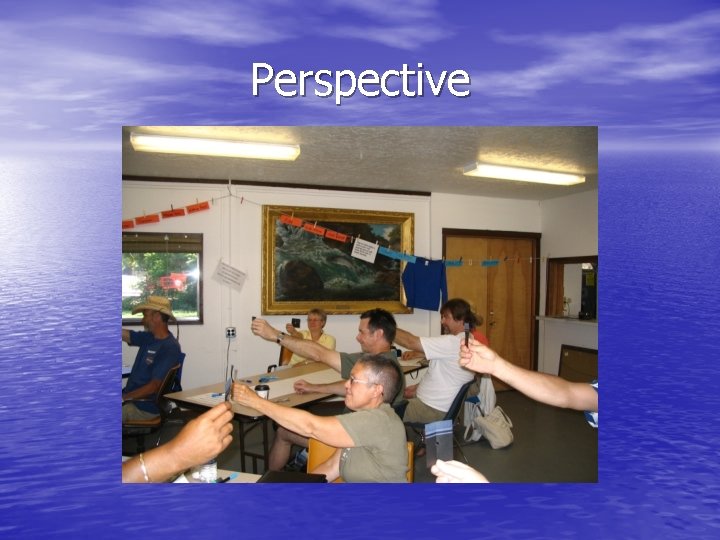
Perspective
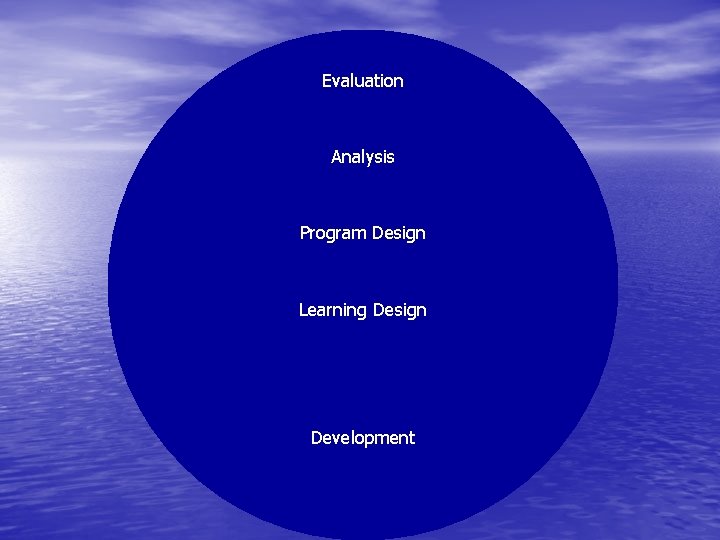
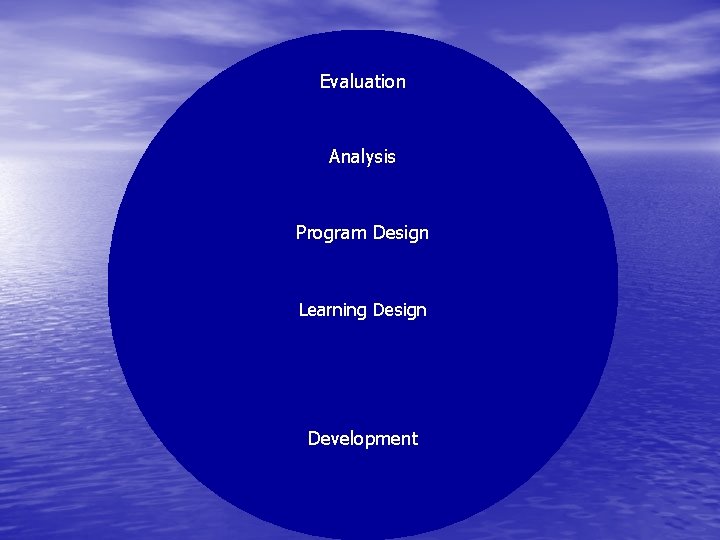
Evaluation Analysis Program Design Learning Design Development
The Pillars of Curriculum Excellence Training and Support Infrastructure and Resources
The Program Design Process and Products 1. Create Program Outcomes 2. Map the Learner’s Journey 3. Teaching, Learning and Assessment Approach 4. Program Curriculum Assessment Plan 5. Program Information Document
Four Levels of Outcomes 1. Guiding Principles of Inuit Qaujimajatuqangit 2. College–wide outcomes 3. Program outcomes 4. Course outcomes
Guiding Principles of Inuit Qaujimajatuqangit Respecting others, relationships and caring for people Fostering good spirit by being open, welcoming and inclusive Serving and providing for family and/or community Decision making through discussion and consensus Development of skills through practice, effort and action Working together for a common cause Being innovative and resourceful in seeking solutions
College-Wide Learning Outcomes College Wide outcomes are key abilities considered important in preparing students for current and future work and learning. Educational institutions typically reflect these core abilities in their mission or philosophy statements.
Examples of College-Wide Outcomes • Communicate effectively • Demonstrate computer literacy • Apply math and science skills • Demonstrate learning and critical thinking • Maintain a code of ethics • Demonstrate professional skills and attitudes • Work effectively in groups and teams • Be safe
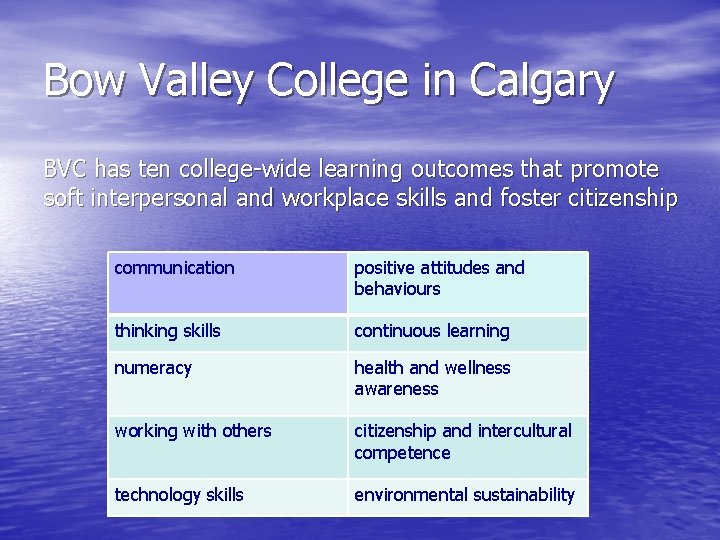
Bow Valley College in Calgary BVC has ten college-wide learning outcomes that promote soft interpersonal and workplace skills and foster citizenship communication positive attitudes and behaviours thinking skills continuous learning numeracy health and wellness awareness working with others citizenship and intercultural competence technology skills environmental sustainability
Create a Different Generation of Program Outcome What will the students be able to DO out there in the real world as a result of completing this program?
Program Learning Outcomes State what will the students be able ‘to do’ out there in the real world as a result of completing this program Unify program staff, faculty, industry and students through conversation and collaboration Differ significantly from competencies in terms of scope and depth. Shape the program teaching and learning approach for the courses and program Inform the assessment strategies for the courses and program Begin with an action verb, are measurable and observable, clear and concise, state context, scope and degree of complexity
Sample Program Outcomes • Interact effectively, accurately and ethically using oral and written communication skills within the Aboriginal justice environment • Apply innovative and critical thinking in order to: conceptualize, illustrate and present projects that incorporate the elements and principles of good design. • Exhibit work behaviours and versatility in an ever evolving early childhood educational environment that maximize opportunities for continued employment and increased responsibility. • Select and integrate appropriate current and emerging technologies to support health care functions. • Ensure personal, patient and public health safety while working in the health care field.
Follow a tested process – Gather participants: – Determine ‘intended roles’ ( 1, 2 & 5 years out) – Envision/brainstorm tasks the graduate will do while working – Participate in an affinity grouping – Write ‘robust’ learning outcomes • What will the students be able to do out there. – Validate the draft program outcomes with accrediting bodies and industry representatives – Revise the outcomes
The Program Design Process and Products 1. Create Program Outcomes 2. Teaching, Learning and Assessment Approach 3. Map the Learner’s Journey 4. Program Curriculum Assessment Plan 5. Program Information Document
Program Philosophy A shared understanding is needed We may map the student's journey through the program; however, if we also co-create a shared understanding of the program vision and a build a common approach to teaching, learning and assessment the learning experience will be more consistent and improve the learner’s journey.
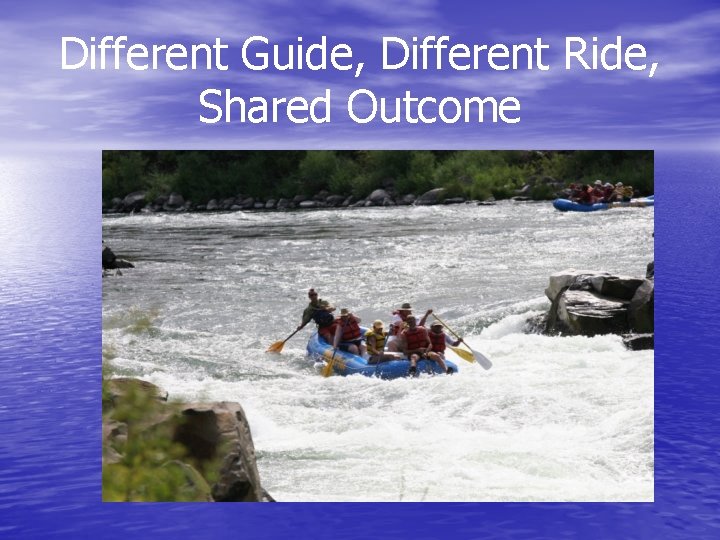
Different Guide, Different Ride, Shared Outcome
“… all change, even very large and powerful change, begins when a few people start talking with one another about something they care about. ” –Margaret Wheatley in Turning Toward One Another
Who is the Learner? • • Demographics (Age, gender) Prior Learning and articulation Language proficiency Technology proficiency (use of computers, social software, etc) Working? (Part or full time) Parents? Learning preferences
What do we expect of our learners? • Work and school balance • number of hours of learning “work” • Professional conduct (punctuality and • • behavior) Expectations for attendance Use of technology to support learning
Café Conversation • Small groups of four members • Each group appoints a host who will report out • Each table has a collection of coloured markers to be used for note-taking, records thoughts, illustrating, doodling, making connections, etc. • Large sheet of paper available to all members to write • The goal is to create a visual and written representation of the conversation
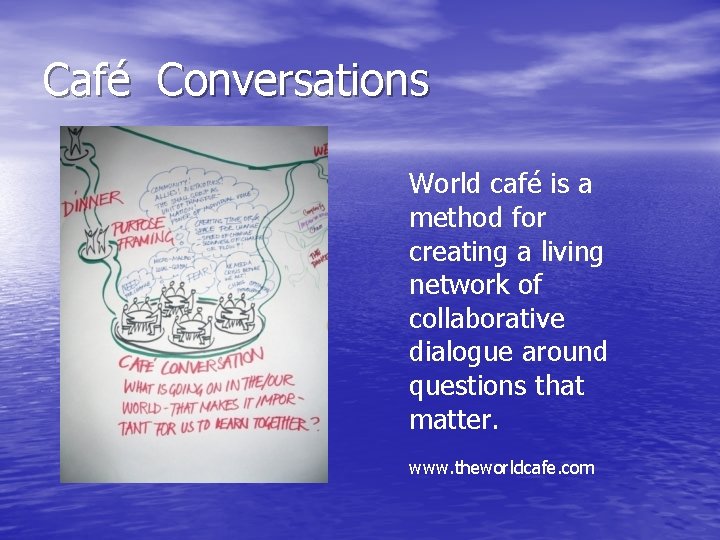
Café Conversations World café is a method for creating a living network of collaborative dialogue around questions that matter. www. theworldcafe. com
Teaching and Learning Approach What are the best instructional approaches and assessment strategies that instructors can employ to ensure that learners will be able to demonstrate that they have met the program outcomes?
From the café conversation the program faculty create: Broad statement that captures the learner’s experience while in the program A tool-kit* of program approaches *Instructors select approaches from the toolkit that are most suitable to meet their course outcomes.
MTC Program-SAIT The MTC program believes that a practical, handson demonstration of skill is the most effective means for graduates to demonstrate that they have met program outcomes and, thereby, will be able to contribute effectively within the manufacturing work environment. The MTC instructors use the following instructional and assessment strategies to ensure that learners will be able to demonstrate that they have met the program outcomes.
Toolkit of Program Approaches Instructional strategies • Lectures • Show and Tell – samples, visual aids • Task → Questioning • Assignments (progressively more • • challenging) Assigned homework Encourage independent learning Discussions Mentoring Collaborative learning Questioning Demonstration Peer learning/mentorship Assessment strategies • Exams • Assignments • Quizzes • Projects • Written tests • Complete drawings • Observations • Labs • Checklists with grading criteria (for all assessments)
KBD Program- VCC Learners in the Kitchen and Bath Design Program at VCC will consistently be introduced to new concepts and skills. As students advance through the program, they will be required to practice and demonstrate competence in order to successfully move through the program. Clear and transparent criteria for assessment of competence, and the provision of on-going, effective feedback is a foundational value for the program. All graduates of the program will have the opportunity to produce a portfolio which will showcase their achievements, knowledge, attitudes and skills.
Toolkit of Program Approaches The following performance-based teaching, learning and assessment approaches will anchor the program • Application of factual • • knowledge Case studies Scenarios Simulations Role Plays • • • Presentations Authentic tasks Guided learning Apprenticeship Practicum
The Program Design Process and Products 1. Create Program Outcomes 2. Teaching, Learning and Assessment Approach 3. Map the Learner’s Journey 4. Program Curriculum Assessment Plan 5. Program Information Document
“A conversation starts before it begins and ends after its over and doesn’t always involve words…. ” - Art of Hosting participant- Bowen Island, 2008
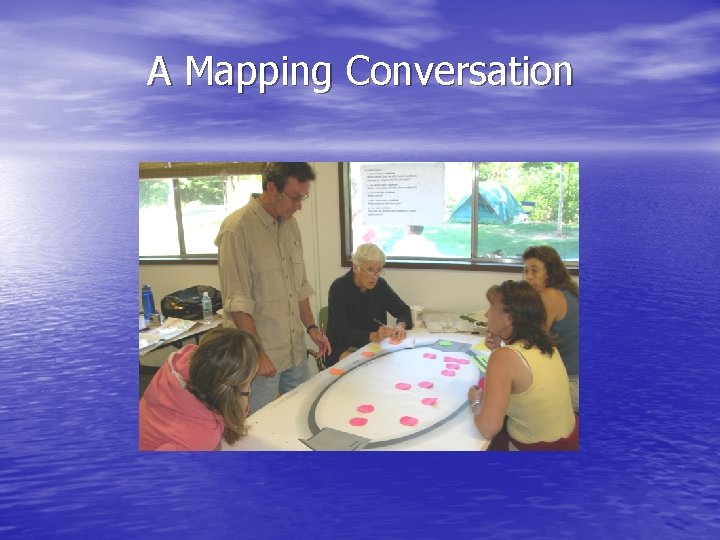
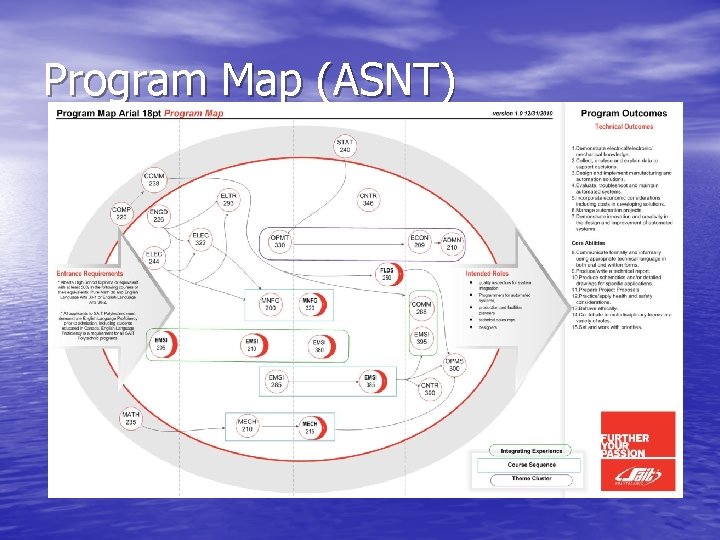
Map the Learner’s Journey • Illustrates the whole, interconnected learning experience from the learner’s perspective • Uses conventions to organize the map • Provides a shared understanding for faculty and students
A Mapping Conversation
Program Map (ASNT)
Mapping Conventions • • Foundational courses Connections between courses Program and course themes Course sequences Integrated learning experiences Capstone Projects Program (key) assessment points
Next Steps • Map will be … • Reviewed • Put into electronic template • Shared and reviewed regularly
The Program Design Process and Products 1. Create Program Outcomes 2. Teaching, Learning and Assessment Approach 3. Map the Learner’s Journey 4. Program Curriculum Assessment Plan 5. Program Information Document
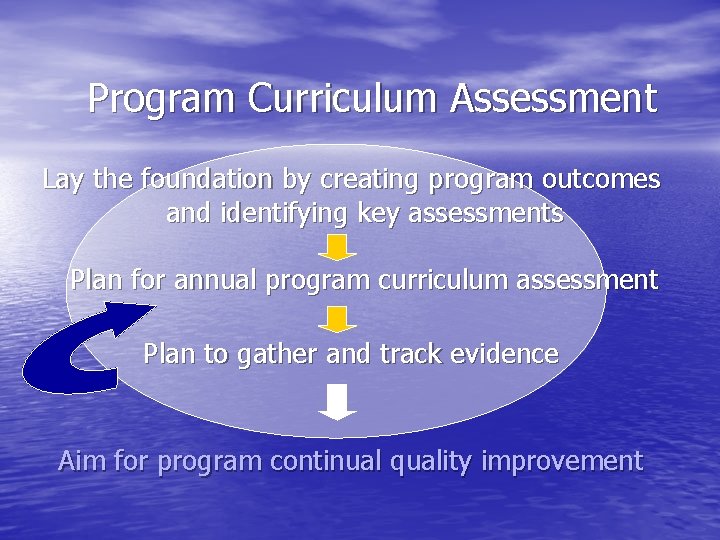
Program Curriculum Assessment Lay the foundation by creating program outcomes and identifying key assessments Plan for annual program curriculum assessment Plan to gather and track evidence Aim for program continual quality improvement
The Program Design Process and Products 1. Create Program Outcomes 2. Teaching, Learning and Assessment Approach 3. Map the Learner’s Journey 4. Program Curriculum Assessment Plan 5. Program Information Document
Program Information Document
Purpose of the Program Document • The program document is to the program as the course outline is to the course. • It provides program information to: – Academic Chairs – Faculty – Curriculum Coordinators – Enrolled students
Other Purposes for the Document • Marketing (calendar, program guide, mast heads): Ø Prospective students Ø Career Counselors Ø Parents • Administrative purposes Ø Student and instructor handbooks Ø Policies and procedures
Samples The samples provided are from Vancouver Community College- Kitchen and Bath Design Program And SAIT Polytechnic Machinist Technician Program
Learning Design-Courses 1. Overview–Perspective and Philosophy 2. The Program Design Process and Products 1) Overview of Program Outcomes 2) Teaching, Learning and Assessment Approach 3) Map the Learner’s Journey 4) Program Curriculum Assessment Plan 5) Program Information Document 3. Learning Design
“Everything should be made as simple as possible, but not simpler. ” - Albert Einstein
Evaluation Analysis Program Design Learning Design Development
Course Development – Learning Design is a systematic process of setting learning objectives; choosing learning materials and media applications; planning assessments; preparing learning activities prior to development; and identifying and designing where and how educational technologies fit best in the teaching and learning approach.
Course Development – Learning Design • Developing the course outline • Verifying outcomes alignment • Creating a teaching and learning plan (COG) • Building a course schedule • Building a facilities, technology and tools plan
Developing the Course Outline • The course outline functions as a contract between the instructor (college) and the learner. They communicate both key course information and expectations of the learners. All design and development activities are directly related to the course outline.
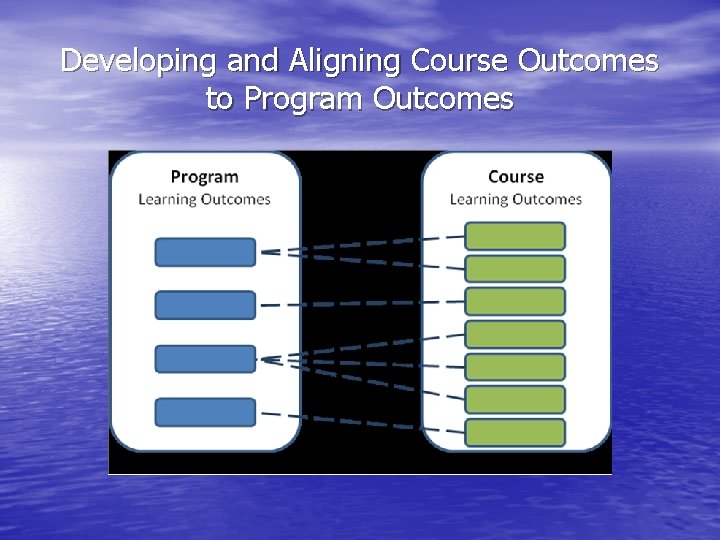
Developing and Aligning Course Outcomes to Program Outcomes
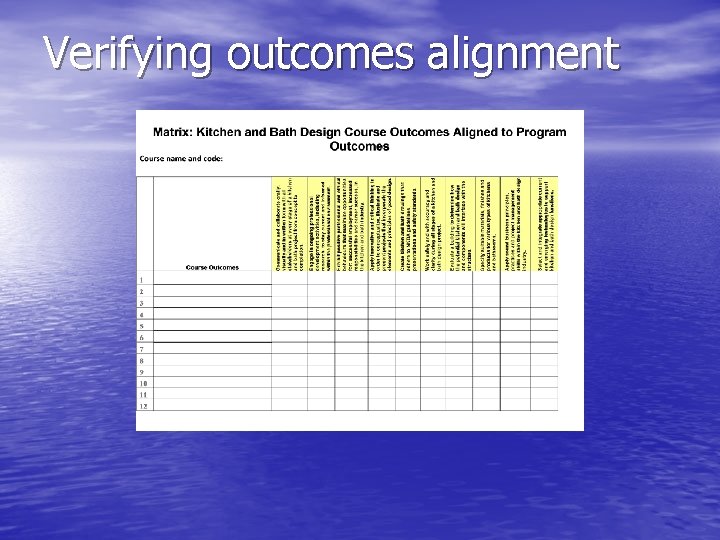
Verifying outcomes alignment
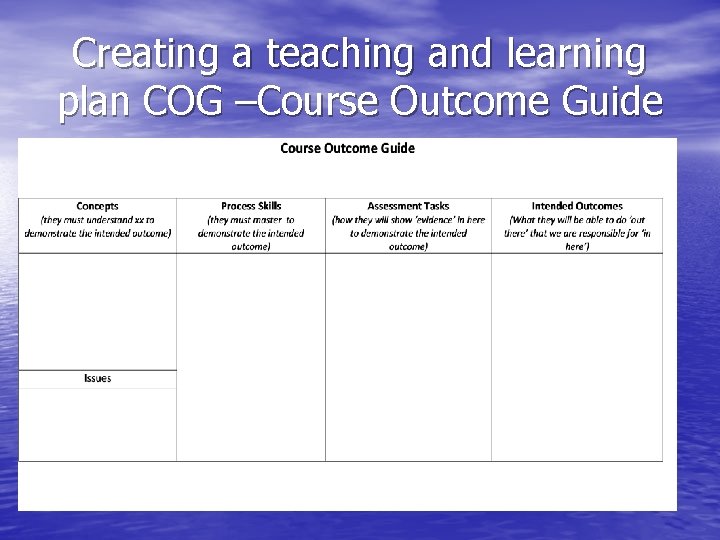
Creating a teaching and learning plan COG –Course Outcome Guide
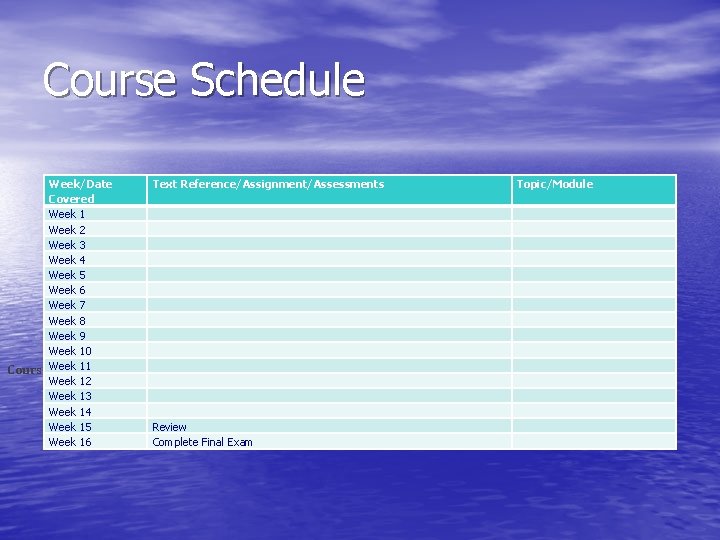
Course Schedule Week/Date Covered Week 1 Week 2 Week 3 Week 4 Week 5 Week 6 Week 7 Week 8 Week 9 Week 10 Course Week 11 Schedule Week 12 Week 13 Week 14 Week 15 Week 16 Text Reference/Assignment/Assessments Review Complete Final Exam Topic/Module