
Overview of Common Types of Parasite Life Cycles

- Slides: 52
Overview of Common Types of Parasite Life Cycles
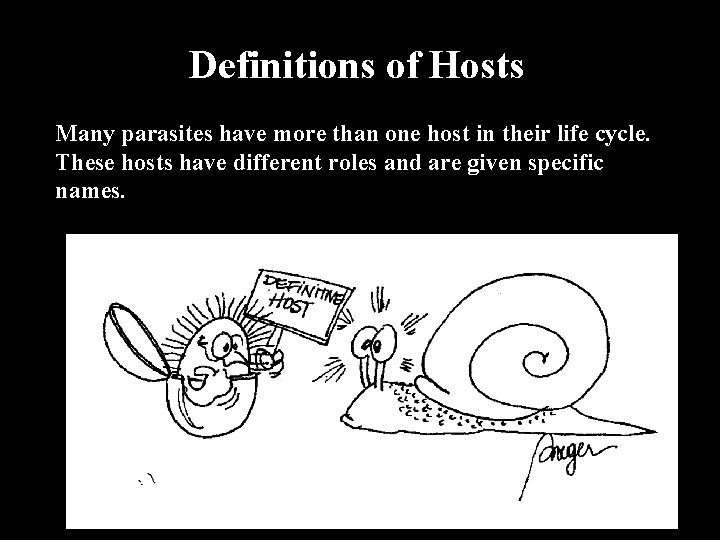
Definitions of Hosts Many parasites have more than one host in their life cycle. These hosts have different roles and are given specific names.
Definitions of Hosts • Definitive host – a host in which the parasite reaches sexual maturity and undergoes reproduction.
Definitions of Hosts • Definitive host – a host in which the parasite reaches sexual maturity and undergoes reproduction. • Intermediate – a host in which the parasite undergoes larval development but does not reach sexual maturity.
Definitions of Hosts • Definitive host – a host in which the parasite reaches sexual maturity and undergoes reproduction. • Intermediate – a host in which the parasite undergoes larval development but does not reach sexual maturity. • Paratenic host (Transport host) – a host in which a parasite survives without undergoing further development. A paratenic host accumulates and maintains stages of a parasite, and although beneficial, is not essential to the life cycle.
Definitions of Hosts • Vector- any agent, either animate or inanimate (such as wind, water, or arthropod) that transmits an infectious organism.
Definitions of Hosts • Vector- any agent, either animate or inanimate (such as wind, water, or arthropod) that transmits an infectious organism. • Biological Vector- a vector in which a parasite lives or develops. The parasite undergoes morphologic change and/or multiplication, and the vector is usually essential for the life cycle.
Definitions of Hosts • Vector- any agent, either animate or inanimate (such as wind, water, or arthropod) that transmits an infectious organism. • Biological Vector- a vector in which a parasite lives or develops. The parasite undergoes morphologic change and/or multiplication, and the vector is usually essential for the life cycle. • Mechanical Vector- a vector which transmits a parasite by mechanical means only. It may be living or non-living and is not essential for the parasite’s life cycle.
Outline • Monogenea: Direct Life Cycles and Autoinfection (Complex or Simple? ) • Trematoda (Digenea): Complex Life Cycles • Difficulty of Solving Life Cycles Example Cestodes (Tapeworms)
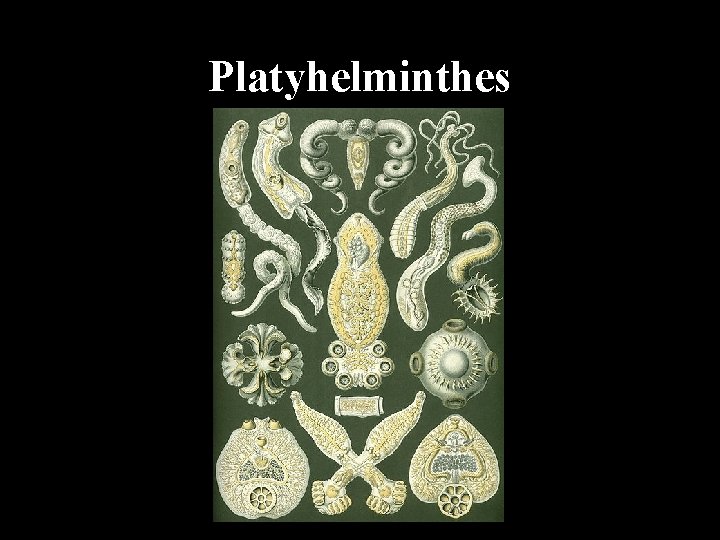
Platyhelminthes
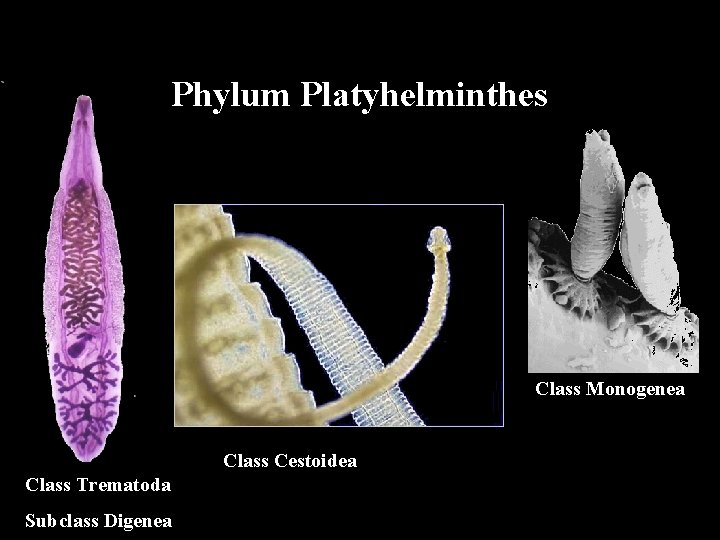
Phylum Platyhelminthes Class Monogenea Class Cestoidea Class Trematoda Subclass Digenea
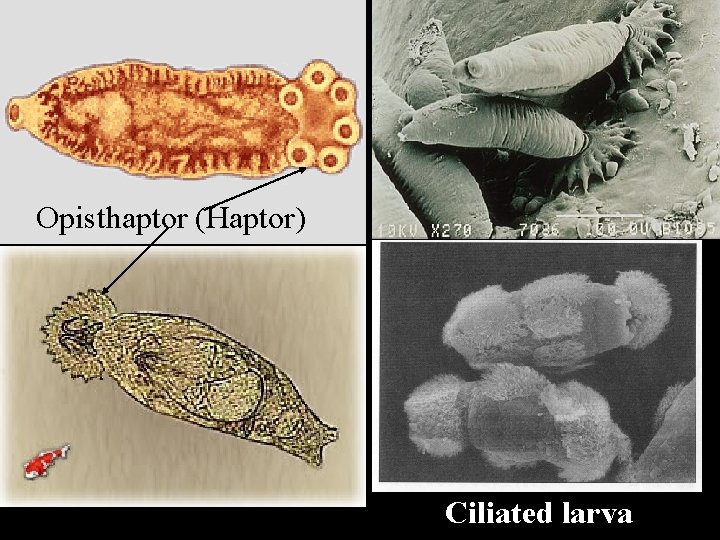
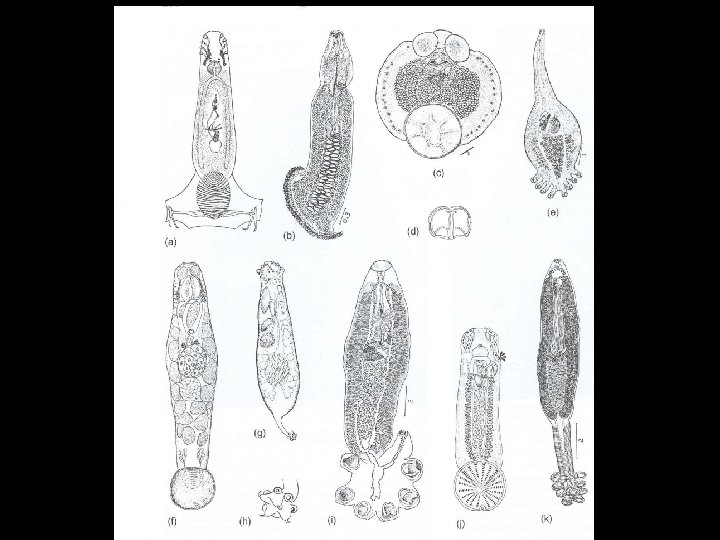
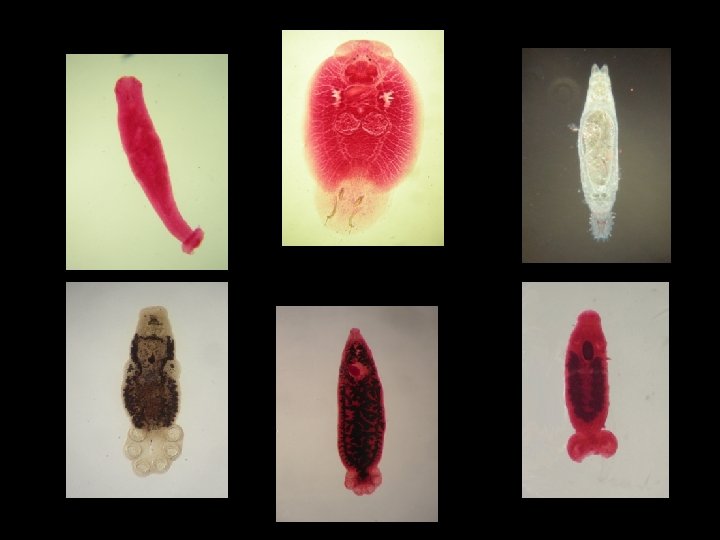
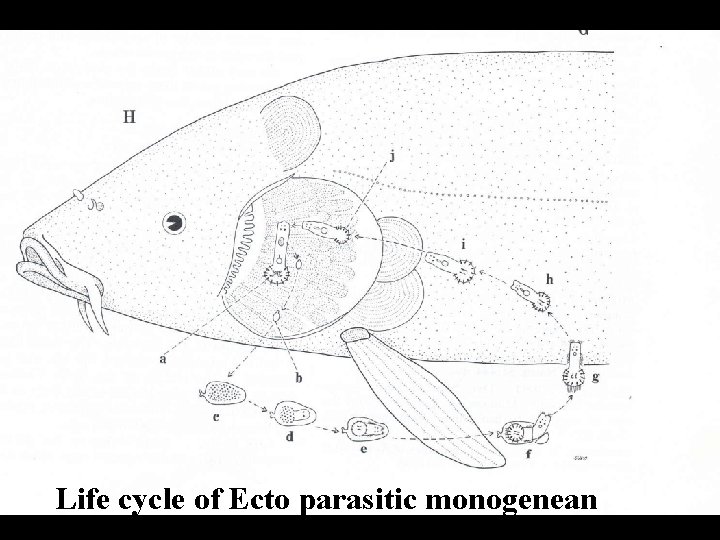
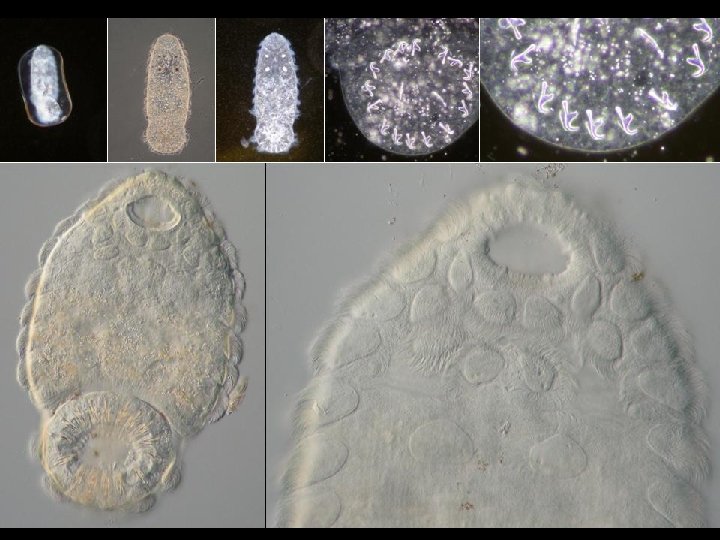
Class Monogenea: • Most ecto-parasites of fish. • Some endo-parasites of urinary bladder and mouth of amphibians and reptiles. • Body covered by tegument. • Posterior hooks with opisthaptor (haptor). • Direct life cycle with single host.
Opisthaptor (Haptor) Ciliated larva
Life cycle of Ecto parasitic monogenean
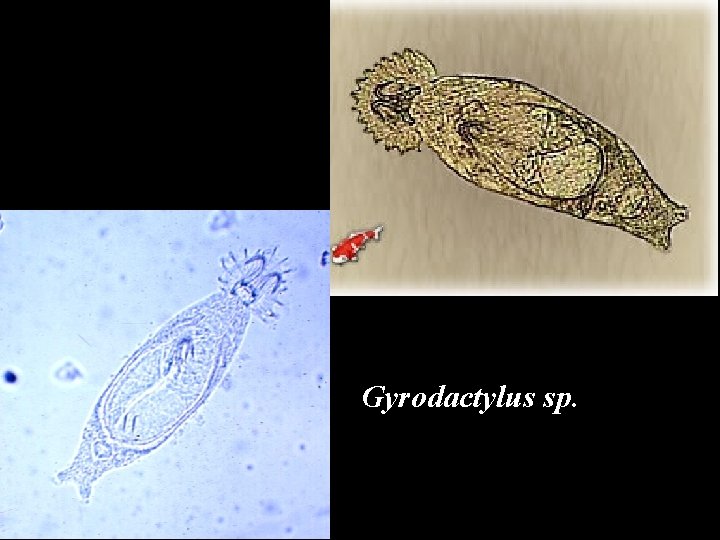
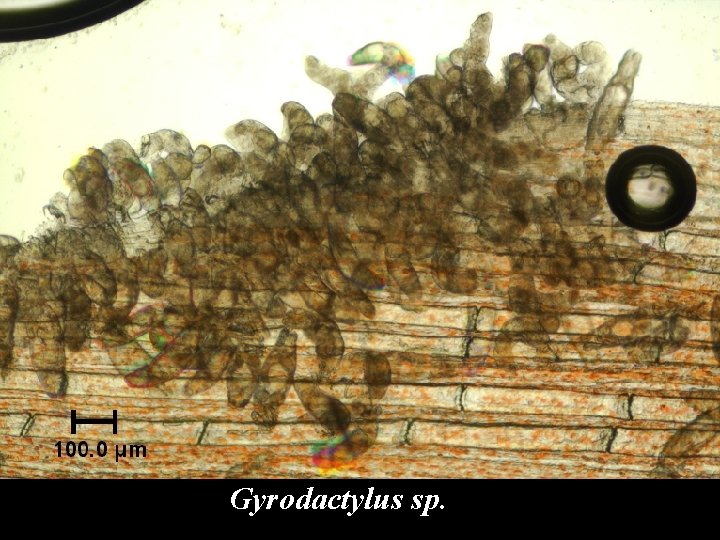
Gyrodactylus sp.
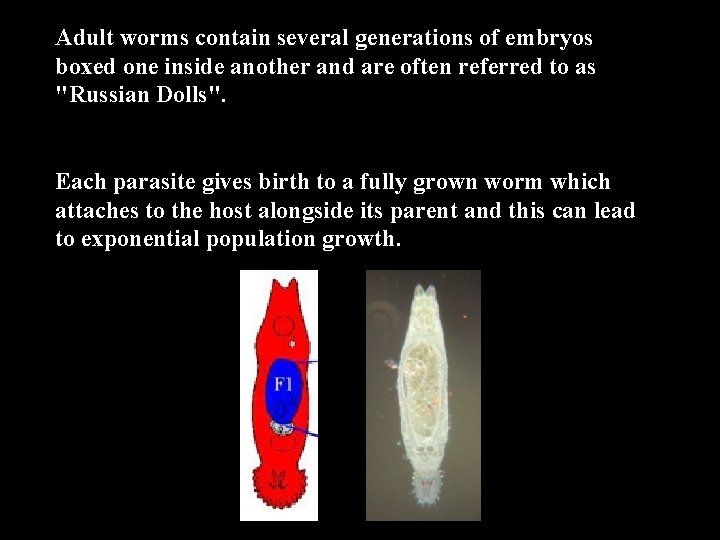
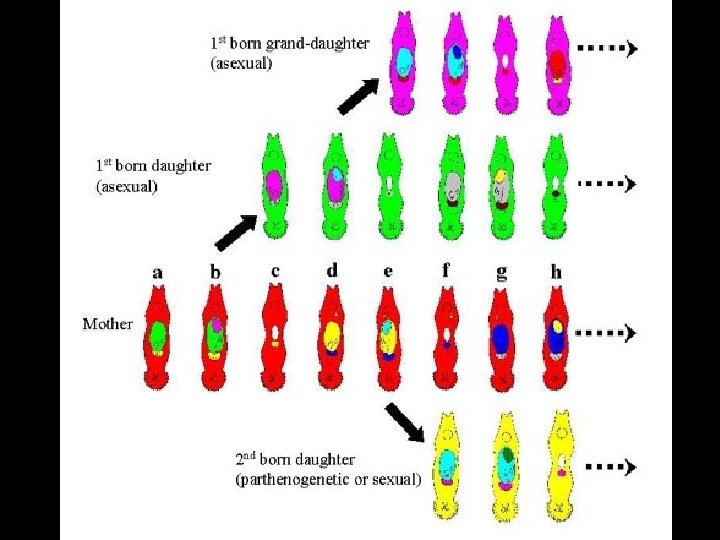
Adult worms contain several generations of embryos boxed one inside another and are often referred to as "Russian Dolls". Each parasite gives birth to a fully grown worm which attaches to the host alongside its parent and this can lead to exponential population growth.
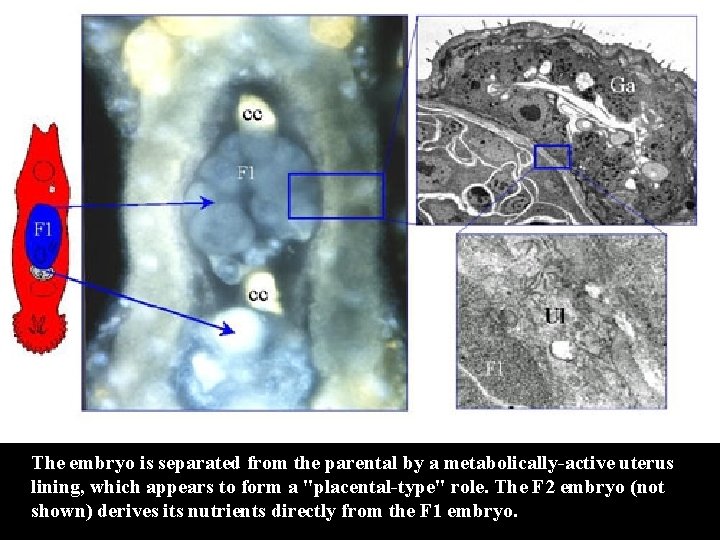
The embryo is separated from the parental by a metabolically-active uterus lining, which appears to form a "placental-type" role. The F 2 embryo (not shown) derives its nutrients directly from the F 1 embryo.
Gyrodactylus • The reproductive biology of Gyrodactylus is further complicated as different modes of reproduction (asexual, parthenogenesis and sexual) may be involved in the life cycle of an individual worm.
Gyrodactylus sp.
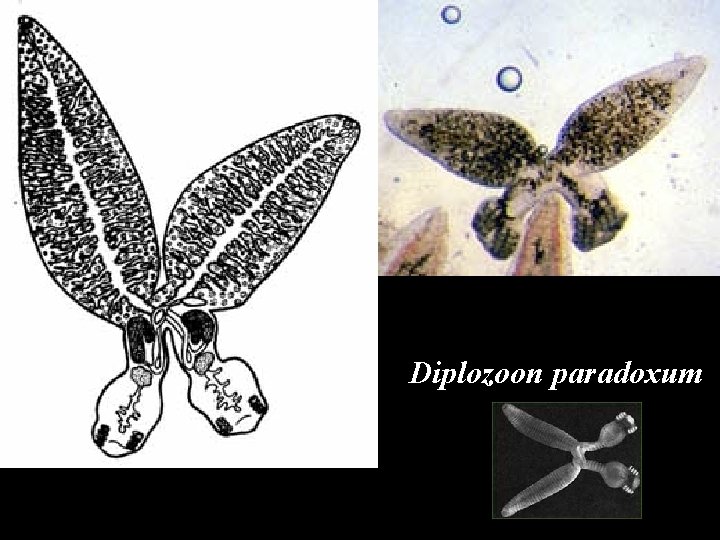
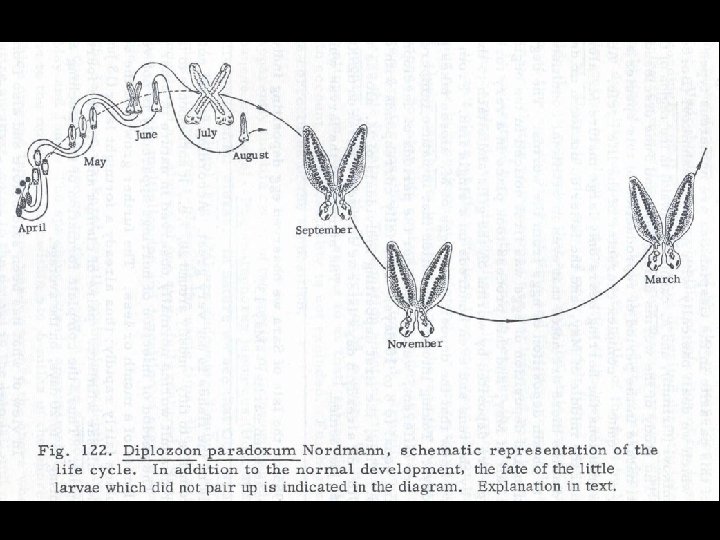
Diplozoon paradoxum
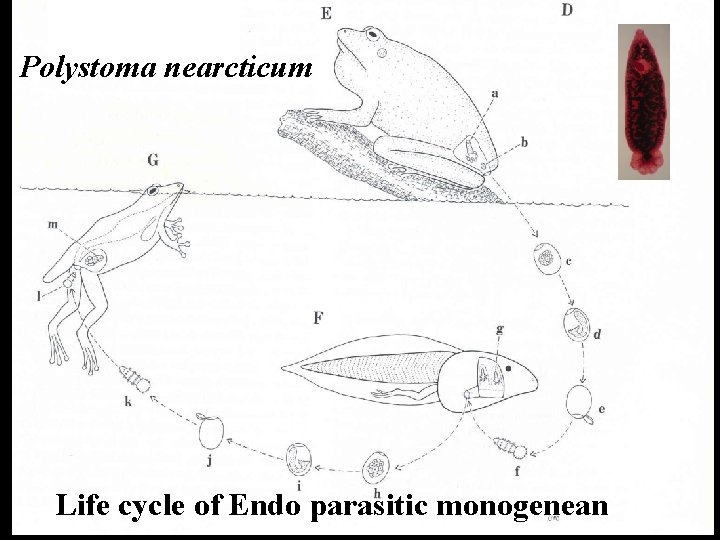
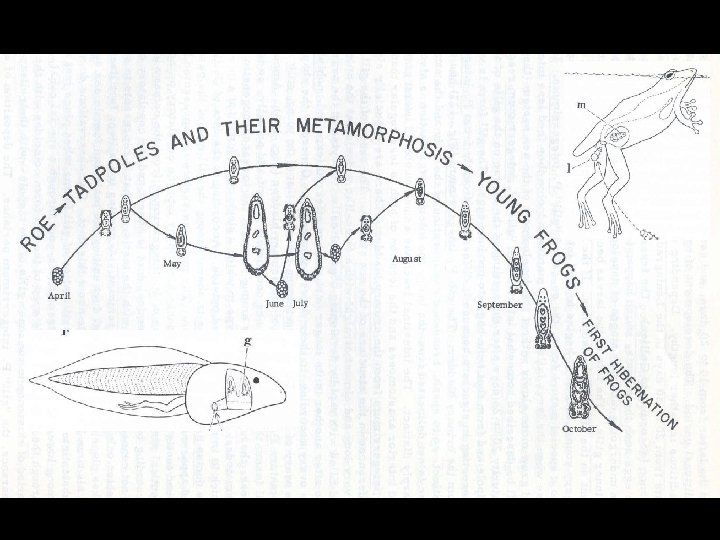
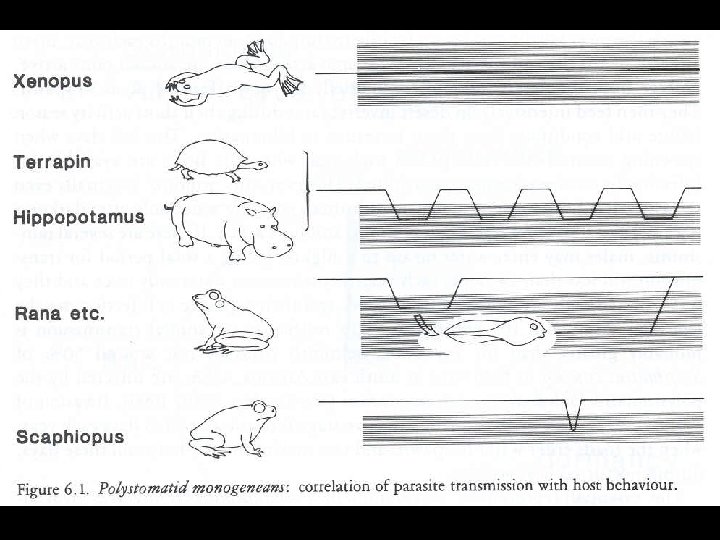
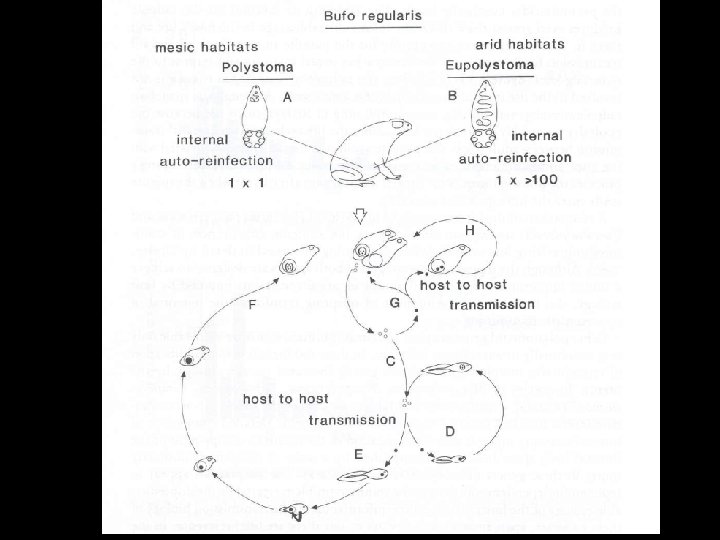
Polystoma nearcticum Life cycle of Endo parasitic monogenean
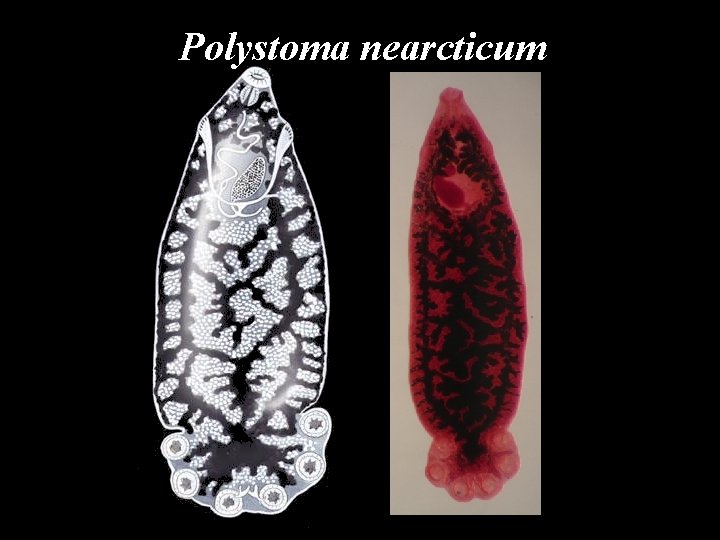
Polystoma nearcticum
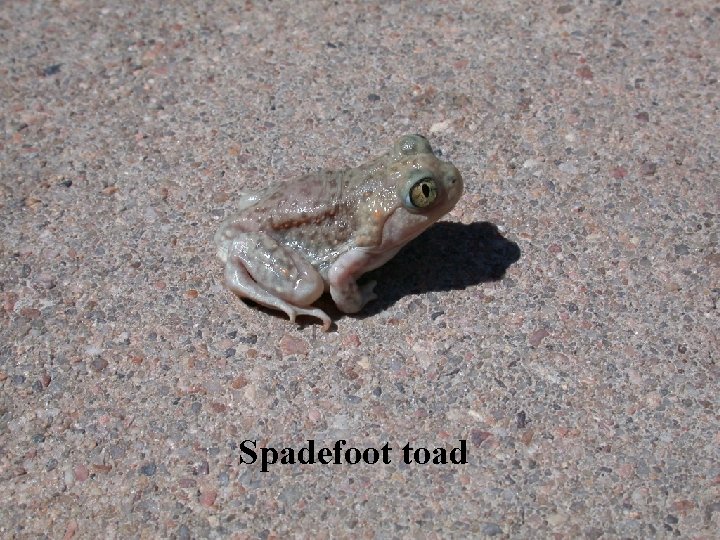
Spadefoot toad
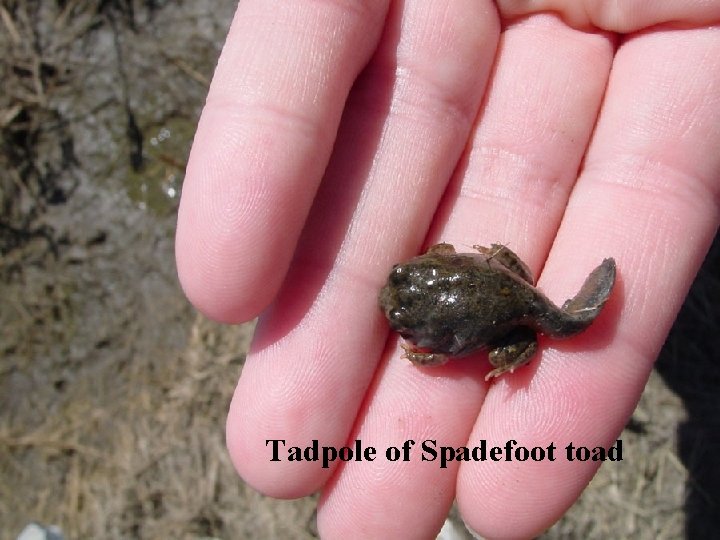
Tadpole of Spadefoot toad
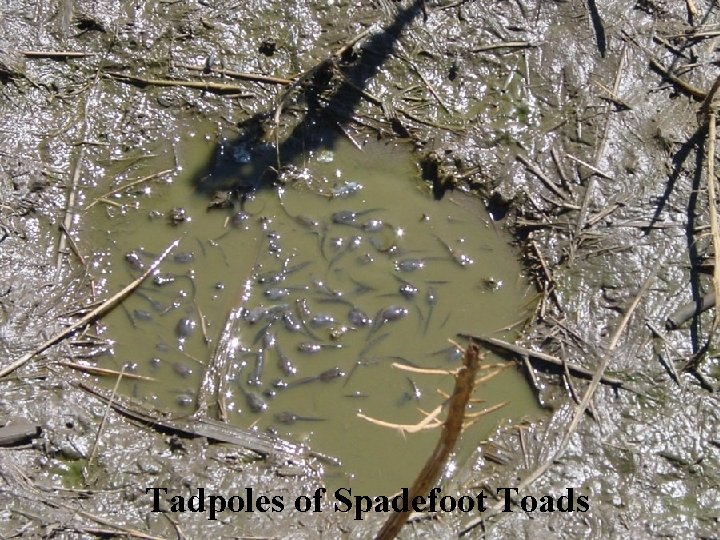
Tadpoles of Spadefoot Toads
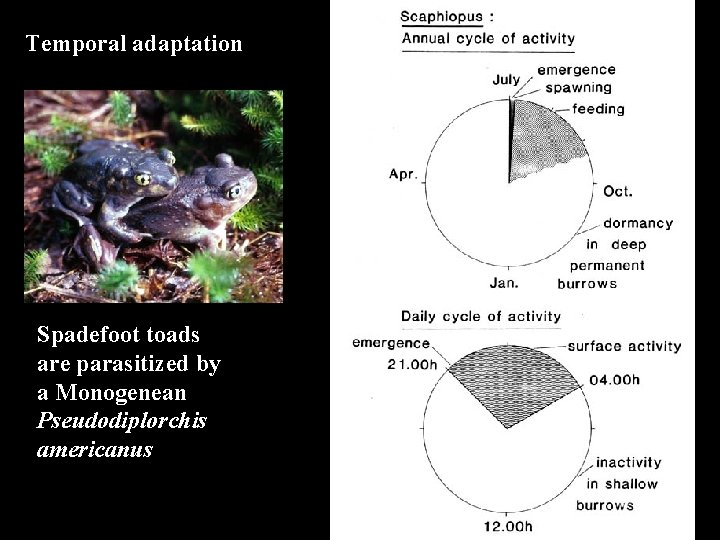
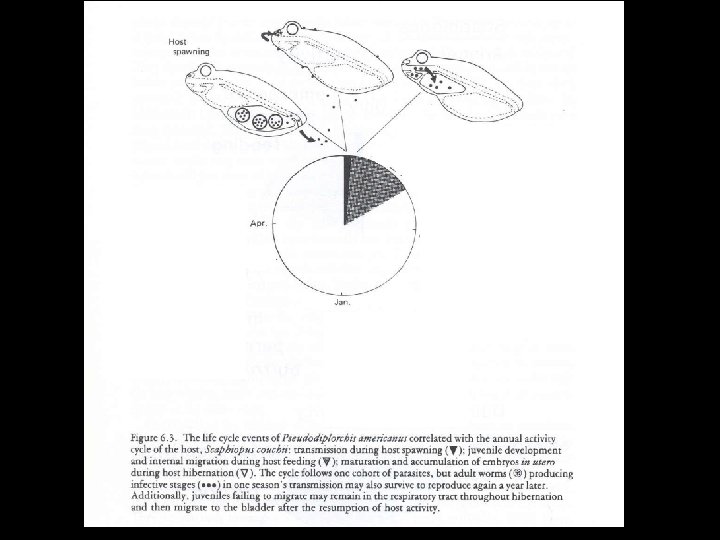
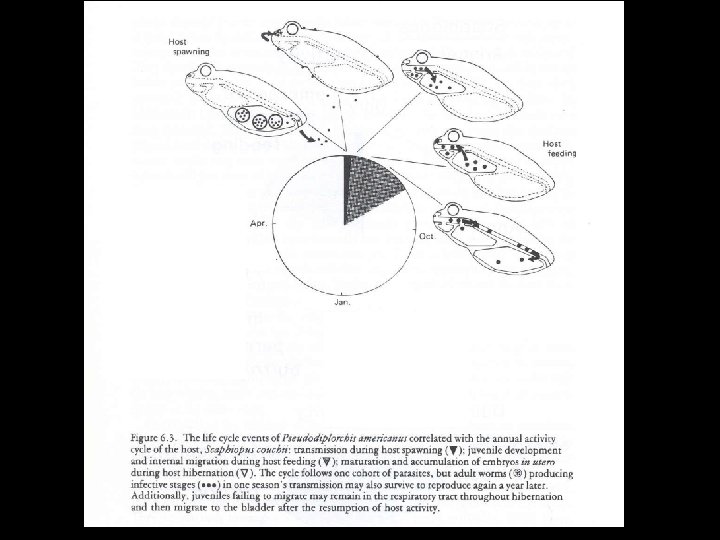
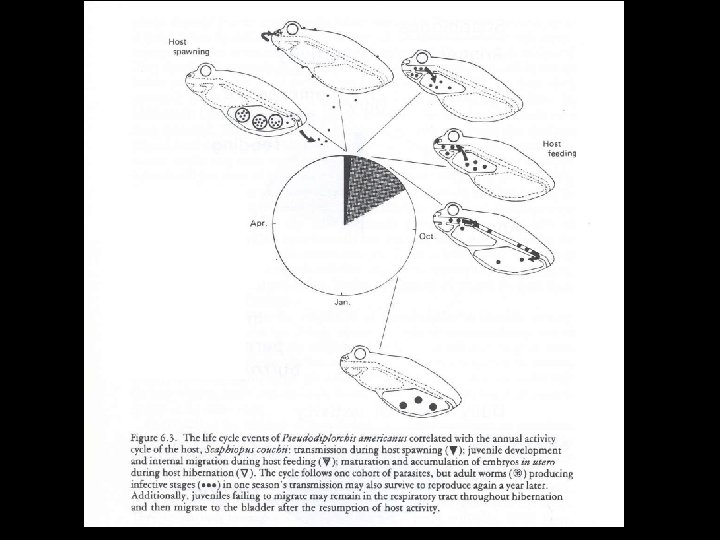
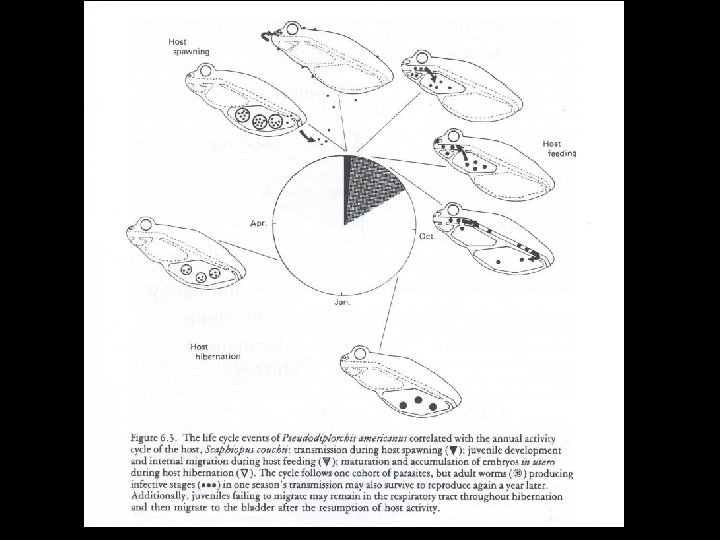
Temporal adaptation Spadefoot toads are parasitized by a Monogenean Pseudodiplorchis americanus
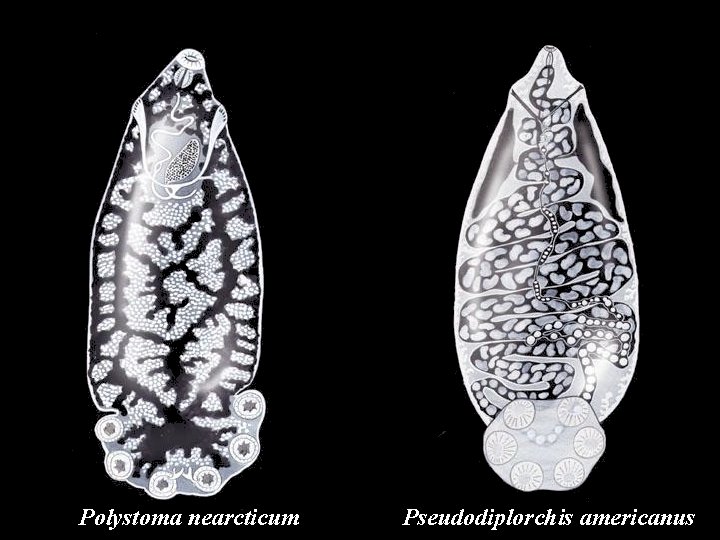
Polystoma nearcticum Pseudodiplorchis americanus
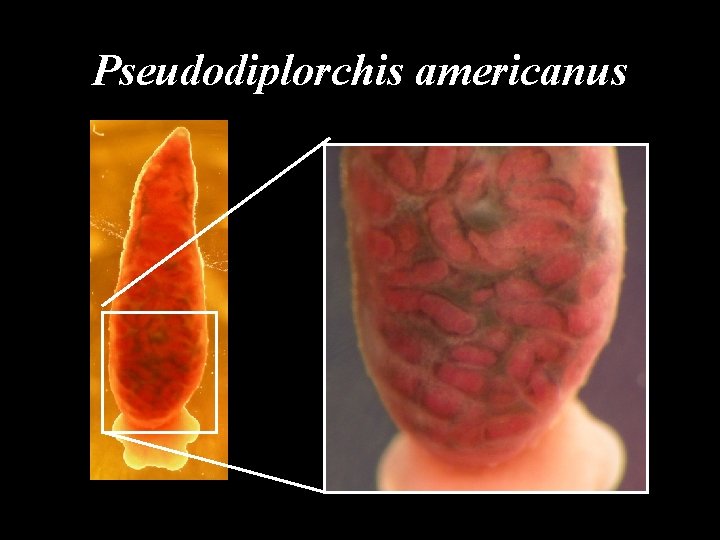
Pseudodiplorchis americanus
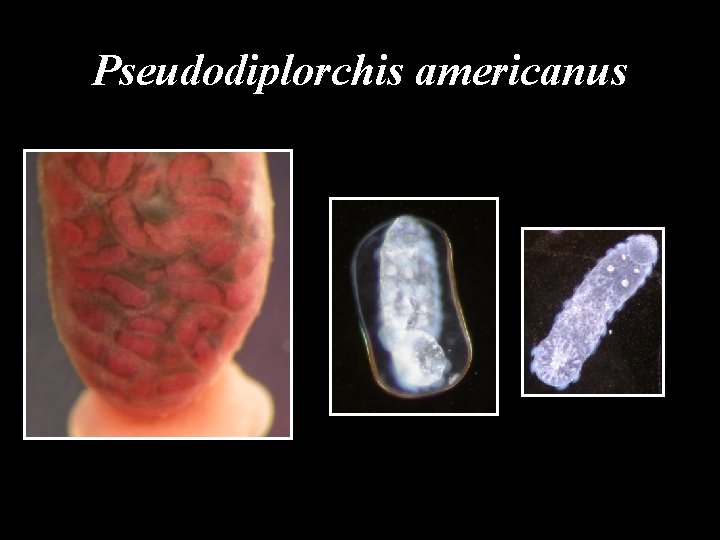
Pseudodiplorchis americanus
Pseudodiplorchis americanus
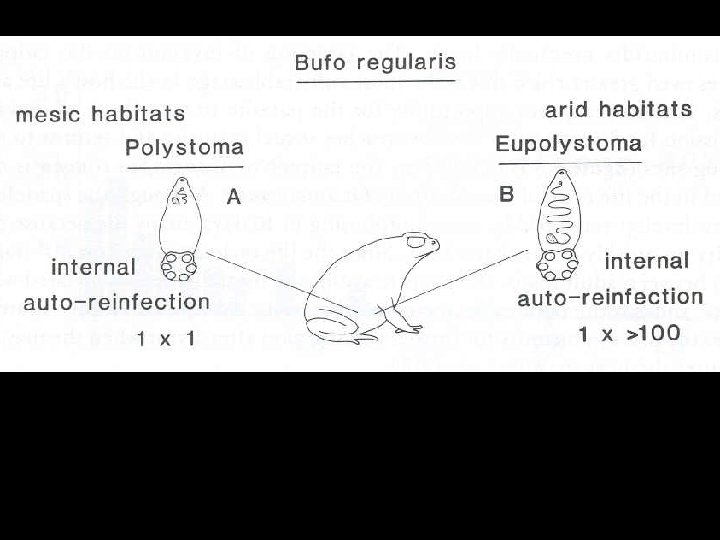
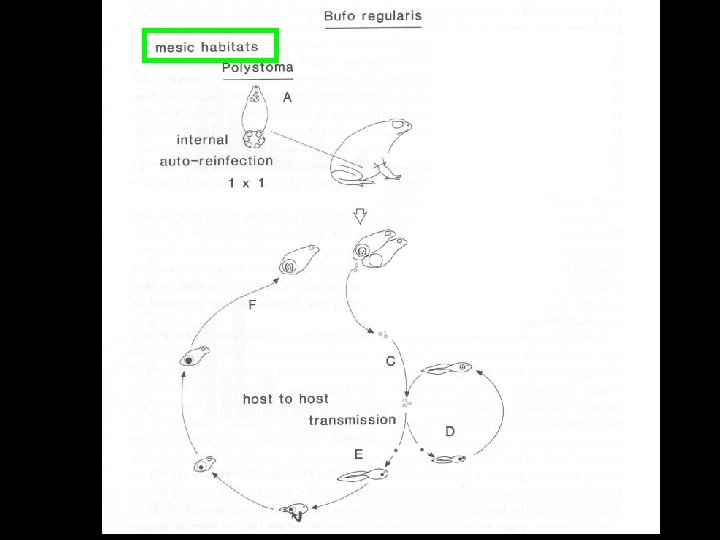
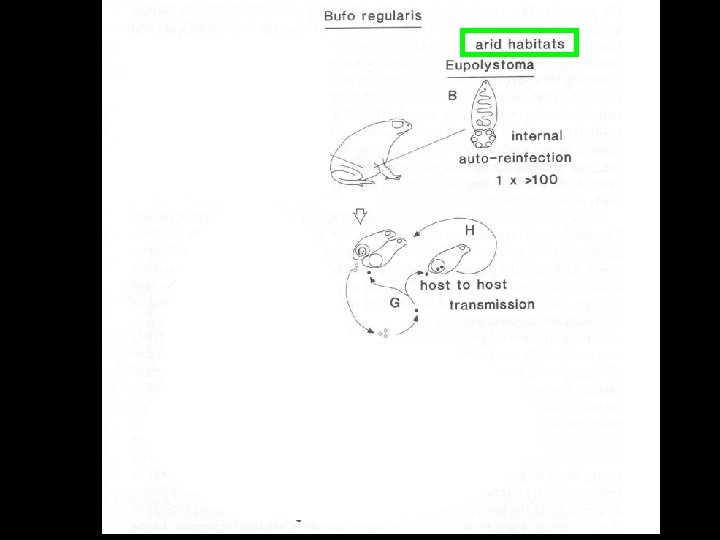
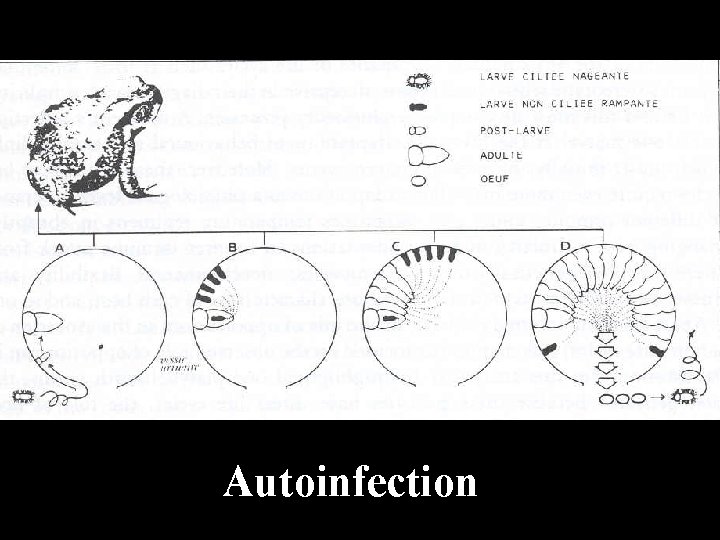
Autoinfection
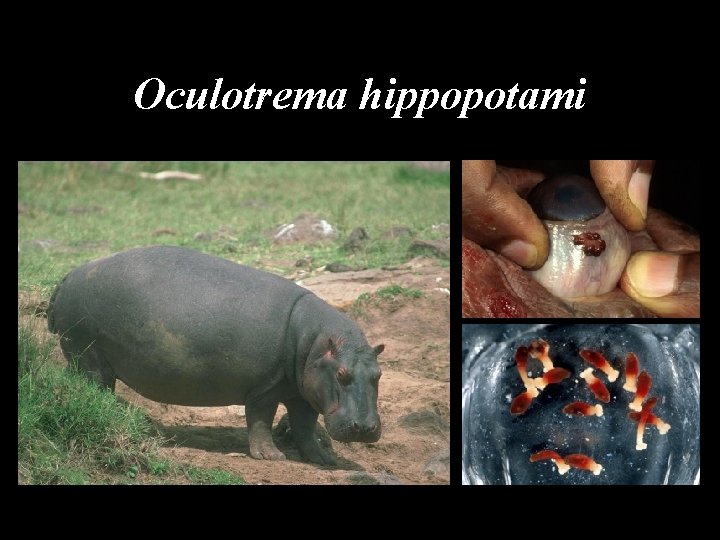
Oculotrema hippopotami
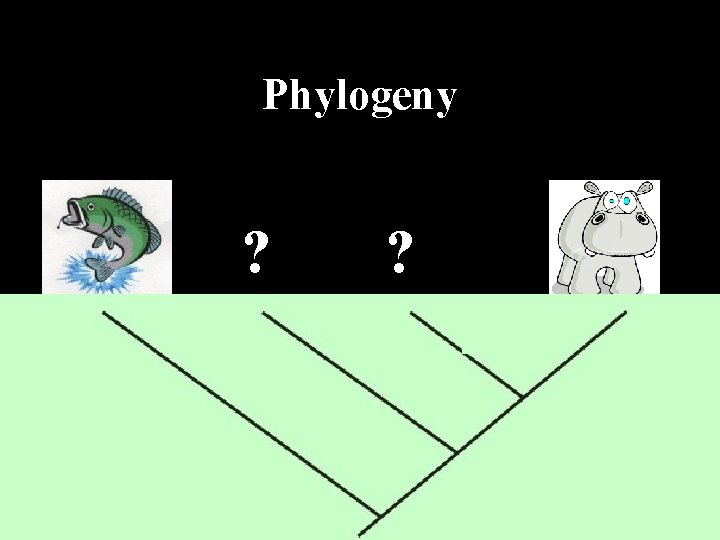
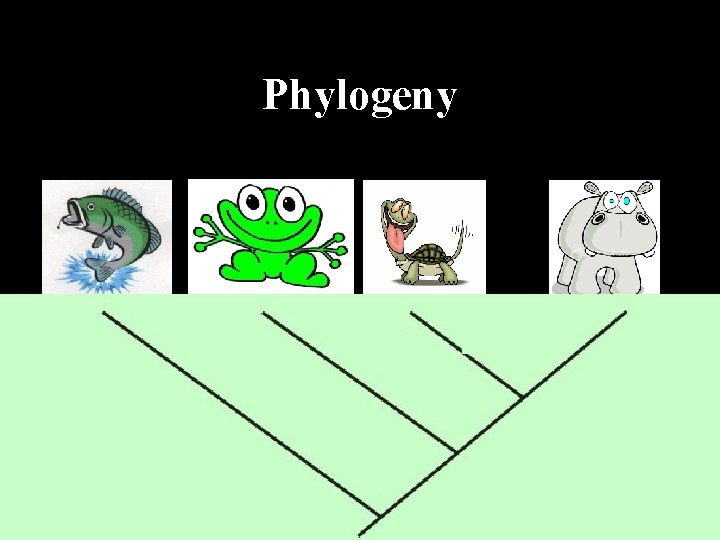
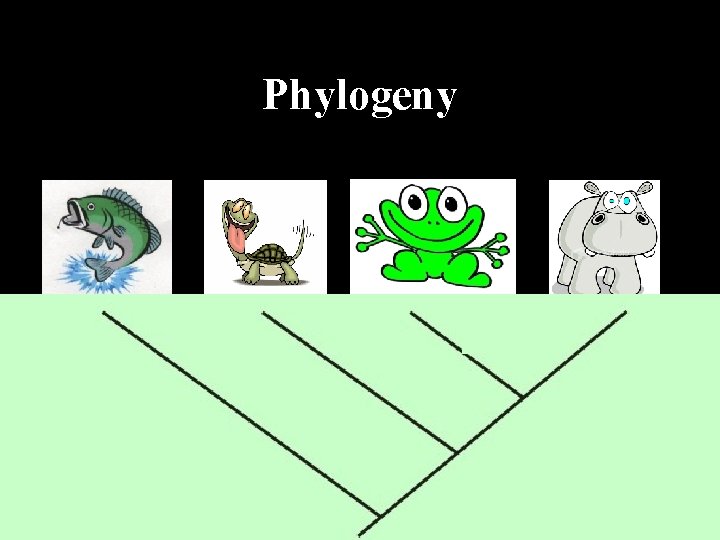
Phylogeny ? ?
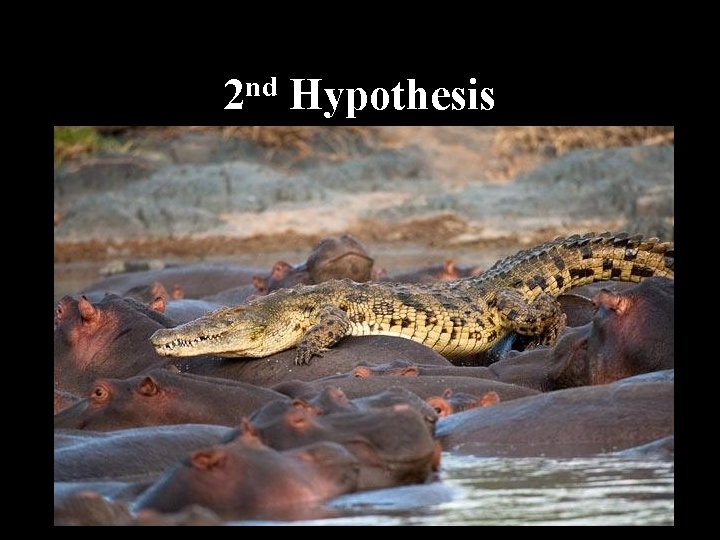
What animals do you see in this photo?
Phylogeny
Phylogeny
nd 2 Hypothesis