
OVERVIEW OF CHEMOTHERAPYINDUCED PERIPHERAL NEUROPATHY OVER 55 YEARS

- Slides: 32
OVERVIEW OF CHEMOTHERAPY-INDUCED PERIPHERAL NEUROPATHY OVER 55 YEARS OF NEUROPATHIC TOXICITY: IF NOT NOW, WHEN DO WE TAKE AAACTTION JOANNA M BRELL, MD CLINICAL ASSOCIATE PROFESSOR OF MEDICINE CASE WESTERN RESERVE UNIVERSITY ASSOCIATE DIRECTOR CANCER CENTER FOR CLINICAL RESEARCH METROHEALTH CANCER CENTER MARCH 23, 2017
OUTLINE • Incidence and diagnosis • Case report • Significance • American Society Clinical Oncology approach
DEFINITION CHEMOTHERAPY-INDUCED PERIPHERAL NEUROPATHY (CIPN) • You know it when you see it…… • Symptoms predominantly of sensory neuropathy – distal extremity numbness, paresthesias, burning pain, cramping, weakness, imbalance/proprioception – within a usual time frame from receipt certain cancer therapies • Onset and symptoms prescripted by anti-cancer therapy • Range of symptoms: sensory vs pain vs both
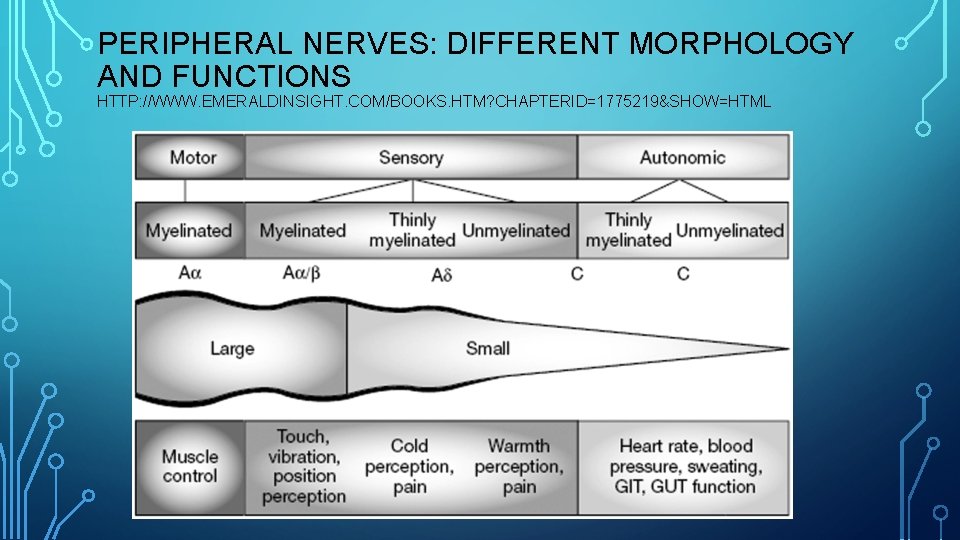
PERIPHERAL NERVES: DIFFERENT MORPHOLOGY AND FUNCTIONS HTTP: //WWW. EMERALDINSIGHT. COM/BOOKS. HTM? CHAPTERID=1775219&SHOW=HTML
CIPN DESCRIPTION • Most common Dose-Limiting Toxicity (DLT) as N&V, neutropenia more preventable • No FDA-approved treatments or prevention • Further translational data to inform development of treatments • Unmet clinical need Need definition of heterogenous, complex condition
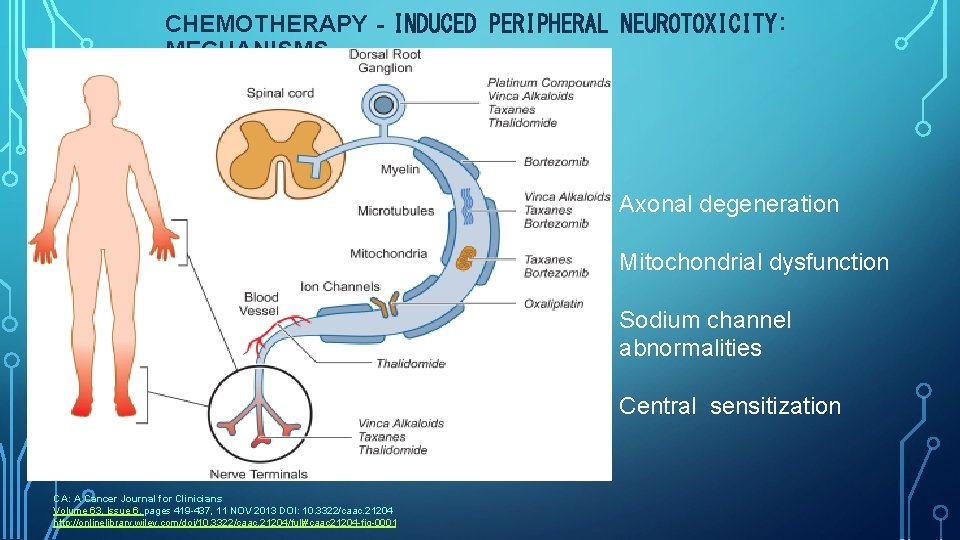
CHEMOTHERAPY‐INDUCED PERIPHERAL NEUROTOXICITY: MECHANISMS Axonal degeneration Mitochondrial dysfunction Sodium channel abnormalities Central sensitization CA: A Cancer Journal for Clinicians Volume 63, Issue 6, pages 419 -437, 11 NOV 2013 DOI: 10. 3322/caac. 21204 http: //onlinelibrary. wiley. com/doi/10. 3322/caac. 21204/full#caac 21204 -fig-0001
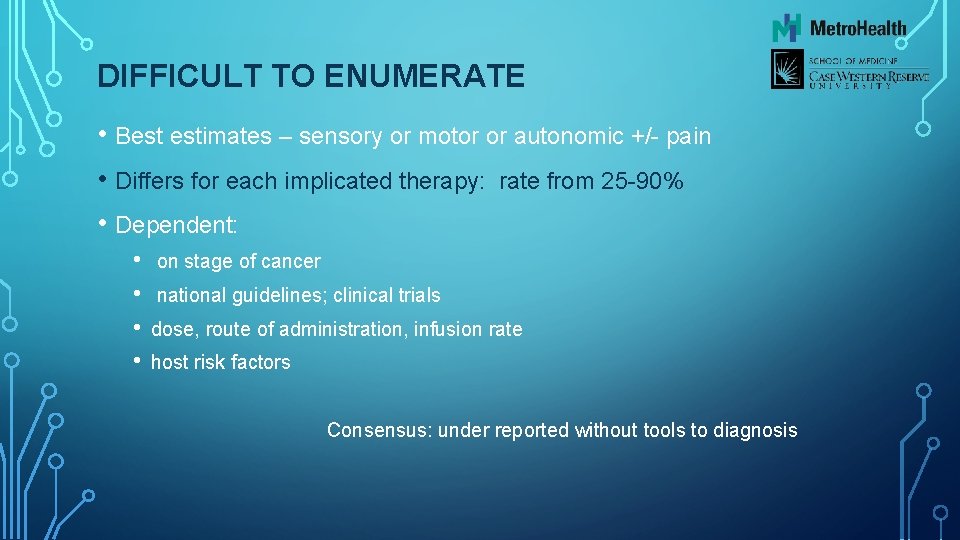
DIFFICULT TO ENUMERATE • Best estimates – sensory or motor or autonomic +/- pain • Differs for each implicated therapy: rate from 25 -90% • Dependent: • • on stage of cancer national guidelines; clinical trials dose, route of administration, infusion rate host risk factors Consensus: under reported without tools to diagnosis
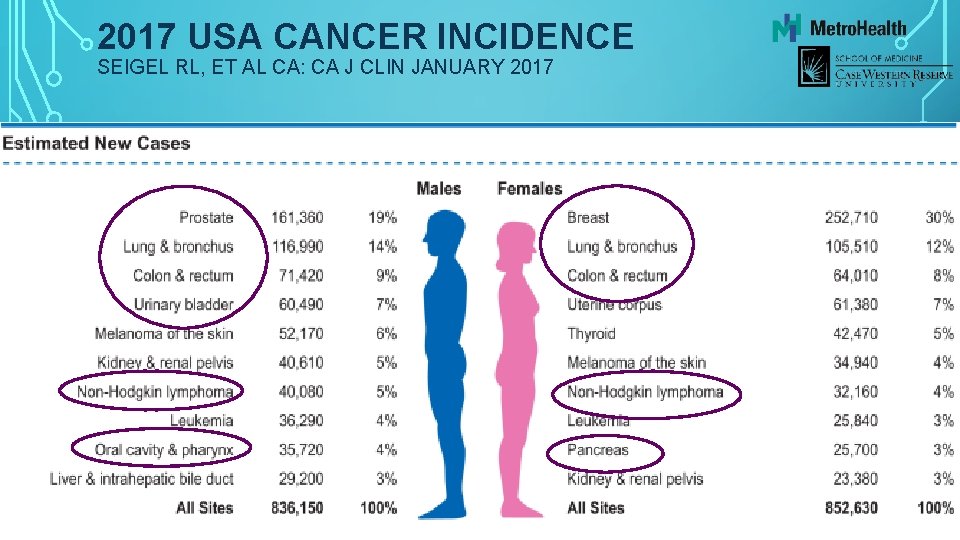
2017 USA CANCER INCIDENCE SEIGEL RL, ET AL CA: CA J CLIN JANUARY 2017
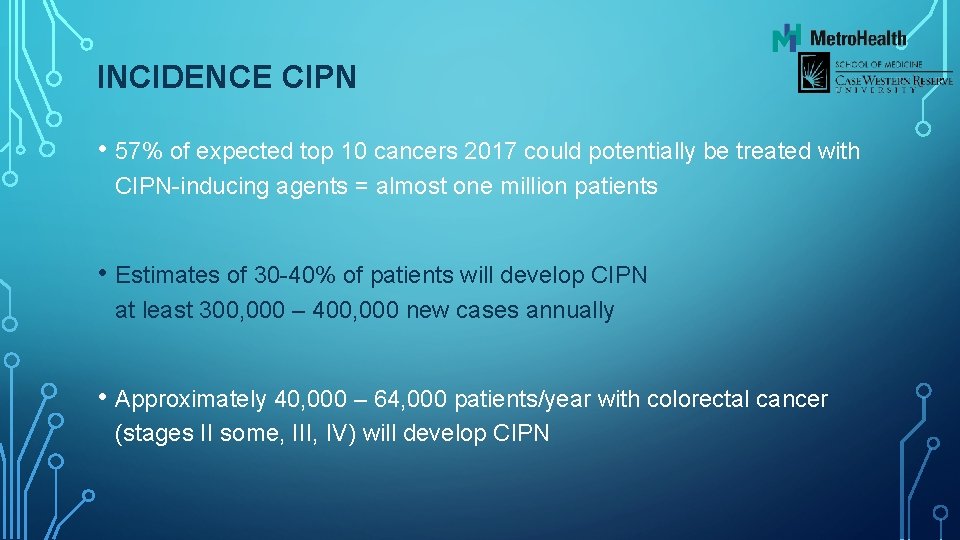
INCIDENCE CIPN • 57% of expected top 10 cancers 2017 could potentially be treated with CIPN-inducing agents = almost one million patients • Estimates of 30 -40% of patients will develop CIPN at least 300, 000 – 400, 000 new cases annually • Approximately 40, 000 – 64, 000 patients/year with colorectal cancer (stages II some, III, IV) will develop CIPN
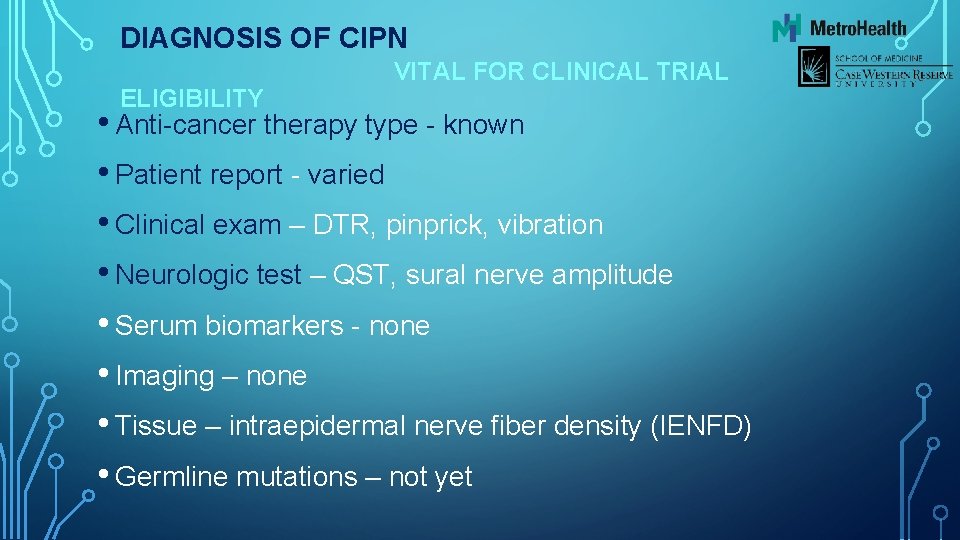
DIAGNOSIS OF CIPN ELIGIBILITY VITAL FOR CLINICAL TRIAL • Anti-cancer therapy type - known • Patient report - varied • Clinical exam – DTR, pinprick, vibration • Neurologic test – QST, sural nerve amplitude • Serum biomarkers - none • Imaging – none • Tissue – intraepidermal nerve fiber density (IENFD) • Germline mutations – not yet
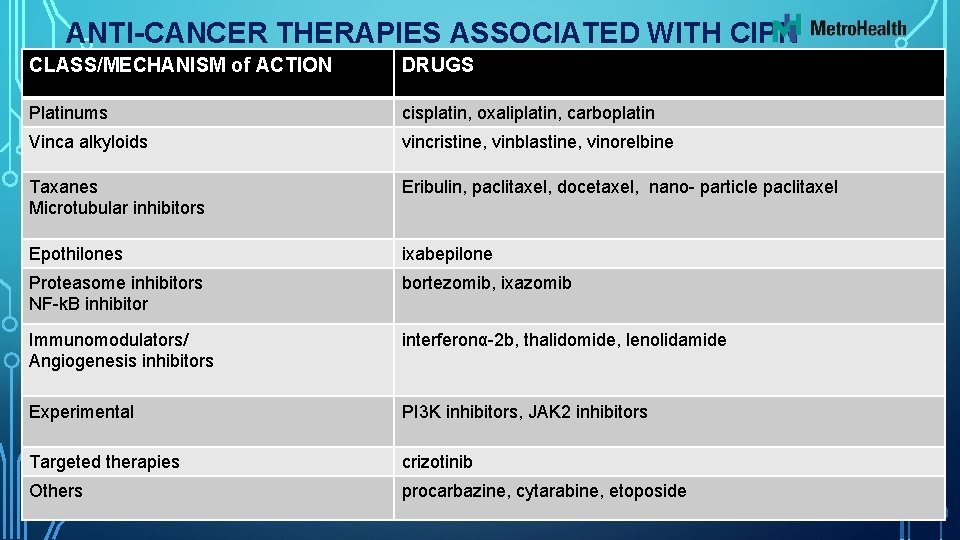
ANTI-CANCER THERAPIES ASSOCIATED WITH CIPN CLASS/MECHANISM of ACTION DRUGS Platinums cisplatin, oxaliplatin, carboplatin Vinca alkyloids vincristine, vinblastine, vinorelbine Taxanes Microtubular inhibitors Eribulin, paclitaxel, docetaxel, nano- particle paclitaxel Epothilones ixabepilone Proteasome inhibitors NF-k. B inhibitor bortezomib, ixazomib Immunomodulators/ Angiogenesis inhibitors interferonα-2 b, thalidomide, lenolidamide Experimental PI 3 K inhibitors, JAK 2 inhibitors Targeted therapies crizotinib Others procarbazine, cytarabine, etoposide
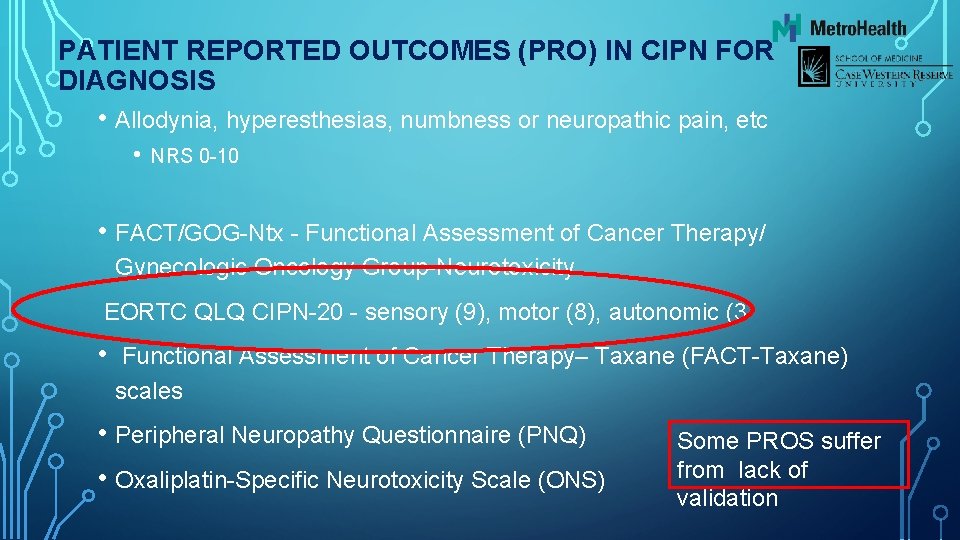
PATIENT REPORTED OUTCOMES (PRO) IN CIPN FOR DIAGNOSIS • Allodynia, hyperesthesias, numbness or neuropathic pain, etc • NRS 0 -10 • FACT/GOG-Ntx - Functional Assessment of Cancer Therapy/ Gynecologic Oncology Group-Neurotoxicity EORTC QLQ CIPN-20 - sensory (9), motor (8), autonomic (3 • Functional Assessment of Cancer Therapy– Taxane (FACT-Taxane) scales • Peripheral Neuropathy Questionnaire (PNQ) • Oxaliplatin-Specific Neurotoxicity Scale (ONS) Some PROS suffer from lack of validation
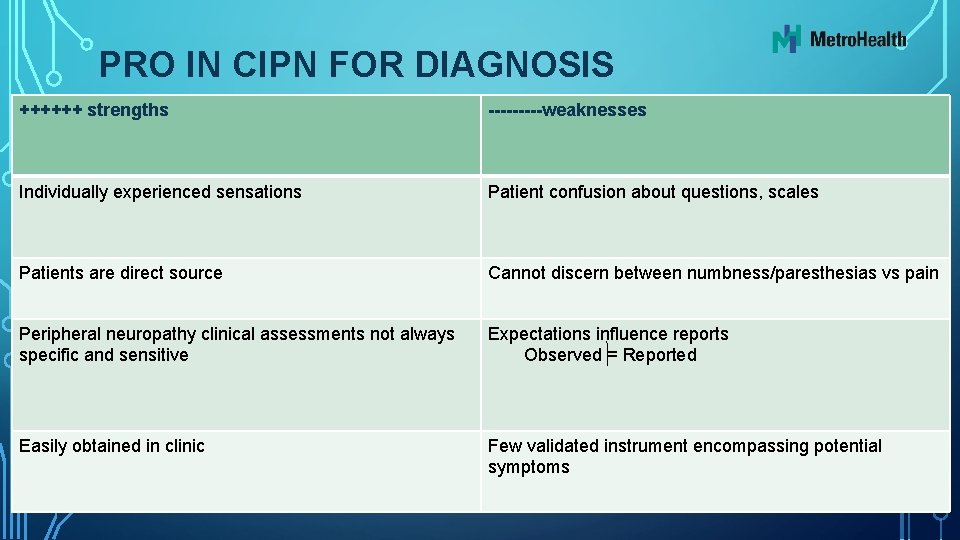
PRO IN CIPN FOR DIAGNOSIS ++++++ strengths -----weaknesses Individually experienced sensations Patient confusion about questions, scales Patients are direct source Cannot discern between numbness/paresthesias vs pain Peripheral neuropathy clinical assessments not always specific and sensitive Expectations influence reports Observed = Reported Easily obtained in clinic Few validated instrument encompassing potential symptoms
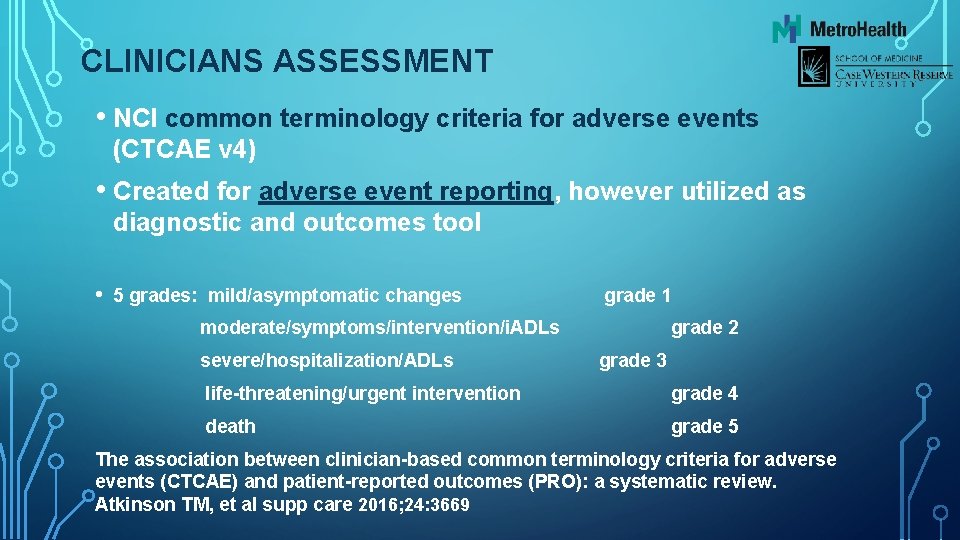
CLINICIANS ASSESSMENT • NCI common terminology criteria for adverse events (CTCAE v 4) • Created for adverse event reporting, however utilized as diagnostic and outcomes tool • 5 grades: mild/asymptomatic changes grade 1 moderate/symptoms/intervention/i. ADLs severe/hospitalization/ADLs grade 2 grade 3 life-threatening/urgent intervention grade 4 death grade 5 The association between clinician-based common terminology criteria for adverse events (CTCAE) and patient-reported outcomes (PRO): a systematic review. Atkinson TM, et al supp care 2016; 24: 3669
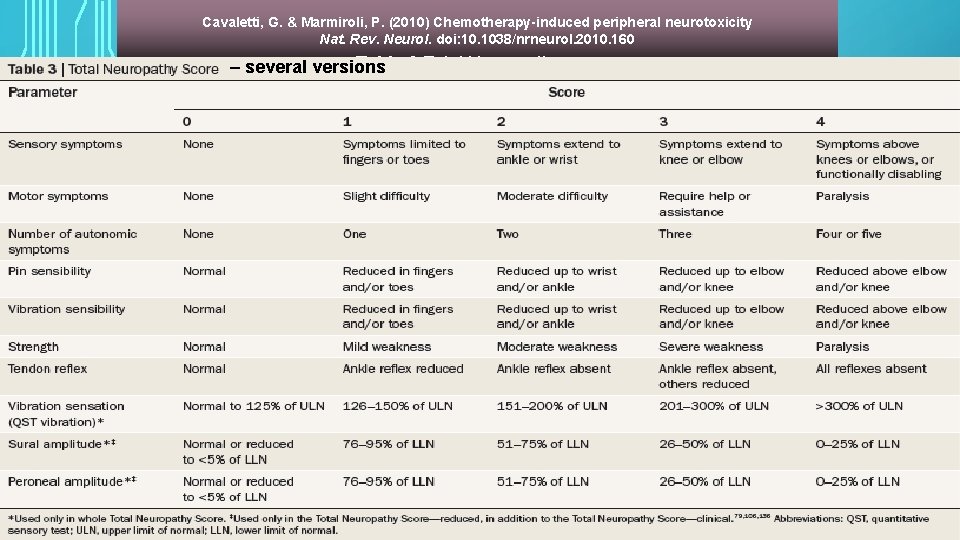
Cavaletti, G. & Marmiroli, P. (2010) Chemotherapy-induced peripheral neurotoxicity Nat. Rev. Neurol. doi: 10. 1038/nrneurol. 2010. 160 Table 3 Total Neuropathy score – several versions
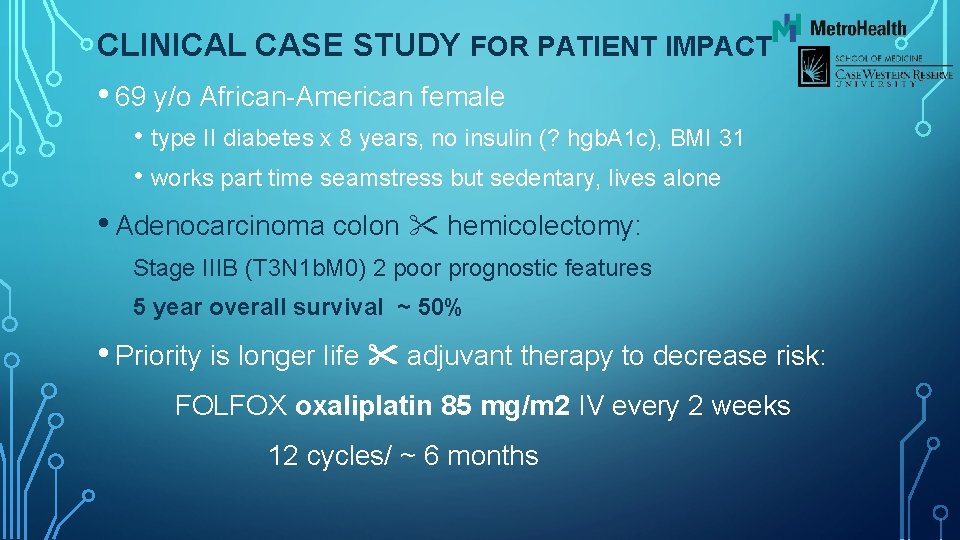
CLINICAL CASE STUDY FOR PATIENT IMPACT • 69 y/o African-American female • type II diabetes x 8 years, no insulin (? hgb. A 1 c), BMI 31 • works part time seamstress but sedentary, lives alone • Adenocarcinoma colon hemicolectomy: Stage IIIB (T 3 N 1 b. M 0) 2 poor prognostic features 5 year overall survival ~ 50% • Priority is longer life adjuvant therapy to decrease risk: FOLFOX oxaliplatin 85 mg/m 2 IV every 2 weeks 12 cycles/ ~ 6 months
CLINICAL COURSE • cycle 1: before leaving cancer center c/o SOB, laryngospasm, perioral sensations – decadron IV • cycle 1: couple hrs cold-induced perioral and pharyngolaryngeal dysesthesias and paresthesias fingers last 1 -2 days – glass • cycle 4: cold induced symptoms last 7 -9 days after chemo; mild paresthesias in toes
CLINICAL COURSE • cycle 5: in addition numbness in fingers and toes but still mild per patient (grade 1) • cycle 7: dropping objects, cramping hands, cannot pick up needles off counter (grade 2) but all other ADLs • cycle 7: 20% dose reduction oxaliplatin No symptomatic treatments desired as denies any pain – no disease modifying agents
CLINICAL COURSE • cycle 8 -10: “stable” or “improved” symptoms - patient not reporting ? • cycle 11 -12: “stable” later admits did not report worsening 6 weeks later abrupt worsening of symptoms 4 months later fingers and toes numb, no return to work 6 months later diabetic foot ulcer 1 st digit
CLINICAL COURSE • Risk factors: female, increasing age, African American, diabetes, obesity • Acute oxaliplatin neurologic symptoms experienced by almost all immediately or within several hours of infusion (reaction? ion channel dysfunction? : cold-induced perioral paresthesias, pharyngolaryngeal dysesthesia, SOB without hypoxia, jaw stiffness, muscle cramps) • Chronic sensory PN can be predicted by acute symptoms, early paresthesias? • Burning pain uncommon with oxaliplatin • Patients may not report accurately, under report, have tolerance high
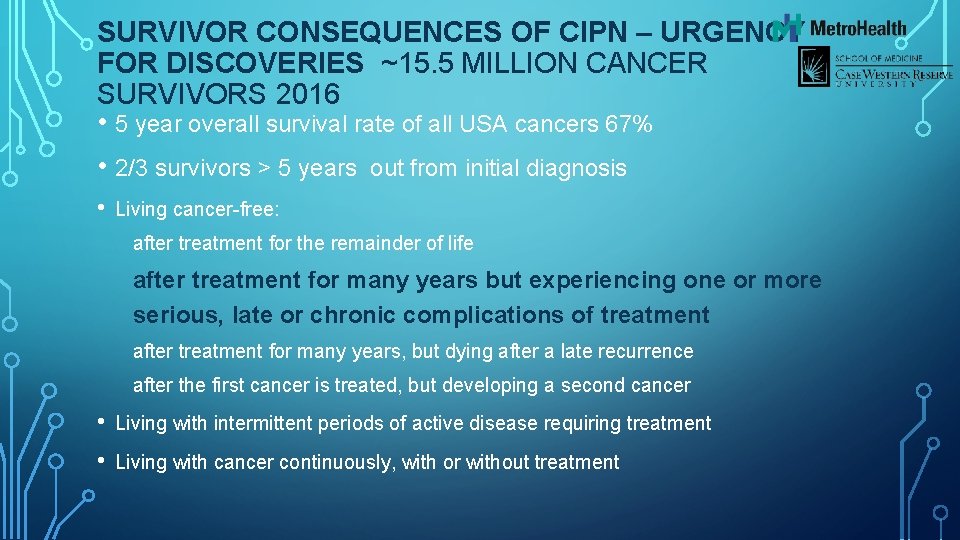
SURVIVOR CONSEQUENCES OF CIPN – URGENCY FOR DISCOVERIES ~15. 5 MILLION CANCER SURVIVORS 2016 • 5 year overall survival rate of all USA cancers 67% • 2/3 survivors > 5 years out from initial diagnosis • Living cancer-free: after treatment for the remainder of life after treatment for many years but experiencing one or more serious, late or chronic complications of treatment after treatment for many years, but dying after a late recurrence after the first cancer is treated, but developing a second cancer • Living with intermittent periods of active disease requiring treatment • Living with cancer continuously, with or without treatment
CONSEQUENCES OF CIPN - PHYSICAL • Anti-cancer therapy dose reduced or discontinued • No information regarding potential influence on survival outcomes • Functional status diminished • Daily activities altered: fine skills with hands, keyboarding, cooking • Difficulty ambulating • Chronic pain • More dependent on friends and family
CONSEQUENCES OF CIPN - QOL • Chemotherapy-induced neuropathy and its association with quality of life among 2 - to 11 -year colorectal cancer survivors: results from the population-based PROFILES registry. Mols F, et al J Clin Oncol 2013; 20(21): 2699707 • The trajectory of neurotoxic side effects’ impact on daily life: a qualitative study. Drott J, et al. Supp care ca 2016 DOI 10. 1007/s 00520 -016 -3179 -1 • Spiritual pain from persistent chemotherapy-induced peripheral neuropathy in colon cancer patients in Japan. Kyota A, et al Ann Ca Res 2016; 7: 3
CONSEQUENCES OF CIPN – FINANCIAL TOXICITY • Often unable to return to workforce or societal roles as caregivers, students • • Caregivers for the patients have lost productivity If patient is caregiver, replacement needed • Costs of healthcare • • 2010 estimated $2 billion/yr USA • • 2012 estimated $17, 344/patient/yr (~$5. 2 billion/yr USA) • $8, 092/yr outpatient 2 one million outpatient visits for CIPN at $4900/patient 1 CIPN in breast, ovarian, head/neck, or NSCLC patients with increased healthcare utilization/costs/work loss compared to diabetics and controls – all health spending 1 IMS Health data Lema, et al Oncologist; 2010 2 Administrative claims database CT Pike, et al Chemother Res Pract; 2012
PREVENTION AND MANAGEMENT OF CHEMOTHERAPY-INDUCED PERIPHERAL NEUROPATHY IN SURVIVORS OF ADULT CANCERS: AMERICAN SOCIETY OF CLINICAL ONCOLOGY (ASCO) CLINICAL PRACTICE GUIDELINE HERSHMAN ET AL JCO 2014 32(18) 1941 -1967 Determine prevention and treatment approaches for CIPN in adult cancer survivors • 48 eligible RCTs from 1990 – 2013 with CIPN outcome of interest • Small sample size • Heterogeneous in eligibility criteria, populations • Multiple different outcomes, measurements, instruments • Different time points for primary objective • No recommendations for prevention strategies
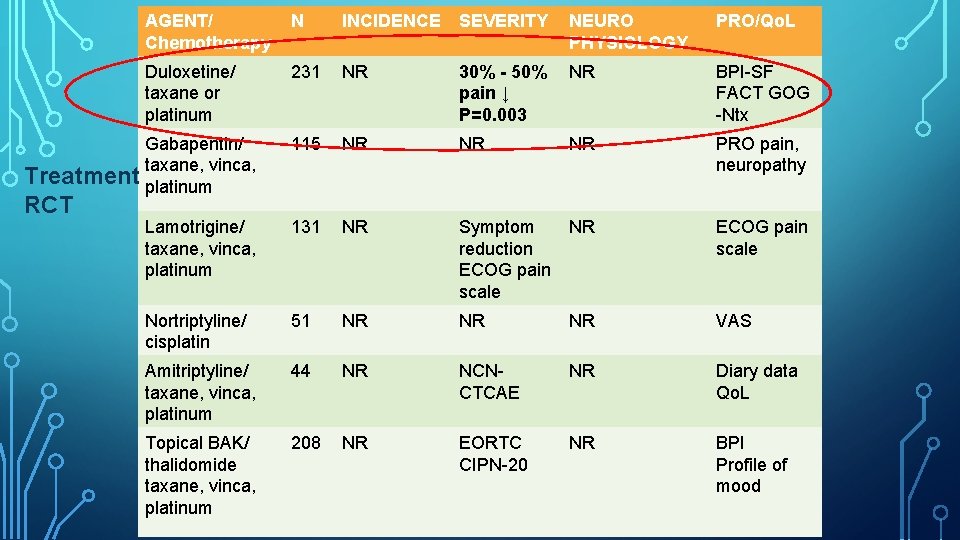
AGENT/ Chemotherapy N INCIDENCE SEVERITY NEURO PHYSIOLOGY PRO/Qo. L Duloxetine/ taxane or platinum 231 NR 30% - 50% pain ↓ P=0. 003 NR BPI-SF FACT GOG -Ntx Gabapentin/ taxane, vinca, Treatment platinum 115 NR NR NR PRO pain, neuropathy Lamotrigine/ taxane, vinca, platinum 131 NR Symptom NR reduction ECOG pain scale Nortriptyline/ cisplatin 51 NR NR NR VAS Amitriptyline/ taxane, vinca, platinum 44 NR NCNCTCAE NR Diary data Qo. L Topical BAK/ thalidomide taxane, vinca, platinum 208 NR EORTC CIPN-20 NR BPI Profile of mood RCT
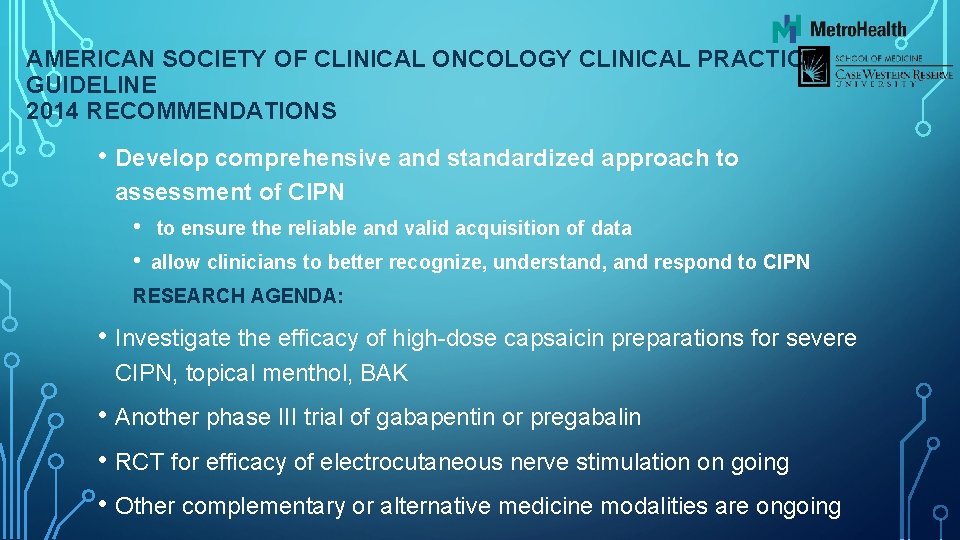
AMERICAN SOCIETY OF CLINICAL ONCOLOGY CLINICAL PRACTICE GUIDELINE 2014 RECOMMENDATIONS • Develop comprehensive and standardized approach to assessment of CIPN • • to ensure the reliable and valid acquisition of data allow clinicians to better recognize, understand, and respond to CIPN RESEARCH AGENDA: • Investigate the efficacy of high-dose capsaicin preparations for severe CIPN, topical menthol, BAK • Another phase III trial of gabapentin or pregabalin • RCT for efficacy of electrocutaneous nerve stimulation on going • Other complementary or alternative medicine modalities are ongoing
NATIONAL CANCER INSTITUTE COMMUNITY ONCOLOGY RESEARCH PROGRAM (NCI NCORP) NCORP peer-reviewed grants to cancer centers/cooperative groups to perform large phase II-III clinical trials in community Community medical oncologists with time and resource constraints Competing interests: Patients with multiple adverse events Attend to “treatable” side effects Less time for neurologic assessment Not best environment for complex clinical studies
NCI INVESTMENT IN CIPN MAINLY VIA NCORP �CIPN Clinical Trials Planning Meeting March 2009 ◦Reviewed clinical research, knowledge gaps �CIPN Workshop June 2011 ◦Sponsored by NCI-DCP, NCI-DCCPS, NINDS ◦Mechanistic research recommendations ◦Lead to Funding Opportunity PA-12 -082, 083 Ø CIPN Clinical Trials Planning Meeting March 2017 o Developing novel trials informed by translational science
CIPN CLINICAL TRIALS PLANNING MEETING MARCH 2017 DEVELOPING NOVEL TRIALS INFORMED BY TRANSLATIONAL SCIENCE • NCORP members, community oncologists, academic neurologists, Ph. D researchers, advocates • Longitudinal study recommendations: Work with SWOG database – not certain of exact data to be recorded; recommended cancer type, treatments with doses, drug levels, phenotype, PRO, neurologic assessments, ? biospecimens • Interventional study recommendations: Phase II studies ~ 60 pts of promising new drugs (not yet available), exercise, duloxetine as prevention (mechanism? )
SUMMARY CIPN • Chronic, debilitating problem touching receipt of cancer therapy, survivors, and society • No expectation incidence will decrease (Oxaliplatin cycles) • Increasing interest – multidisciplinary • Vincristine FDA approved 55 years ago • 2017 is the year for AAACTTION 6 vs 12