
Overview Environmental Science and Human Impacts on the
- Slides: 28
Overview Environmental Science and Human Impacts on the Environment
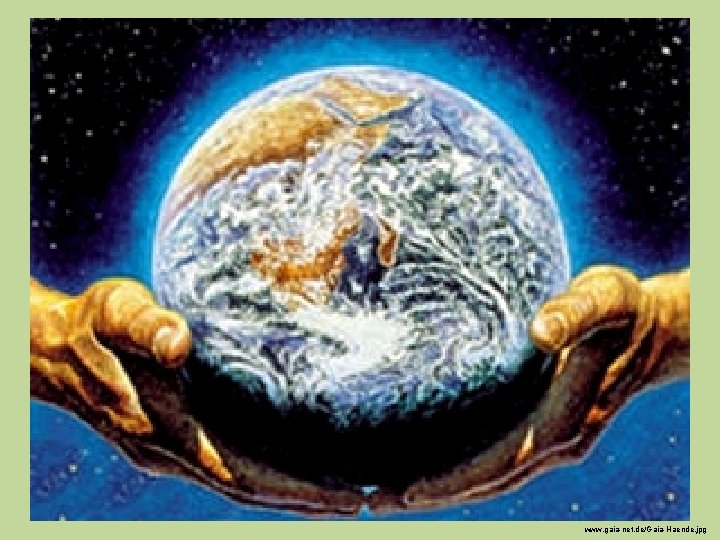
www. gaia-net. de/Gaia-Haende. jpg
Environmental Science • Interdisciplinary study of the interconnected problems associated with the environment. • Heavily leans upon ecology.
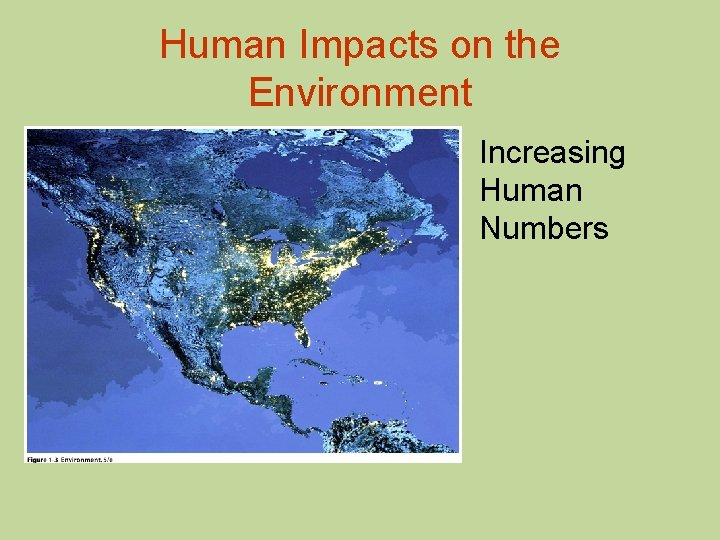
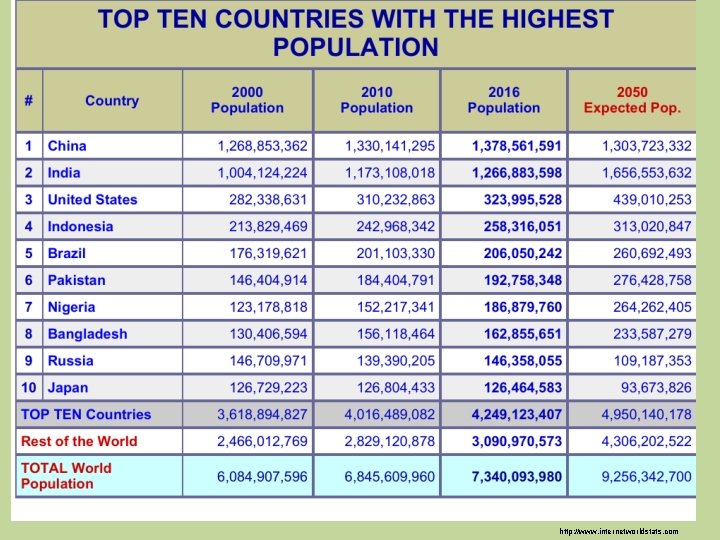
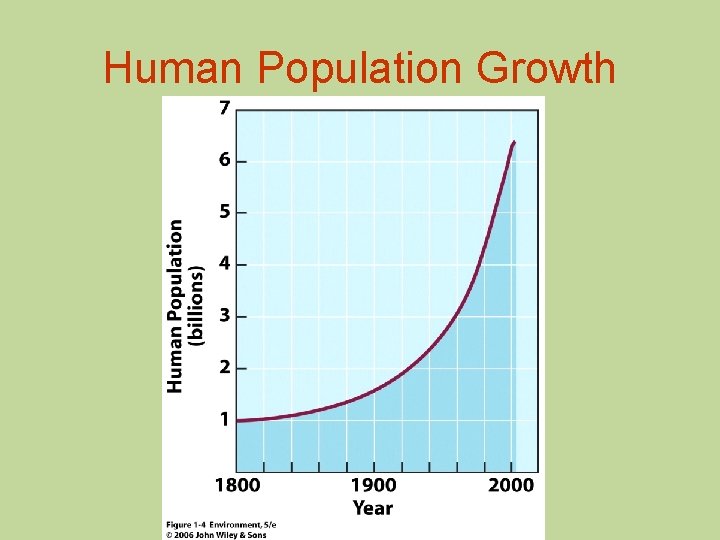
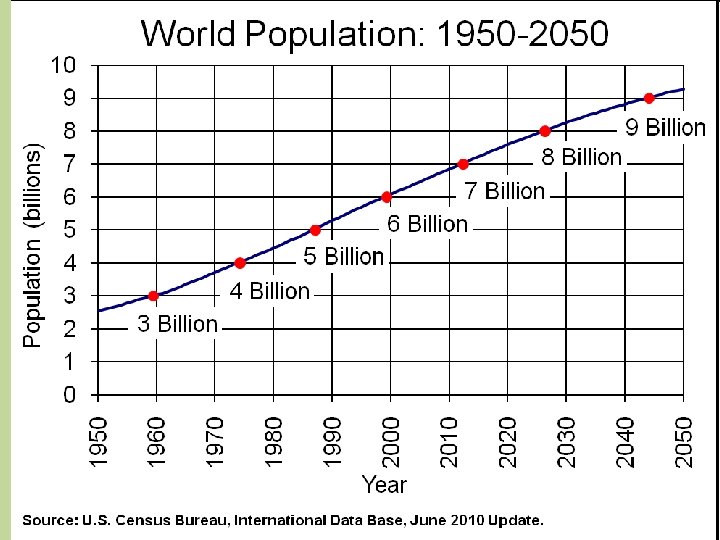
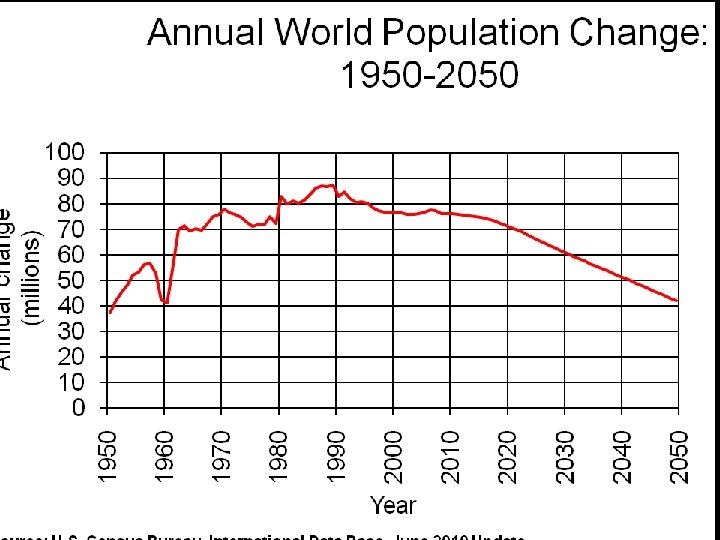
Human Impacts on the Environment Increasing Human Numbers
http: //www. internetworldstats. com
Human Population Growth
www. agilent. com
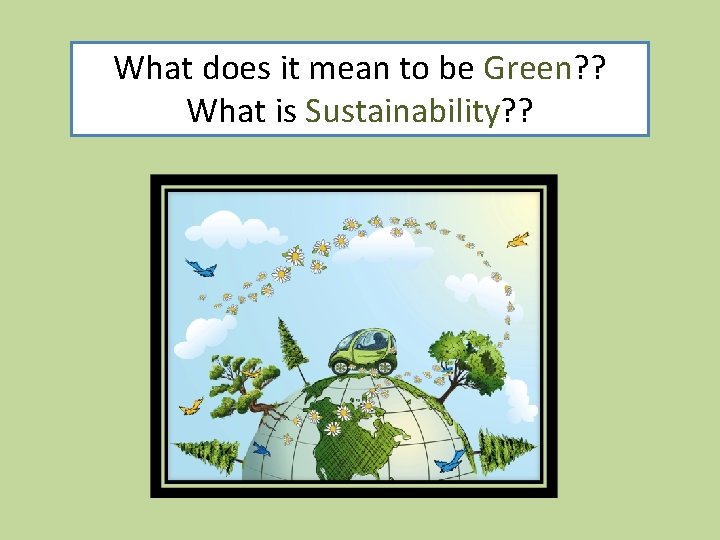
What does it mean to be Green? ? What is What does it mean to be Green? ? Sustainability? ? What is Sustainability? ?
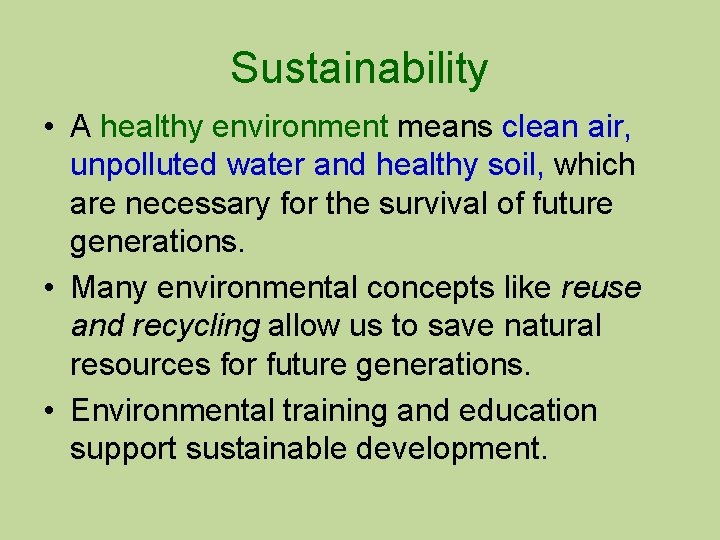
Sustainability • A healthy environment means clean air, unpolluted water and healthy soil, which are necessary for the survival of future generations. • Many environmental concepts like reuse and recycling allow us to save natural resources for future generations. • Environmental training and education support sustainable development.
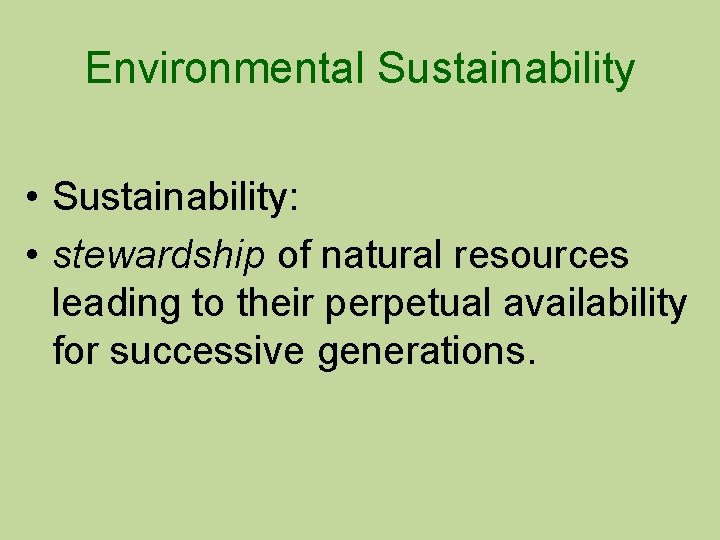
Environmental Sustainability • Sustainability: • stewardship of natural resources leading to their perpetual availability for successive generations.
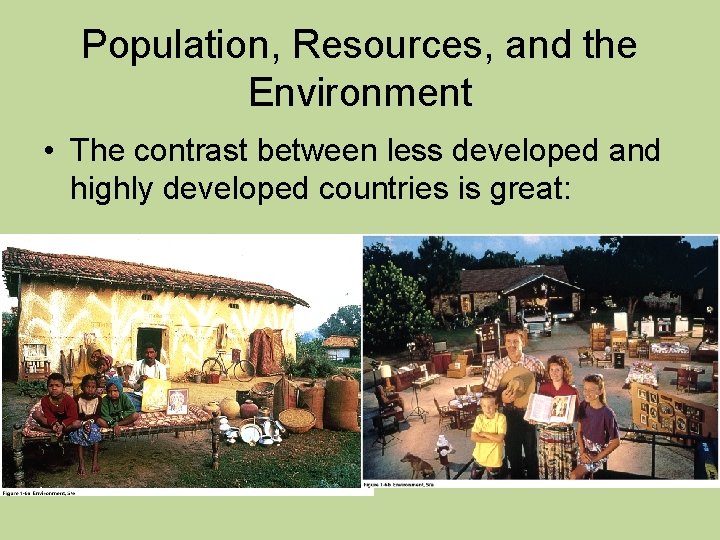
Population, Resources, and the Environment • The contrast between less developed and highly developed countries is great:
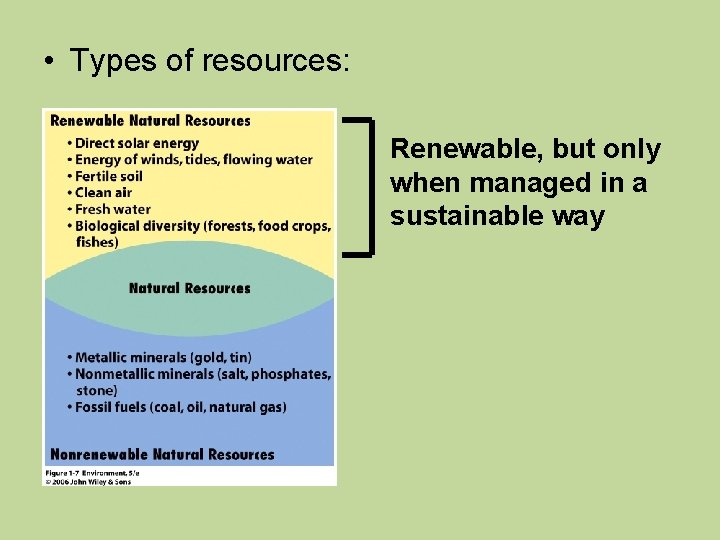
• Types of resources: Renewable, but only when managed in a sustainable way
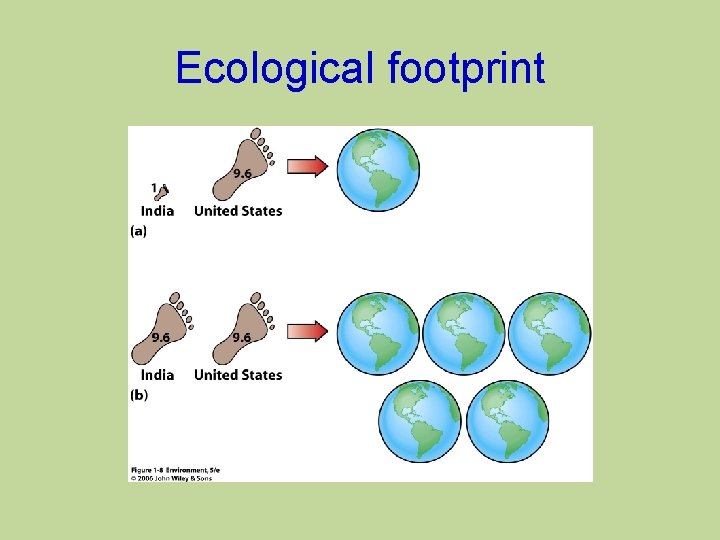
• People Overpopulation: when excess numbers of people cause environmental damage. • Consumption Overpopulation: when people consume enormous amounts of natural resources. Resource Consumption: because of our greater consumption rates, 1 US child has the environmental impact of 12+ children in less developed countries.
Ecological footprint
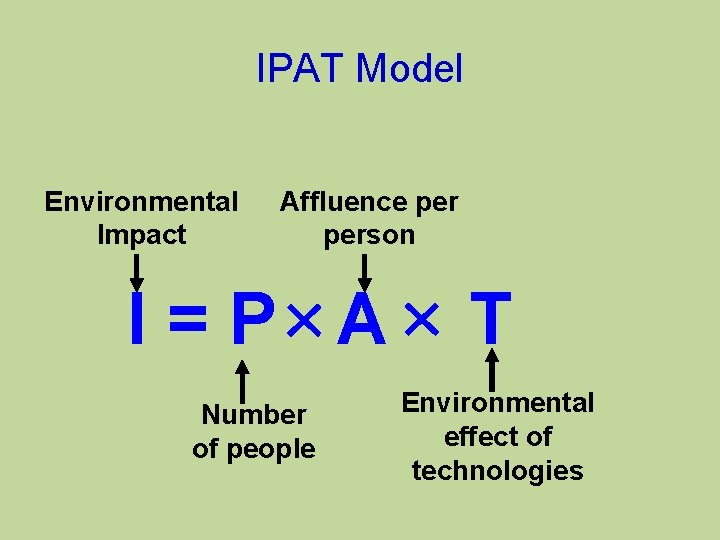
IPAT Model Environmental Impact Affluence person I=P A T Number of people Environmental effect of technologies
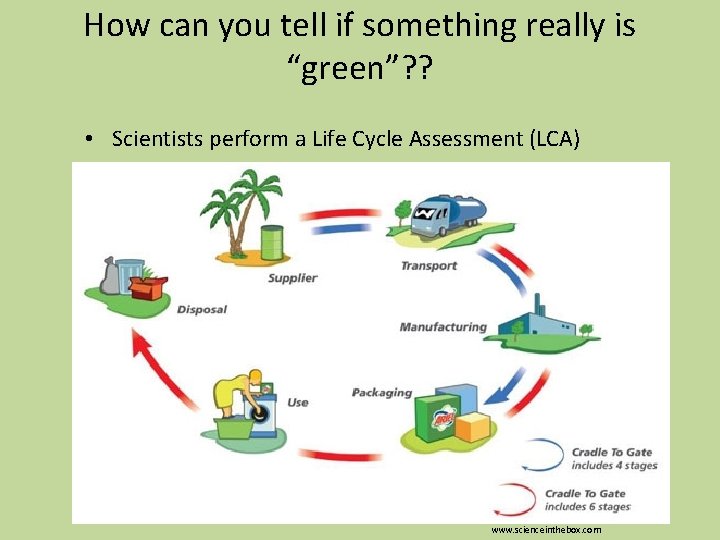
How can you tell if something really is “green”? ? • Scientists perform a Life Cycle Assessment (LCA) www. scienceinthebox. com
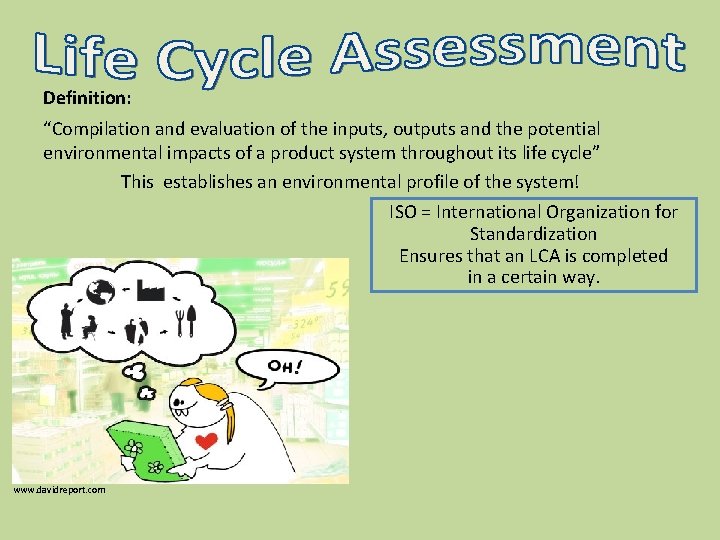
Definition: “Compilation and evaluation of the inputs, outputs and the potential environmental impacts of a product system throughout its life cycle” This establishes an environmental profile of the system! ISO = International Organization for Standardization Ensures that an LCA is completed in a certain way. www. davidreport. com
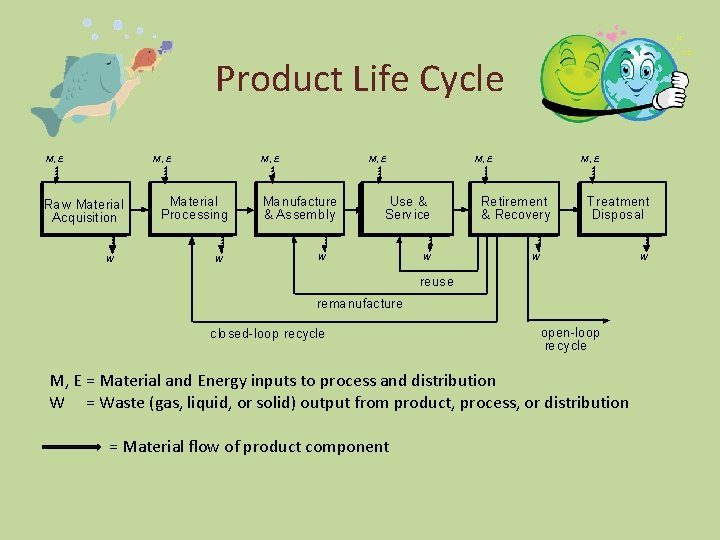
Product Life Cycle M, E Ra w Material Acquisition W M, E Ma terial Processing W M, E Ma nufacture & Assembly M, E Use & Service W W M, E Re tirement & Recovery Treatment Disposal W W reuse rema nufacture clo sed-loop recycle open-loop re cycle M, E = Material and Energy inputs to process and distribution W = Waste (gas, liquid, or solid) output from product, process, or distribution = Material flow of product component
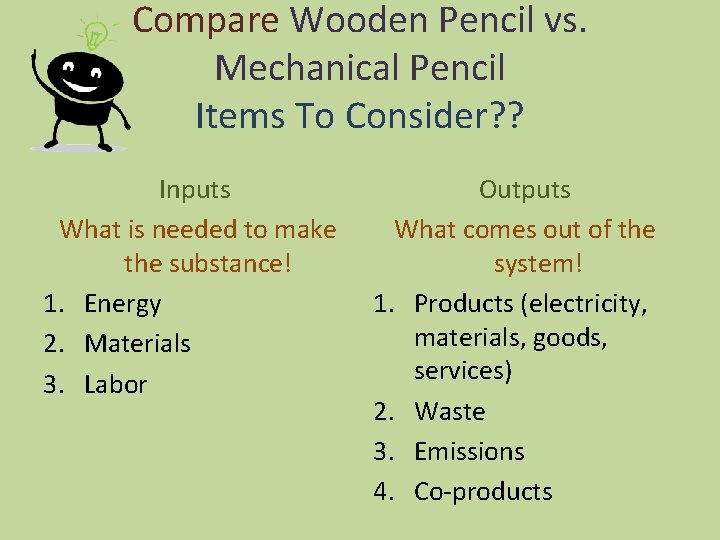
Compare Wooden Pencil vs. Mechanical Pencil Items To Consider? ? Inputs What is needed to make the substance! 1. Energy 2. Materials 3. Labor Outputs What comes out of the system! 1. Products (electricity, materials, goods, services) 2. Waste 3. Emissions 4. Co-products
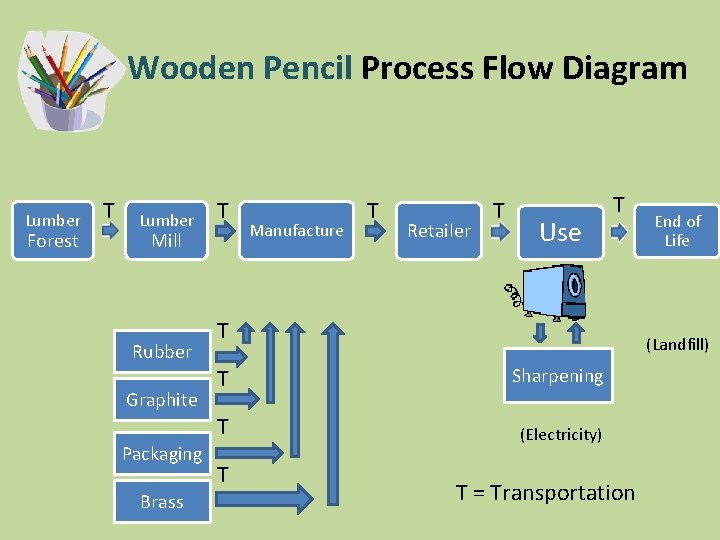
Wooden Pencil Process Flow Diagram Lumber Forest T Lumber T Mill Rubber Graphite Packaging Brass Manufacture T Retailer T Use T T (Landfill) T Sharpening T (Electricity) T End of Life T = Transportation
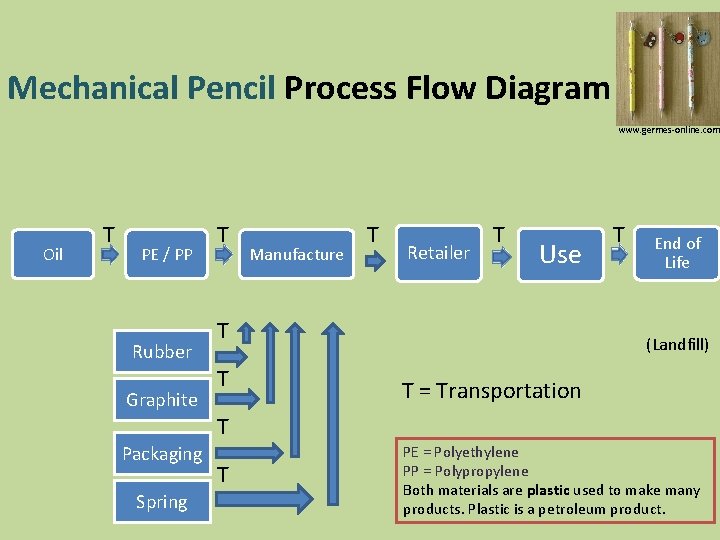
Mechanical Pencil Process Flow Diagram www. germes-online. com Oil T PE / PP Rubber Graphite T Manufacture T Retailer T Use T T T End of Life (Landfill) T = Transportation T Packaging Spring T PE = Polyethylene PP = Polypropylene Both materials are plastic used to make many products. Plastic is a petroleum product.
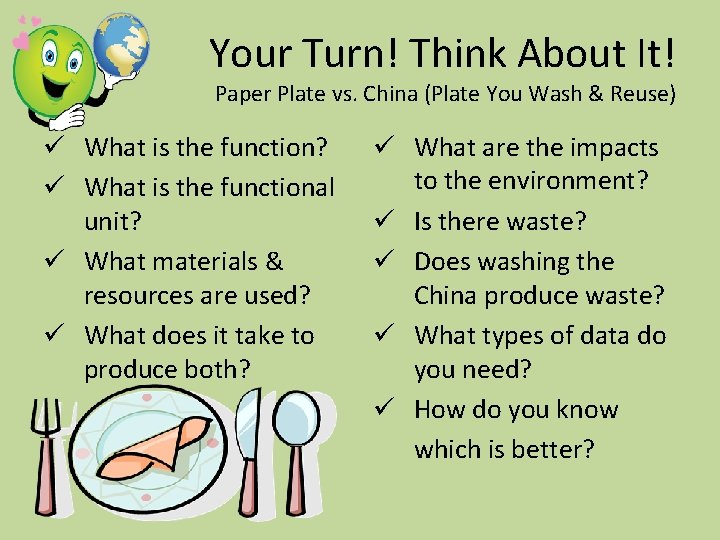
Your Turn! Think About It! Paper Plate vs. China (Plate You Wash & Reuse) ü What is the function? ü What is the functional unit? ü What materials & resources are used? ü What does it take to produce both? ü What are the impacts to the environment? ü Is there waste? ü Does washing the China produce waste? ü What types of data do you need? ü How do you know which is better?
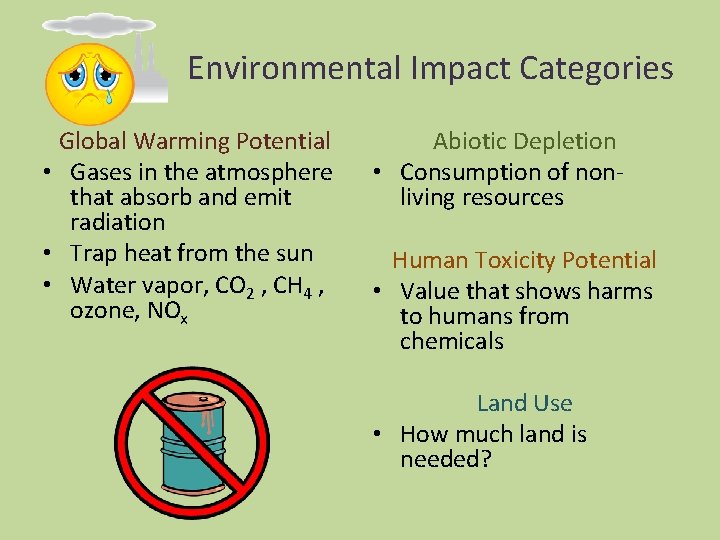
Environmental Impact Categories Global Warming Potential • Gases in the atmosphere that absorb and emit radiation • Trap heat from the sun • Water vapor, CO 2 , CH 4 , ozone, NOx Abiotic Depletion • Consumption of nonliving resources Human Toxicity Potential • Value that shows harms to humans from chemicals Land Use • How much land is needed?
Environmental Impact Categories Continued. . . Eutrophication • Increase in chemical nutrients containing nitrogen or phosphorus • land or water • overgrowth of plants • killing organisms at bottom of water body Acidification • caused by pollution from fuels & acid rain • low p. H Smog (Winter or Summer). . . . AND MANY MORE!! Water Use Mercury Energy Use Solid Waste Oil
Where Do We Go From Here? • Scientists can make recommendations of choices that are less impactful • Scientists can analyze a particular impact and focus on a solution • Industry & Individuals can take a closer look at how they can make a difference
Where Does Our “Stuff” Come From and Go? Check it out. . “The Story of Stuff” http: //www. storyofstuff. com/