
Overview and Background of the Multiscale Integrated Model
Overview and Background of the Multi-scale Integrated Model of Ecosystem Services ( MIMES) Roelof Boumans February 2016
The Goal of MIMES: Create a modeling tool which can incorporate stakeholder input and biophysical data sets for valuation of ecosystem services and decision-making: Ø Simulate ecosystems and Socio-Economic systems in space Ø Simulate these systems over time Ø Simulate the interactions between these systems through coupling
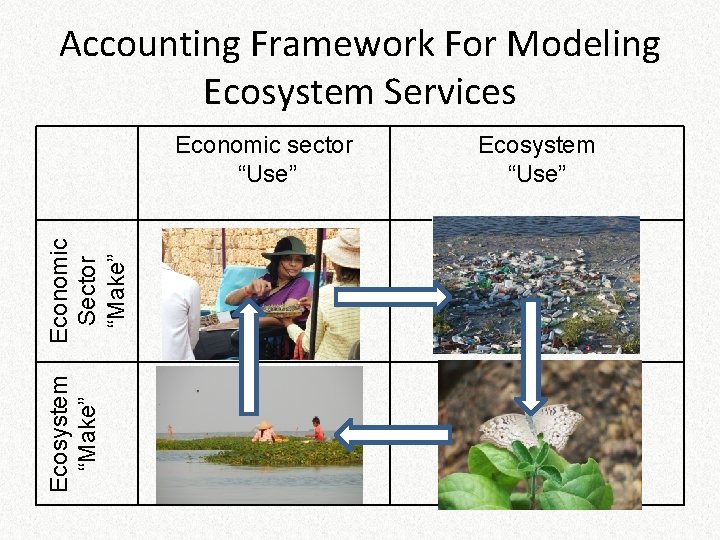
Ecosystem “Make” Economic Sector “Make” Accounting Framework For Modeling Ecosystem Services Economic sector “Use” Ecosystem “Use” Human Interactions Ecosystem Impacts Ecosystem Services Ecosystem Processes
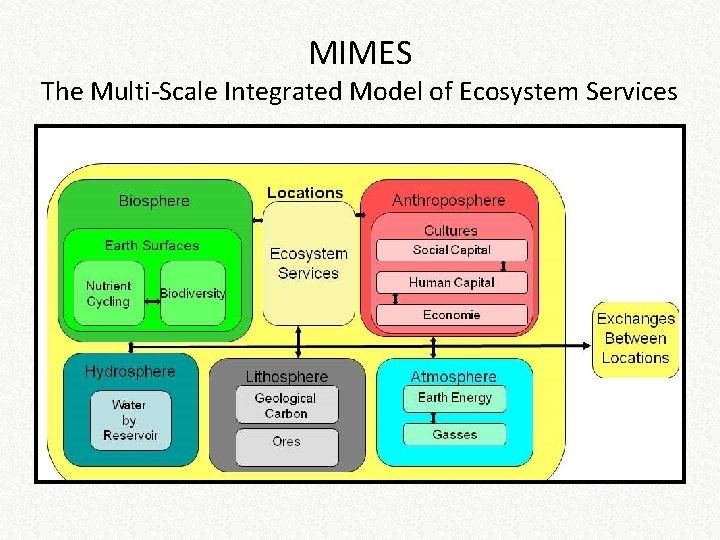
MIMES The Multi-Scale Integrated Model of Ecosystem Services
Simile
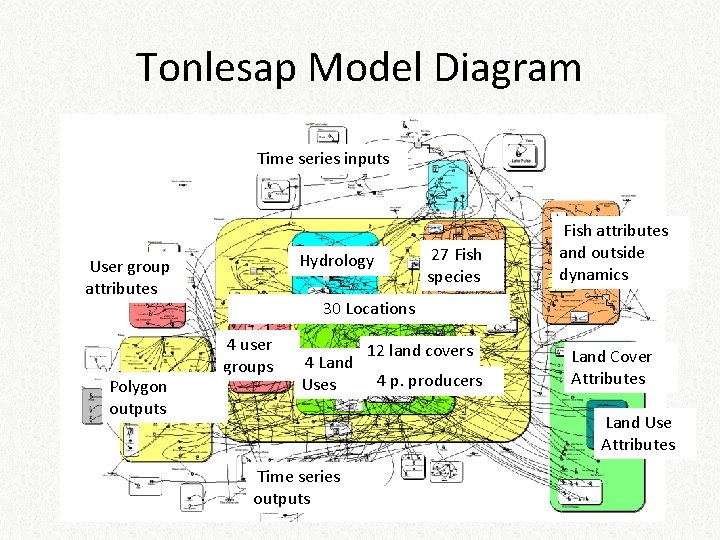
Tonlesap Model Diagram Time series inputs Polygon outputs 27 Fish species Hydrology User group attributes Fish attributes and outside dynamics 30 Locations 4 user groups 4 Land Uses 12 land covers 4 p. producers Land Cover Attributes Land Use Attributes Time series outputs
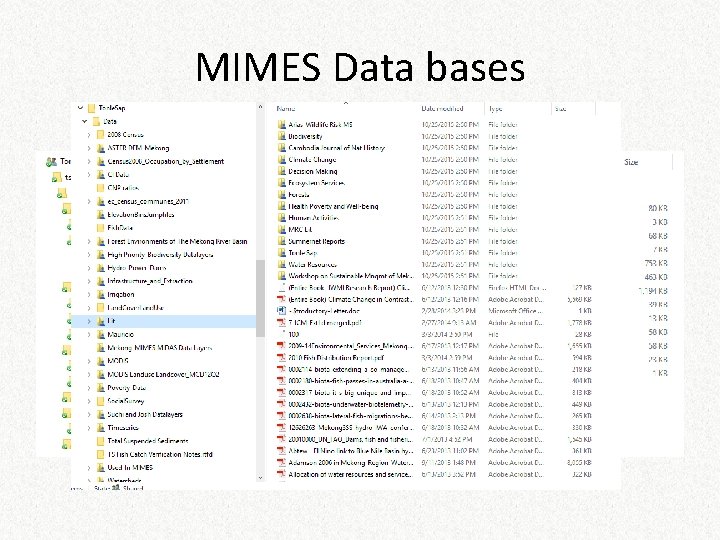
MIMES Data bases
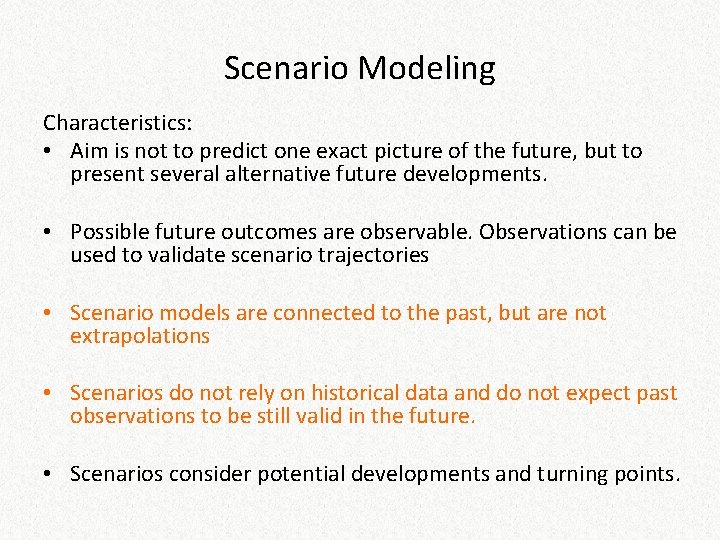
Scenario Modeling Characteristics: • Aim is not to predict one exact picture of the future, but to present several alternative future developments. • Possible future outcomes are observable. Observations can be used to validate scenario trajectories • Scenario models are connected to the past, but are not extrapolations • Scenarios do not rely on historical data and do not expect past observations to be still valid in the future. • Scenarios consider potential developments and turning points.
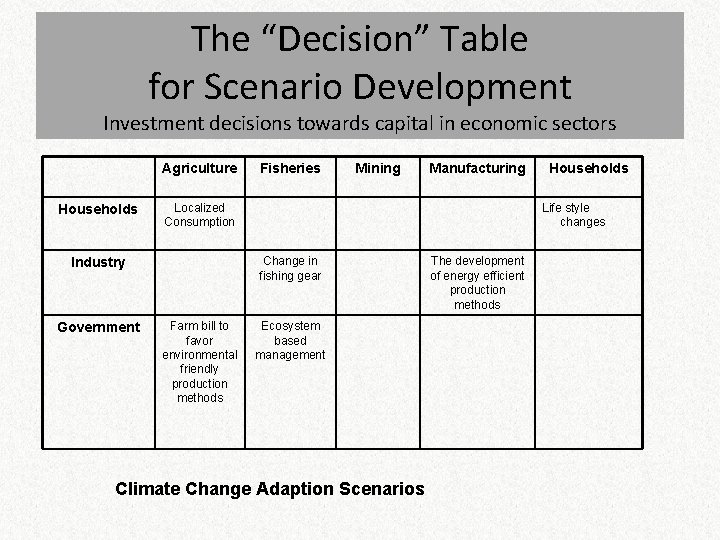
The “Decision” Table for Scenario Development Investment decisions towards capital in economic sectors Agriculture Households Mining Manufacturing Localized Consumption Farm bill to favor environmental friendly production methods Households Life style changes Change in fishing gear Industry Government Fisheries Ecosystem based management Climate Change Adaption Scenarios The development of energy efficient production methods
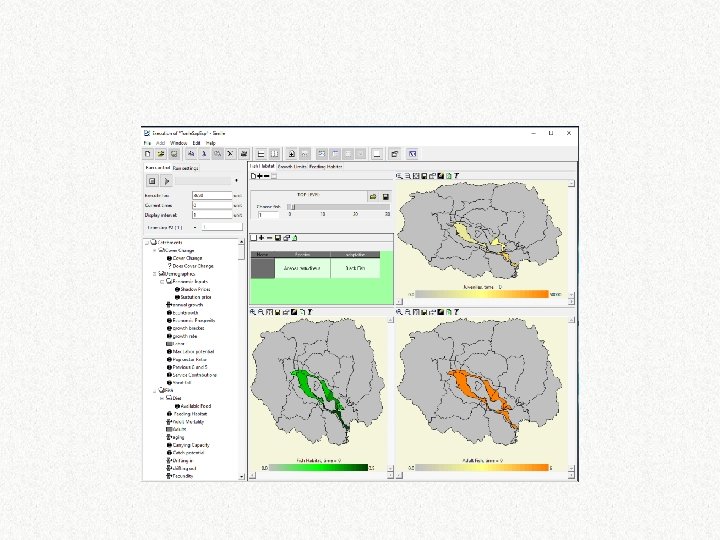
• Examples of MIMES models
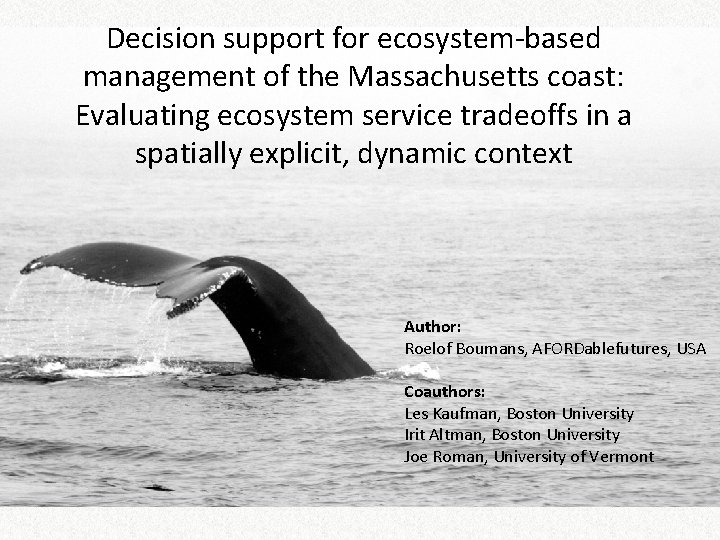
Decision support for ecosystem-based management of the Massachusetts coast: Evaluating ecosystem service tradeoffs in a spatially explicit, dynamic context Author: Roelof Boumans, AFORDablefutures, USA Coauthors: Les Kaufman, Boston University Irit Altman, Boston University Joe Roman, University of Vermont
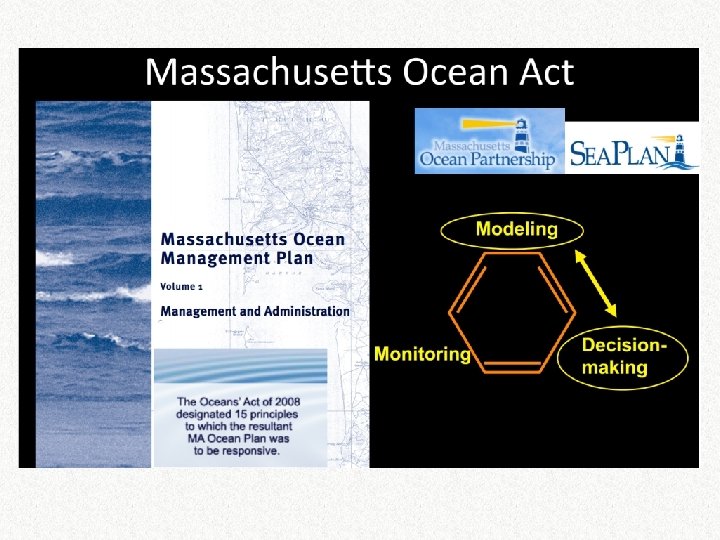
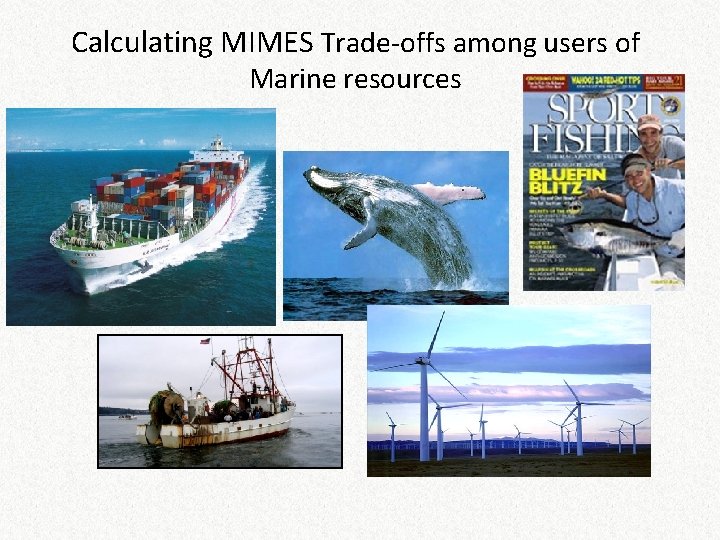
Calculating MIMES Trade-offs among users of Marine resources
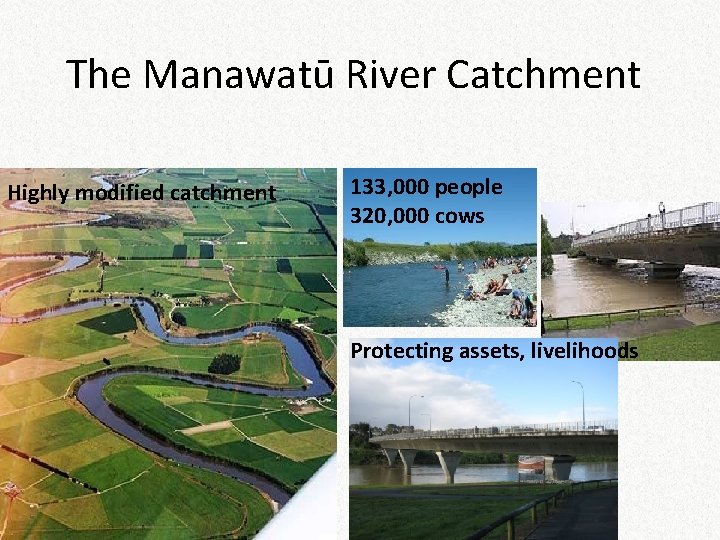
The Manawatū River Catchment Highly modified catchment 133, 000 people 320, 000 cows Protecting assets, livelihoods
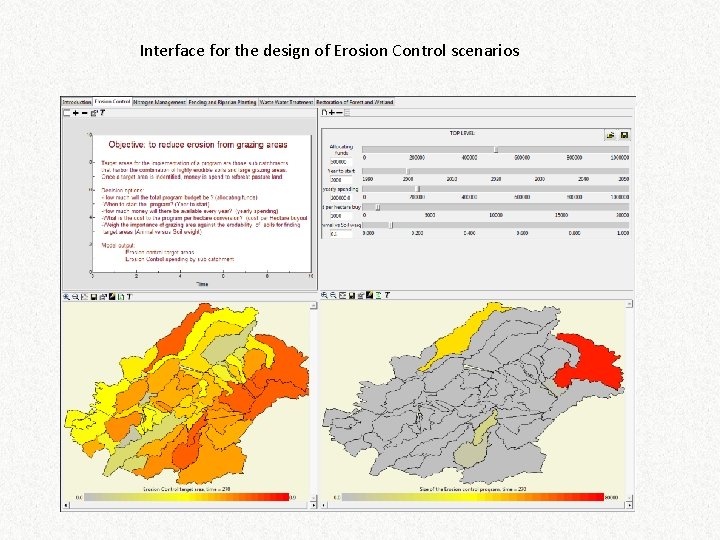
Interface for the design of Erosion Control scenarios
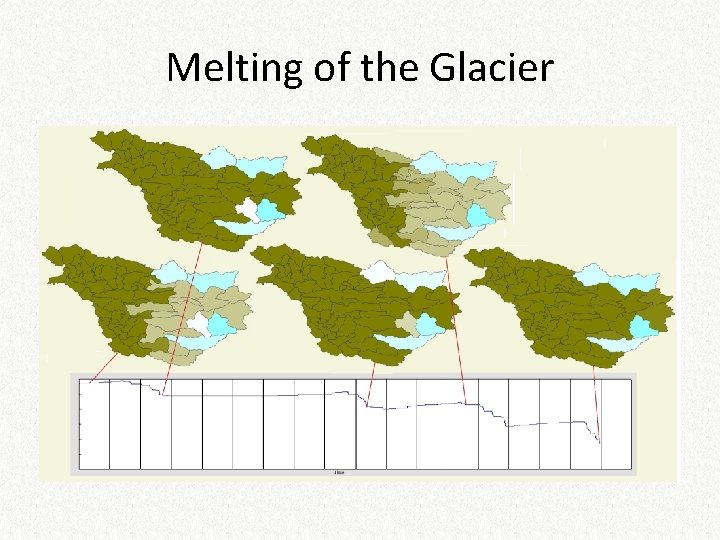
Melting of the Glacier
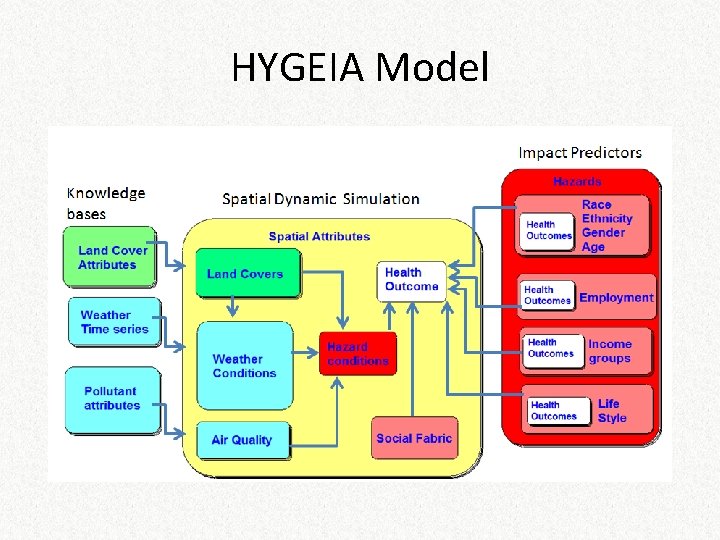
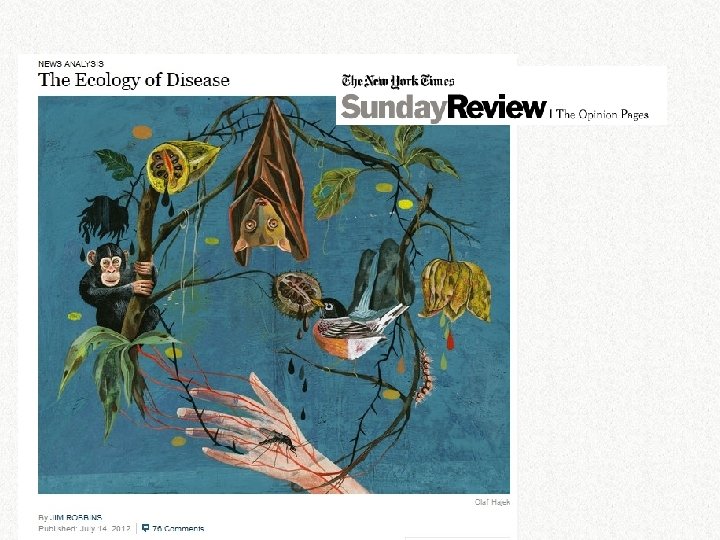
HYGEIA Model
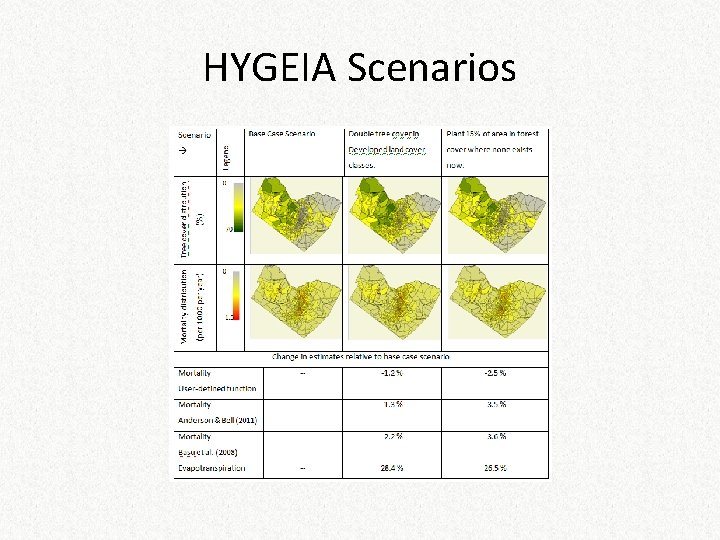
HYGEIA Scenarios
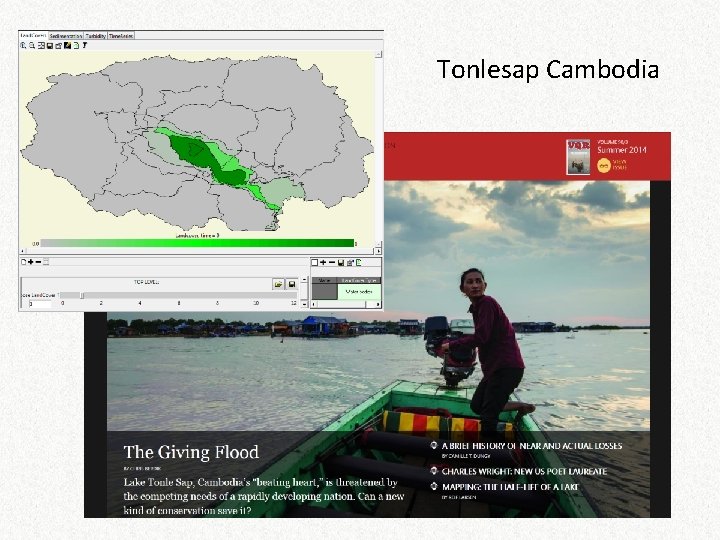
Tonlesap Cambodia
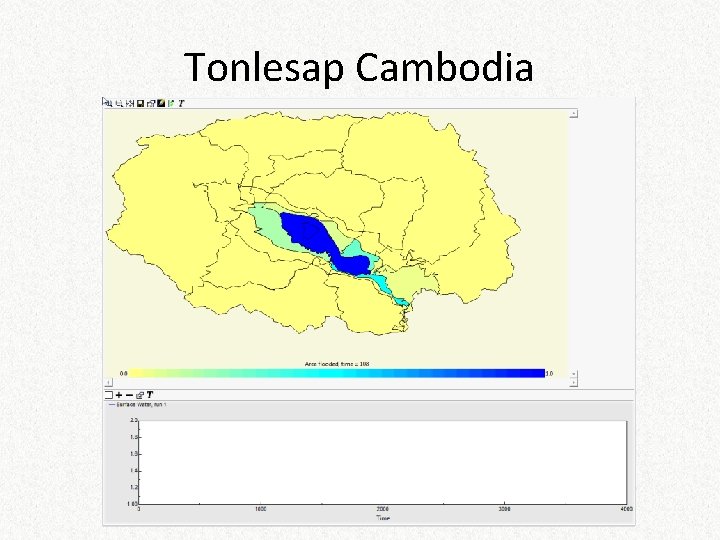
Tonlesap Cambodia
- Slides: 24