
Over Fishing Overfishingcatching fish faster than they can
- Slides: 23
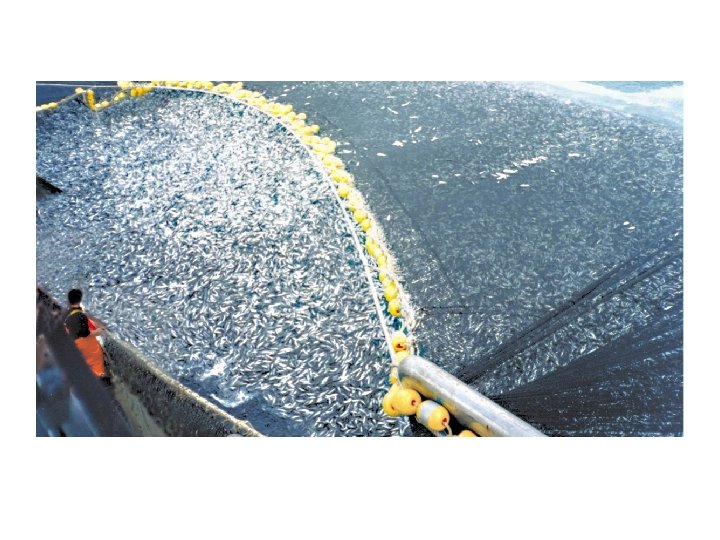
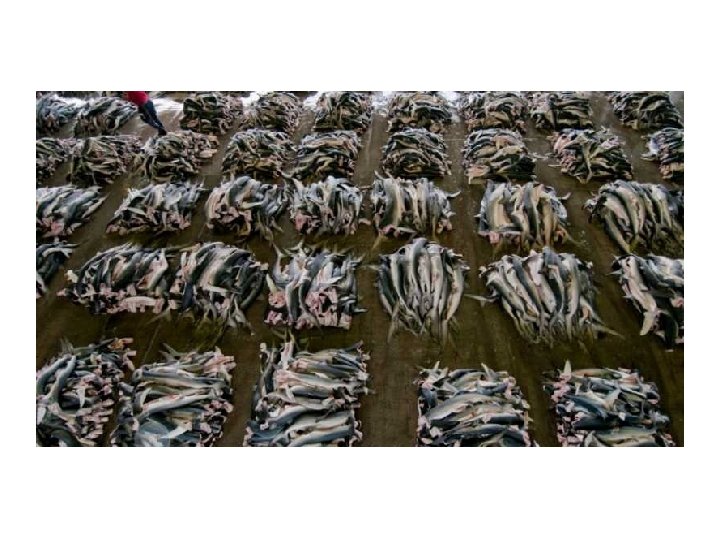
Over Fishing • Overfishing—catching fish faster than they can reproduce—is an urgent and devastating issue, and may be the single biggest threat to ocean ecosystems. • Large fish, those that live a long time and those that are slow to reproduce are among the most vulnerable. – 307 shark species assessed by the International Union for Conservation of Nature, 50 are listed as vulnerable, endangered or critically endangered.
• Scientists have documented a gradual transition in fisheries landings over the last few decades from high-level predators such as tuna and cod, to species lower in the food web, like crabs, sardines and squid— – a phenomenon known as "fishing down the food web. " Since these species are often important prey for other fish, as well as seabirds and marine mammals, their removal impacts species throughout the ecosystem.
Bycatch • Some of the biggest offenders are shrimp fisheries. In the worst cases, for every pound of shrimp caught, up to six pounds of other species are discarded.
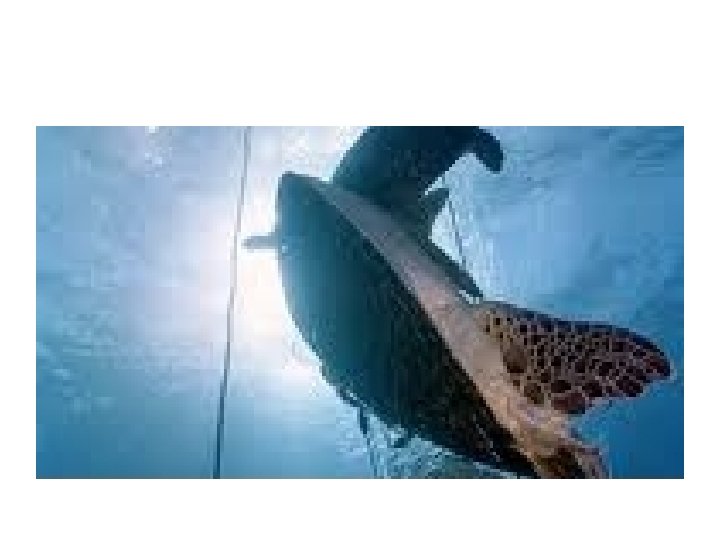
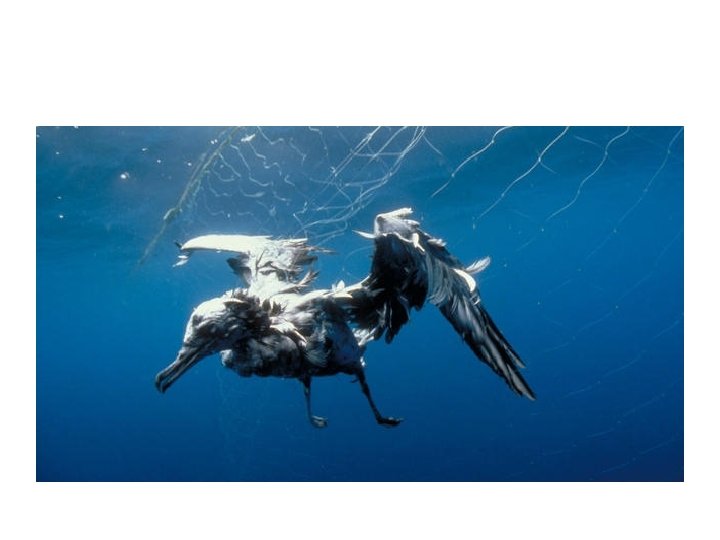
• Bycatch is often caused by less selective fishing gear like longlines or bottom trawls. – Longlines have baited hooks and can extend for 50 miles or more. When cast out and left to "soak, " longlines attract anything that swims by, from sharks to sea turtles. – Bottom trawls drag nets across the seafloor, catching everything in their paths.
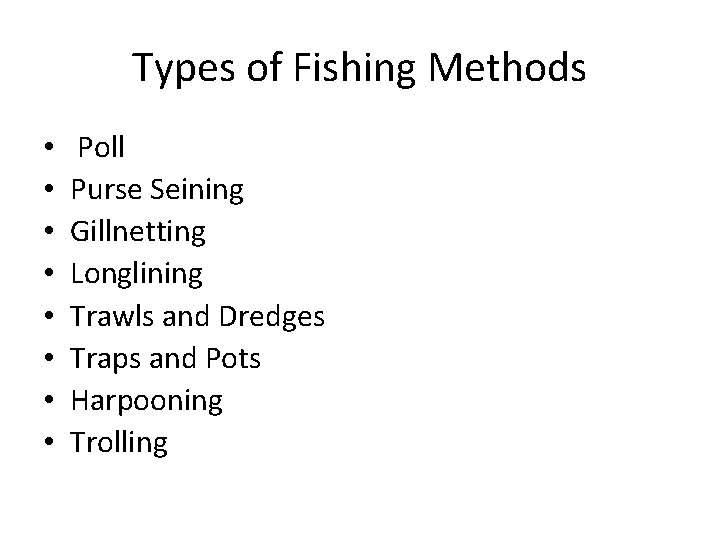
Types of Fishing Methods • • Poll Purse Seining Gillnetting Longlining Trawls and Dredges Traps and Pots Harpooning Trolling
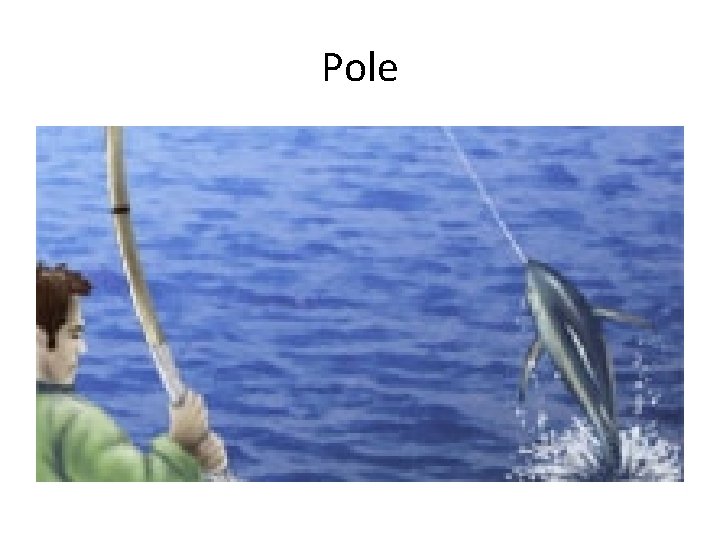
Pole
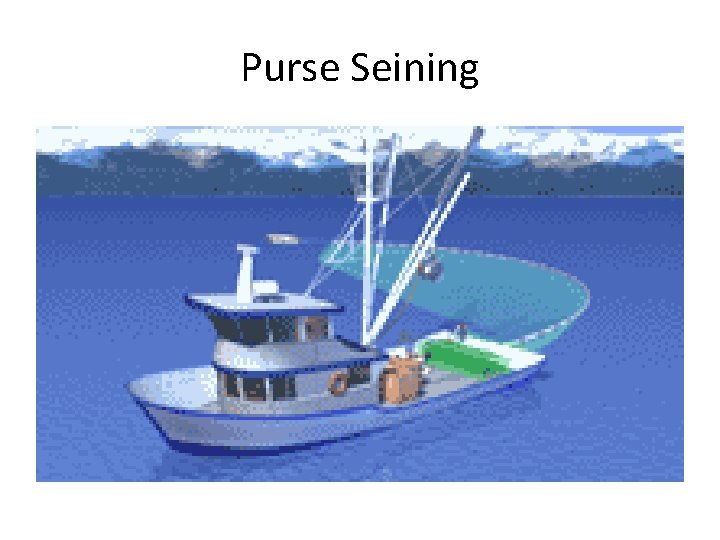
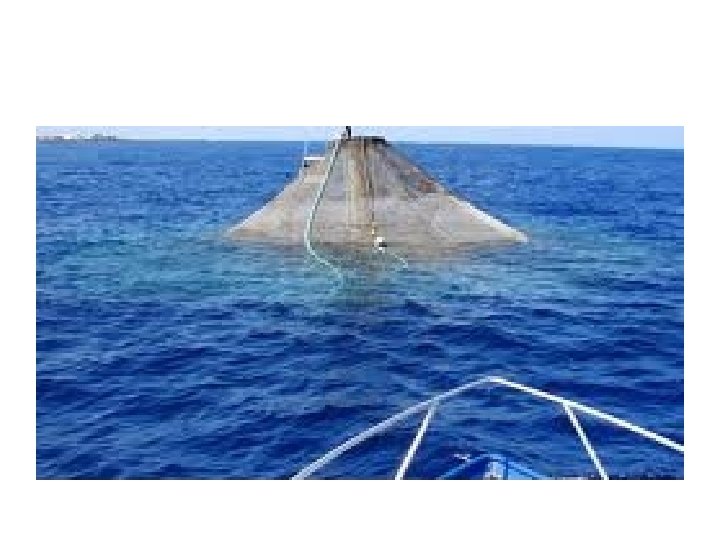
Purse Seining
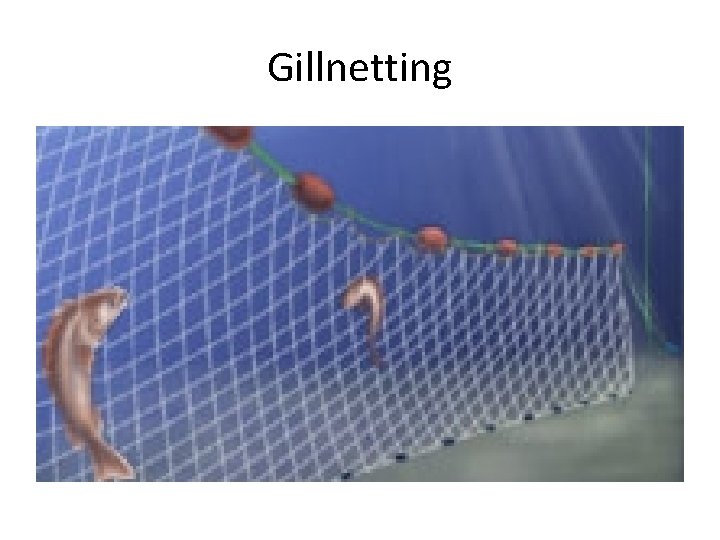
Gillnetting
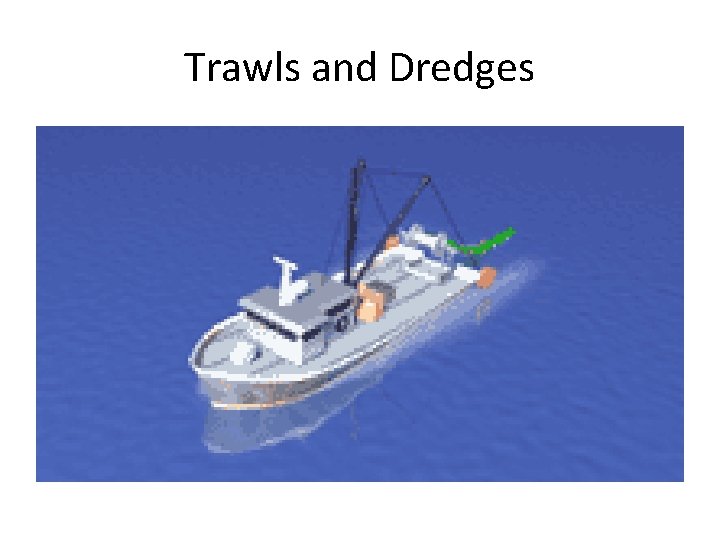
Trawls and Dredges
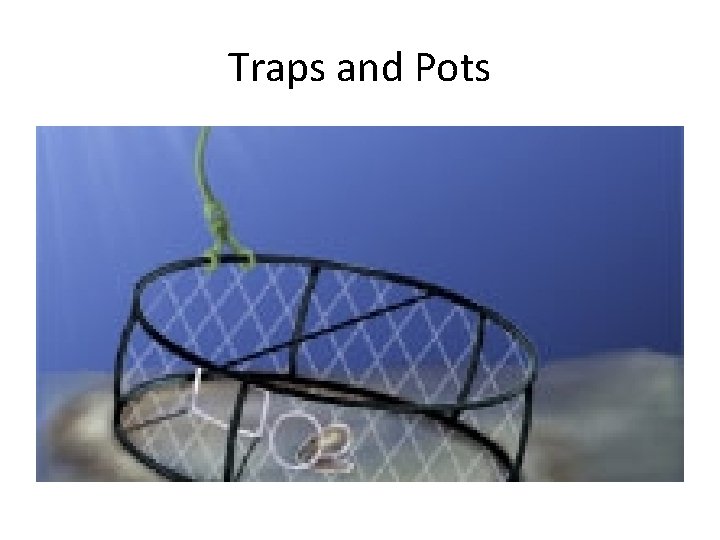
Traps and Pots
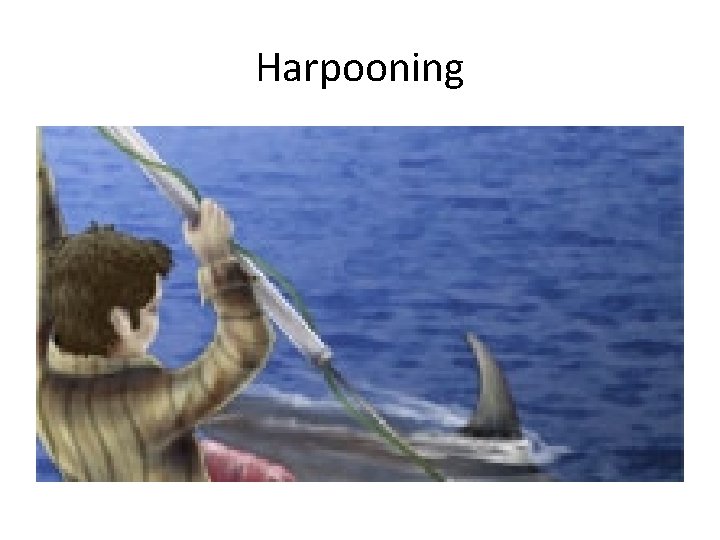
Harpooning
Trolling
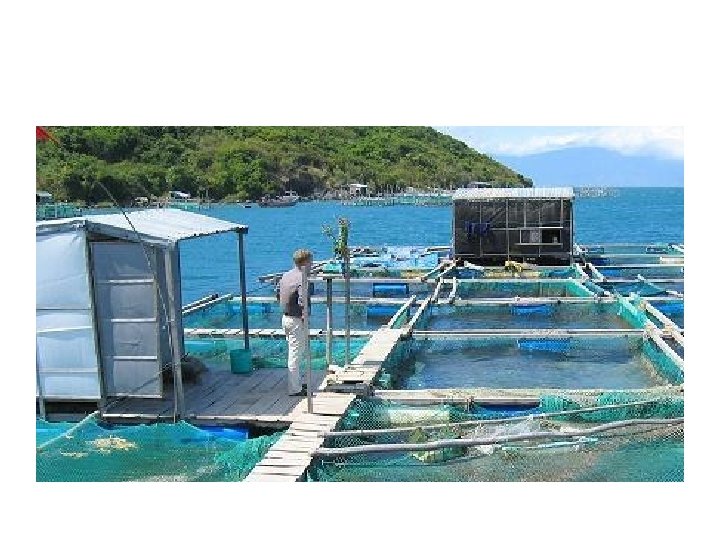
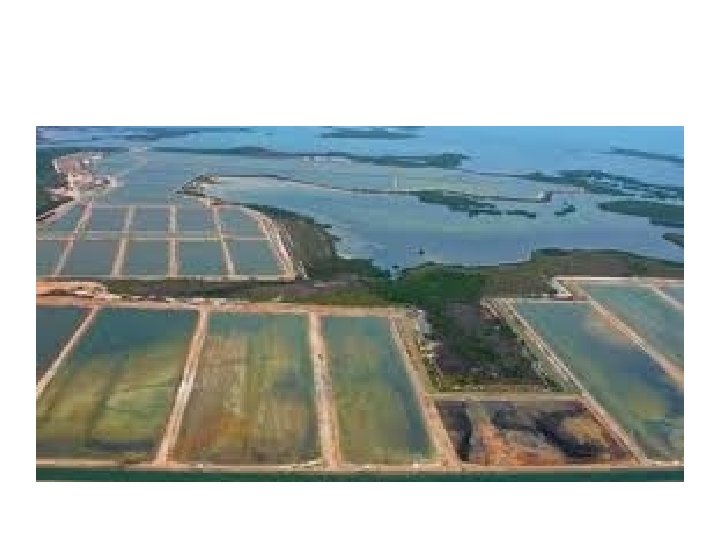
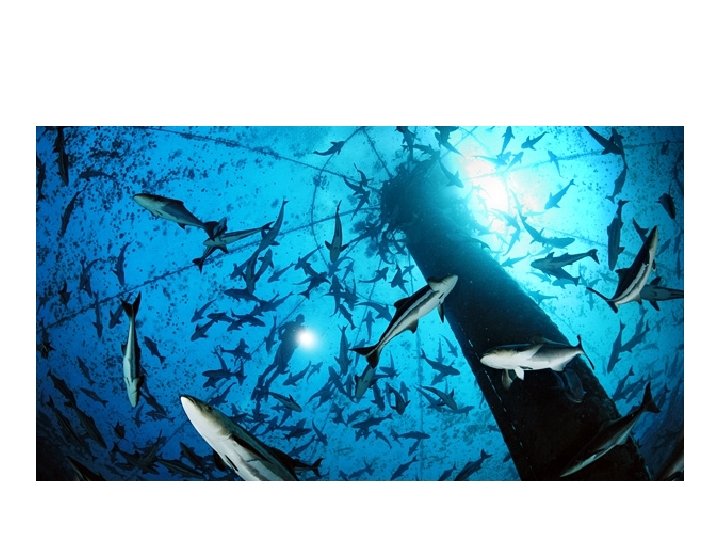
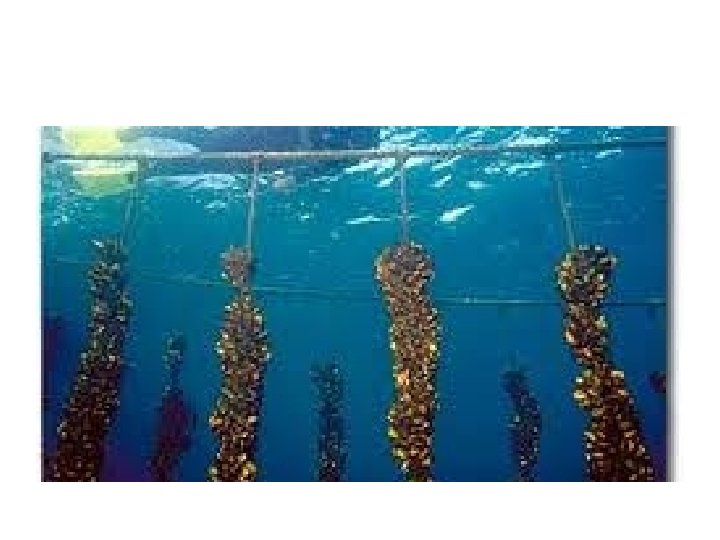
Aquaculture • Aquaculture, or farming of fish. • Today, half of the seafood eaten in the U. S. is farmed, and the practice is growing fast. • But the environmental impact of fish farming varies widely, depending on the species being farmed, the methods used and where the farm is located.
Aquaculture Issues • • Wild Fish- Food for fish being farmed Pollution and Disease Escapes- Competition with natives Habitat Damage- Destruction of mnagrove forests