
Outline Background information Early research projects Results expected
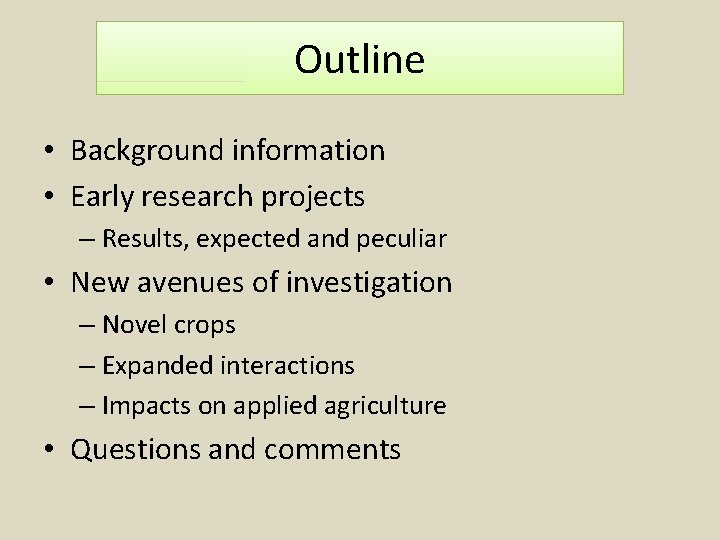
Outline • Background information • Early research projects – Results, expected and peculiar • New avenues of investigation – Novel crops – Expanded interactions – Impacts on applied agriculture • Questions and comments
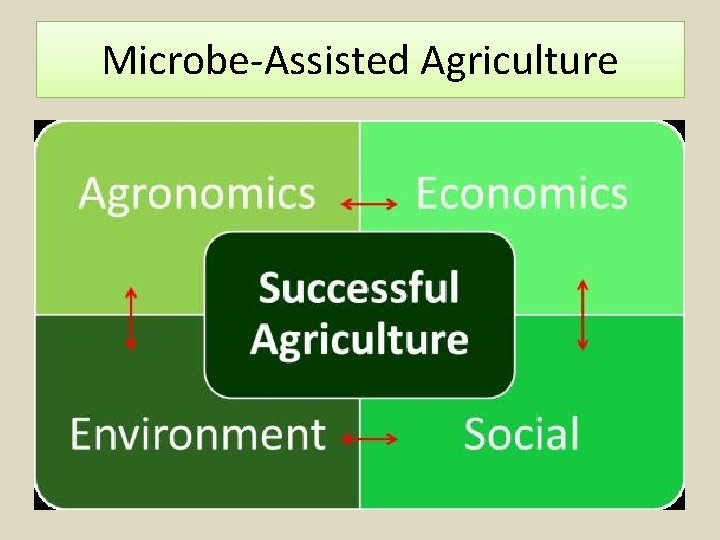
Microbe-Assisted Agriculture
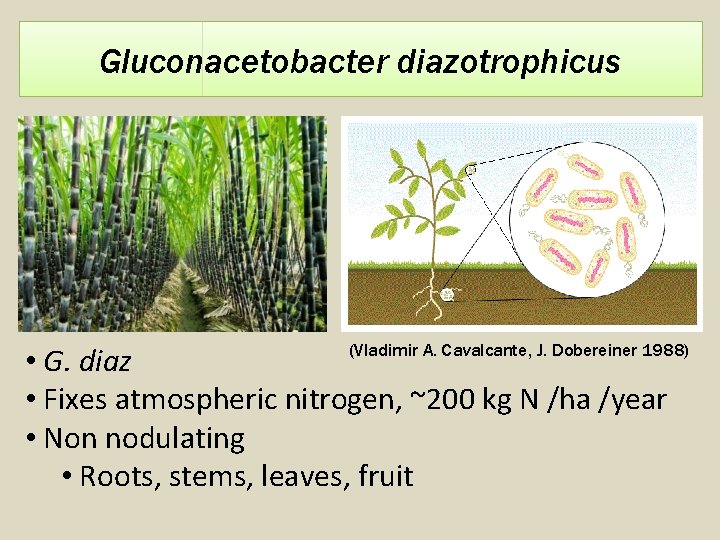
Gluconacetobacter diazotrophicus (Vladimir A. Cavalcante, J. Dobereiner 1988) • G. diaz • Fixes atmospheric nitrogen, ~200 kg N /ha /year • Non nodulating • Roots, stems, leaves, fruit
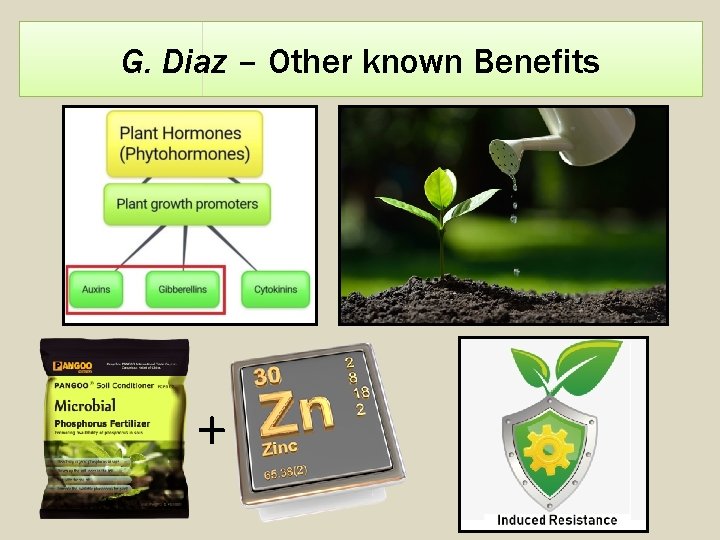
G. Diaz – Other known Benefits +
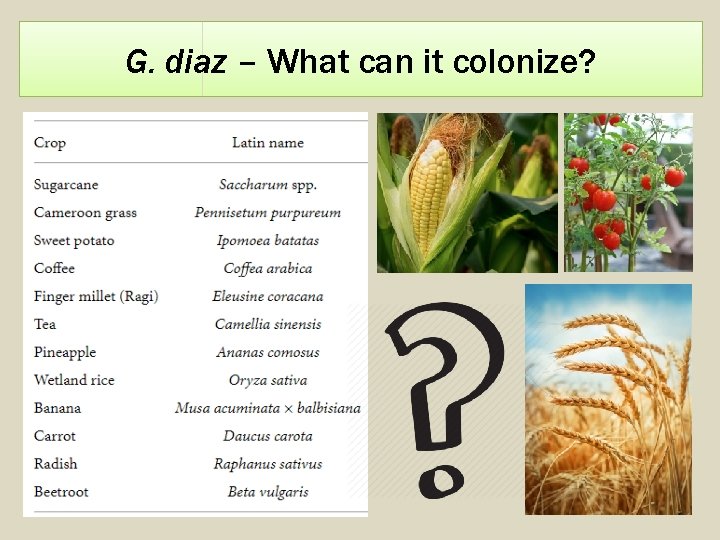
G. diaz – What can it colonize? +
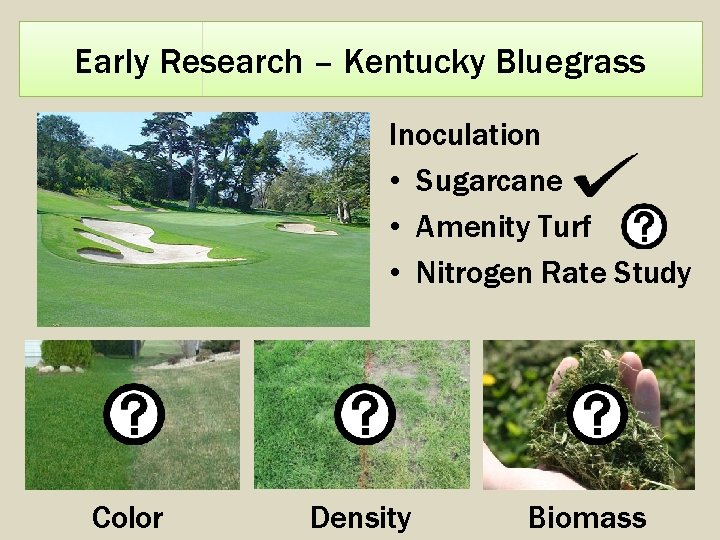
Early Research – Kentucky Bluegrass Inoculation • Sugarcane • Amenity Turf • Nitrogen Rate Study + Color Density Biomass
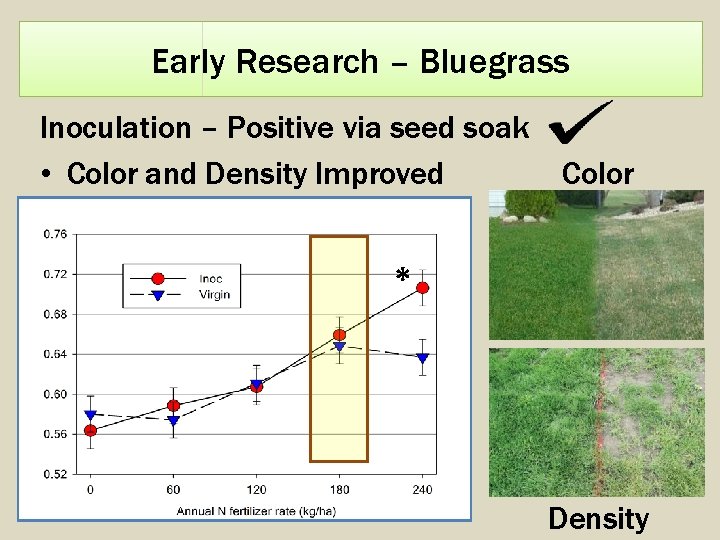
Early Research – Bluegrass Inoculation – Positive via seed soak • Color and Density Improved Color * + Density
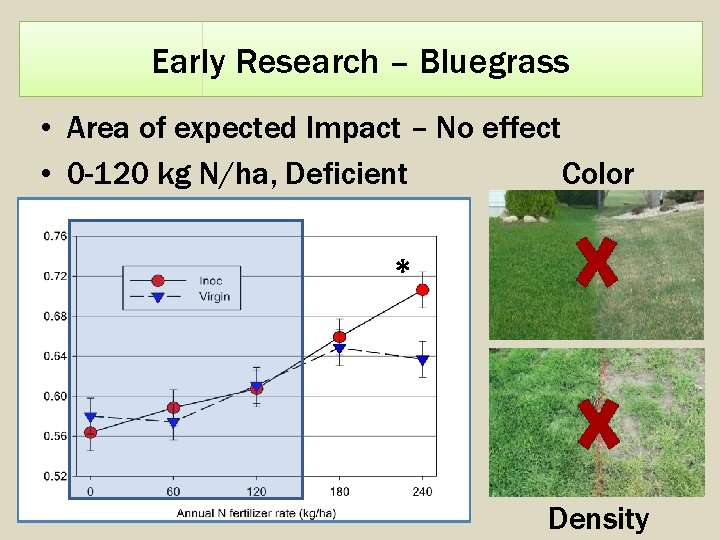
Early Research – Bluegrass • Area of expected Impact – No effect Color • 0 -120 kg N/ha, Deficient * + Density
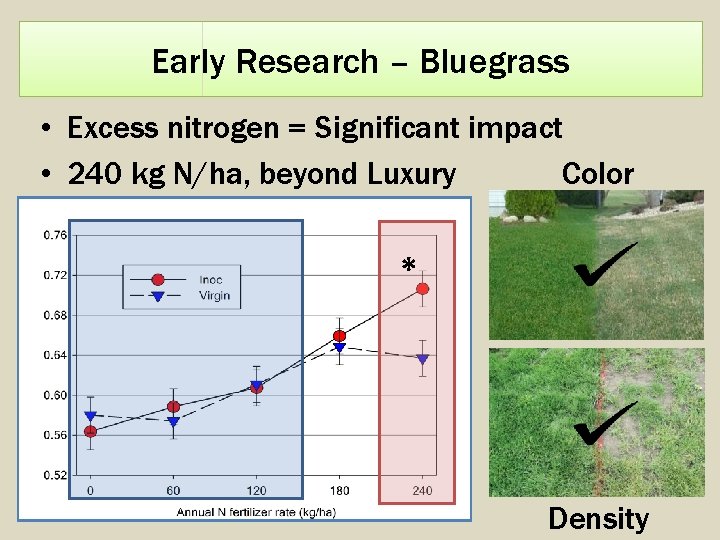
Early Research – Bluegrass • Excess nitrogen = Significant impact Color • 240 kg N/ha, beyond Luxury * + Density
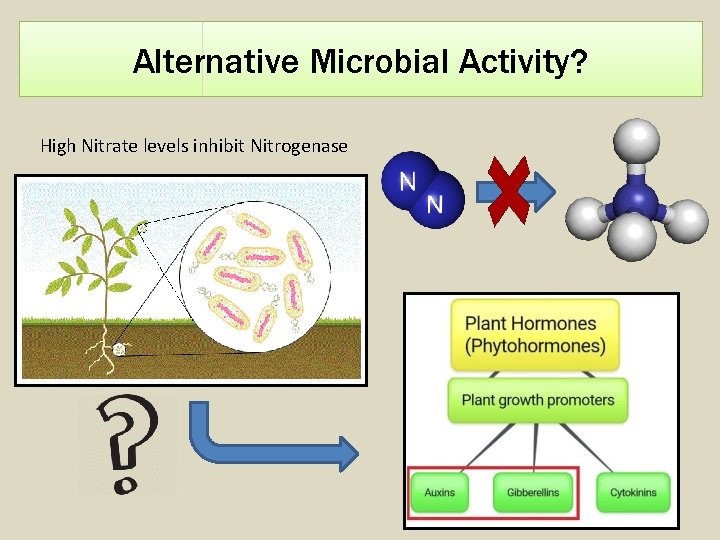
Alternative Microbial Activity? High Nitrate levels inhibit Nitrogenase
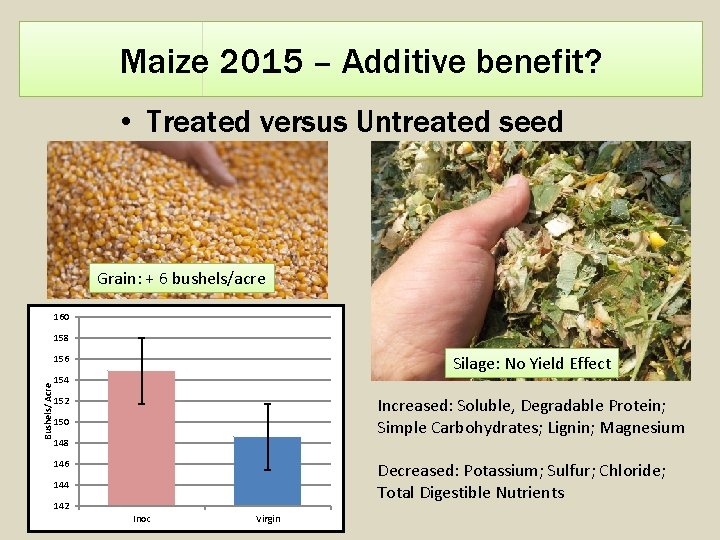
Maize 2015 – Additive benefit? • Treated versus Untreated seed Grain: + 6 bushels/acre 160 158 Silage: No Yield Effect Bushels/ Acre 156 154 Increased: Soluble, Degradable Protein; Simple Carbohydrates; Lignin; Magnesium 152 150 148 146 Decreased: Potassium; Sulfur; Chloride; Total Digestible Nutrients 144 142 Inoc Virgin
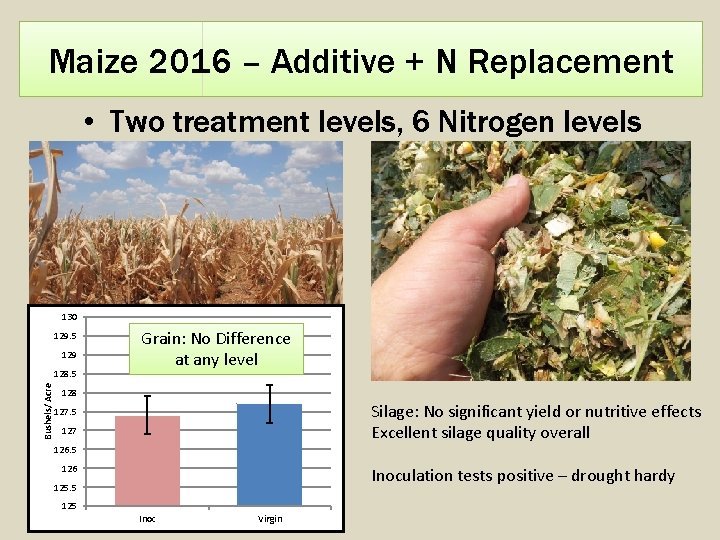
Maize 2016 – Additive + N Replacement • Two treatment levels, 6 Nitrogen levels 130 129. 5 129 Bushels/ Acre 128. 5 Grain: No Difference at any level 128 Silage: No significant yield or nutritive effects Excellent silage quality overall 127. 5 127 126. 5 126 Inoculation tests positive – drought hardy 125. 5 125 Inoc Virgin
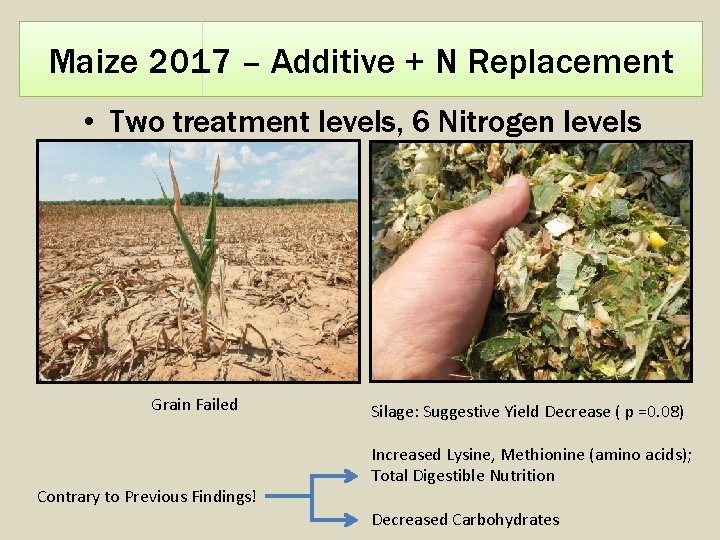
Maize 2017 – Additive + N Replacement • Two treatment levels, 6 Nitrogen levels Grain Failed Contrary to Previous Findings! Silage: Suggestive Yield Decrease ( p =0. 08) Increased Lysine, Methionine (amino acids); Total Digestible Nutrition Decreased Carbohydrates
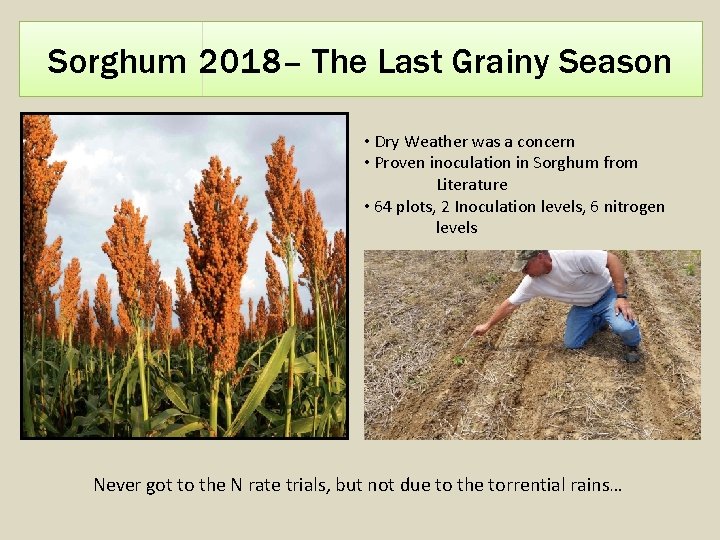
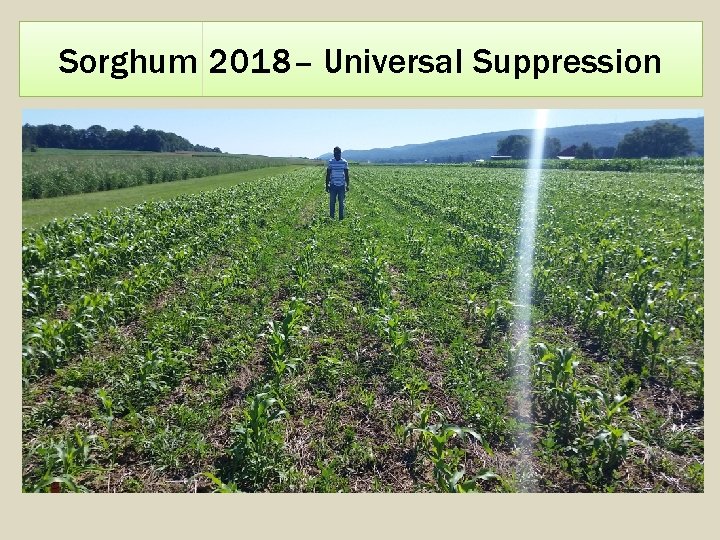
Sorghum 2018– The Last Grainy Season • Dry Weather was a concern • Proven inoculation in Sorghum from Literature • 64 plots, 2 Inoculation levels, 6 nitrogen levels Never got to the N rate trials, but not due to the torrential rains…
Sorghum 2018– Universal Suppression
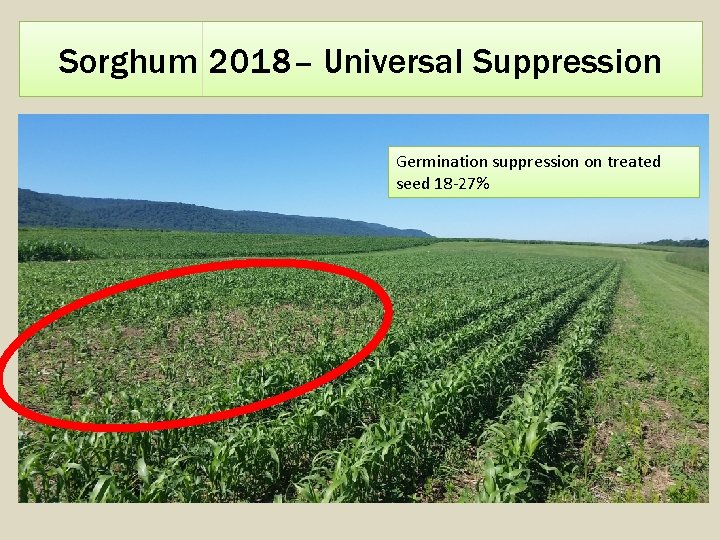
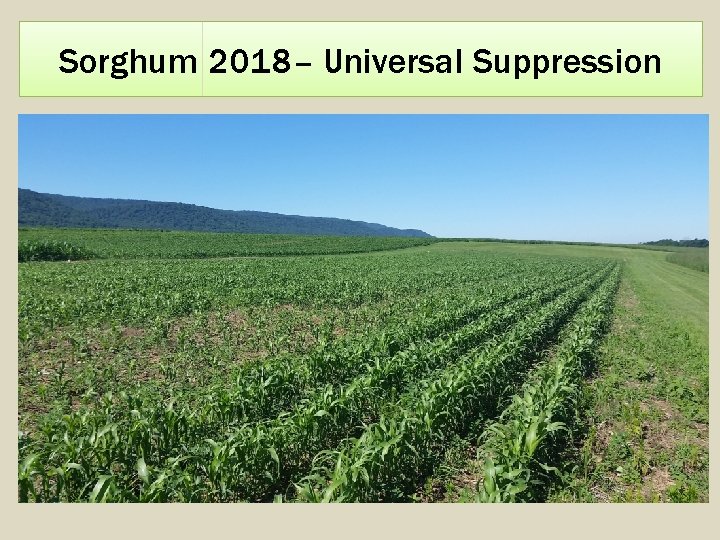
Sorghum 2018– Universal Suppression Germination suppression on treated seed 18 -27%
Sorghum 2018– Universal Suppression
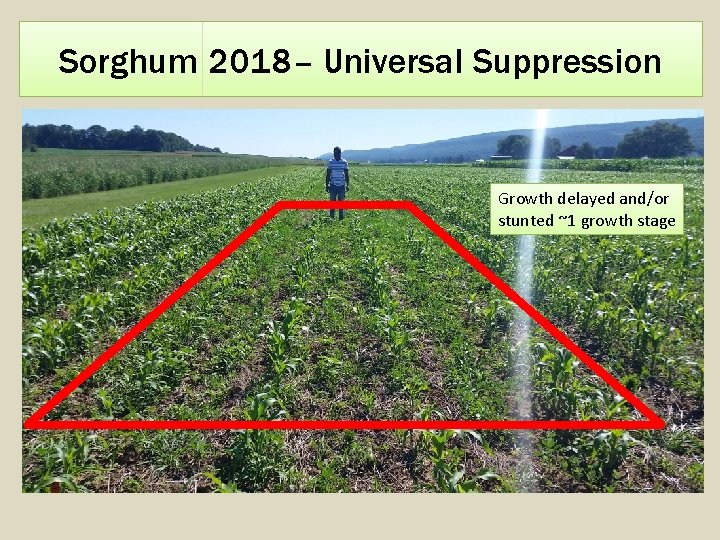
Sorghum 2018– Universal Suppression Growth delayed and/or stunted ~1 growth stage
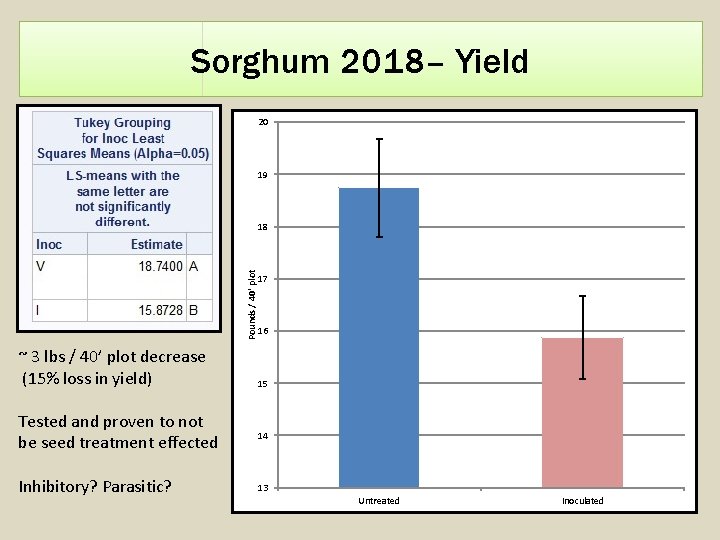
Sorghum 2018– Yield 20 19 Pounds / 40' plot 18 ~ 3 lbs / 40’ plot decrease (15% loss in yield) 17 16 15 Tested and proven to not be seed treatment effected 14 Inhibitory? Parasitic? 13 Untreated Inoculated
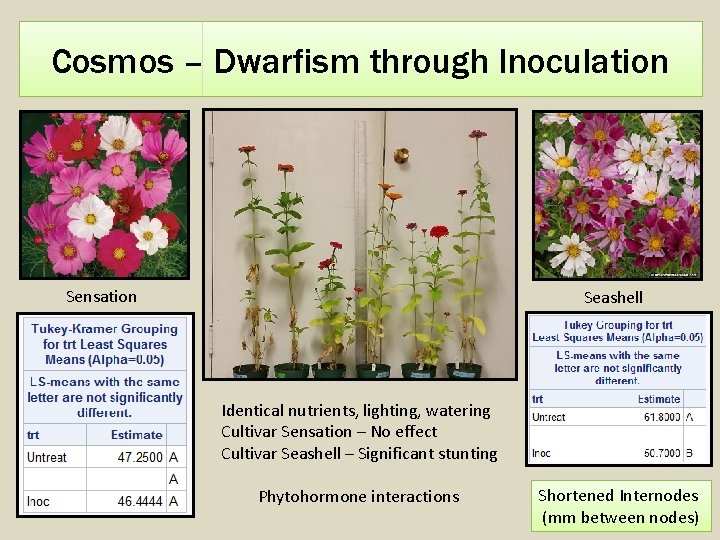
Cosmos – Dwarfism through Inoculation Sensation Seashell Identical nutrients, lighting, watering Cultivar Sensation – No effect Cultivar Seashell – Significant stunting Phytohormone interactions Shortened Internodes (mm between nodes)
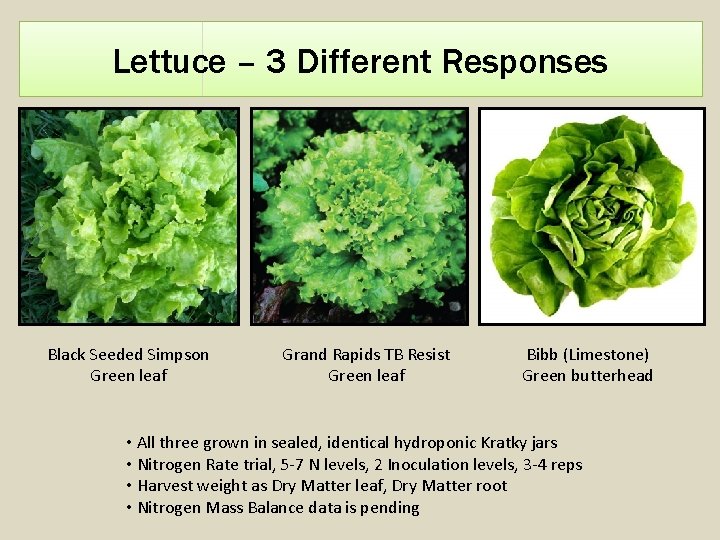
Lettuce – 3 Different Responses Black Seeded Simpson Green leaf Grand Rapids TB Resist Green leaf Bibb (Limestone) Green butterhead • All three grown in sealed, identical hydroponic Kratky jars • Nitrogen Rate trial, 5 -7 N levels, 2 Inoculation levels, 3 -4 reps • Harvest weight as Dry Matter leaf, Dry Matter root • Nitrogen Mass Balance data is pending
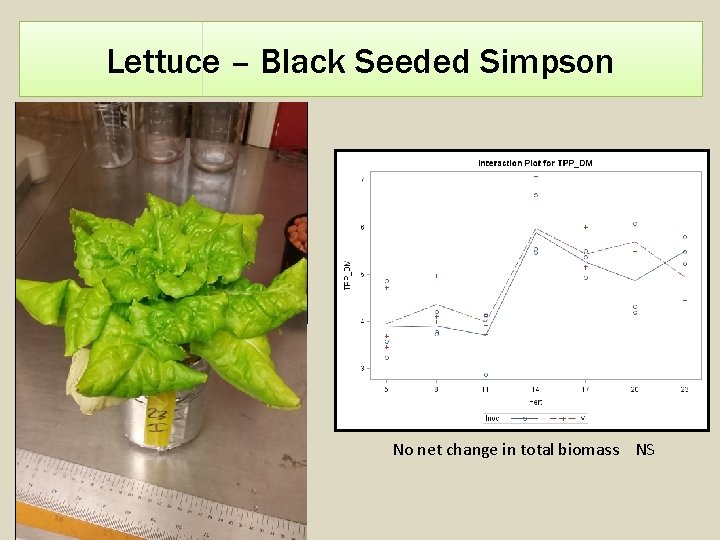
Lettuce – Black Seeded Simpson No net change in total biomass NS
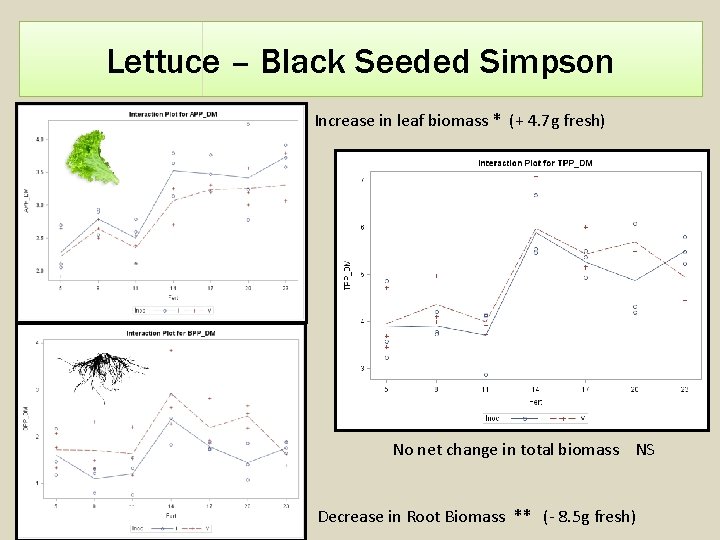
Lettuce – Black Seeded Simpson Increase in leaf biomass * (+ 4. 7 g fresh) No net change in total biomass NS Decrease in Root Biomass ** (- 8. 5 g fresh)
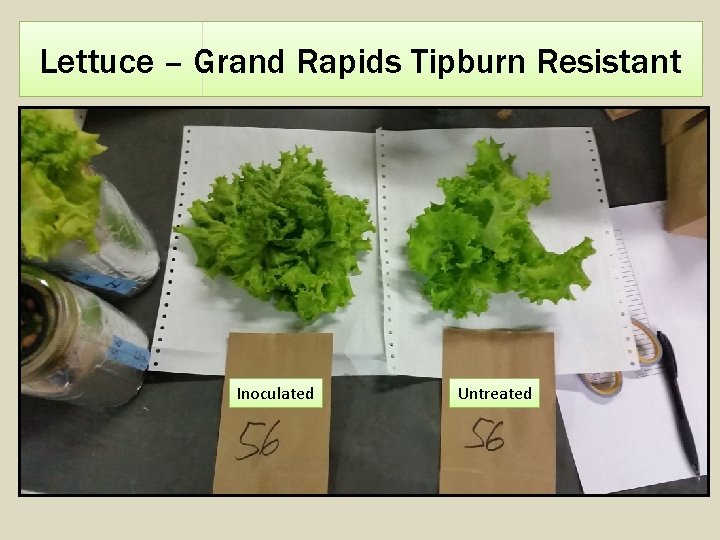
Lettuce – Grand Rapids Tipburn Resistant Inoculated Untreated
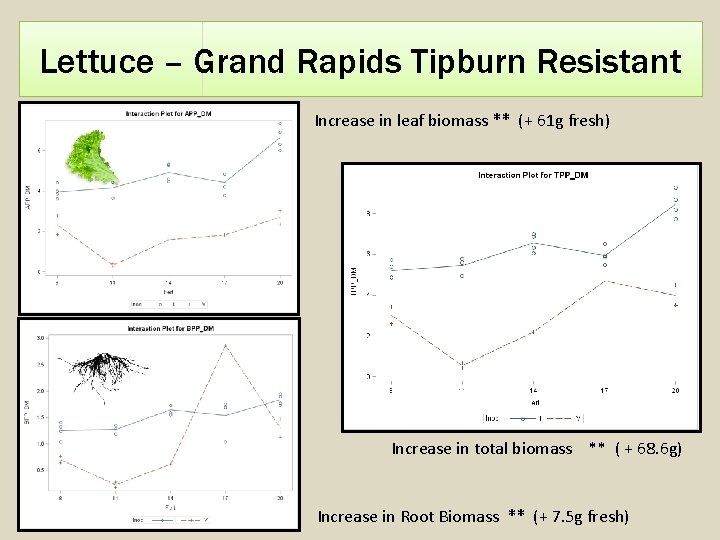
Lettuce – Grand Rapids Tipburn Resistant Increase in leaf biomass ** (+ 61 g fresh) Increase in total biomass ** ( + 68. 6 g) Increase in Root Biomass ** (+ 7. 5 g fresh)
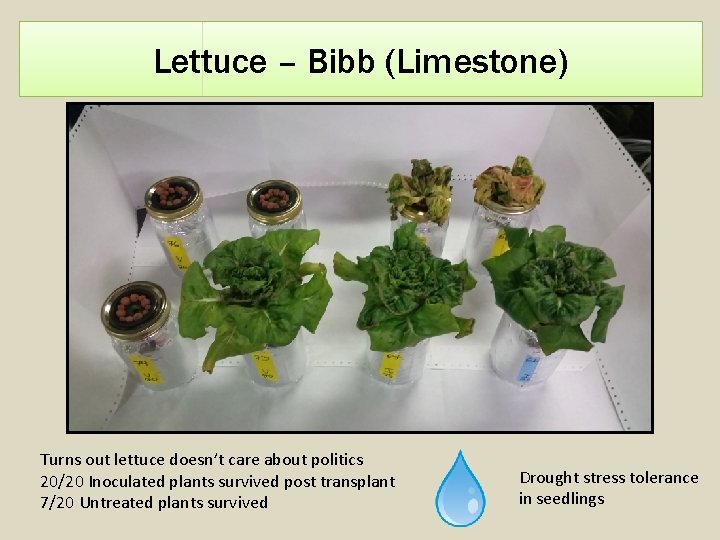
Lettuce – Bibb (Limestone) Turns out lettuce doesn’t care about politics 20/20 Inoculated plants survived post transplant 7/20 Untreated plants survived Drought stress tolerance in seedlings
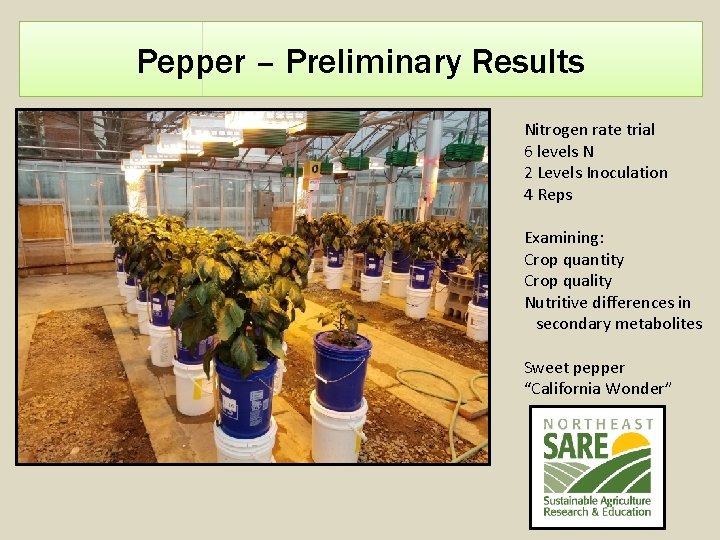
Pepper – Preliminary Results Nitrogen rate trial 6 levels N 2 Levels Inoculation 4 Reps Examining: Crop quantity Crop quality Nutritive differences in secondary metabolites Sweet pepper “California Wonder”
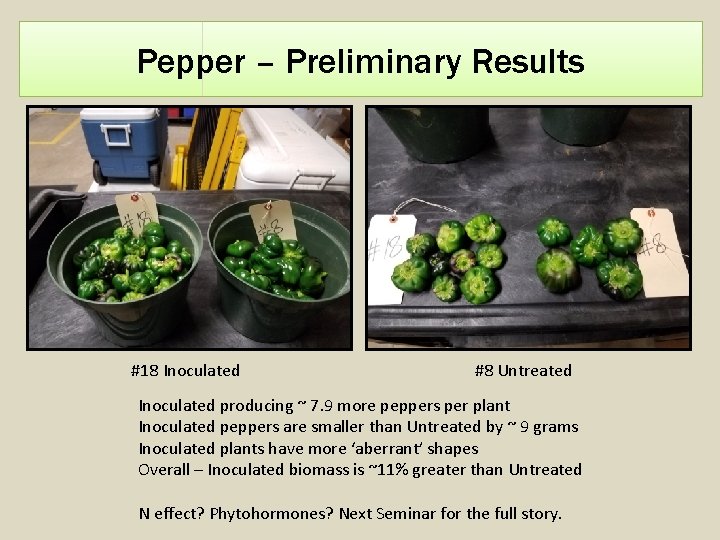
Pepper – Preliminary Results #18 Inoculated #8 Untreated Inoculated producing ~ 7. 9 more peppers per plant Inoculated peppers are smaller than Untreated by ~ 9 grams Inoculated plants have more ‘aberrant’ shapes Overall – Inoculated biomass is ~11% greater than Untreated N effect? Phytohormones? Next Seminar for the full story.
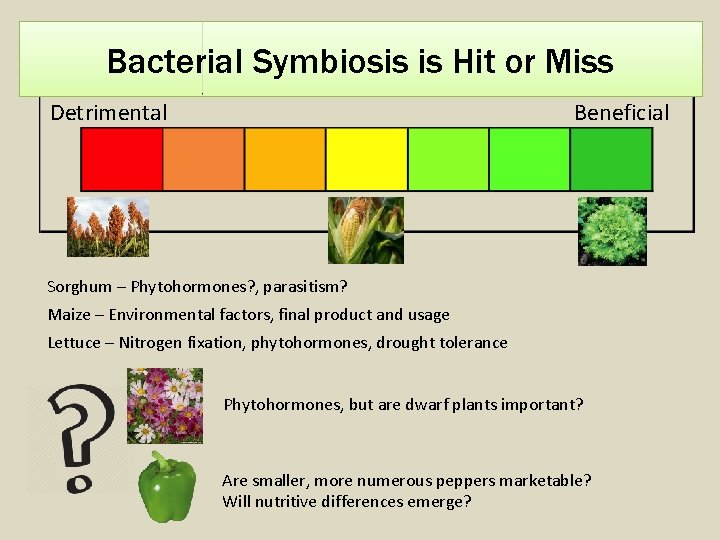
Bacterial Symbiosis is Hit or Miss Detrimental Beneficial Sorghum – Phytohormones? , parasitism? Maize – Environmental factors, final product and usage Lettuce – Nitrogen fixation, phytohormones, drought tolerance Phytohormones, but are dwarf plants important? Are smaller, more numerous peppers marketable? Will nutritive differences emerge?

A lot of questions to be answered Thank You!!
- Slides: 31