
Our two brains Recording Brain Activity Images of
Our two brains!
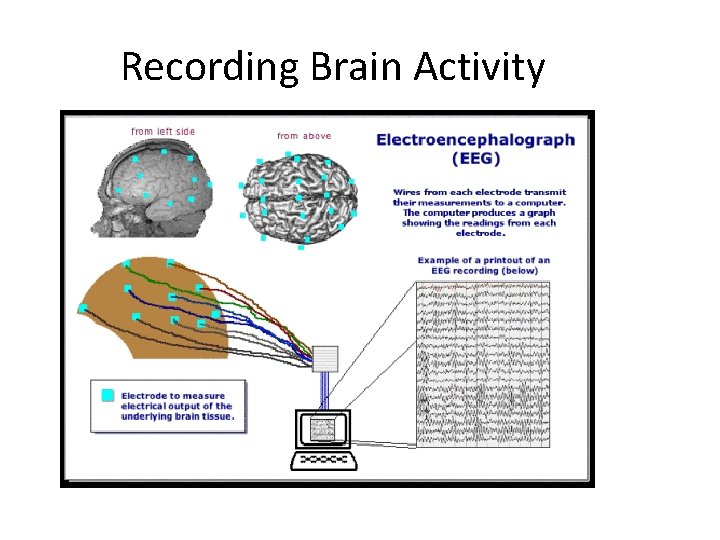
Recording Brain Activity
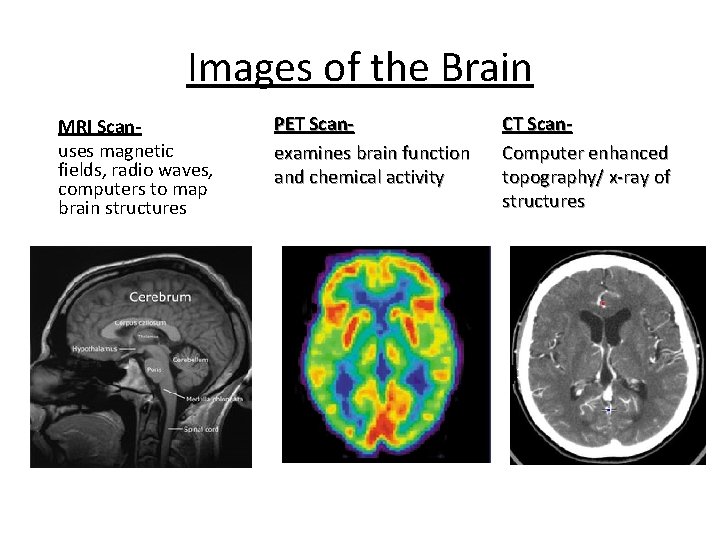
Images of the Brain MRI Scanuses magnetic fields, radio waves, computers to map brain structures PET Scan- examines brain function and chemical activity CT Scan- Computer enhanced topography/ x-ray of structures
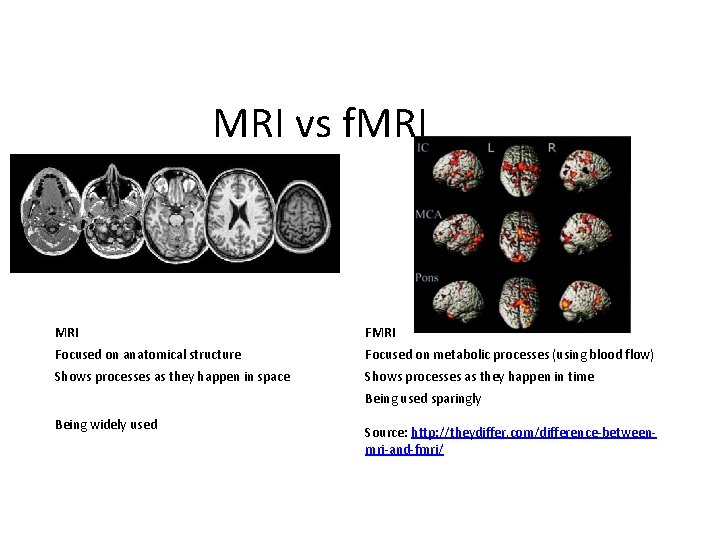
MRI vs f. MRI FMRI Focused on anatomical structure Focused on metabolic processes (using blood flow) Shows processes as they happen in space Shows processes as they happen in time Being used sparingly Being widely used Source: http: //theydiffer. com/difference-betweenmri-and-fmri/
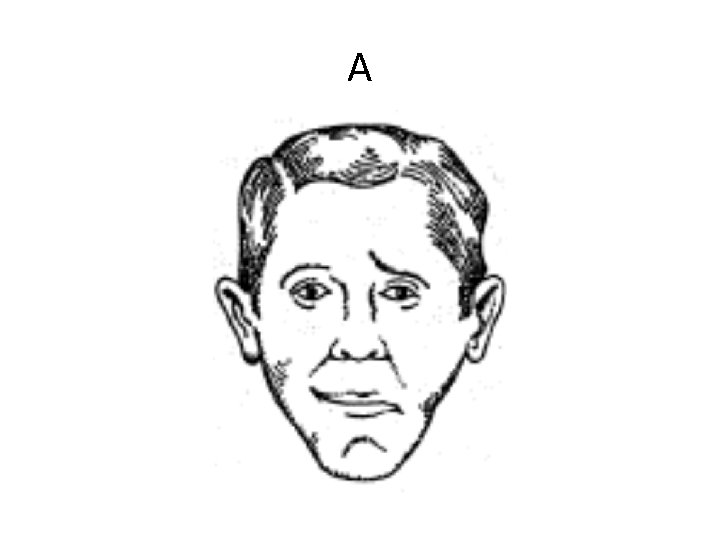
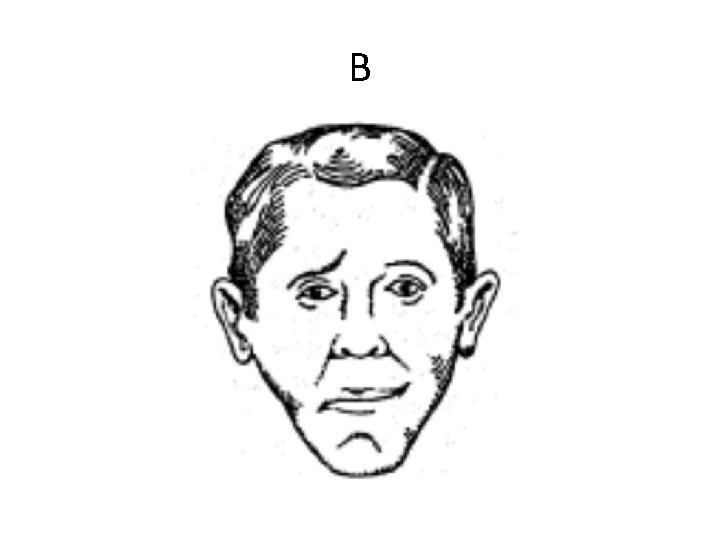
Which face looks happier?
A
B
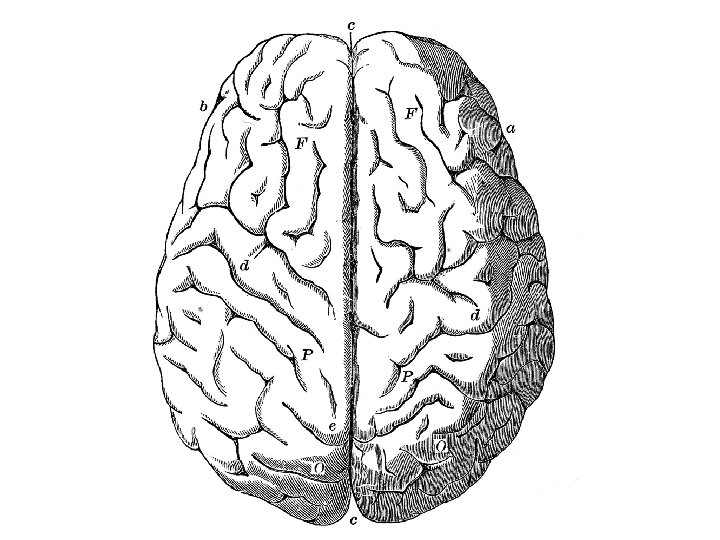
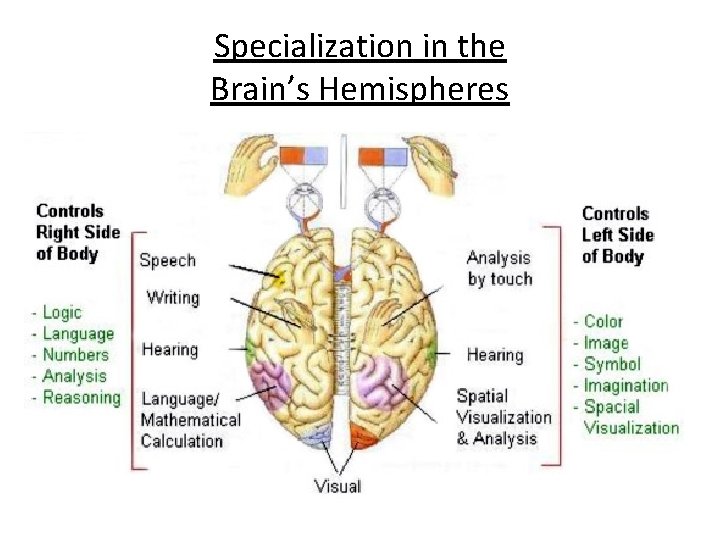
Specialization in the Brain’s Hemispheres
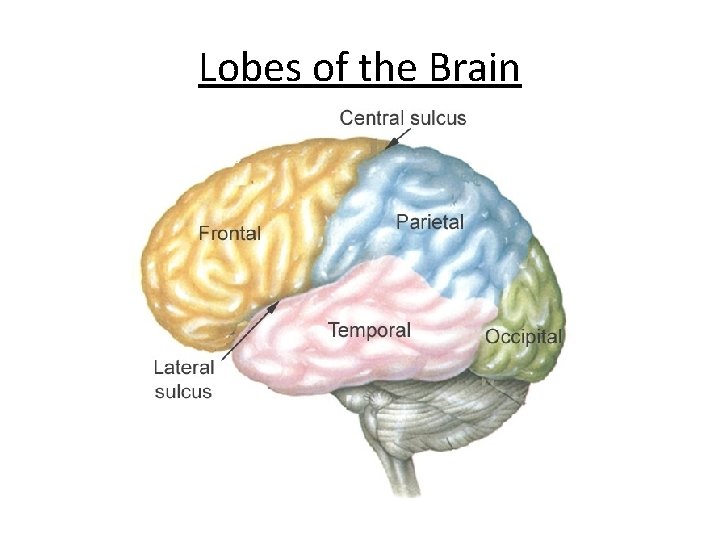
Lobes of the Brain
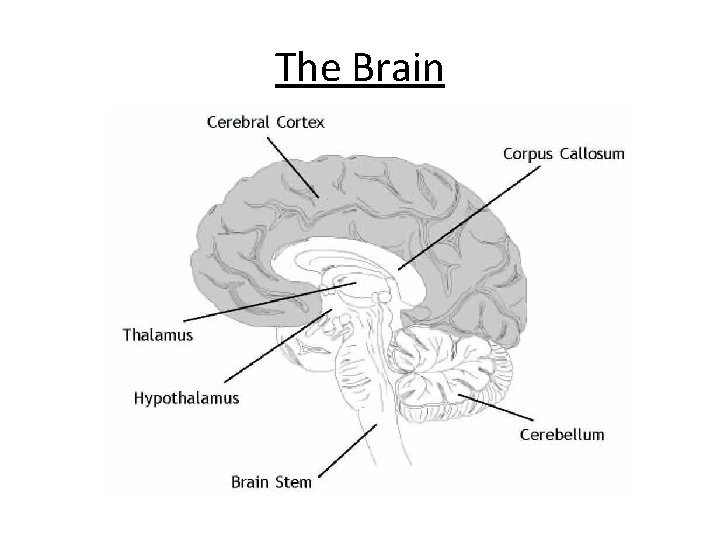
The Brain
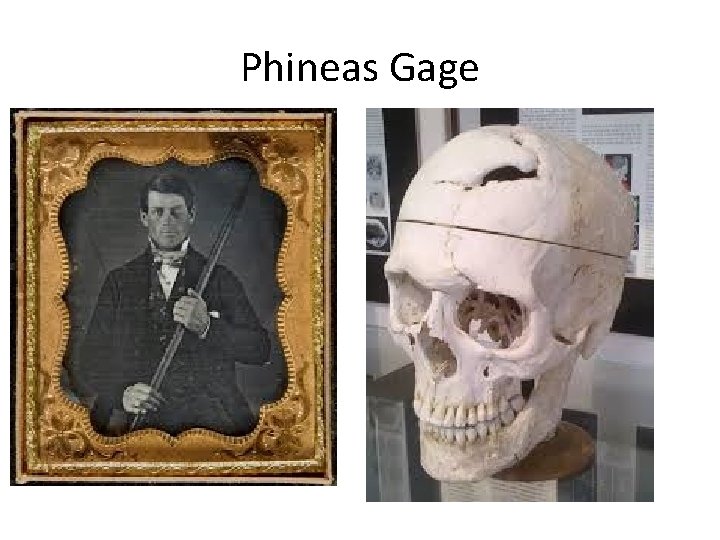
Phineas Gage
• Splitting the Corpus Callosum
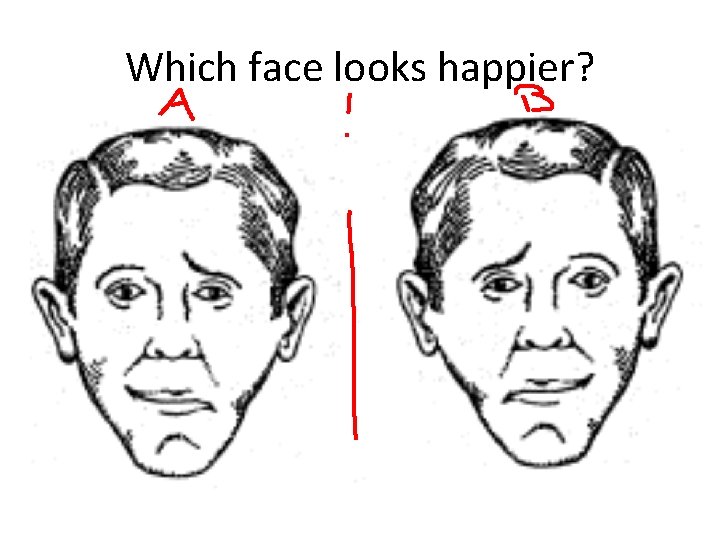
Which face looks happier?
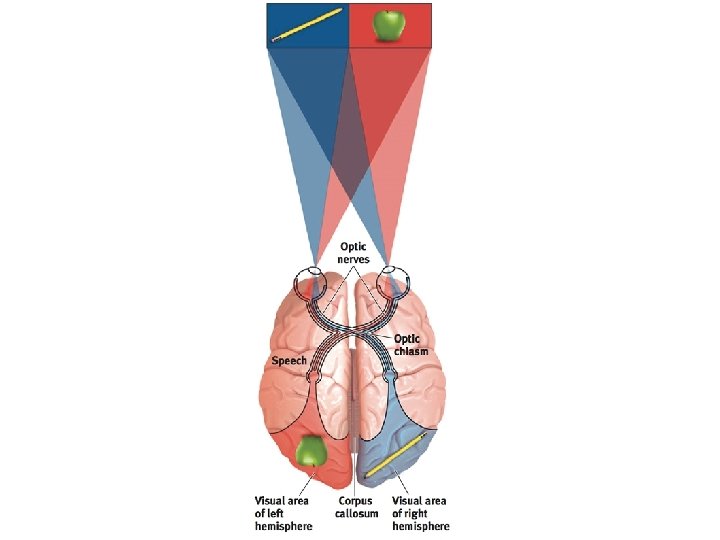
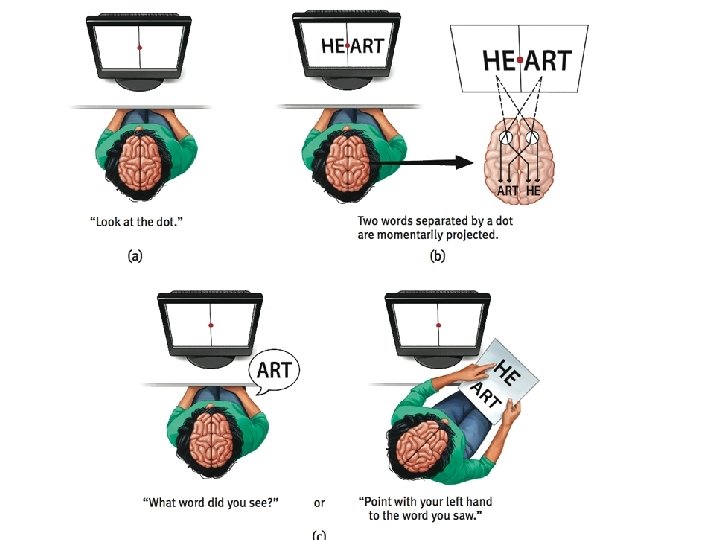
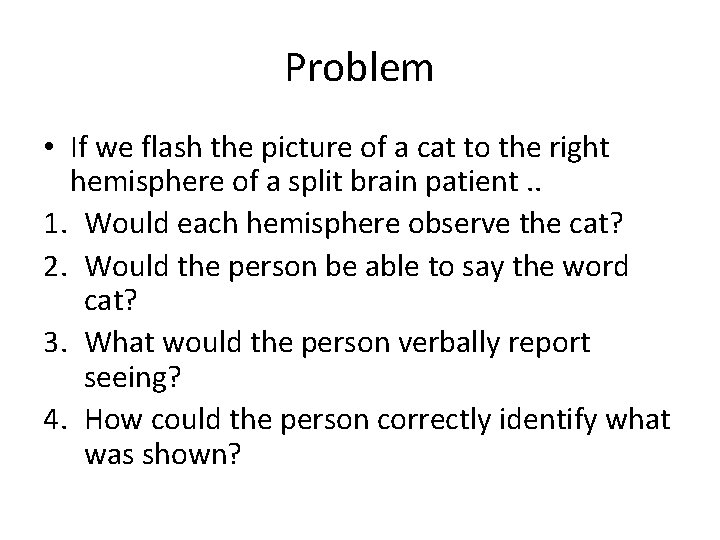
Problem • If we flash the picture of a cat to the right hemisphere of a split brain patient. . 1. Would each hemisphere observe the cat? 2. Would the person be able to say the word cat? 3. What would the person verbally report seeing? 4. How could the person correctly identify what was shown?
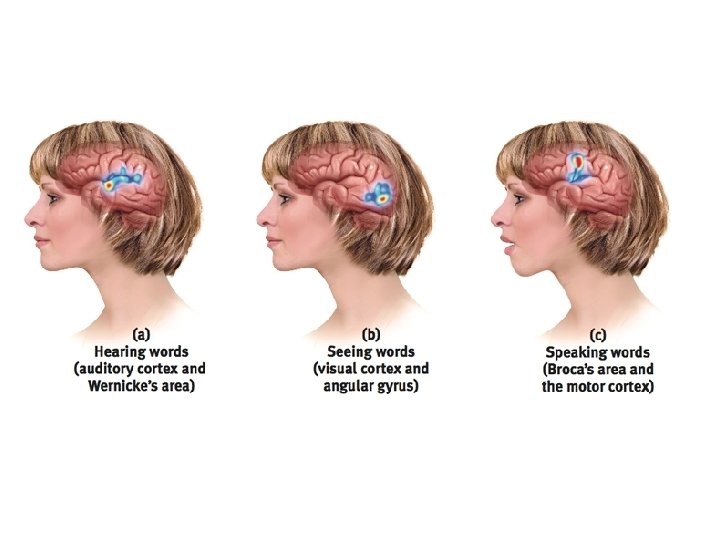
• Wernicke's Aphasia • Broca’s Aphasia
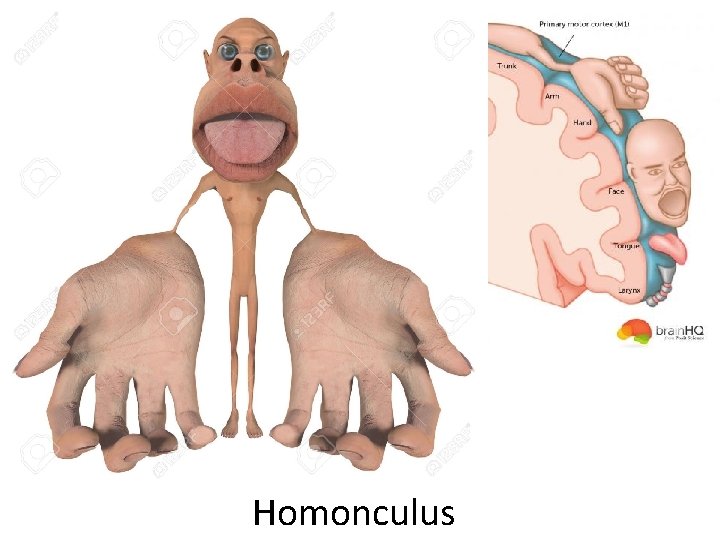
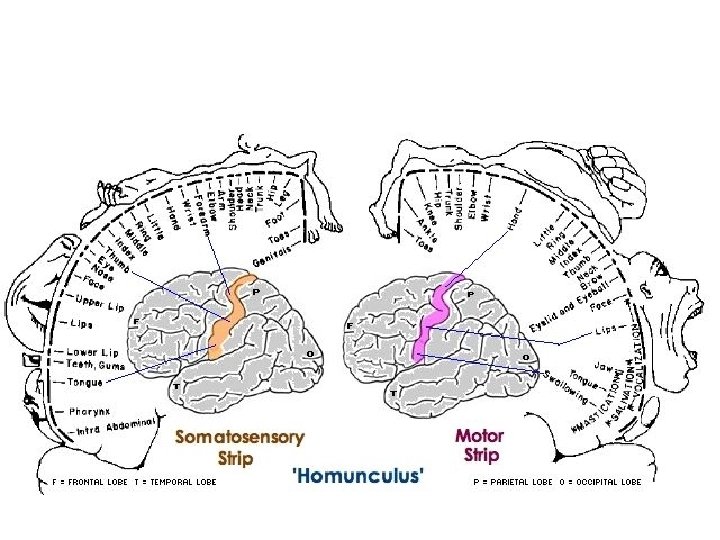
Homonculus
Brain Plasticity • Hemispherectomy and brain plasticity • Mirror therapy for Phantom limbs part 1 • Part 2
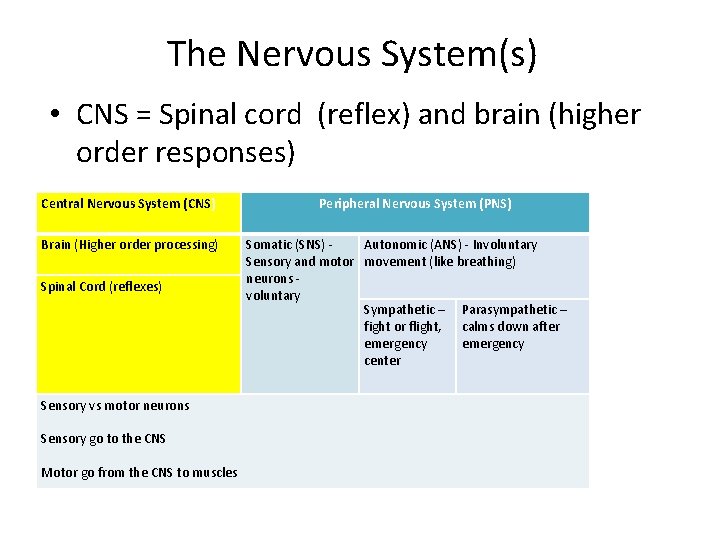
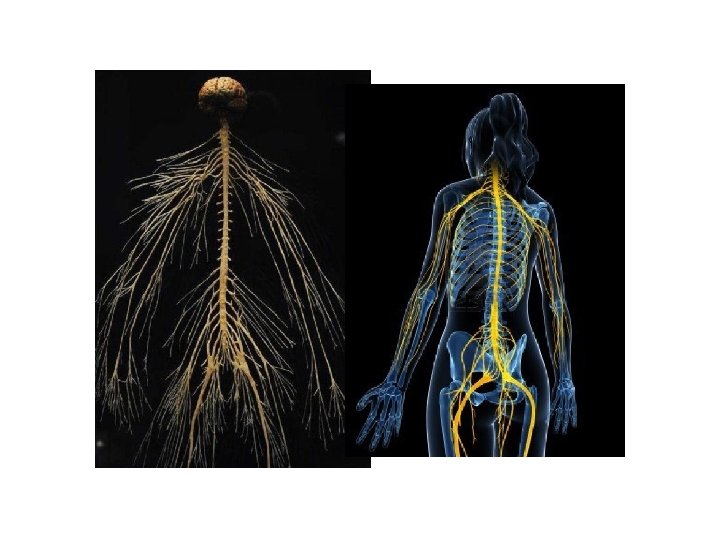
The Nervous System(s) • CNS = Spinal cord (reflex) and brain (higher order responses) Central Nervous System (CNS) Brain (Higher order processing) Spinal Cord (reflexes) Sensory vs motor neurons Sensory go to the CNS Motor go from the CNS to muscles Peripheral Nervous System (PNS) Somatic (SNS) - Autonomic (ANS) - Involuntary Sensory and motor movement (like breathing) neurons - voluntary Sympathetic – Parasympathetic – fight or flight, calms down after emergency center

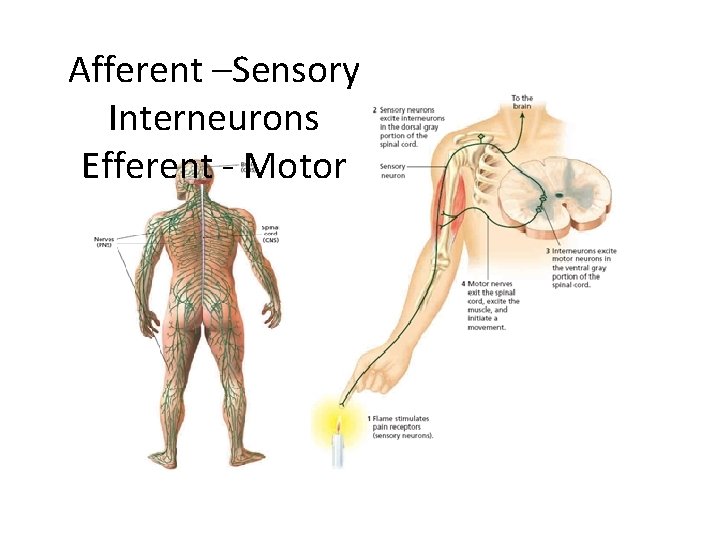
Afferent –Sensory Interneurons Efferent - Motor
Peripheral nervous system (PNS) - all nerves and neurons that run through the body itself • Somatic nervous system - nerves that carry information from the senses to the CNS and from the CNS to the voluntary muscles of the body. • Autonomic nervous system - nerves that carry information to all of the involuntary muscles, organs, from the CNS – Sympathetic division (fight-or-flight system) - part of the ANS responsible for reacting to stressful events and bodily arousal (excite) – Parasympathetic division - part of the ANS that restores the body to normal functioning after arousal and is responsible for the day-to-day functioning of the organs and glands (slow back down)
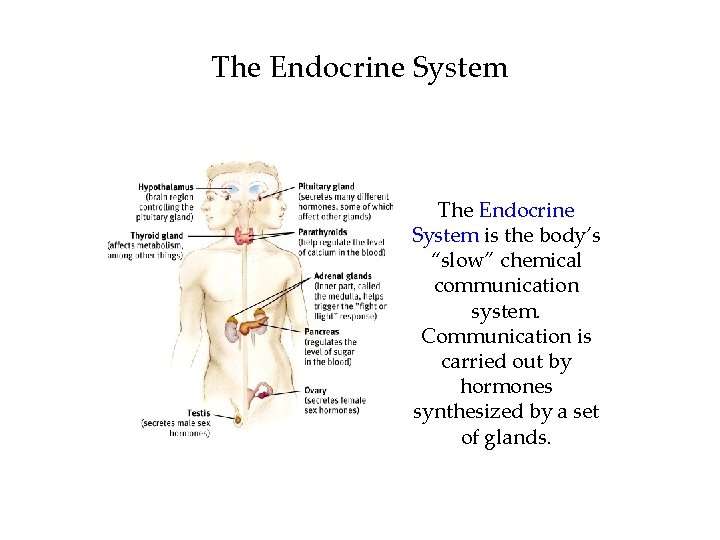
The Endocrine System is the body’s “slow” chemical communication system. Communication is carried out by hormones synthesized by a set of glands.
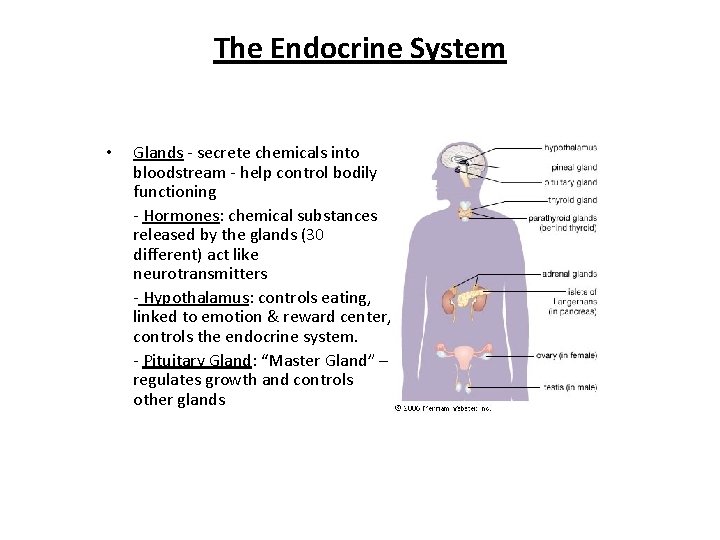
The Endocrine System • Glands - secrete chemicals into bloodstream - help control bodily functioning - Hormones: chemical substances released by the glands (30 different) act like neurotransmitters - Hypothalamus: controls eating, linked to emotion & reward center, controls the endocrine system. - Pituitary Gland: “Master Gland” – regulates growth and controls other glands
- Slides: 30