
Our hands can be Lethal Weapons Police cuff

Our hands can be Lethal Weapons Police cuff offenders hands.

But we do many wonderful and useful things with our hands
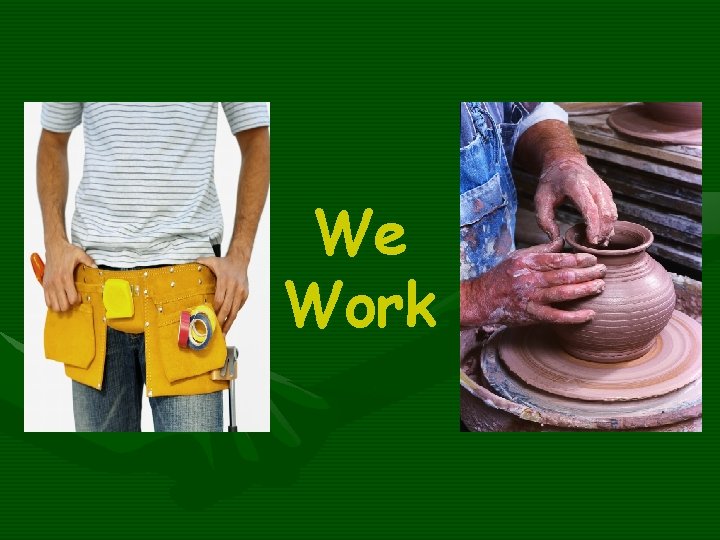
We Work

We Play

We Eat
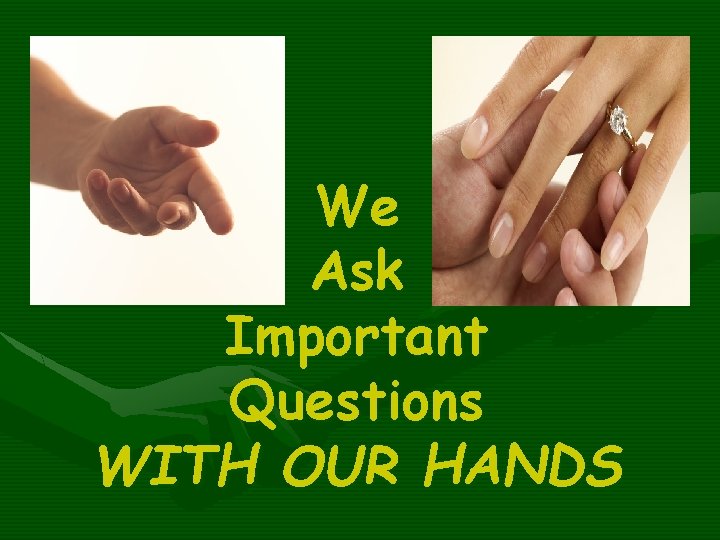
We Ask Important Questions WITH OUR HANDS

We Touch Our Children and Grand. Children

With our Amazing Wonderful Hands

Young or Old BIG or small We Need Our Hands

My hands are worth caring for are yours?
I Guess you figured out by now we are talking about HAND SAFETY Did you know your hand is your most important tool?
Typical Injuries • • • Bruises Cuts Puncture wounds Burns Broken and/or severed fingers
Fact • Over 16 million people suffer hand injuries each year. • Over a quarter of a million are serious & often disabling injuries.
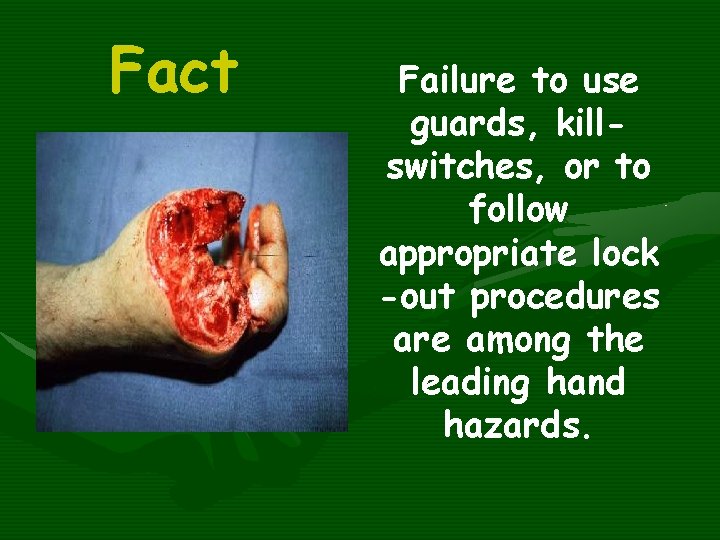
Fact Failure to use guards, killswitches, or to follow appropriate lock -out procedures are among the leading hand hazards.
Fact • Men are 9 times more likely to receive a hand injury than women. • Most hand injuries could have been avoided with adequate PPE. • The most common type of hand injury is a crushing injury.
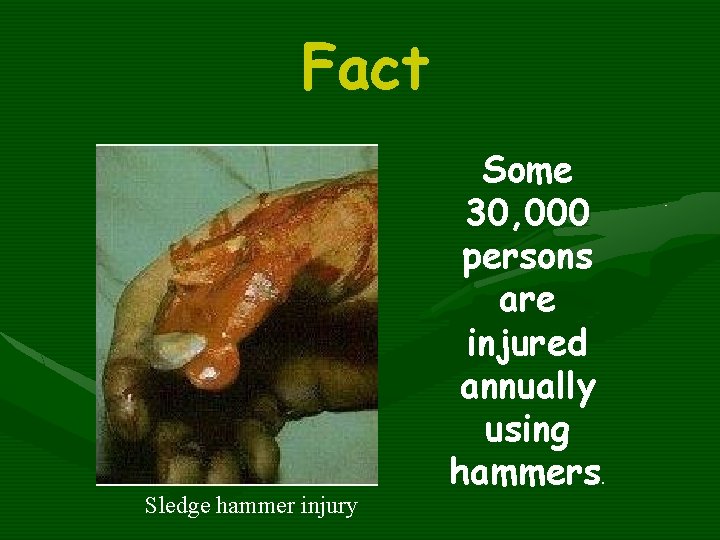
Fact Sledge hammer injury Some 30, 000 persons are injured annually using hammers.
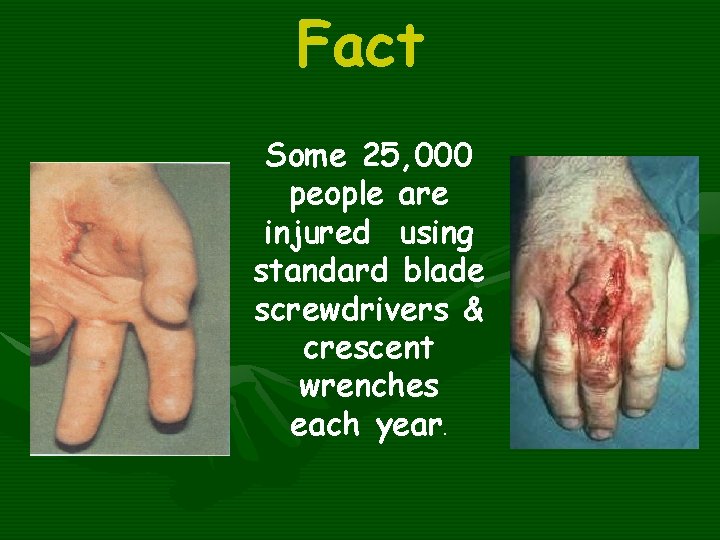
Fact Some 25, 000 people are injured using standard blade screwdrivers & crescent wrenches each year.
Common Causes of Hand Injuries
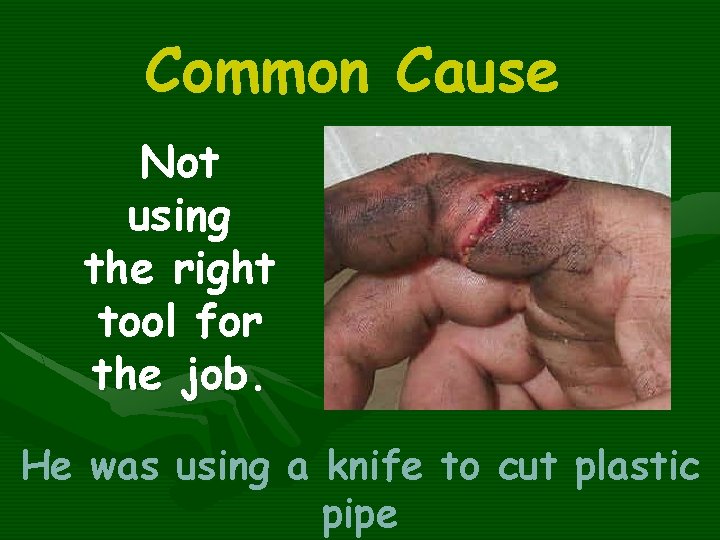
Common Cause Not using the right tool for the job. He was using a knife to cut plastic pipe
Common Cause • Not wearing PPE or not Wearing the right PPE.
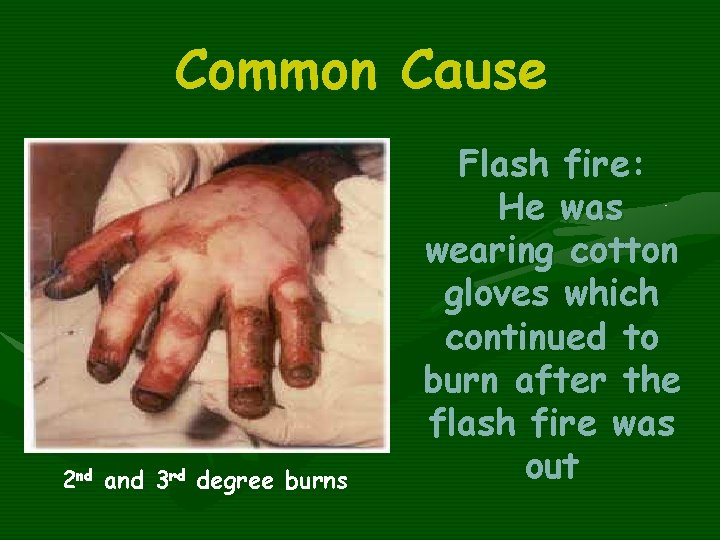
Common Cause 2 nd and 3 rd degree burns Flash fire: He was wearing cotton gloves which continued to burn after the flash fire was out
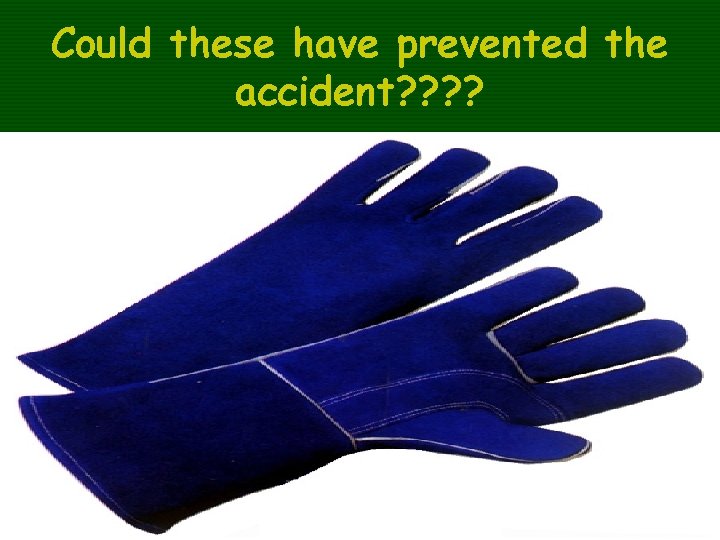
Could these have prevented the accident? ?
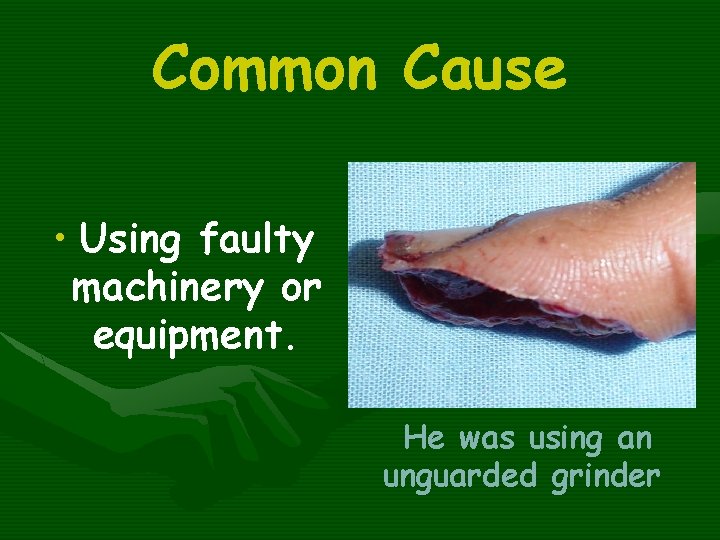
Common Cause • Using faulty machinery or equipment. He was using an unguarded grinder
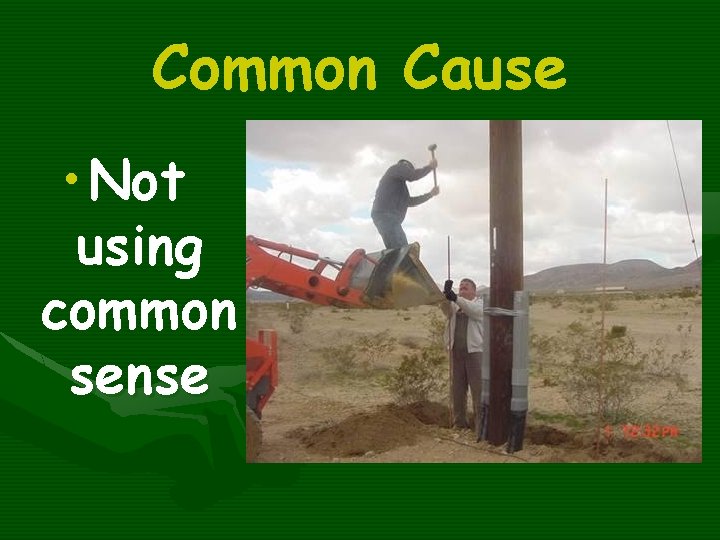
Common Cause • Not using common sense
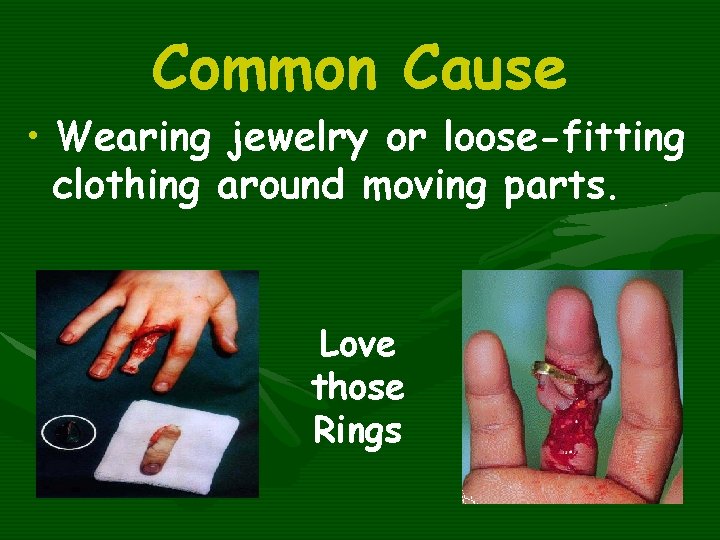
Common Cause • Wearing jewelry or loose-fitting clothing around moving parts. Love those Rings
Guidelines for Hand Safety • Know the hazards of your surroundings. • Always use guards, shields & other protective devices when appropriate. NEVER BYPASS A GUARD
Guidelines • Always use the right tool for the job • Inspect equipment & machinery before & after tasks to make sure that it is in good operating condition. • Disconnect power & follow established lock-out procedures before repairing or cleaning machinery.
Guidelines • Never wear gloves, jewelry, or loose clothing when working with moving machine parts. • Always use the right PPE for the job. • When wearing gloves, make sure they fit & are rated for the specific task you are performing.
NOT ALL GLOVES ARE CREATED EQUAL! • When using chemicals consult the MSDS or your supervisor for proper glove type.
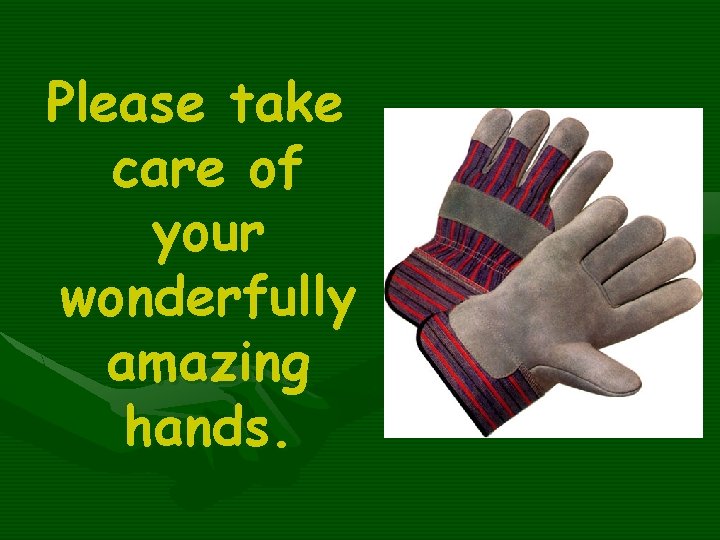
Please take care of your wonderfully amazing hands.
- Slides: 30