
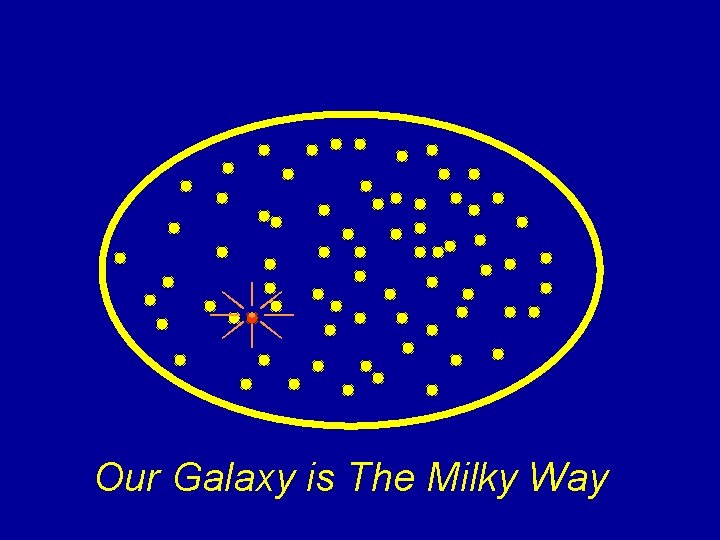
Our Galaxy is The Milky Way Dark Molecular



























- Slides: 155
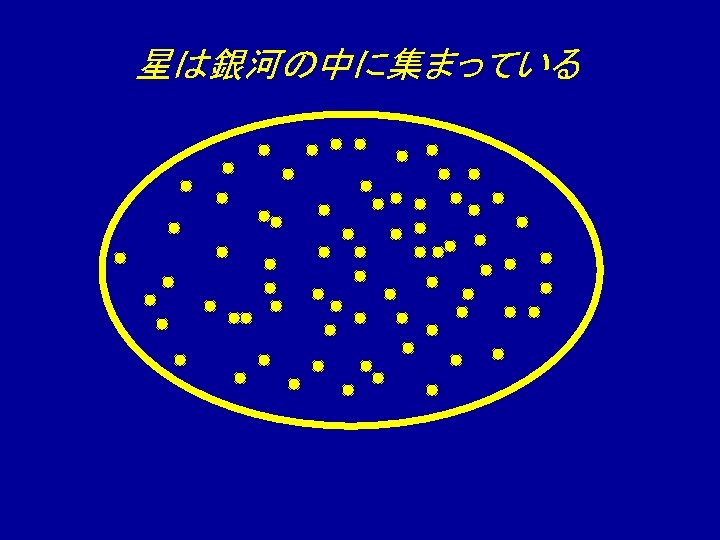
Our Galaxy is The Milky Way
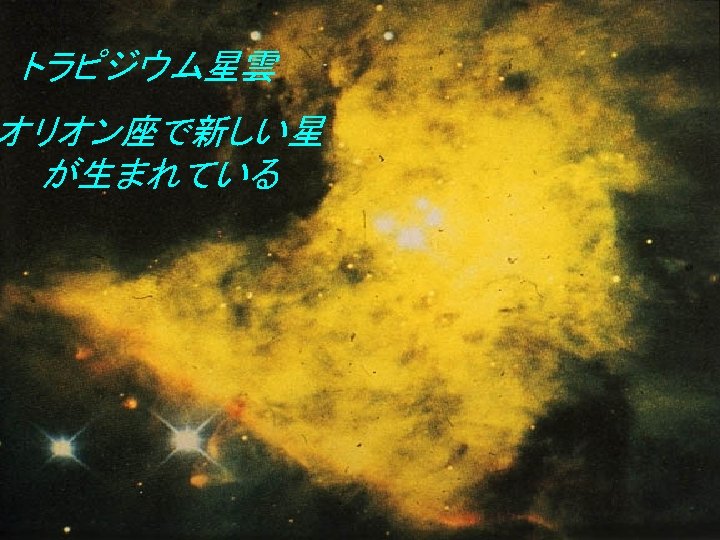
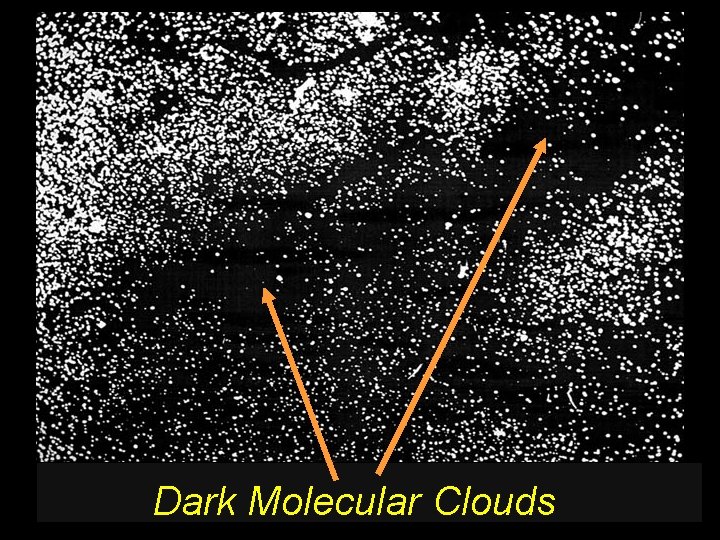
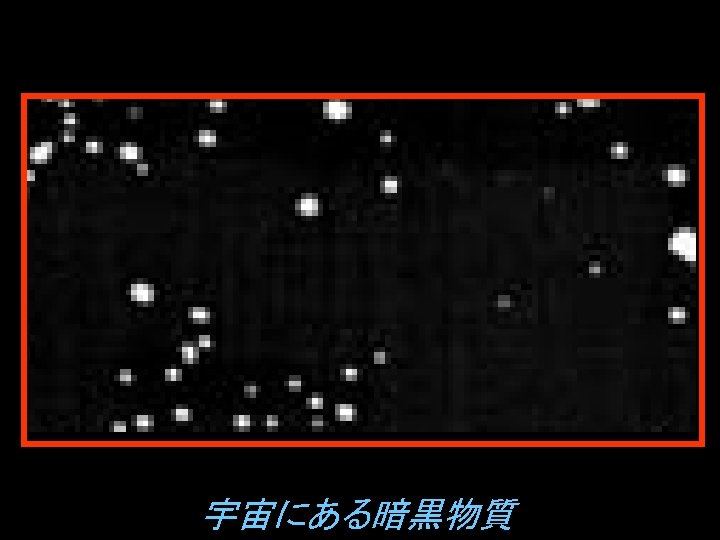
Dark Molecular Clouds
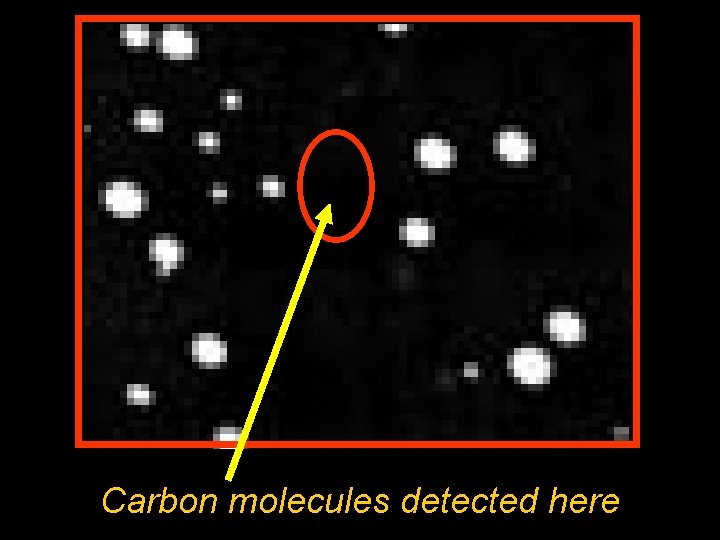
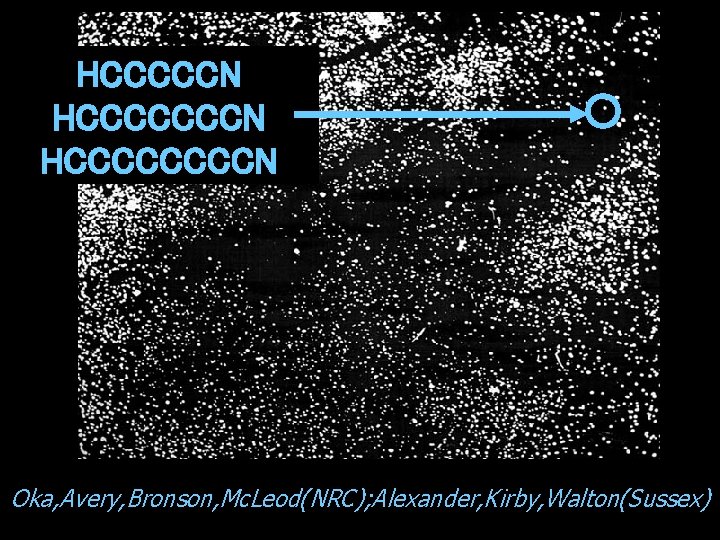
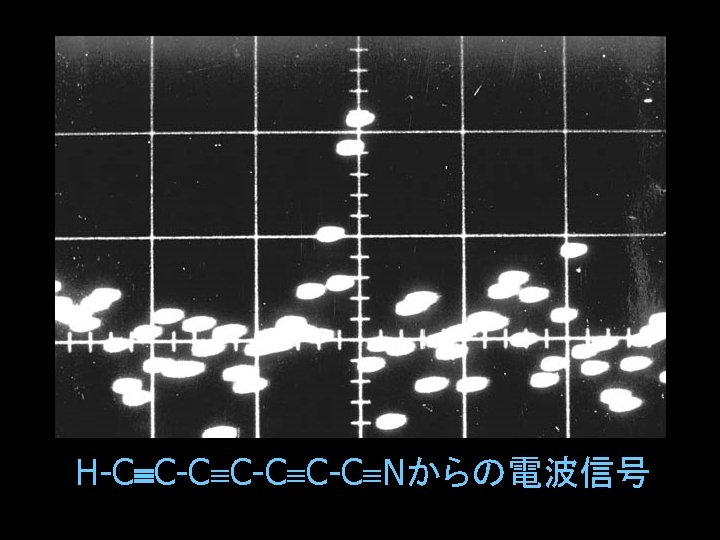
Carbon molecules detected here
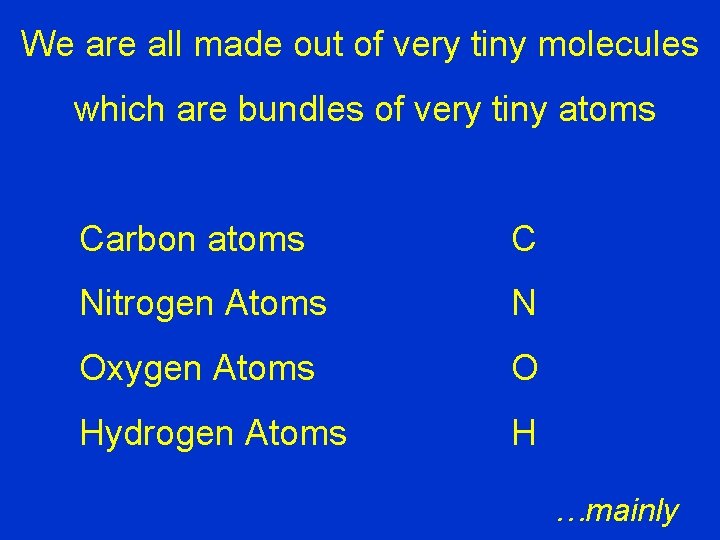
We are all made out of very tiny molecules which are bundles of very tiny atoms Carbon atoms C Nitrogen Atoms N Oxygen Atoms O Hydrogen Atoms H …mainly
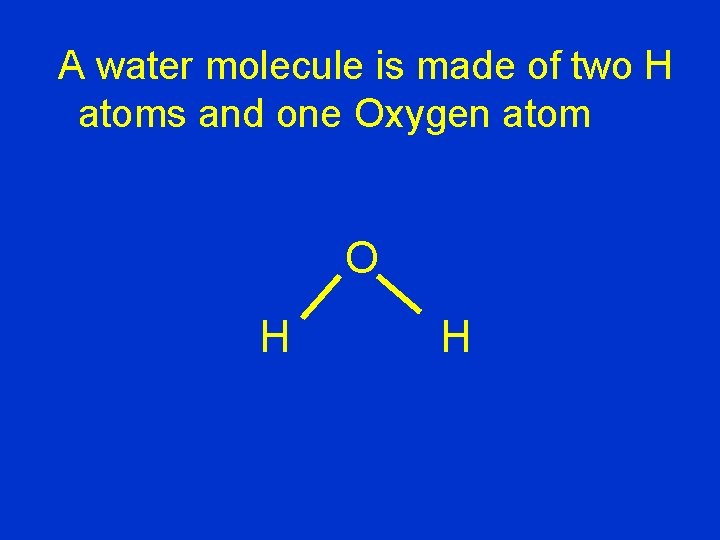
A water molecule is made of two H atoms and one Oxygen atom O H H
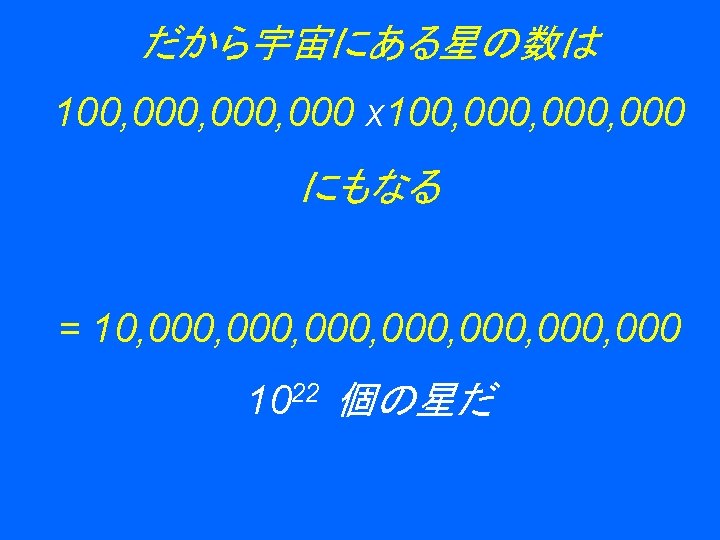
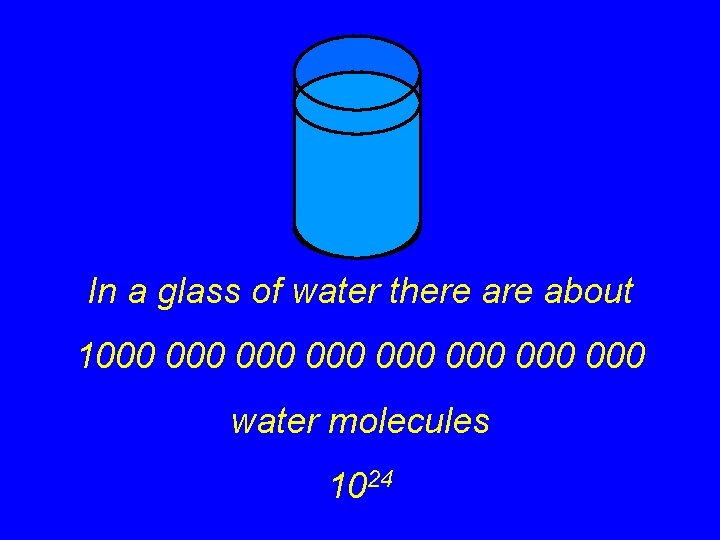
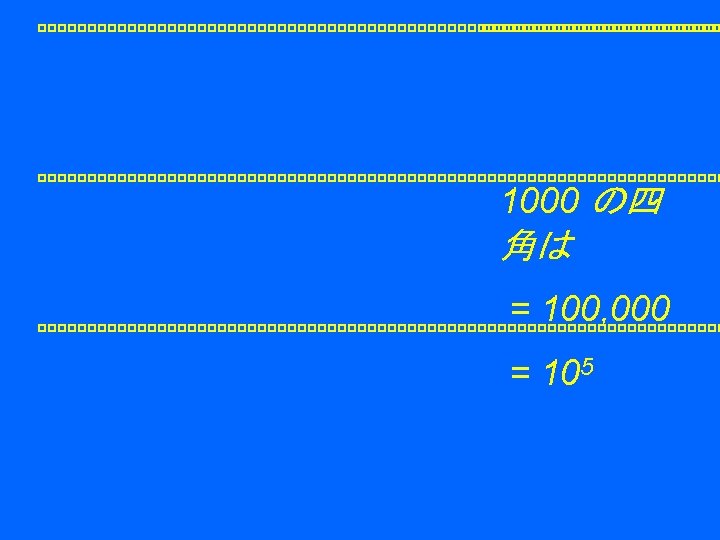
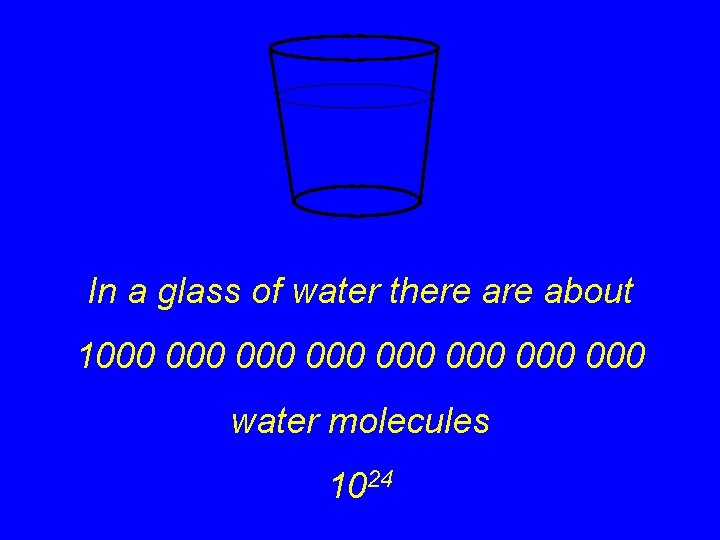
In a glass of water there about 1000 000 water molecules 1024
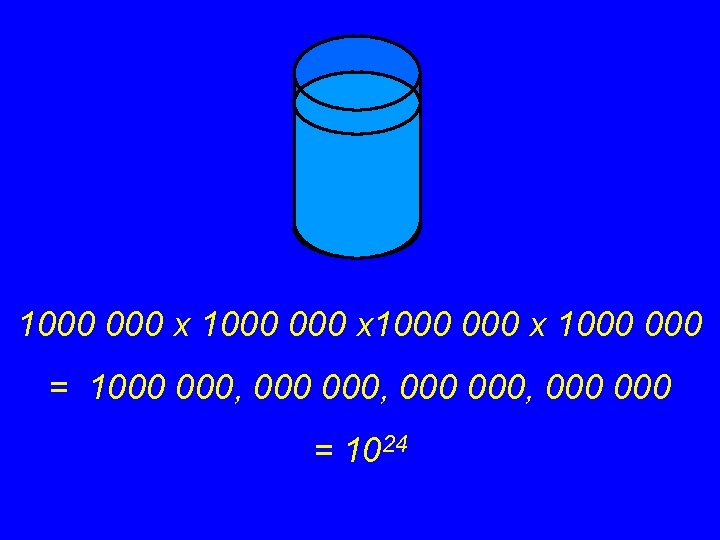
1000 000 x 1000 = 1000 000, 000 = 1024
Where did our atoms come from?
A long time ago
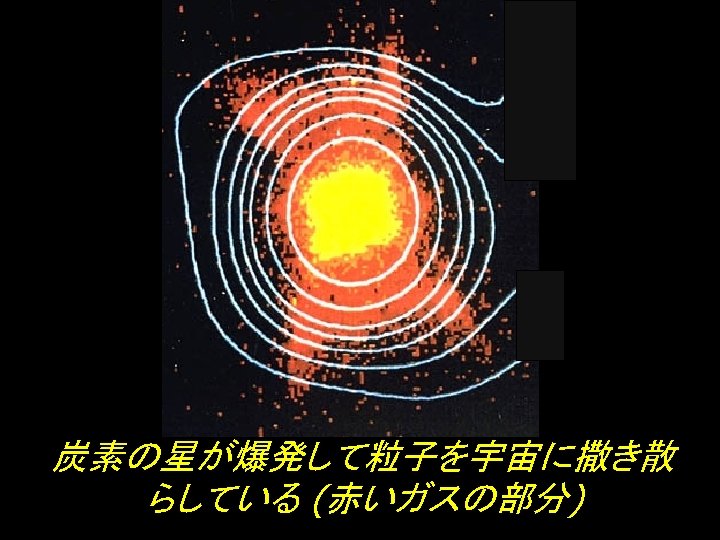
An old star blew up
All your atoms were made inside this star which exploded and blew your atoms into space
The floated around in space for millions of years and ended up…
Here on earth today
Here on earth today
So you should be very happy
So we all came from outer space We are all aliens
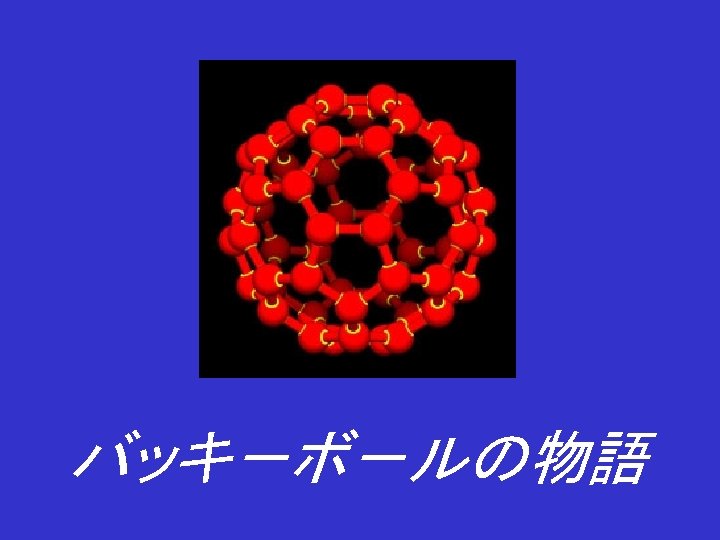
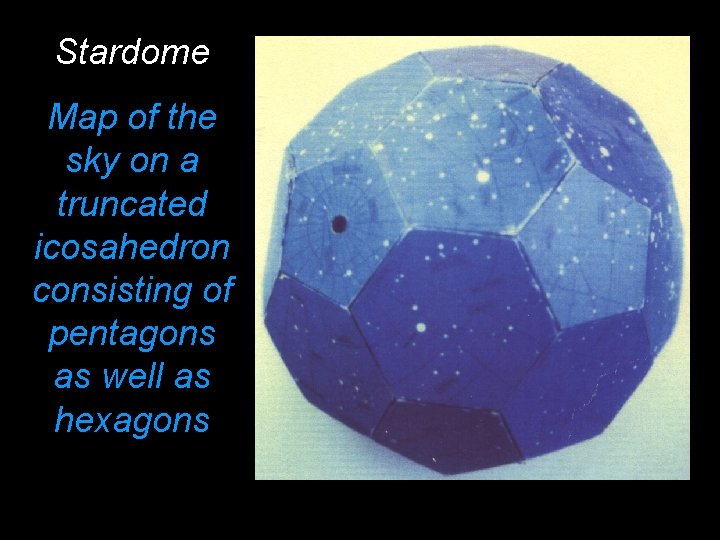
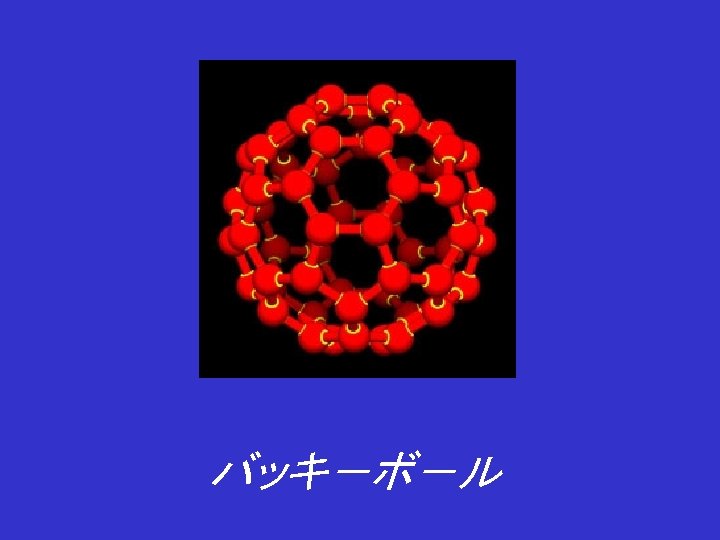
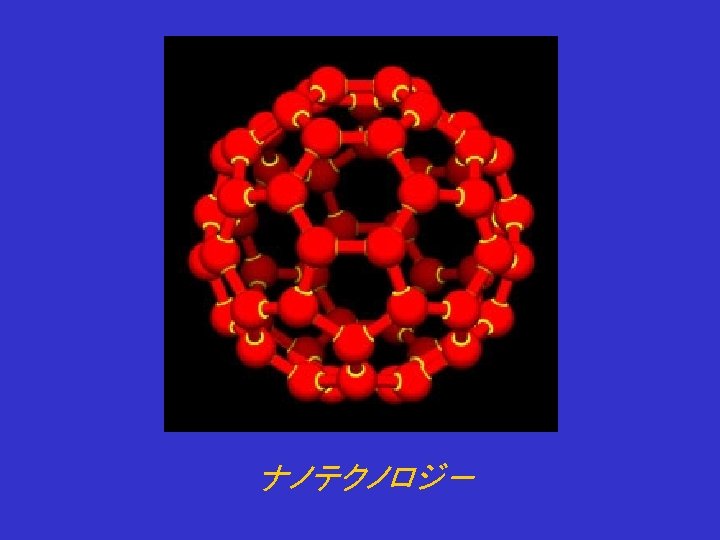
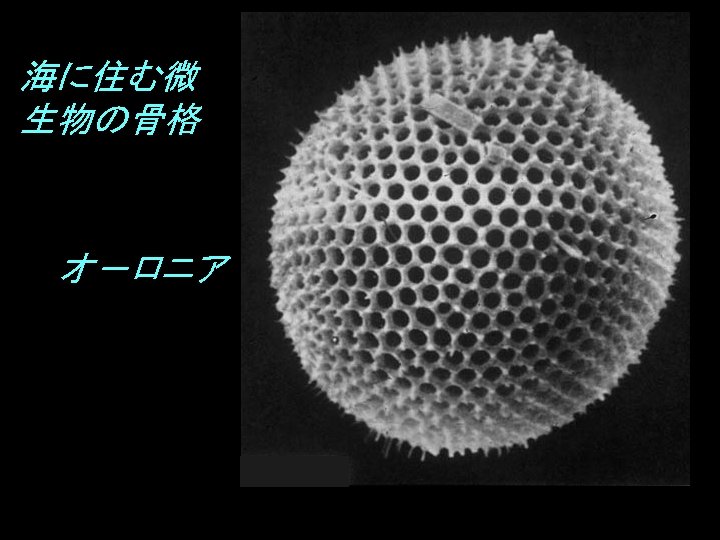
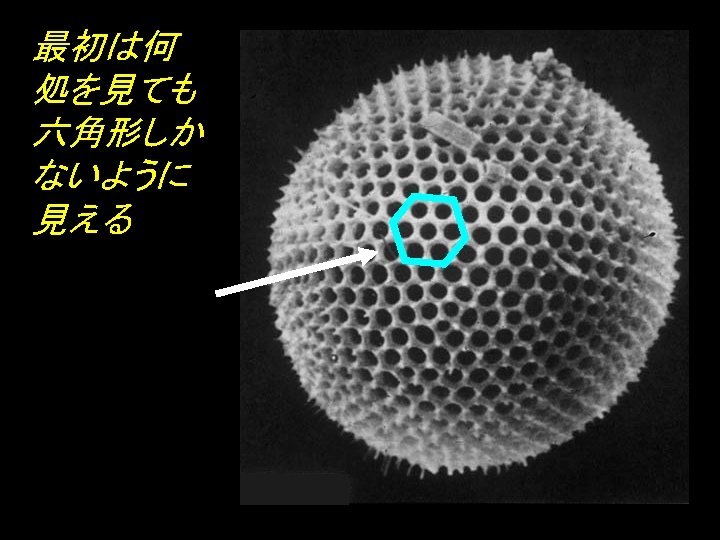
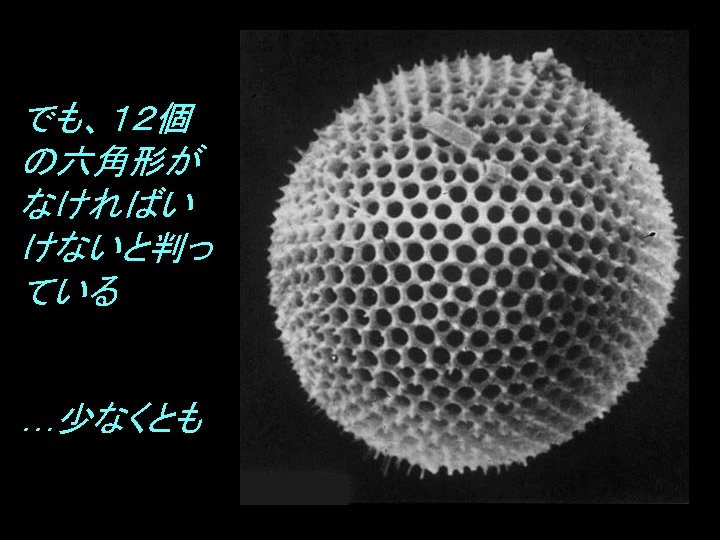
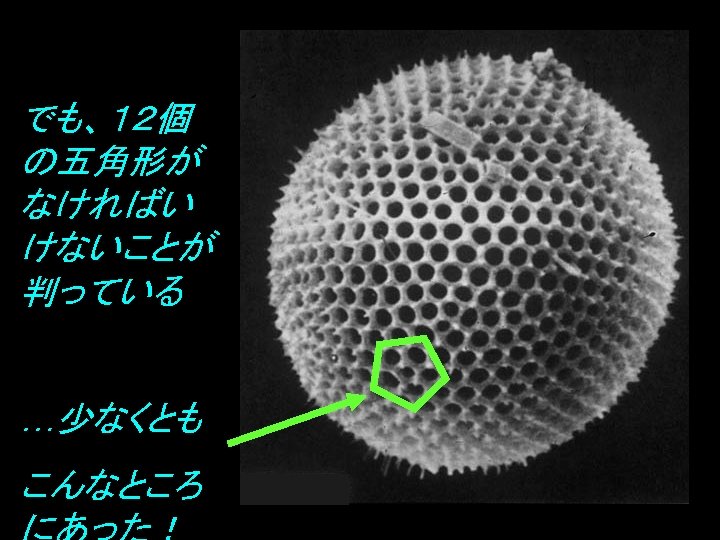
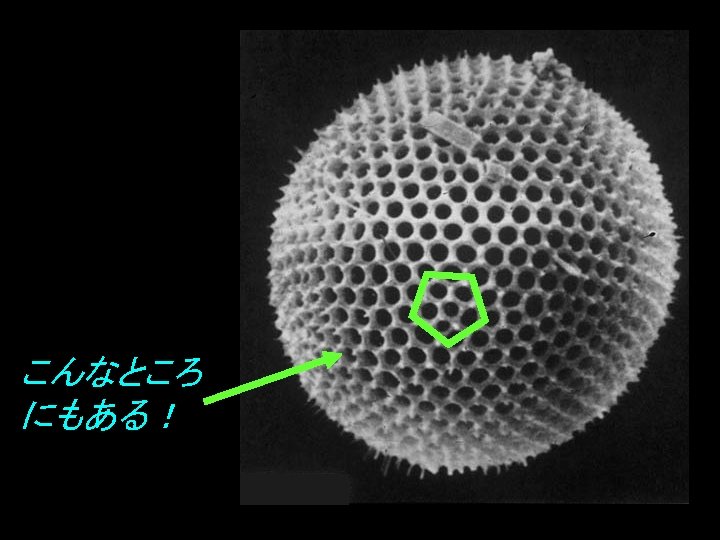
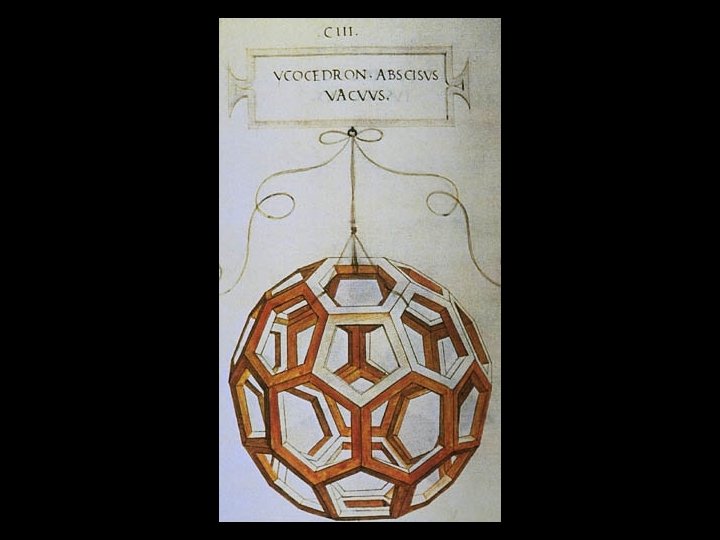
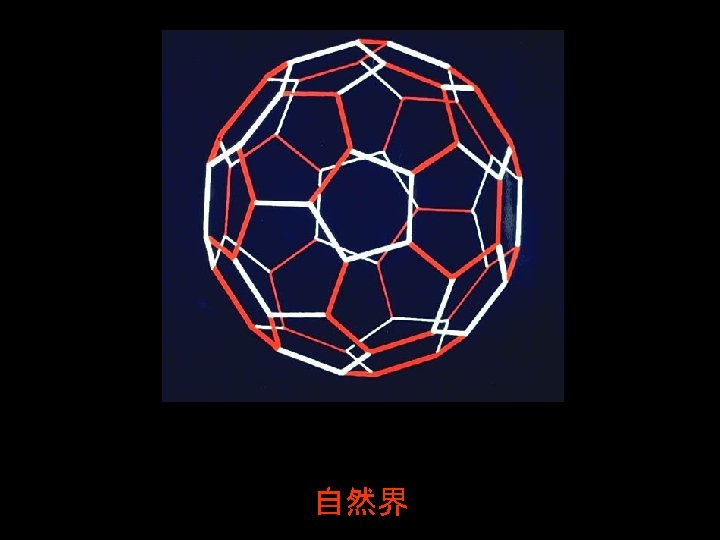
Stardome Map of the sky on a truncated icosahedron consisting of pentagons as well as hexagons
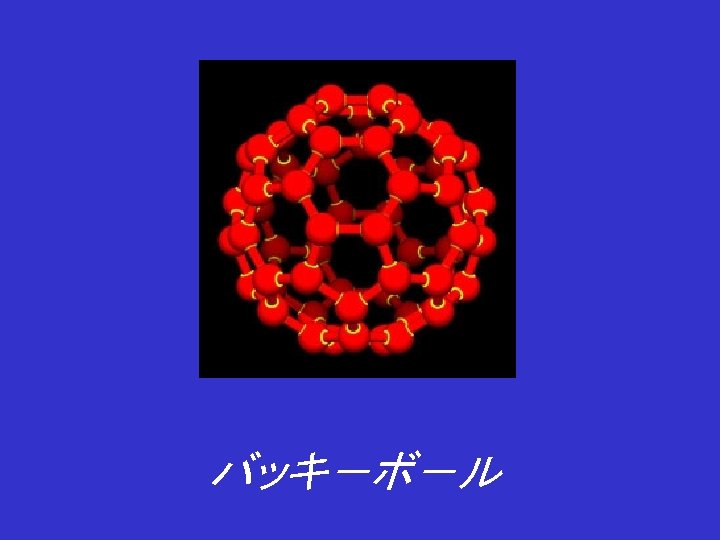
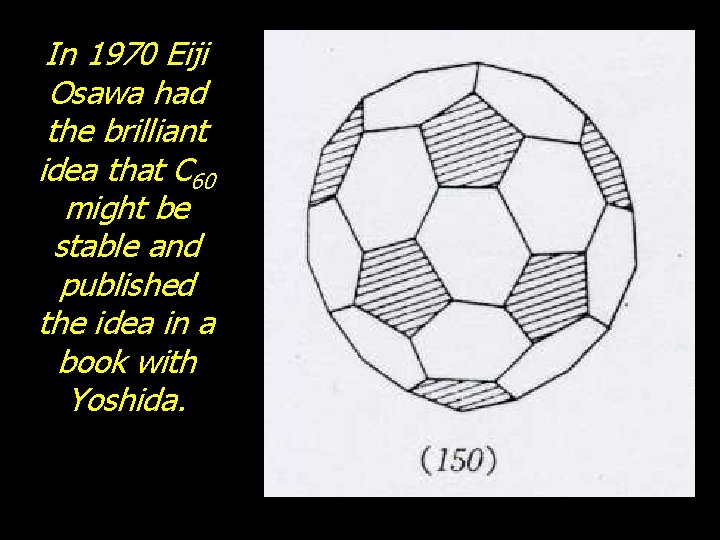
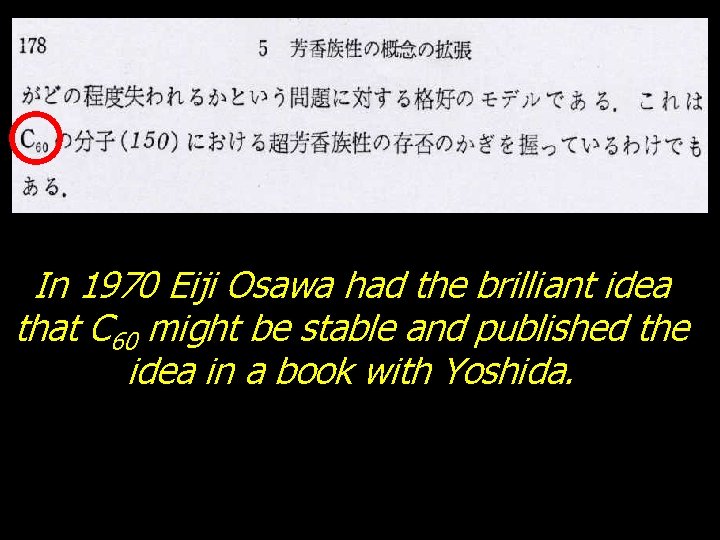
In 1970 Eiji Osawa had the brilliant idea that C 60 might be stable and published the idea in a book with Yoshida.
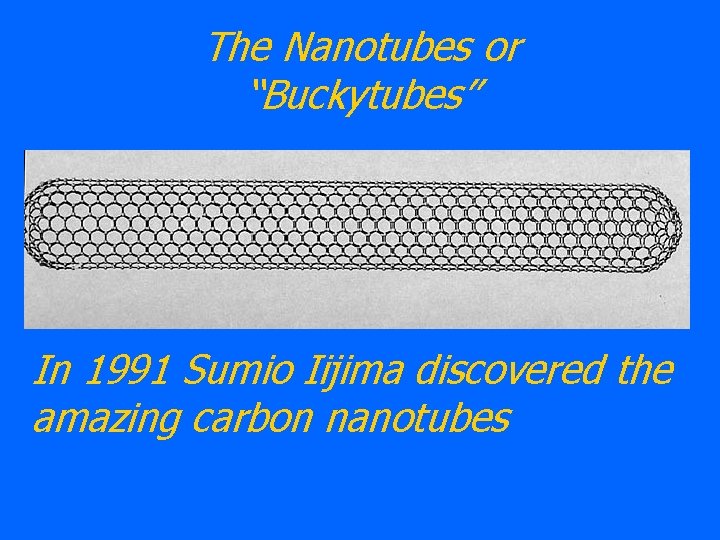
The Nanotubes or “Buckytubes” In 1991 Sumio Iijima discovered the amazing carbon nanotubes
The nanotubes are 100 times stronger than steel and 1/6 th the weight But we need your help to make enough of them We cannot do that yet
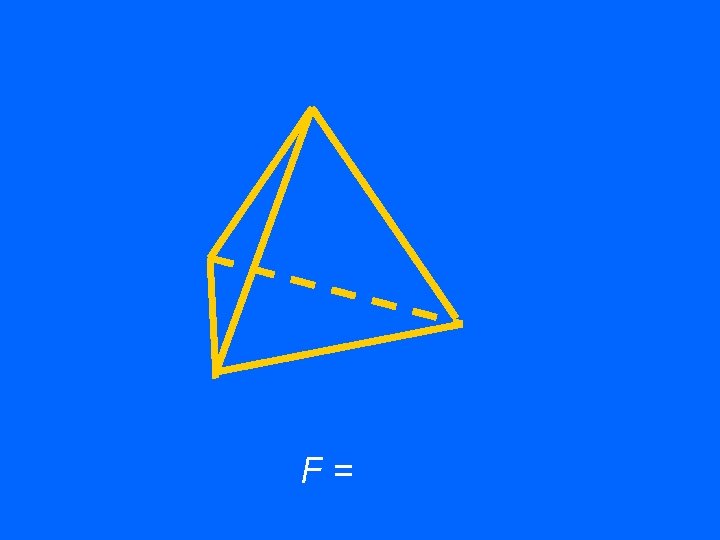
F=
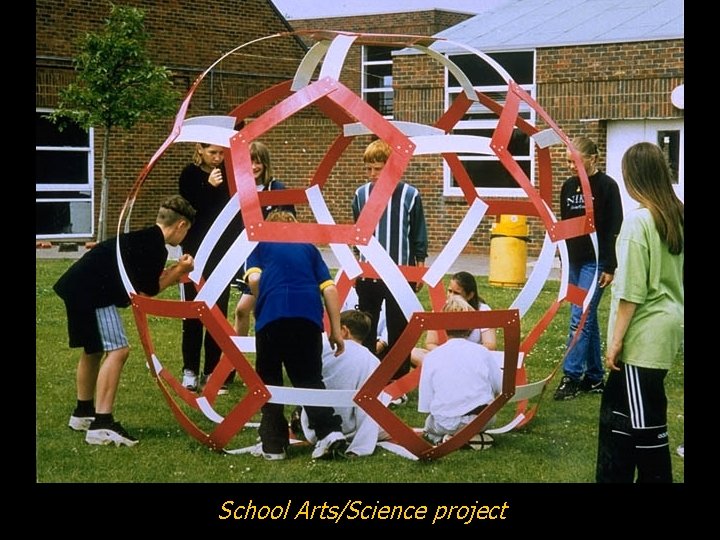
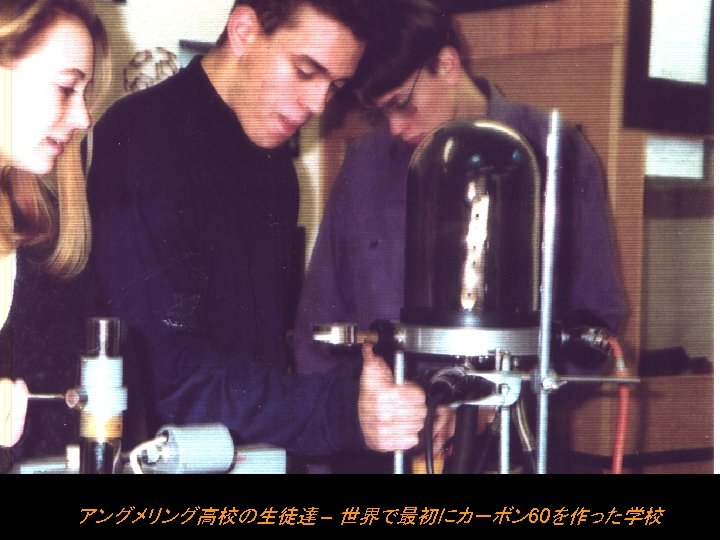
School Arts/Science project
In 1970 Eiji Osawa had the brilliant idea that C 60 might be stable and published the idea in a book with Yoshida.
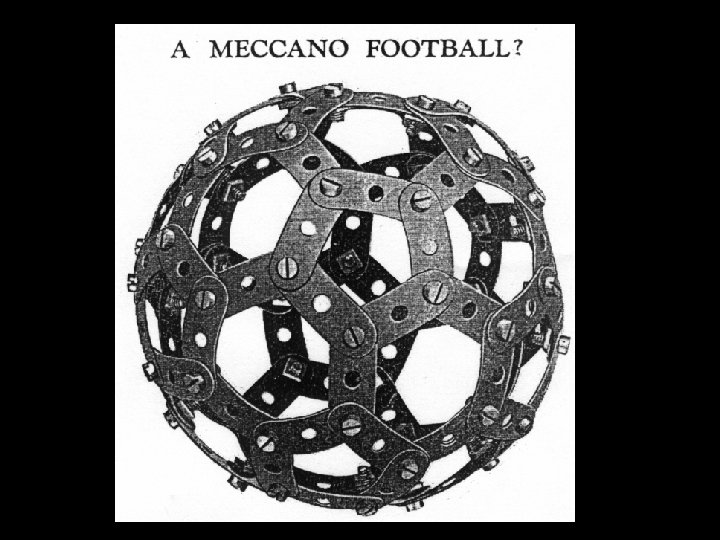
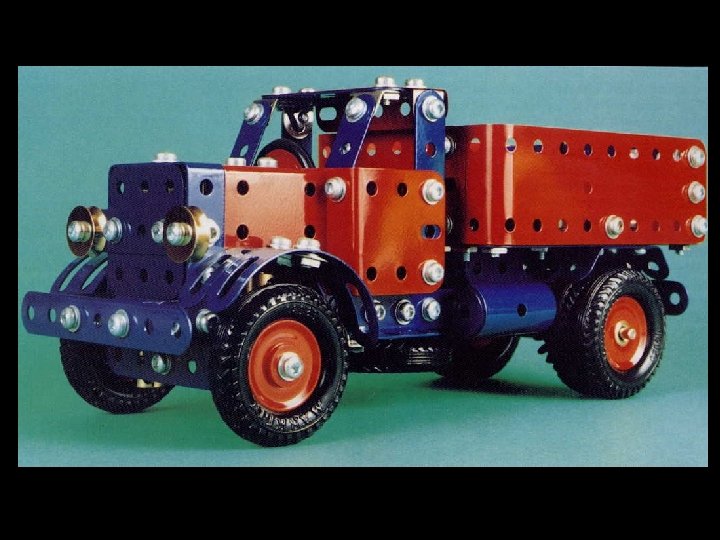
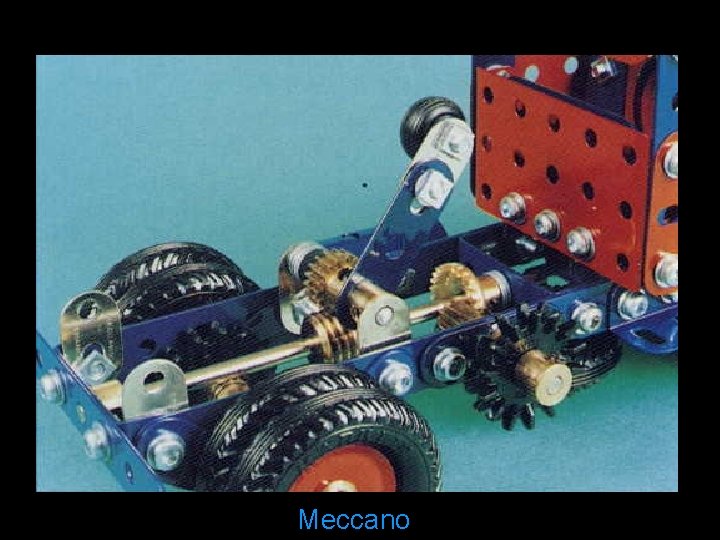
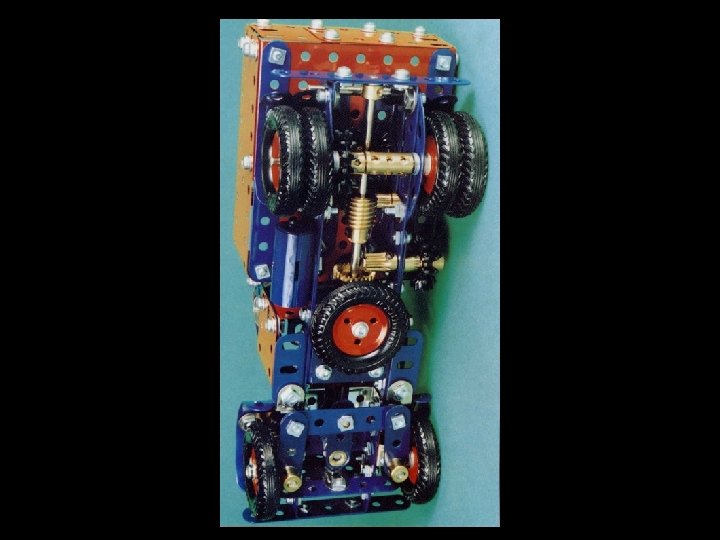
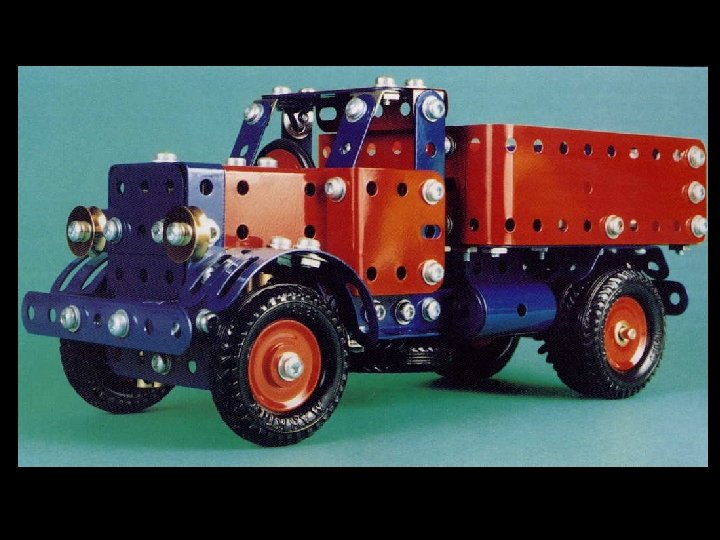
Meccano
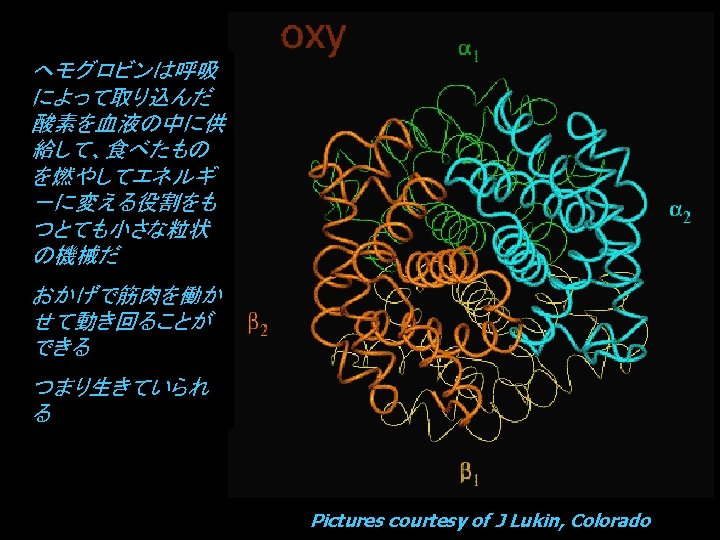
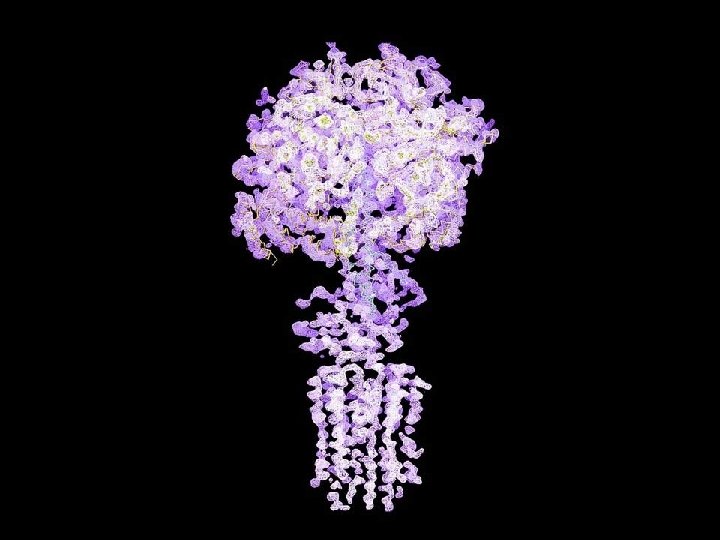
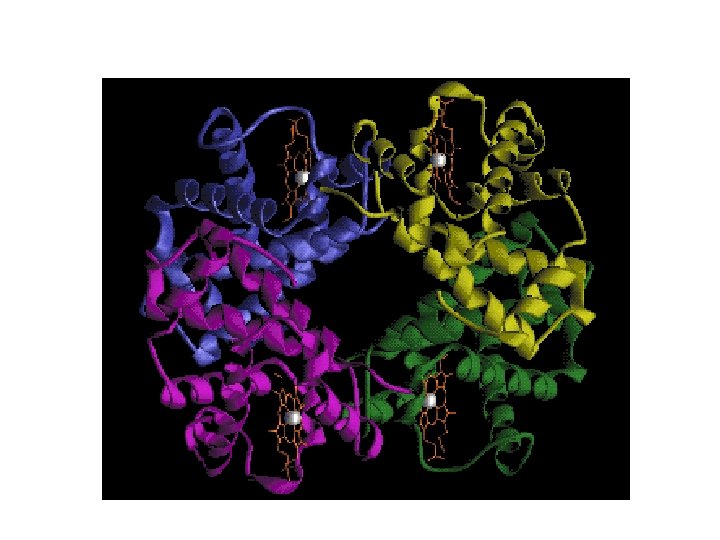
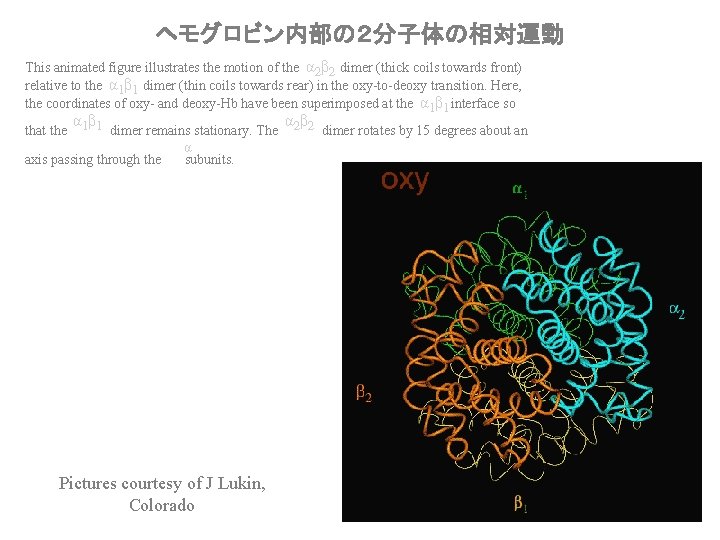
ヘモグロビン内部の2分子体の相対運動 This animated figure illustrates the motion of the dimer (thick coils towards front) relative to the dimer (thin coils towards rear) in the oxy-to-deoxy transition. Here, the coordinates of oxy- and deoxy-Hb have been superimposed at the interface so that the dimer remains stationary. The axis passing through the subunits. Pictures courtesy of J Lukin, Colorado dimer rotates by 15 degrees about an
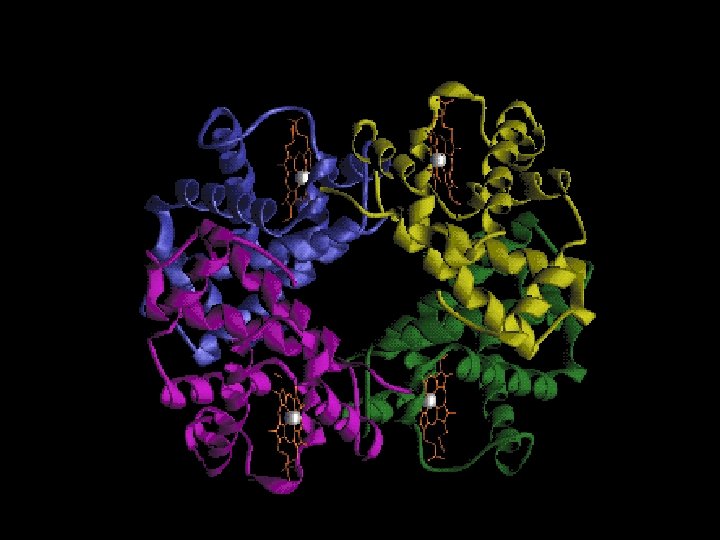
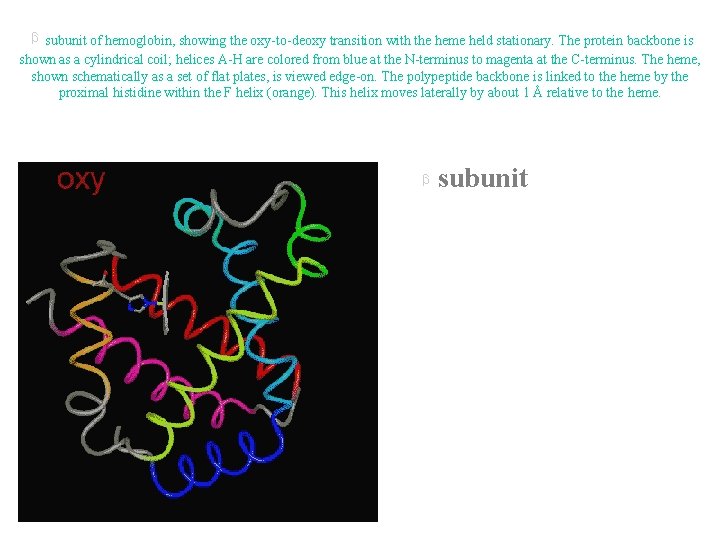
subunit of hemoglobin, showing the oxy-to-deoxy transition with the heme held stationary. The protein backbone is shown as a cylindrical coil; helices A-H are colored from blue at the N-terminus to magenta at the C-terminus. The heme, shown schematically as a set of flat plates, is viewed edge-on. The polypeptide backbone is linked to the heme by the proximal histidine within the F helix (orange). This helix moves laterally by about 1 Å relative to the heme. subunit
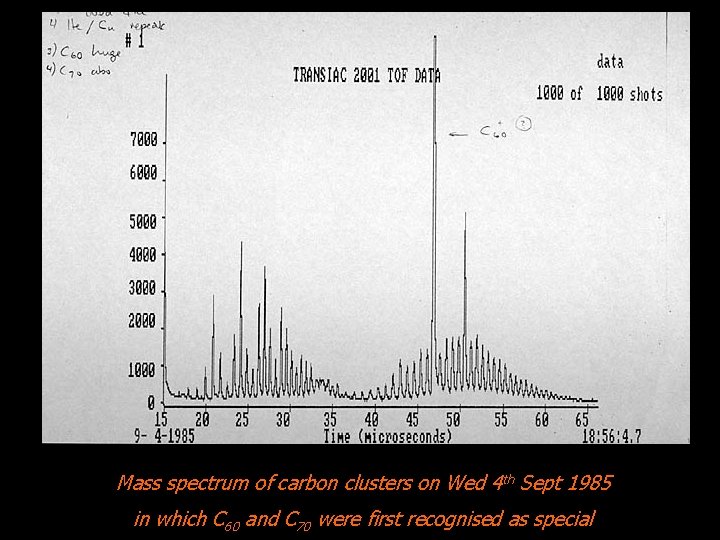
Mass spectrum of carbon clusters on Wed 4 th Sept 1985 in which C 60 and C 70 were first recognised as special
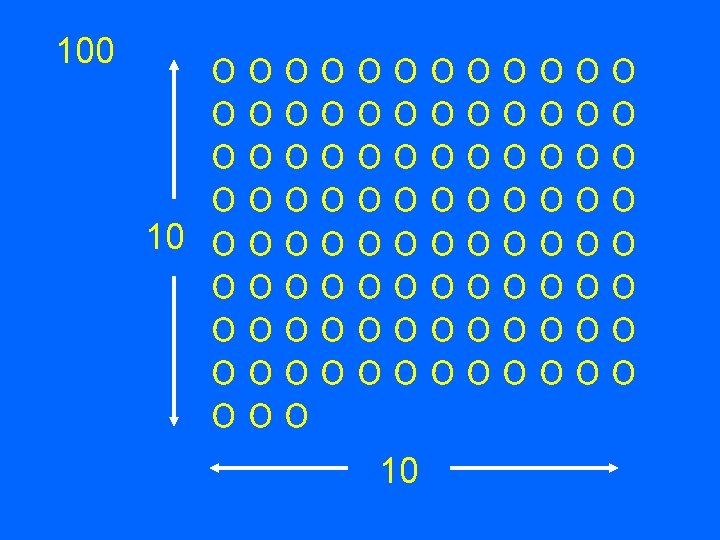
100 O O O O 10 O O O O O O O O O O O O O O O O O O O O O O O
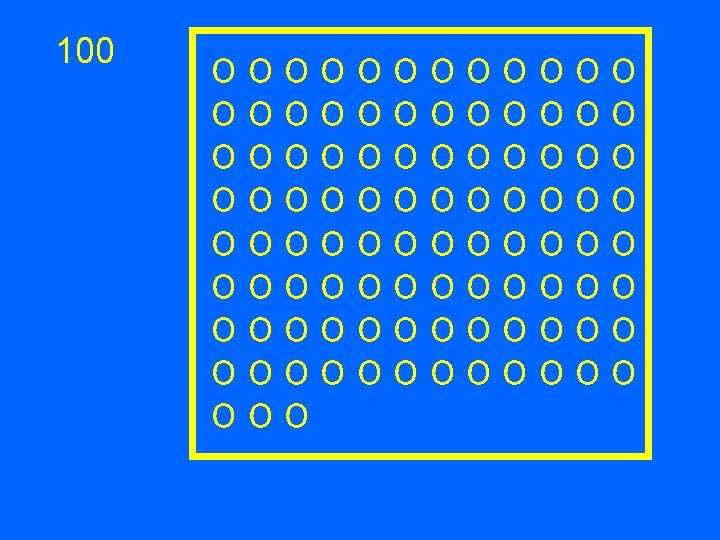
100 O O O O O O O O O O O O O O O O O O O O O O O O O
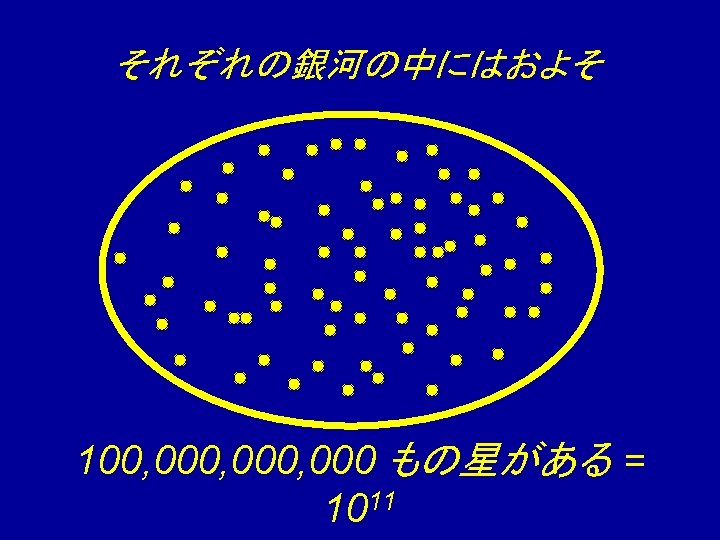
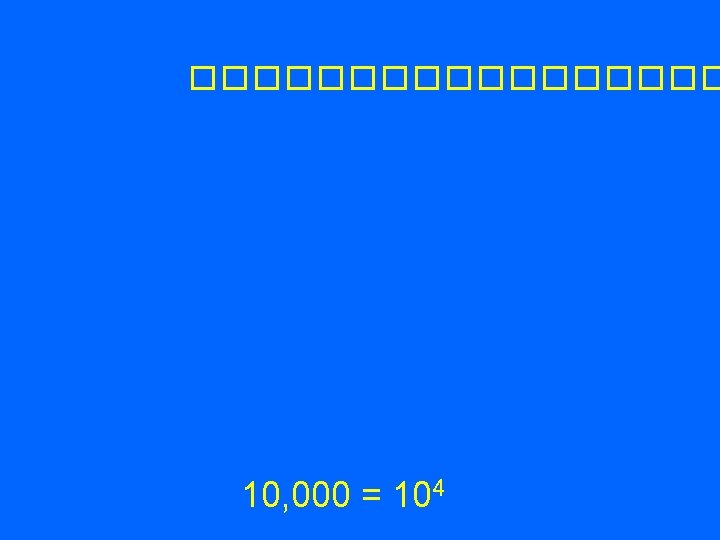
In a glass of water there about 1000 000 water molecules 1024
This
This is
This is a
This is a very
This is a very BIG
This is a very BIG number
HCCCCCN HCCCCCCCCN Oka, Avery, Bronson, Mc. Leod(NRC); Alexander, Kirby, Walton(Sussex)
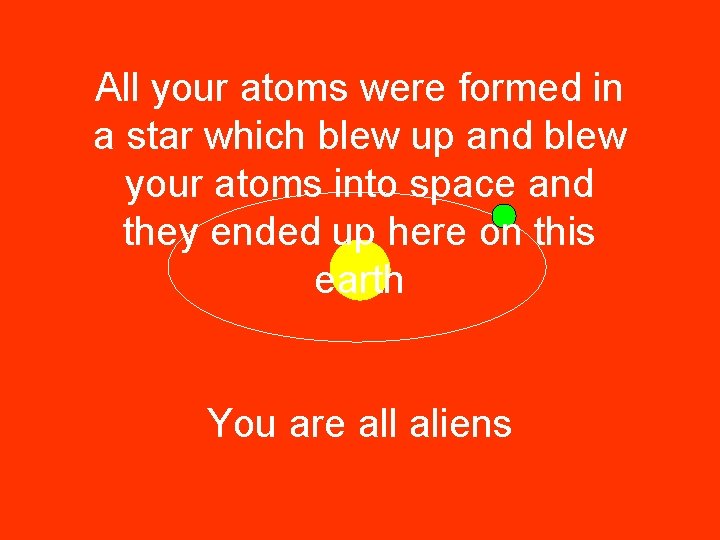
All your atoms were formed in a star which blew up and blew your atoms into space and they ended up here on this earth You are all aliens
But do not worry too much– it will be in 5000, 000 years