
OUR COMMUNICATION Words How we say these words
- Slides: 52
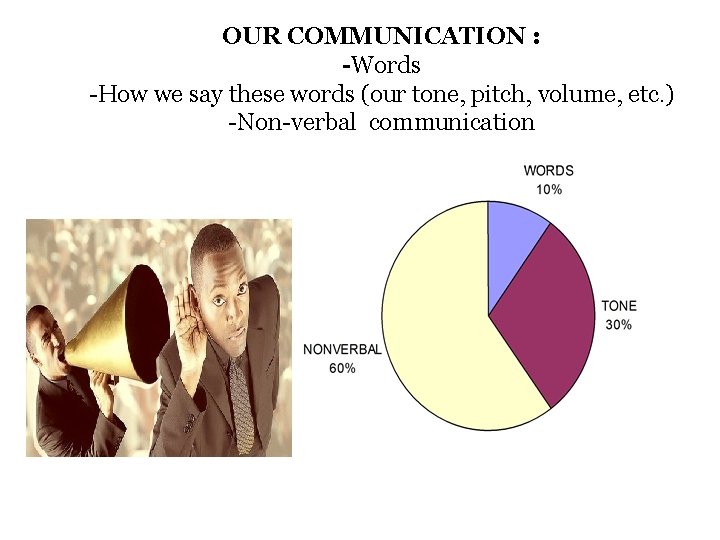
OUR COMMUNICATION : -Words -How we say these words (our tone, pitch, volume, etc. ) -Non-verbal communication
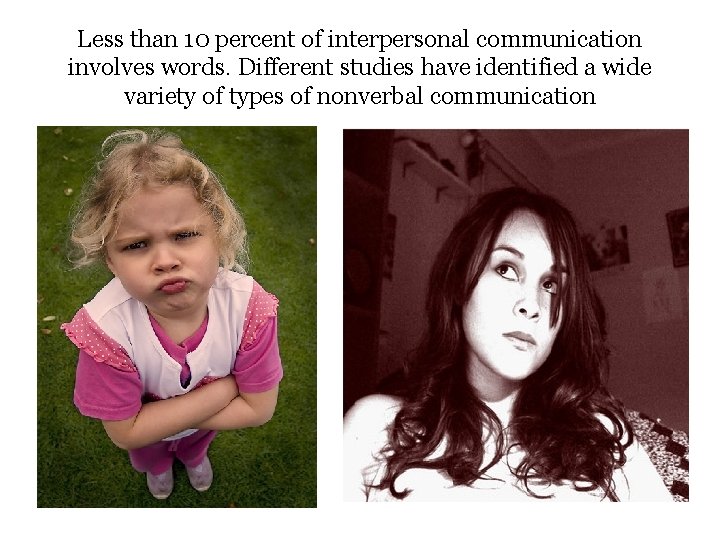
Less than 10 percent of interpersonal communication involves words. Different studies have identified a wide variety of types of nonverbal communication
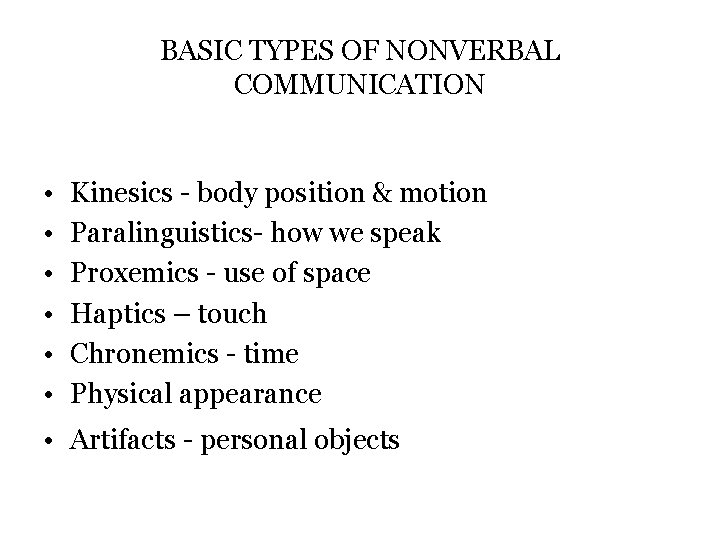
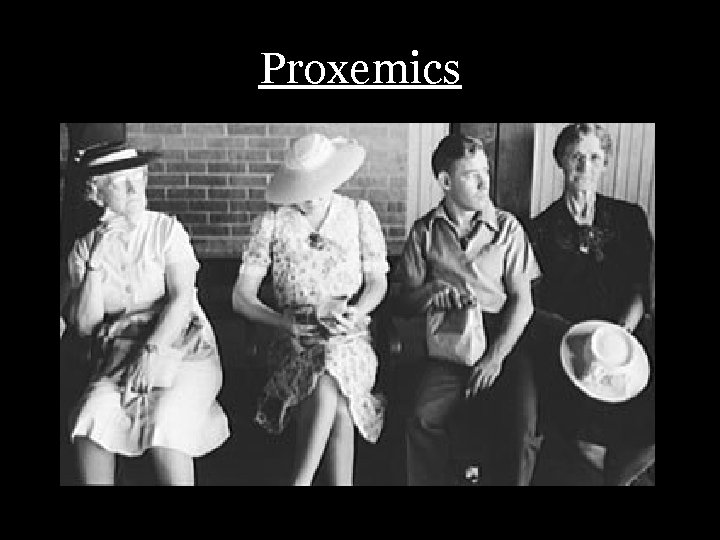
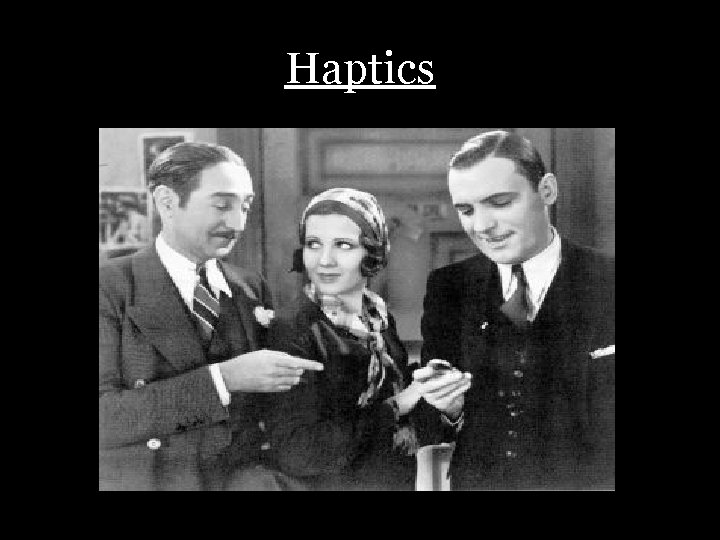
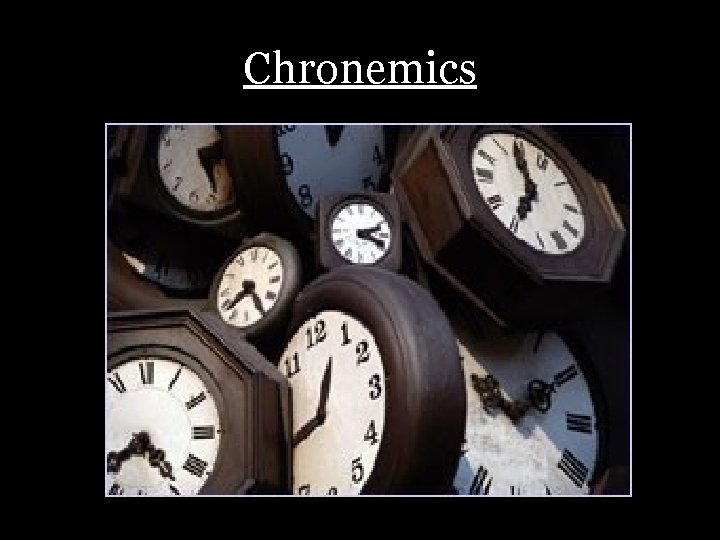
BASIC TYPES OF NONVERBAL COMMUNICATION • • • Kinesics - body position & motion Paralinguistics- how we speak Proxemics - use of space Haptics – touch Chronemics - time Physical appearance • Artifacts - personal objects
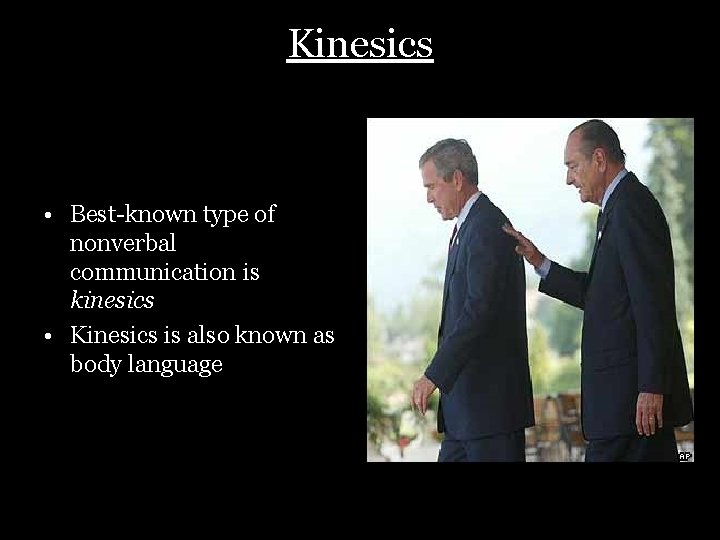
Kinesics • Best-known type of nonverbal communication is kinesics • Kinesics is also known as body language
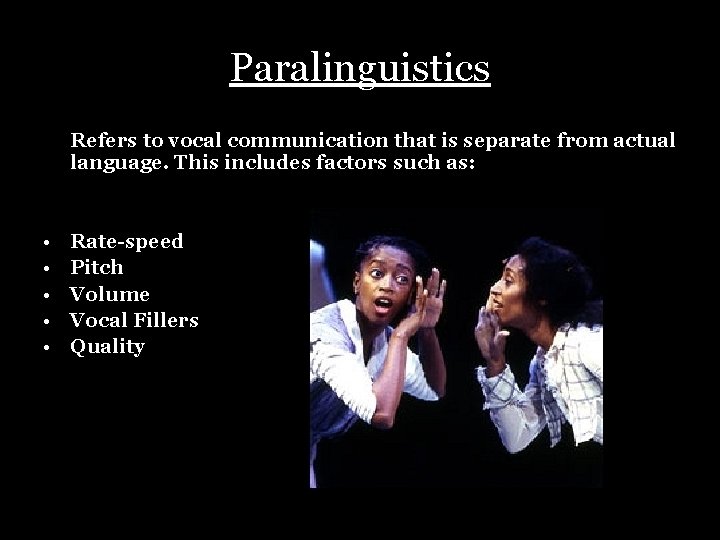
Paralinguistics Refers to vocal communication that is separate from actual language. This includes factors such as: • • • Rate-speed Pitch Volume Vocal Fillers Quality
Proxemics
Haptics
Chronemics
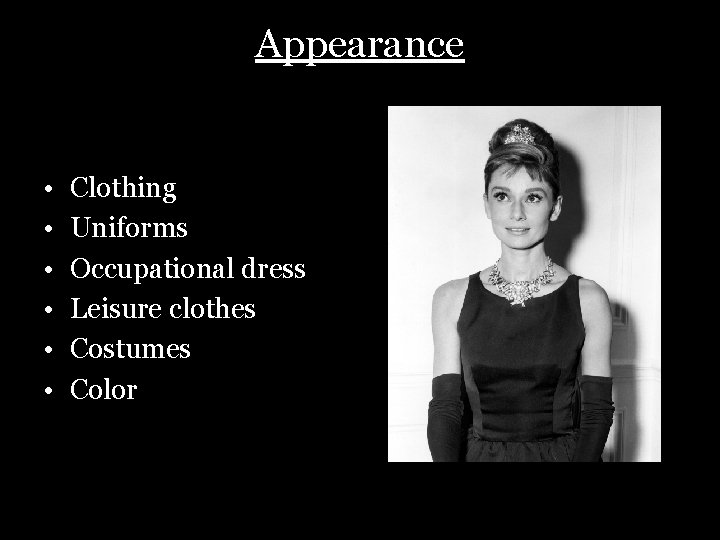
Appearance • • • Clothing Uniforms Occupational dress Leisure clothes Costumes Color
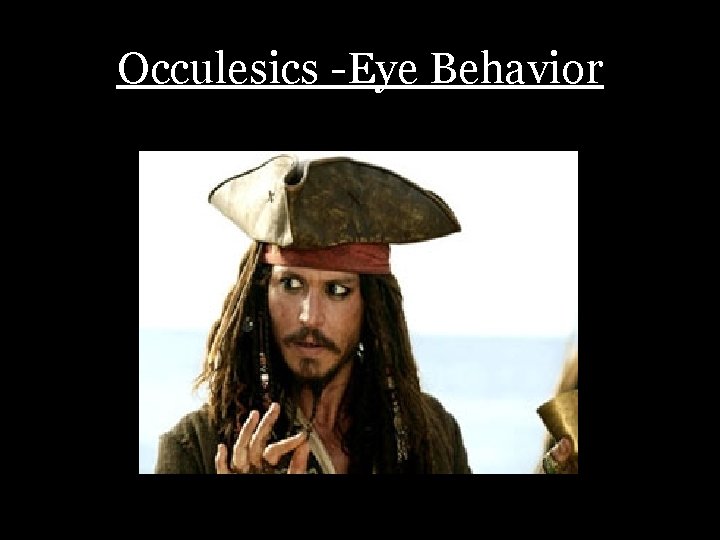
Occulesics -Eye Behavior
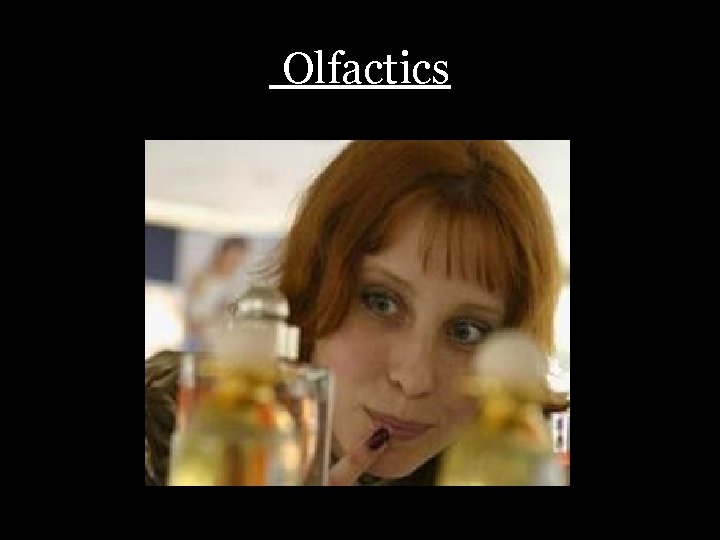
Olfactics
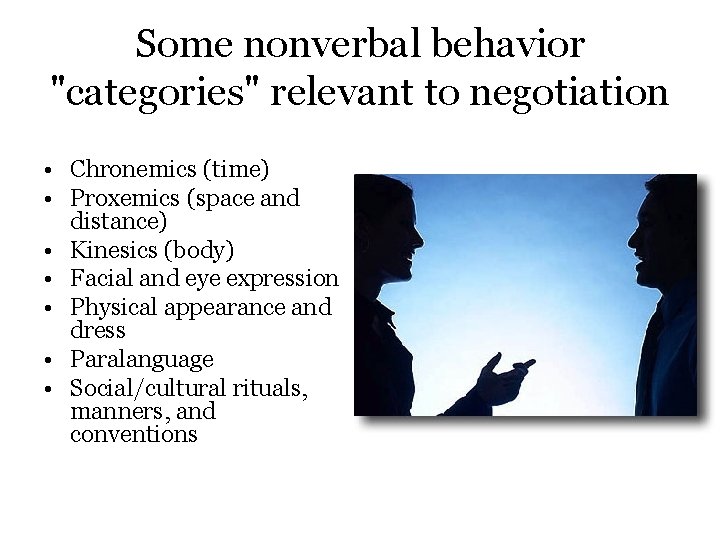
Some nonverbal behavior "categories" relevant to negotiation • Chronemics (time) • Proxemics (space and distance) • Kinesics (body) • Facial and eye expression • Physical appearance and dress • Paralanguage • Social/cultural rituals, manners, and conventions
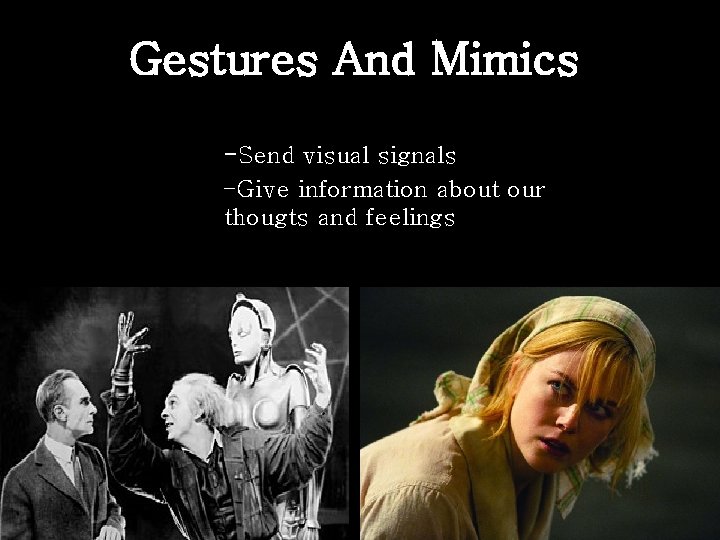
Gestures And Mimics -Send visual signals -Give information about our thougts and feelings
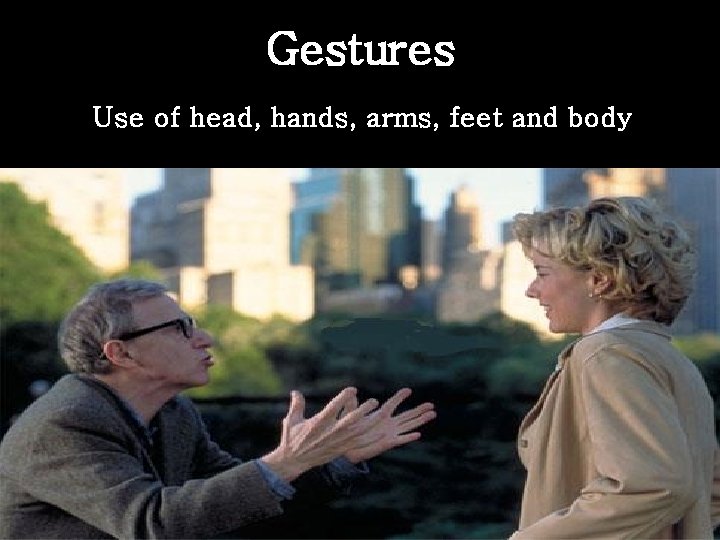
Gestures Use of head, hands, arms, feet and body
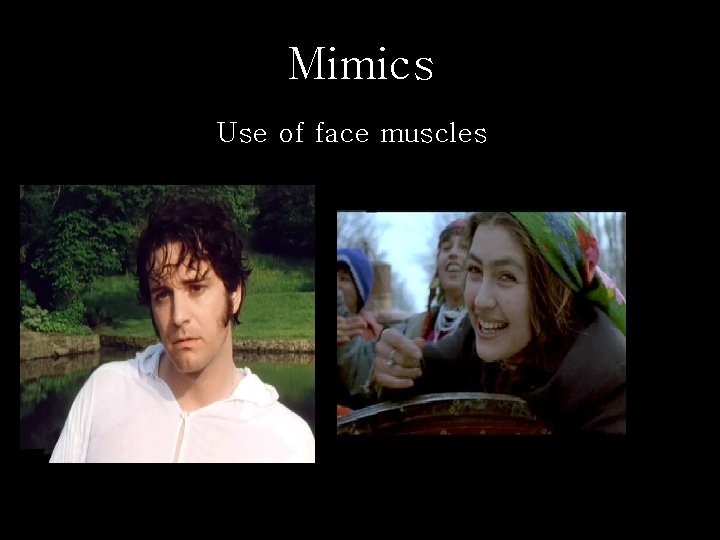
Mimics Use of face muscles
Essential Gestures and Mimics Our movements that support and concretize our thougts and feelings A. Expression Gestures B. Social Gestures and Mimics C. Mimic Gestures
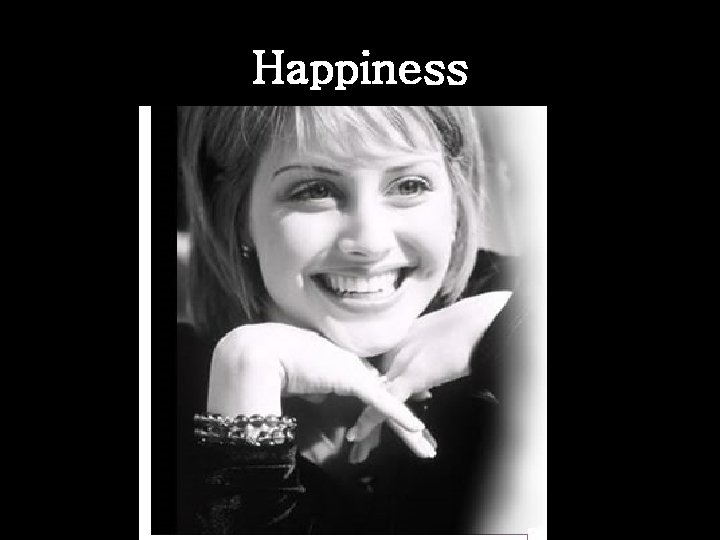
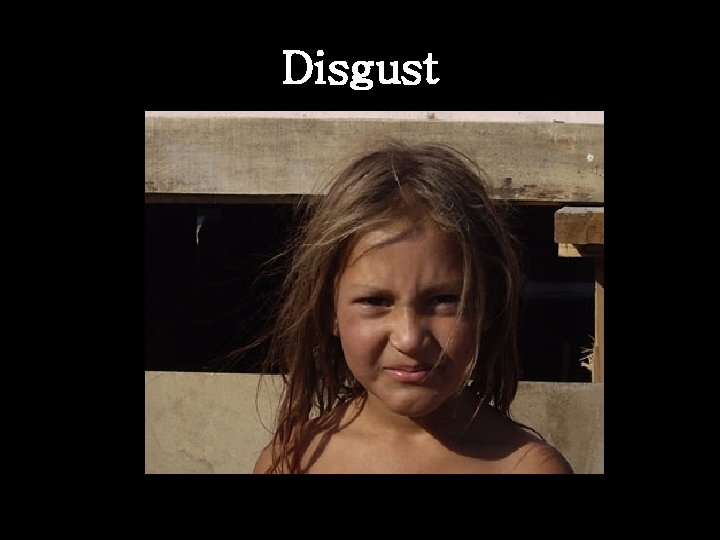
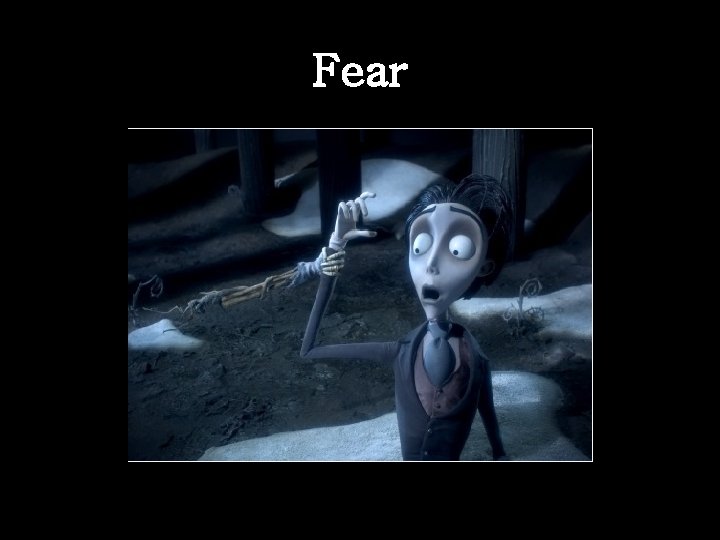
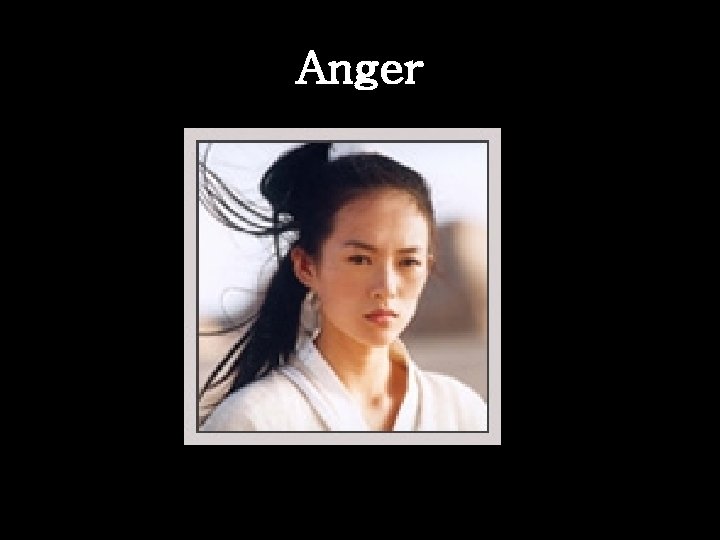
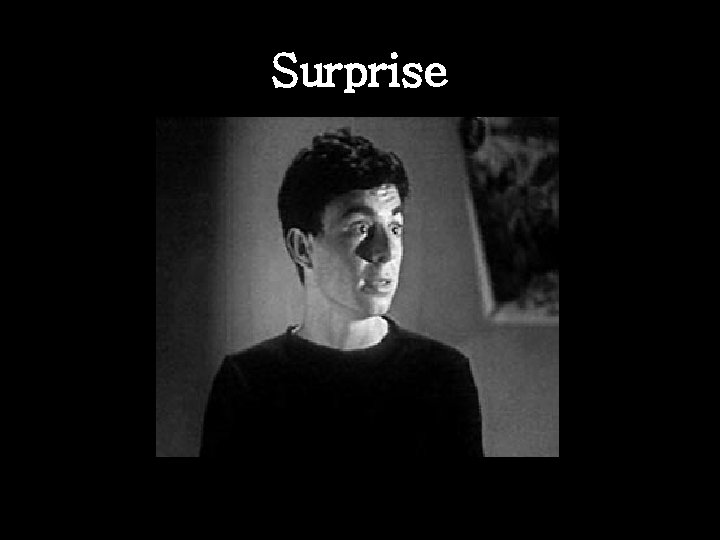
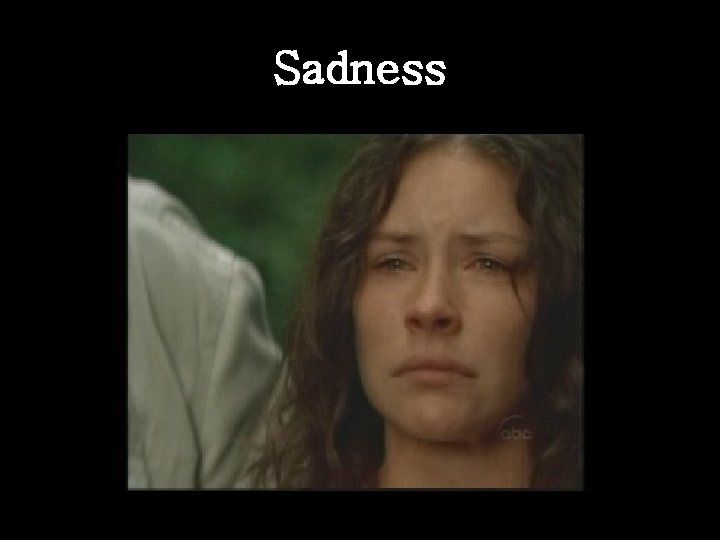
A. Expression Gestures • • • Happiness Disgust Fear Anger Sadness Surprise
Happiness
Disgust
Fear
Anger
Surprise
Sadness
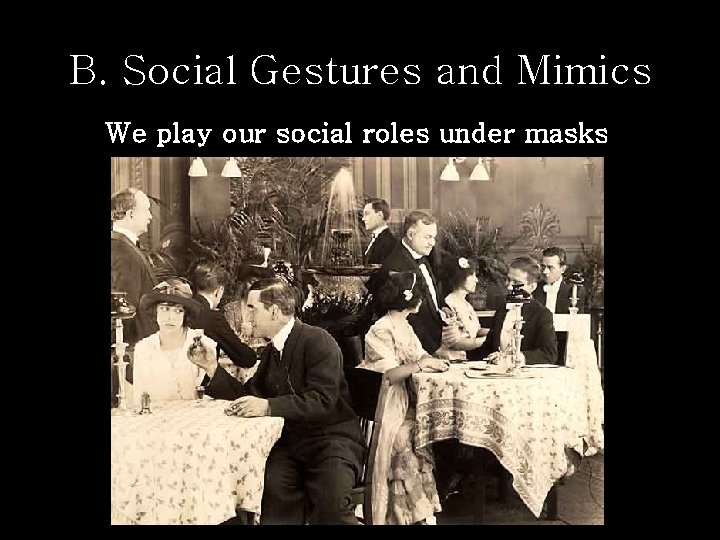
B. Social Gestures and Mimics We play our social roles under masks
Mimic Gestures • • Theatrical gestures Imitation gestures Schematic gestures Technical gestures
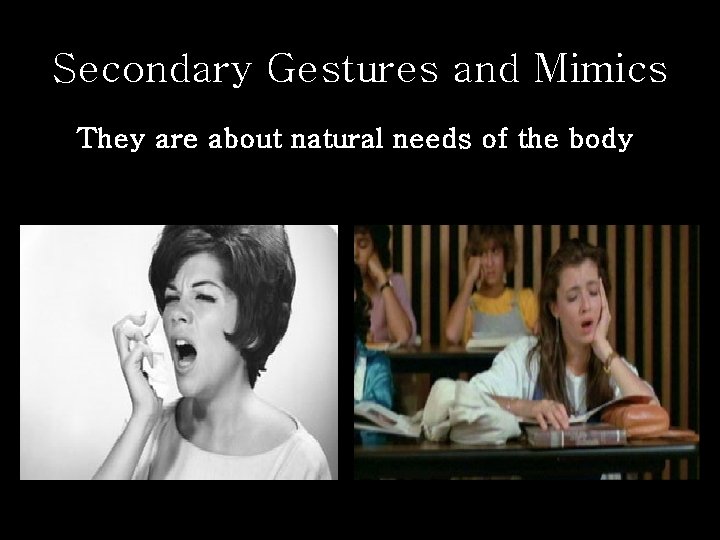
Secondary Gestures and Mimics They are about natural needs of the body
Body Scan • • 1. Facial Expressions 2. Head 3. Body 4. Hands and fingers 5. Handshaking 6. Walking 7. Sitting styles
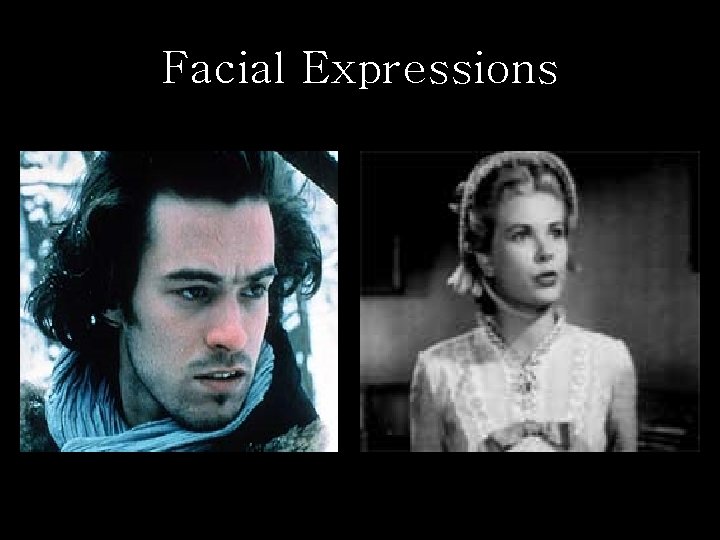
Facial Expressions
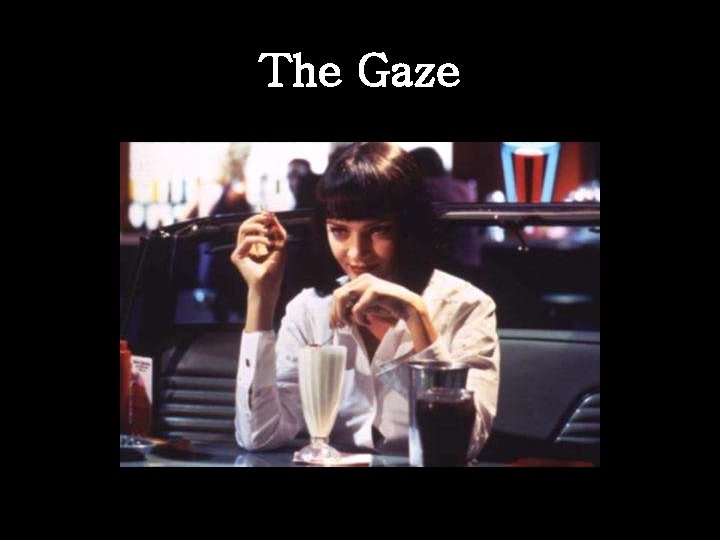
The Gaze
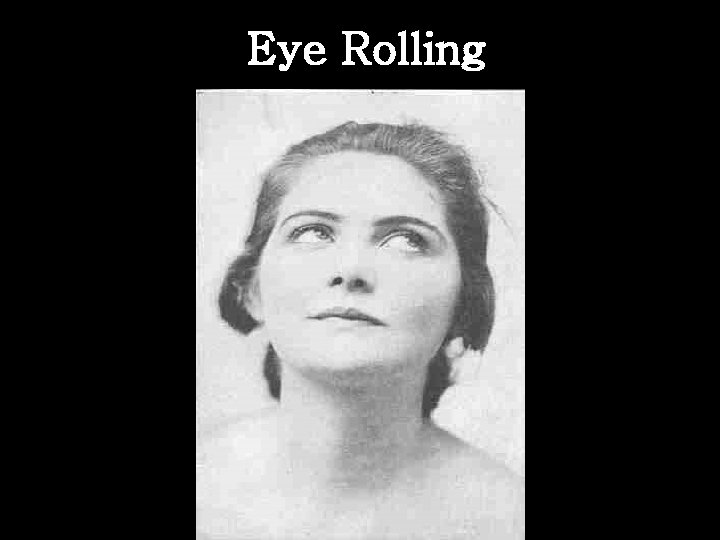
Eye Rolling
Negotiation Implications Eye communication provides to ; – Monitor feedback – Maintain interest and attention – Regulate the conversation – Signal the nature of the relationship – Compensate for physical distance
• • Reducing unnecessary talking time Increasing participation Confidence building Reducing fear of silence Clear instructions Improving listening Avoiding misunderstandings
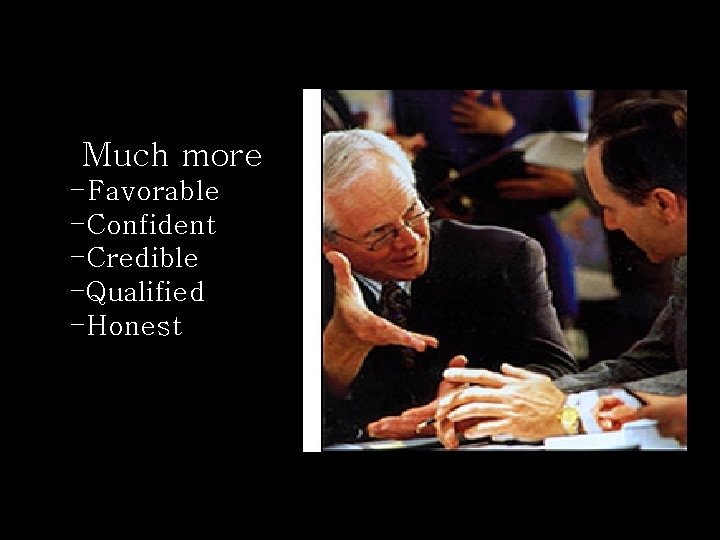
Much more -Favorable -Confident -Credible -Qualified -Honest
And less -Formal -Nervous
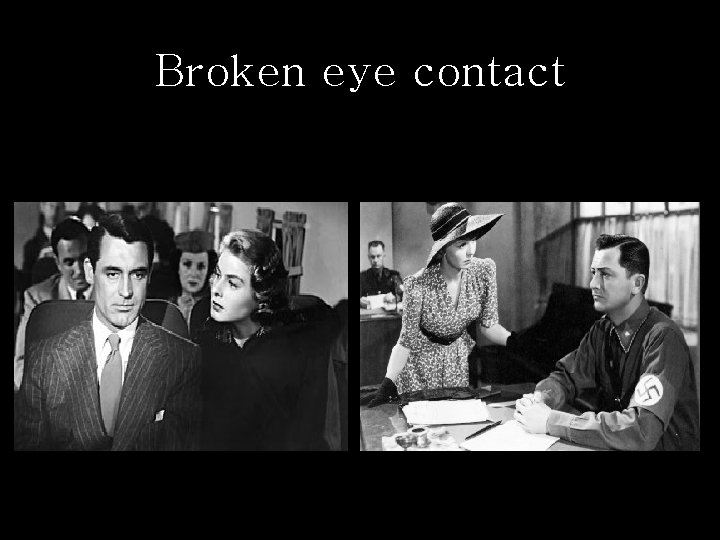
Broken eye contact
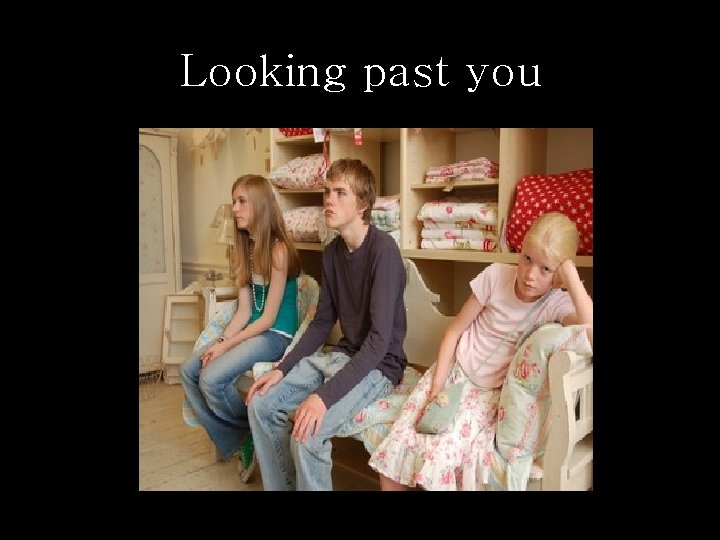
Looking past you
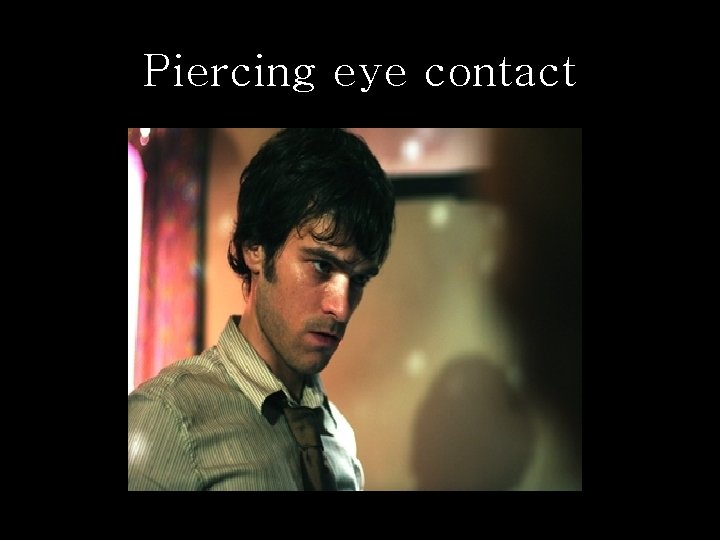
Piercing eye contact
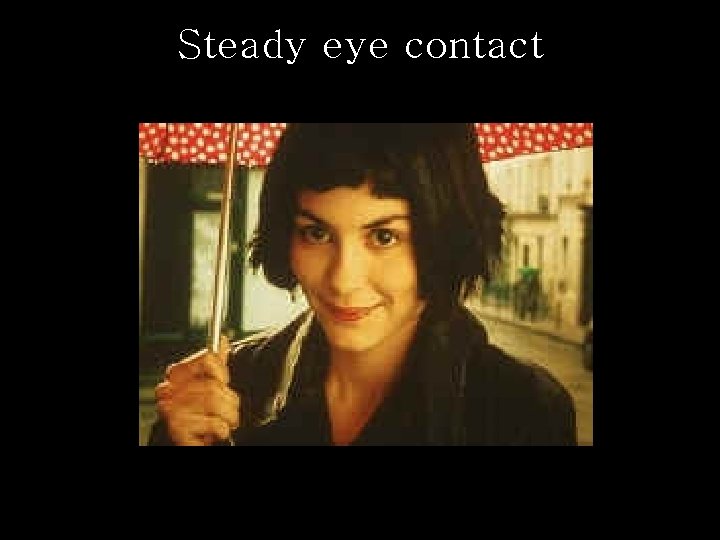
Steady eye contact
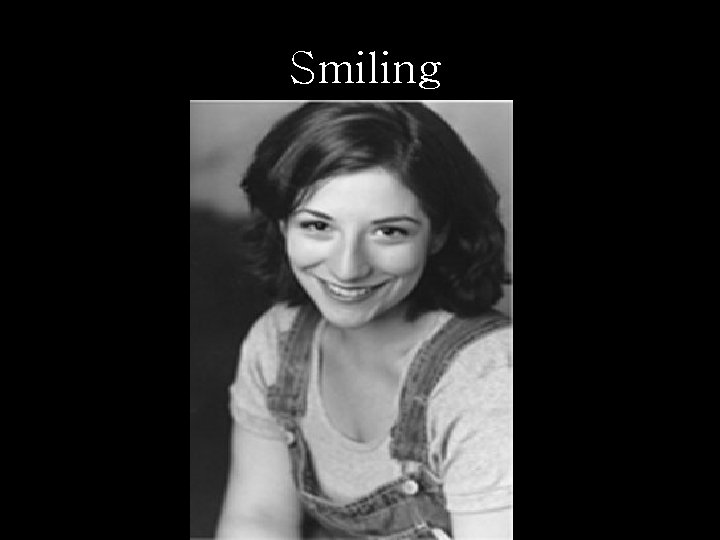
Smiling
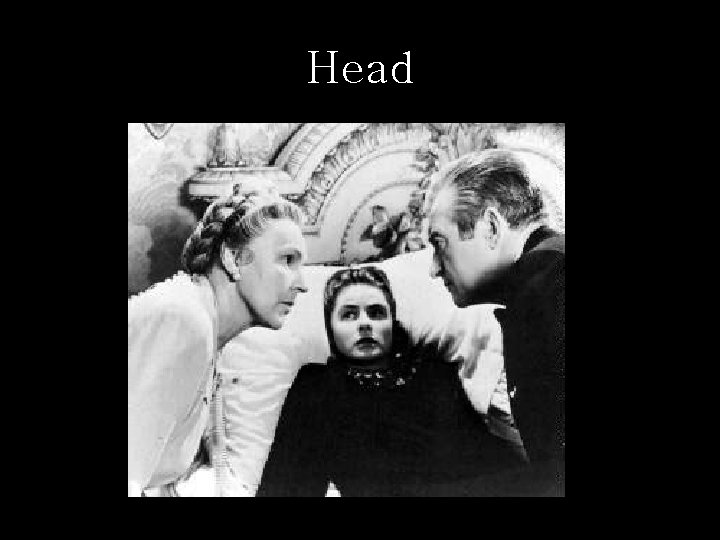
Head
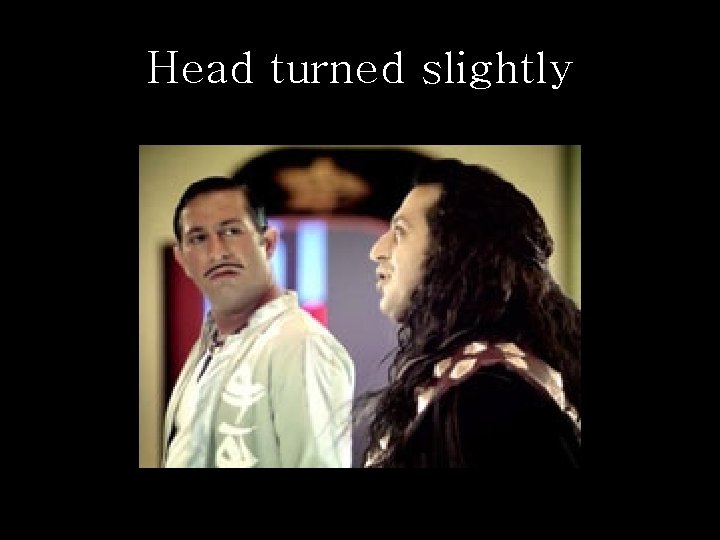
Head turned slightly
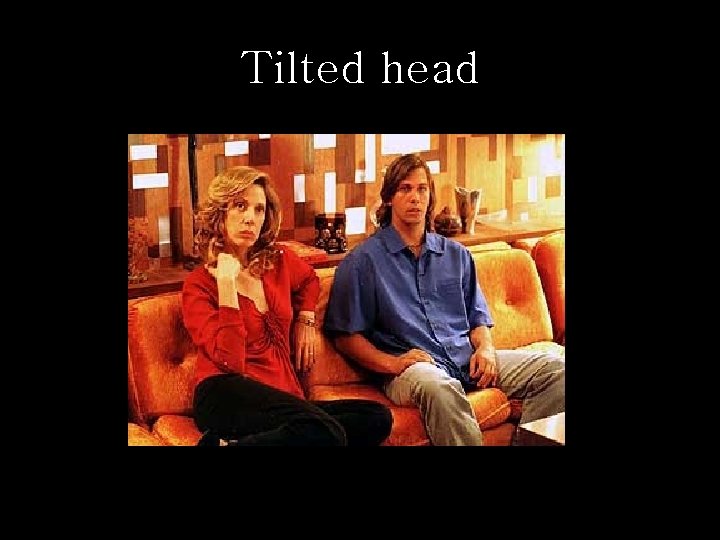
Tilted head
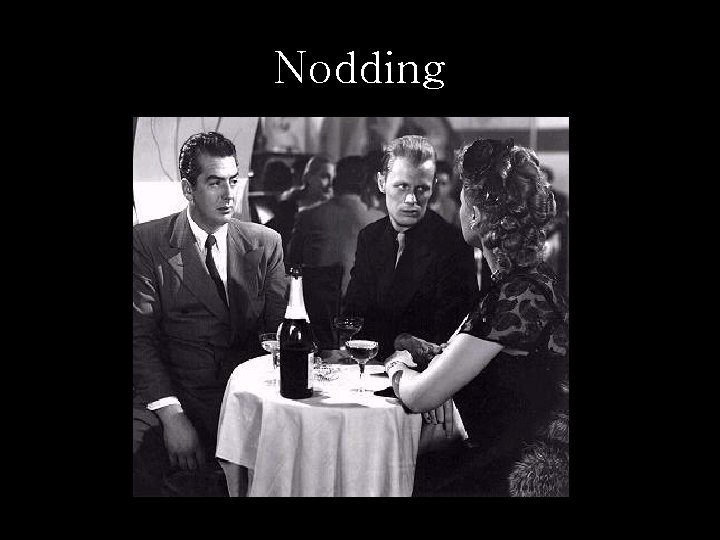
Nodding
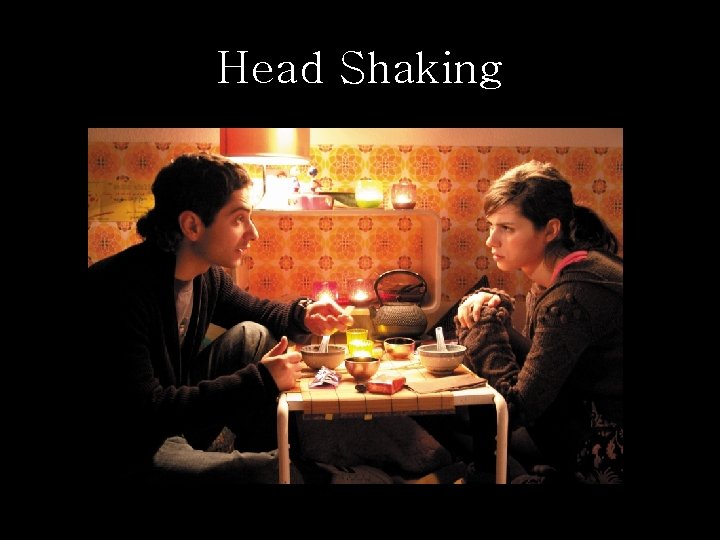
Head Shaking
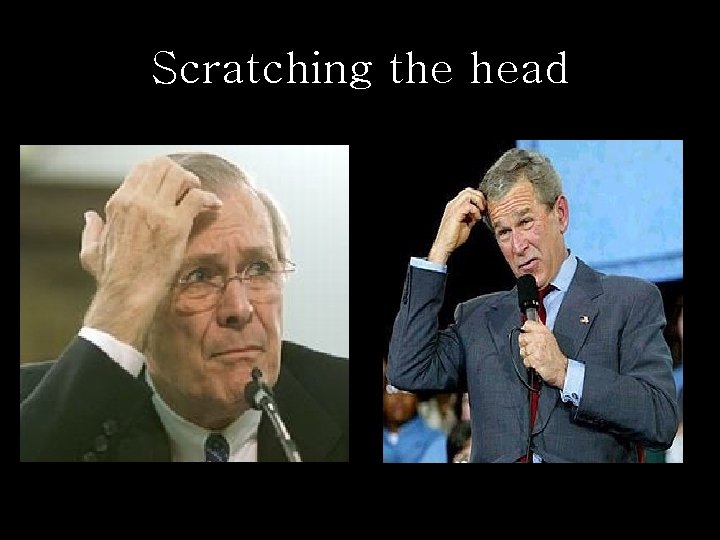
Scratching the head
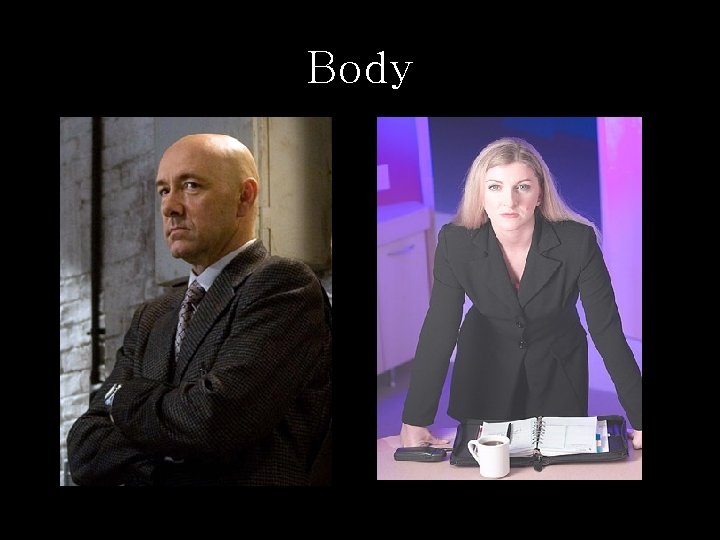
Body
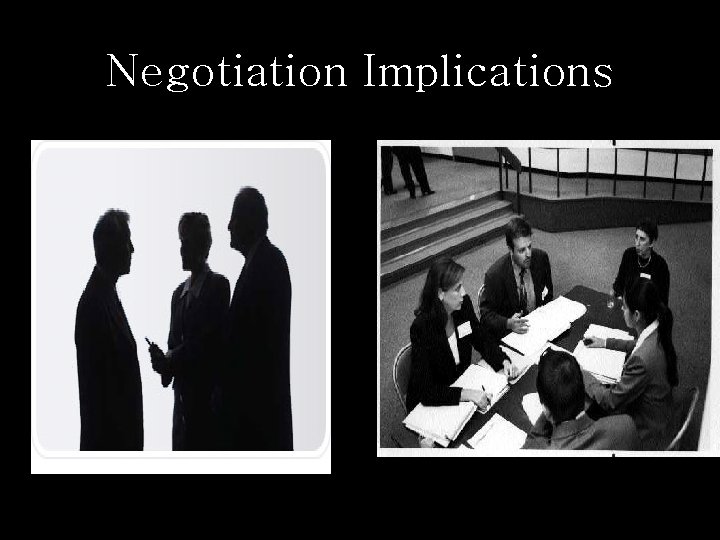
Negotiation Implications
HANDS and FINGERS most sensitive and effective organs to express oneself
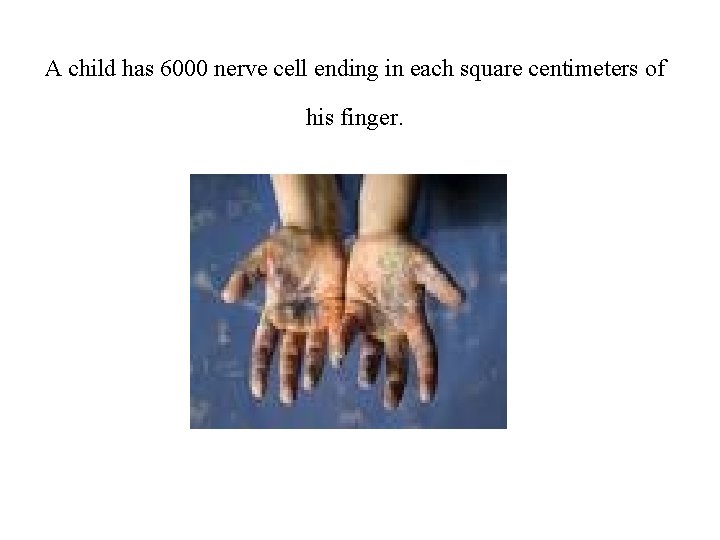
A child has 6000 nerve cell ending in each square centimeters of his finger.
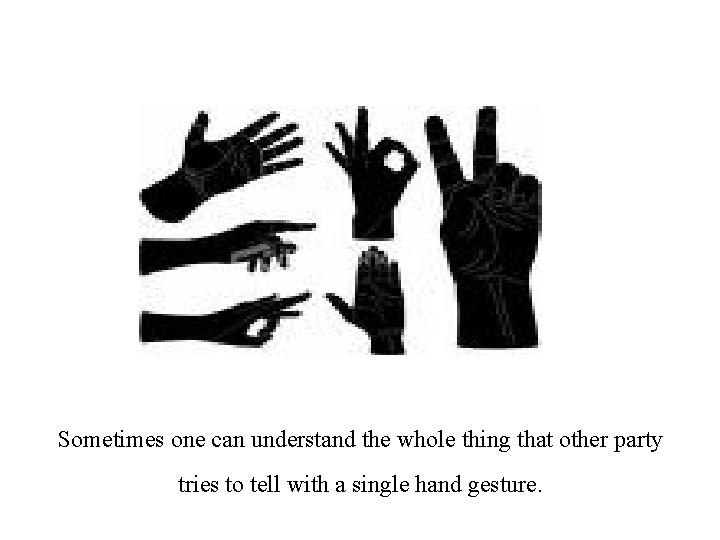
Sometimes one can understand the whole thing that other party tries to tell with a single hand gesture.
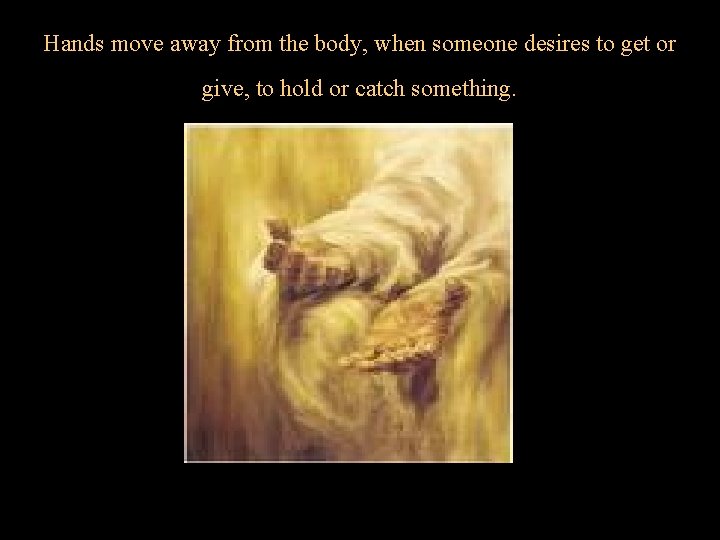
Hands move away from the body, when someone desires to get or give, to hold or catch something.
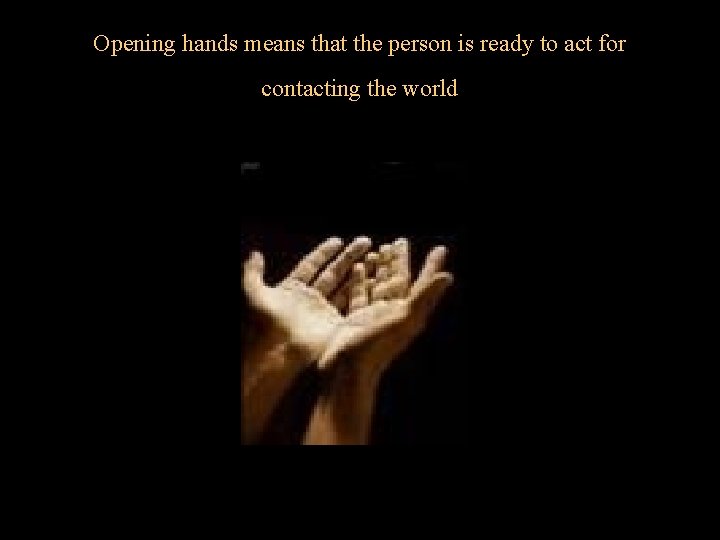
Opening hands means that the person is ready to act for contacting the world