
Ottoman empire 1299 1922 Founder Osman Political BUREACRACY
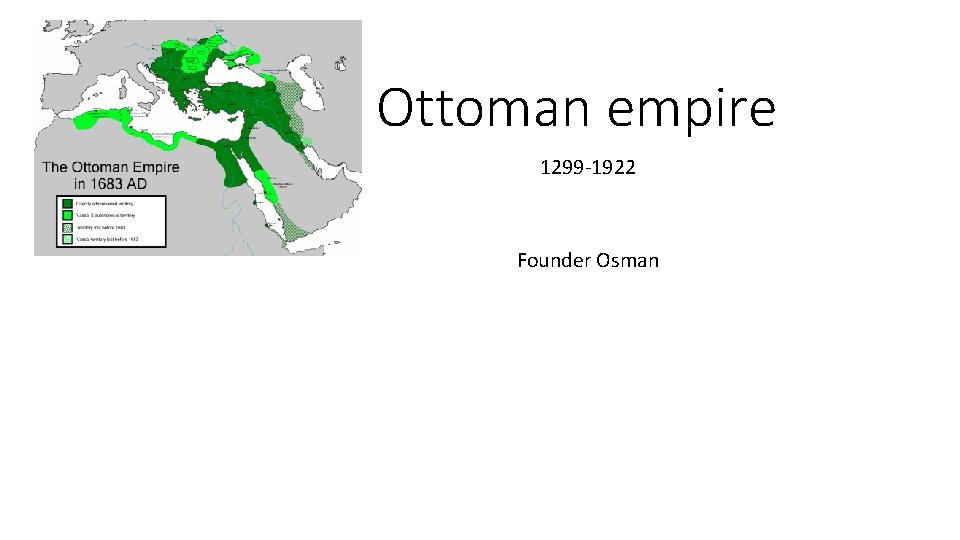
Ottoman empire 1299 -1922 Founder Osman
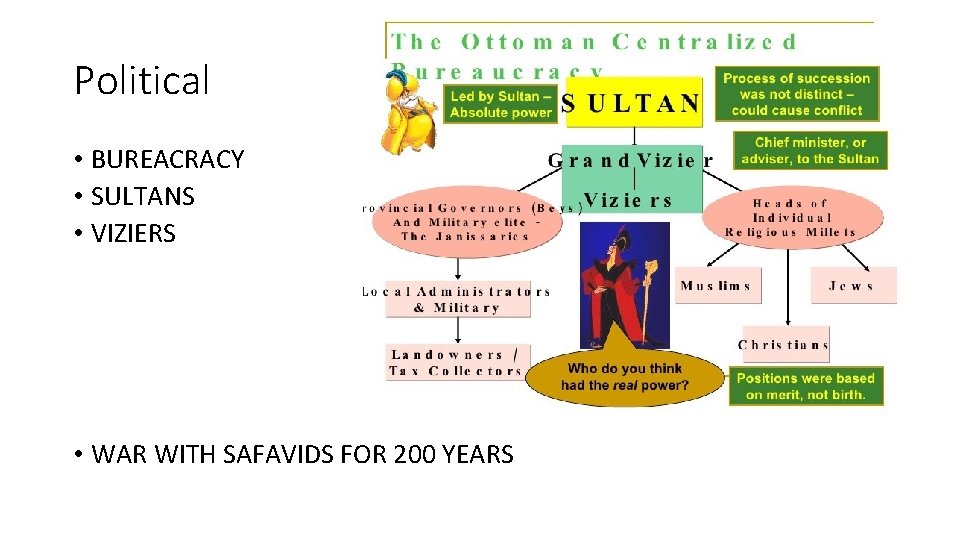
Political • BUREACRACY • SULTANS • VIZIERS • WAR WITH SAFAVIDS FOR 200 YEARS
Political cont. . • BATTLE OF CHALDIRAN 1514 • JANNISARIES VS. SAFAVIDS SWORDS AND KNIVES WITH CANNONS AND MUSKETS. NO FOLLOW UP BY MUSLIMS RESULT: LIMIT SHIITE MUSLIM EXPANSION IRAN (SAFAVIDS)—SURROUNDED BY SUNNI MUSLIM COUNTRIES.
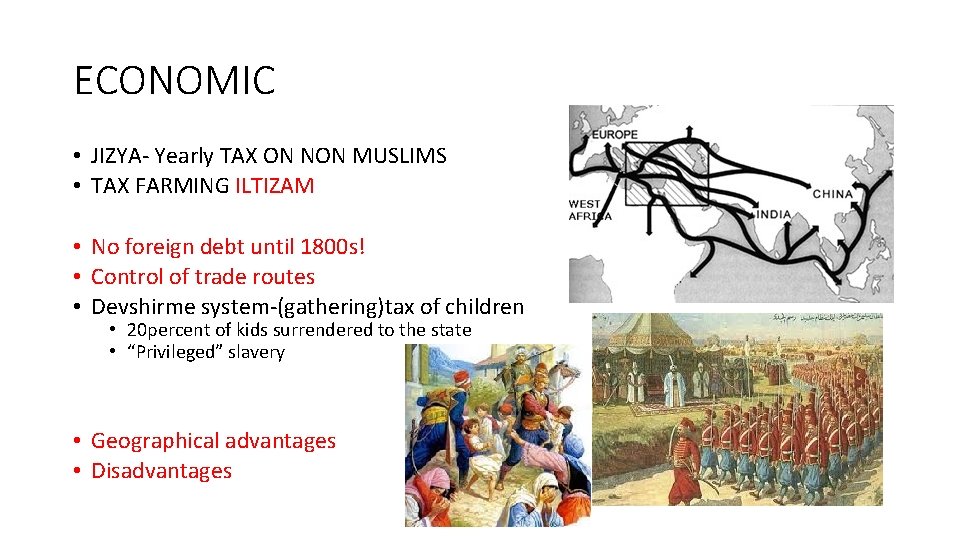
ECONOMIC • JIZYA- Yearly TAX ON NON MUSLIMS • TAX FARMING ILTIZAM • No foreign debt until 1800 s! • Control of trade routes • Devshirme system-(gathering)tax of children • 20 percent of kids surrendered to the state • “Privileged” slavery • Geographical advantages • Disadvantages
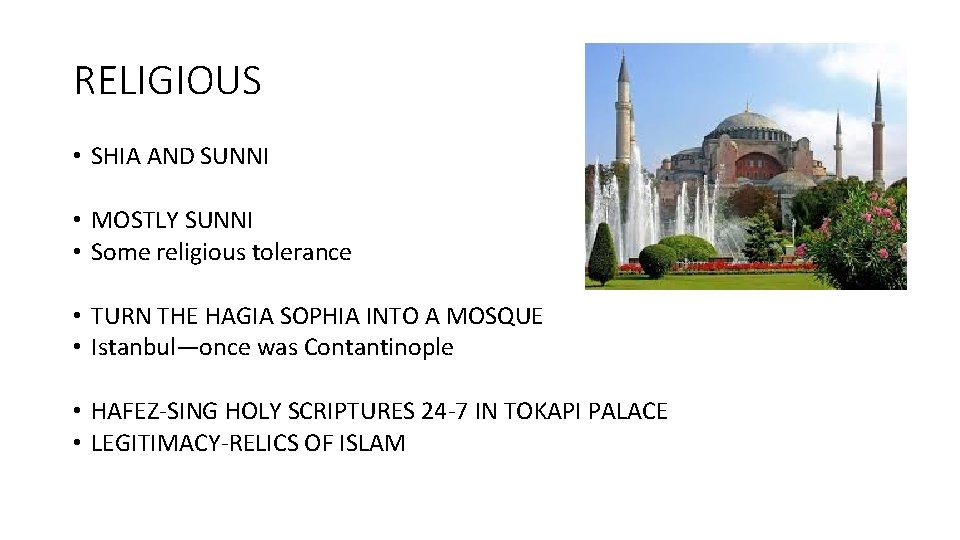
RELIGIOUS • SHIA AND SUNNI • MOSTLY SUNNI • Some religious tolerance • TURN THE HAGIA SOPHIA INTO A MOSQUE • Istanbul—once was Contantinople • HAFEZ-SING HOLY SCRIPTURES 24 -7 IN TOKAPI PALACE • LEGITIMACY-RELICS OF ISLAM
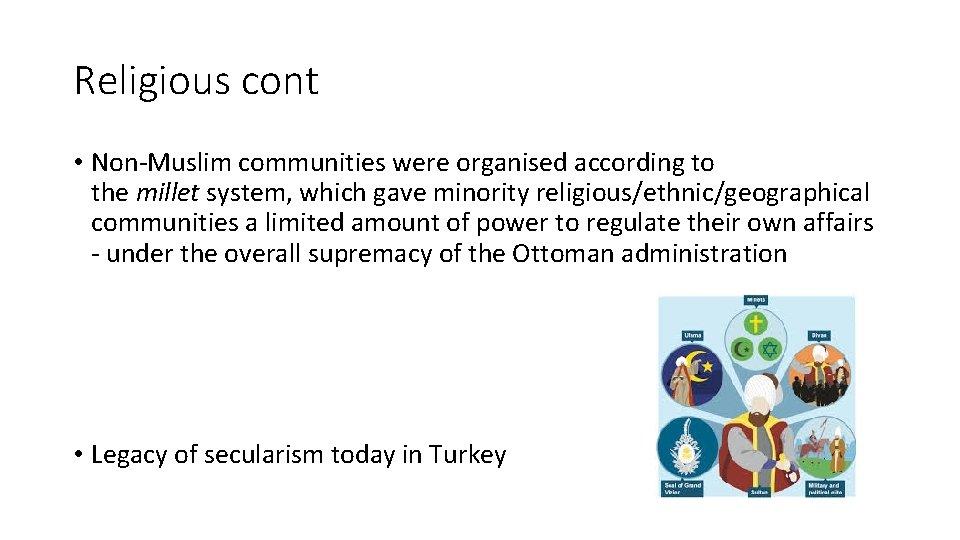
Religious cont • Non-Muslim communities were organised according to the millet system, which gave minority religious/ethnic/geographical communities a limited amount of power to regulate their own affairs - under the overall supremacy of the Ottoman administration • Legacy of secularism today in Turkey
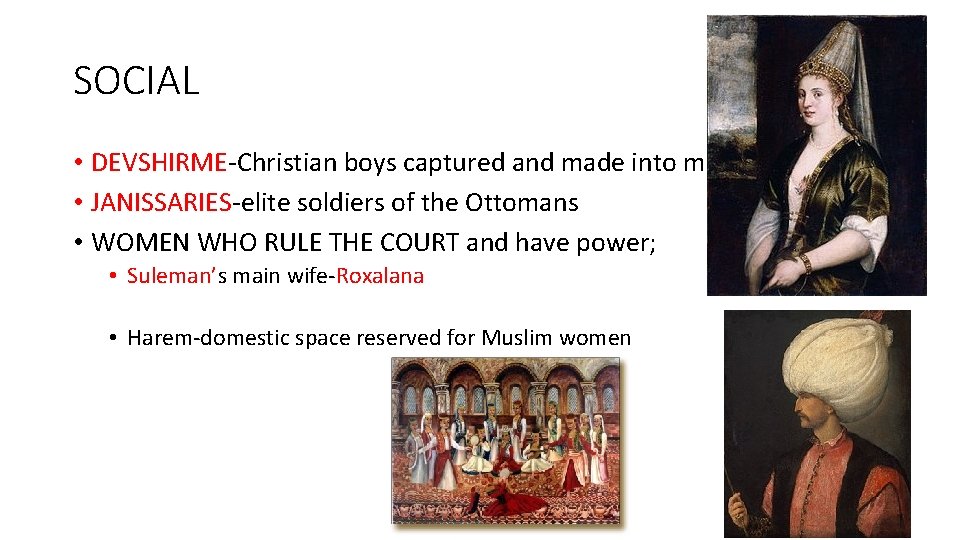
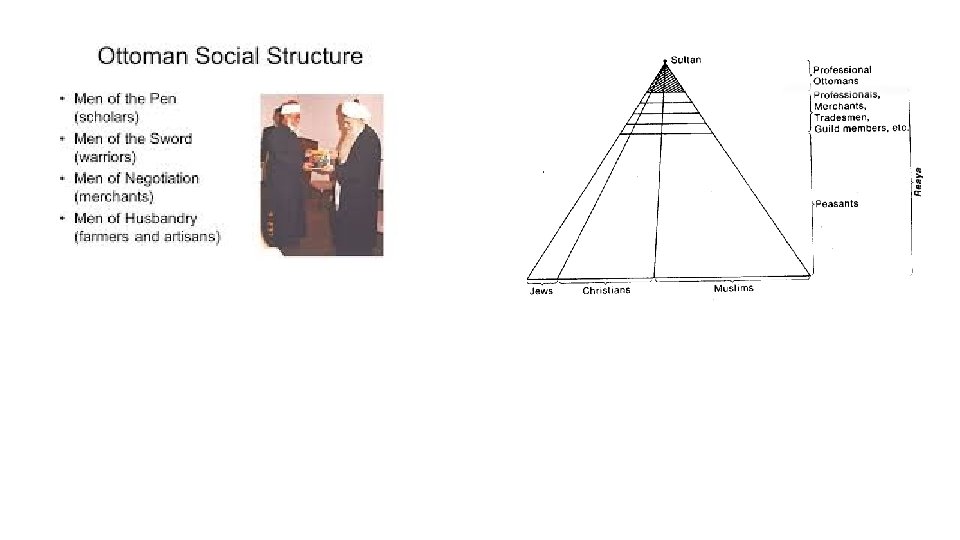
SOCIAL • DEVSHIRME-Christian boys captured and made into mulsims • JANISSARIES-elite soldiers of the Ottomans • WOMEN WHO RULE THE COURT and have power; • Suleman’s main wife-Roxalana • Harem-domestic space reserved for Muslim women
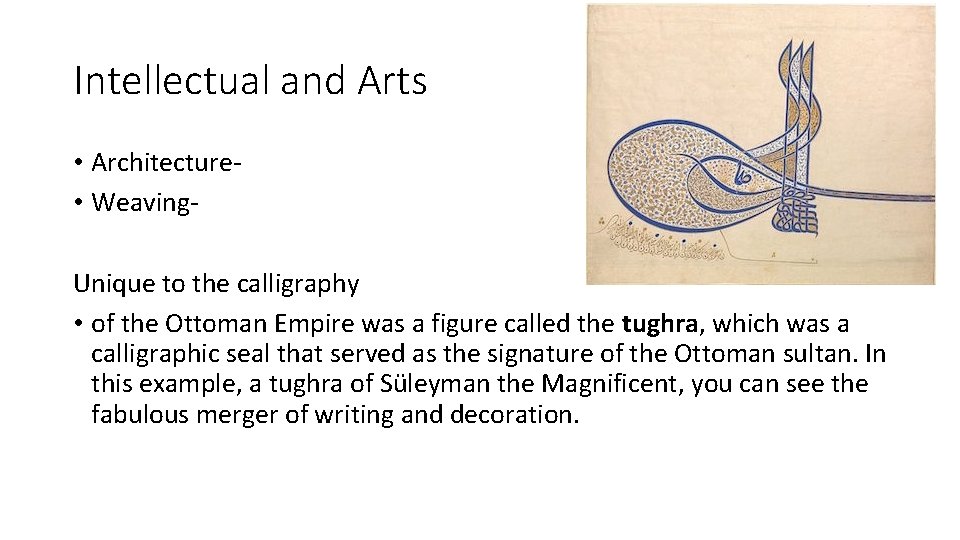
Intellectual and Arts • Architecture • Weaving. Unique to the calligraphy • of the Ottoman Empire was a figure called the tughra, which was a calligraphic seal that served as the signature of the Ottoman sultan. In this example, a tughra of Süleyman the Magnificent, you can see the fabulous merger of writing and decoration.
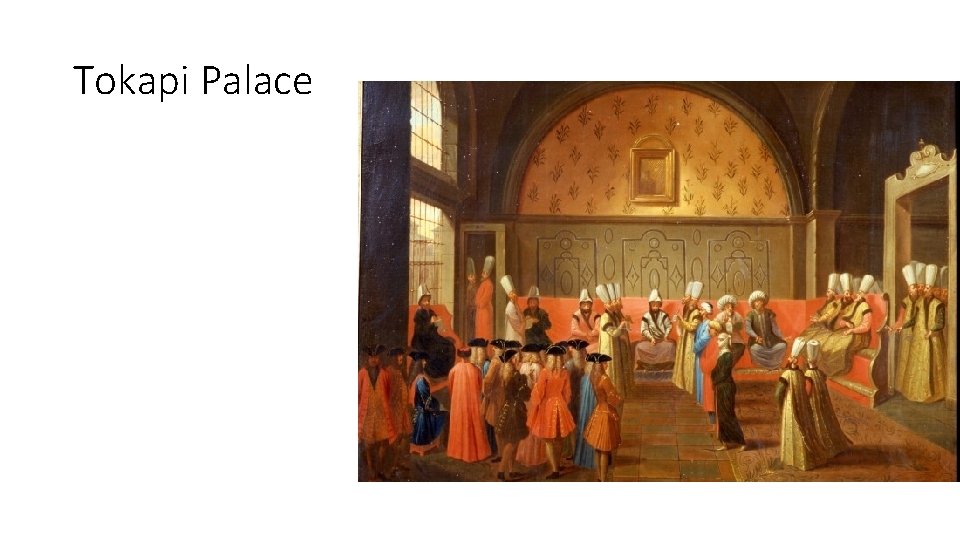
Tokapi Palace
The highs and lows • The Ottoman Empire reached its height under Suleiman the Magnificent (reigned 1520 -66), when it expanded to cover the Balkans and Hungary, and reached the gates of Vienna. • The Empire began to decline after being defeated at the Battle of Lepanto (1571) and losing almost its entire navy. It declined further during the next centuries, and was effectively finished off by the First World War and the Balkan Wars.
- Slides: 11