
Other stuff we need to discuss Some addition
- Slides: 18
Other stuff we need to discuss! Some addition information and some new stuff!
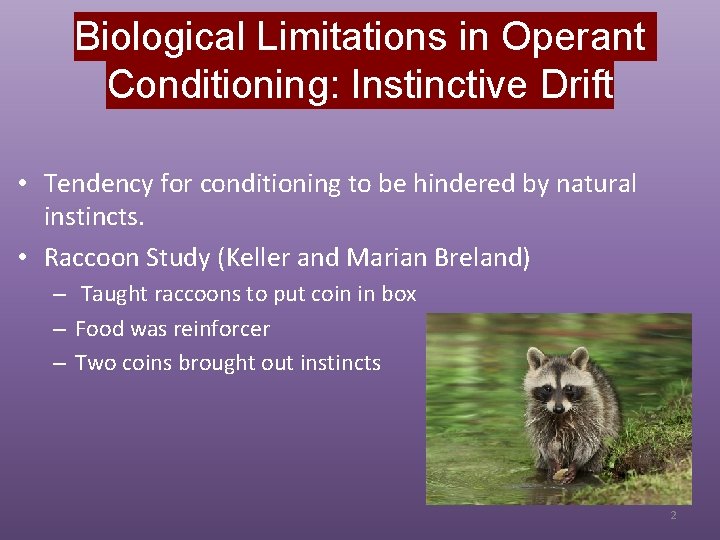
Biological Limitations in Operant Conditioning: Instinctive Drift • Tendency for conditioning to be hindered by natural instincts. • Raccoon Study (Keller and Marian Breland) – Taught raccoons to put coin in box – Food was reinforcer – Two coins brought out instincts 2
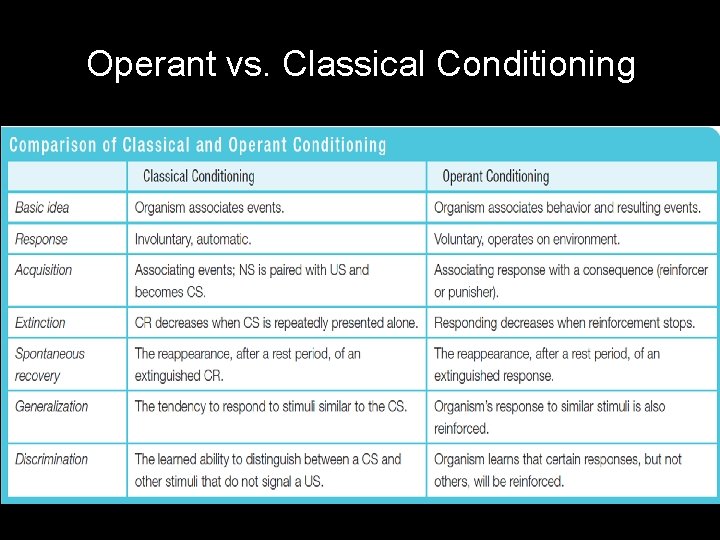
Operant vs. Classical Conditioning
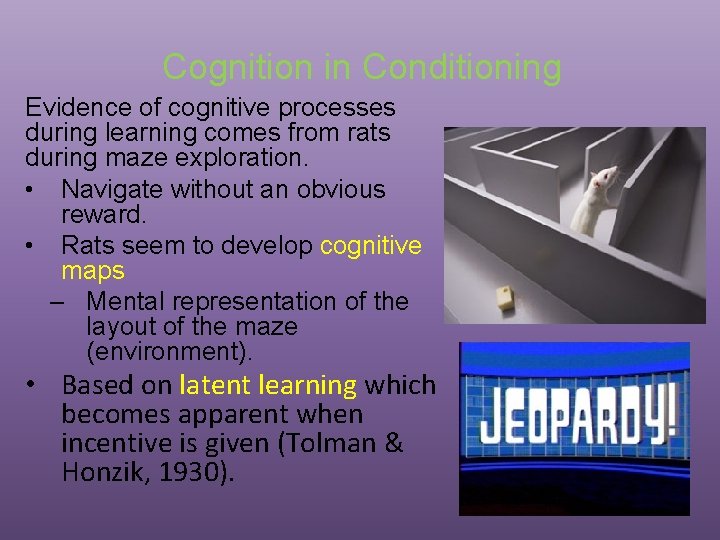
Cognition in Conditioning Evidence of cognitive processes during learning comes from rats during maze exploration. • Navigate without an obvious reward. • Rats seem to develop cognitive maps – Mental representation of the layout of the maze (environment). • Based on latent learning which becomes apparent when incentive is given (Tolman & Honzik, 1930).
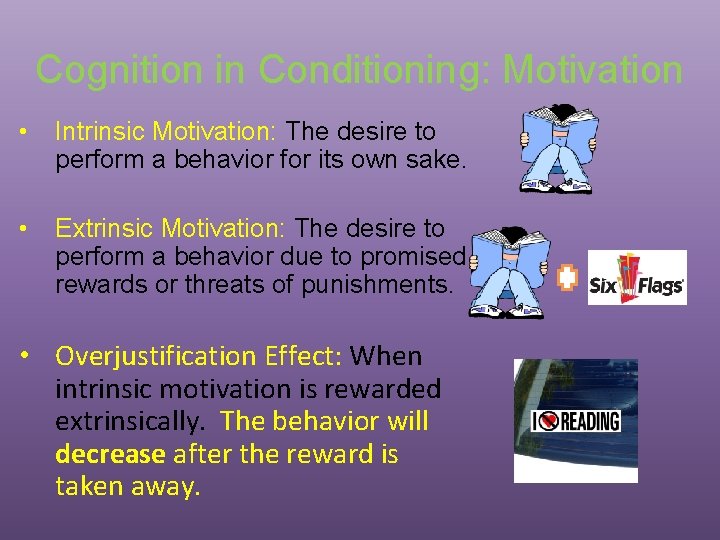
Cognition in Conditioning: Motivation • Intrinsic Motivation: The desire to perform a behavior for its own sake. • Extrinsic Motivation: The desire to perform a behavior due to promised rewards or threats of punishments. • Overjustification Effect: When intrinsic motivation is rewarded extrinsically. The behavior will decrease after the reward is taken away.
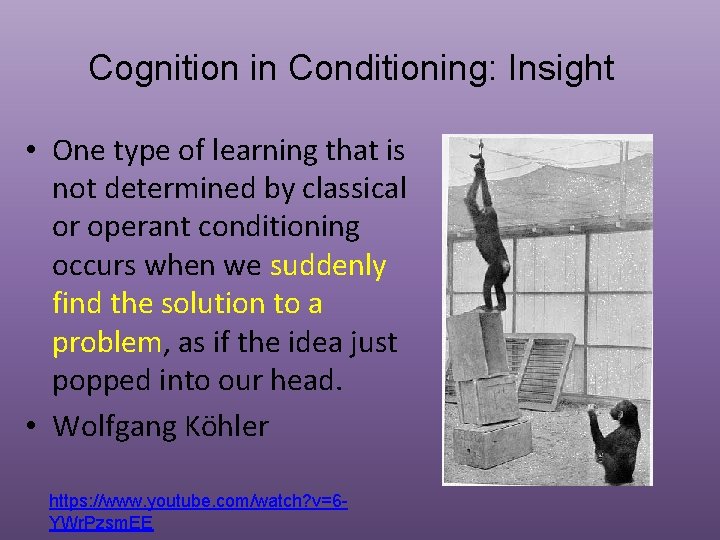
Cognition in Conditioning: Insight • One type of learning that is not determined by classical or operant conditioning occurs when we suddenly find the solution to a problem, as if the idea just popped into our head. • Wolfgang Köhler https: //www. youtube. com/watch? v=6 YWr. Pzsm. EE
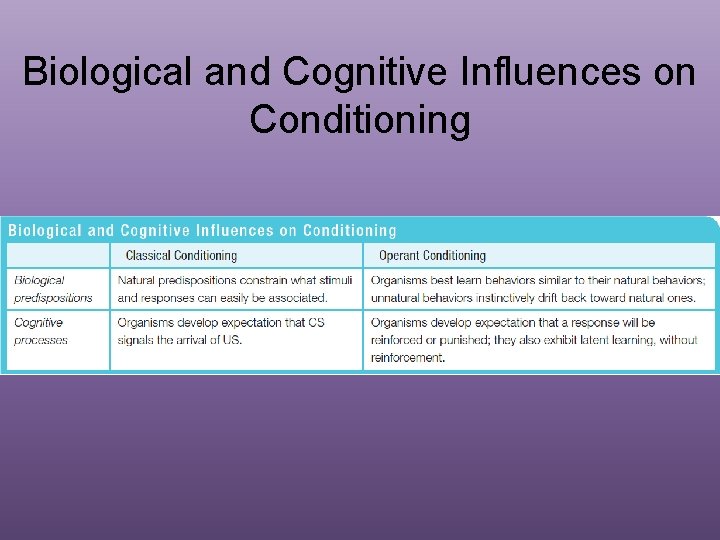
Biological and Cognitive Influences on Conditioning
Learning and Personal Control • Coping - alleviating stress using emotional, cognitive, or behavioral methods. • Problem-focused coping - attempting to alleviate stress directly – by changing the stressor or the way we interact with that stressor. • Emotion-focused coping - attempting to alleviate stress by avoiding or ignoring a stressor and attending to emotional needs related to one’s stress reaction. In what ways have you LEARNED to deal with your problems?
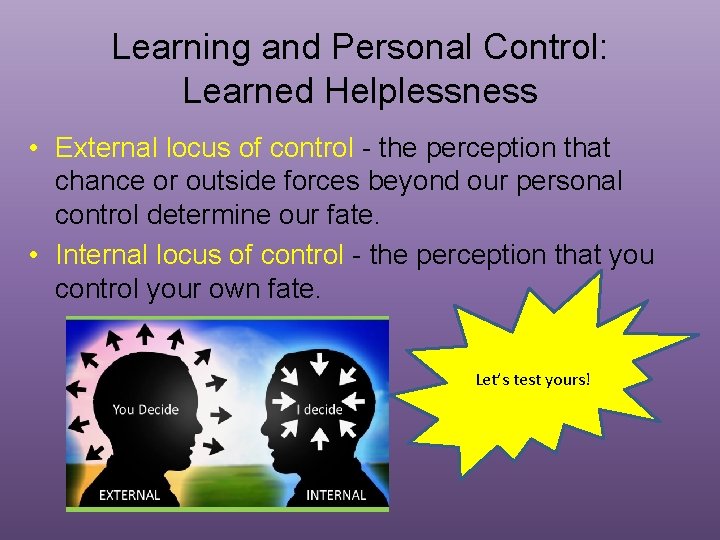
Learning and Personal Control: Learned Helplessness • External locus of control - the perception that chance or outside forces beyond our personal control determine our fate. • Internal locus of control - the perception that you control your own fate. Let’s test yours!
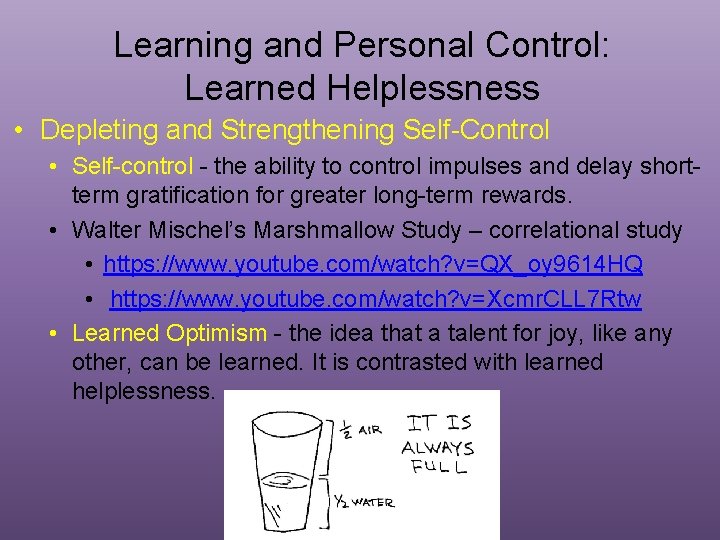
Learning and Personal Control: Learned Helplessness • Depleting and Strengthening Self-Control • Self-control - the ability to control impulses and delay shortterm gratification for greater long-term rewards. • Walter Mischel’s Marshmallow Study – correlational study • https: //www. youtube. com/watch? v=QX_oy 9614 HQ • https: //www. youtube. com/watch? v=Xcmr. CLL 7 Rtw • Learned Optimism - the idea that a talent for joy, like any other, can be learned. It is contrasted with learned helplessness.
Observational Learning People observe & imitate, or model, others’ behaviors explains how many social behaviors are acquired!
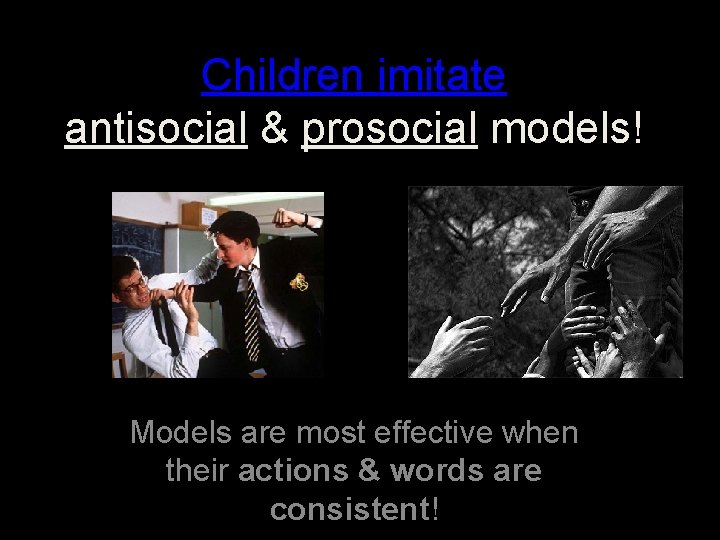
Children imitate antisocial & prosocial models! Models are most effective when their actions & words are consistent!
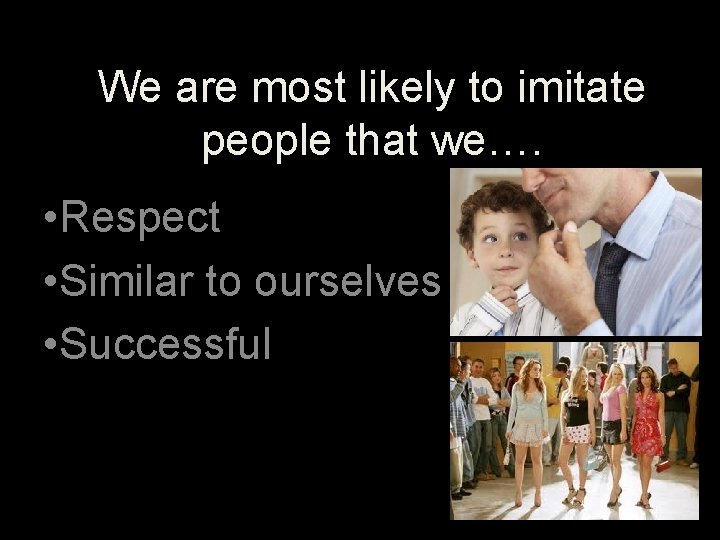
We are most likely to imitate people that we…. • Respect • Similar to ourselves • Successful
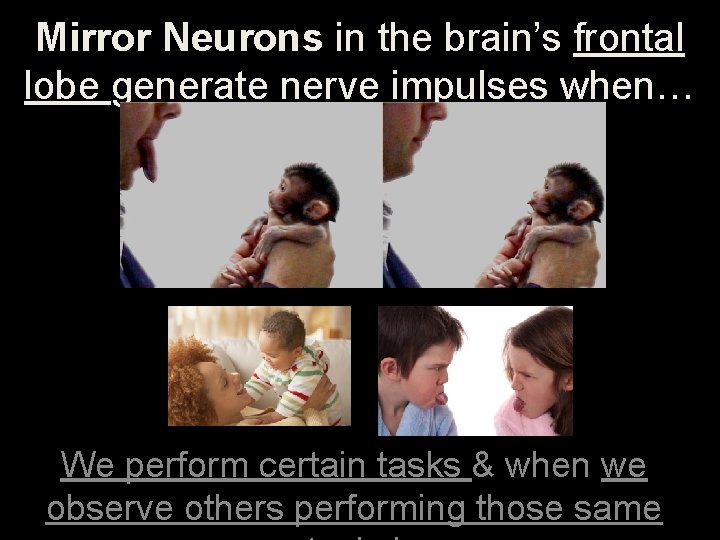
Mirror Neurons in the brain’s frontal lobe generate nerve impulses when… We perform certain tasks & when we observe others performing those same
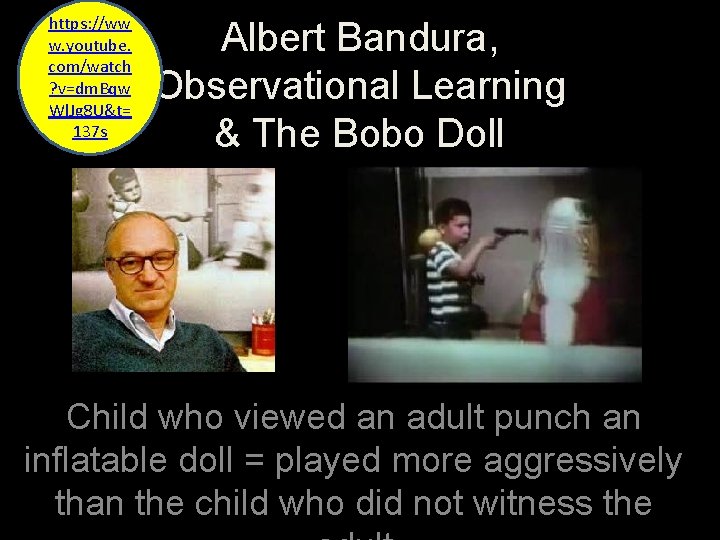
https: //ww w. youtube. com/watch ? v=dm. Bqw Wl. Jg 8 U&t= 137 s Albert Bandura, Observational Learning & The Bobo Doll Child who viewed an adult punch an inflatable doll = played more aggressively than the child who did not witness the
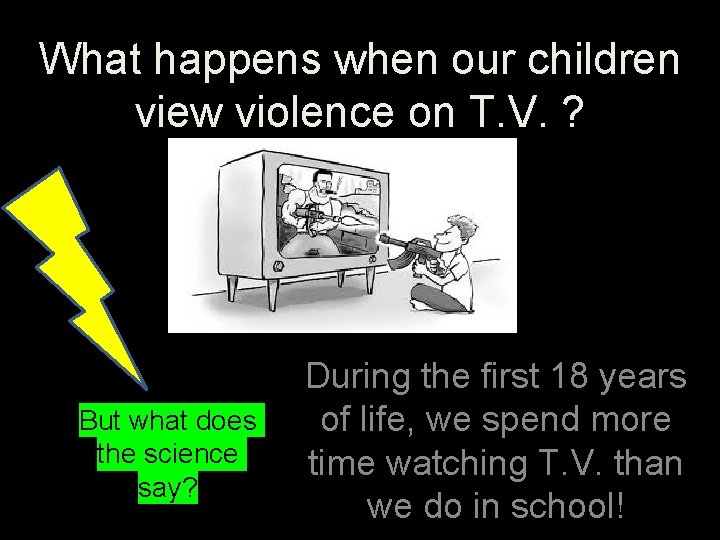
What happens when our children view violence on T. V. ? But what does the science say? During the first 18 years of life, we spend more time watching T. V. than we do in school!
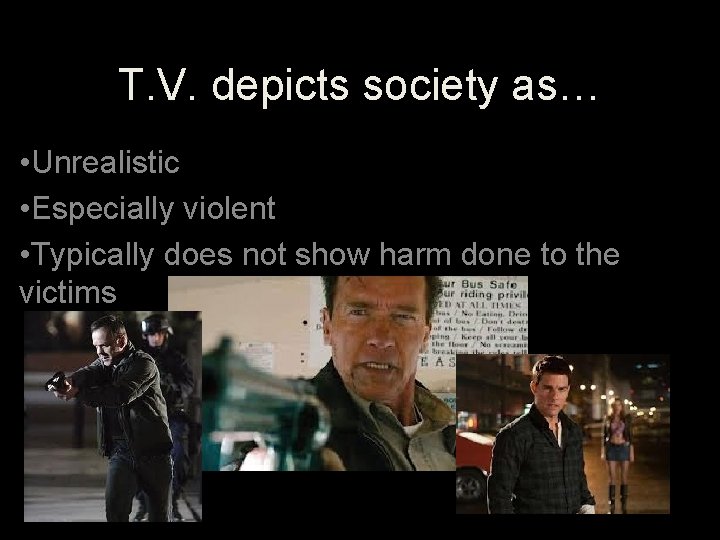
T. V. depicts society as… • Unrealistic • Especially violent • Typically does not show harm done to the victims
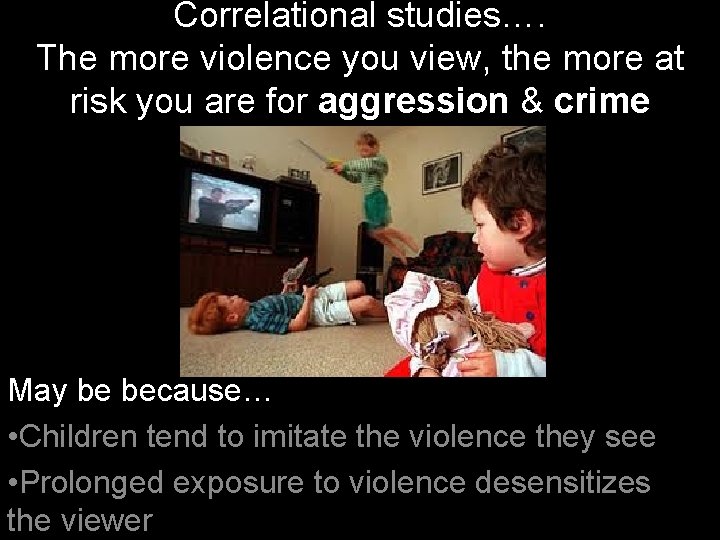
Correlational studies…. The more violence you view, the more at risk you are for aggression & crime May be because… • Children tend to imitate the violence they see • Prolonged exposure to violence desensitizes the viewer