
ORTHOTIC FITTER COURSE Module 3 Terminology and Techniques
- Slides: 53
ORTHOTIC FITTER COURSE Module 3 Terminology and Techniques
LEARNING OBJECTIVES • Establish a foundation in: Terminology • Support classifications • Fitting techniques •
AGENDA • • • Planes Positions Support classifications Lever arms Pressure distribution
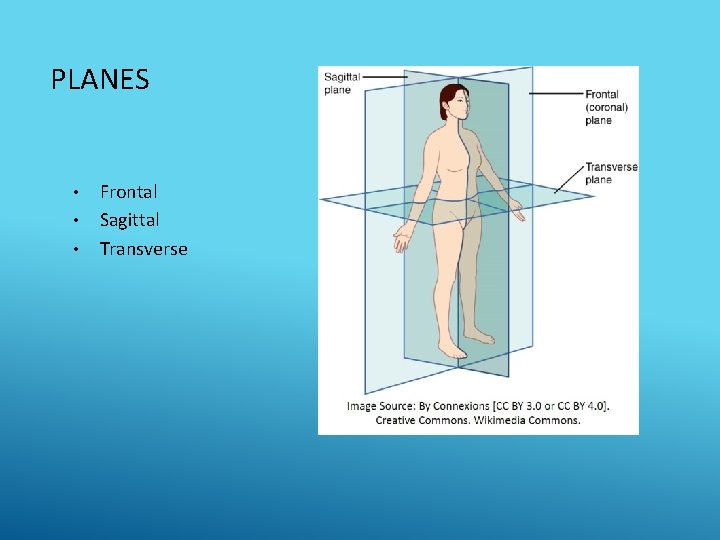
PLANES • • • Frontal Sagittal Transverse
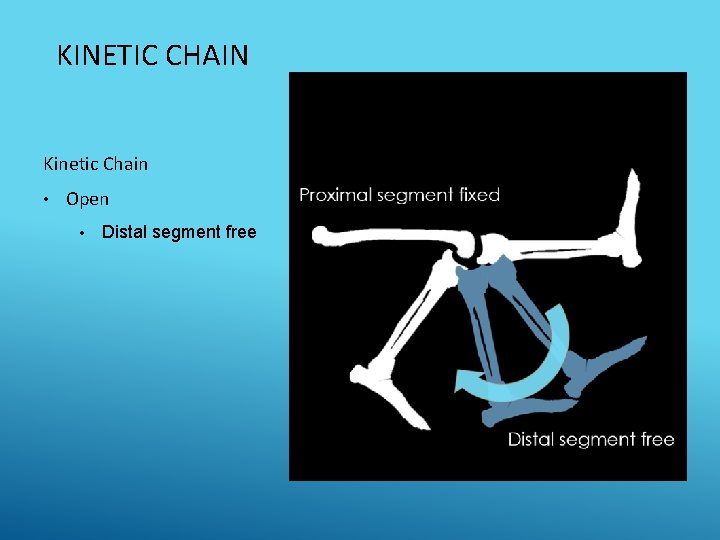
KINETIC CHAIN Kinetic Chain • Open • Distal segment free
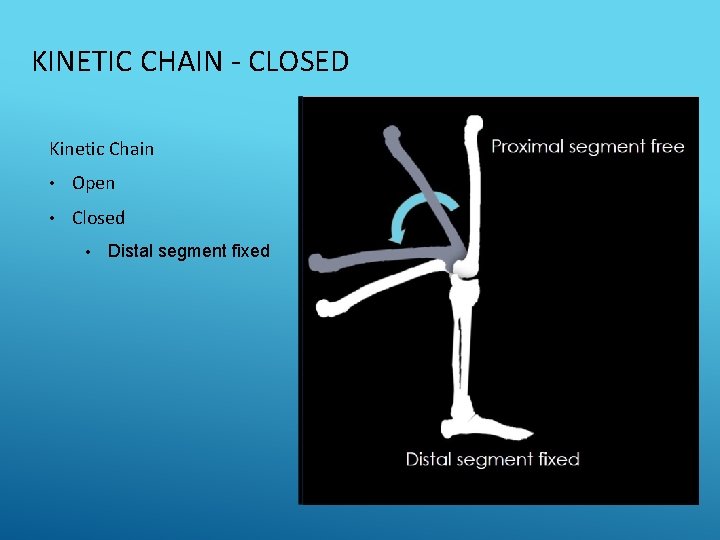
KINETIC CHAIN - CLOSED Kinetic Chain • Open • Closed • Distal segment fixed
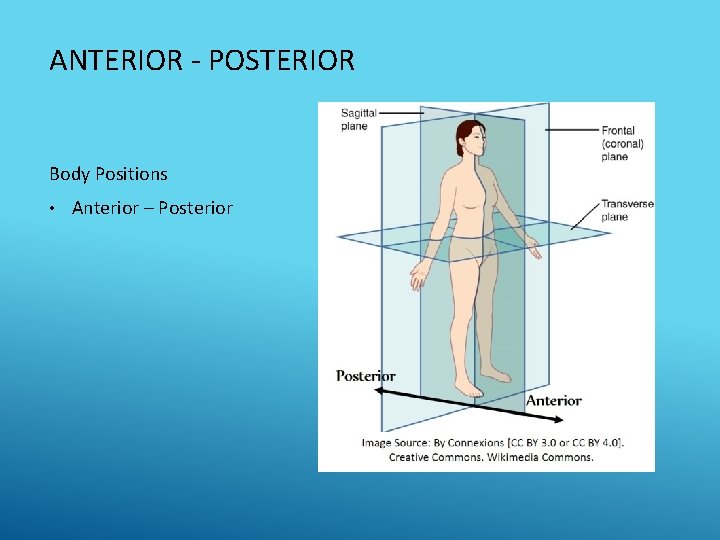
ANTERIOR - POSTERIOR Body Positions • Anterior – Posterior
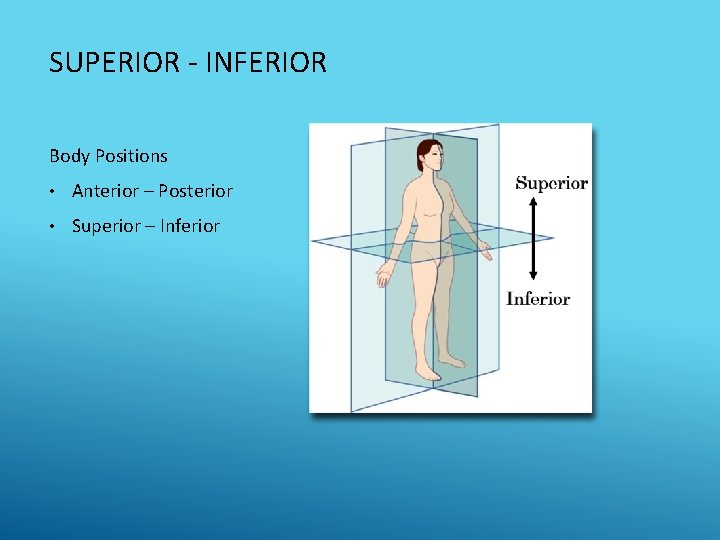
SUPERIOR - INFERIOR Body Positions • Anterior – Posterior • Superior – Inferior
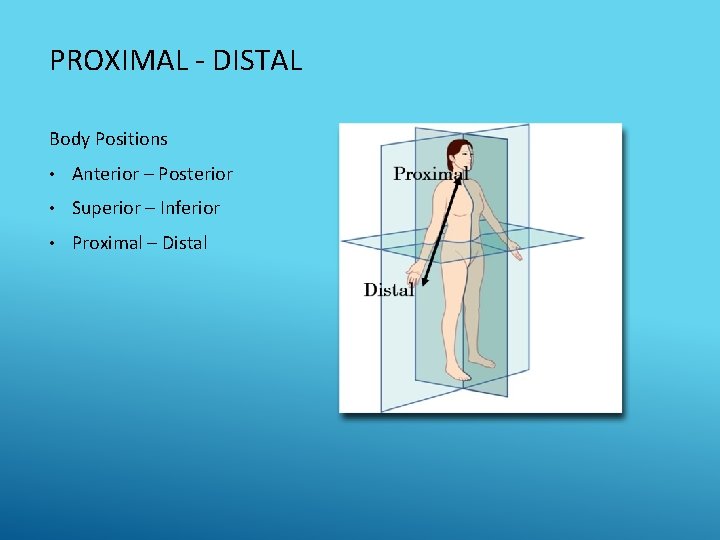
PROXIMAL - DISTAL Body Positions • Anterior – Posterior • Superior – Inferior • Proximal – Distal
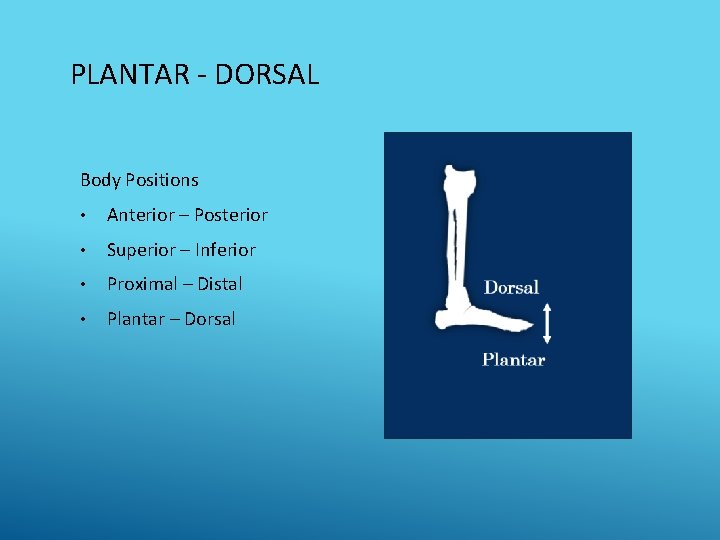
PLANTAR - DORSAL Body Positions • Anterior – Posterior • Superior – Inferior • Proximal – Distal • Plantar – Dorsal
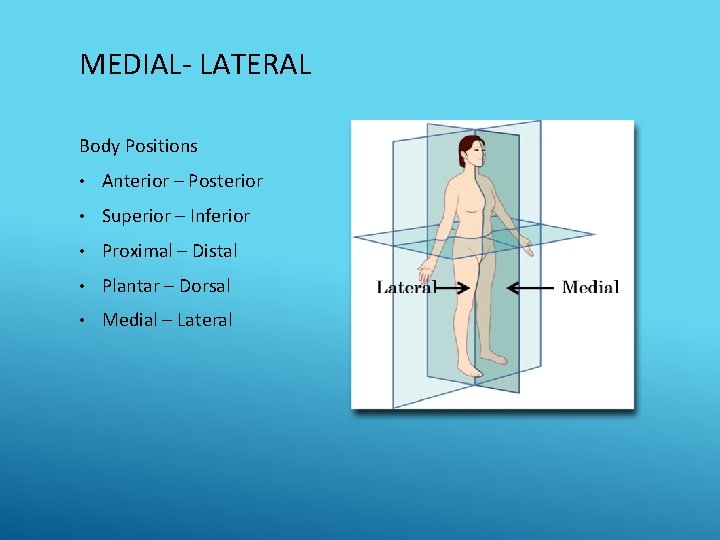
MEDIAL- LATERAL Body Positions • Anterior – Posterior • Superior – Inferior • Proximal – Distal • Plantar – Dorsal • Medial – Lateral
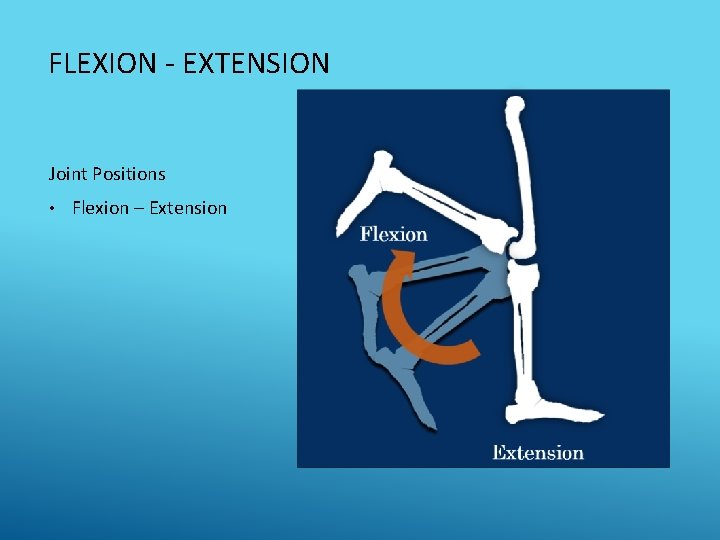
FLEXION - EXTENSION Joint Positions • Flexion – Extension
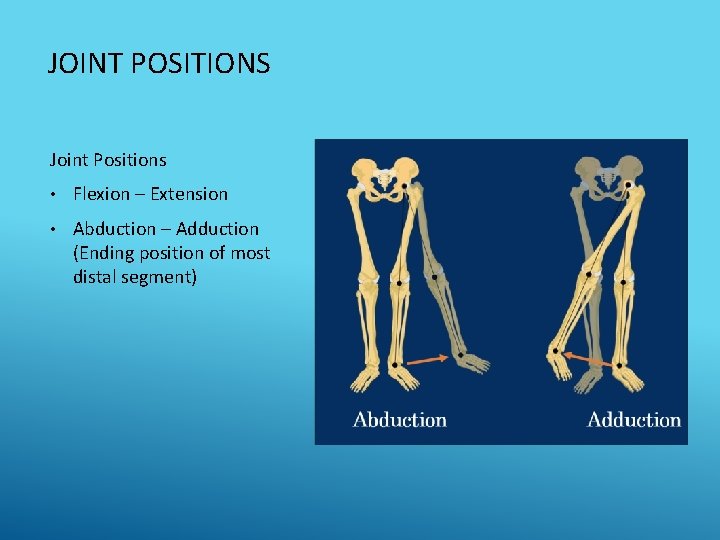
JOINT POSITIONS Joint Positions • Flexion – Extension • Abduction – Adduction (Ending position of most distal segment)
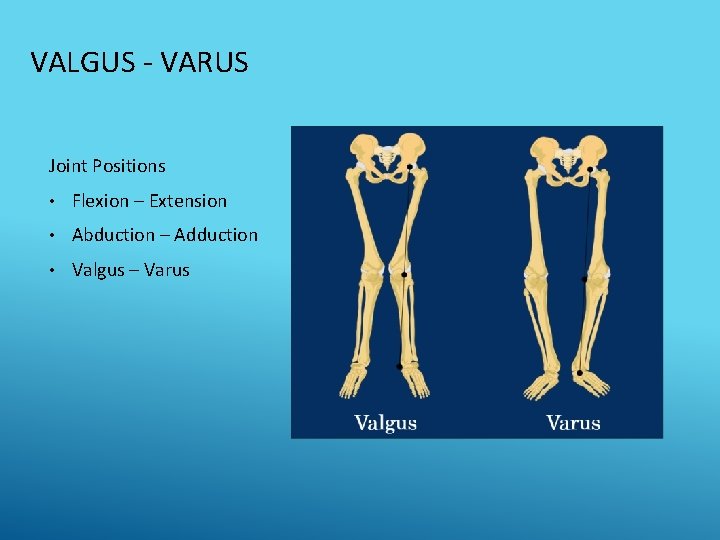
VALGUS - VARUS Joint Positions • Flexion – Extension • Abduction – Adduction • Valgus – Varus
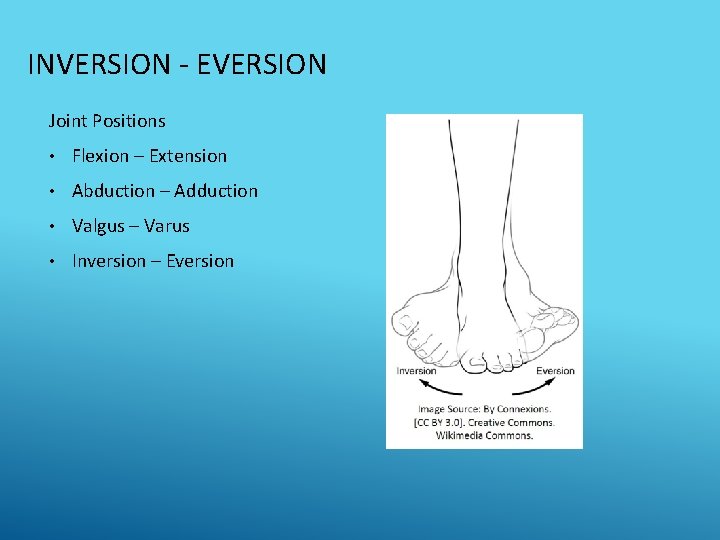
INVERSION - EVERSION Joint Positions • Flexion – Extension • Abduction – Adduction • Valgus – Varus • Inversion – Eversion
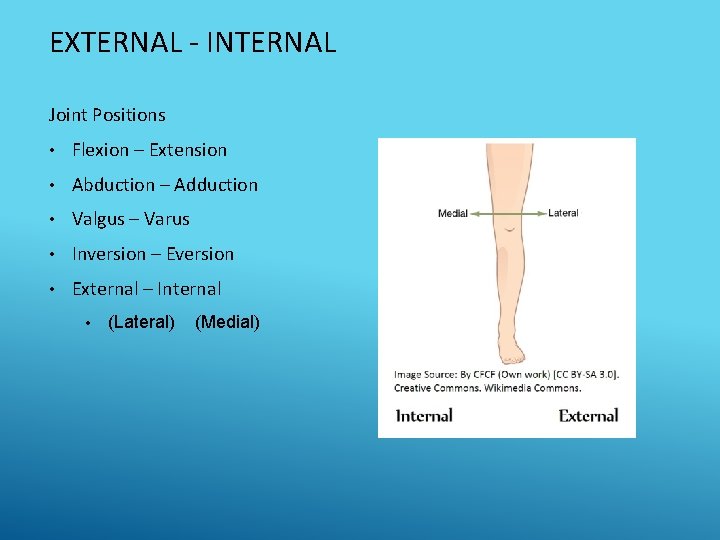
EXTERNAL - INTERNAL Joint Positions • Flexion – Extension • Abduction – Adduction • Valgus – Varus • Inversion – Eversion • External – Internal • (Lateral) (Medial)
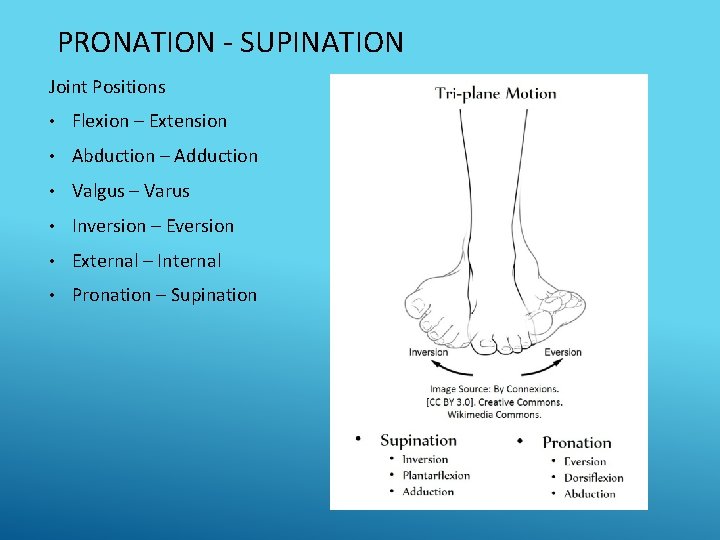
PRONATION - SUPINATION Joint Positions • Flexion – Extension • Abduction – Adduction • Valgus – Varus • Inversion – Eversion • External – Internal • Pronation – Supination
TERMINOLOGY Terminology • Course Manual Glossary
THE SPECTRUM Support Classifications • The spectrum
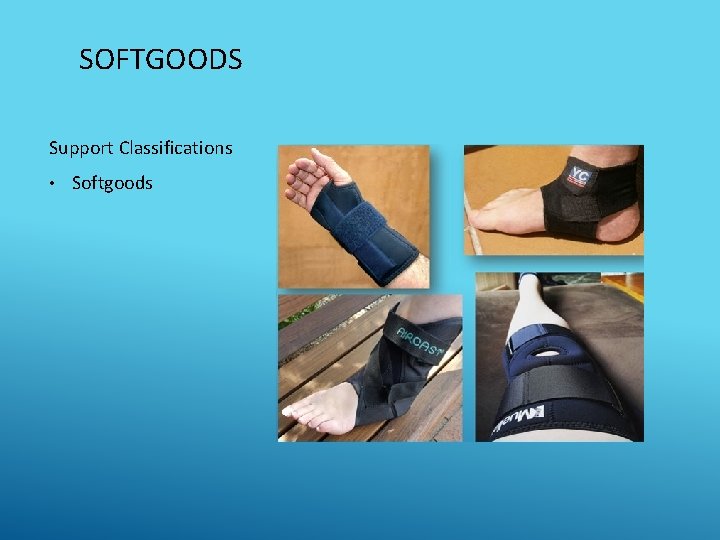
SOFTGOODS Support Classifications • Softgoods
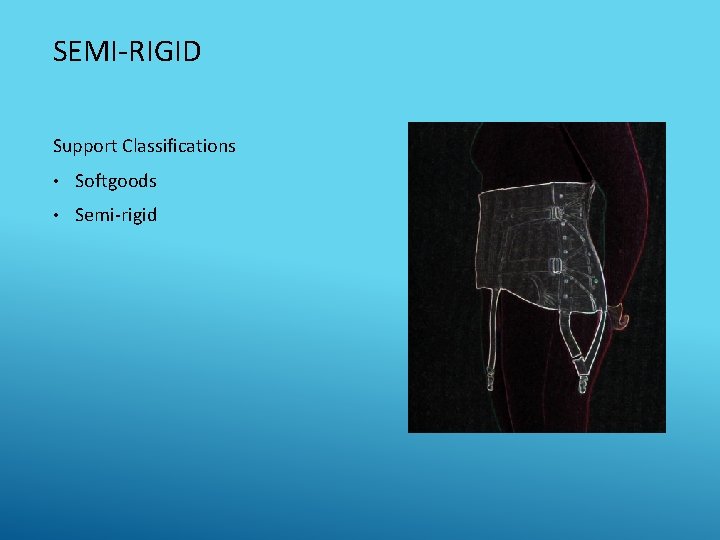
SEMI-RIGID Support Classifications • Softgoods • Semi-rigid
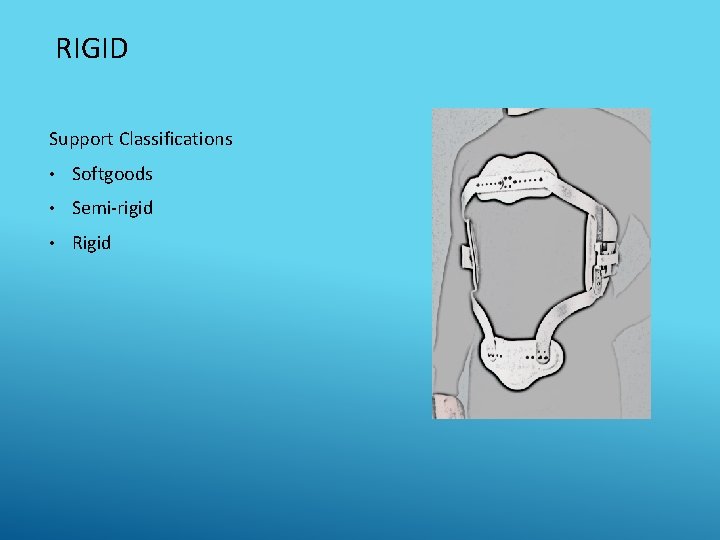
RIGID Support Classifications • Softgoods • Semi-rigid • Rigid
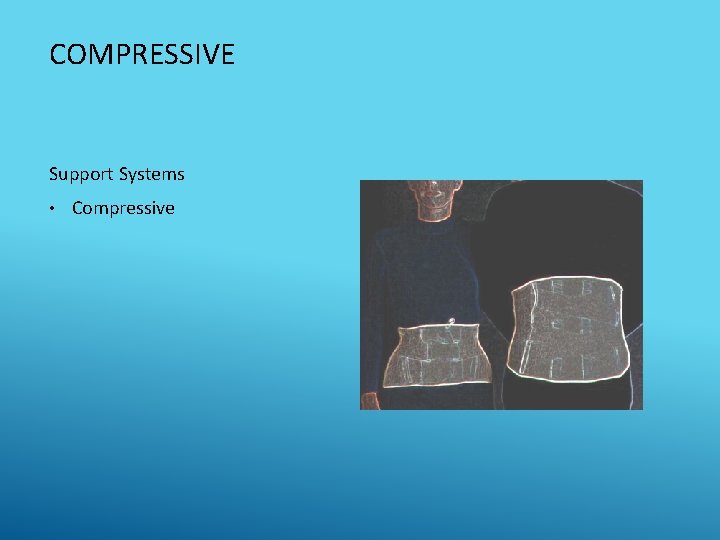
COMPRESSIVE Support Systems • Compressive
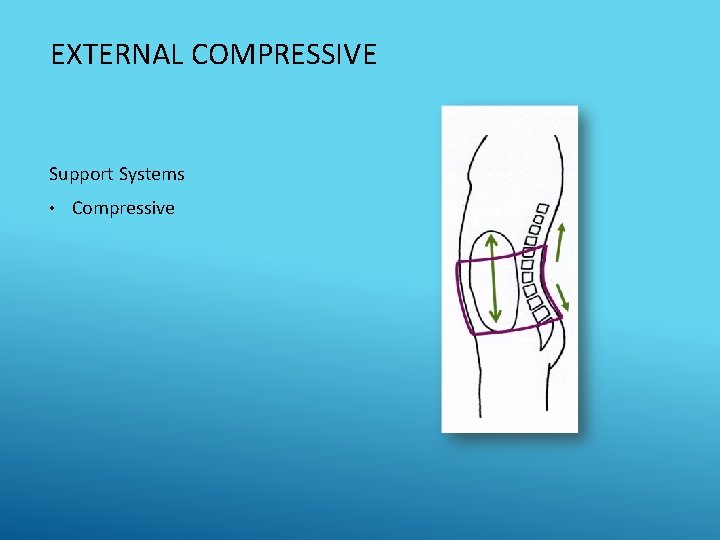
EXTERNAL COMPRESSIVE Support Systems • Compressive
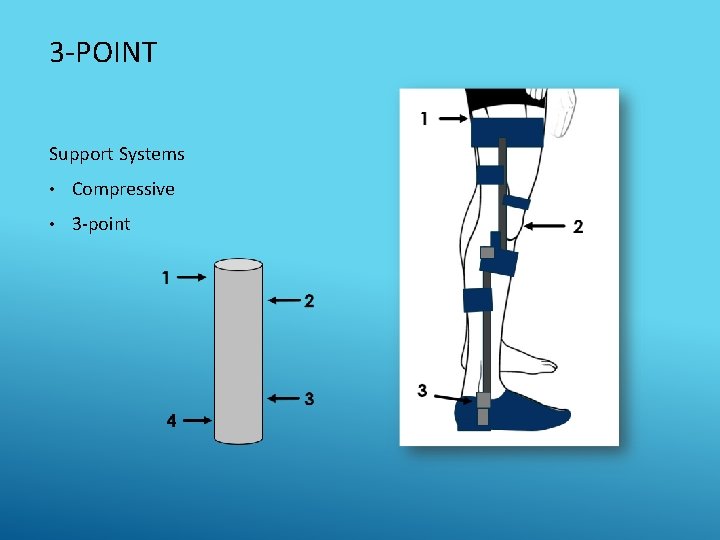
3 -POINT Support Systems • Compressive • 3 -point
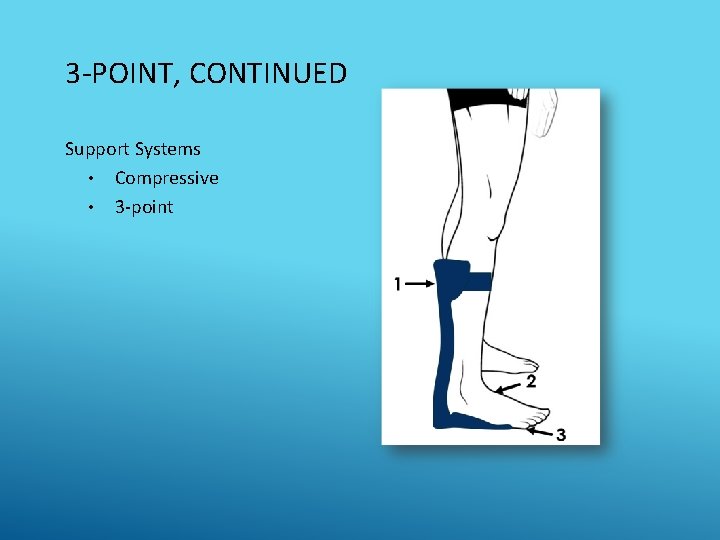
3 -POINT, CONTINUED Support Systems • Compressive • 3 -point
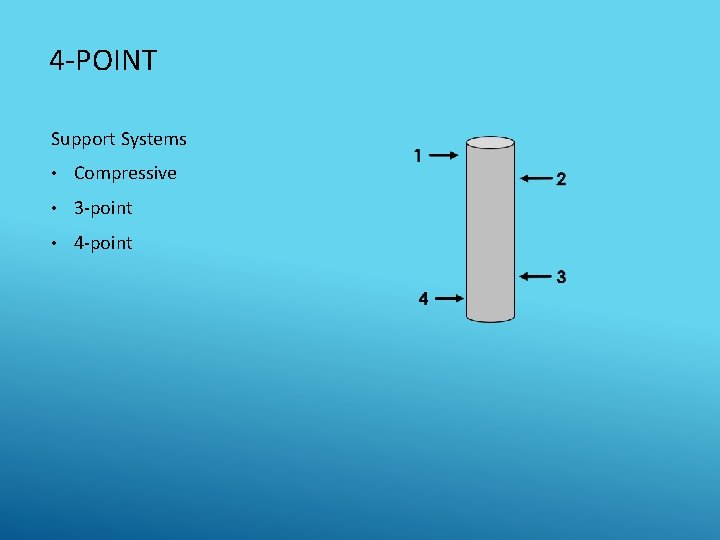
4 -POINT Support Systems • Compressive • 3 -point • 4 -point
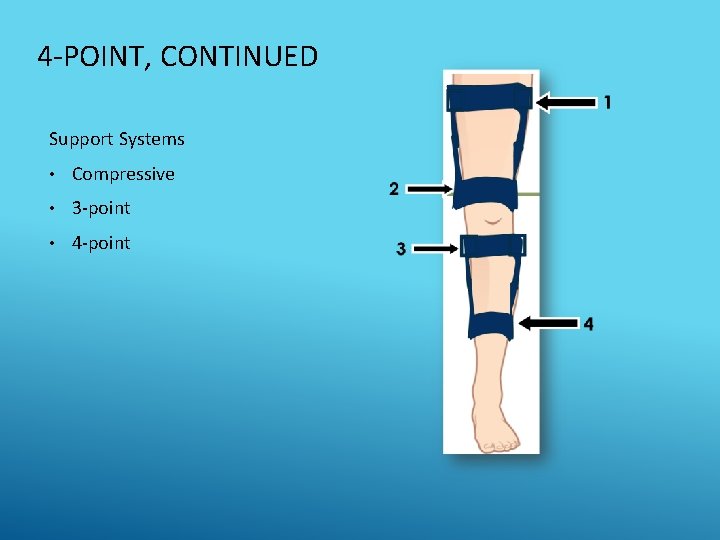
4 -POINT, CONTINUED Support Systems • Compressive • 3 -point • 4 -point
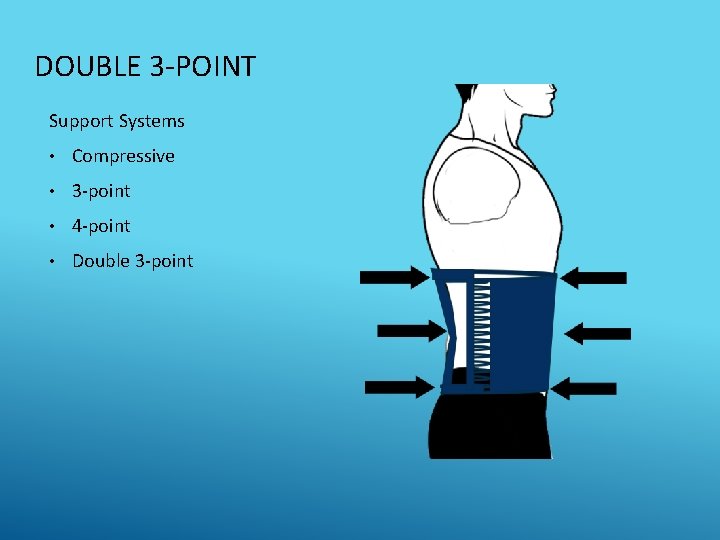
DOUBLE 3 -POINT Support Systems • Compressive • 3 -point • 4 -point • Double 3 -point
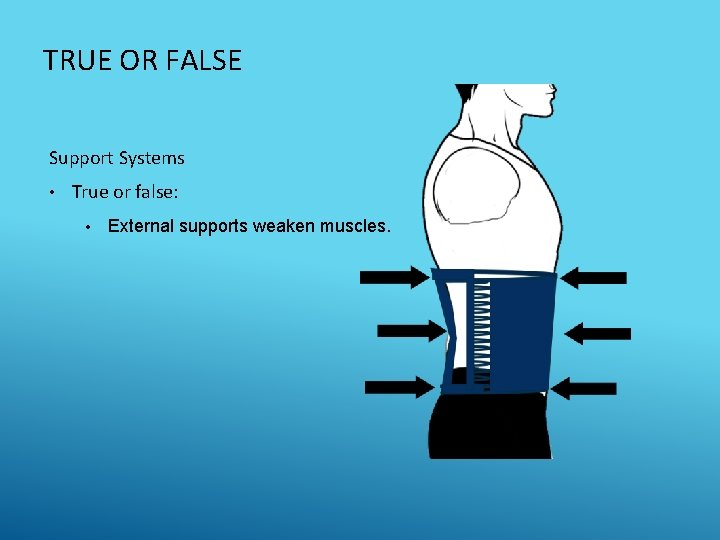
TRUE OR FALSE Support Systems • True or false: • External supports weaken muscles.
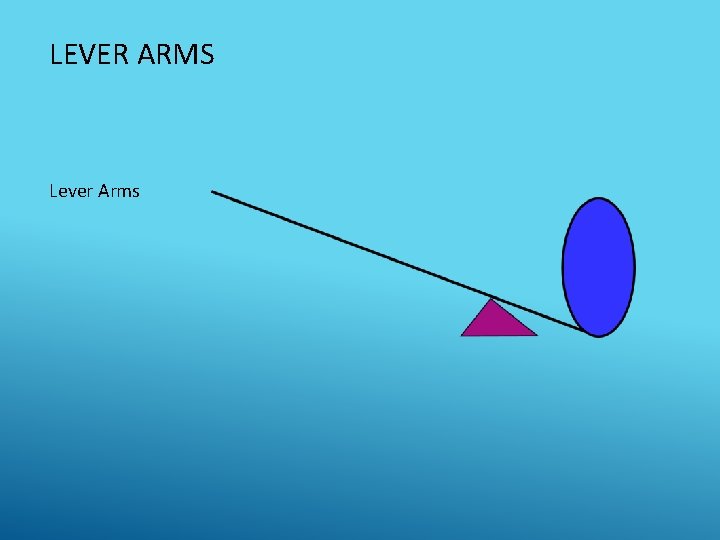
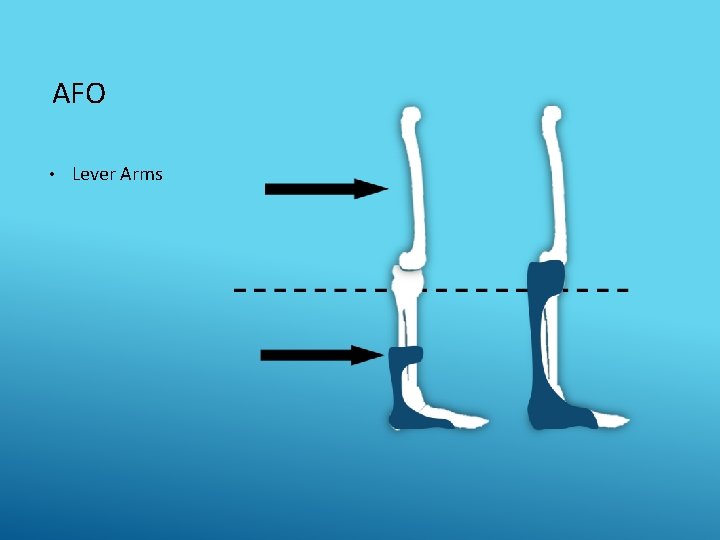
LEVER ARMS Lever Arms
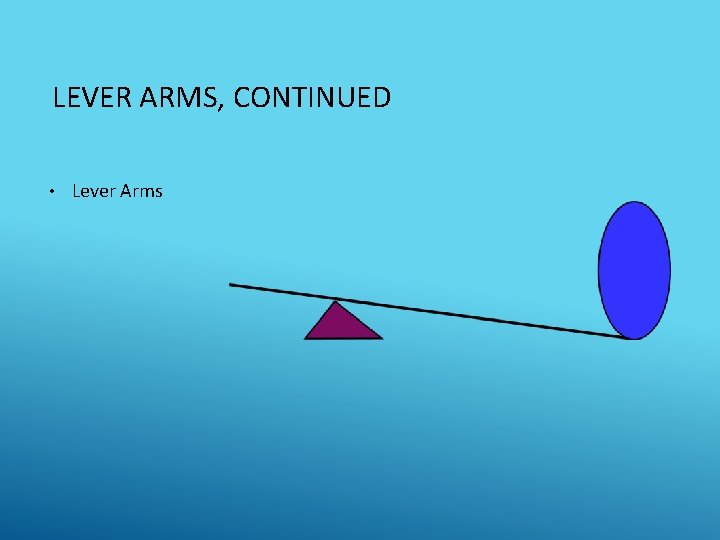
LEVER ARMS, CONTINUED • Lever Arms
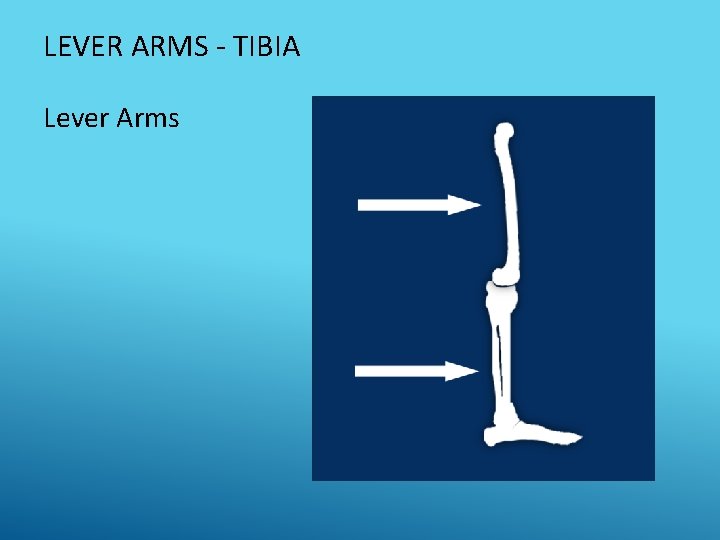
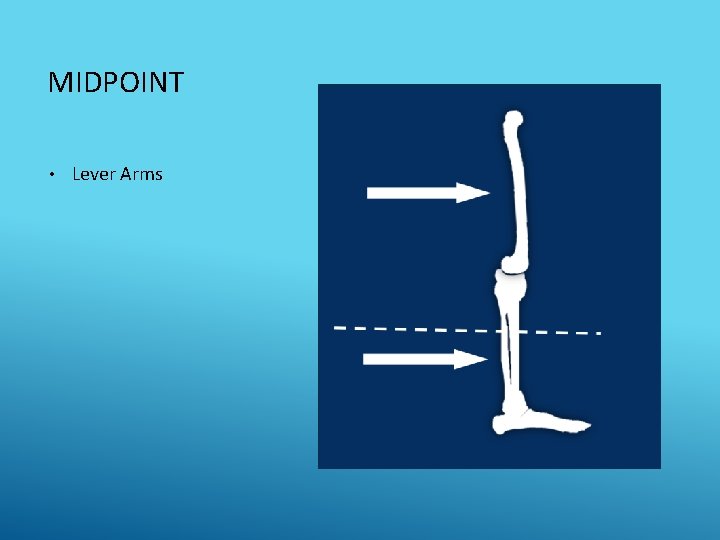
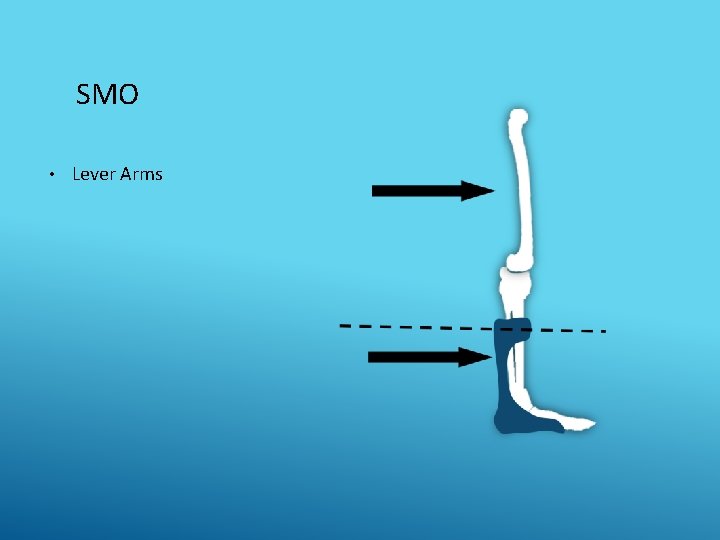
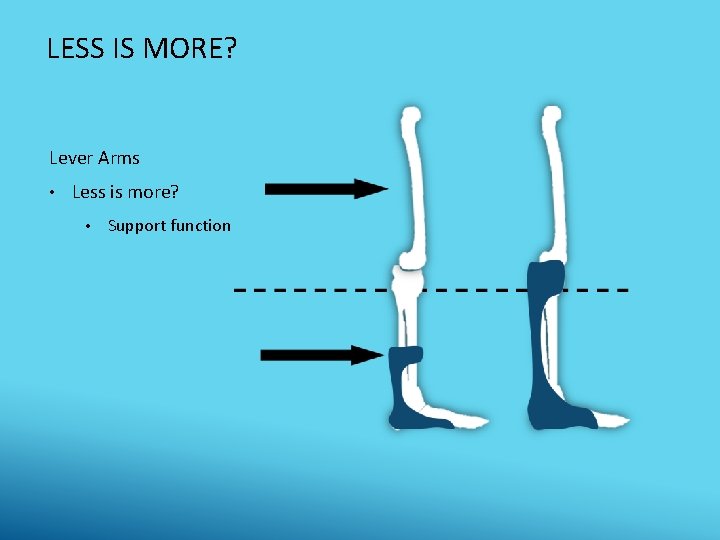
LEVER ARMS AND SOFT TISSUE Lever Arms • The longer the lever arm, the lower the pressure on soft tissue.
LEVER ARMS - TIBIA Lever Arms
MIDPOINT • Lever Arms
SMO • Lever Arms
AFO • Lever Arms
LESS IS MORE? Lever Arms • Less is more? • Support function
PRESSURE DISTRIBUTION Pressure Distribution • The greater the contact area, the less the surface pressure.
SOFT TISSUE DEFORMATION Pressure Distribution • Soft tissue deformation
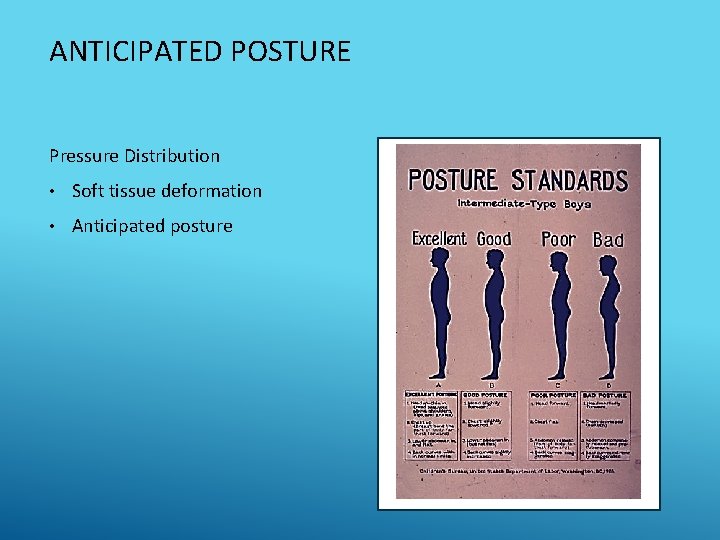
ANTICIPATED POSTURE Pressure Distribution • Soft tissue deformation • Anticipated posture
PRESSURE POINTS Pressure Distribution • Soft tissue deformation • Anticipated posture • Pressure points: • Patient • Referral source • Third-party payer • Facility
FITTINGS Optimize • Fit • Function • Cosmesis Device Selection Considerations • Dx, Rx • Function • Material • Durability • Ease of donning/doffing • Size of patient • Adjustability • Weight of orthosis • Cost
PURPOSE OF ORTHOTIC/EXTERNAL DEVICES General purposes of orthotic/external devices are to: • Correct or prevent deformity • Provide compressive support • Stabilize unstable structures • Mechanical unloading of segments • Immobilization post-op or post-injury • Enhance kinesthetic awareness • Improve level of function
HAND SKILLS Practice • Hand skills
CONTINUING EDUCATION Continuing Education • 8, 000 certified by ABC and/or BOC • 28, 000 Medicare providers applying to provide O&P services
QUALITY • You are an extension of the quality of care provided by the physician. • • Patient relationship Doctor relationship Fittings Products
FITTING PROCESS • Verify Rx • Prescription
FITTING PROCESS, CONTINUED Fitting Process • Prescription • Pre-fitting assessment • Orthotic selection • Initial fitting • Orthotic training • Final check-out
FORMAL EDUCATION • California State University-Dominguez Hills Carson, California. • Los Amigos Research & Education Institute Downey, California. • Hanger Prosthetics Orthotics Inc. Newington, Connecticut. • Georgia Institute of Technology Atlanta, Georgia. • Northwestern University Chicago, Illinois.
FORMAL EDUCATION, CONTINUED • • • Century Community White Bear Lake, Minnesota. University of Texas Southwestern Medical Center Dallas, Texas. University of Washington Seattle, Washington.
SUMMARY Summary • Planes • Positions • Orthotic contribution • Support classifications • Lever arms • Pressure distribution • Quality
TERMINOLOGY AND TECHNIQUES This workforce product was funded by a grant awarded by the U. S. Department of Labor’s Employment and Training Administration. The product was created by the grantee and does not necessarily reflect the official position of the U. S. Department of Labor. The U. S. Department of Labor makes no guarantees, warranties, or assurances of any kind, express or implied, with respect to such information, including any information on linked sites and including, but not limited to, accuracy of the information or its completeness, timeliness, usefulness, adequacy, continued availability, or ownership. Produced 2016. HOPE Careers Consortium is a partnership of five institutions of higher education that is building exciting new programs that will provide valuable career education and training in the Orthotics, Prosthetics, and Pedorthics (O&P) sector. The five institutions are: Baker College—Flint, Michigan; Century College—White Bear Lake, Minnesota; Oklahoma State University Institute of Technology—Okmulgee, Oklahoma; Spokane Falls Community College—Spokane, Washington; and St. Petersburg College—St. Petersburg, Florida. Although the authoring institution of this educational resource has made every effort to ensure that the information presented is correct, the institution assumes no liability to any party for any loss, damage, or disruption caused by errors or omissions. Except where otherwise noted, this work by St. Petersburg College is licensed under the Creative Commons Attribution 4. 0 International License. To view a copy of this license, click on the following link: Creative Commons Licenses 4. 0.