
Orthographic Drawing Multiview Projection Projection a view of
- Slides: 47
Orthographic Drawing
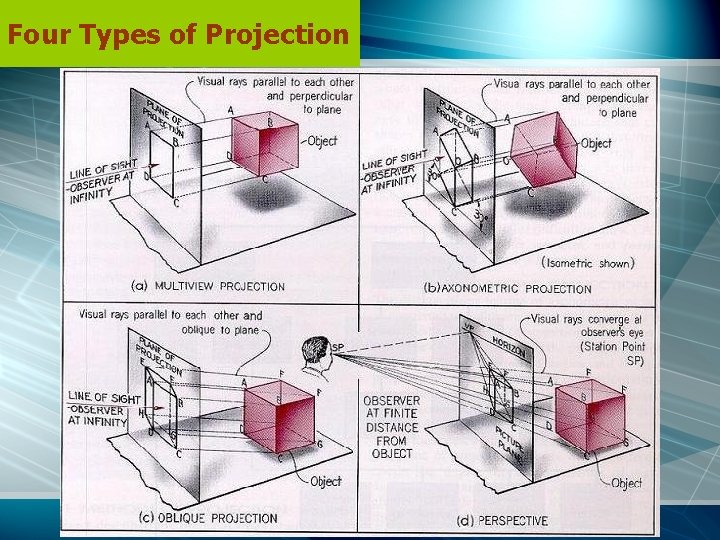
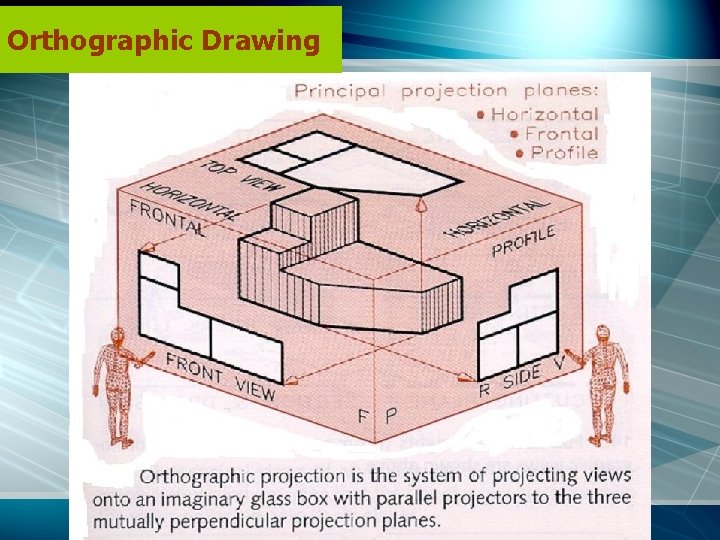
Multiview Projection • Projection a view of an object • Is a photograph enough to describe an object? • A number of views, systematically arranged. . .
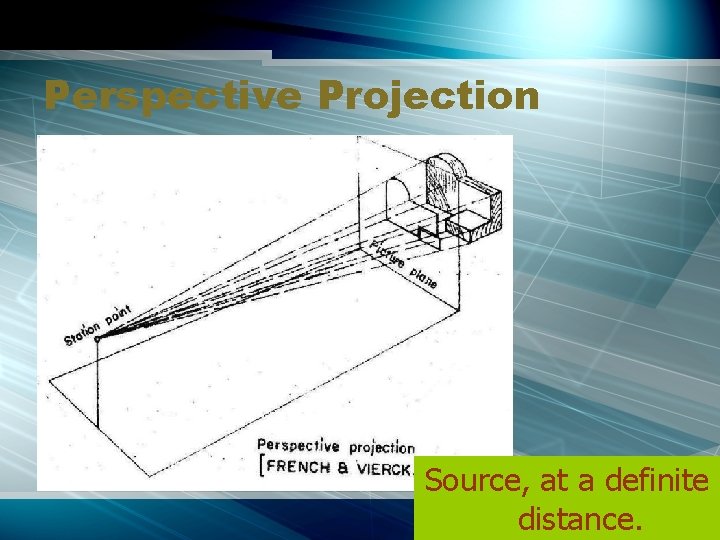
Perspective Projection Source, at a definite distance.
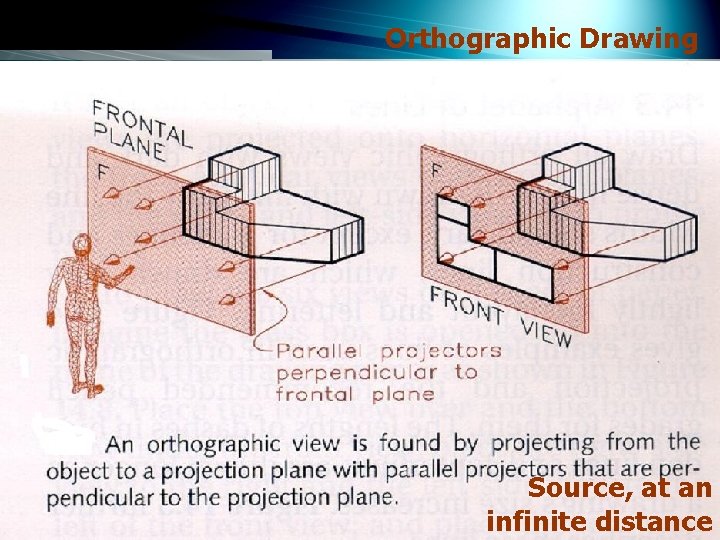
Orthographic Drawing Source, at an infinite distance
Four Types of Projection
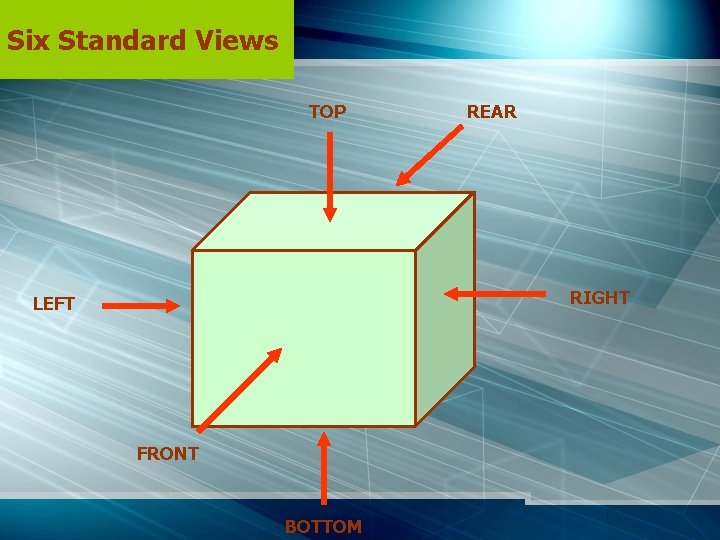
Six Standard Views TOP REAR RIGHT LEFT FRONT BOTTOM
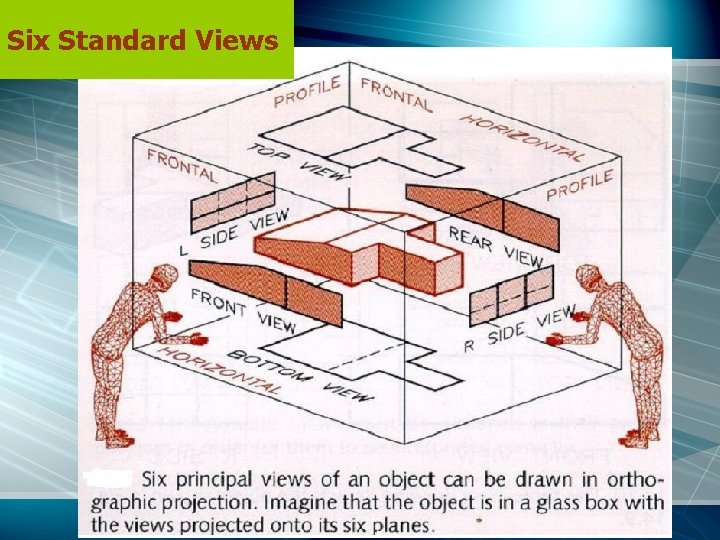
Six Standard Views
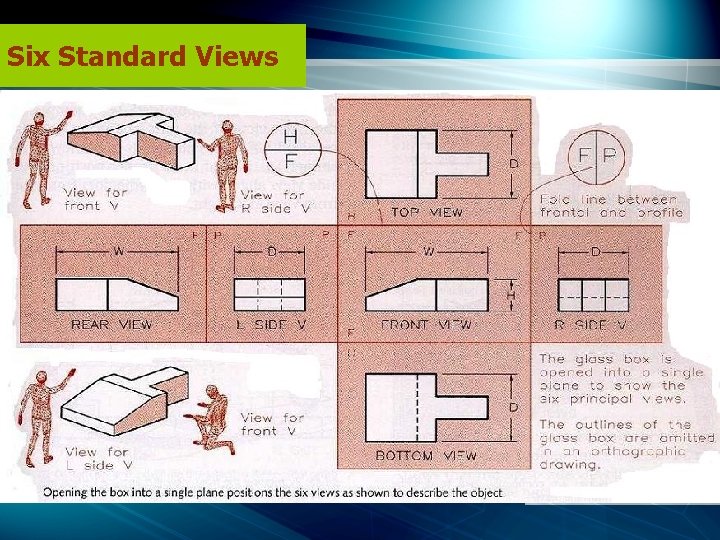
Six Standard Views
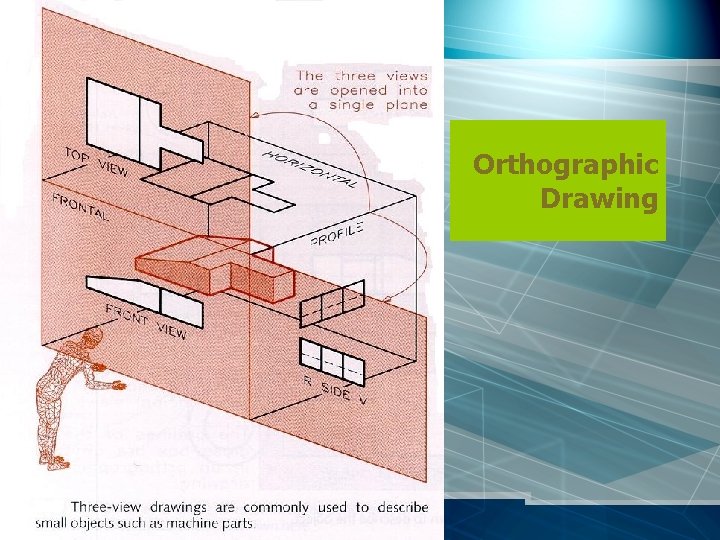
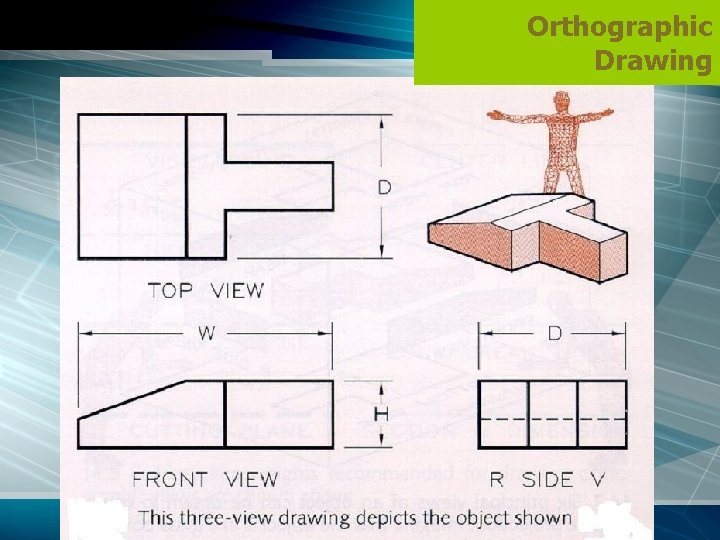
Orthographic Drawing
Orthographic Drawing
Orthographic Drawing
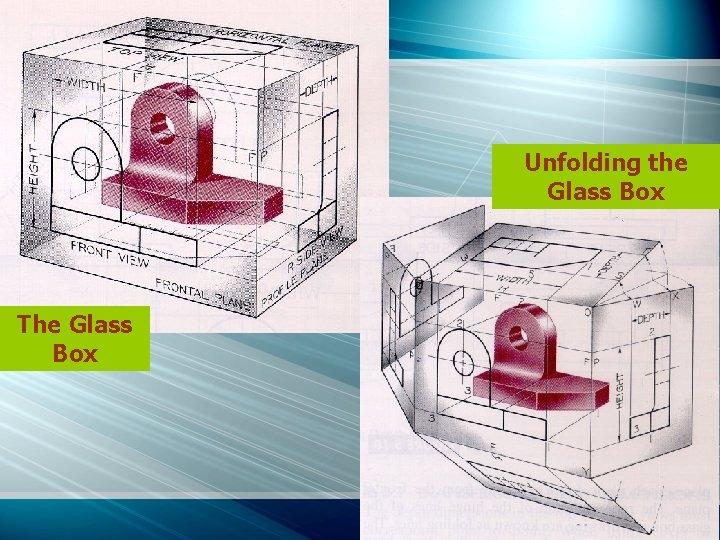
Unfolding the Glass Box The Glass Box
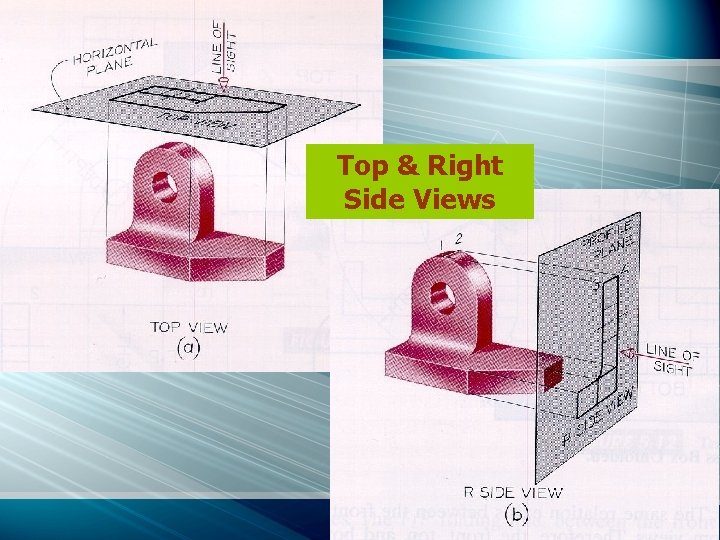
Top & Right Side Views
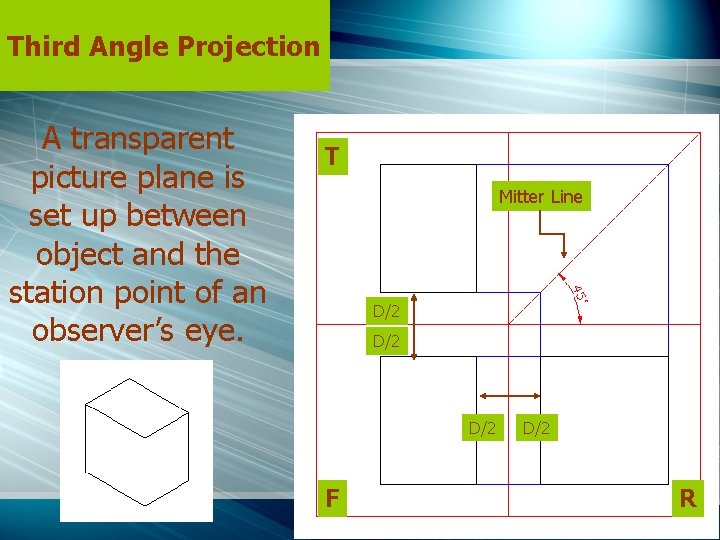
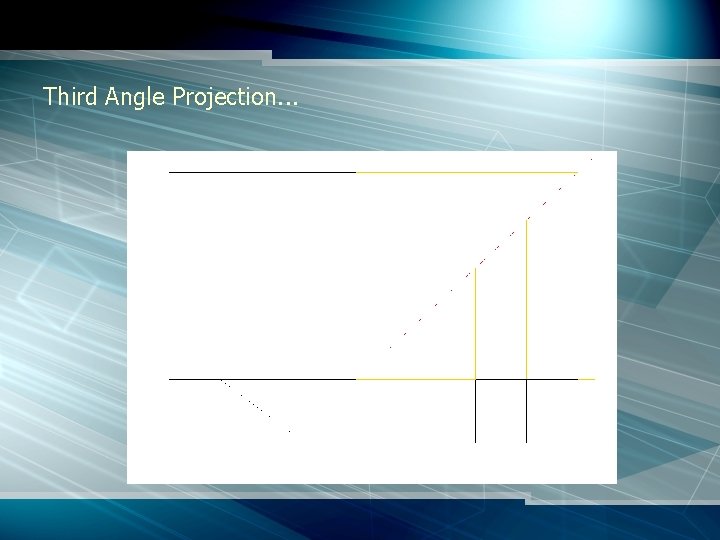
Third Angle Projection A transparent picture plane is set up between object and the station point of an observer’s eye. T Mitter Line D/2 D/2 F D/2 R
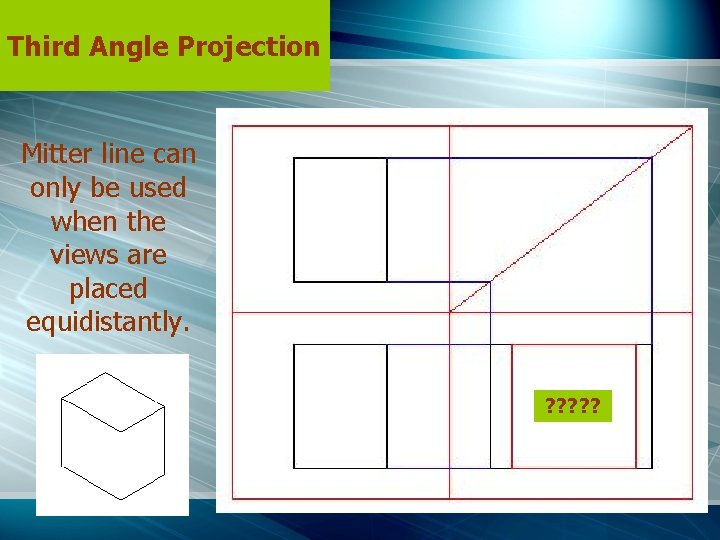
Third Angle Projection Mitter line can only be used when the views are placed equidistantly. ? ? ?
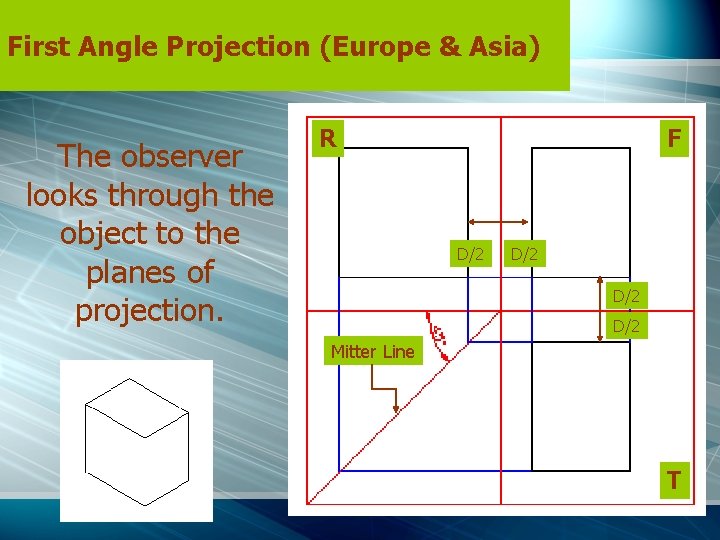
First Angle Projection (Europe & Asia) The observer looks through the object to the planes of projection. R F D/2 D/2 Mitter Line T
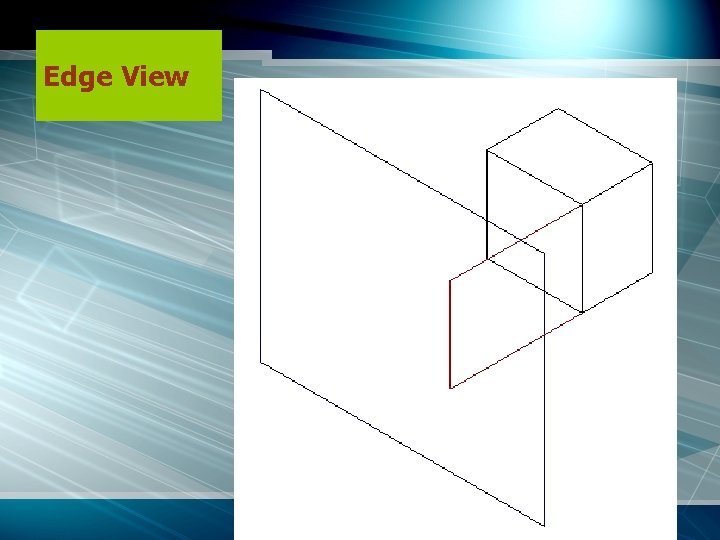
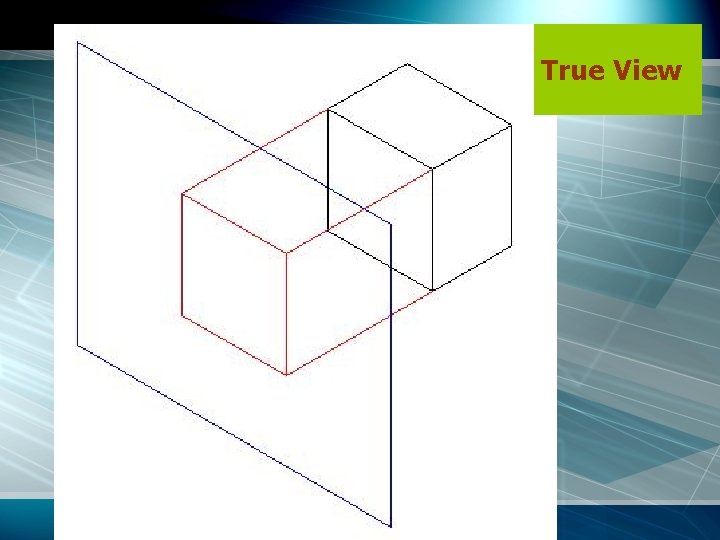
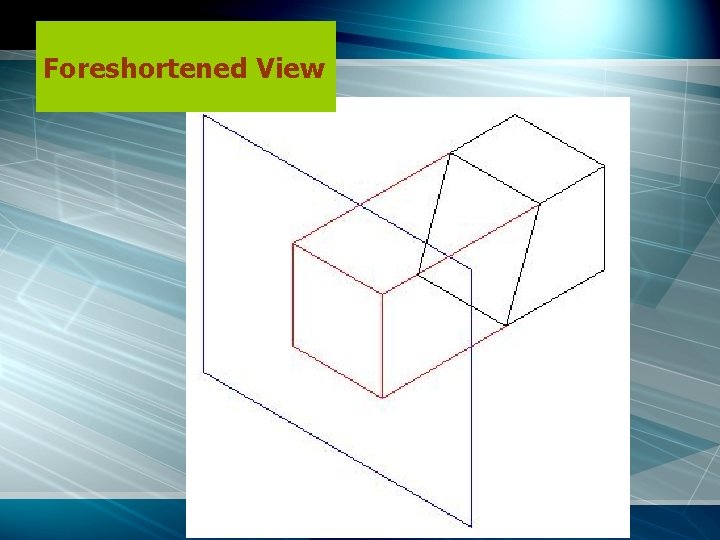
Views of Surfaces • To effectively create and interpret multiview projections, you have to consider the elements that make up most solids: SURFACES bounded by straight lines, or curves.
Edge View
True View
Foreshortened View
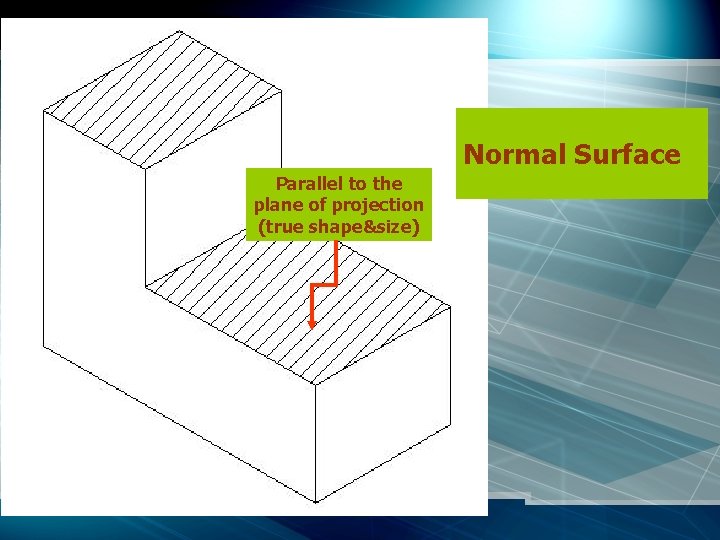
Normal Surface Parallel to the plane of projection (true shape&size)
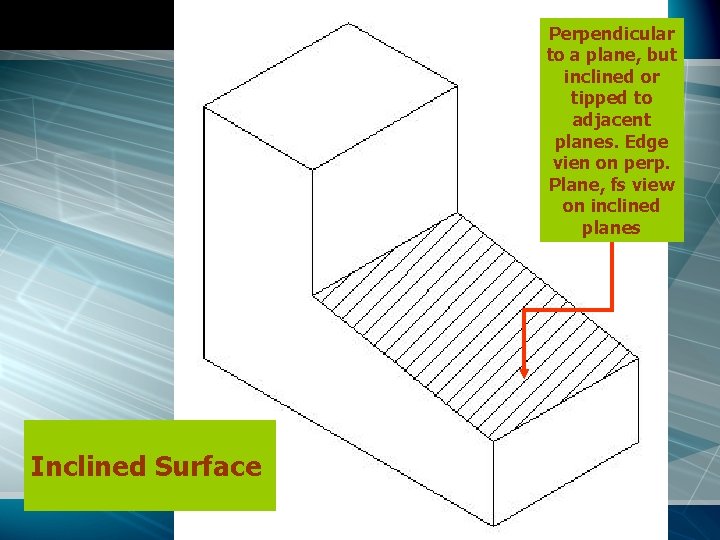
Perpendicular to a plane, but inclined or tipped to adjacent planes. Edge vien on perp. Plane, fs view on inclined planes Inclined Surface
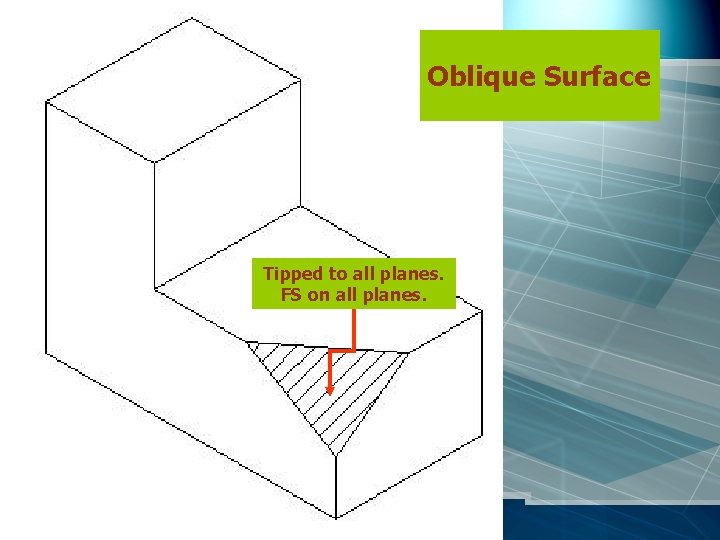
Oblique Surface Tipped to all planes. FS on all planes.
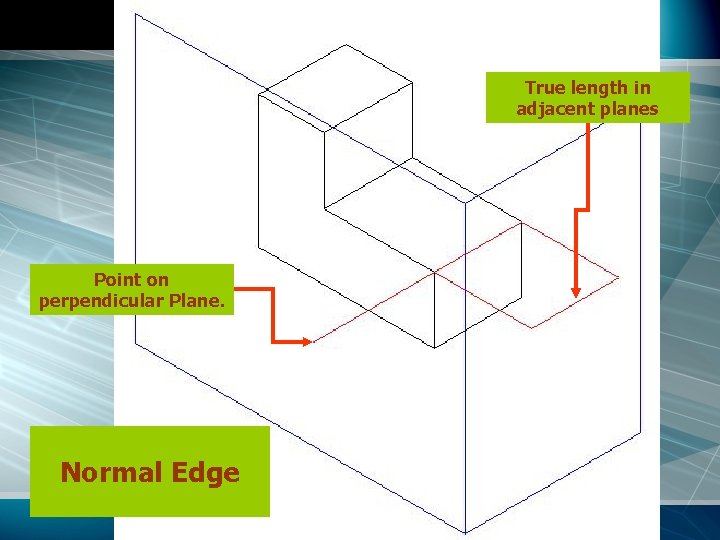
True length in adjacent planes Point on perpendicular Plane. Normal Edge
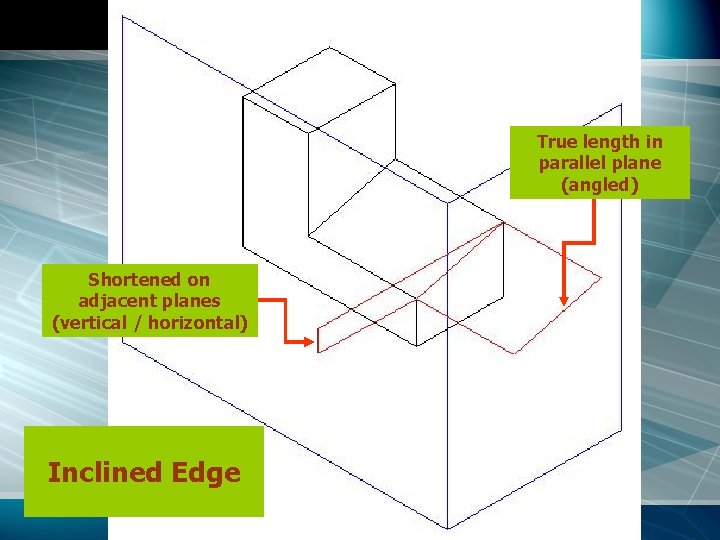
True length in parallel plane (angled) Shortened on adjacent planes (vertical / horizontal) Inclined Edge
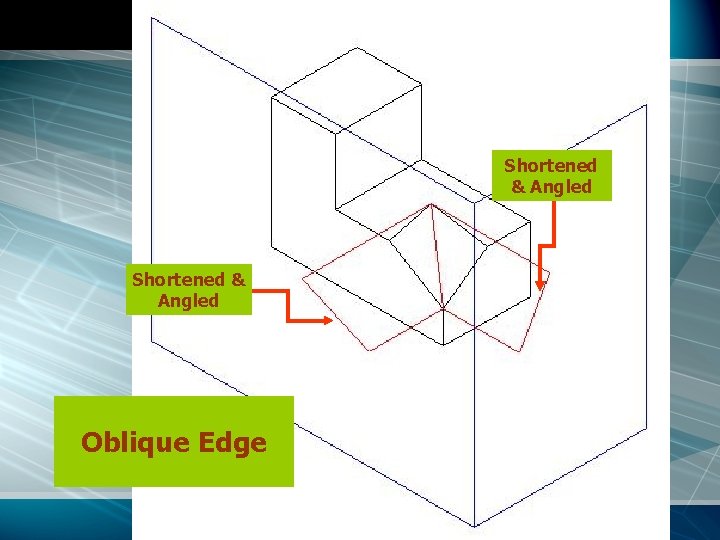
Shortened & Angled Oblique Edge
Angles
Vertices • A corner or point, intersection of 3 planes
Meaning of a Point • A vertex • Point view of an edge
Meaning of a Line Visible or hidden: • An edge (intersection between 2 surfaces) • Edge view of a surface • Limiting element of a curved surface
Hidden Lines Dashed hidden lines are used to represent features that would be hidden behind other surfaces.
Center Lines Used to indicate symmetrical axes of circles
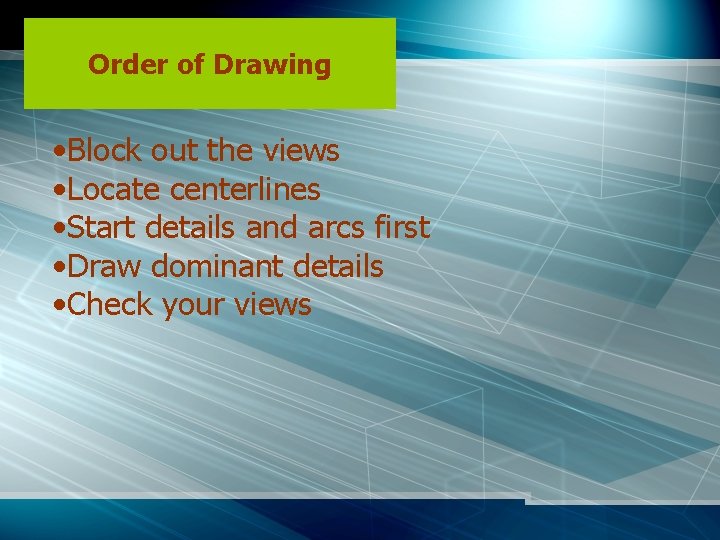
Order of Drawing • Block out the views • Locate centerlines • Start details and arcs first • Draw dominant details • Check your views
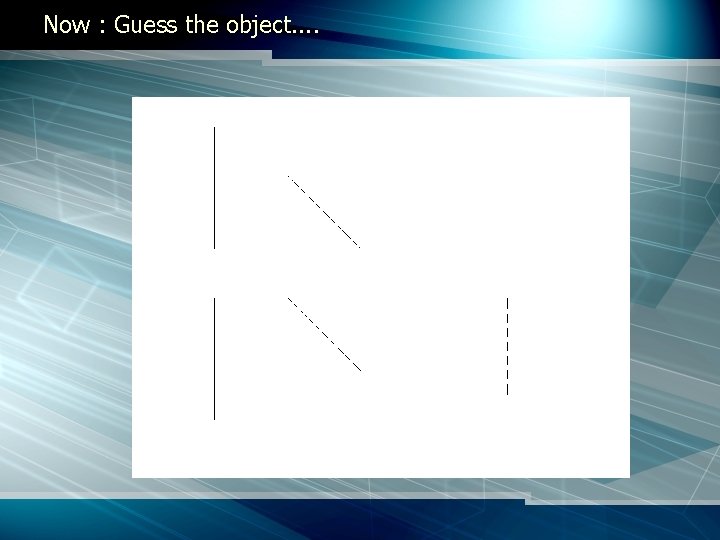
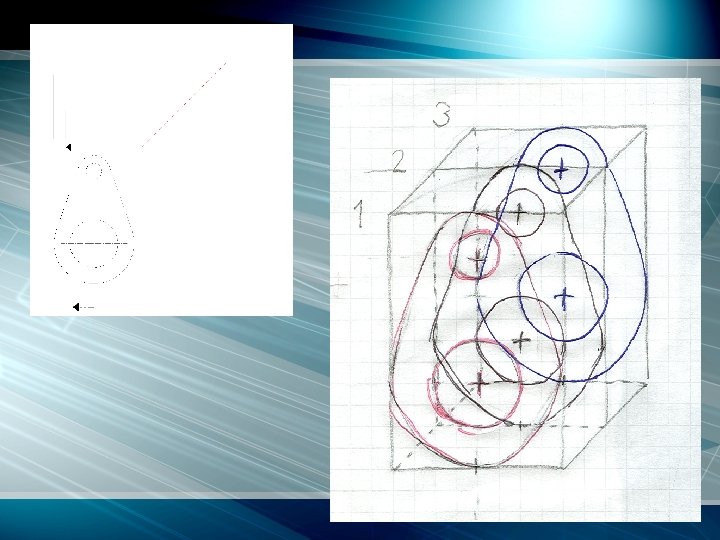
Now : Guess the object. .
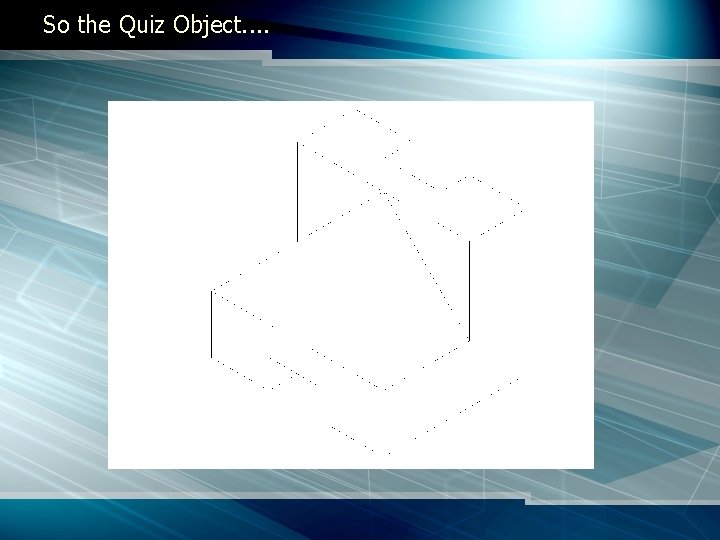
So the Quiz Object. .
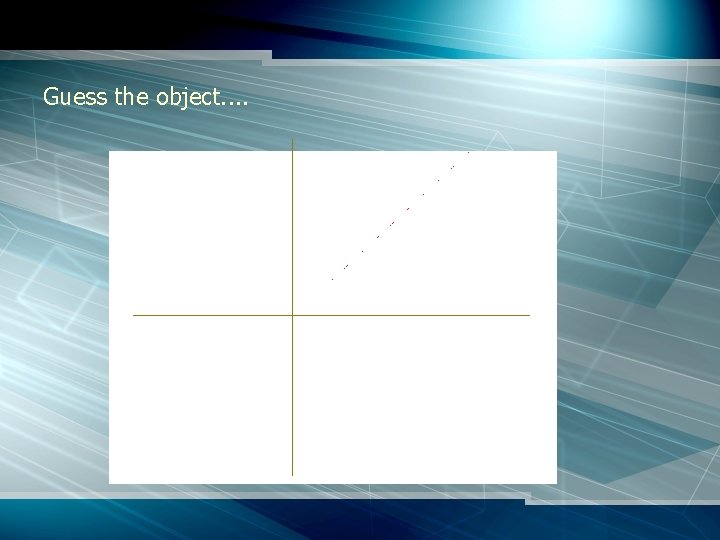
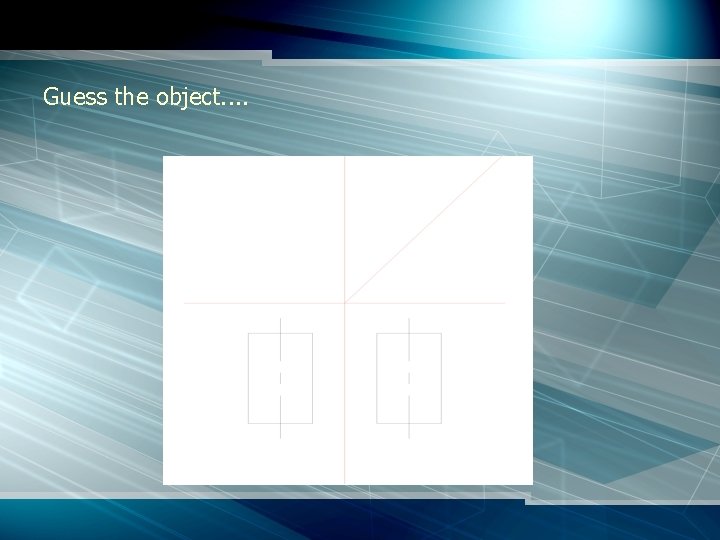
Guess the object. .
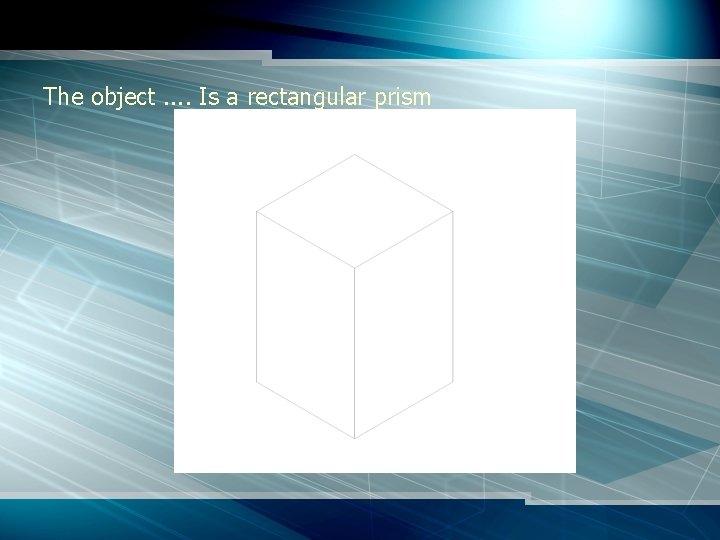
The object. . Is a rectangular prism
Guess the object. .
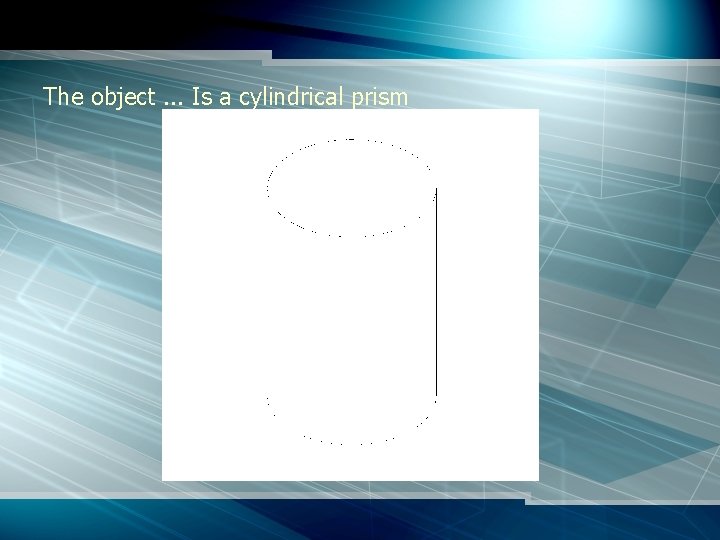
The object. . . Is a cylindrical prism
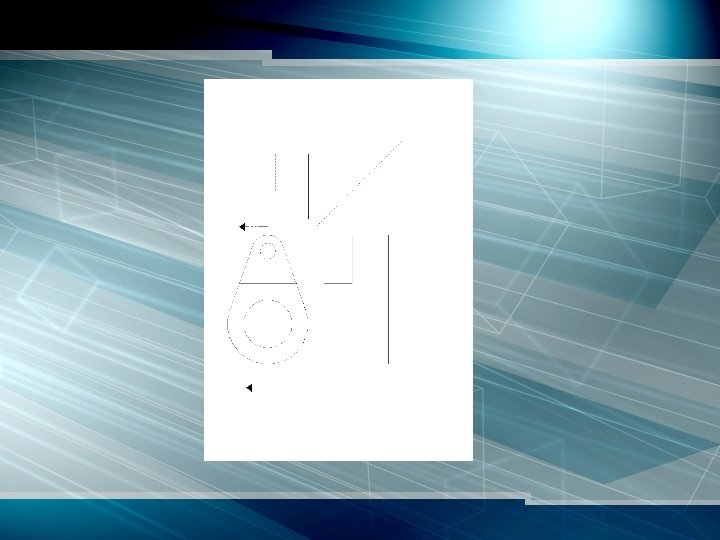
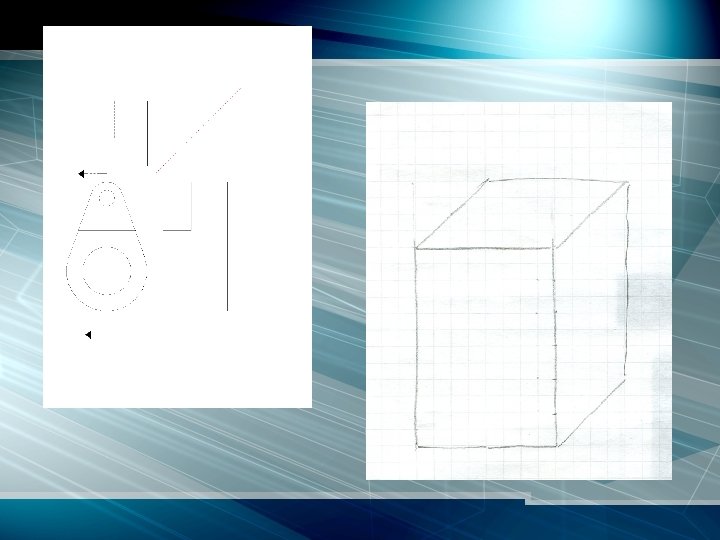
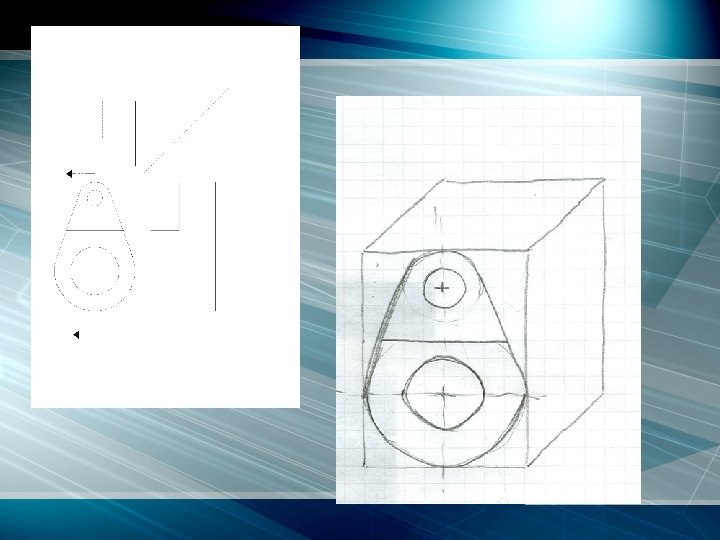
Third Angle Projection. . .
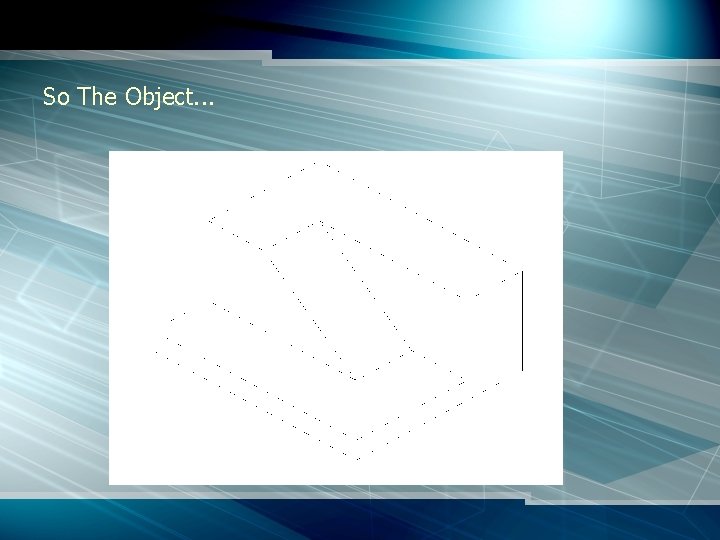
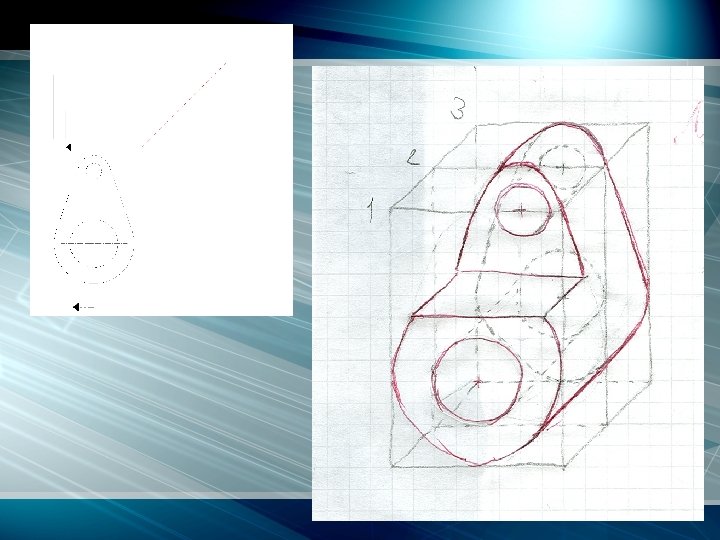
So The Object. . .
THAT’S IT FOR TODAY!. . .