
Origins of American Government Basic Concepts of Government
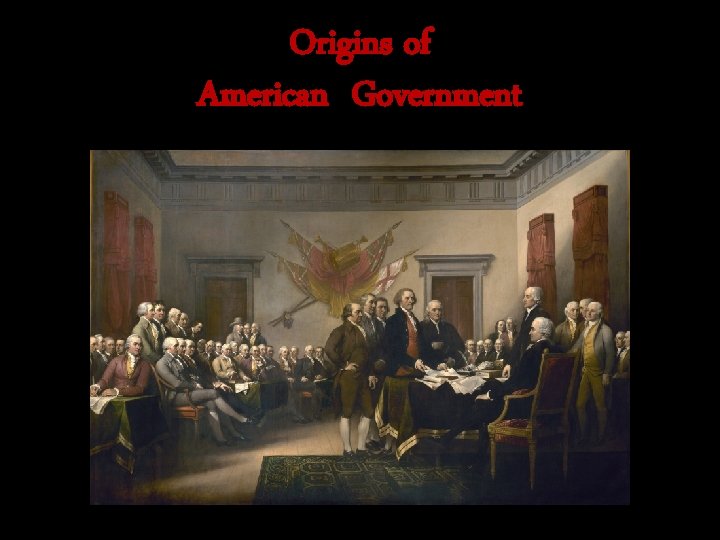
Origins of American Government
Basic Concepts of Government The English colonists in America brought with them three main concepts: • The need for ordered government • The idea of limited government—that government should not be all-powerful • The concept of representative government—a government that serves the will of the people
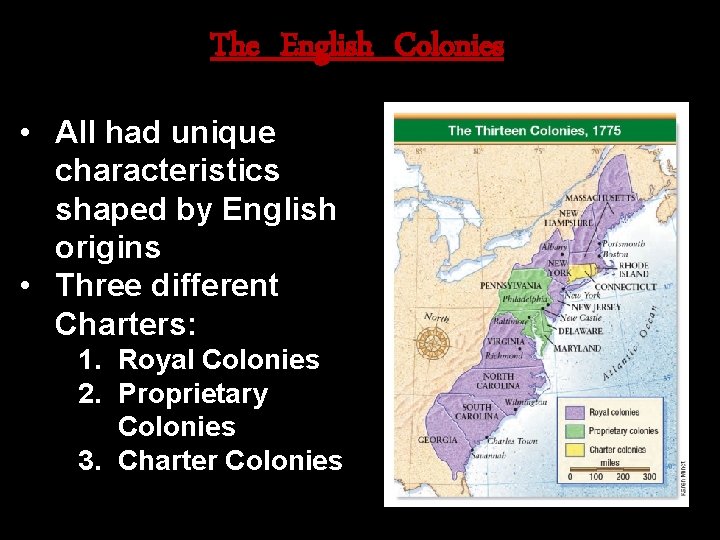
The English Colonies • All had unique characteristics shaped by English origins • Three different Charters: 1. Royal Colonies 2. Proprietary Colonies 3. Charter Colonies
Growing Colonial Unity 1. New England 2. The Albany Plan Confederation • 1754 - Benjamin Franklin proposed plan • In 1643, several New • Annual congress of England settlements delegates from each formed the New England colony would be Confederation 3. The Stamp Act Congress formed • 1765 - group of colonies sent delegates to the Stamp Act Congress in New York • Prepared Declaration of Rights and Grievances against British policies and sent it to the king
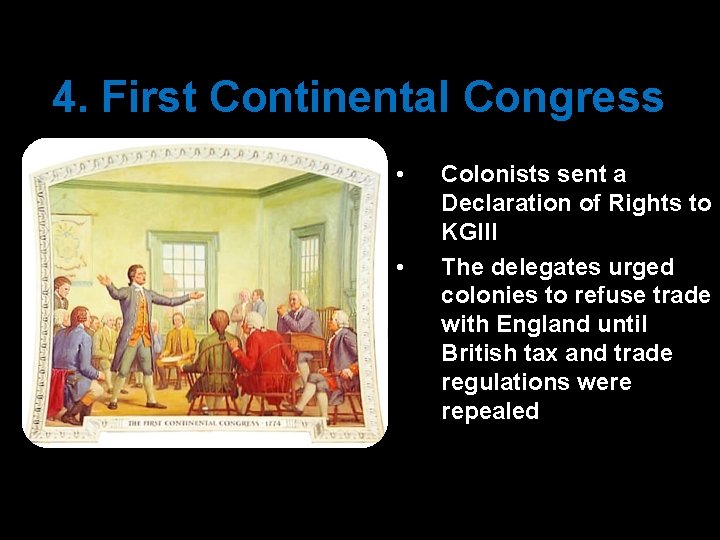
4. First Continental Congress • • Colonists sent a Declaration of Rights to KGIII The delegates urged colonies to refuse trade with England until British tax and trade regulations were repealed
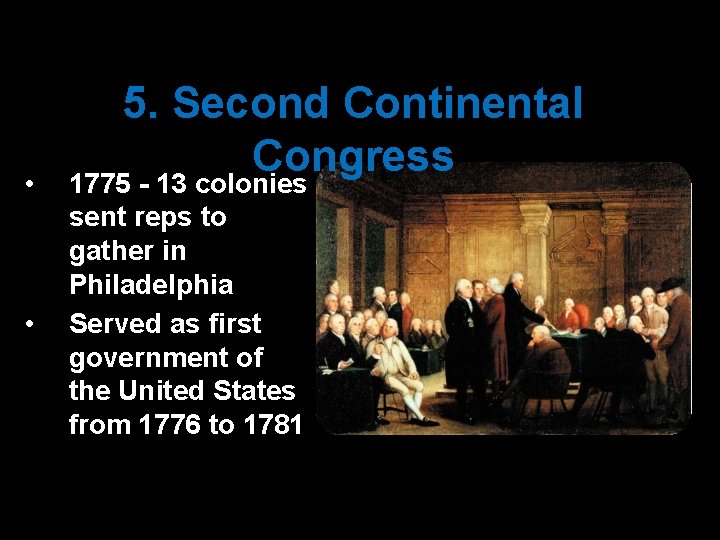
• • 5. Second Continental Congress 1775 - 13 colonies sent reps to gather in Philadelphia Served as first government of the United States from 1776 to 1781

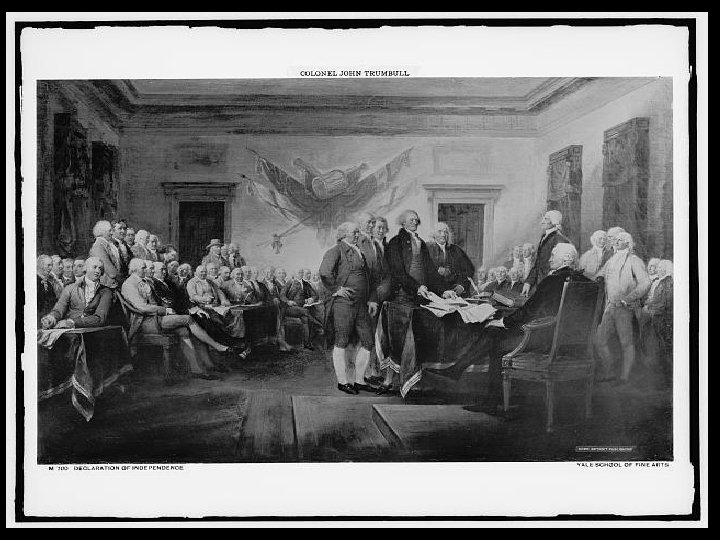
6. American Independence! On July 4, 1776, the Second Continental Congress adopted the Declaration of Independence
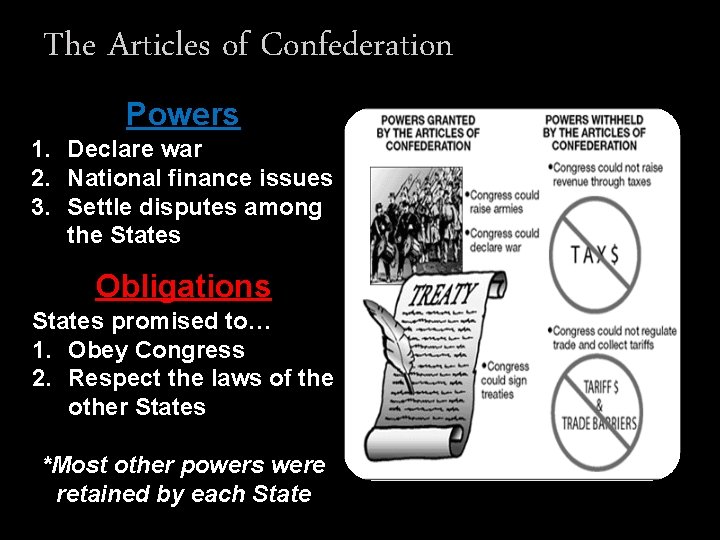
The Articles of Confederation Powers 1. Declare war 2. National finance issues 3. Settle disputes among the States Obligations States promised to… 1. Obey Congress 2. Respect the laws of the other States *Most other powers were retained by each State
LETS TALK ABOUT CAPs! • Quality of responses • Make up CAP response assignment • Topic Selection
Bell Ringer In your opinion, what was the biggest weakness of the Articles of Confederation? Why?
How are we going to fix this? ! • Read about the plans on pages 48 -54 • Describe the plans (bullet points) • Decide whether large or small, free or slave states would benefit

LETS TALK ABOUT the Debate!
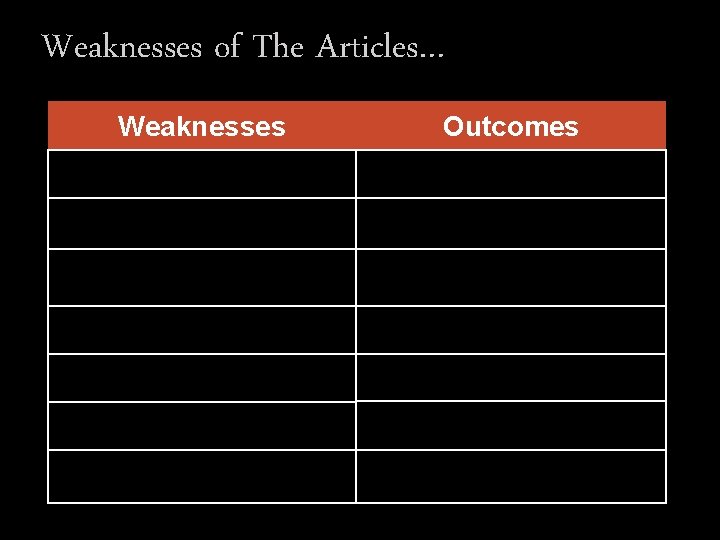
Weaknesses of The Articles… Weaknesses Outcomes Congress had no power to levy or collect taxes The government never had enough money Congress had no power to regulate foreign trade States quarreled and foreign trade was difficult Congress had no power to enforce its Relied on the states for laws enforcement Approval of 9 states needed to enact laws Laws were extremely difficult to pass 13 states needed to approve amendments to the Articles Nearly impossible to change the powers/structure of government Central government had no executive branch No way to coordinate the work of the government No national court system Central government couldn’t settle disputes among the states
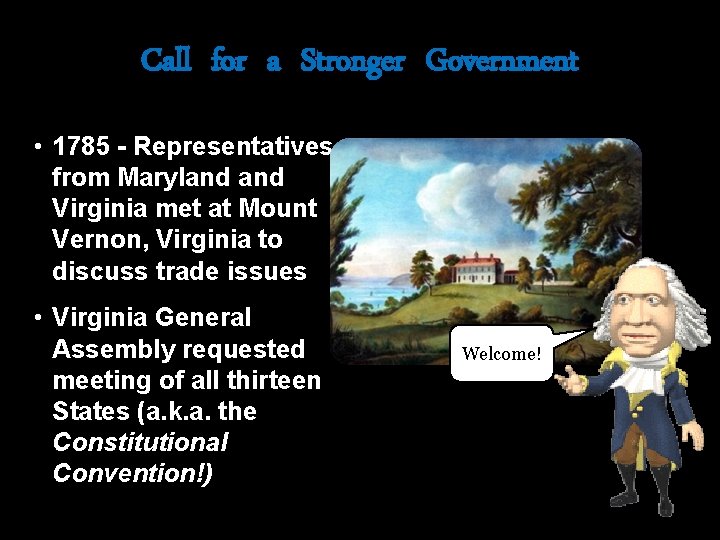
Call for a Stronger Government • 1785 - Representatives from Maryland Virginia met at Mount Vernon, Virginia to discuss trade issues • Virginia General Assembly requested meeting of all thirteen States (a. k. a. the Constitutional Convention!) Welcome!
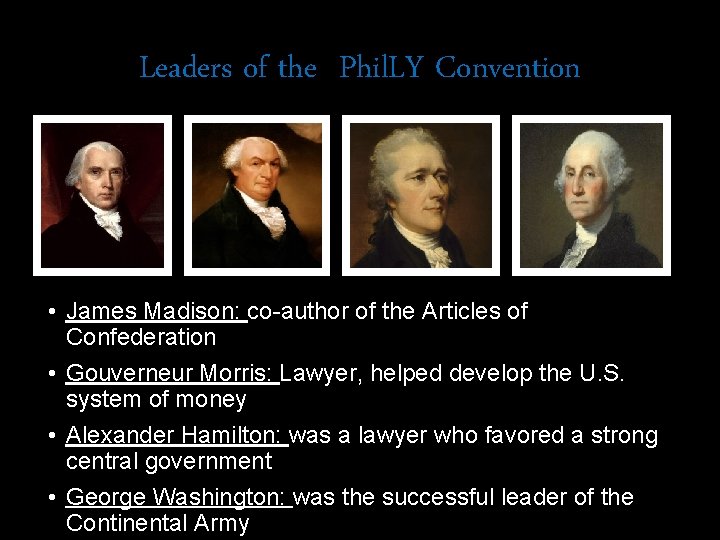
Leaders of the Phil. LY Convention • James Madison: co-author of the Articles of Confederation • Gouverneur Morris: Lawyer, helped develop the U. S. system of money • Alexander Hamilton: was a lawyer who favored a strong central government • George Washington: was the successful leader of the Continental Army
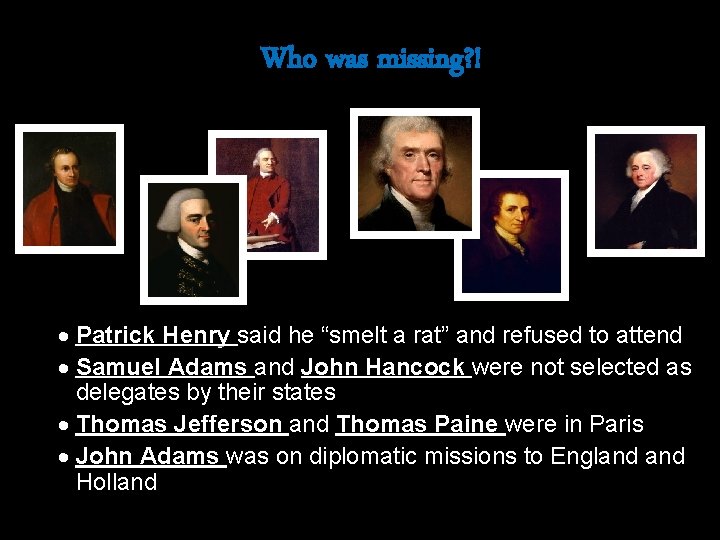
Who was missing? ! Patrick Henry said he “smelt a rat” and refused to attend Samuel Adams and John Hancock were not selected as delegates by their states Thomas Jefferson and Thomas Paine were in Paris John Adams was on diplomatic missions to England Holland
- Slides: 17