
Origin of Modern Astronomy Key Terms Geocentric Theory
- Slides: 18
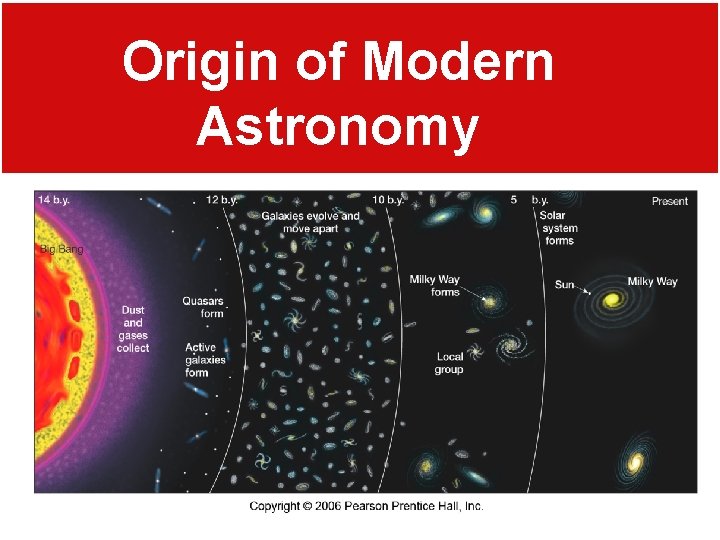
Origin of Modern Astronomy
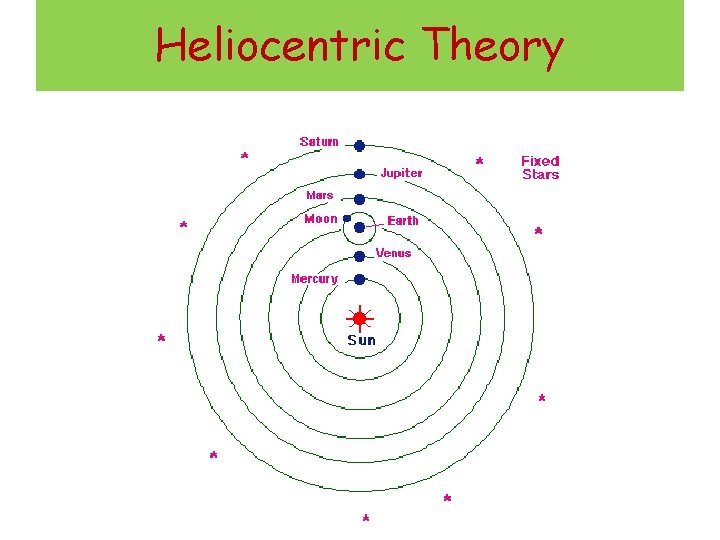
Key Terms Geocentric Theory - Earth Heliocentric Theory – centered Universe Sun centered Universe
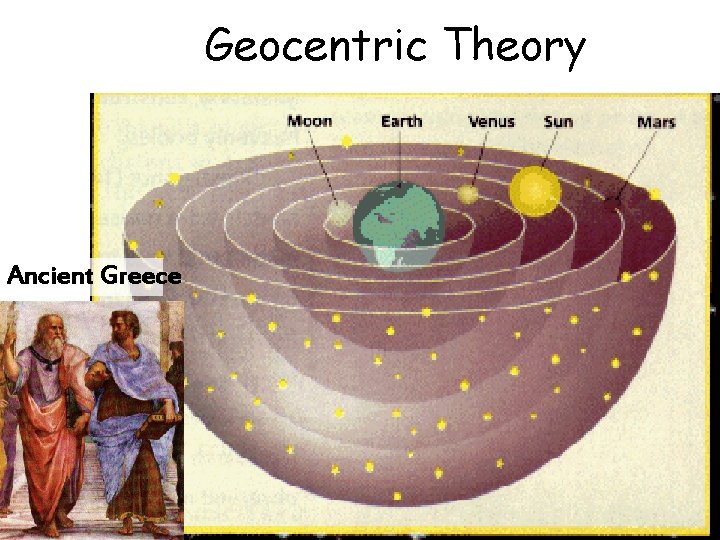
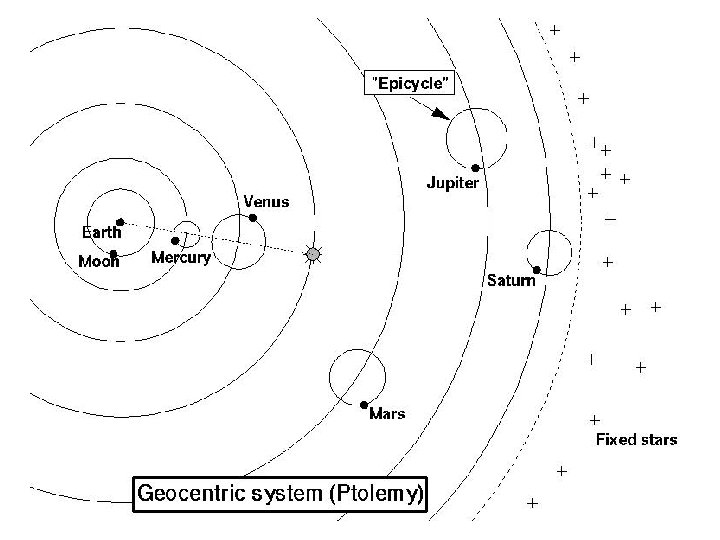
Geocentric Theory Ancient Greece
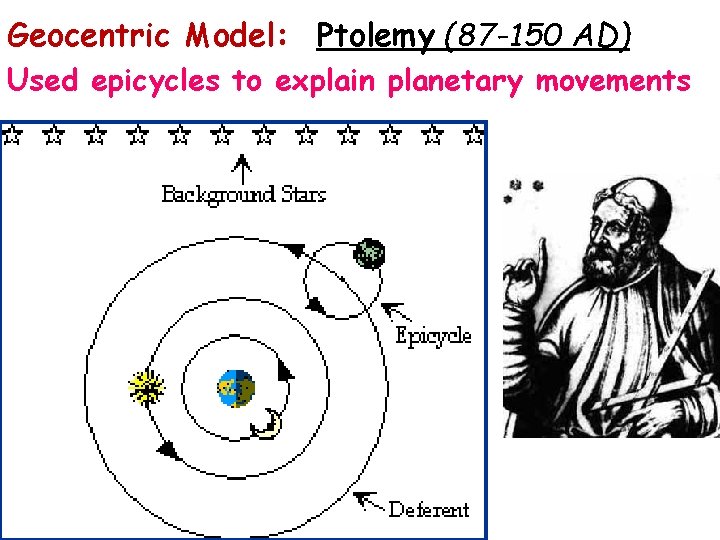
Geocentric Model: Ptolemy (87 -150 AD) Used epicycles to explain planetary movements
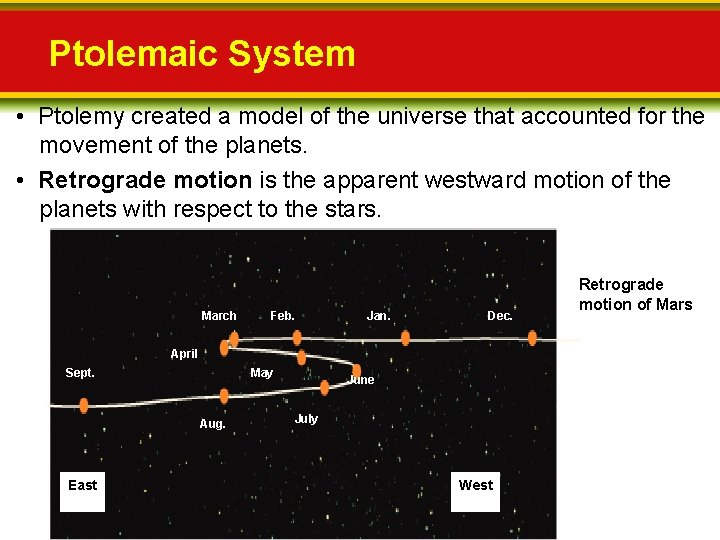
Ptolemaic System • Ptolemy created a model of the universe that accounted for the movement of the planets. • Retrograde motion is the apparent westward motion of the planets with respect to the stars. March Feb. Jan. Dec. April Sept. May Aug. East June July West Retrograde motion of Mars
Retrograde Motion https: //www. youtube. com/watch? v=72 Fr. Zz_z. JFU
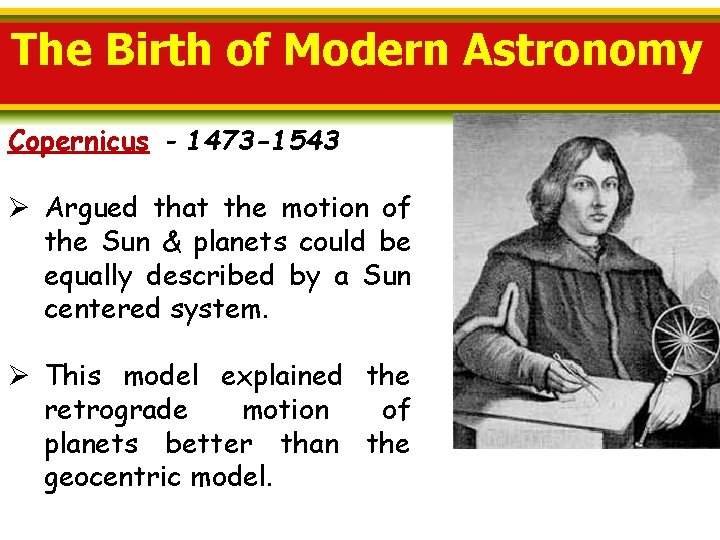
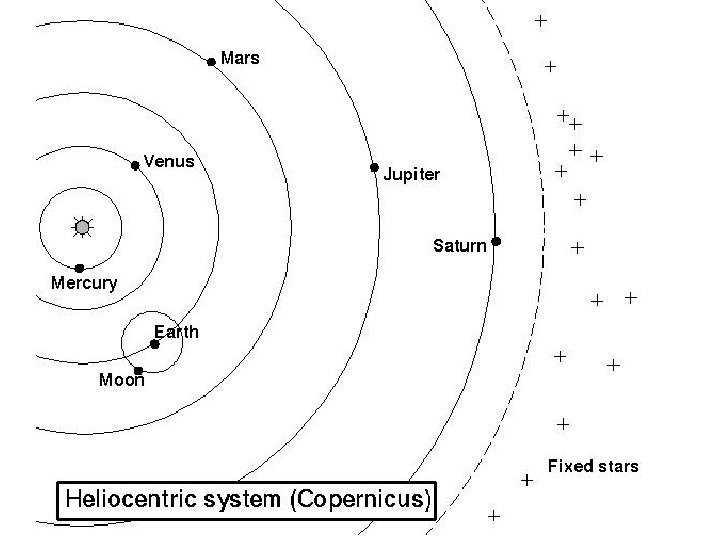
The Birth of Modern Astronomy Copernicus - 1473 -1543 Ø Argued that the motion of the Sun & planets could be equally described by a Sun centered system. Ø This model explained the retrograde motion of planets better than the geocentric model.
Heliocentric Theory
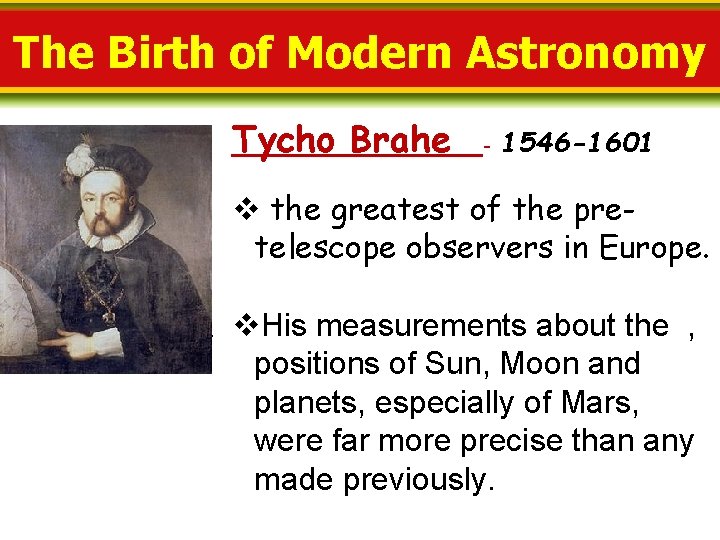
The Birth of Modern Astronomy Tycho Brahe Johannes Kepler - 1546 -1601 v the greatest of the pretelescope observers in Europe. v. His measurements about the , positions of Sun, Moon and planets, especially of Mars, were far more precise than any made previously.
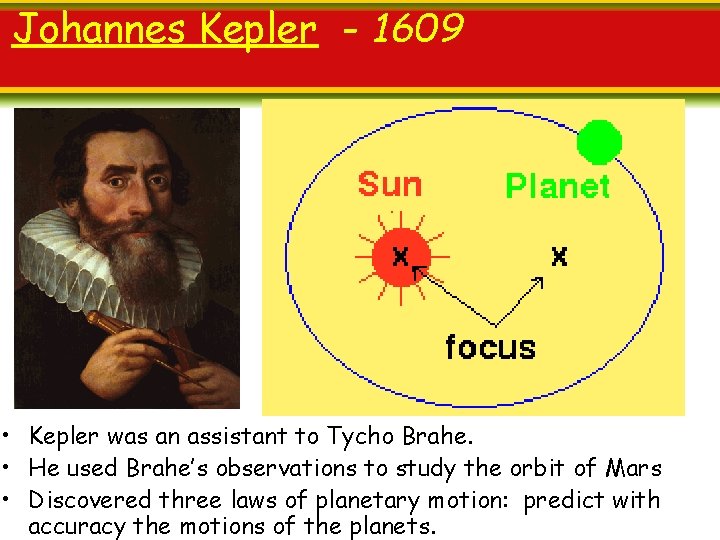
Johannes Kepler - 1609 • Kepler was an assistant to Tycho Brahe. • He used Brahe’s observations to study the orbit of Mars • Discovered three laws of planetary motion: predict with accuracy the motions of the planets.
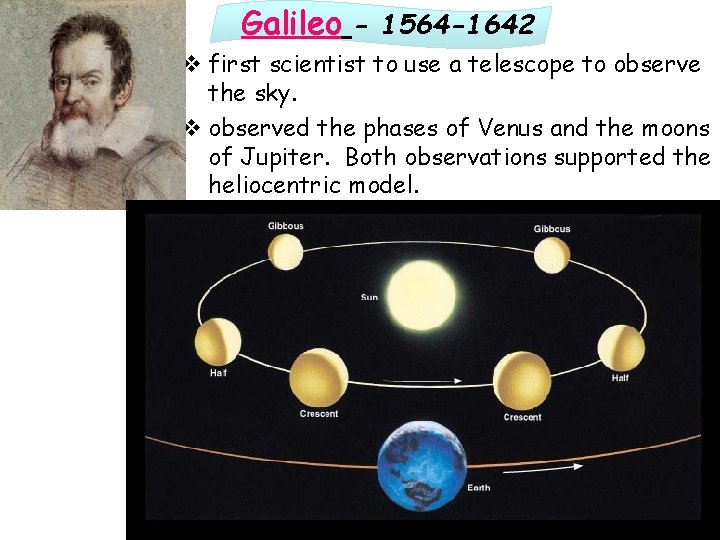
Galileo - 1564 -1642 v first scientist to use a telescope to observe the sky. v observed the phases of Venus and the moons of Jupiter. Both observations supported the heliocentric model.
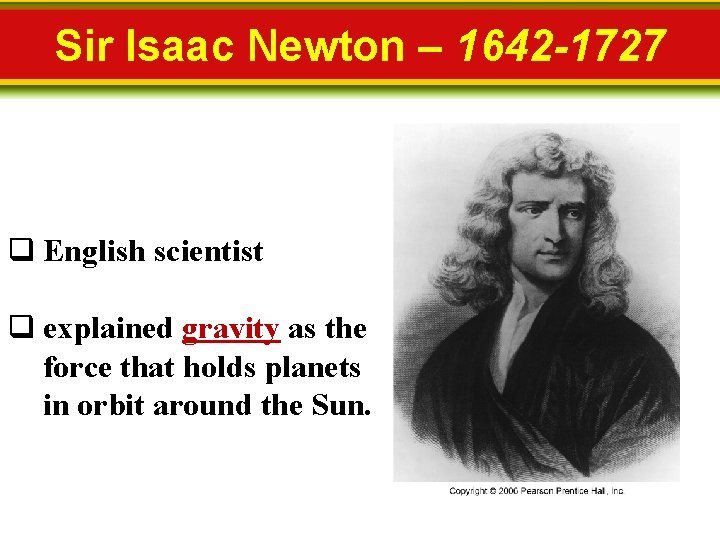
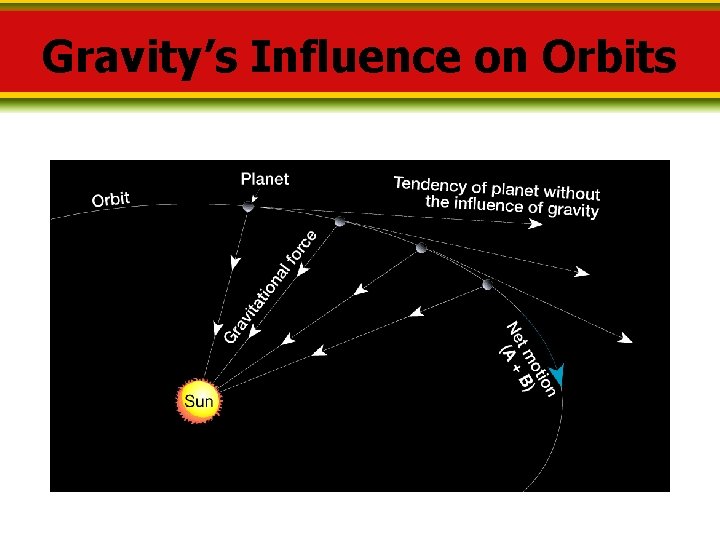
Sir Isaac Newton – 1642 -1727 q English scientist q explained gravity as the force that holds planets in orbit around the Sun.
Gravity’s Influence on Orbits
Gravity • Gravity is the force that – holds us to the Earth – causes a rock to fall towards the ground – causes the Earth to go around the Sun – causes the Sun to be pulled towards the center of the Milky Way galaxy • Gravity acts between any two objects even if they are far apart.
Modern Universe Is the Sun the center of the Universe?
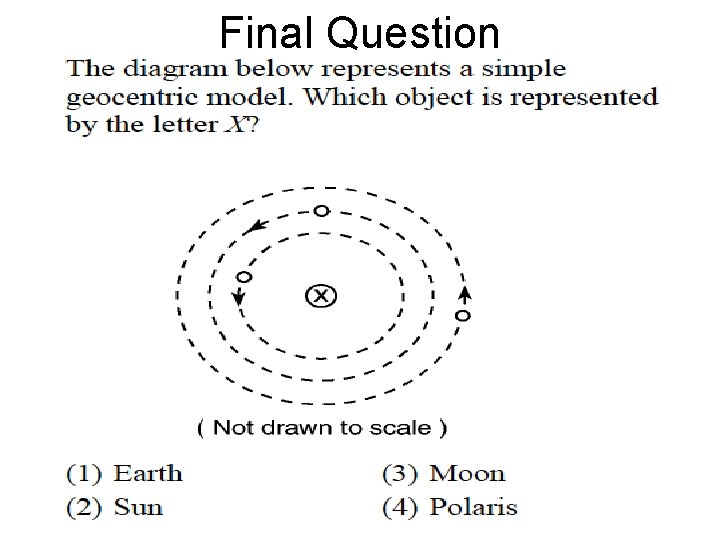
Final Question • Final Question