
ORIENTATION TO PARTICIPATORY GOVERNANCE AT CAADA COLLEGE For



- Slides: 44
ORIENTATION TO PARTICIPATORY GOVERNANCE AT CAÑADA COLLEGE For Planning and Budgeting Council (PBC) and other participatory governance committee members and prospective members by Dean of Planning, Research and Institutional Effectiveness (PRIE), Karen Engel Vice President of Administrative Services, Graciano Mendoza August 23, 2019
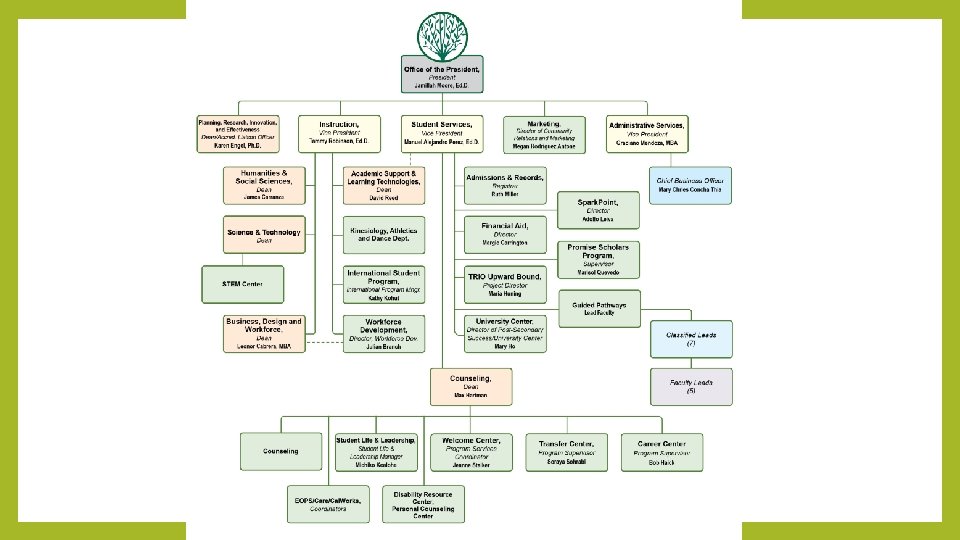
Agenda • Mission, Vision, and Values of the College • College Organizational Chart • What is Participatory Governance? • The Law • Roles and Responsibilities of Council Members • Program Review, Priority Setting and Resource Allocation • Integrated planning and budgeting cycle • Measuring and monitoring our effectiveness
Mission Cañada College provides our community with a learning-centered environment, ensuring that all students have equitable opportunities to achieve their transfer, career education, and lifelong learning educational goals. The College cultivates in its students the ability to think critically and creatively, communicate effectively, reason quantitatively, and understand appreciate different points of view within a diverse community.
Vision Cañada College is committed to being a preeminent institution of learning, renowned for its quality of academic life, its diverse culture and practice of personal support and development, extraordinary student success, and its dynamic, innovative programs that prepare students for the university, the modern workplace, and the global community.
Values • Transforming Lives • High Academic Standards • Diverse and Inclusive Environment • Student Success in Achieving Educational Goals • Community, Education, and Industry Partnerships • Communication and Collaboration • Engaging Student Life • Accountability • Sustainability • Transparency
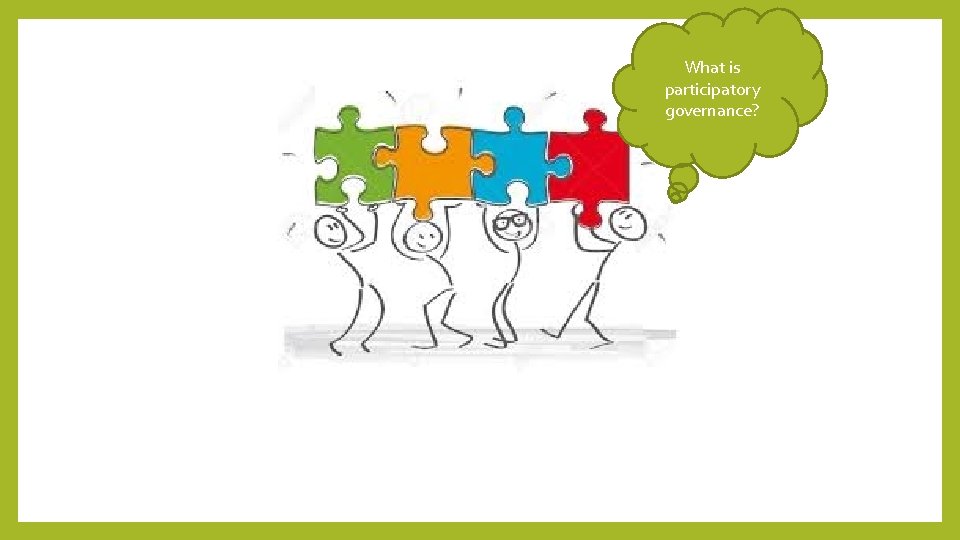
What is participatory governance?
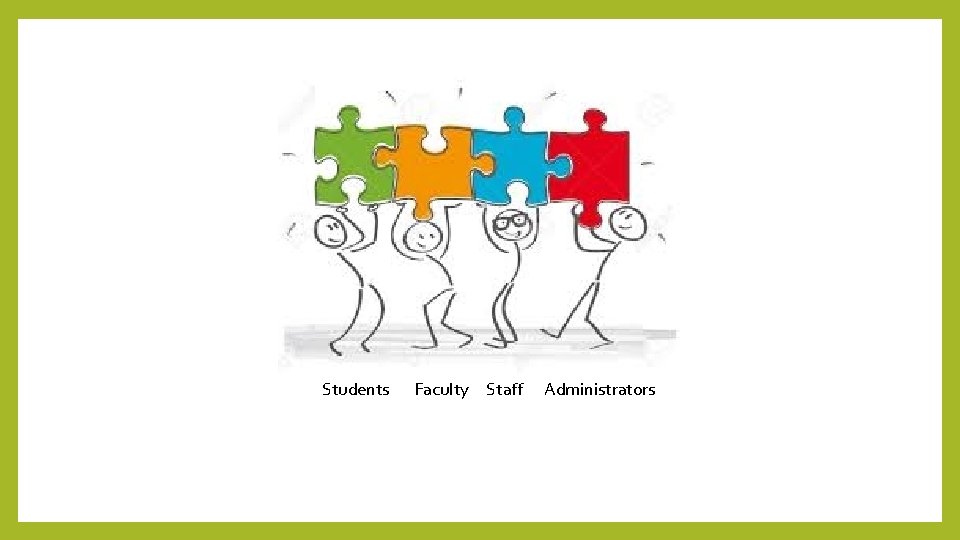
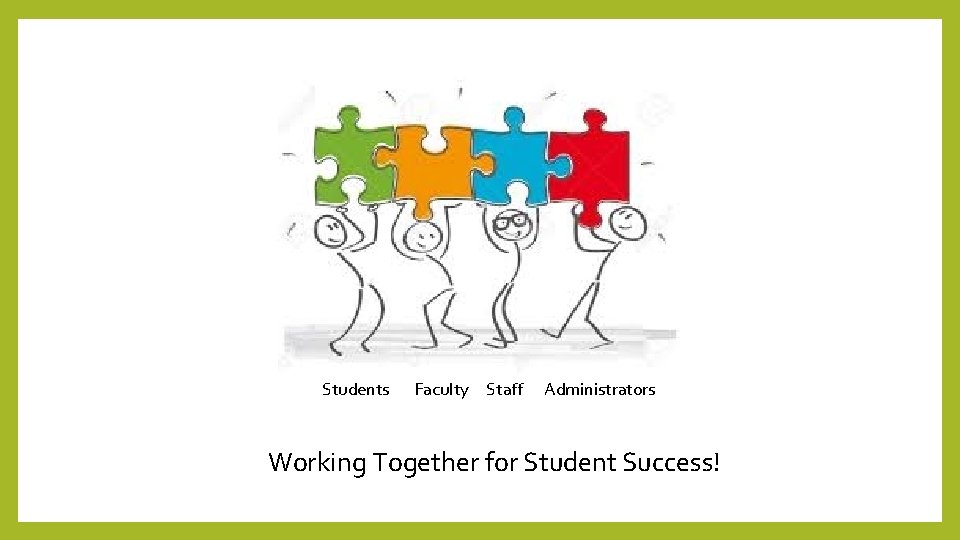
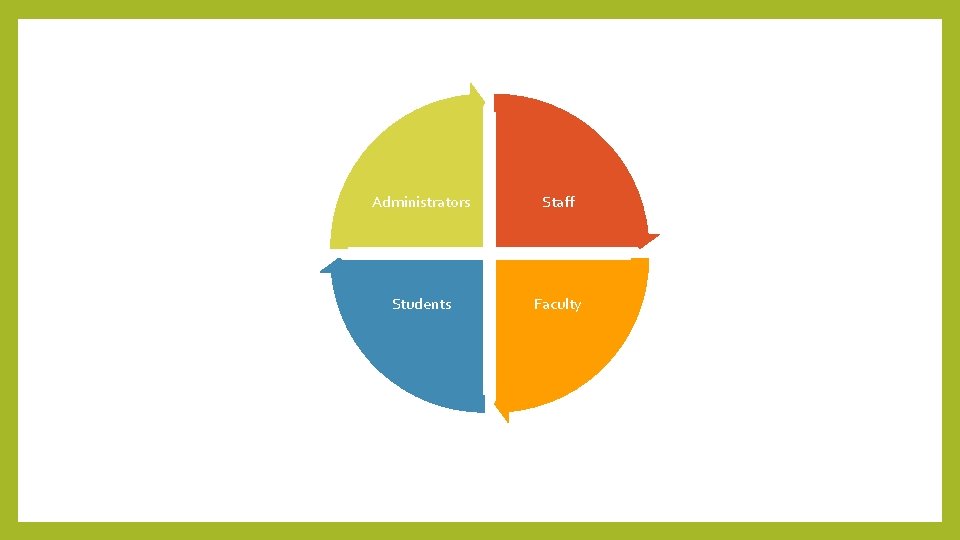
Students Faculty Staff Administrators
Students Faculty Staff Administrators Working Together for Student Success!
Participatory Governance “ … not a simple process to implement – goodwill, thoughtful people, a willingness to take risks and the ability to admit problems exist – can go far toward establishing a positive environment… The central objective should be creation of a climate where energy is devoted to solving crucial educational tasks and not to turf battles over governance. ” CCCT/CEOCCC Policy Paper, December 1989
Participatory Governance: the law Board of Governors shall establish "minimum standards" and local governing boards shall "establish procedures not inconsistent" with those standards to ensure: Faculty, staff and students the right to participate effectively in district and college governance and The right of academic senates to assume primary responsibility for making recommendations in the areas of curriculum and academic standards. Education Code Sections 70901 and 70902
Participatory Governance: Academic Senates (a) The governing board shall adopt policies for appropriate delegation of authority and responsibility to its academic senate. …providing at a minimum the governing board or its designees consult collegially with the academic senate when adopting policies and procedures on academic and professional matters. Title 5 § 53203 uic k T i m e ™ a n d a d ec om p re s s o r a r e n e e d to s e e t hi s pi c tur e.
Academic Senates “ 10+1” Academic and professional matters means the following policy development and implementation matters: • • • Degree and certificate requirements Curriculum, including establishing prerequisites and placing courses within disciplines Grading policies Educational program development Standards or policies regarding student preparation and success District and college governance structures, as related to faculty roles Faculty roles and involvement in accreditation processes, including self study and annual reports Policies for faculty professional development activities Processes for program review Processes for institutional planning and budget development, and Other academic and professional matters as mutually agreed upon between the governing board and the academic senate. Title 5 § 53200
Academic Senates “ 10+1” Academic and professional matters means the following policy development and implementation matters: • • • Degree and certificate requirements Curriculum, including establishing prerequisites and placing courses within disciplines Grading policies Educational program development Standards or policies regarding student preparation and success District and college governance structures, as related to faculty roles Faculty roles and involvement in accreditation processes, including self study and annual reports Policies for faculty professional development activities Processes for program review Processes for institutional planning and budget development, and Other academic and professional matters as mutually agreed upon between the governing board and the academic senate. Title 5 § 53200
Administrators Staff Students Faculty
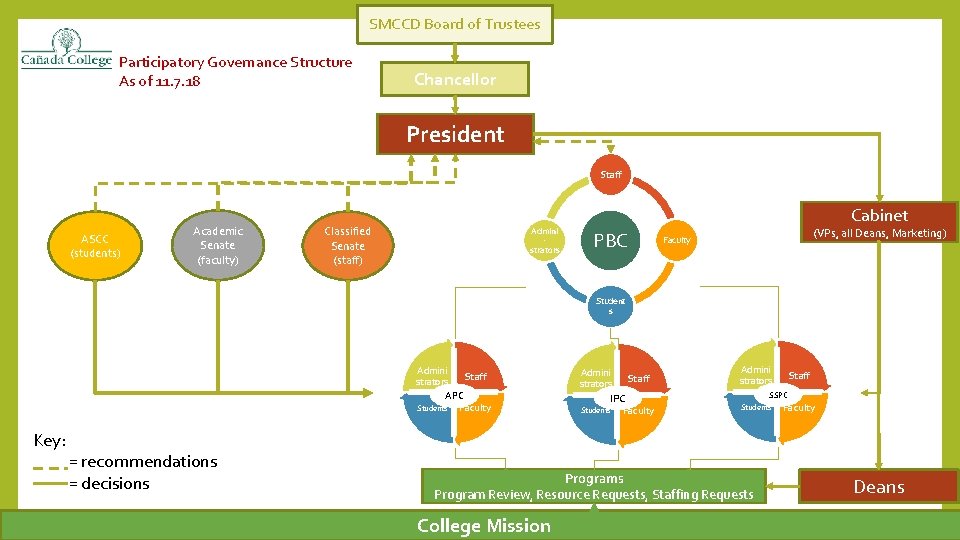
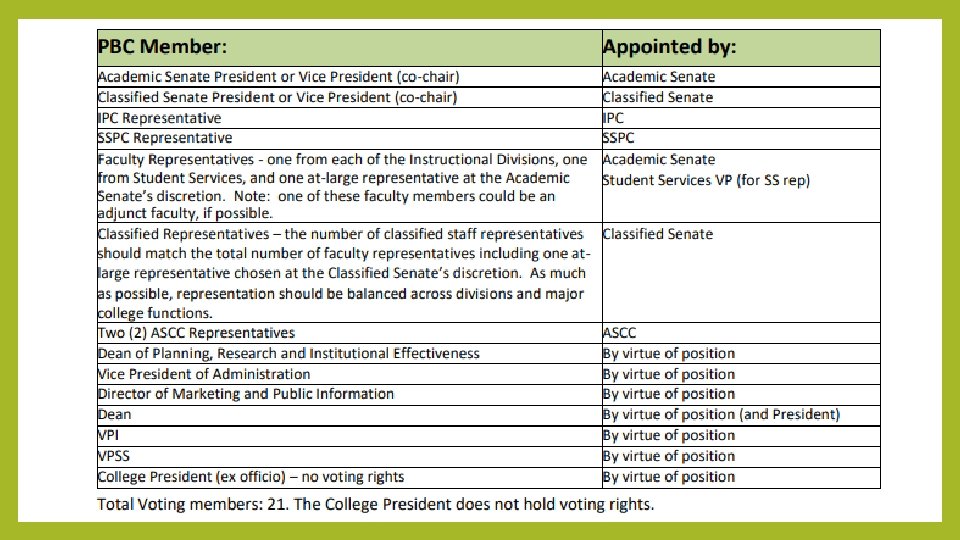
SMCCD Board of Trustees Participatory Governance Structure As of 11. 7. 18 Chancellor President Staff ASCC (students) Academic Senate (faculty) Classified Senate (staff) Admini strators Cabinet PBC (VPs, all Deans, Marketing) Faculty Student s Admini Staff strators APC Students Key: = recommendations = decisions Faculty Admini strators Staff IPC Students Faculty Admini strators SSPC Students Program Review, Resource Requests, Staffing Requests College Mission Staff Faculty Deans
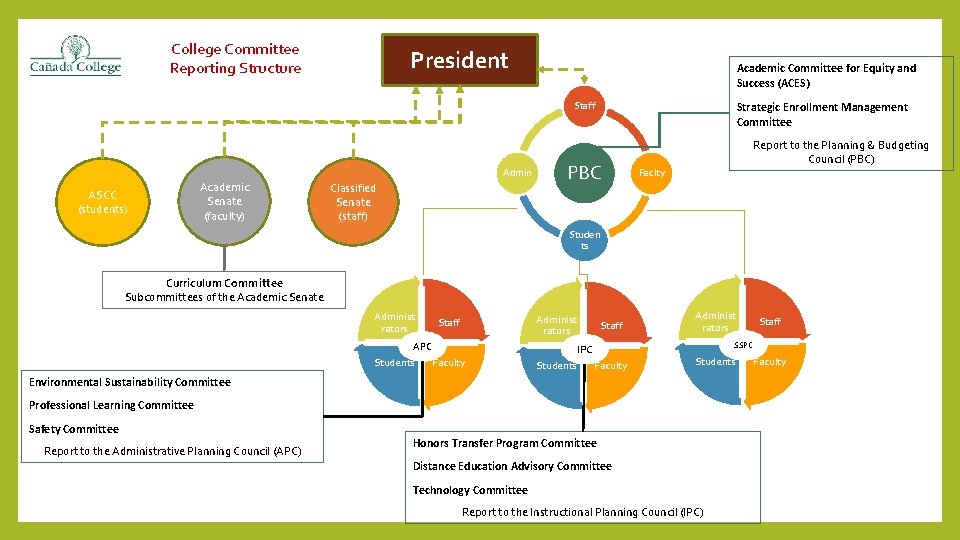
College Committee Reporting Structure President Academic Committee for Equity and Success (ACES) Strategic Enrollment Management Committee Staff Admin ASCC (students) Academic Senate (faculty) Classified Senate (staff) PBC Report to the Planning & Budgeting Council (PBC) Faclty Studen ts Curriculum Committee Subcommittees of the Academic Senate Administ rators Staff APC Students Faculty Staff IPC Students Faculty Administ rators SSPC Students Environmental Sustainability Committee Professional Learning Committee Safety Committee Report to the Administrative Planning Council (APC) Staff Honors Transfer Program Committee Distance Education Advisory Committee Technology Committee Report to the Instructional Planning Council (IPC) Faculty
Roles & responsibilities of Council members • Communicating • Representing your constituency while keeping your “college-wide” hat on - wearing multiple hats! • Responsibility for the overall well-being of the College as a whole • Ultimately: recommendations to President
PBC Responsibilities PBC advises and makes recommendations to the President on matters pertaining to: • prioritizing expenditures to advance the College goals • planning • governance issues • Serve as the Accreditation Oversight Committee • issues regarding college facilities, maintenance, and operations • issues regarding campus climate • any other issue affecting the well-being of the College at large
PBC Responsibilities The PBC reviews College and District policies and develops procedures to implement policy; provides accreditation oversight; establishes ad hoc work groups and subcommittees to address college planning needs and priorities.
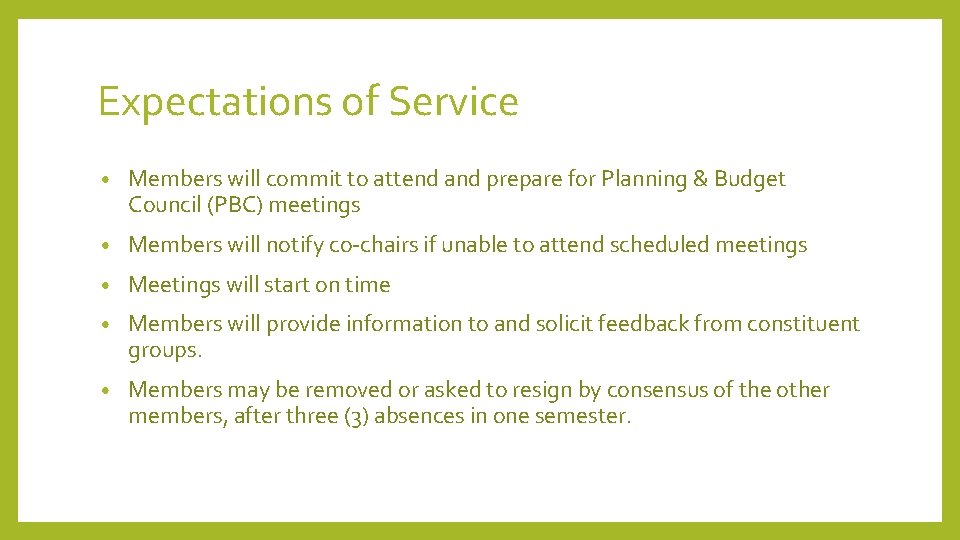
Expectations of Service • Members will commit to attend and prepare for Planning & Budget Council (PBC) meetings • Members will notify co-chairs if unable to attend scheduled meetings • Meetings will start on time • Members will provide information to and solicit feedback from constituent groups. • Members may be removed or asked to resign by consensus of the other members, after three (3) absences in one semester.
PROGRAM REVIEW, PRIORITY SETTING AND RESOURCE ALLOCATION
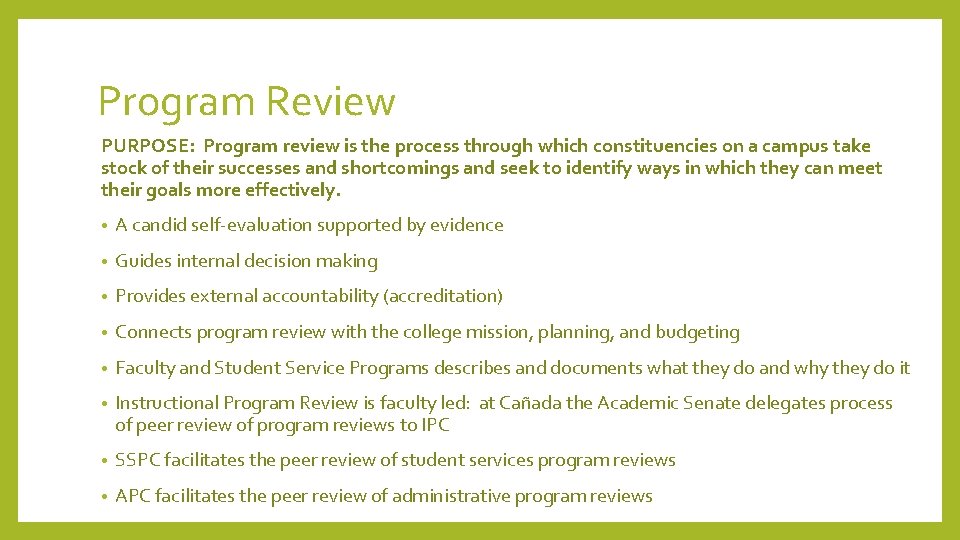
Program Review PURPOSE: Program review is the process through which constituencies on a campus take stock of their successes and shortcomings and seek to identify ways in which they can meet their goals more effectively. • A candid self-evaluation supported by evidence • Guides internal decision making • Provides external accountability (accreditation) • Connects program review with the college mission, planning, and budgeting • Faculty and Student Service Programs describes and documents what they do and why they do it • Instructional Program Review is faculty led: at Cañada the Academic Senate delegates process of peer review of program reviews to IPC • SSPC facilitates the peer review of student services program reviews • APC facilitates the peer review of administrative program reviews
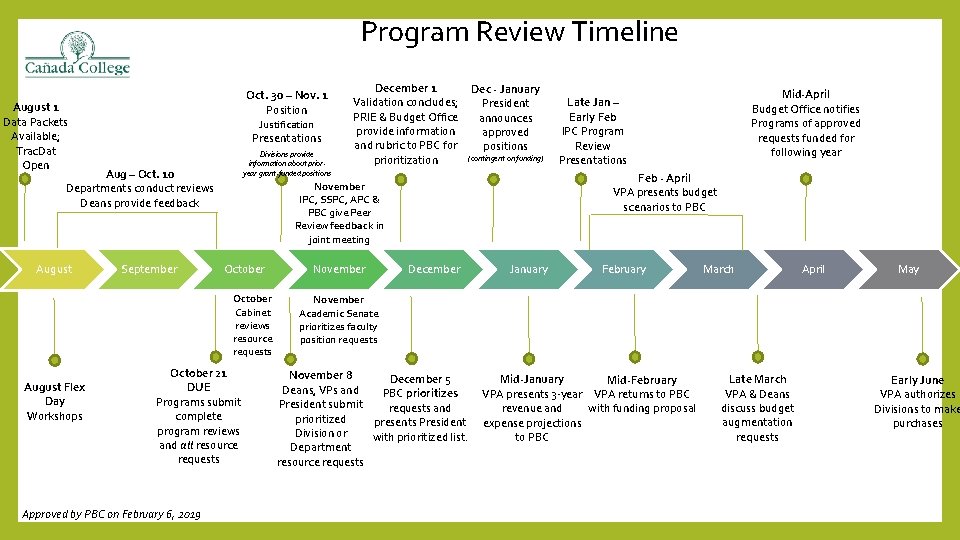
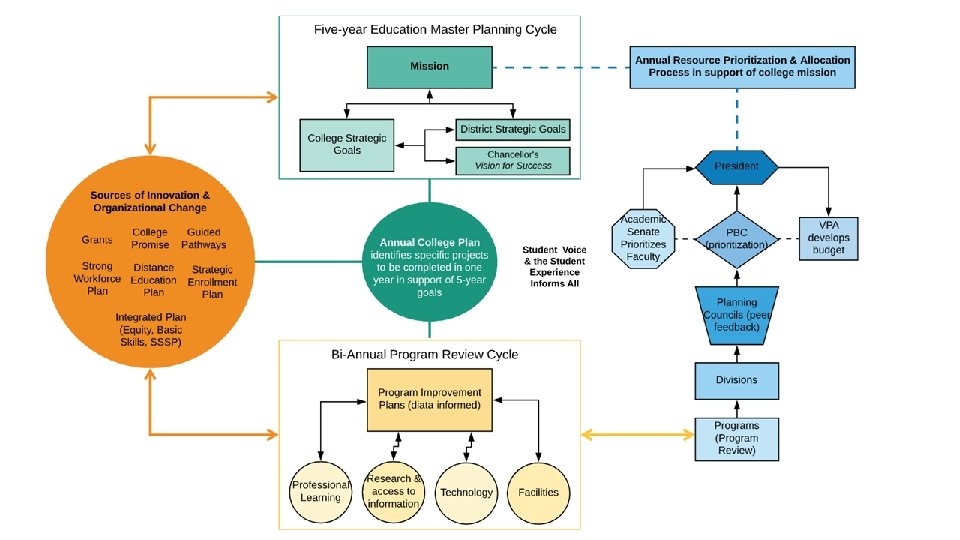
Program Review Timeline Oct. 30 – Nov. 1 Position August 1 Data Packets Available; Trac. Dat Open Justification Presentations Aug – Oct. 10 Departments conduct reviews Deans provide feedback August September Divisions provide information about prior‐ year grant‐funded positions October 21 DUE Programs submit complete program reviews and all resource requests Approved by PBC on February 6, 2019 November Mid-April Budget Office notifies Programs of approved requests funded for following year Late Jan – Early Feb IPC Program Review Presentations Feb - April VPA presents budget scenarios to PBC November IPC, SSPC, APC & PBC give Peer Review feedback in joint meeting October Cabinet reviews resource requests August Flex Day Workshops December 1 Dec - January Validation concludes; President PRIE & Budget Office announces provide information approved and rubric to PBC for positions (contingent on funding) prioritization December January February March April May November Academic Senate prioritizes faculty position requests November 8 December 5 Mid-January Mid-February Deans, VPs and PBC prioritizes VPA presents 3 -year VPA returns to PBC President submit requests and revenue and with funding proposal prioritized presents President expense projections Division or with prioritized list. to PBC Department resource requests Late March VPA & Deans discuss budget augmentation requests Early June VPA authorizes Divisions to make purchases
Planning for the Future • The Cycle • Forward Planning –for FY 2020 -21 • One-time requests • On-going (recurring) requests
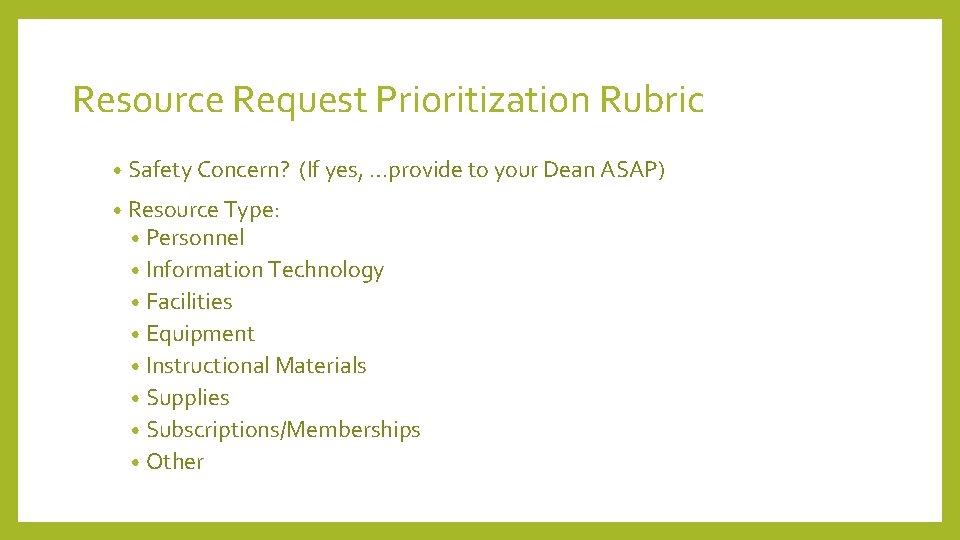
Resource Request Prioritization Rubric • Safety Concern? (If yes, …provide to your Dean ASAP) • Resource Type: • Personnel • Information Technology • Facilities • Equipment • Instructional Materials • Supplies • Subscriptions/Memberships • Other
Budget Development & Program Review Timeline
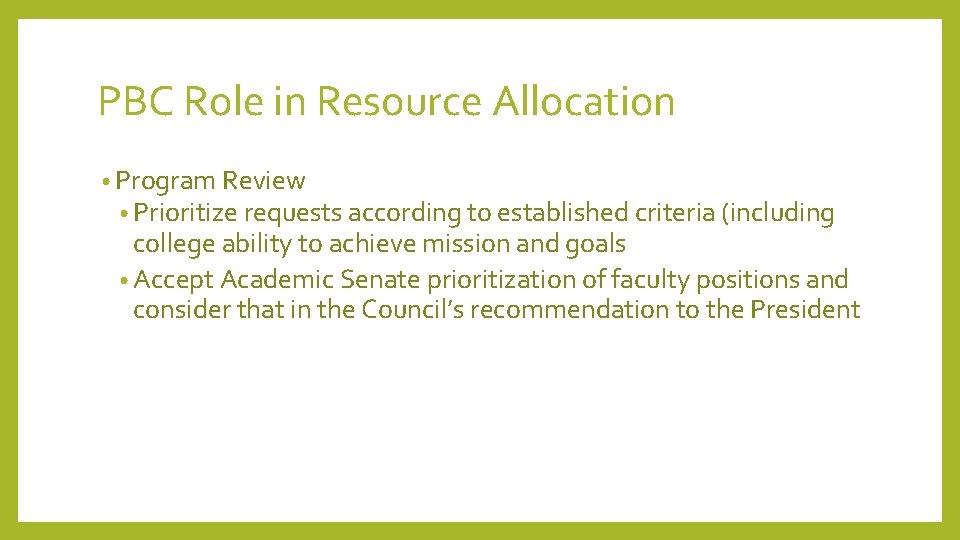
PBC Role in Resource Allocation • Program Review • Prioritize requests according to established criteria (including college ability to achieve mission and goals • Accept Academic Senate prioritization of faculty positions and consider that in the Council’s recommendation to the President
INTEGRATED PLANNING & BUDGETING
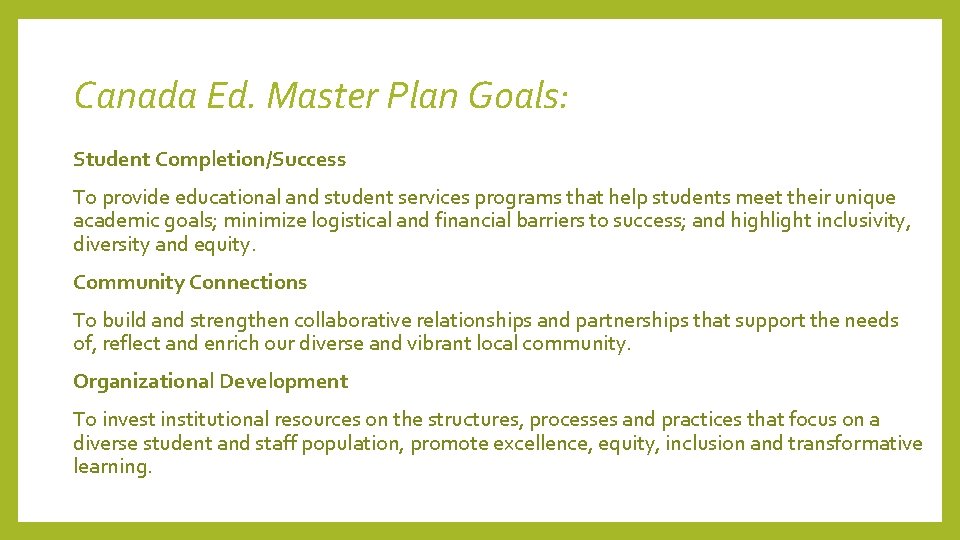
Canada Ed. Master Plan Goals: Student Completion/Success To provide educational and student services programs that help students meet their unique academic goals; minimize logistical and financial barriers to success; and highlight inclusivity, diversity and equity. Community Connections To build and strengthen collaborative relationships and partnerships that support the needs of, reflect and enrich our diverse and vibrant local community. Organizational Development To invest institutional resources on the structures, processes and practices that focus on a diverse student and staff population, promote excellence, equity, inclusion and transformative learning.
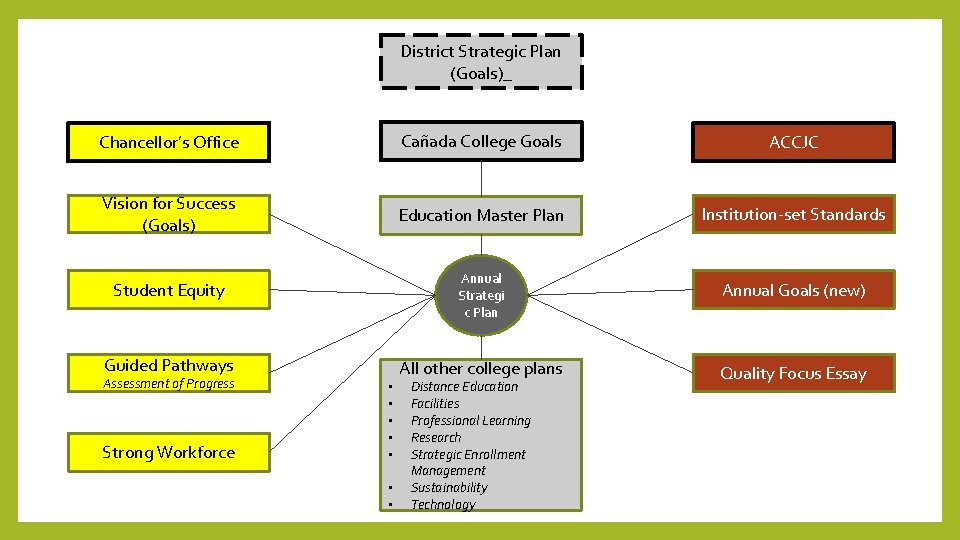
District Strategic Plan (Goals)_ Chancellor’s Office Cañada College Goals ACCJC Vision for Success (Goals) Education Master Plan Institution-set Standards Student Equity Annual Strategi c Plan Annual Goals (new) Guided Pathways All other college plans Quality Focus Essay Assessment of Progress Strong Workforce • • Distance Education Facilities Professional Learning Research Strategic Enrollment Management Sustainability Technology
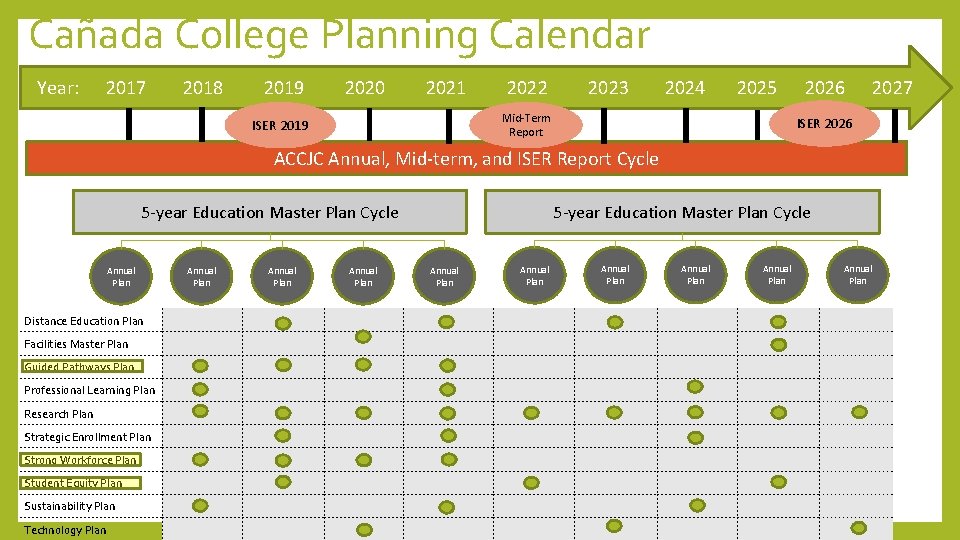
Cañada College Planning Calendar Year: 2017 2018 2019 2020 2021 2022 2023 2024 2025 Mid-Term Report ISER 2019 2026 ISER 2026 ACCJC Annual, Mid-term, and ISER Report Cycle 5 -year Education Master Plan Cycle Annual Plan Distance Education Plan Facilities Master Plan Guided Pathways Plan Professional Learning Plan Research Plan Strategic Enrollment Plan Strong Workforce Plan Student Equity Plan Sustainability Plan Technology Plan Annual Plan Annual Plan Annual Plan 2027
MEASURING OUR EFFECTIVENESS
Institution-set Standards: student achievement
Institution-set Standards: programmatic achievement
Institution-set Standards: operational metrics
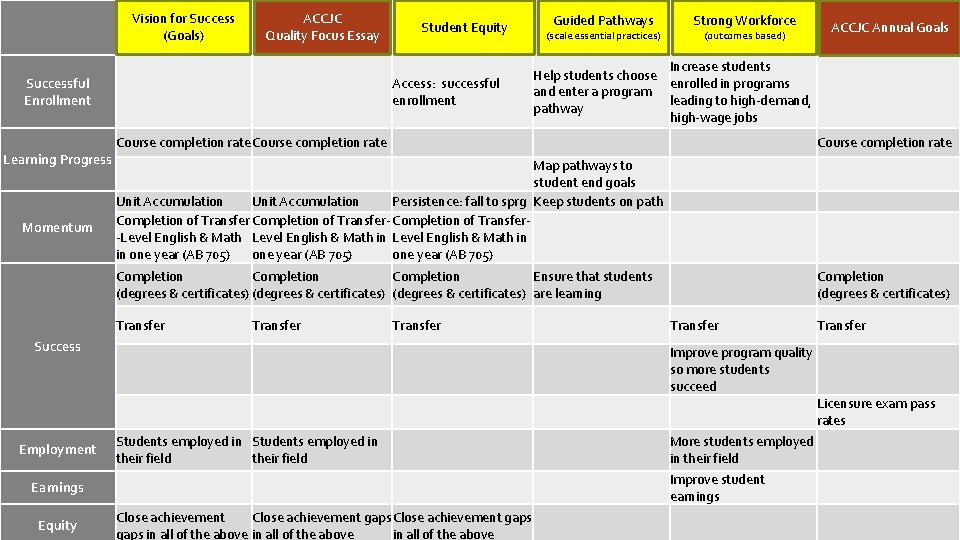
ACCJC Quality Focus Essay Vision for Success (Goals) Successful Enrollment Learning Progress Momentum Guided Pathways Student Equity Access: successful enrollment Course completion rate Earnings Equity Map pathways to student end goals Unit Accumulation Persistence: fall to sprg Keep students on path Completion of Transfer- Completion of Transfer -Level English & Math in one year (AB 705) ACCJC Annual Goals (outcomes based) Increase students Help students choose enrolled in programs and enter a program leading to high-demand, pathway high-wage jobs Course completion rate Completion Ensure that students (degrees & certificates) are learning Completion (degrees & certificates) Transfer Transfer Success Employment Strong Workforce (scale essential practices) Improve program quality so more students succeed Licensure exam pass rates Students employed in their field More students employed in their field Improve student earnings Close achievement gaps in all of the above
Important Information • • • PBC Website PBC Co-Chairs: Jeanne Stalker and Diana Tedone. Goldstone PBC Bylaws Participatory Governance Manual Compendium of Committees PBC Agenda Planning Team Members: Co-Chairs plus President Moore, VPA Mendoza , and Dean of PRIE, Engel
QUESTIONS & ANSWERS