
Organizational Strategy Information Systems and Competitive Advantage Differentiation



- Slides: 27
Organizational Strategy, Information Systems, and Competitive Advantage
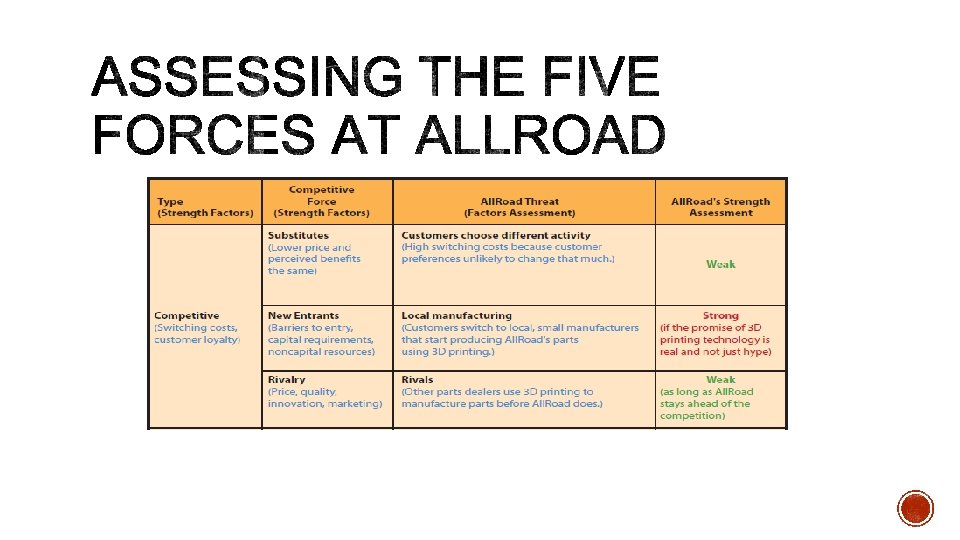
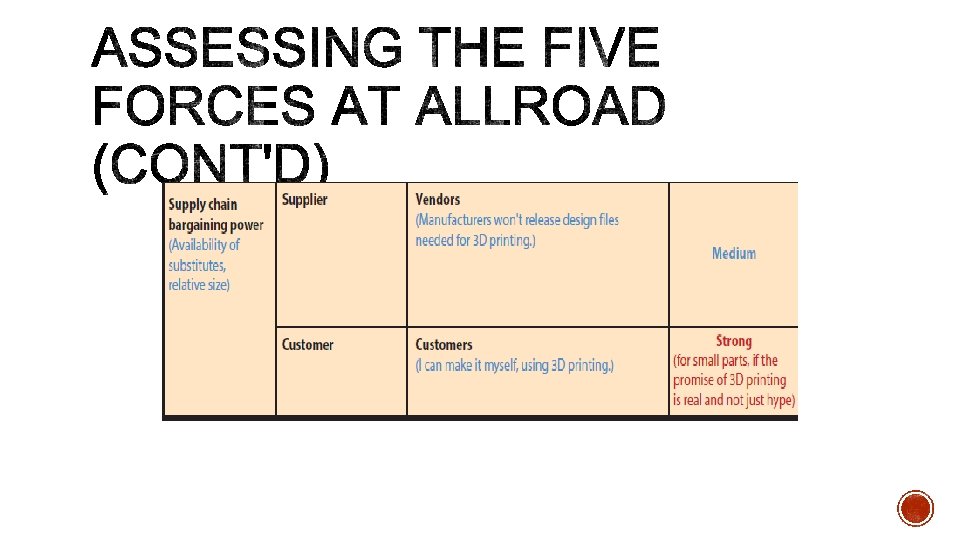
• Differentiation strategy having a large inventory of parts • Competitive strategy threatened by 3 D printing • Jason wants to respond by manufacturing some parts • Drew to explore possibilities and challenges associated with 3 D printing
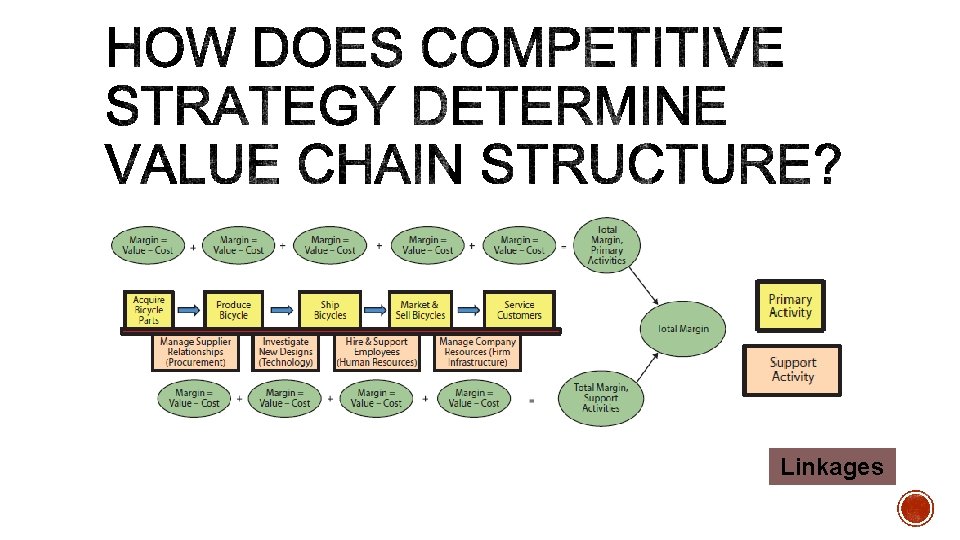
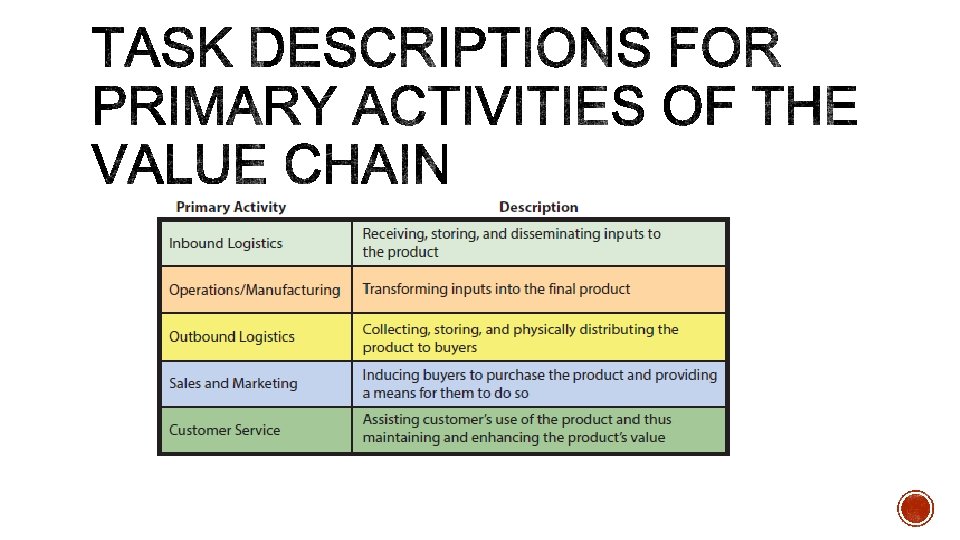
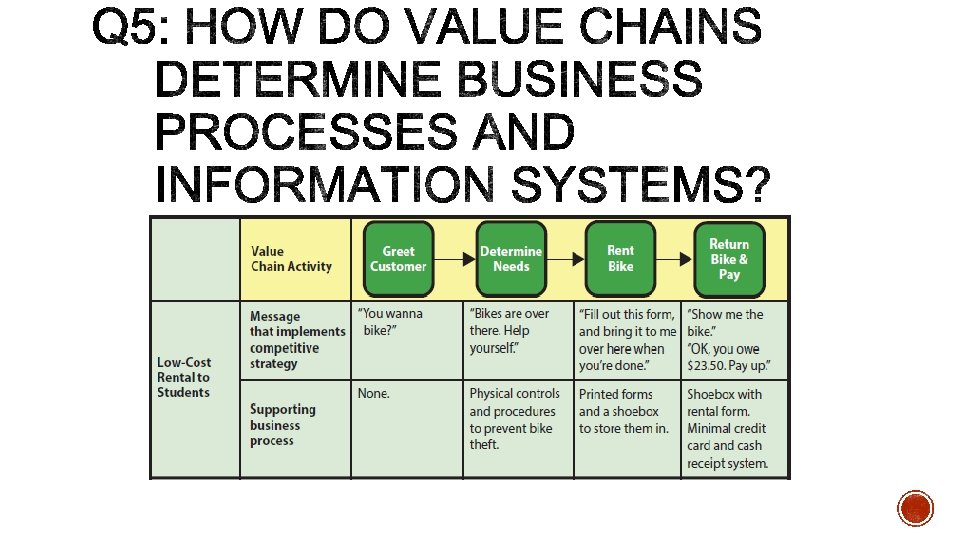
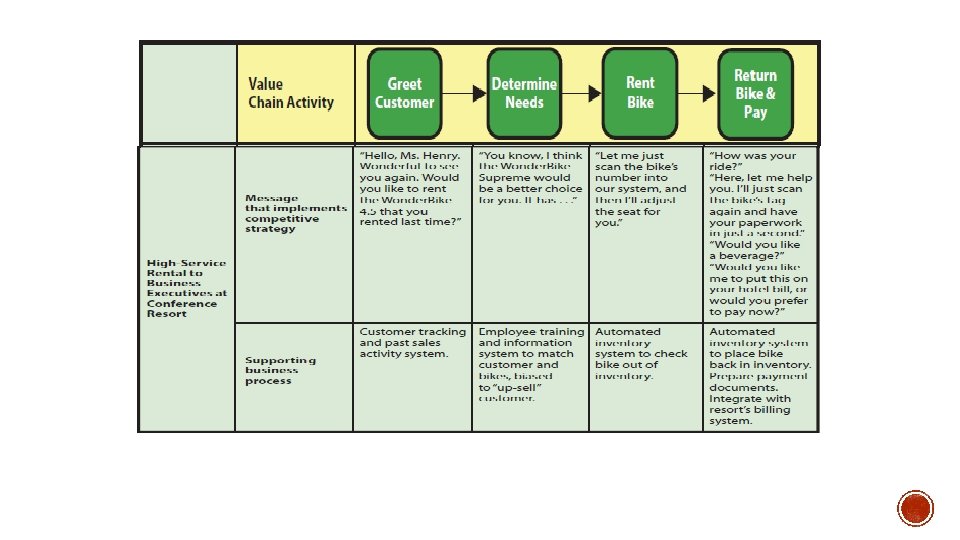
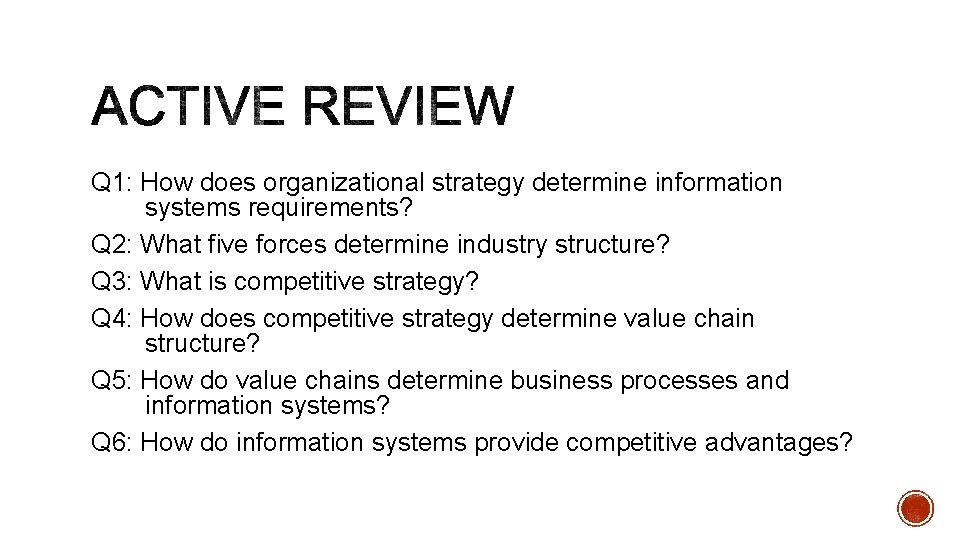
Q 1: How does organizational strategy determine information systems requirements? Q 2: What five forces determine industry structure? Q 3: What is competitive strategy? Q 4: How does competitive strategy determine value chain structure? Q 5: How do value chains determine business processes and information systems? Q 6: How do information systems provide competitive advantages?
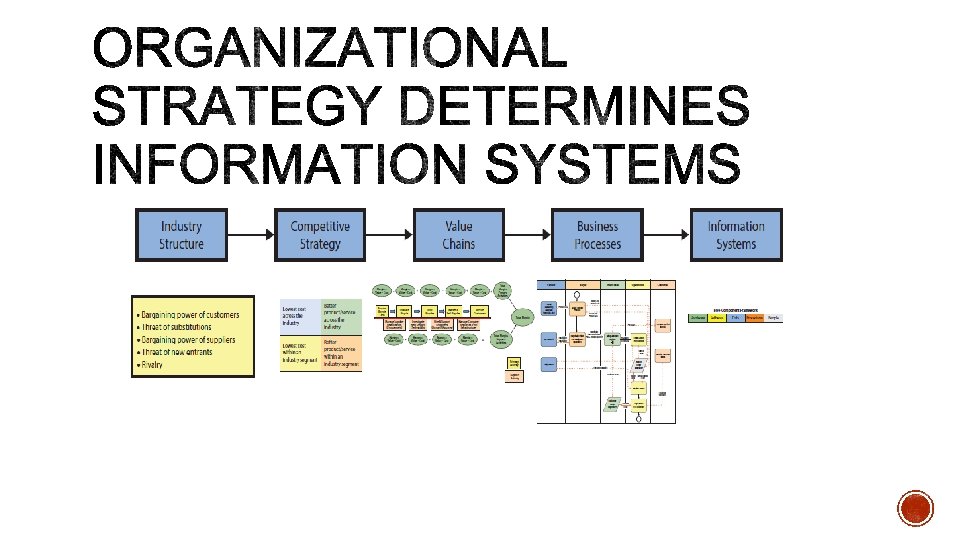
• Strategy determines value chains, which determine business processes • Business processes determine requirements and functions of information systems
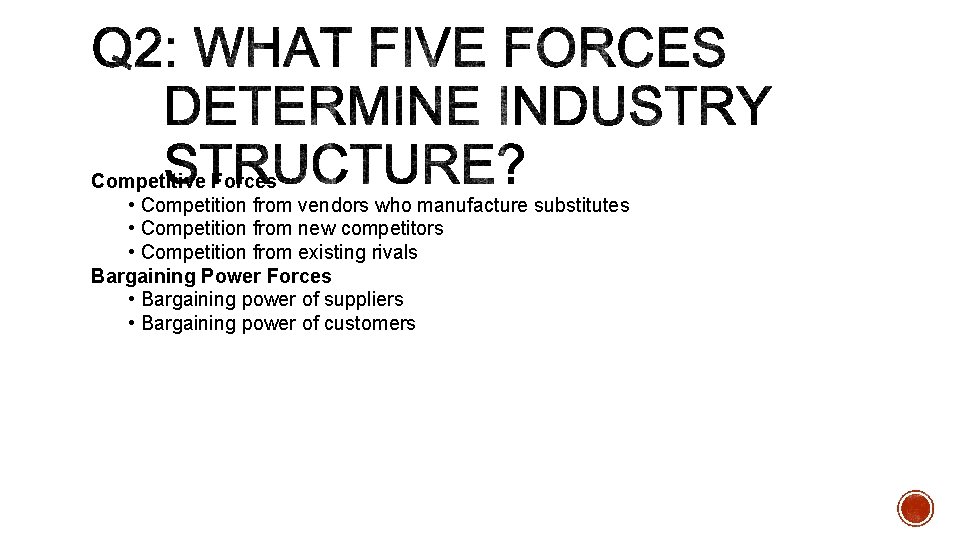
Competitive Forces • Competition from vendors who manufacture substitutes • Competition from new competitors • Competition from existing rivals Bargaining Power Forces • Bargaining power of suppliers • Bargaining power of customers
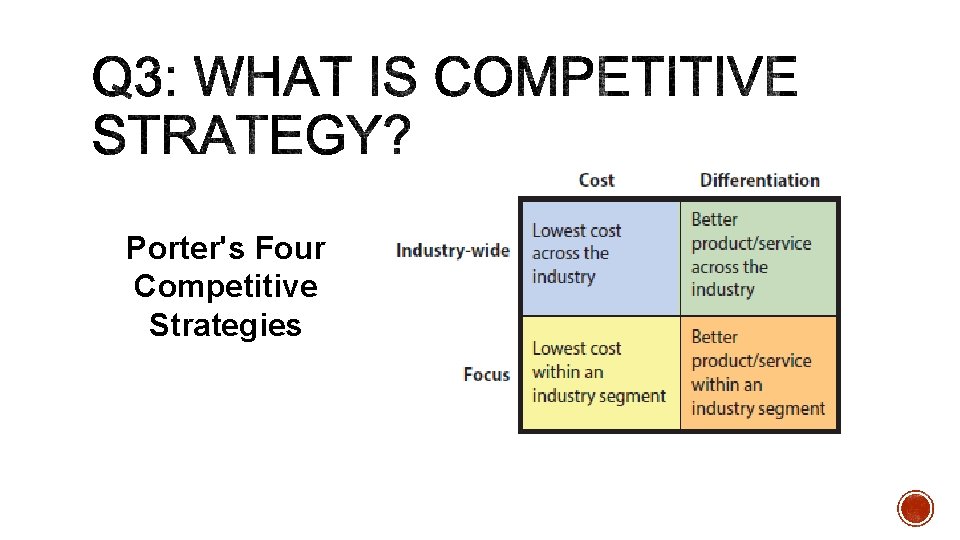
Porter's Four Competitive Strategies
Linkages
§ What does this mean to your career? § Never propose an idea not consistent with company's competitive strategy § Information systems development must mirror organization’s strategy § What about you, personally? Where do you want to work? § Know organization’s competitive strategy before you first contact them
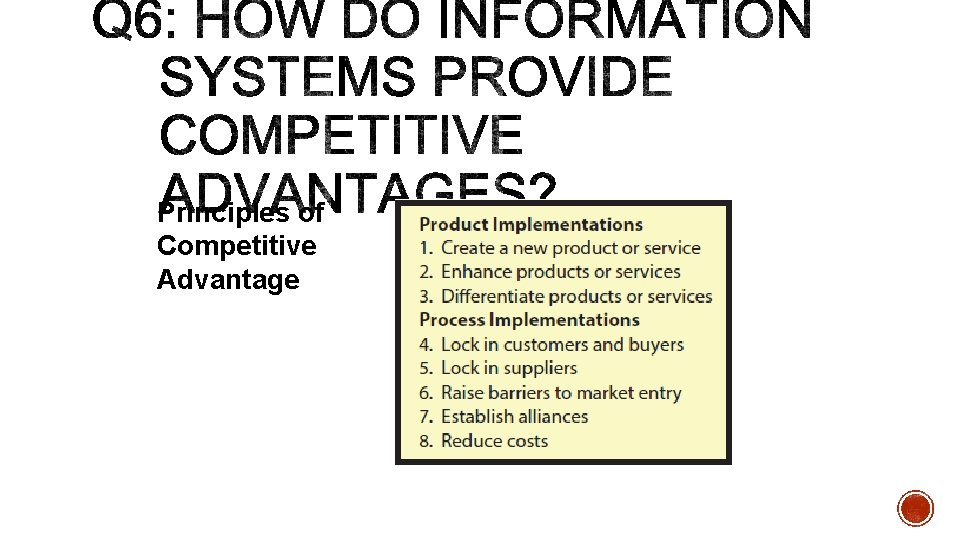
Principles of Competitive Advantage
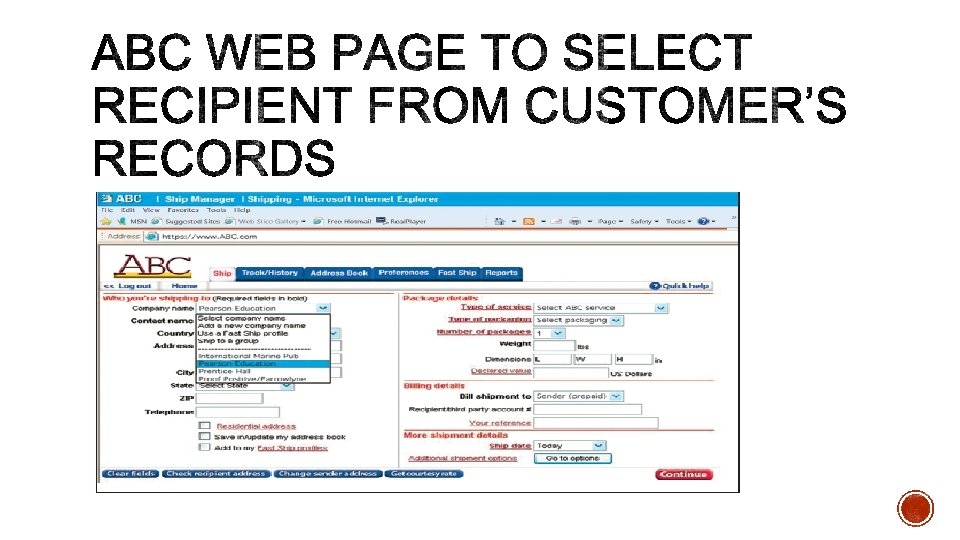
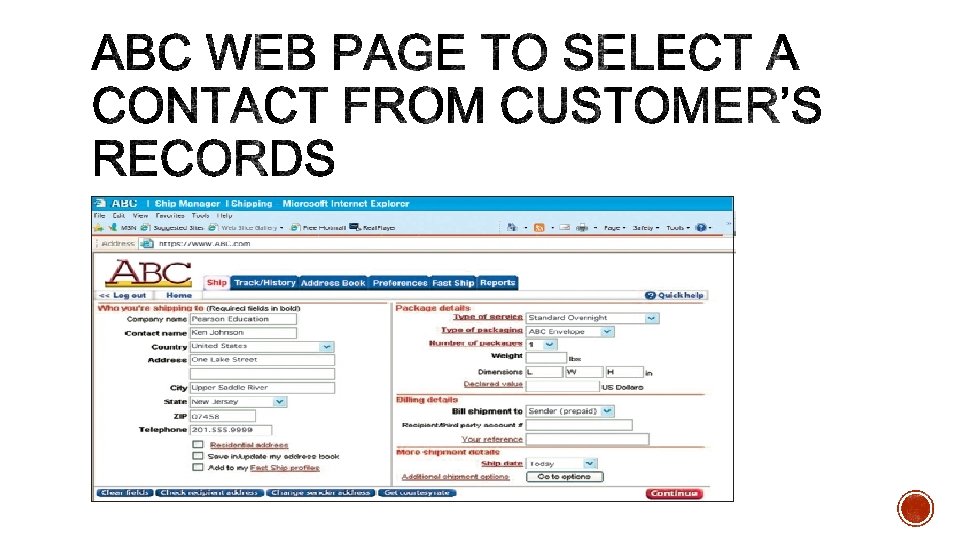
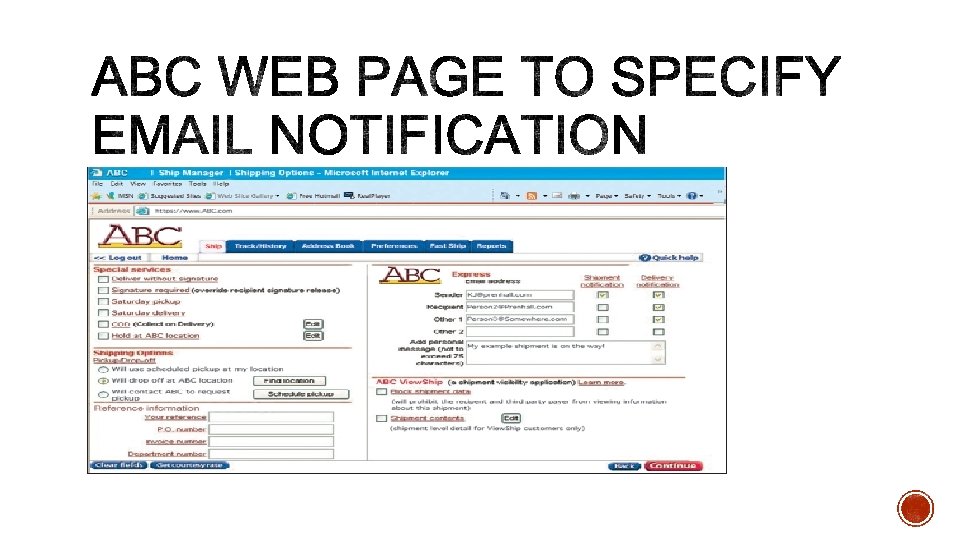
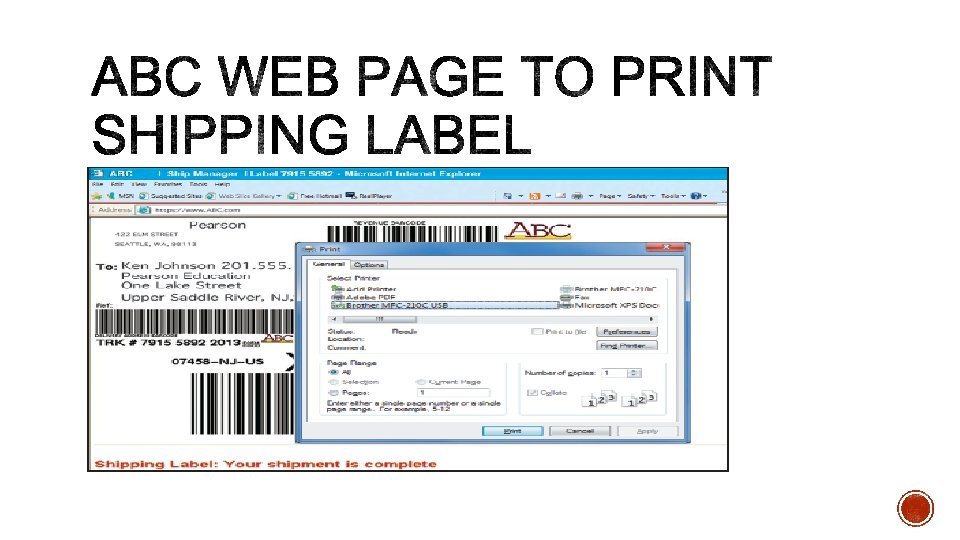
• Maintains customer account data § IS collects information for ABC (adds value) § IS saves customers time by automatically filling in part of form (adds value for customer) • Package & information delivery system § IS helps customer to select delivery address and generate shipping labels § What value does shipper get?
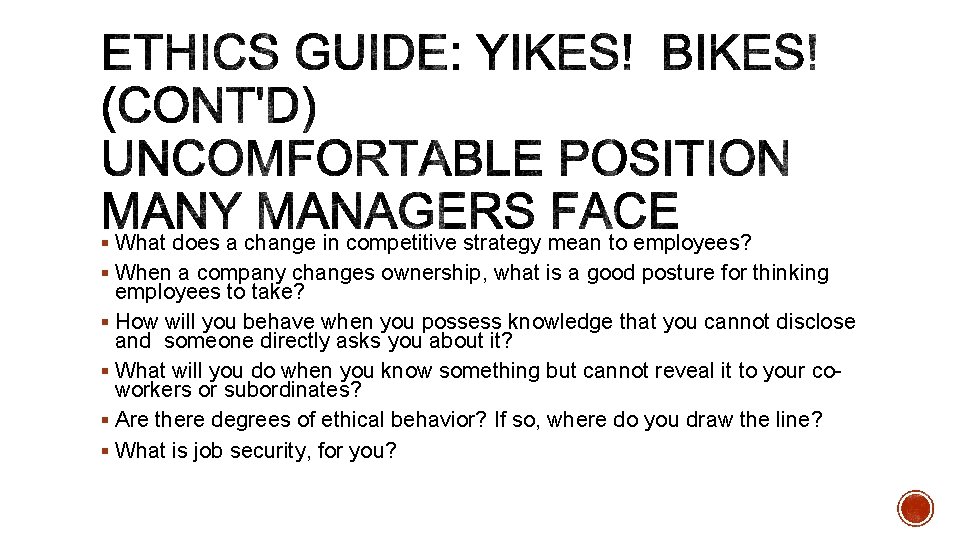
• You are operations manager for Yikes! Bikes, a manufacturer of high- end mountain bicycles. • New owners plan to pursue lowest-cost vendor strategy by importing low-cost, lower quality bikes • New owners are not being honest with employees about cutting jobs • Say you might be promoted to new general manager. Should you trust them? Q: Are the owner’s actions illegal? Unethical?
§ What does a change in competitive strategy mean to employees? § When a company changes ownership, what is a good posture for thinking employees to take? § How will you behave when you possess knowledge that you cannot disclose and someone directly asks you about it? § What will you do when you know something but cannot reveal it to your coworkers or subordinates? § Are there degrees of ethical behavior? If so, where do you draw the line? § What is job security, for you?
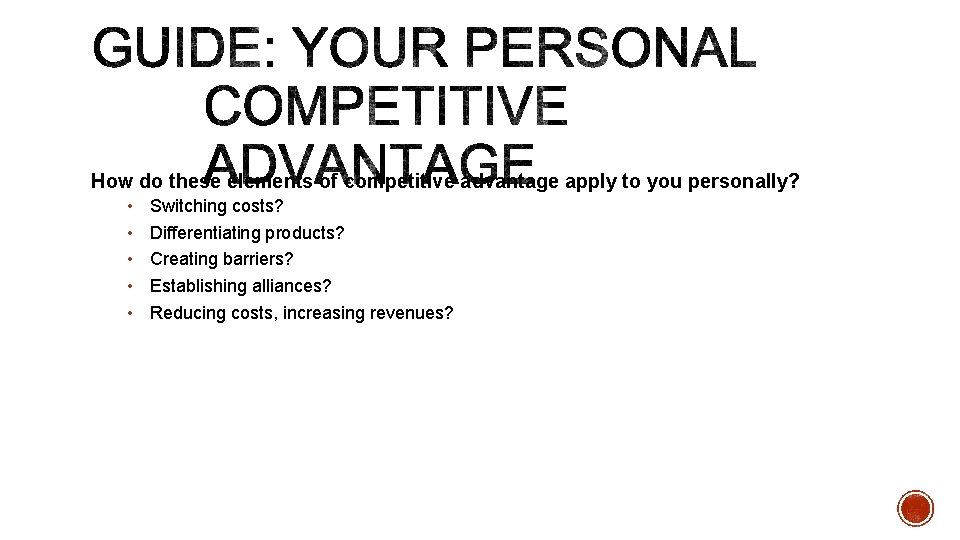
How do these elements of competitive advantage apply to you personally? • • • Switching costs? Differentiating products? Creating barriers? Establishing alliances? Reducing costs, increasing revenues?
§ Start thinking about what kind of job you want, and start preparing yourself to find that job. The last semester of your senior year will be too late. § If you’re not an IS major, combining IS knowledge with your other major can make for a great combination. § Think about taking some more IS classes.
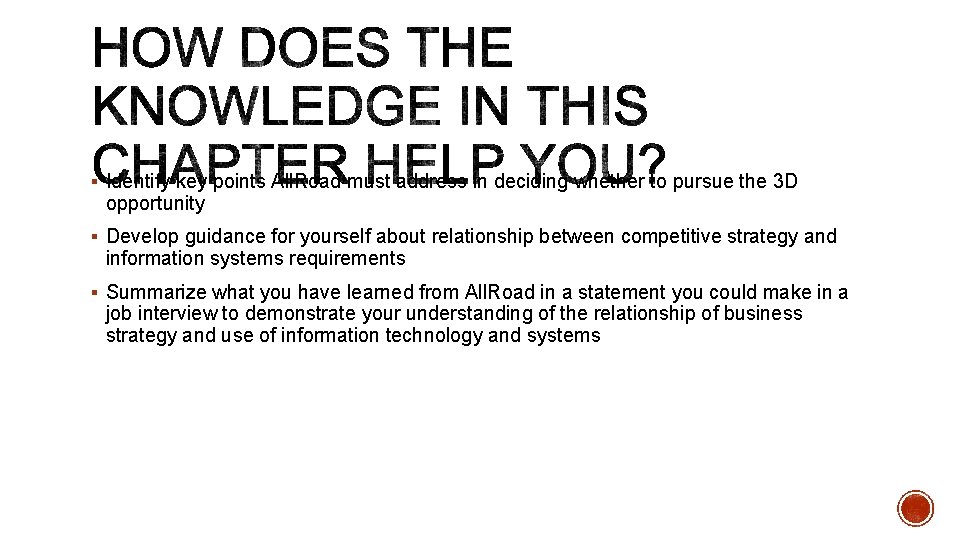
§ Identify key points All. Road must address in deciding whether to pursue the 3 D opportunity § Develop guidance for yourself about relationship between competitive strategy and information systems requirements § Summarize what you have learned from All. Road in a statement you could make in a job interview to demonstrate your understanding of the relationship of business strategy and use of information technology and systems
Q 1: How does organizational strategy determine information systems requirements? Q 2: What five forces determine industry structure? Q 3: What is competitive strategy? Q 4: How does competitive strategy determine value chain structure? Q 5: How do value chains determine business processes and information systems? Q 6: How do information systems provide competitive advantages?