
ORGANIZATIONAL SOCIAL STRUCTURE Chapter 4 Mary Jo Hatch
- Slides: 52
ORGANIZATIONAL SOCIAL STRUCTURE ﺳﺎﺧﺘﺎﺭ ﺍﺟﺘﻤﺎﻋی ﺳﺎﺯﻣﺎﻥ ﻫﺎ Chapter 4 Mary Jo Hatch with Ann L. Cunliffe
Organizational Social Structure The relationships among people who assume the roles of the organization, and the organizational groups or units to which they belong (e. g. , departments, divisions).
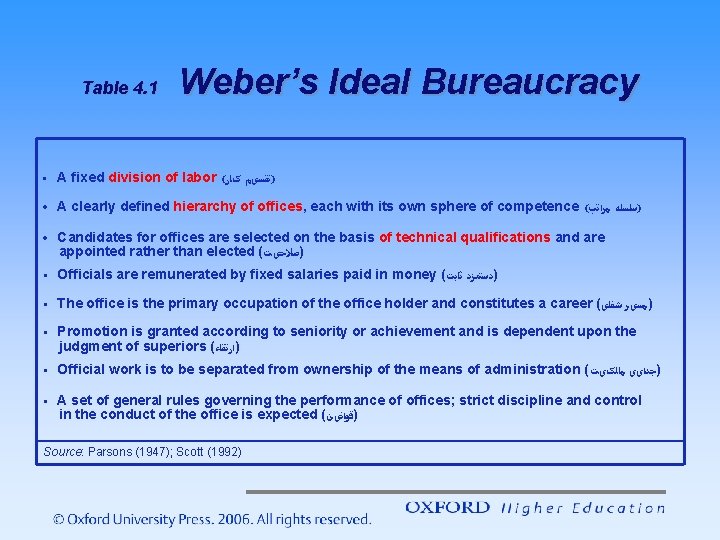
Table 4. 1 Weber’s Ideal Bureaucracy • A fixed division of labor ( )ﺗﻘﺴیﻢ کﺎﺭ · A clearly defined hierarchy of offices, each with its own sphere of competence ( )ﺳﻠﺴﻠﻪ ﻣﺮﺍﺗﺐ · Candidates for offices are selected on the basis of technical qualifications and are appointed rather than elected ( )ﺻﻼﺣیﺖ § Officials are remunerated by fixed salaries paid in money ( )ﺩﺳﺘﻤﺰﺩ ﺛﺎﺑﺖ § The office is the primary occupation of the office holder and constitutes a career ( )ﻣﺴیﺮ ﺷﻐﻠی § Promotion is granted according to seniority or achievement and is dependent upon the judgment of superiors ( )ﺍﺭﺗﻘﺎﺀ § Official work is to be separated from ownership of the means of administration ( )ﺟﺪﺍیی ﻣﺎﻟکیﺖ § A set of general rules governing the performance of offices; strict discipline and control in the conduct of the office is expected ( )ﻗﻮﺍﻧیﻦ Source: Parsons (1947); Scott (1992)
Division of Labor The distribution of work responsibilities and tasks within an organization. E. g. , divisions, functions, departments
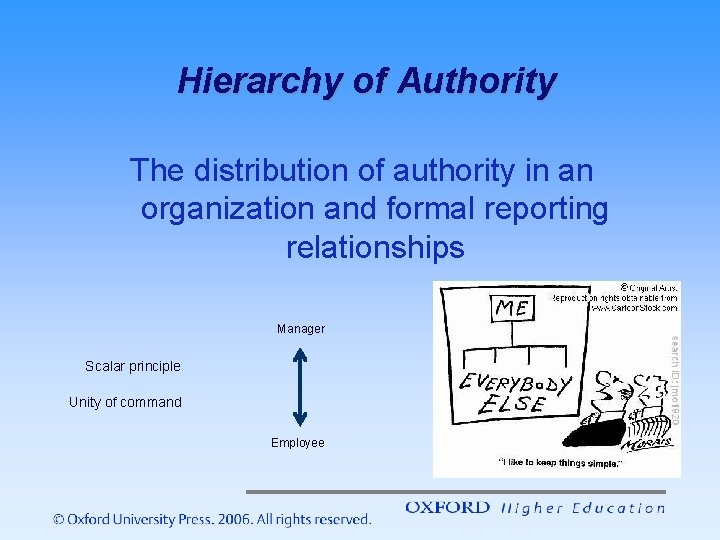
Hierarchy of Authority The distribution of authority in an organization and formal reporting relationships Manager Scalar principle Unity of command Employee
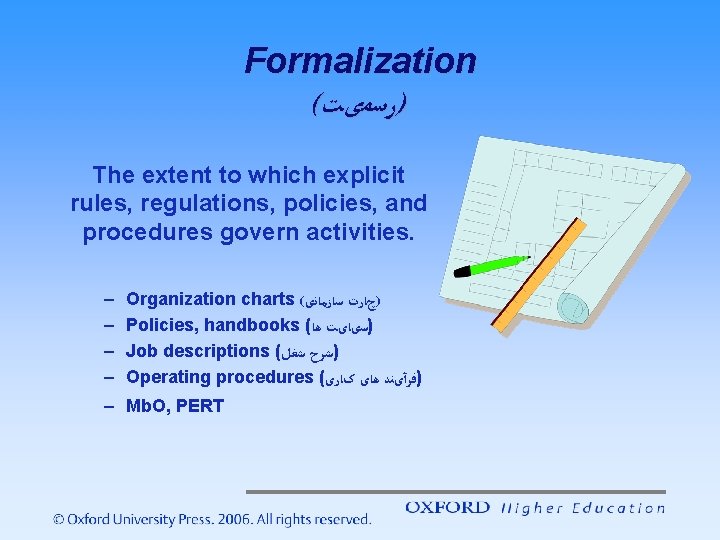
Formalization ( )ﺭﺳﻤیﺖ The extent to which explicit rules, regulations, policies, and procedures govern activities. – – Organization charts ( )چﺎﺭﺕ ﺳﺎﺯﻣﺎﻧی Policies, handbooks ( )ﺳیﺎیﺖ ﻫﺎ Job descriptions ( )ﺷﺮﺡ ﺷﻐﻞ Operating procedures ( )ﻓﺮآیﻨﺪ ﻫﺎی کﺎﺭی – Mb. O, PERT
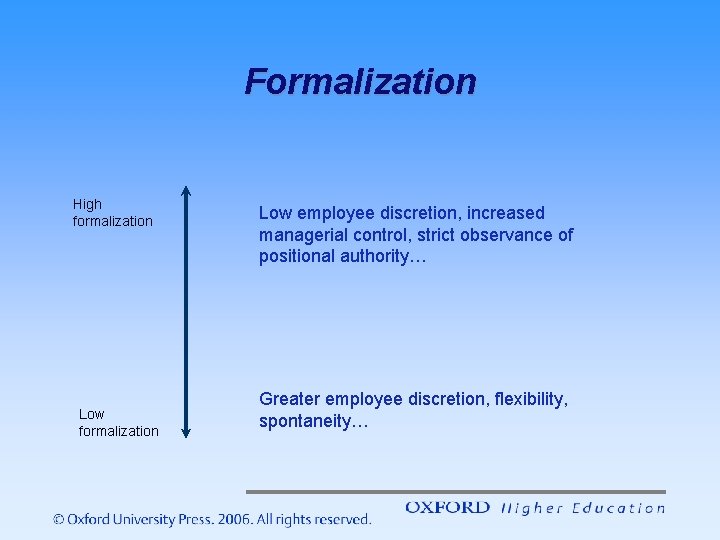
Formalization High formalization Low employee discretion, increased managerial control, strict observance of positional authority… Greater employee discretion, flexibility, spontaneity…
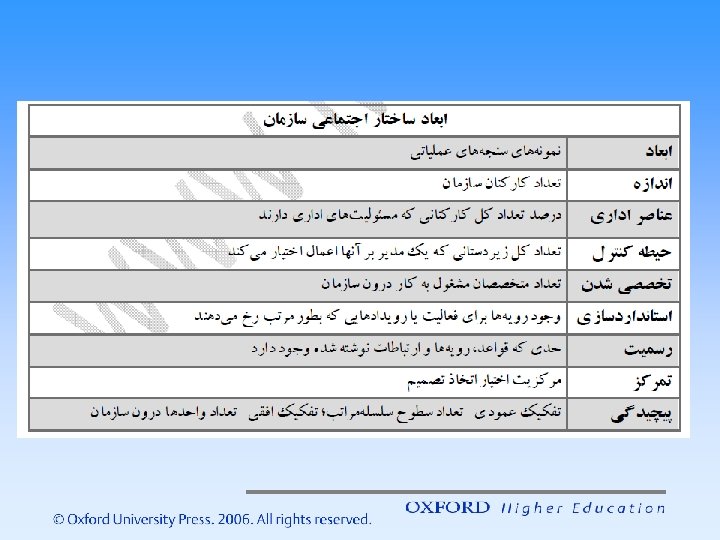
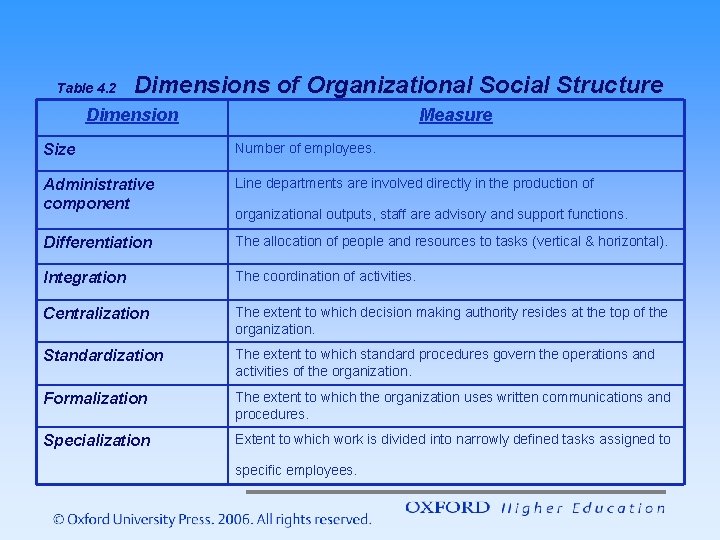
Table 4. 2 Dimensions of Organizational Social Structure Dimension Measure Size Number of employees. Administrative component Line departments are involved directly in the production of Differentiation The allocation of people and resources to tasks (vertical & horizontal). Integration The coordination of activities. Centralization The extent to which decision making authority resides at the top of the organization. Standardization The extent to which standard procedures govern the operations and activities of the organization. Formalization The extent to which the organization uses written communications and procedures. Specialization Extent to which work is divided into narrowly defined tasks assigned to organizational outputs, staff are advisory and support functions. specific employees.
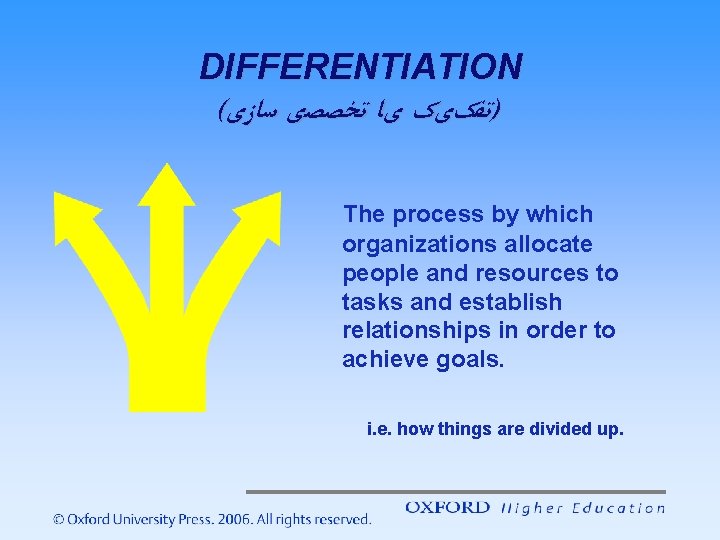
DIFFERENTIATION ( )ﺗﻔکیک یﺎ ﺗﺨﺼﺼی ﺳﺎﺯی The process by which organizations allocate people and resources to tasks and establish relationships in order to achieve goals. i. e. how things are divided up.
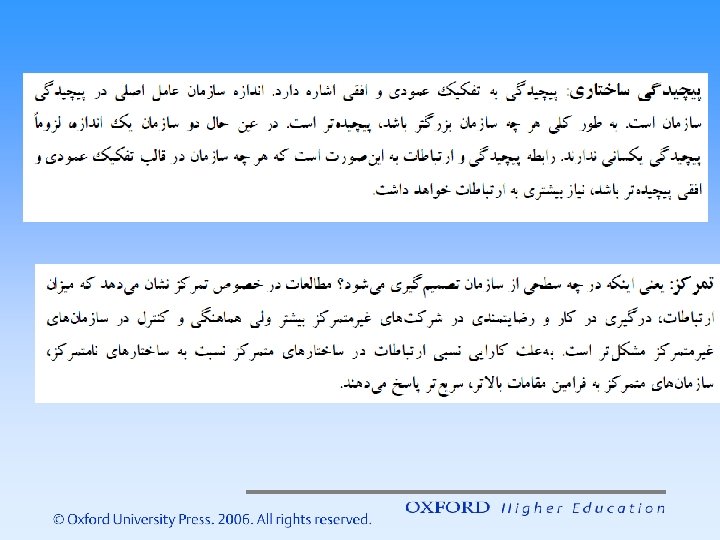
Vertical & Horizontal Differentiation Vertical Horizontal • The number of levels in the hierarchy. • Departmentation, the way tasks are grouped into functions & competencies. • Reporting relationships. • The span of control: the number of employees reporting to a manager.
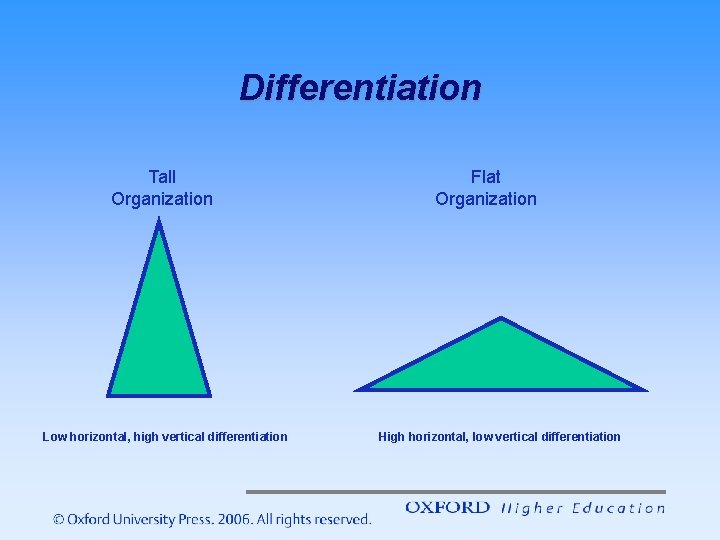
Differentiation Tall Organization Low horizontal, high vertical differentiation Flat Organization High horizontal, low vertical differentiation
Differentiation/Integration ﺗﻔکیک ﻭ ﺗﻠﻔیﻖ • As an organization grows, it differentiates to meet the more varied demands of its now larger environment and its own internal complexity. • In order to keep its differentiated activities aligned to its strategy, integration is required. • Further differentiation (e. g. , adding layers of management) leads to a need for further integration (e. g. , more coordination mechanisms).
Contingency Theories The dimensions of social structure will depend on the relationship between an organization’s environment and its strategy, technology, size, etc.
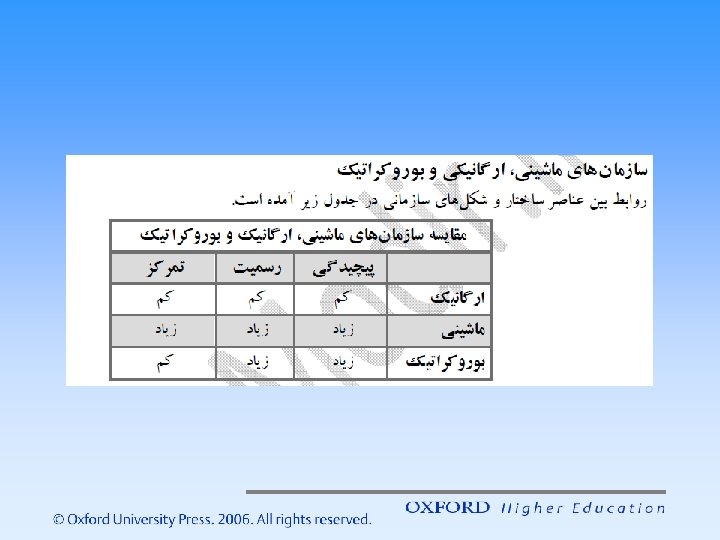
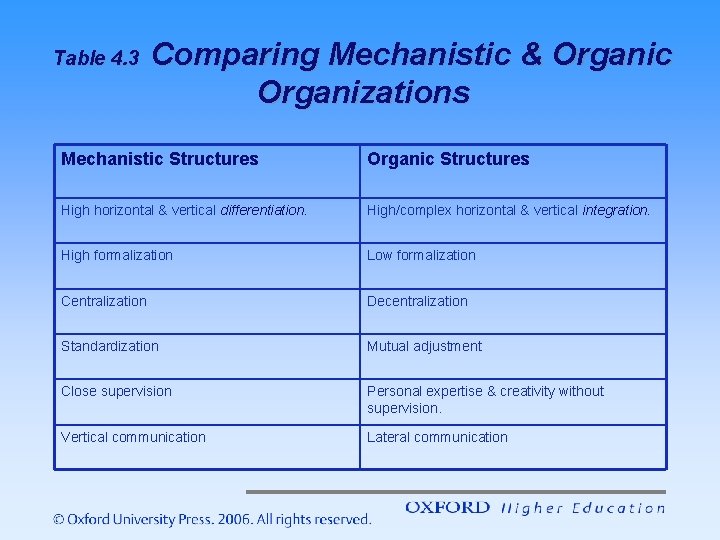
Table 4. 3 Comparing Mechanistic & Organic Organizations Mechanistic Structures Organic Structures High horizontal & vertical differentiation. High/complex horizontal & vertical integration. High formalization Low formalization Centralization Decentralization Standardization Mutual adjustment Close supervision Personal expertise & creativity without supervision. Vertical communication Lateral communication
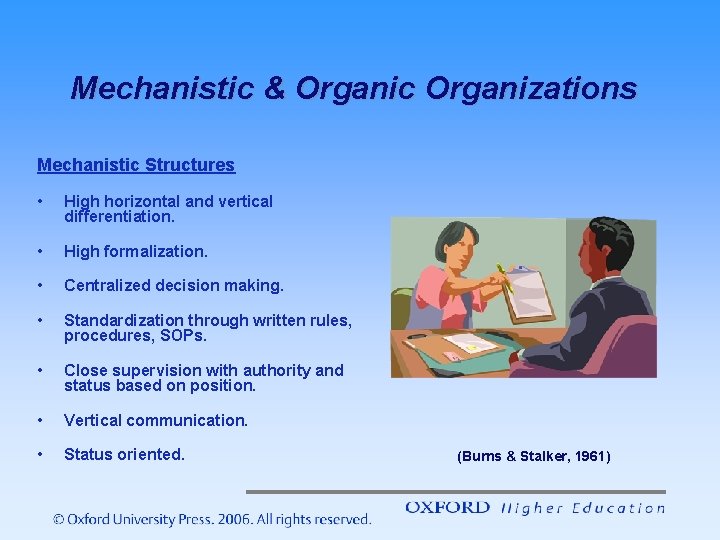
Mechanistic & Organic Organizations Mechanistic Structures • High horizontal and vertical differentiation. • High formalization. • Centralized decision making. • Standardization through written rules, procedures, SOPs. • Close supervision with authority and status based on position. • Vertical communication. • Status oriented. (Burns & Stalker, 1961)
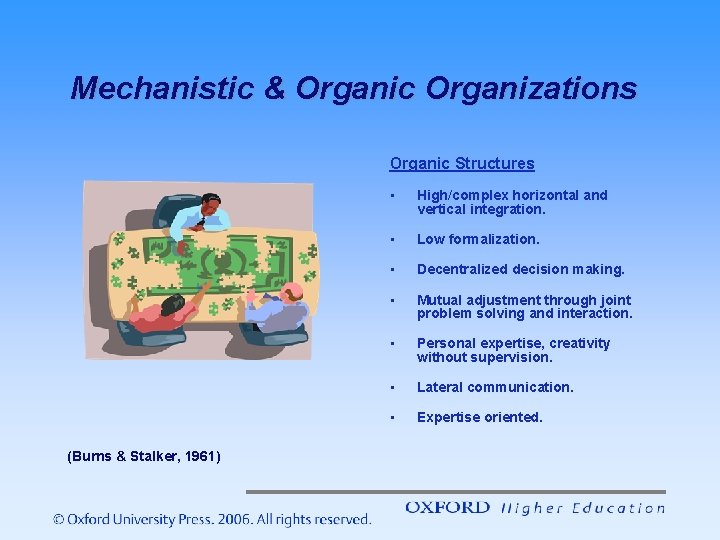
Mechanistic & Organic Organizations Organic Structures (Burns & Stalker, 1961) • High/complex horizontal and vertical integration. • Low formalization. • Decentralized decision making. • Mutual adjustment through joint problem solving and interaction. • Personal expertise, creativity without supervision. • Lateral communication. • Expertise oriented.
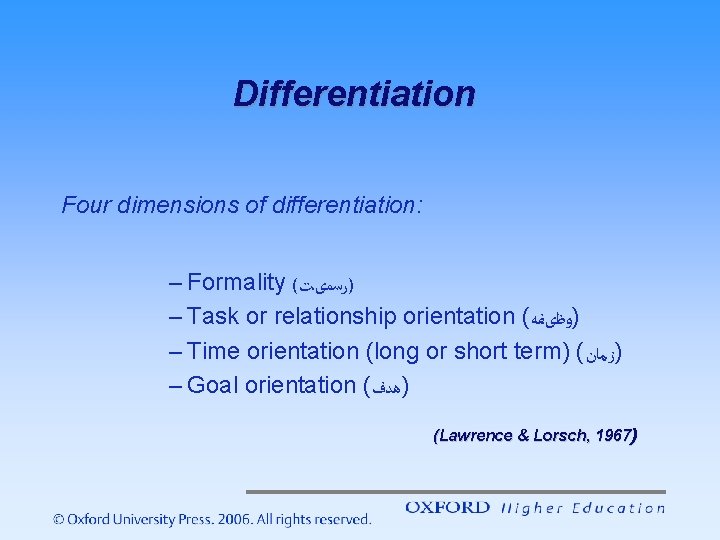
Differentiation Four dimensions of differentiation: – Formality ( )ﺭﺳﻤیﺖ – Task or relationship orientation ( )ﻭﻇیﻔﻪ – Time orientation (long or short term) ( )ﺯﻣﺎﻥ – Goal orientation ( )ﻫﺪﻑ (Lawrence & Lorsch, 1967)
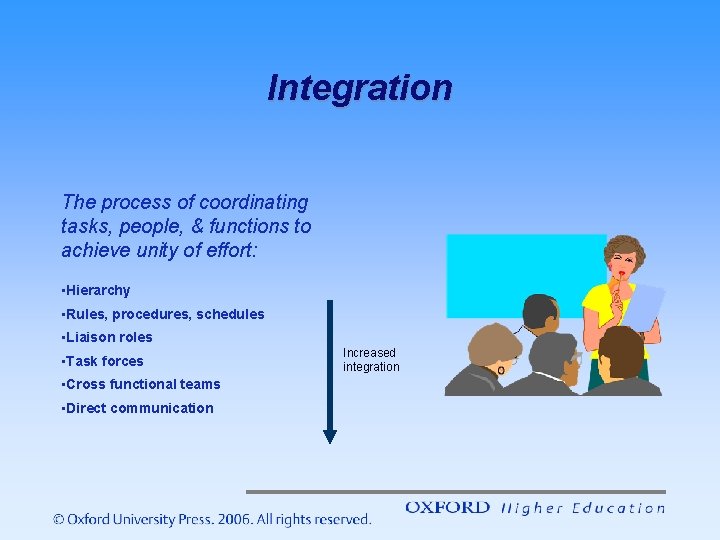
Integration The process of coordinating tasks, people, & functions to achieve unity of effort: • Hierarchy • Rules, procedures, schedules • Liaison roles • Task forces • Cross functional teams • Direct communication Increased integration
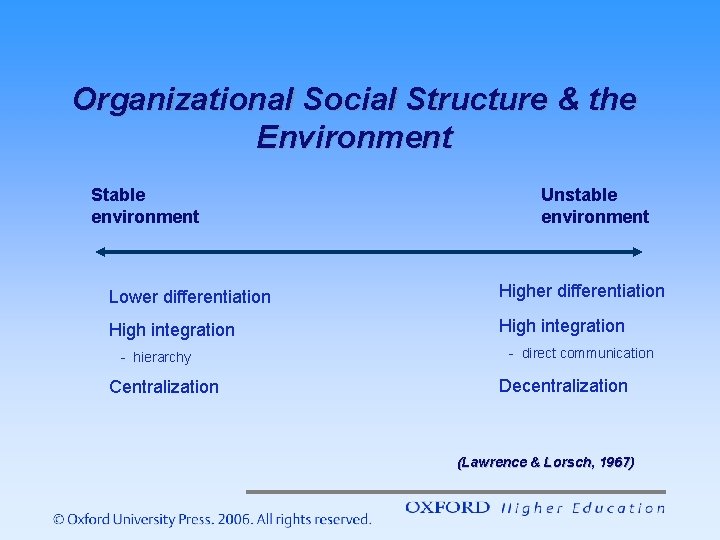
Organizational Social Structure & the Environment Stable environment Unstable environment Lower differentiation High integration - hierarchy Centralization - direct communication Decentralization (Lawrence & Lorsch, 1967)
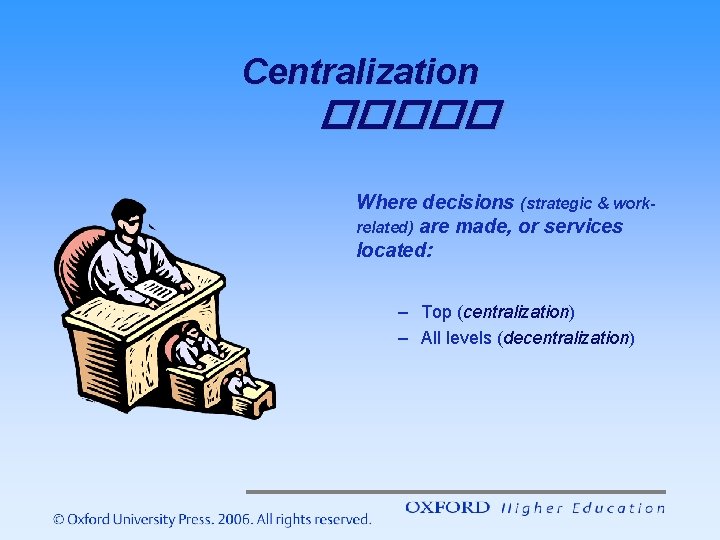
Centralization ����� Where decisions (strategic & workrelated) are made, or services located: – Top (centralization) – All levels (decentralization)
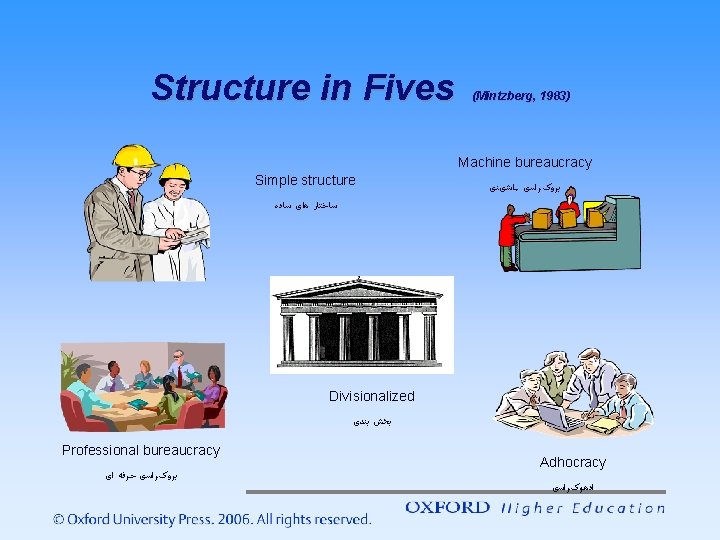
Structure in Fives (Mintzberg, 1983) Machine bureaucracy Simple structure ﺑﺮﻭکﺮﺍﺳی ﻣﺎﺷیﻨی ﺳﺎﺧﺘﺎﺭ ﻫﺎی ﺳﺎﺩﻩ Divisionalized ﺑﺨﺶ ﺑﻨﺪی Professional bureaucracy ﺑﺮﻭکﺮﺍﺳی ﺣﺮﻓﻪ ﺍی Adhocracy ﺍﺩﻫﻮکﺮﺍﺳی
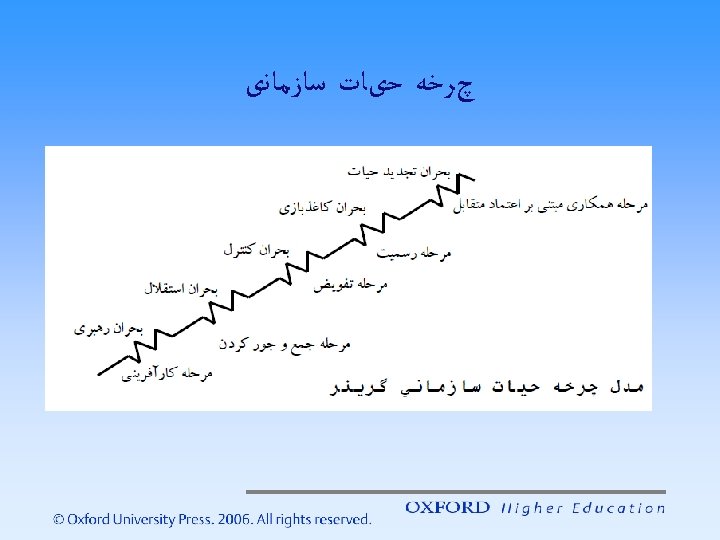
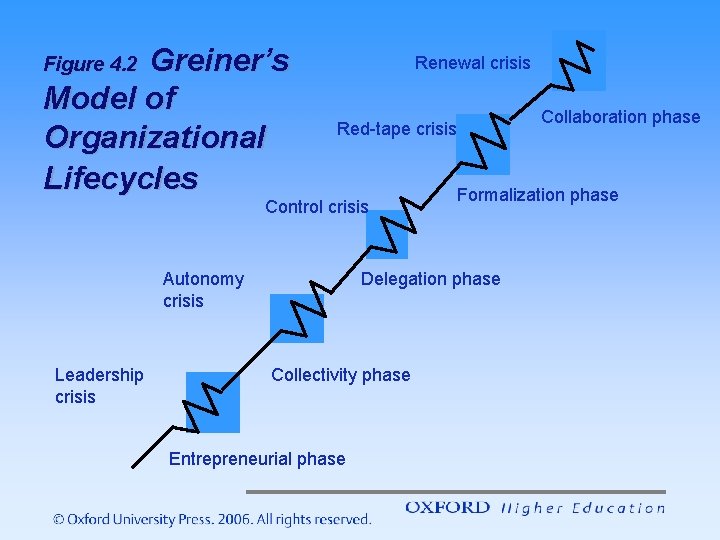
Greiner’s Model of Organizational Lifecycles Figure 4. 2 Renewal crisis Control crisis Autonomy crisis Leadership crisis Collaboration phase Red-tape crisis Formalization phase Delegation phase Collectivity phase Entrepreneurial phase
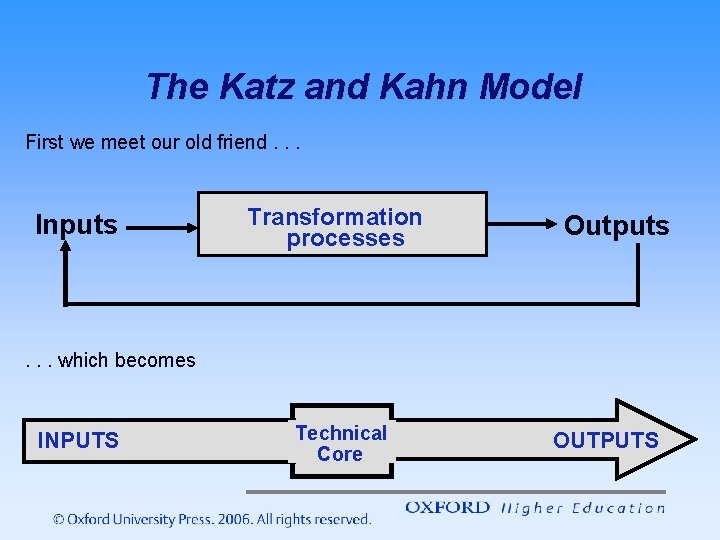
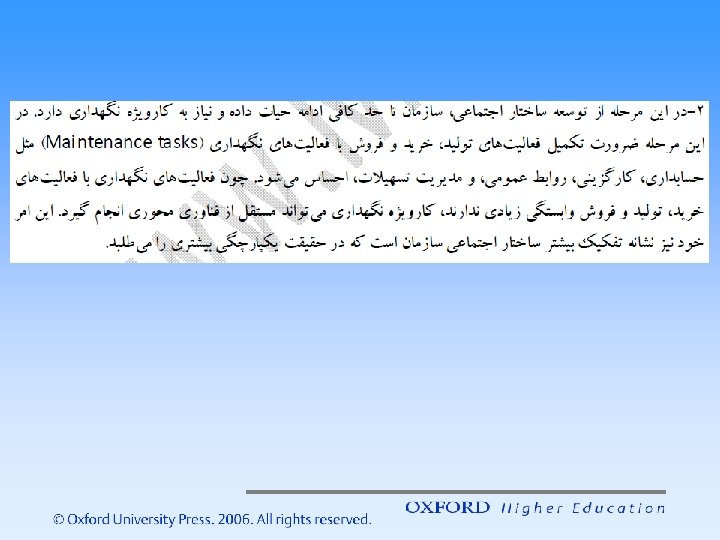
The Katz and Kahn Model First we meet our old friend. . . Inputs Transformation processes Outputs . . . which becomes INPUTS Technical Core OUTPUTS
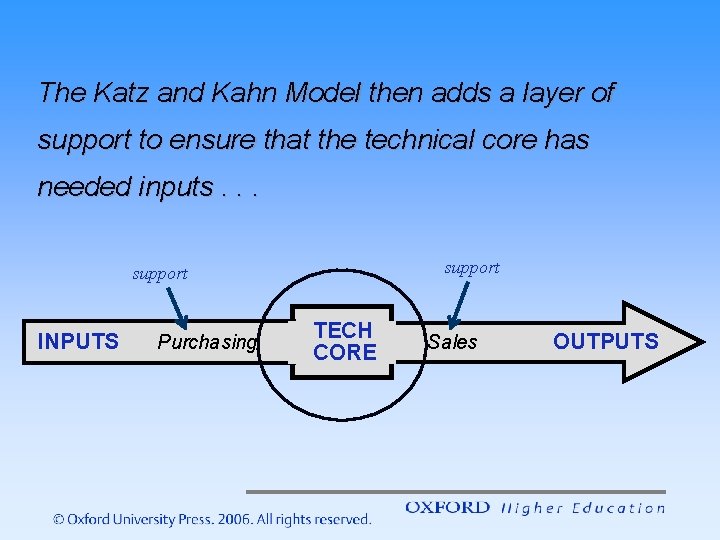
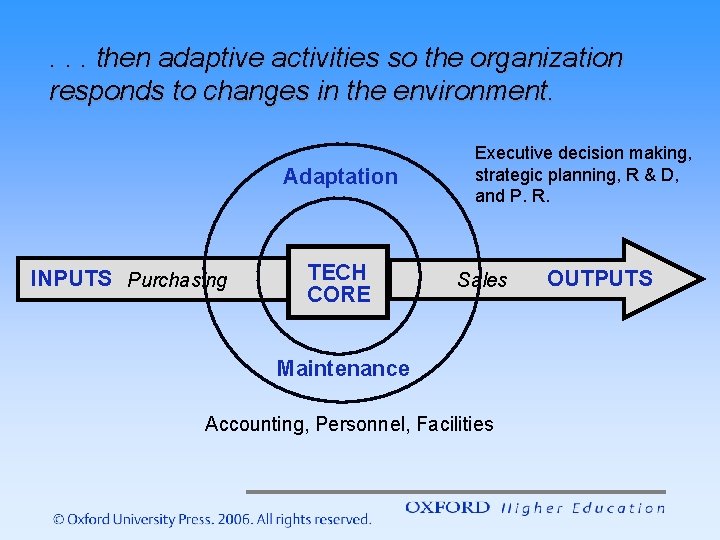
The Katz and Kahn Model then adds a layer of support to ensure that the technical core has needed inputs. . . support INPUTS Purchasing TECH CORE Sales OUTPUTS
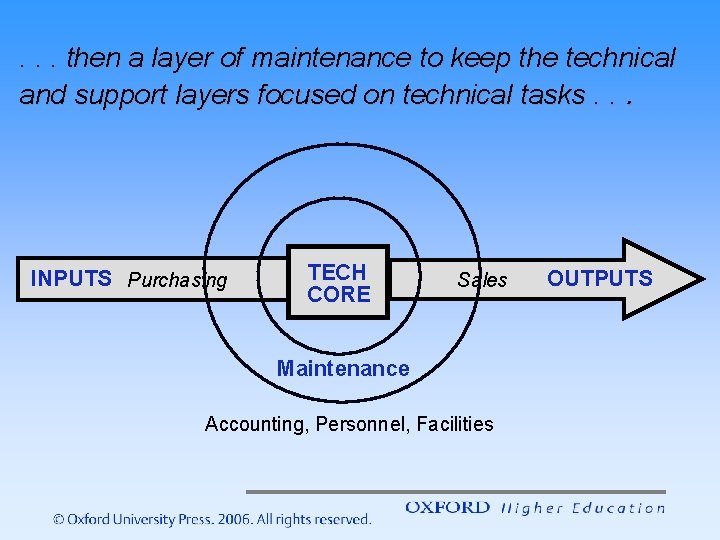
. . . then a layer of maintenance to keep the technical and support layers focused on technical tasks. . . INPUTS Purchasing TECH CORE Sales Maintenance Accounting, Personnel, Facilities OUTPUTS
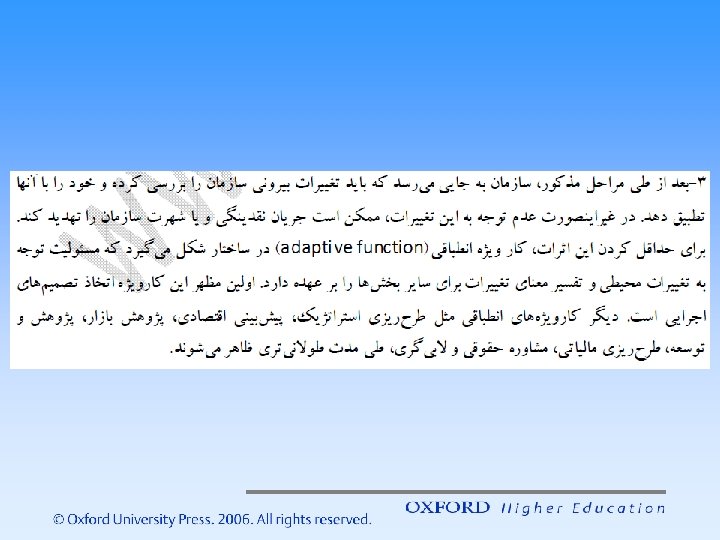
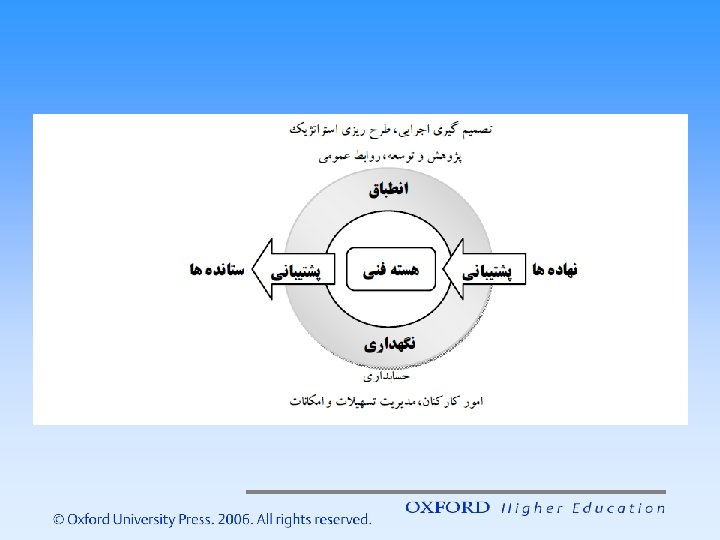
. . . then adaptive activities so the organization responds to changes in the environment. Adaptation INPUTS Purchasing TECH CORE Executive decision making, strategic planning, R & D, and P. R. Sales Maintenance Accounting, Personnel, Facilities OUTPUTS
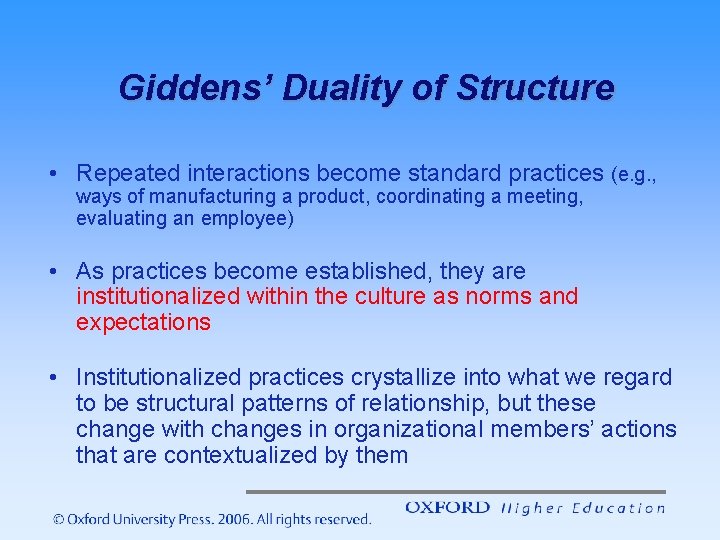
Giddens’ Duality of Structure • Repeated interactions become standard practices (e. g. , ways of manufacturing a product, coordinating a meeting, evaluating an employee) • As practices become established, they are institutionalized within the culture as norms and expectations • Institutionalized practices crystallize into what we regard to be structural patterns of relationship, but these change with changes in organizational members’ actions that are contextualized by them
Symbolic-Interpretive Approaches • Routines and Improvisations • Symbols • Practices and ways of doing things • Stories & storytellers
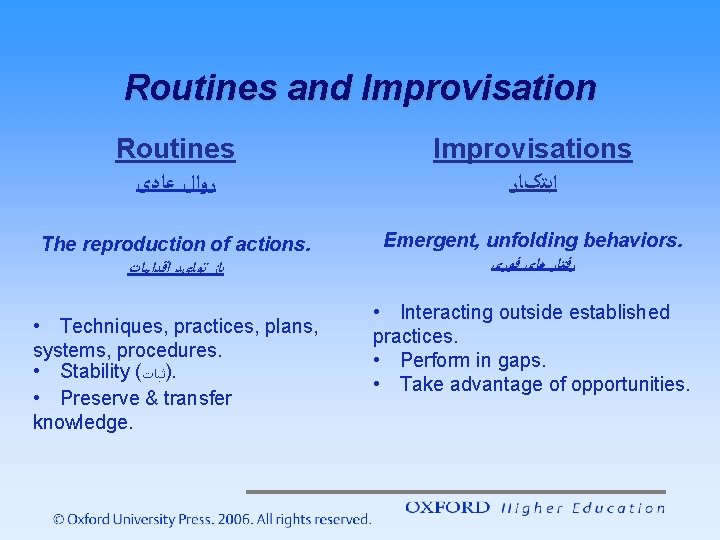
Routines and Improvisation Routines ﺭﻭﺍﻝ ﻋﺎﺩی Improvisations ﺍﺑﺘکﺎﺭ The reproduction of actions. Emergent, unfolding behaviors. ﺑﺎﺯ ﺗﻮﻟیﺪ ﺍﻗﺪﺍﻣﺎﺕ • Techniques, practices, plans, systems, procedures. • Stability ( )ﺛﺒﺎﺕ. • Preserve & transfer knowledge. ﺭﻓﺘﺎﺭ ﻫﺎی ﻓﻮﺭی • Interacting outside established practices. • Perform in gaps. • Take advantage of opportunities.
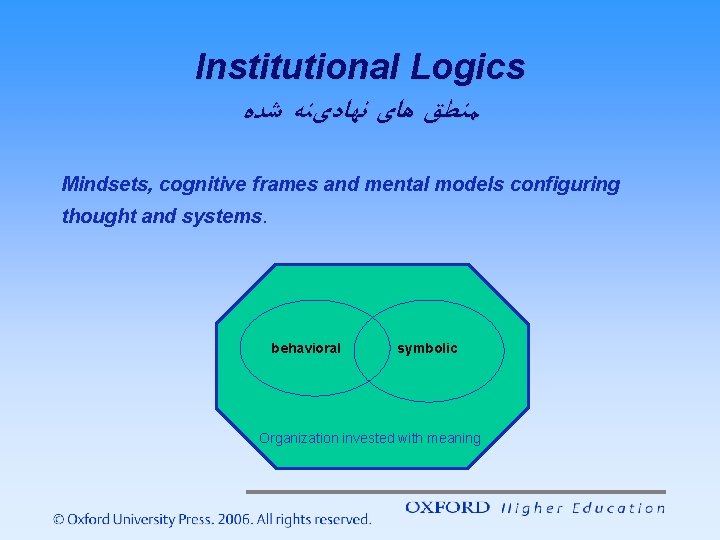
Institutional Logics ﻣﻨﻄﻖ ﻫﺎی ﻧﻬﺎﺩیﻨﻪ ﺷﺪﻩ Mindsets, cognitive frames and mental models configuring thought and systems. behavioral symbolic Organization invested with meaning
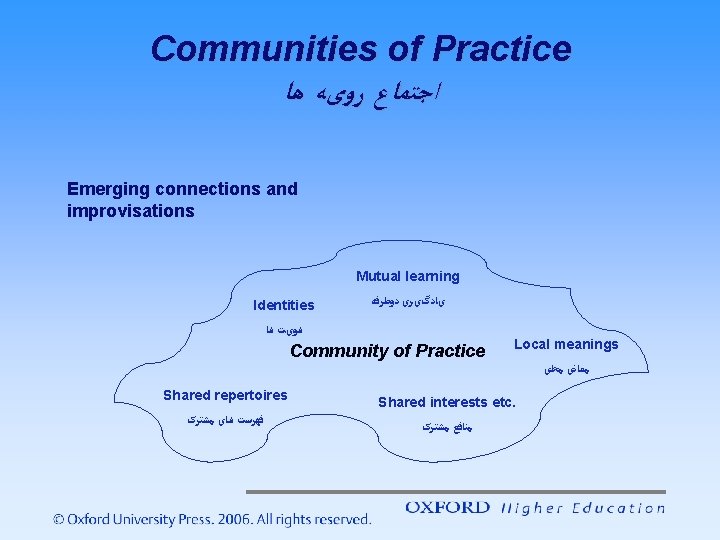
Communities of Practice ﺍﺟﺘﻤﺎﻉ ﺭﻭیﻪ ﻫﺎ Emerging connections and improvisations Mutual learning Identities یﺎﺩگیﺮی ﺩﻭﻃﺮﻓﻪ ﻫﻮیﺖ ﻫﺎ Community of Practice Local meanings ﻣﻌﺎﻧی ﻣﺤﻠی Shared repertoires ﻓﻬﺮﺳﺖ ﻫﺎی ﻣﺸﺘﺮک Shared interests etc. ﻣﻨﺎﻓﻊ ﻣﺸﺘﺮک
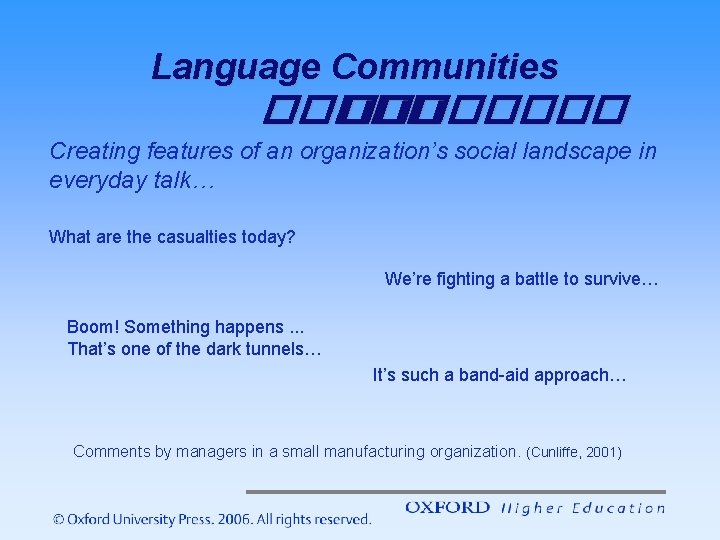
Language Communities �������� Creating features of an organization’s social landscape in everyday talk… What are the casualties today? We’re fighting a battle to survive… Boom! Something happens. . . That’s one of the dark tunnels… It’s such a band-aid approach… Comments by managers in a small manufacturing organization. (Cunliffe, 2001)
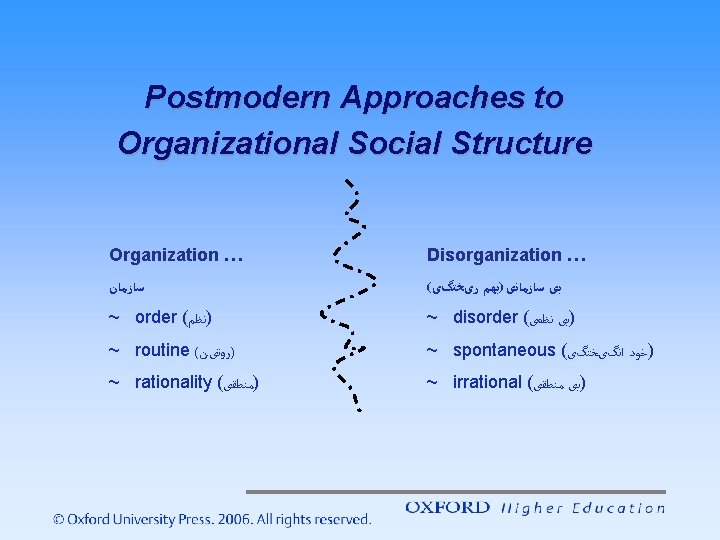
Postmodern Approaches to Organizational Social Structure Organization … Disorganization … ﺳﺎﺯﻣﺎﻥ ( ﺑی ﺳﺎﺯﻣﺎﻧی )ﺑﻬﻢ ﺭیﺨﺘگی ~ order ( )ﻧﻈﻢ ~ disorder ( )ﺑی ﻧﻈﻤی ~ routine ( )ﺭﻭﺗیﻦ ~ spontaneous ( )ﺧﻮﺩ ﺍﻧگیﺨﺘگی ~ rationality ( )ﻣﻨﻄﻘی ~ irrational ( )ﺑی ﻣﻨﻄﻘی
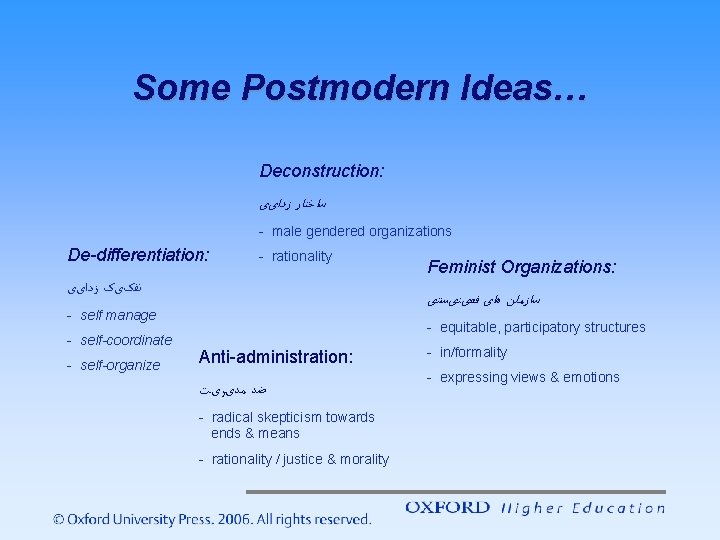
Some Postmodern Ideas… Deconstruction: ﺳﺎﺧﺘﺎﺭ ﺯﺩﺍیی - male gendered organizations De-differentiation: - rationality ﻧﻔکیک ﺯﺩﺍیی ﺳﺎﺯﻣﻠﻦ ﻫﺎی ﻓﻤیﻨیﺴﺘی - self manage - self-coordinate - self-organize Feminist Organizations: - equitable, participatory structures Anti-administration: ﺿﺪ ﻣﺪیﺮیﺖ - radical skepticism towards ends & means - rationality / justice & morality - in/formality - expressing views & emotions