
Organizational Behavior Module 7 Managing Stress and Emotions
Organizational Behavior Module 7: Managing Stress and Emotions
Module Learning Outcomes Explain the importance of managing stress and emotions in the workplace 7. 1: Discuss stress and the consequences of stress in an organization 7. 2: Describe how theories and concepts around work–life balance affect notions of workplace stress management

Stress in an Organization
Learning Outcomes: Stress in an Organization 7. 1: Discuss stress and the consequences of stress in an organization 7. 1. 1: Discuss various elements and types of stress 7. 1. 2: Discuss potential sources of stress 7. 1. 3: Describe the consequences of stress and its cost to an organization

Stress in the workplace Positive Stress “Clutch” performances Higher productivity Negative Stress Constraints and demands
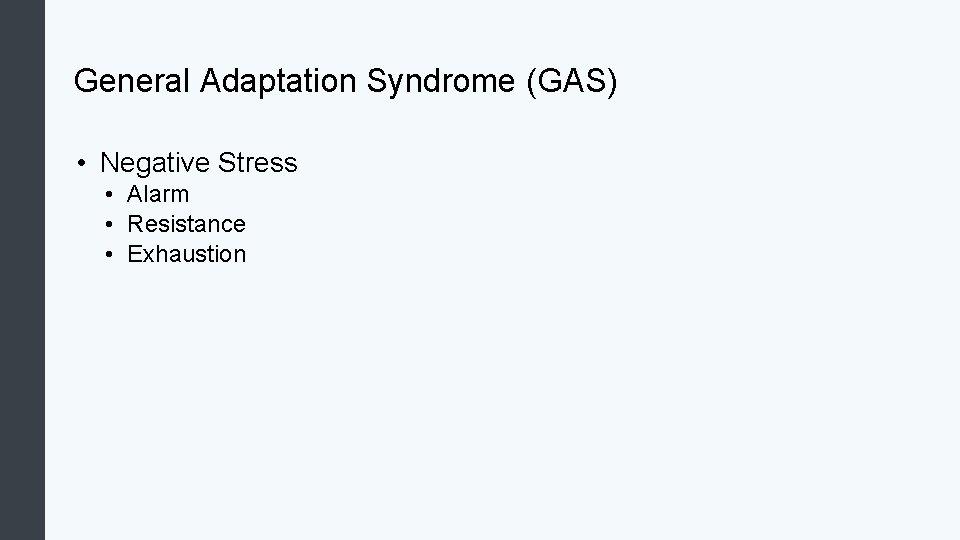
General Adaptation Syndrome (GAS) • Negative Stress • Alarm • Resistance • Exhaustion
Burnout
Class Discussion: Stressors in the Workplace • What kind of elements do you think could create stress in a person at work? Let’s make a list!
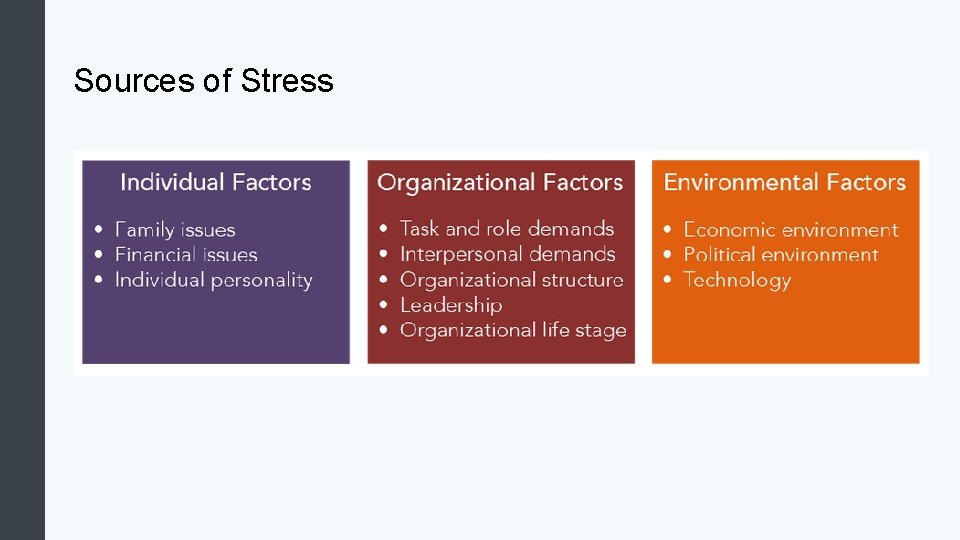
Sources of Stress
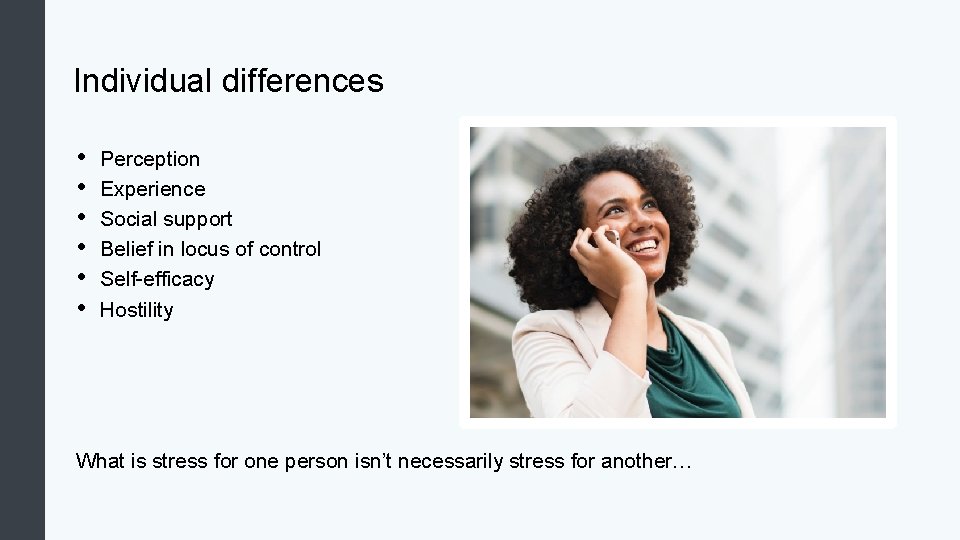
Individual differences • • • Perception Experience Social support Belief in locus of control Self-efficacy Hostility What is stress for one person isn’t necessarily stress for another…
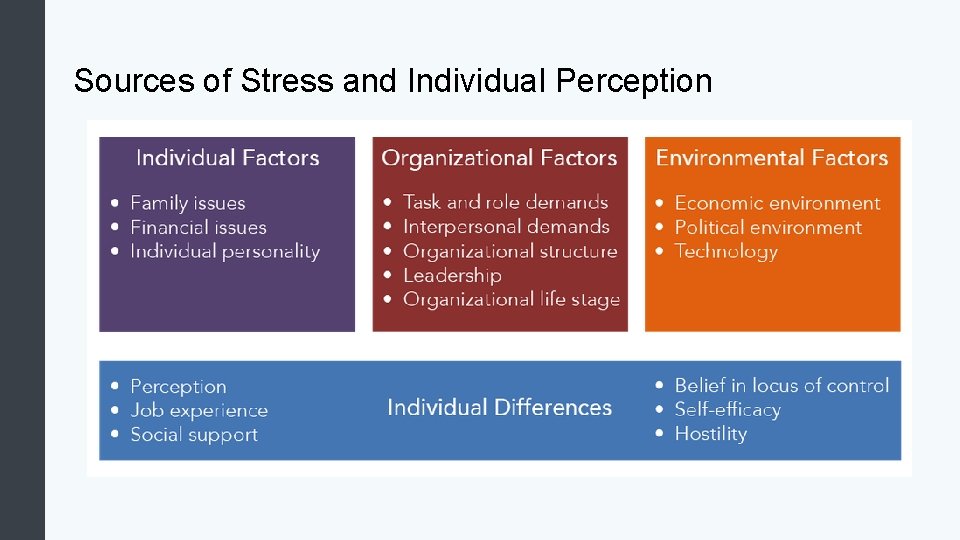
Sources of Stress and Individual Perception
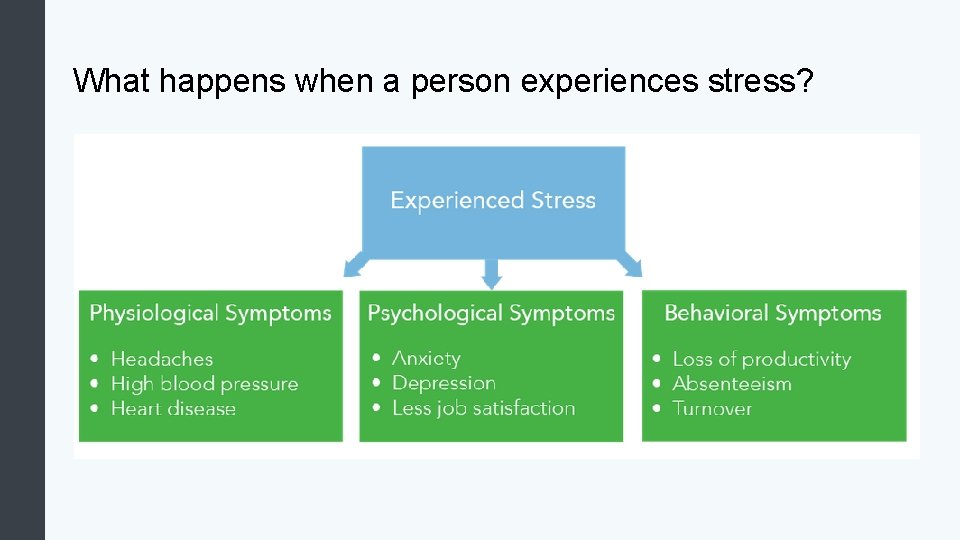
What happens when a person experiences stress?
Absenteeism costs US employers • $225 billion Annually • $1, 685 per employee
Turnover • Stress causes employees to leave their jobs. What are the costs? • It costs 33 -50% of that person’s salary to locate and train a replacement • About 75% of turnover could be avoided with better stress management in place
Workplace Violence • • • Active shooters Angry, violent customers Desk rage
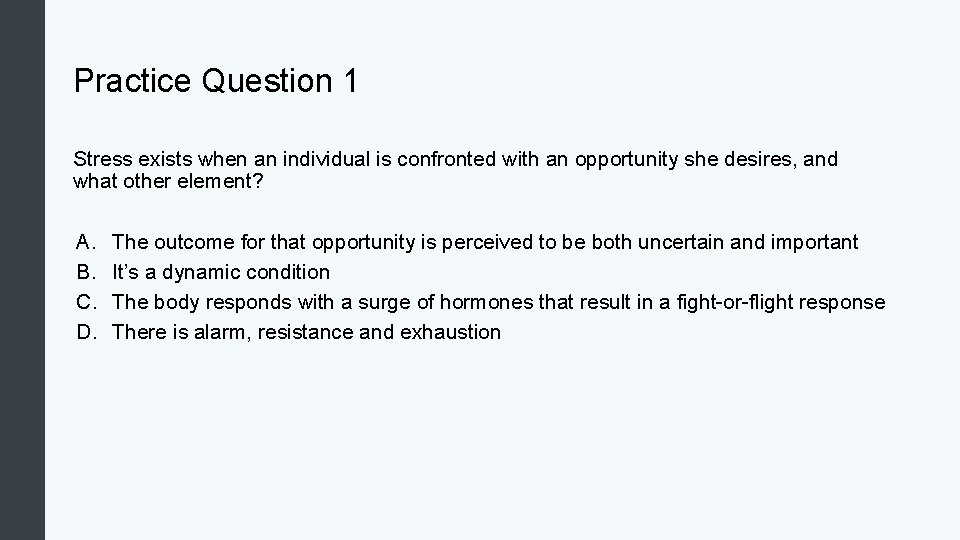
Practice Question 1 Stress exists when an individual is confronted with an opportunity she desires, and what other element? A. B. C. D. The outcome for that opportunity is perceived to be both uncertain and important It’s a dynamic condition The body responds with a surge of hormones that result in a fight-or-flight response There is alarm, resistance and exhaustion
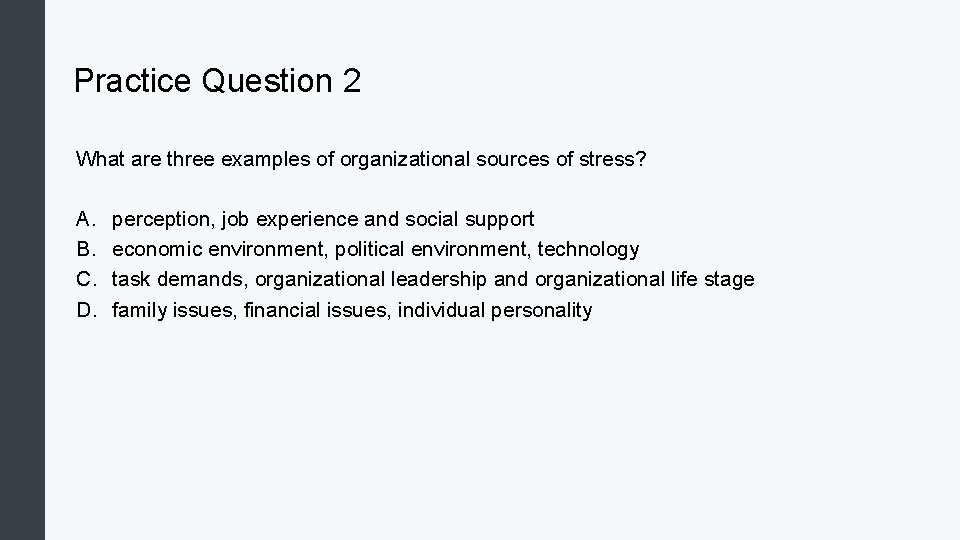
Practice Question 2 What are three examples of organizational sources of stress? A. B. C. D. perception, job experience and social support economic environment, political environment, technology task demands, organizational leadership and organizational life stage family issues, financial issues, individual personality
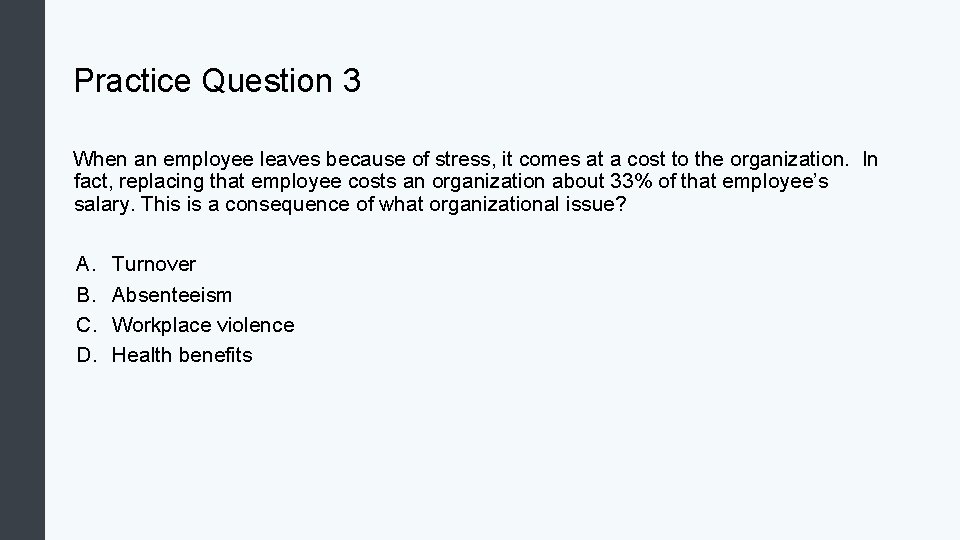
Practice Question 3 When an employee leaves because of stress, it comes at a cost to the organization. In fact, replacing that employee costs an organization about 33% of that employee’s salary. This is a consequence of what organizational issue? A. B. C. D. Turnover Absenteeism Workplace violence Health benefits
Workplace Stress Management
Learning Outcomes: Workplace Stress Management 7. 2: Describe how theories and concepts around work–life balance affect notions of workplace stress management 7. 2. 1: Discuss individual approaches to stress management 7. 2. 2: Discuss job design and other managerial approaches to stress management 7. 2. 3: Discuss wellness programs as an organizational approach to stress management
Time Management • • Creating daily task lists Prioritizing those tasks Schedule time to complete tasks based on time needed for each Tackle difficult tasks when you’re most alert
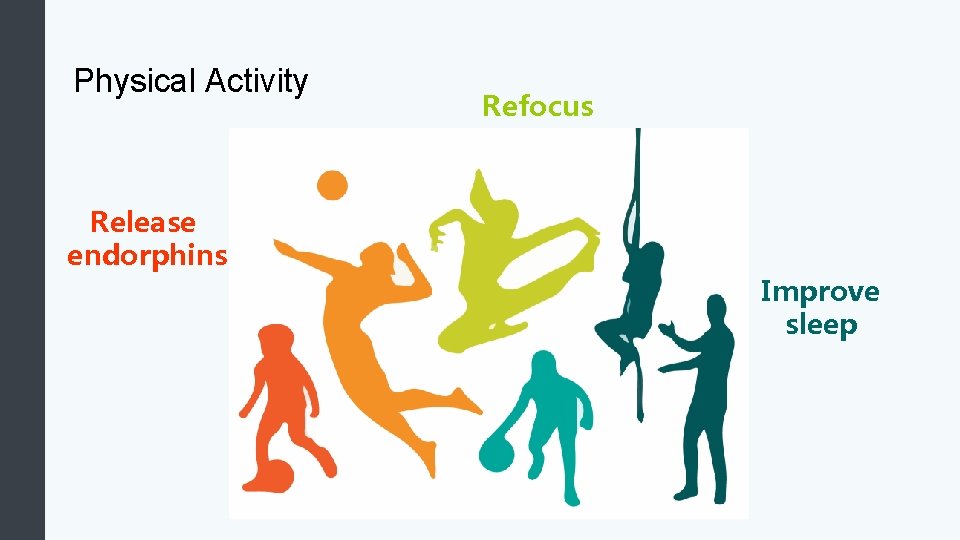
Physical Activity Release endorphins Refocus Improve sleep
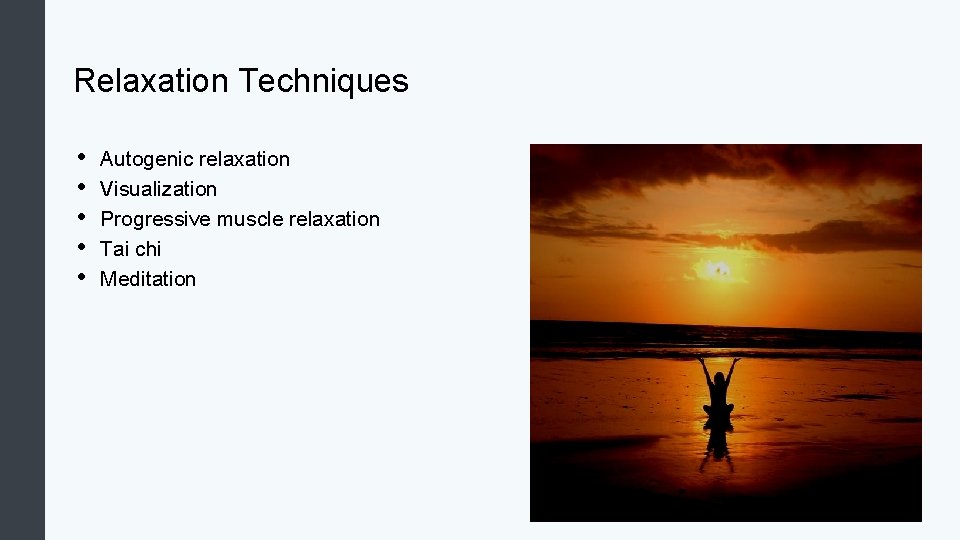
Relaxation Techniques • • • Autogenic relaxation Visualization Progressive muscle relaxation Tai chi Meditation
Class Activity: Are you stressed out over this class? • Let’s try an autogenic stress relief technique! • • Imagine yourself in a peaceful place – the beach, the mountains… Relax your breathing Relax your arms and legs Relax your whole body
Class Discussion : Are you stressed out over this class? • Did that help you feel more relaxed?
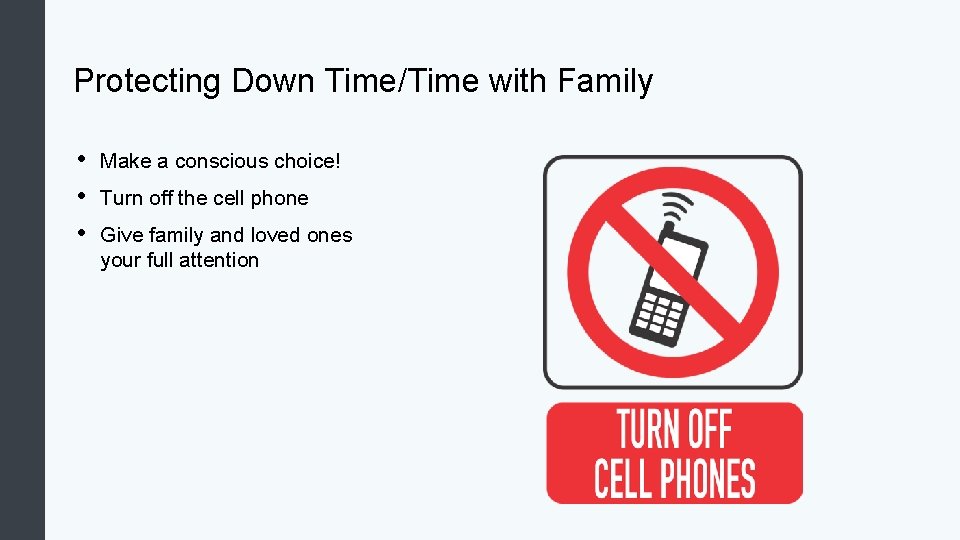
Protecting Down Time/Time with Family • • • Make a conscious choice! Turn off the cell phone Give family and loved ones your full attention
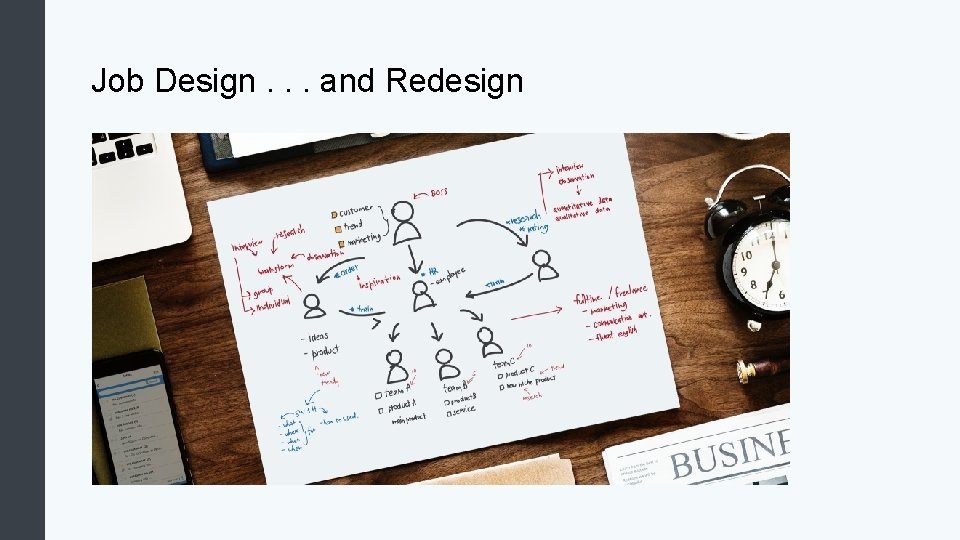
Job Design. . . and Redesign
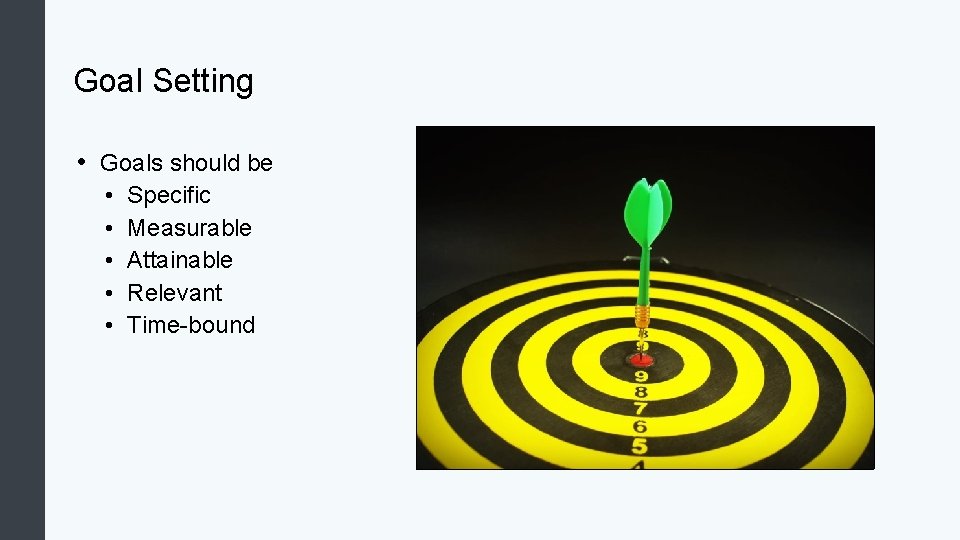
Goal Setting • Goals should be • • • Specific Measurable Attainable Relevant Time-bound
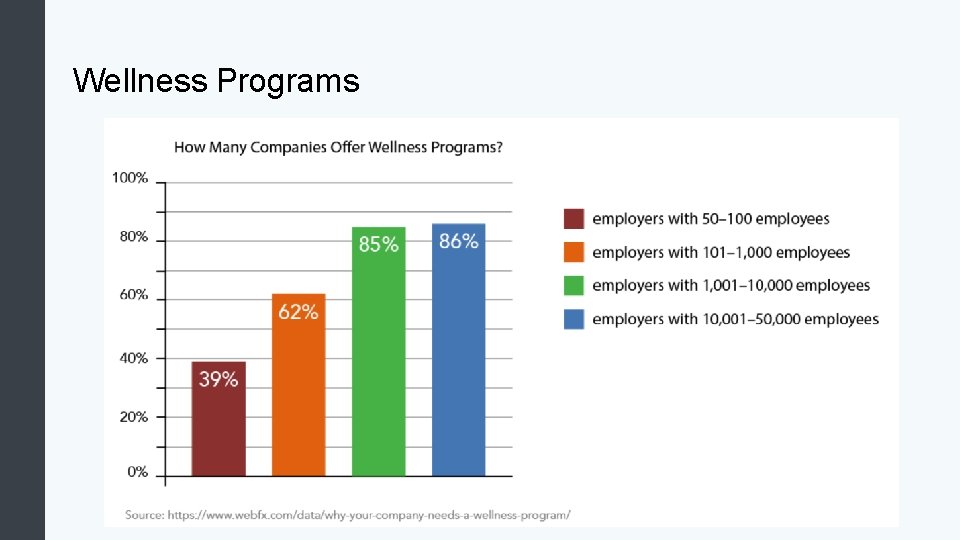
Wellness Programs
Employee Assistance Programs (EAPs) • Third-party providers of short-term, confidential counseling for employees
Practice Question 4 John is responding to stressors at work and as a result, his body isn’t producing those “feel-good transmitters” in the brain called endorphins that make person happy. What individual stress relief tactic might John try to put those endorphins back into action? A. B. C. D. A better night’s sleep Time management A trip to the physician’s office Physical activity
Practice Question 5 As a manager, Chris wants to keep an eye on employee stress, and one way to do that is to make a job richer for employees, alleviating stress and adding motivation. Chris can do this by giving the employee more meaningful work, more say in decisions and more responsibility overall. What do we call Chris’ approach to stress management? A. B. C. D. job design job redesign skill variety excessive collaboration
Practice Question 6 What organizational approach to stress management might include a smoking cessation or asthma management program? A. B. C. D. office perks work/life balance wellness programs health benefits package
Quick Review • • • Stress in the workplace can be good or bad There are different sources of stress • • • Environmental Organizational Individual Each individual processes stress differently—what stresses one person may not stress another Individuals can fight stress with physical activity, protecting family time, etc. Managers can address stress with job design and redesign Organizationally, companies can put wellness programs and EAP programs into place to help employees deal with stressors and stay productive
- Slides: 34