
Organizational Behavior MGT502 Lecture21 Summary of Lecture20 The
Organizational Behavior (MGT-502) Lecture-21
Summary of Lecture-20

The Communication Process Encoding Channel Message Decoding Message Source Receiver Feedback
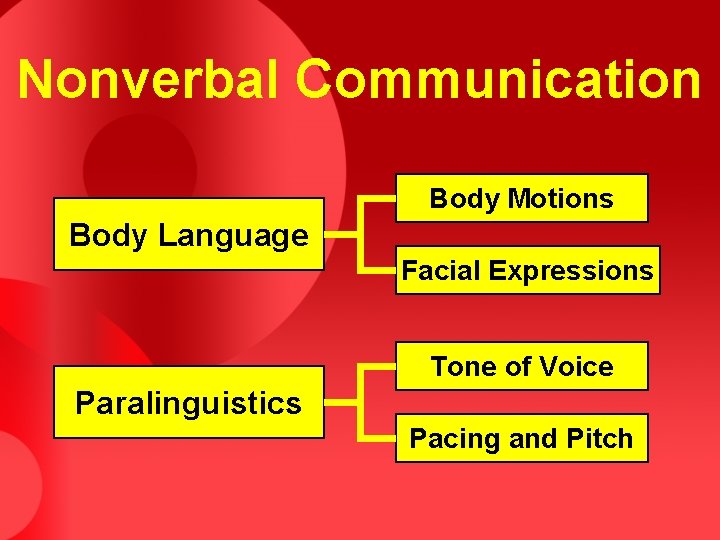
Nonverbal Communication Body Motions Body Language Facial Expressions Tone of Voice Paralinguistics Pacing and Pitch
Barriers to Effective Communication
Directions of Communications

Today’s Topics
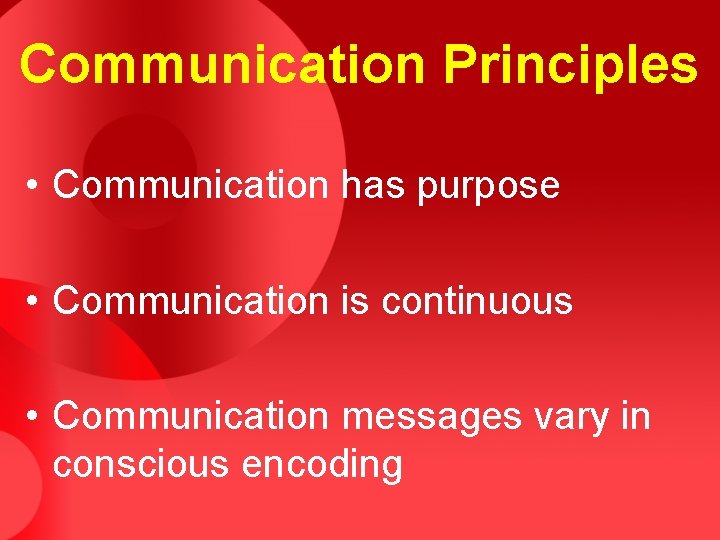
Communication Principles • Communication has purpose • Communication is continuous • Communication messages vary in conscious encoding
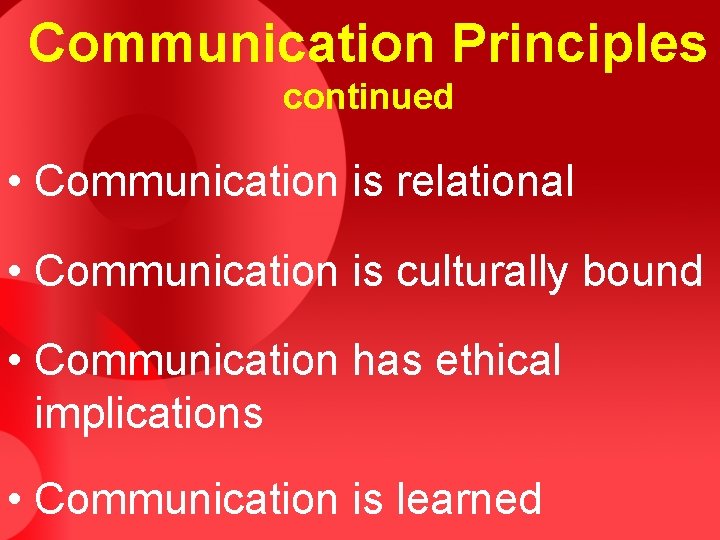
Communication Principles continued • Communication is relational • Communication is culturally bound • Communication has ethical implications • Communication is learned
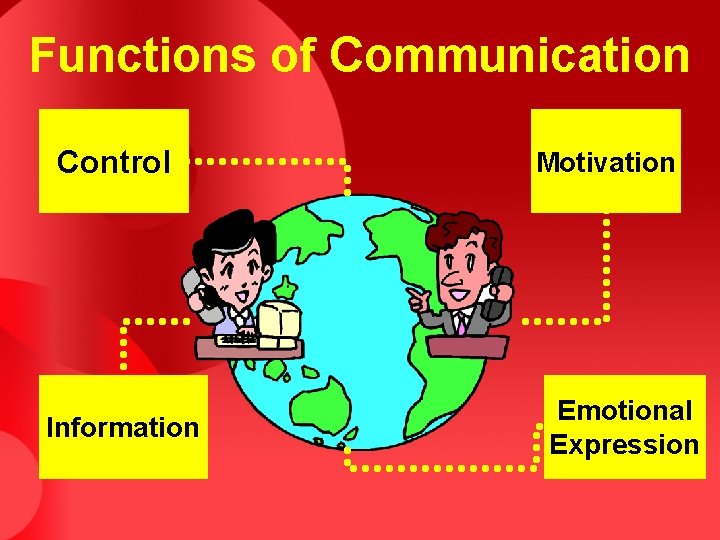
Functions of Communication Control Information Motivation Emotional Expression
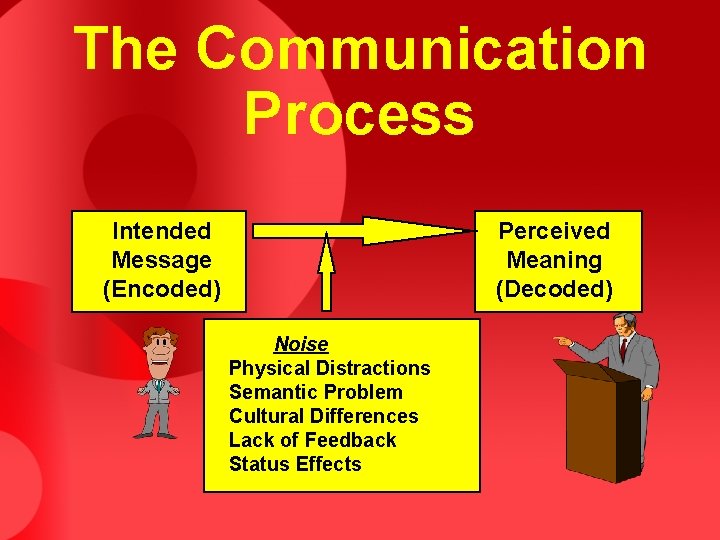
The Communication Process Intended Message (Encoded) Perceived Meaning (Decoded) Noise Physical Distractions Semantic Problem Cultural Differences Lack of Feedback Status Effects
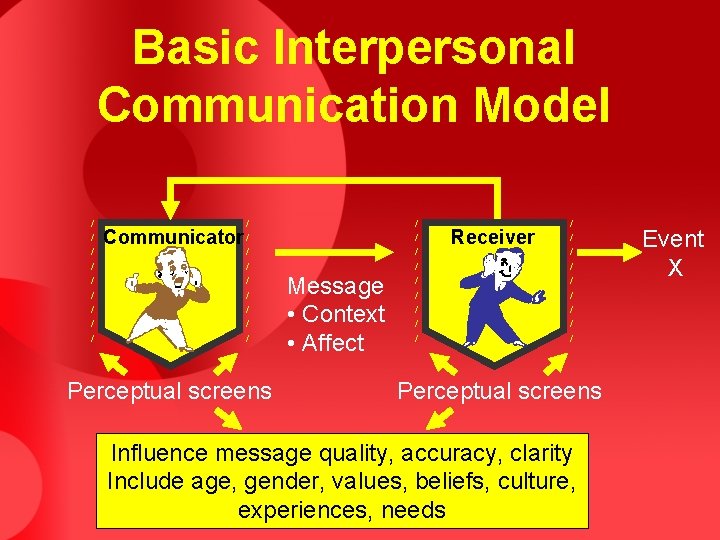
Basic Interpersonal Communication Model / / / / / Communicator / / / / / Perceptual screens Message • Context • Affect / / / / / Receiver / / / / / Perceptual screens Influence message quality, accuracy, clarity Include age, gender, values, beliefs, culture, experiences, needs Event X
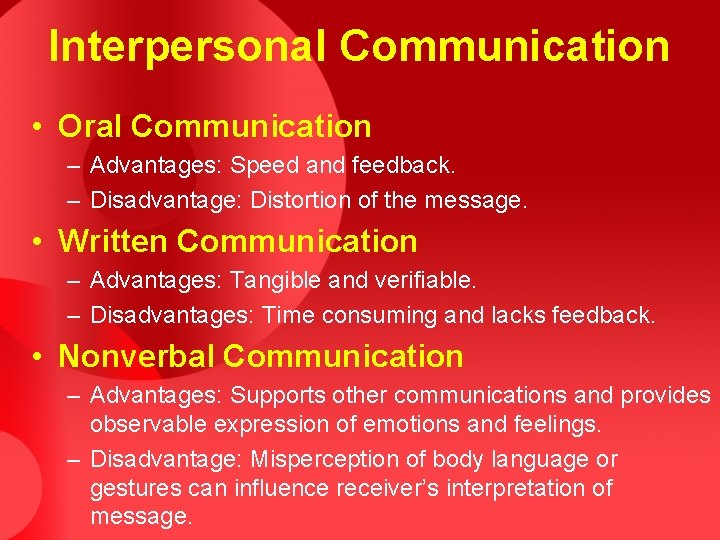
Interpersonal Communication • Oral Communication – Advantages: Speed and feedback. – Disadvantage: Distortion of the message. • Written Communication – Advantages: Tangible and verifiable. – Disadvantages: Time consuming and lacks feedback. • Nonverbal Communication – Advantages: Supports other communications and provides observable expression of emotions and feelings. – Disadvantage: Misperception of body language or gestures can influence receiver’s interpretation of message.
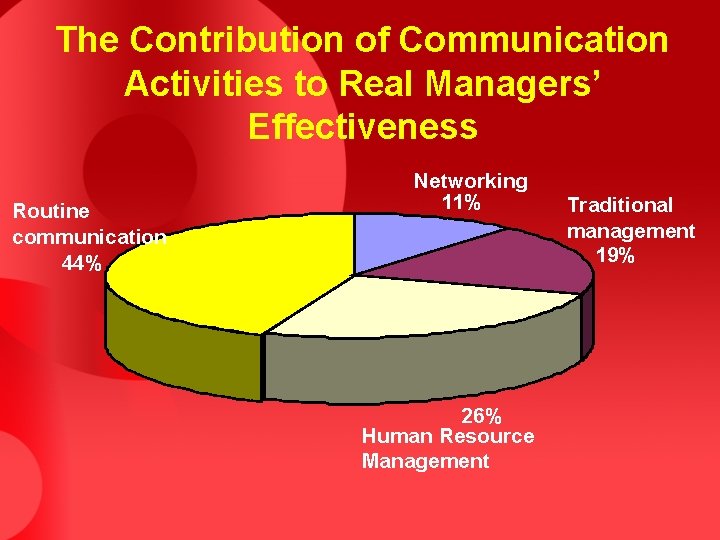
The Contribution of Communication Activities to Real Managers’ Effectiveness Routine communication 44% Networking 11% 26% Human Resource Management Traditional management 19%
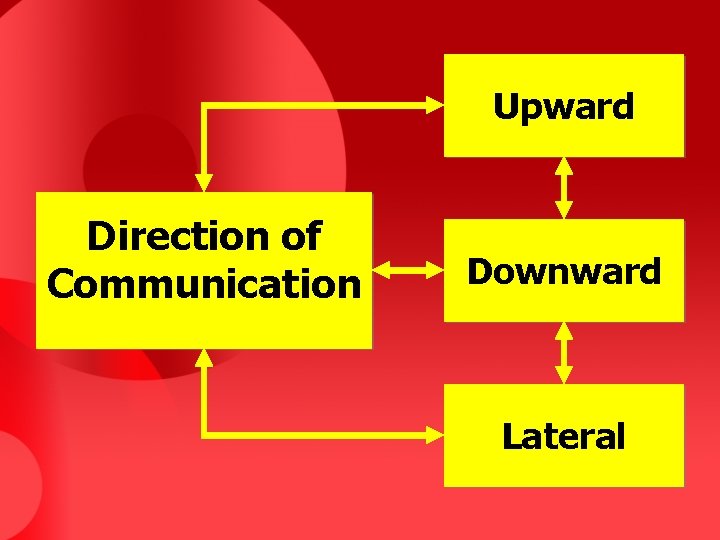
Upward Direction of Communication Downward Lateral
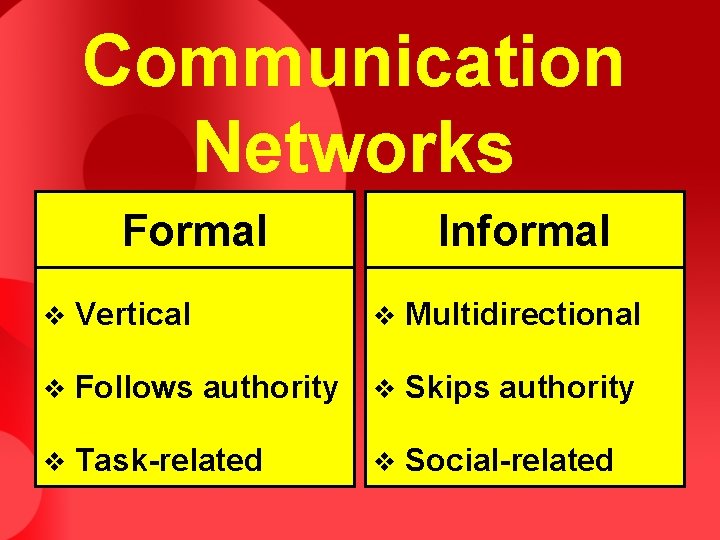
Communication Networks Formal Informal v Vertical v Multidirectional v Follows authority v Skips authority v Task-related v Social-related
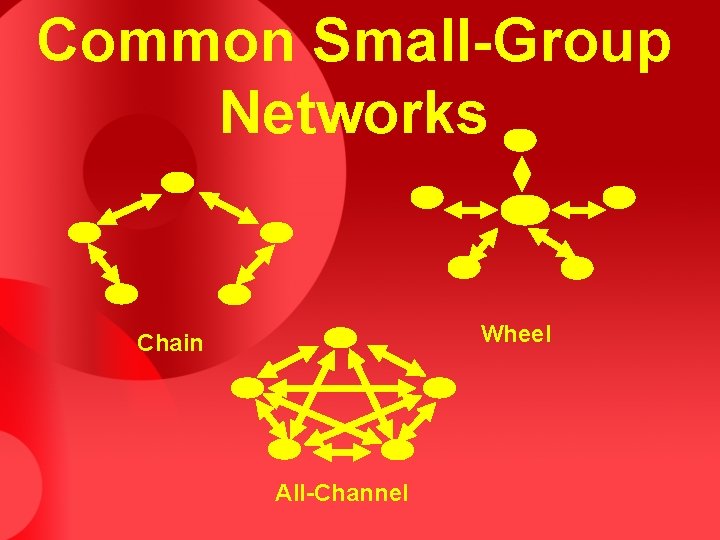
Common Small-Group Networks Wheel Chain All-Channel
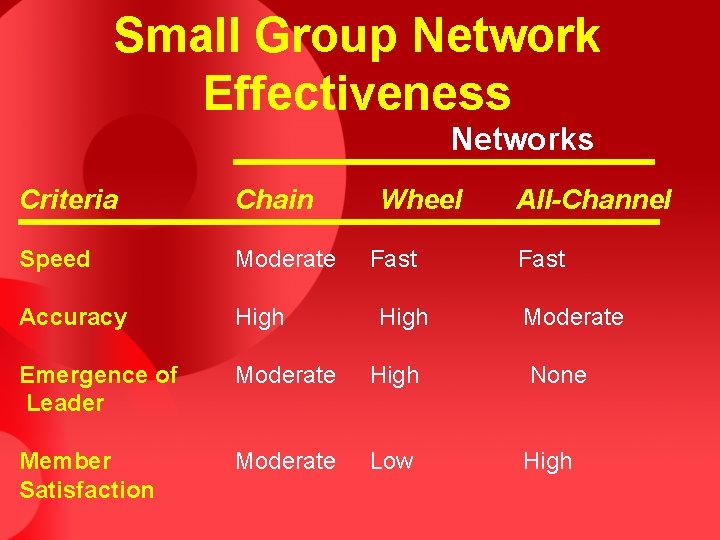
Small Group Network Effectiveness Networks Criteria Chain Wheel Speed Moderate Accuracy High Emergence of Leader Moderate High None Member Satisfaction Moderate Low High Fast High All-Channel Fast Moderate
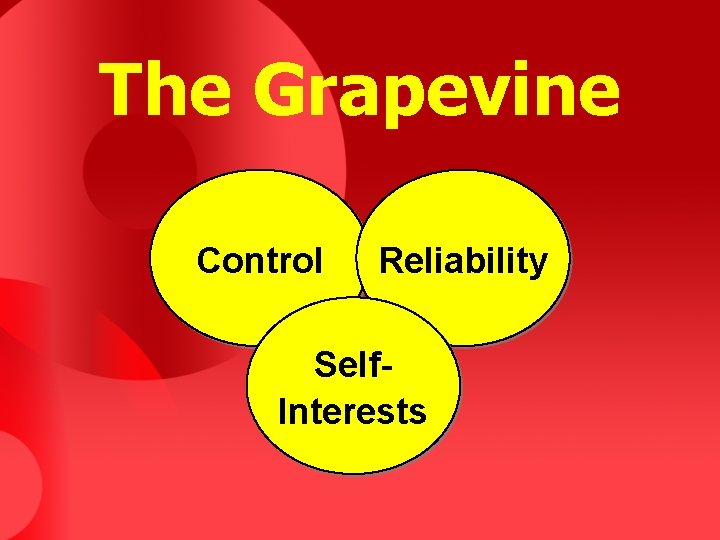
The Grapevine Control Reliability Self. Interests
Barriers to Communication • Perceptual and Attributional Biases • Interpersonal Relationships • Top Management’s Role • Gender Differences in Communication • Physical Distance • Organizational Structure
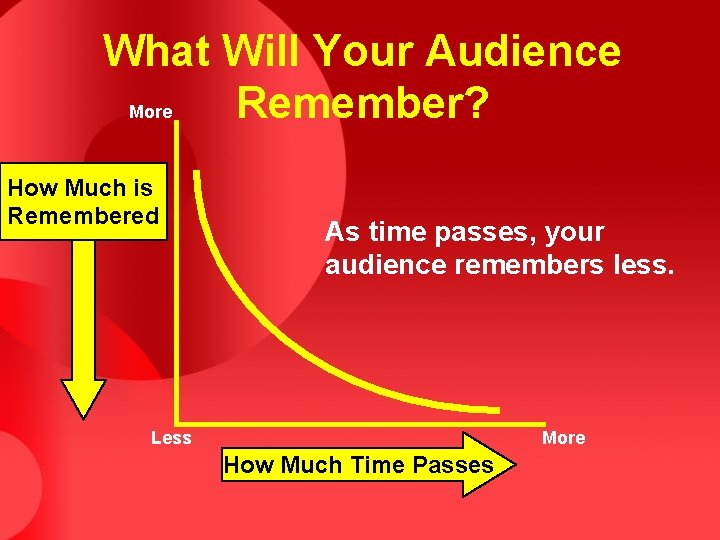
What Will Your Audience More Remember? How Much is Remembered As time passes, your audience remembers less. Less More How Much Time Passes
Electronic Communications • Work space • Work life and personal life • Organizational boundaries • Time constraints • Geographical constraints • Interpersonal contact
Technology and Communication Electronic Mail The Internet
Computer-Mediated Communication • • • Informational databases Electronic mail systems Voice mail systems Fax machine systems Cellular phone systems
How Does CMC Affect Communication? • Fast, immediate access to information • Immediate access to people in power • Instant information exchange across distance • Makes schedules & office hours irrelevant • May equalize group power • May equalize group participation
How Does CMC Affect Communication? • Communication can become more impersonal-interaction with a machine • Interpersonal skills may diminish--less tact, less graciousness • Non-verbal cues lacking • Alters social context • Easy to become overwhelmed with information
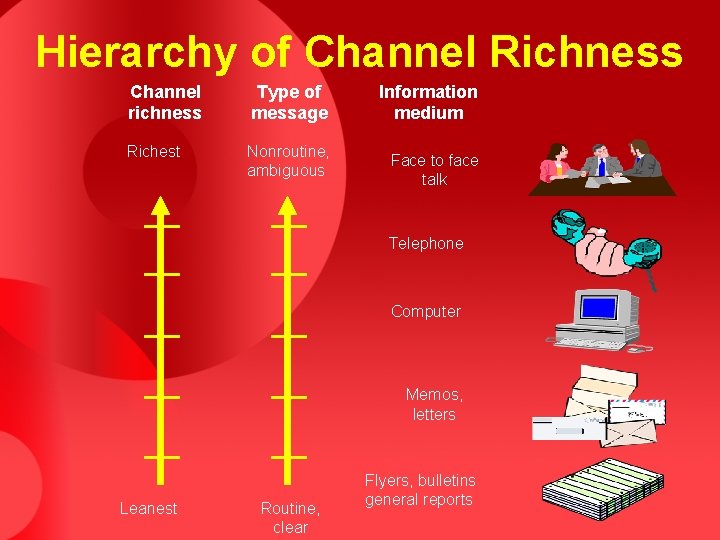
Hierarchy of Channel Richness Channel richness Type of message Richest Nonroutine, ambiguous Information medium Face to face talk Telephone Computer Memos, letters Leanest Routine, clear Flyers, bulletins general reports
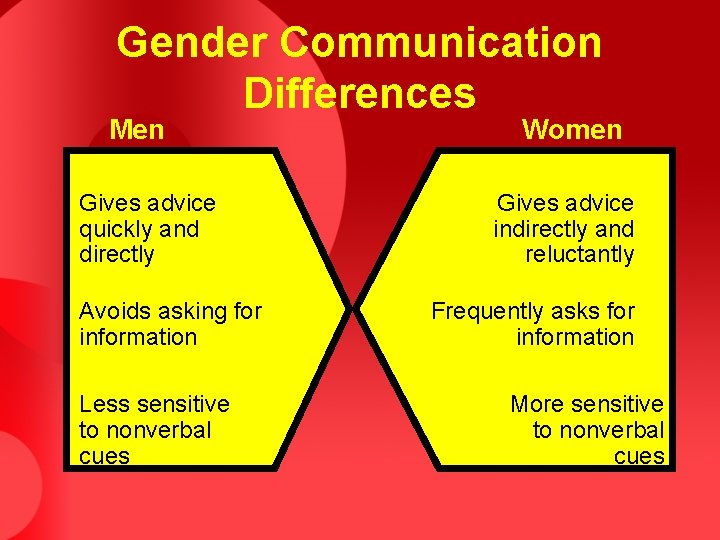
Gender Communication Differences Men Gives advice quickly and directly Avoids asking for information Less sensitive to nonverbal cues Women Gives advice indirectly and reluctantly Frequently asks for information More sensitive to nonverbal cues
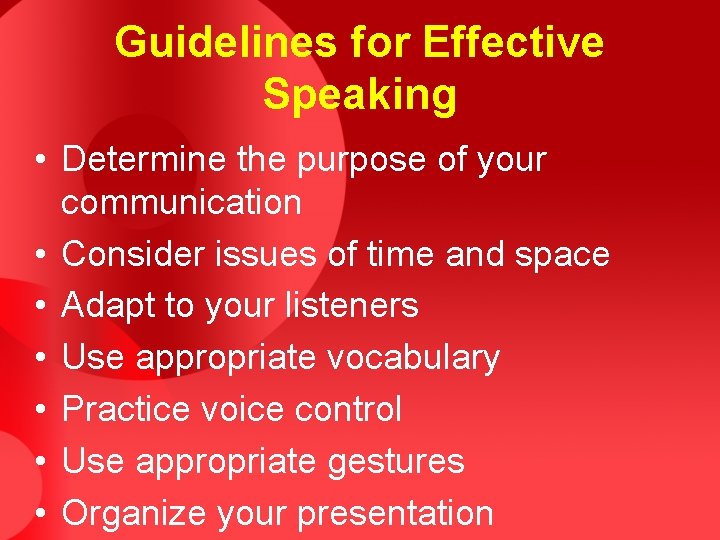
Guidelines for Effective Speaking • Determine the purpose of your communication • Consider issues of time and space • Adapt to your listeners • Use appropriate vocabulary • Practice voice control • Use appropriate gestures • Organize your presentation
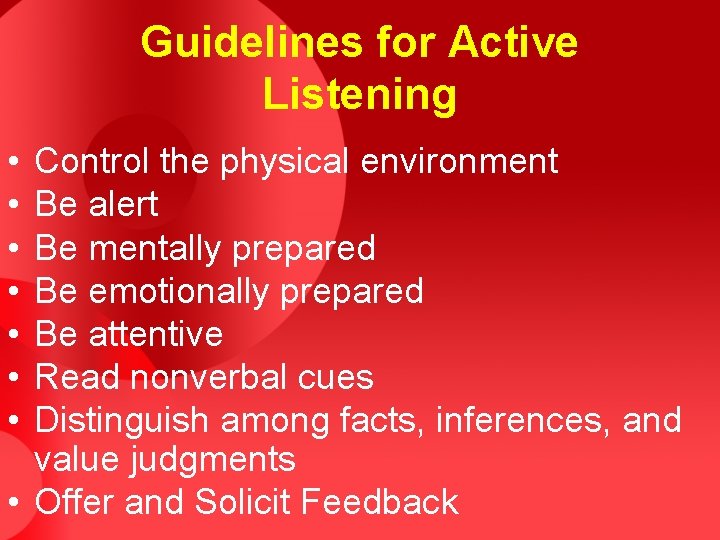
Guidelines for Active Listening • • Control the physical environment Be alert Be mentally prepared Be emotionally prepared Be attentive Read nonverbal cues Distinguish among facts, inferences, and value judgments • Offer and Solicit Feedback
Improving Communication in Organizations
Following Up Empathy Utilizing Feedback Repetition Regulating Information Flow
Effective Listening Simplifying Language Effective Timing Using the Grapevine
Communications and HRM
How do you find out about what happens at work? CBULLETIN BOARD CNEWSLETTER CGOSSIP C? ? ?

Employee Handbook Purpose
l. Employee – Information central source – Commitment, security – Direction l. Employer – Committed workforce – Recruit – Educate, inform, and guide employees
l Helps employees learn about company at their own pace l Provides references regarding policies, rules, and benefits l Ensures HRM policies will be consistently applied l Creates sense of security and commitment for employees l Provides l May information to recruits be interpreted as implied contract l Should be updated continually
To Achieve that…. AN EMPLOYEE HANDBOOK SHOULD BE CWell organized CClearly written CLegally limited
Employee Handbook Contents
GIntroductory comments GWhat you should know GYour benefits GYour responsibilities and safety procedures
Introductory Comments
CGreetings CWelcome CValuable to the company CTone setting, culture statement CPerformance, role expectations
What You Should Know
CRules and policies –Attendance, work hours –Lunch hours –Lay off practices –Performance appraisal issues

Your Benefits
CMembership-based C Keep morale high CCosts CEligibility
Responsibilities and Procedures
CSafety CPersonal conduct CReporting accidents CCompliance requirements
Communication Methods
CEmployee handbook CBulletin board CCompany newsletter CCompany-wide meetings CDigital Media CEtc.
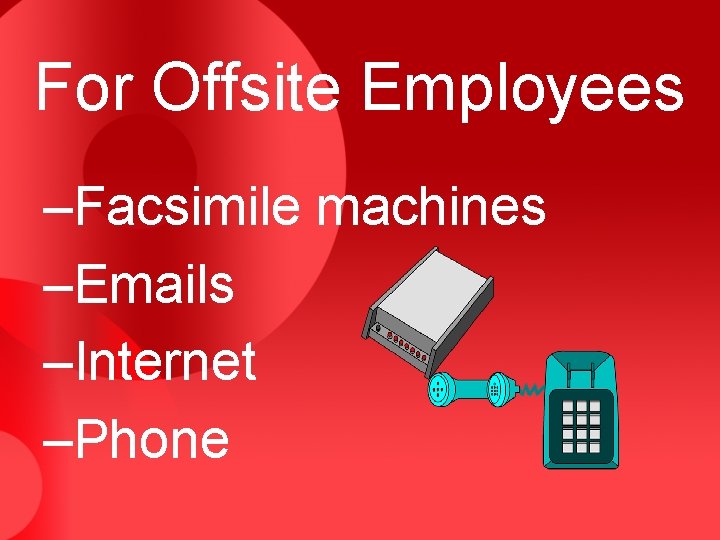
For Offsite Employees –Facsimile machines –Emails –Internet –Phone
HRM Communications Programs
CKeep employees informed CConvey organization’s concern for employees CBuild trust and openness CMonitor employee concerns
Purpose of HRM Communications
CKeep employees informed CTool to bring about positive change CInfluence culture
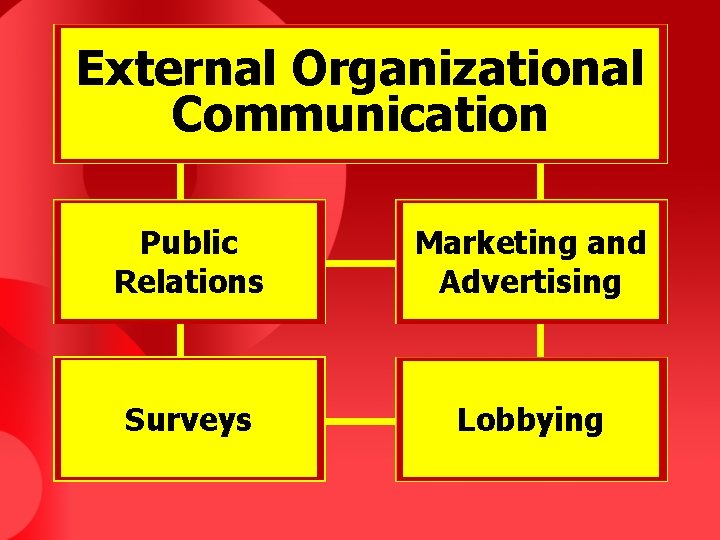
External Organizational Communication Public Relations Marketing and Advertising Surveys Lobbying
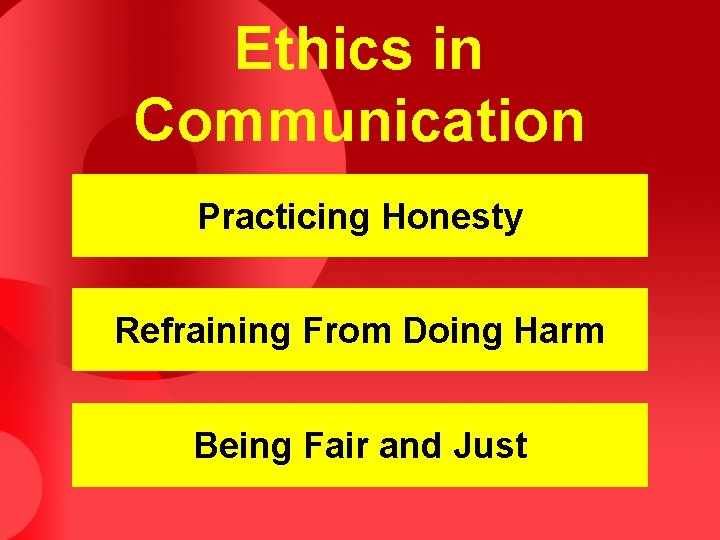
Ethics in Communication Practicing Honesty Refraining From Doing Harm Being Fair and Just

p o t s s ’ e t r e e L it h

Summary
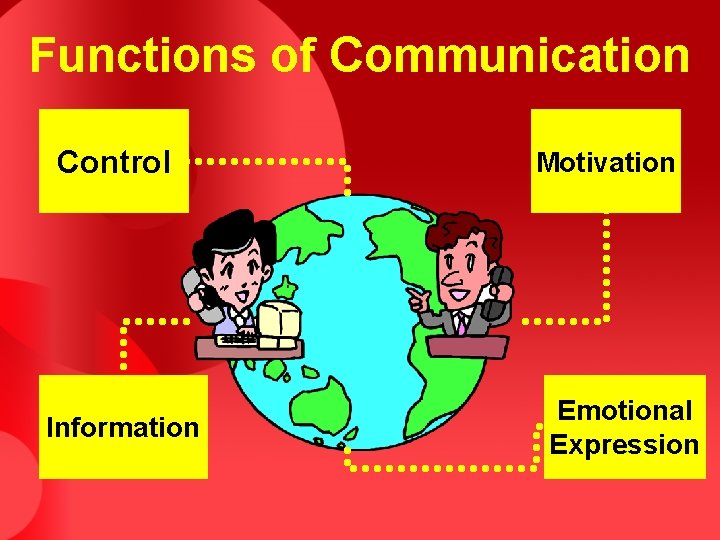
Functions of Communication Control Information Motivation Emotional Expression
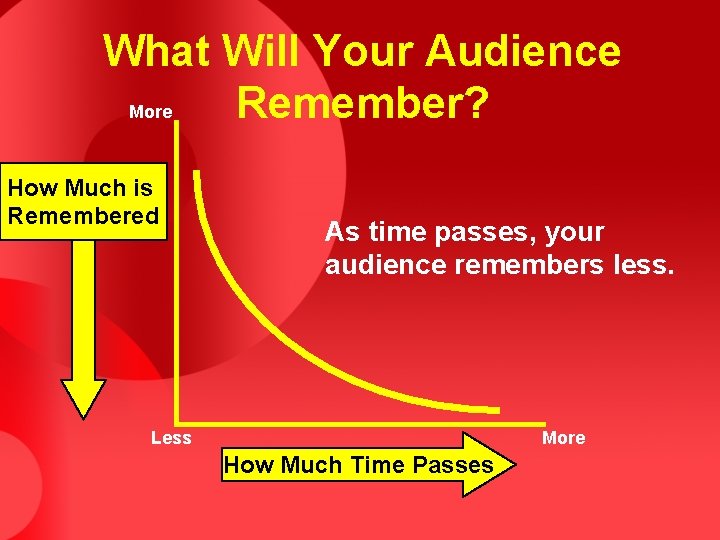
What Will Your Audience More Remember? How Much is Remembered As time passes, your audience remembers less. Less More How Much Time Passes
Improving Communication in Organizations

Next….
Organizational Behavior (MGT-502) Lecture-21
- Slides: 65