
Organizational Behavior MGT502 Lecture18 Summary of Lecture17 Groups
Organizational Behavior (MGT-502) Lecture-18

Summary of Lecture-17
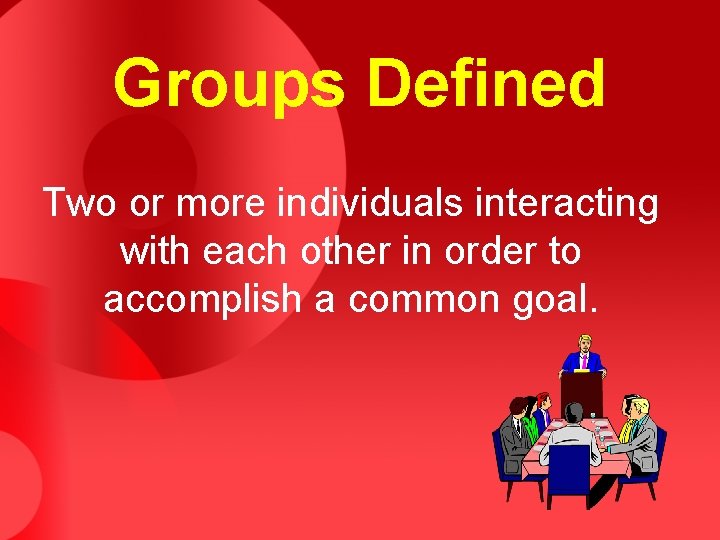
Groups Defined Two or more individuals interacting with each other in order to accomplish a common goal.
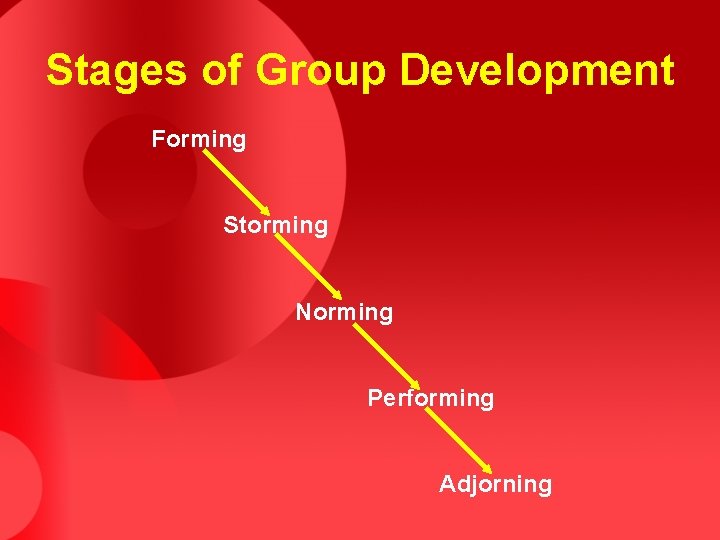
Stages of Group Development Forming Storming Norming Performing Adjorning
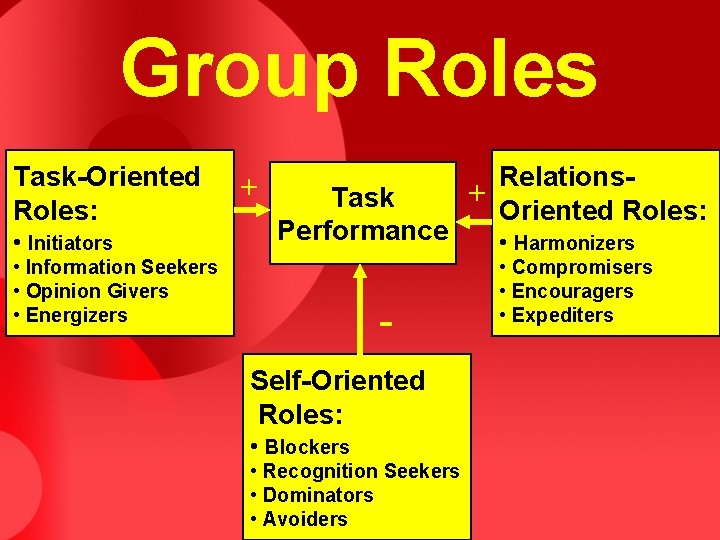
Group Roles Task-Oriented Roles: • Initiators + Task Performance • Information Seekers • Opinion Givers • Energizers Self-Oriented Roles: • Blockers • Recognition Seekers • Dominators • Avoiders Relations+ Oriented Roles: • Harmonizers • Compromisers • Encouragers • Expediters
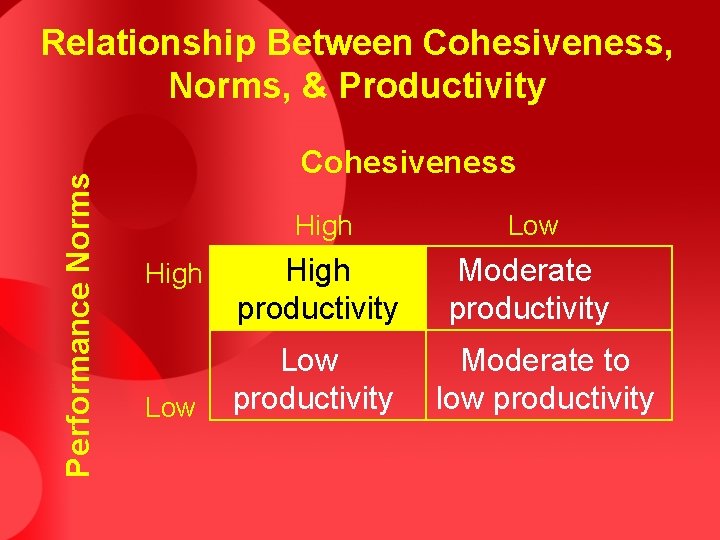
Performance Norms Relationship Between Cohesiveness, Norms, & Productivity Cohesiveness High Low High productivity Moderate productivity Low productivity Moderate to low productivity

Today’s Topics
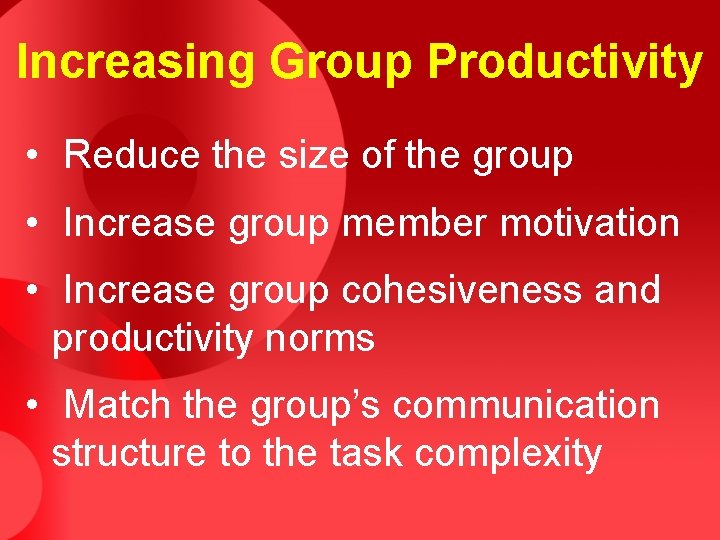
Increasing Group Productivity • Reduce the size of the group • Increase group member motivation • Increase group cohesiveness and productivity norms • Match the group’s communication structure to the task complexity
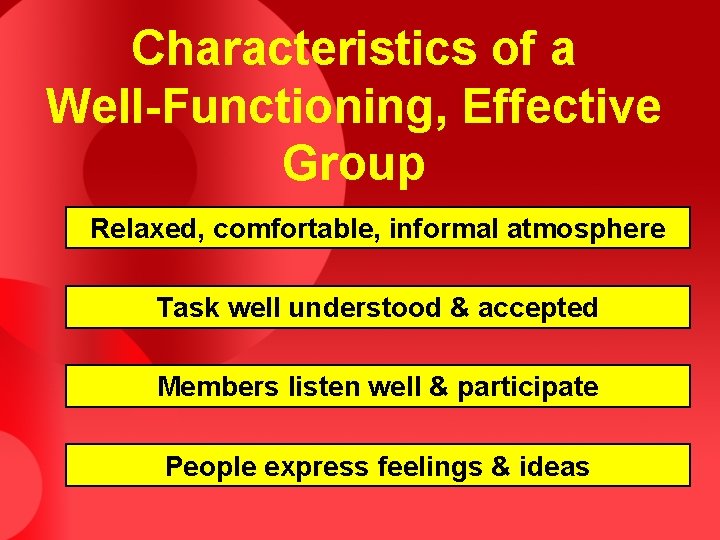
Characteristics of a Well-Functioning, Effective Group Relaxed, comfortable, informal atmosphere Task well understood & accepted Members listen well & participate People express feelings & ideas
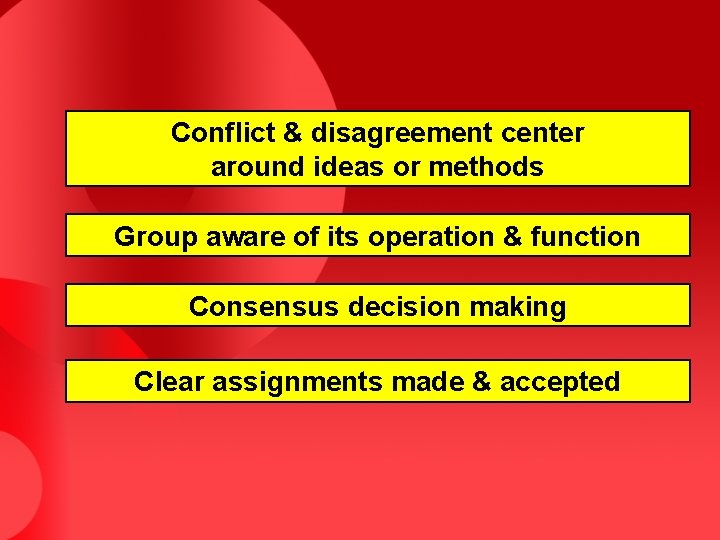
Conflict & disagreement center around ideas or methods Group aware of its operation & function Consensus decision making Clear assignments made & accepted
Conducting a Group Meeting • • • • Follow these 12 steps to more efficient and effective meetings: Prepare a meeting agenda. Distribute the agenda in advance. Consult with participants before the meeting. Get participants to go over the agenda. Establish specific time parameters. Maintain focused discussion. Encourage and support participation of all members. Maintain a balanced style. Encourage the clash of ideas. Discourage the clash of personalities. Be an effective listener. Bring proper closure.
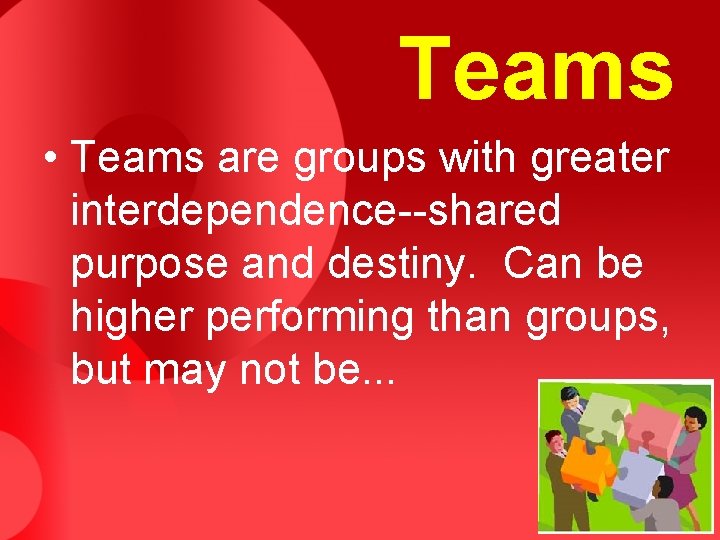
Teams • Teams are groups with greater interdependence--shared purpose and destiny. Can be higher performing than groups, but may not be. . .
Why Have Teams Become So Popular • Teams typically outperform individuals. • Teams use employee talents better. • Teams are more flexible and responsive to changes in the environment. • Teams facilitate employee involvement. • Teams are an effective way to increase motivation.
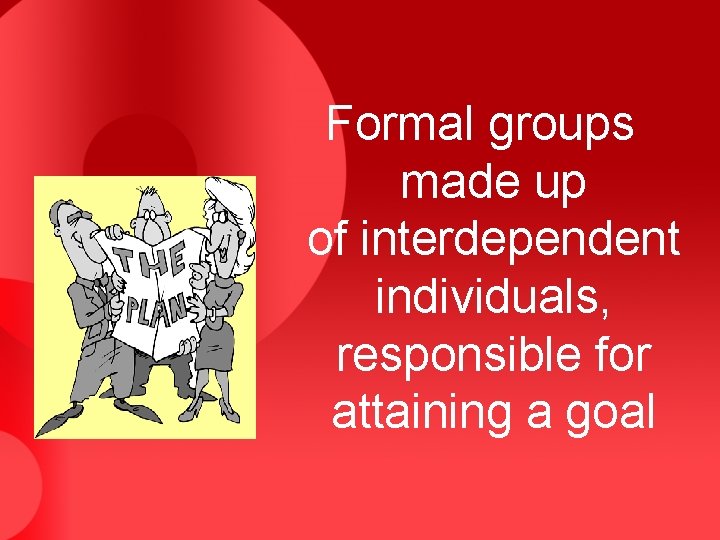
Formal groups made up of interdependent individuals, responsible for attaining a goal
“It’s easy to get players. Gettin’ ‘em to play together, that’s the hard part. ” Casey Stengel
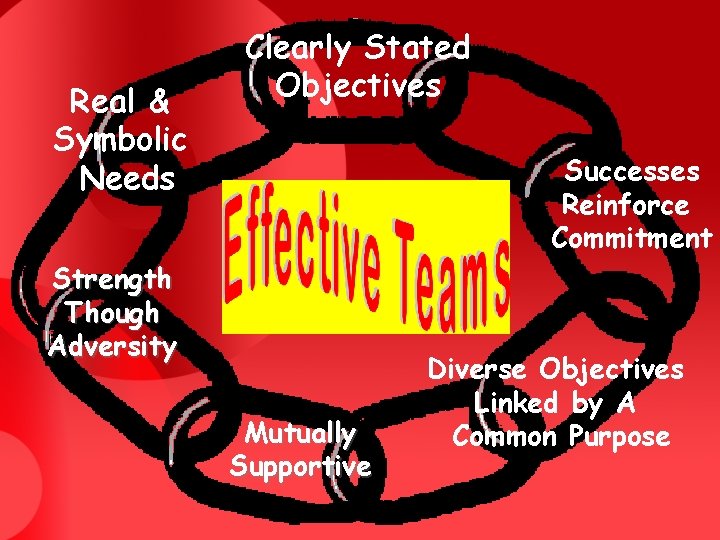
Real & Symbolic Needs Clearly Stated Objectives Successes Reinforce Commitment Strength Though Adversity Mutually Supportive Diverse Objectives Linked by A Common Purpose
Characteristics of Effective Teams • • • Atmosphere and relationships Member participation Goal understanding & acceptance Listening and sharing information Handling conflicts and disagreements Decision making
• Evaluation and member performance • Expressing feelings • Division of labor • Leadership • Attention to process
High Performance Teams Char’s • Strong core values • Specific performance objectives • Right mix of skills • Creativity
Factors Affecting Teams • Work Design • Team Composition • Context • Process
Work Design • Autonomy • Task • Feedback
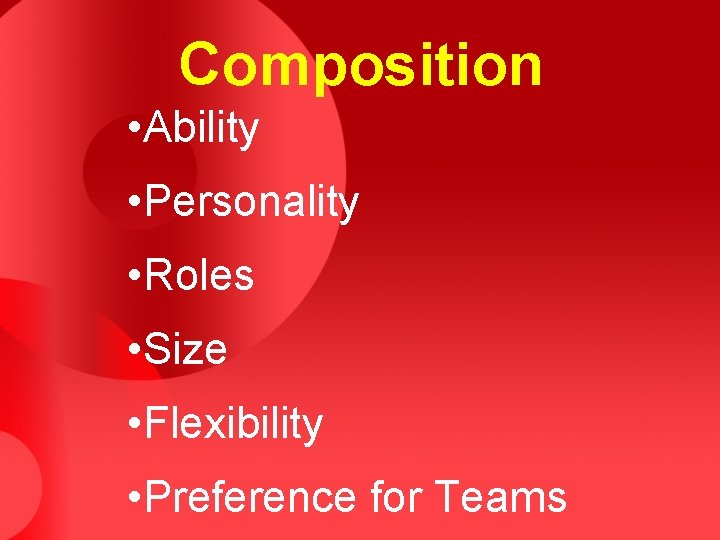
Composition • Ability • Personality • Roles • Size • Flexibility • Preference for Teams
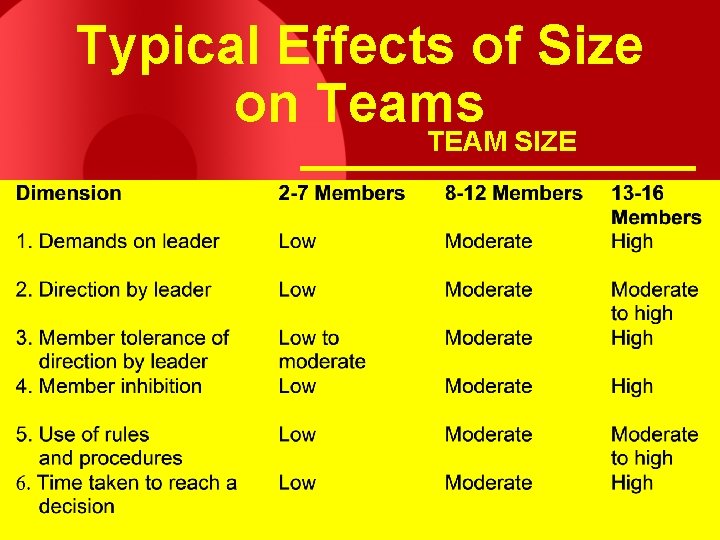
Typical Effects of Size on Teams TEAM SIZE
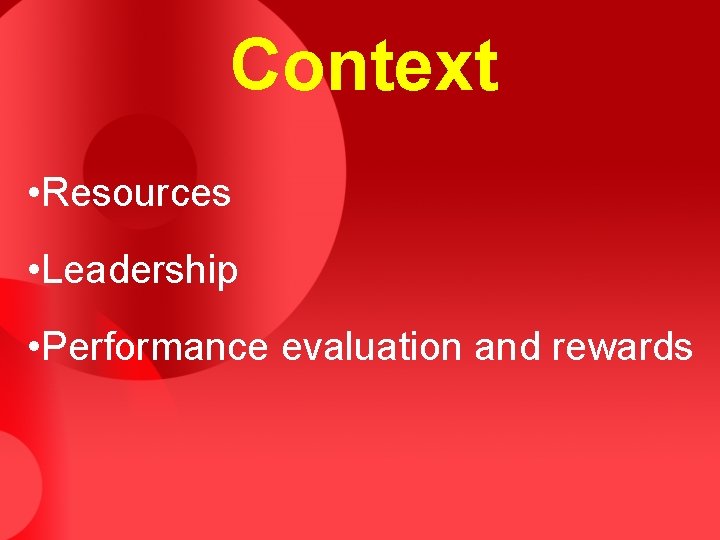
Context • Resources • Leadership • Performance evaluation and rewards
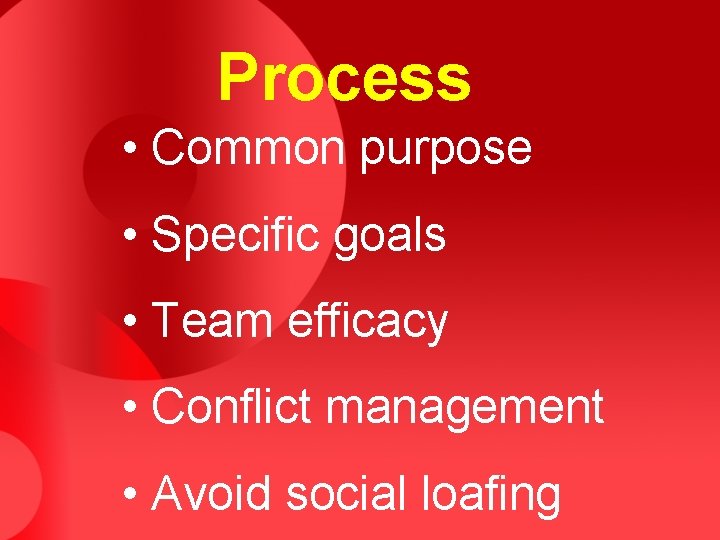
Process • Common purpose • Specific goals • Team efficacy • Conflict management • Avoid social loafing
Why Teams? • Teams better utilize employee talents • Teams are more flexible and responsive • Teams are easy to assemble, deploy, refocus, and disband • Teams facilitate employee participation • Teams increase employee motivation
Why Teams? • Good when performing complicated, complex, inter-related and/or more voluminous work than one person can handle • Good when knowledge, talent, skills, & abilities are dispersed across organizational members • Empowerment & collaboration; not power & competition
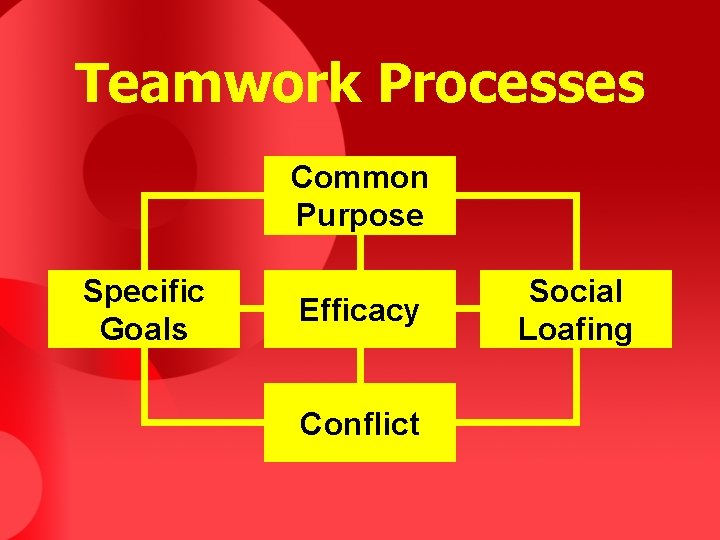
Teamwork Processes Common Purpose Specific Goals Efficacy Conflict Social Loafing
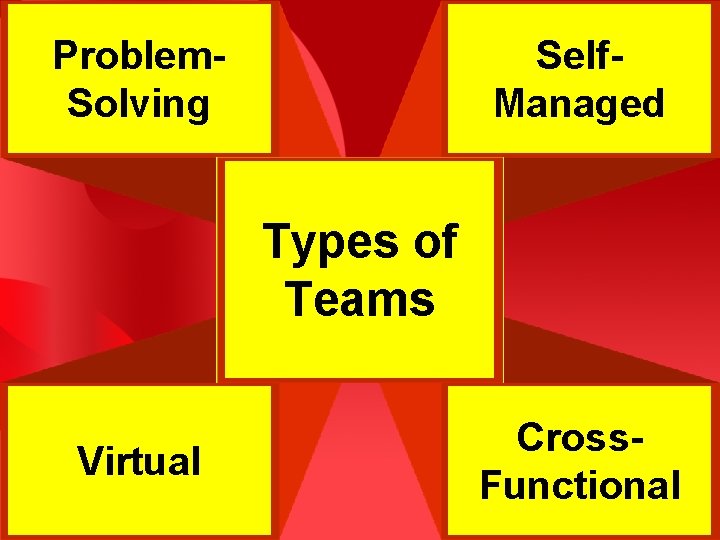
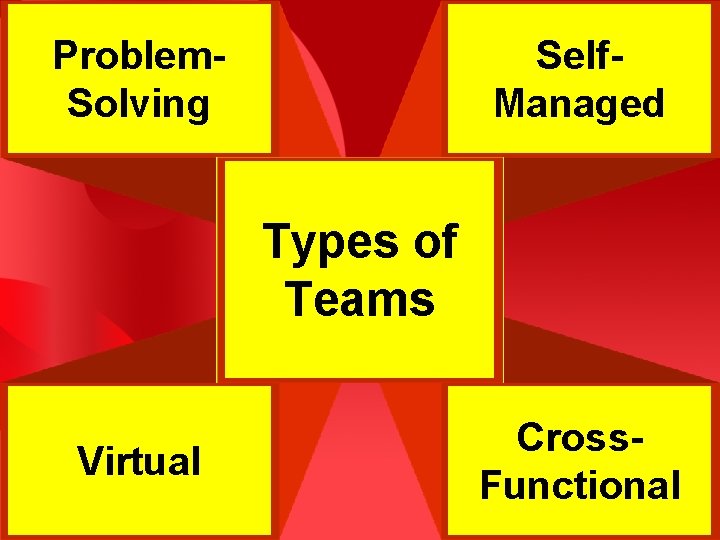
Problem. Solving Self. Managed Types of Teams Virtual Cross. Functional
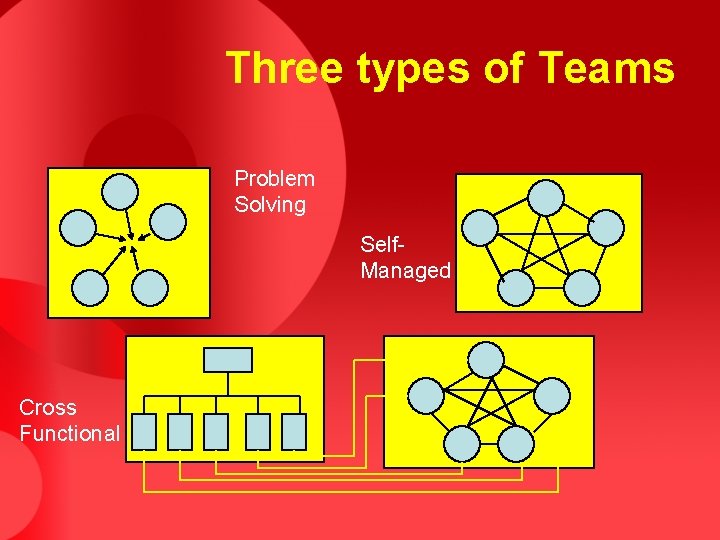
Three types of Teams Problem Solving Self. Managed Cross Functional
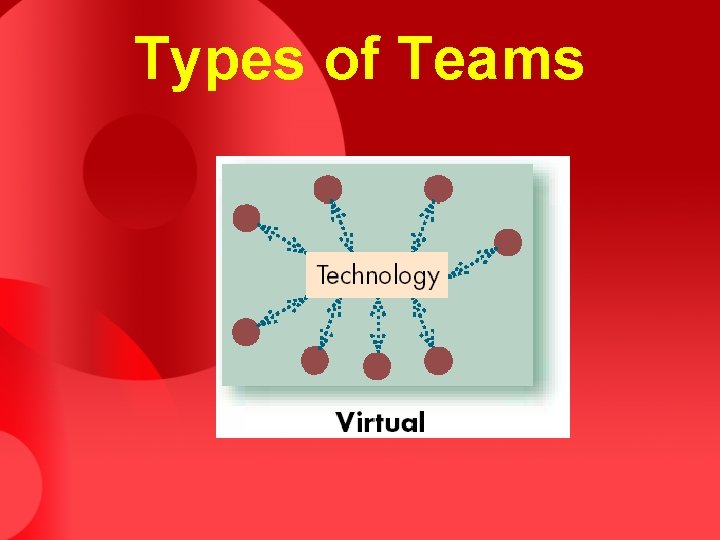
Types of Teams
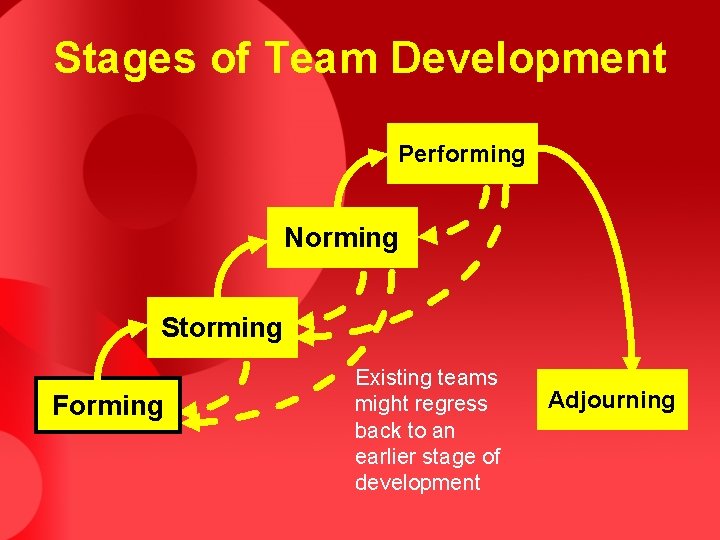
Stages of Team Development Performing Norming Storming Forming Existing teams might regress back to an earlier stage of development Adjourning
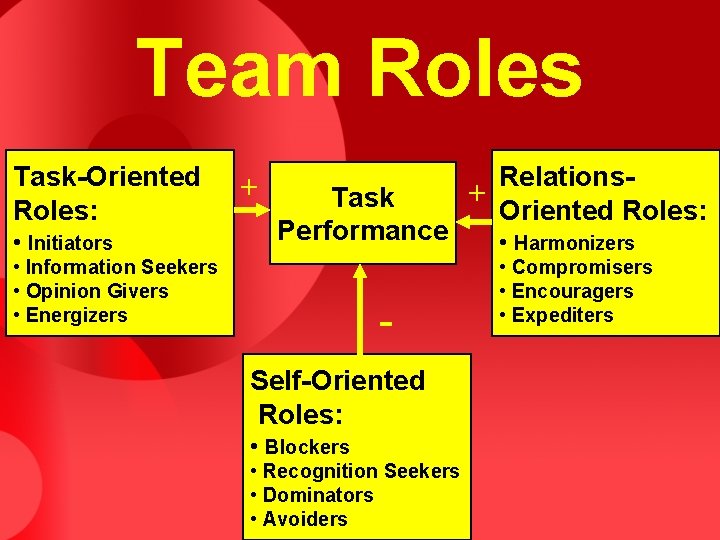
Team Roles Task-Oriented Roles: • Initiators + Task Performance • Information Seekers • Opinion Givers • Energizers Self-Oriented Roles: • Blockers • Recognition Seekers • Dominators • Avoiders Relations+ Oriented Roles: • Harmonizers • Compromisers • Encouragers • Expediters
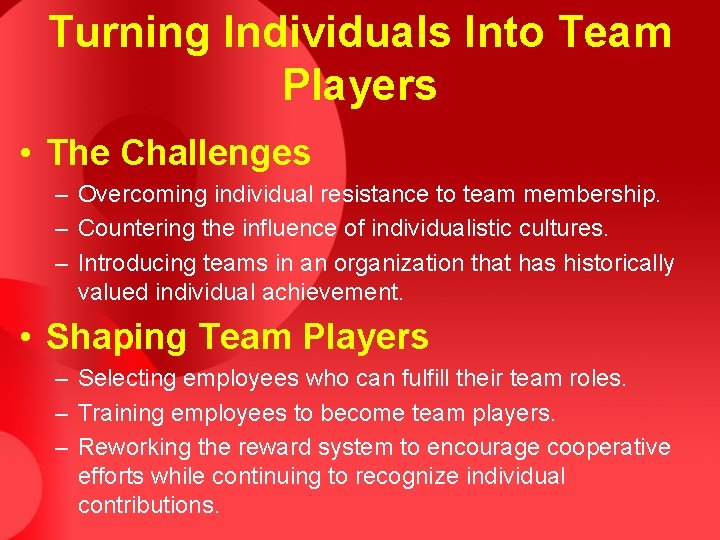
Turning Individuals Into Team Players • The Challenges – Overcoming individual resistance to team membership. – Countering the influence of individualistic cultures. – Introducing teams in an organization that has historically valued individual achievement. • Shaping Team Players – Selecting employees who can fulfill their team roles. – Training employees to become team players. – Reworking the reward system to encourage cooperative efforts while continuing to recognize individual contributions.
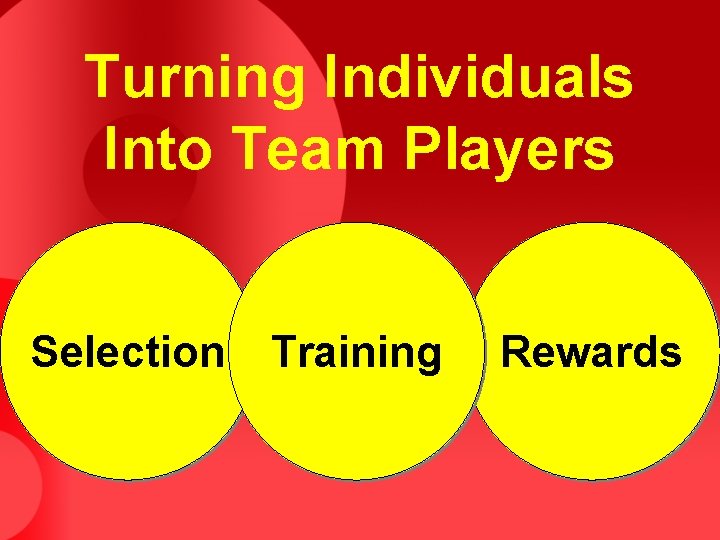
Turning Individuals Into Team Players Selection Training Rewards
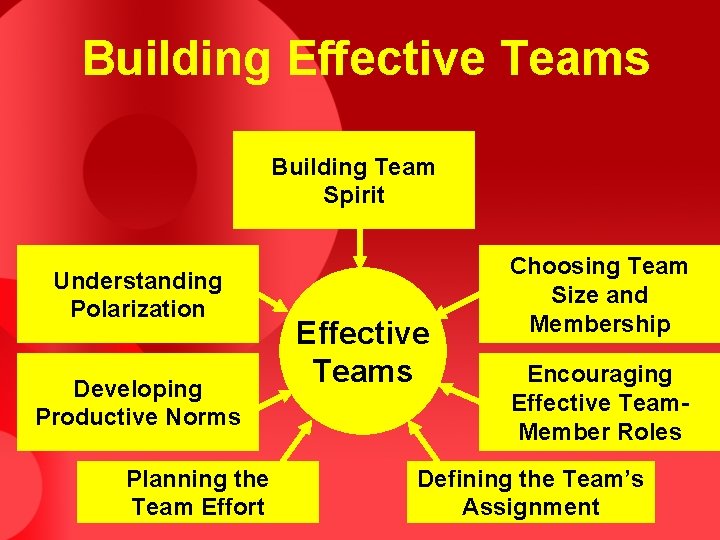
Building Effective Teams Building Team Spirit Understanding Polarization Developing Productive Norms Planning the Team Effort Effective Teams Choosing Team Size and Membership Encouraging Effective Team. Member Roles Defining the Team’s Assignment
T ogether E veryone A chieves More
Conflicts Among Teams
p o t s s ’ e t r e e L it h

Summary
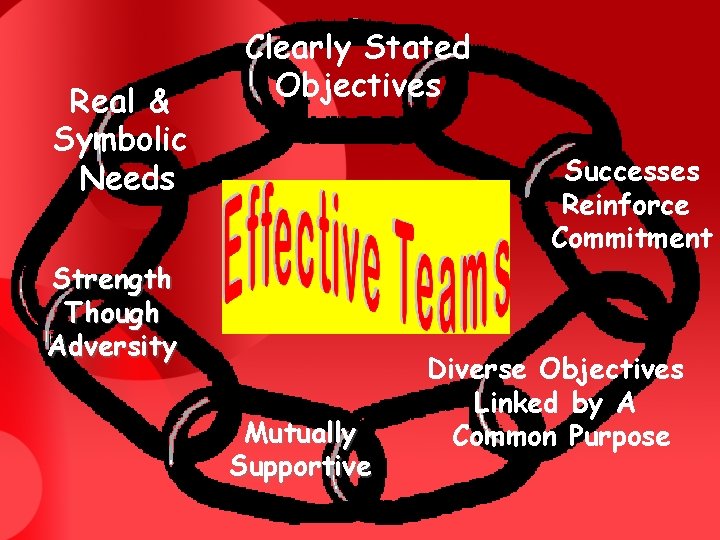
Real & Symbolic Needs Clearly Stated Objectives Successes Reinforce Commitment Strength Though Adversity Mutually Supportive Diverse Objectives Linked by A Common Purpose
High Performance Teams Char’s • Strong core values • Specific performance objectives • Right mix of skills • Creativity
Factors Affecting Teams • Work Design • Team Composition • Context • Process
Problem. Solving Self. Managed Types of Teams Virtual Cross. Functional
Turning Individuals Into Team Players Selection Training Rewards

Next….
Organizational Behavior (MGT-502) Lecture-18
- Slides: 49