
Organization Expression of Immunoglobulin Genes Hugh B Fackrell
Organization & Expression of Immunoglobulin Genes Hugh B. Fackrell 11/6/2020 1 1
Organization & Expression of Immunoglobulin Genes Assigned Reading Content Outline Performance Objectives Key terms Key Concepts Short Answer Questions 11/6/2020 2 2
Assigned Reading Chapter: 7 pp 165 -194 l Janis Kuby’s Immunology 3 rd Ed l 11/6/2020 3 3
Content Outline l l Genetic models Multigene Organization of Immunoglobulin Genes Variable-Region Gene Rearrangements Generation of Antibody Diversity 11/6/2020 l l l Class Switching in C region genes Expression of Ig Genes Regulation of Ig-Gene Transcription 4 4
11/6/2020 5 5
11/6/2020 6 6
Genetic models l l l Germ line vs somatic mutation model Dryer Bennett: Two gene model Verification 11/6/2020 7 7
11/6/2020 8 8
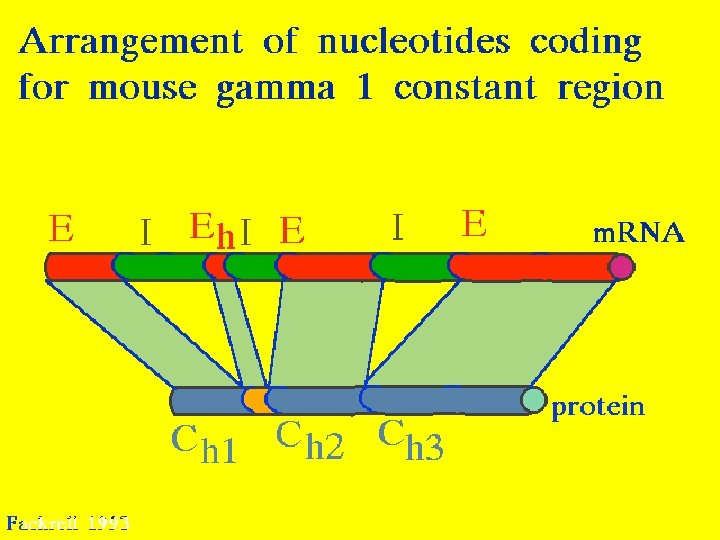
11/6/2020 9 9
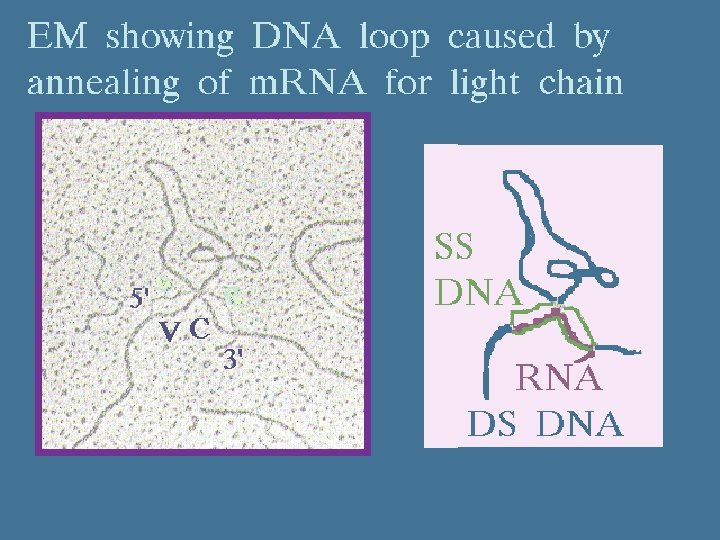
11/6/2020 10 10
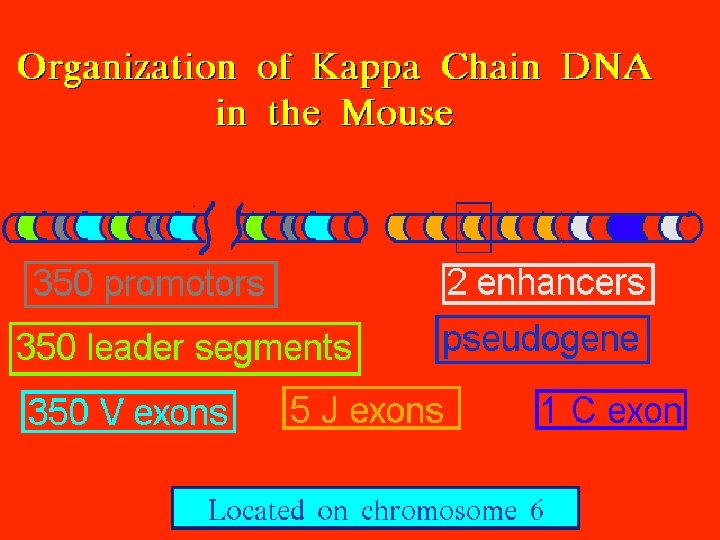
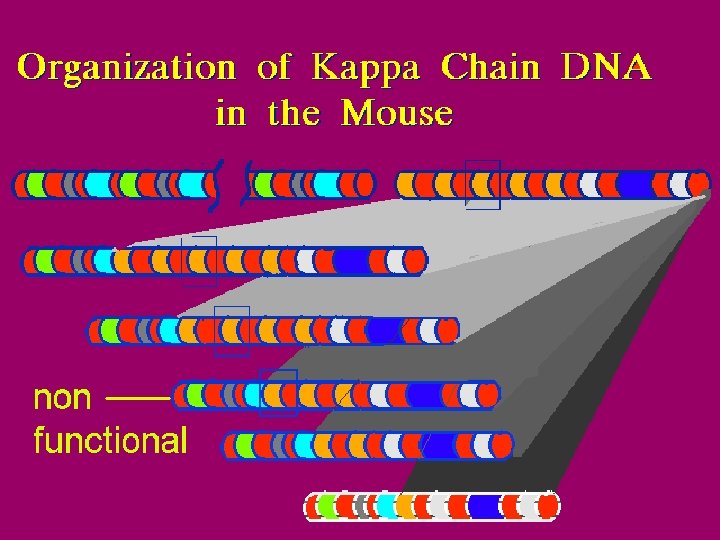
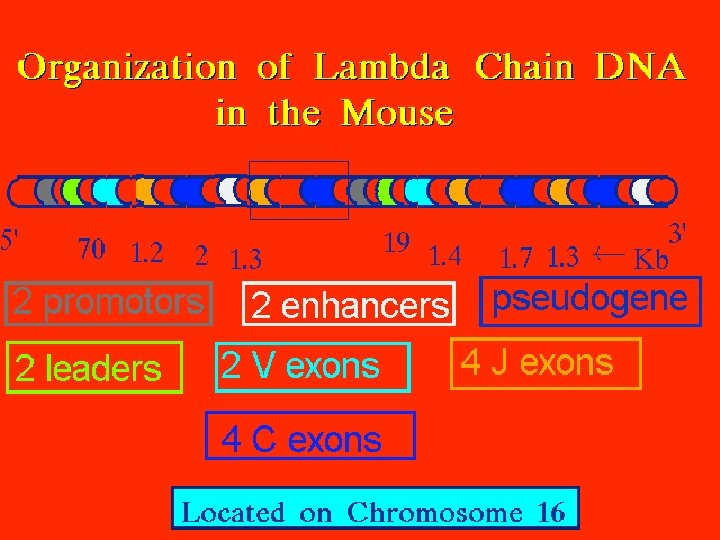
Multigene Organization of Immunoglobulin Genes l l l 11/6/2020 lambda chain multigenes kappa chain multigenes heavy chain multigenes 11 11
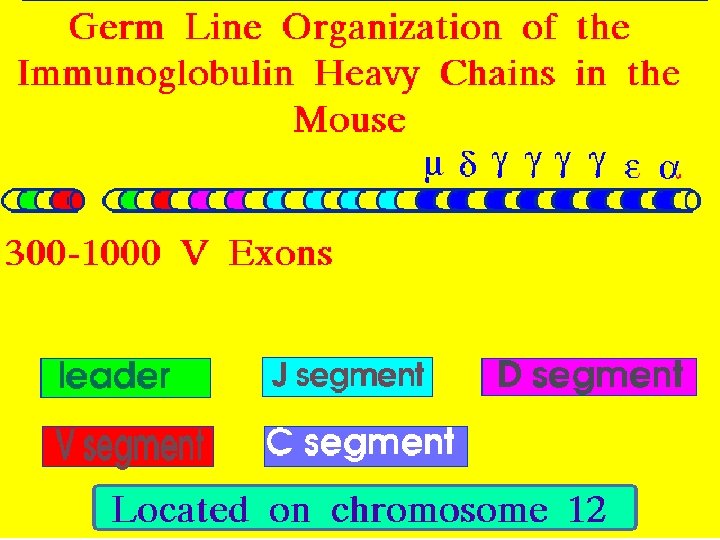
11/6/2020 12 12
11/6/2020 13 13
11/6/2020 14 14
11/6/2020 15 15
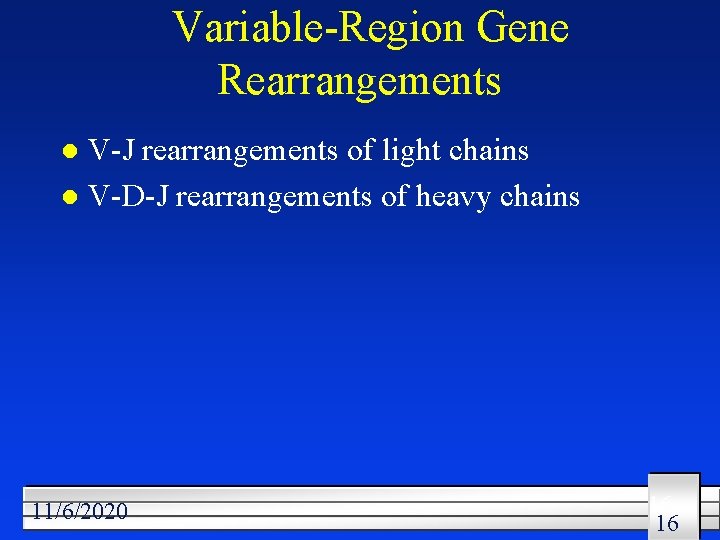
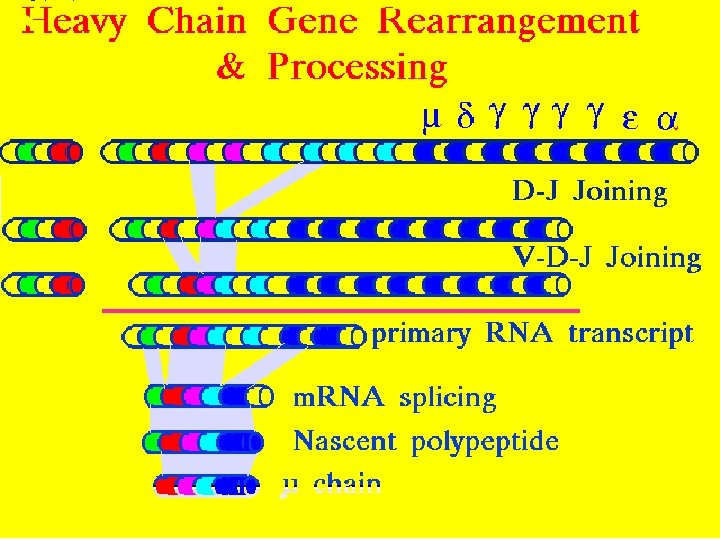
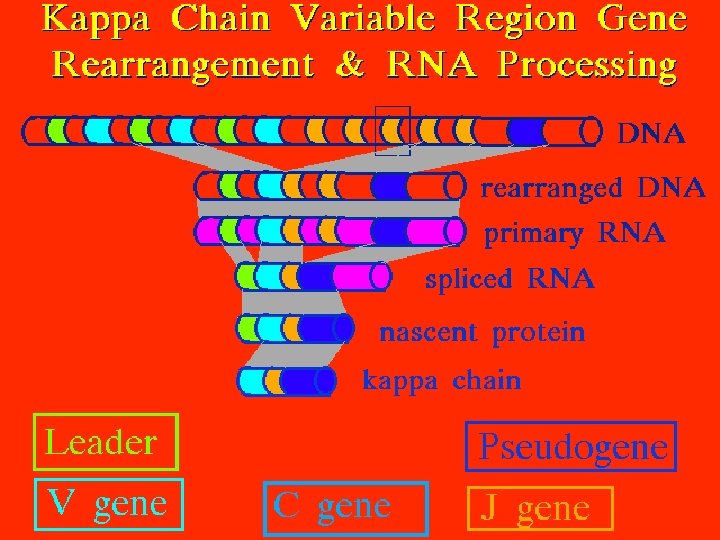
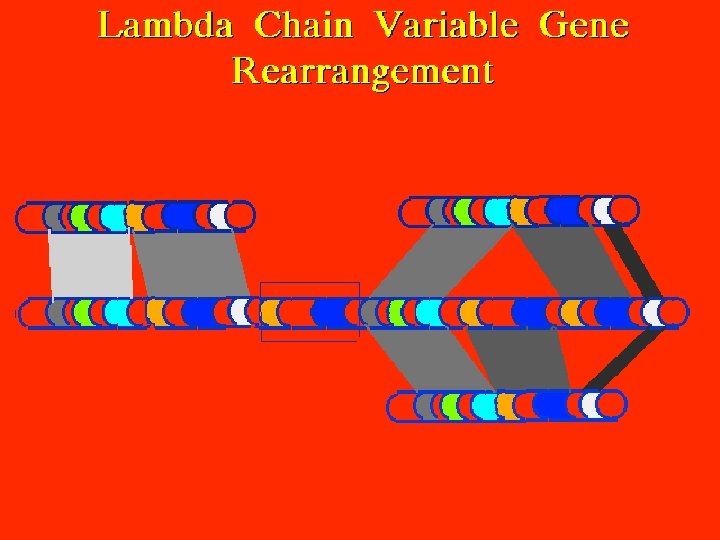
Variable-Region Gene Rearrangements V-J rearrangements of light chains l V-D-J rearrangements of heavy chains l 11/6/2020 16 16
11/6/2020 17 17
11/6/2020 18 18
11/6/2020 19 19
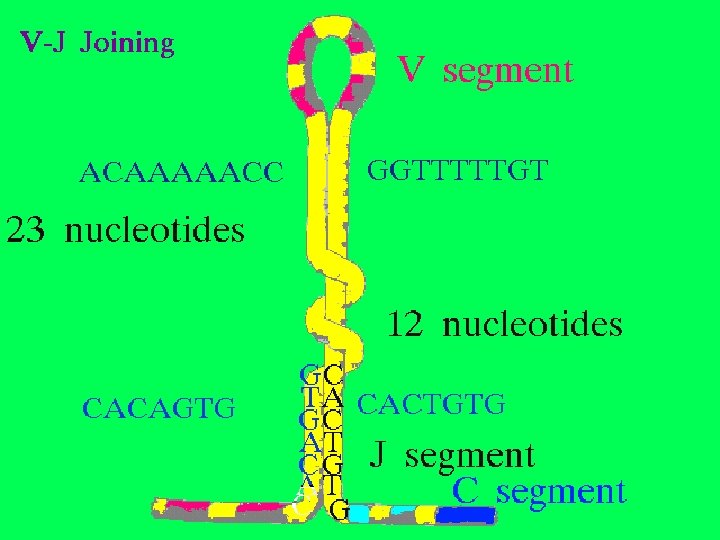
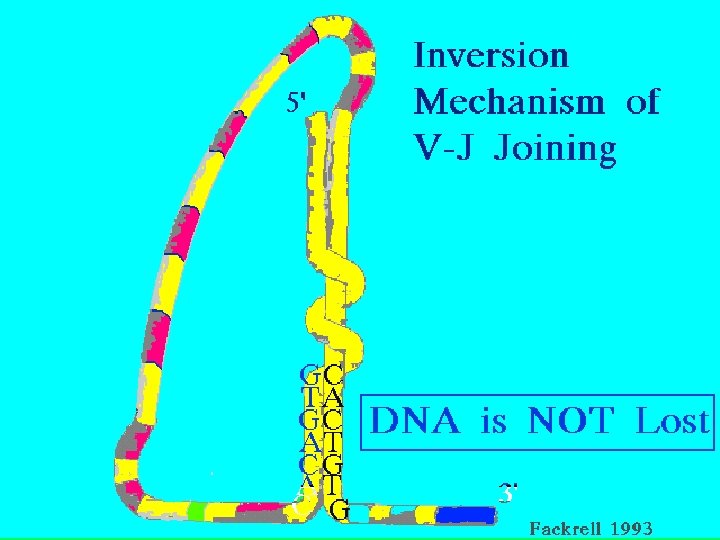
Mechanisms recombination signal sequences l enzymatic joining of gene segements l RAG-1 RAG-2 l Defects l Productive vs non productive gene rearrangements l Allelic exclusion l 11/6/2020 20 20
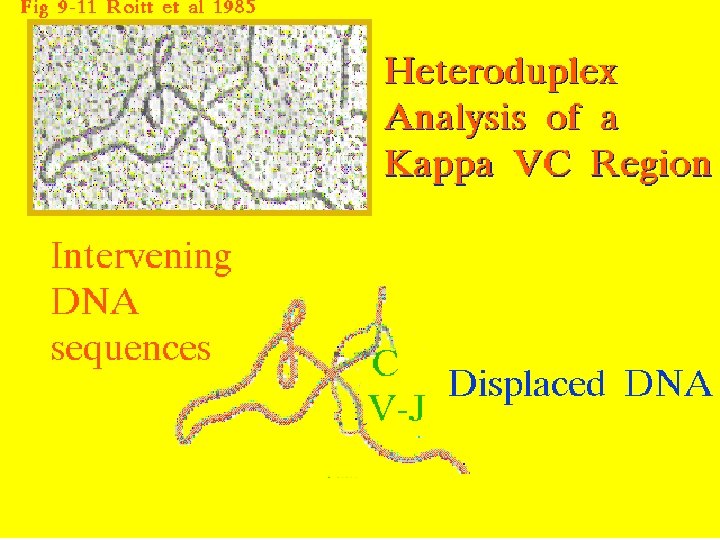
11/6/2020 21 21
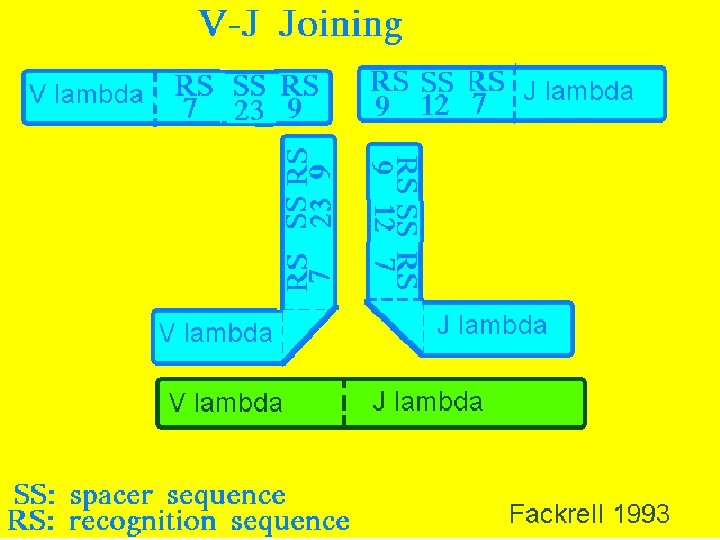
11/6/2020 22 22
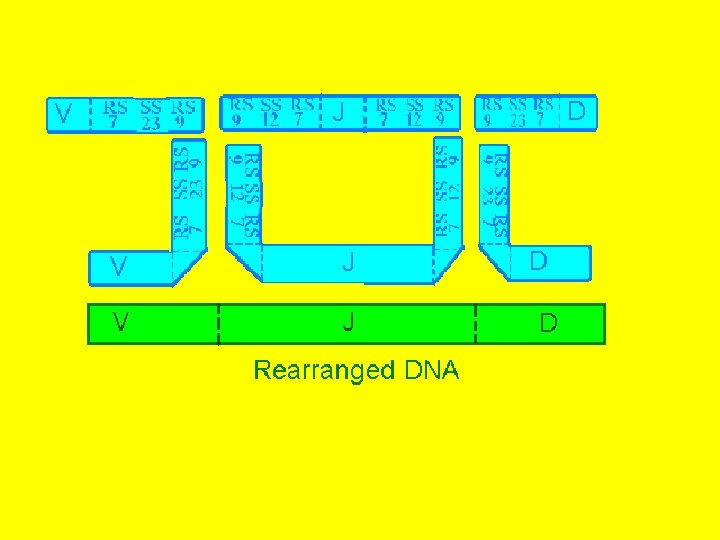
11/6/2020 23 23
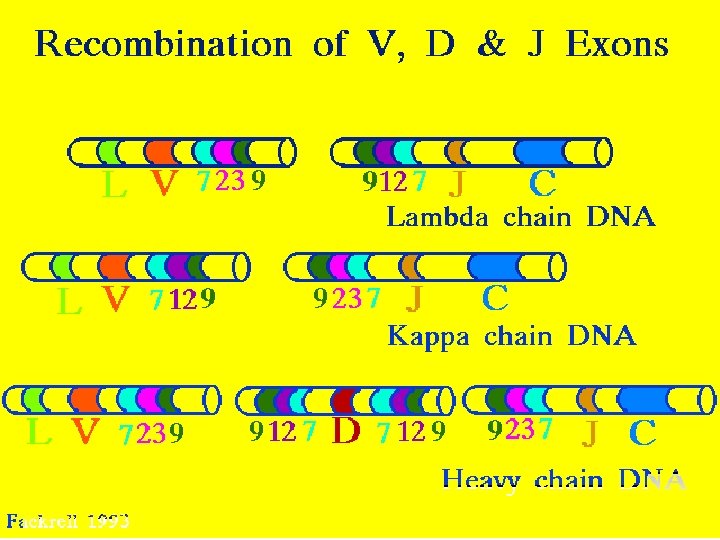
11/6/2020 24 24
11/6/2020 25 25
11/6/2020 26 26
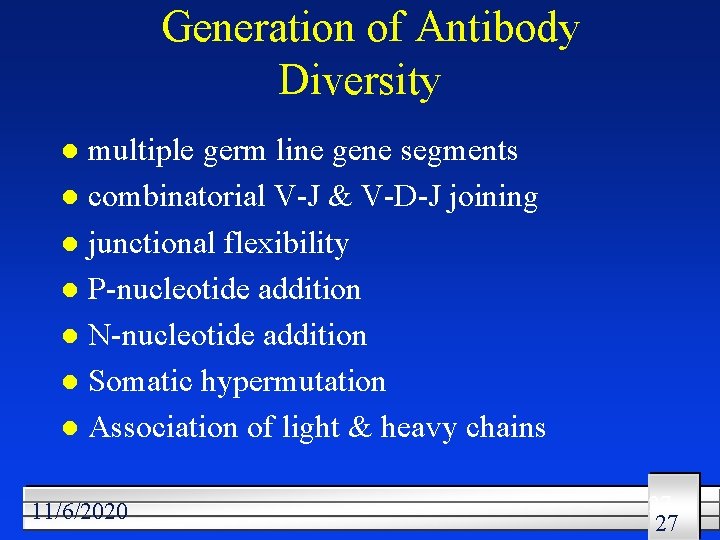
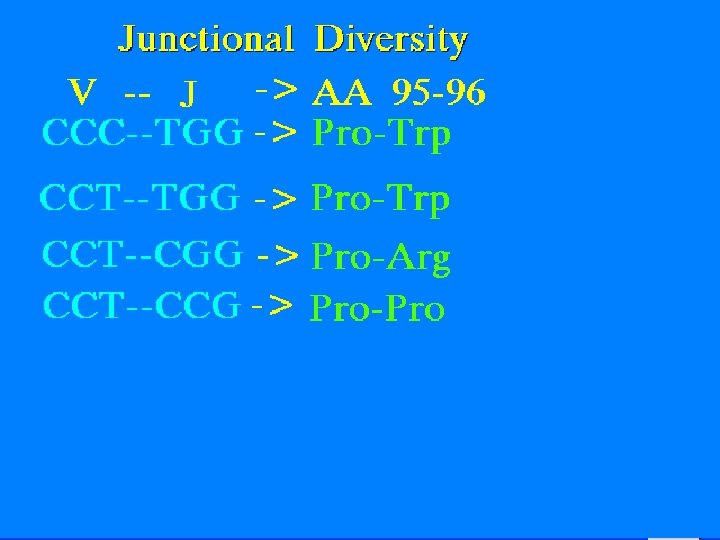
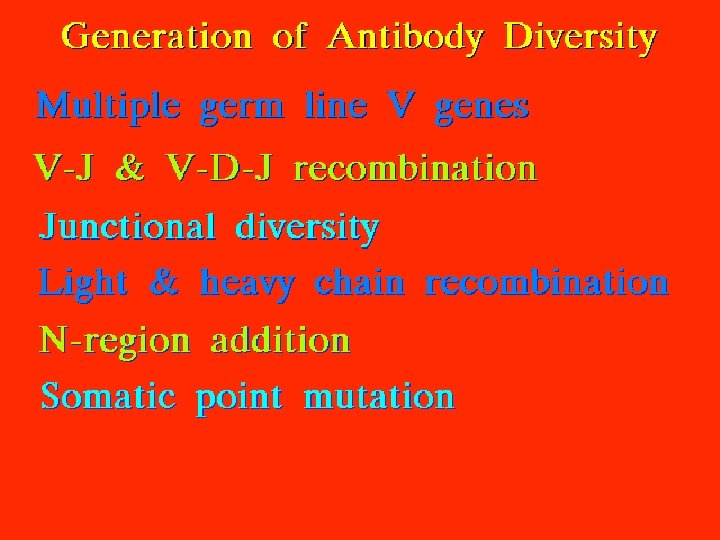
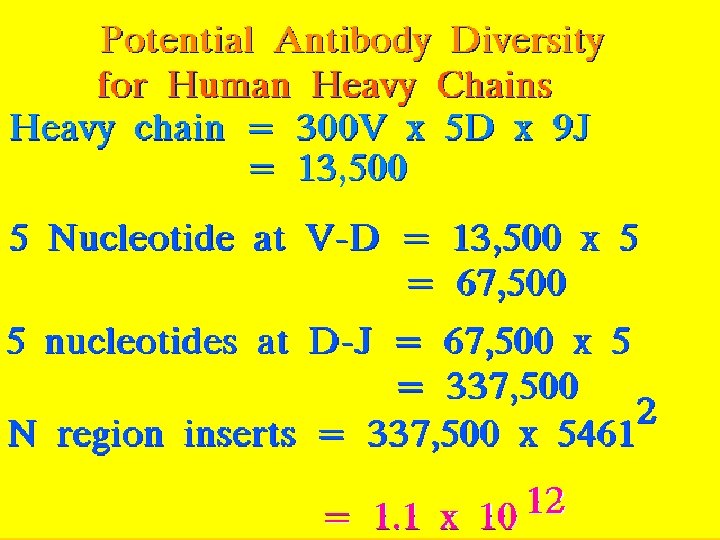
Generation of Antibody Diversity multiple germ line gene segments l combinatorial V-J & V-D-J joining l junctional flexibility l P-nucleotide addition l N-nucleotide addition l Somatic hypermutation l Association of light & heavy chains l 11/6/2020 27 27
11/6/2020 28 28
11/6/2020 29 29
11/6/2020 30 30
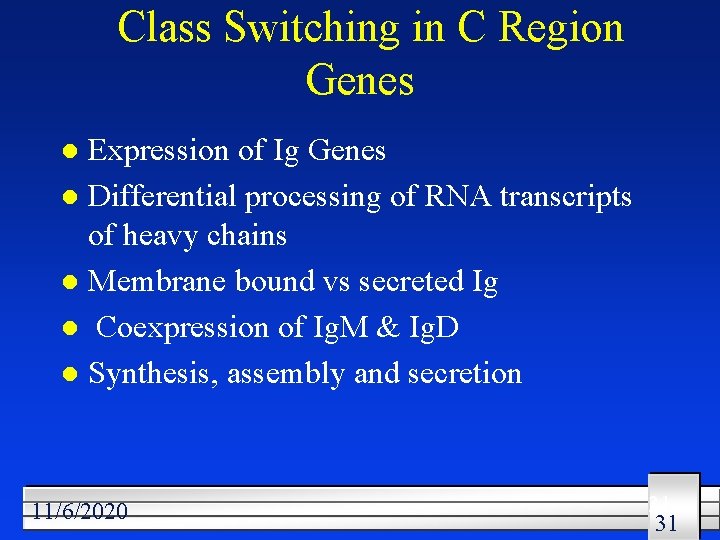
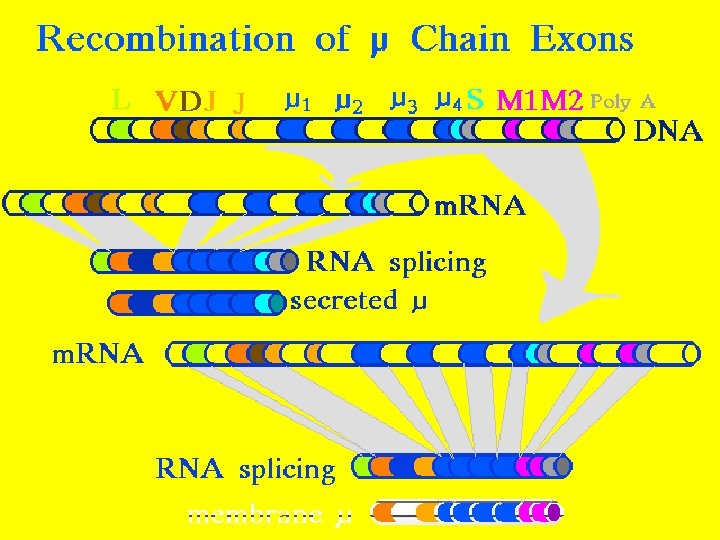
Class Switching in C Region Genes Expression of Ig Genes l Differential processing of RNA transcripts of heavy chains l Membrane bound vs secreted Ig l Coexpression of Ig. M & Ig. D l Synthesis, assembly and secretion l 11/6/2020 31 31
11/6/2020 32 32
Regulation of Ig-Gene Transcription DNA rearrangement l Inhibition by T Cells l 11/6/2020 33 33
DONE!!! 11/6/2020 34 34
Performance Objectives 11/6/2020 35 35
Key Terms allelic exclusion, class switching, l combinatorial freedom of chain association, comibinatorial association of l gene segments, Constant (c) gene segments, Diversity (D) gene segemtns, l Palindromes, acceptor junctions, donor junctions, enhancers, exons, l 11/6/2020 36 36
7 -9 rule, 12 -23 rule, Germline theory, somatic theory, imprecise DNA rerangement, l Insertion of random N regions, introns, Joining (J) gene segments, l junctional diversity, leader sequence, Membrane (M) exons), n regions l promotors, recognition sequences, spacer sequences, somatic hypermutation, l switch recombination. switch (S) regions, variable(V) gene segments l 11/6/2020 37 37
Key Concepts Describe how the number and organization of immunoglobulin gene segements or exons contribute to the generation of antibody diversity l Draw the organization of Kappa light chain genes. l Draw the organization of Lambda light chain genes. l 11/6/2020 38 38
Draw the organization of heavy chain genes. l Describe the V-J joining for light chain genes in terms of the 7 -9 and the 12 -23 rules l Describe the V-D-J joining of heavy chain genes in terms of the 7 -9 and the 12 -23 rules. l Explain how allelic exclusion leads to cells that produce immunoglobulins with a single antigen binding site. l 11/6/2020 39 39
Describe how transcription controls immunoglobulin gene expression l Describe at least four mechanisms that contribute to antibody diversity l Describe the coexpression of Ig. M and Id. D in terms of RNA processsing l Describe the mechanisms for class switching l Correlate B cell differentiation with immunoglobulin gene rearrangements l 11/6/2020 40 40
Short Answer Questions 11/6/2020 41 41
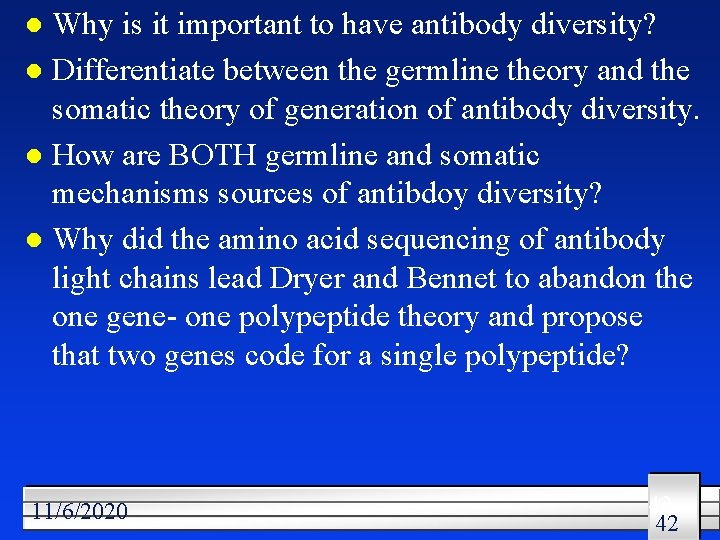
Why is it important to have antibody diversity? l Differentiate between the germline theory and the somatic theory of generation of antibody diversity. l How are BOTH germline and somatic mechanisms sources of antibdoy diversity? l Why did the amino acid sequencing of antibody light chains lead Dryer and Bennet to abandon the one gene- one polypeptide theory and propose that two genes code for a single polypeptide? l 11/6/2020 42 42
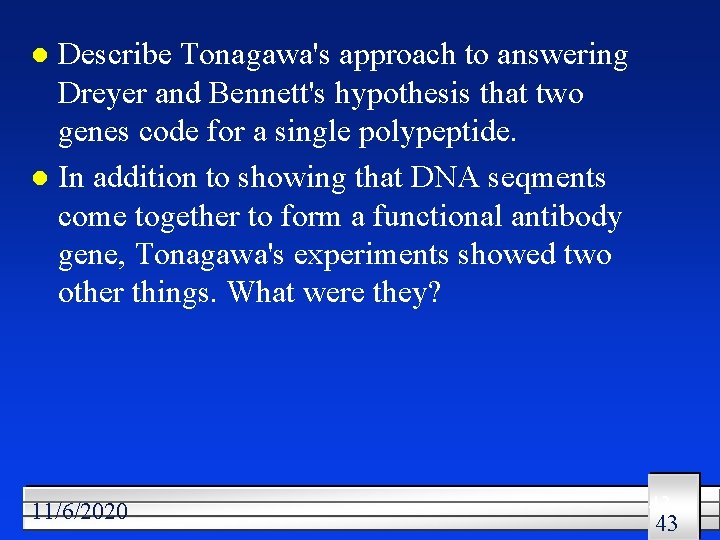
Describe Tonagawa's approach to answering Dreyer and Bennett's hypothesis that two genes code for a single polypeptide. l In addition to showing that DNA seqments come together to form a functional antibody gene, Tonagawa's experiments showed two other things. What were they? l 11/6/2020 43 43
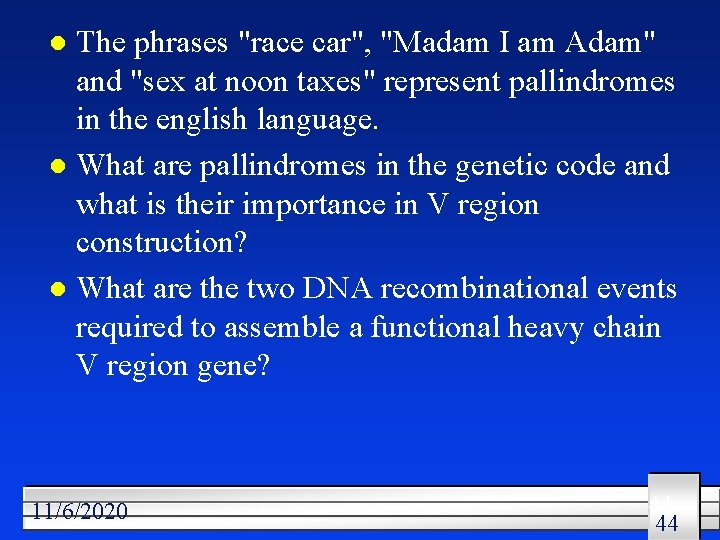
The phrases "race car", "Madam I am Adam" and "sex at noon taxes" represent pallindromes in the english language. l What are pallindromes in the genetic code and what is their importance in V region construction? l What are the two DNA recombinational events required to assemble a functional heavy chain V region gene? l 11/6/2020 44 44
The two DNA recombinational events required to assemble a functional heavy chain V region gene, are governed by the 7 -9 and the 12 -23 rules. Explain. l Discuss four mechanisms that contribute to antibody diversity. l Describe the differential splicing of RNA that progresses from membrane bound Ig. M to secreted Ig. M. l 11/6/2020 45 45
Explain how a particular B cell can secrete different antibody isotypes, yet remain specific for the same epitope. l What are the two stages of class switching? l Dicuss allelic exclusion; what it is and how it is regulated. l List in correct chronological order the events leading to the synthesis of a Kappa light chain and its incorporation into an antibody molecule. l 11/6/2020 46 46
l List in correct chronological order the events leading to the synthesis of a Gamma chain and its incorporation into an antibody molecule. 11/6/2020 47 47
- Slides: 47