
Organization and Format how the writing is set
- Slides: 10
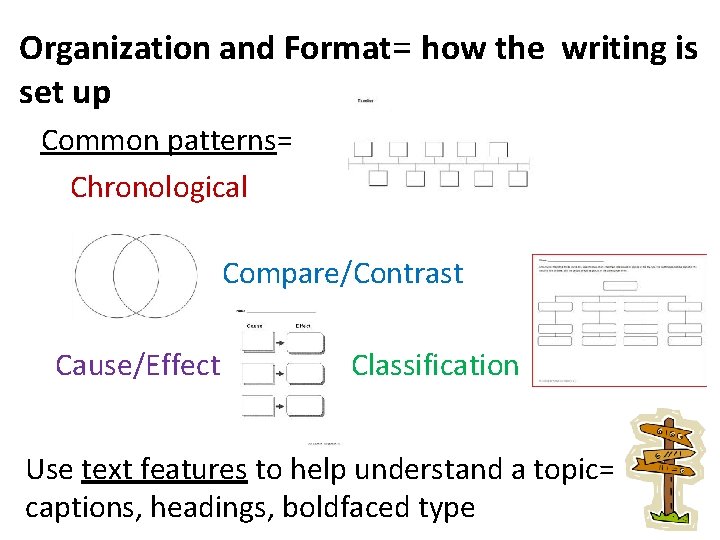
Organization and Format= how the writing is set up Common patterns= Chronological Compare/Contrast Cause/Effect Classification Use text features to help understand a topic= captions, headings, boldfaced type
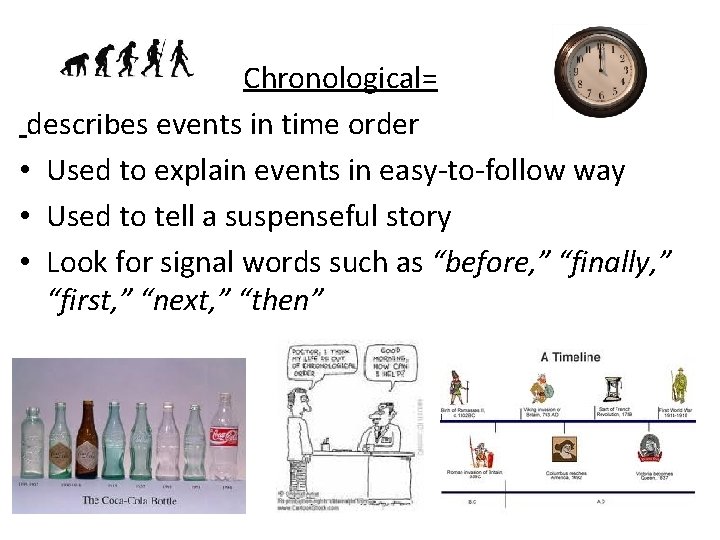
Chronological= describes events in time order • Used to explain events in easy-to-follow way • Used to tell a suspenseful story • Look for signal words such as “before, ” “finally, ” “first, ” “next, ” “then”
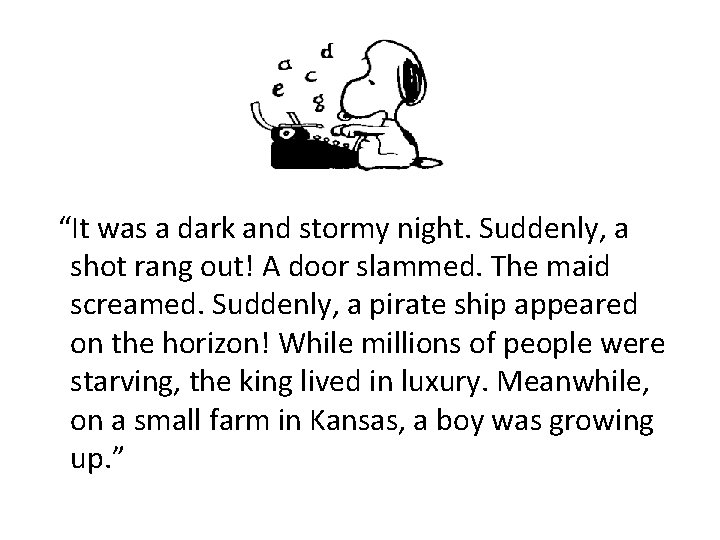
“It was a dark and stormy night. Suddenly, a shot rang out! A door slammed. The maid screamed. Suddenly, a pirate ship appeared on the horizon! While millions of people were starving, the king lived in luxury. Meanwhile, on a small farm in Kansas, a boy was growing up. ”
Just use transitions correctly! Dogberry. Marry, sir, they have committed false report; moreover, they have spoken untruths; secondarily, they are slanders; sixth and lastly, they have belied a lady; thirdly, they have verified unjust things; and, to conclude, they are lying knaves. -Much Ado About Nothing
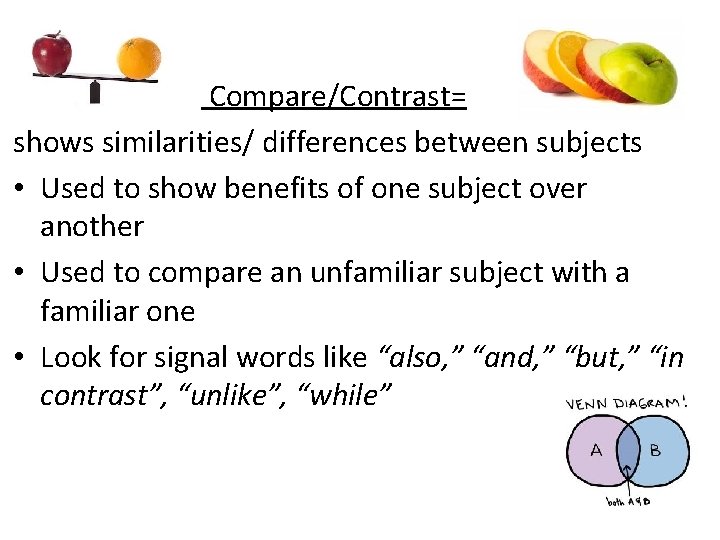
Compare/Contrast= shows similarities/ differences between subjects • Used to show benefits of one subject over another • Used to compare an unfamiliar subject with a familiar one • Look for signal words like “also, ” “and, ” “but, ” “in contrast”, “unlike”, “while”
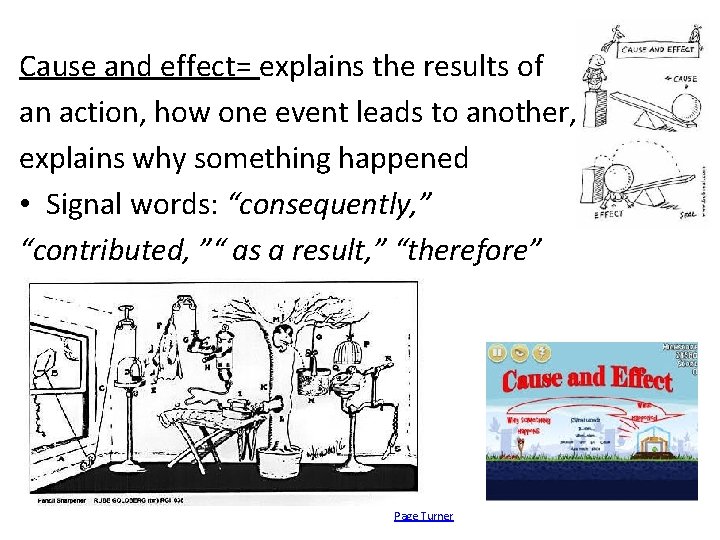
Cause and effect= explains the results of an action, how one event leads to another, explains why something happened • Signal words: “consequently, ” “contributed, ”“ as a result, ” “therefore” Page Turner
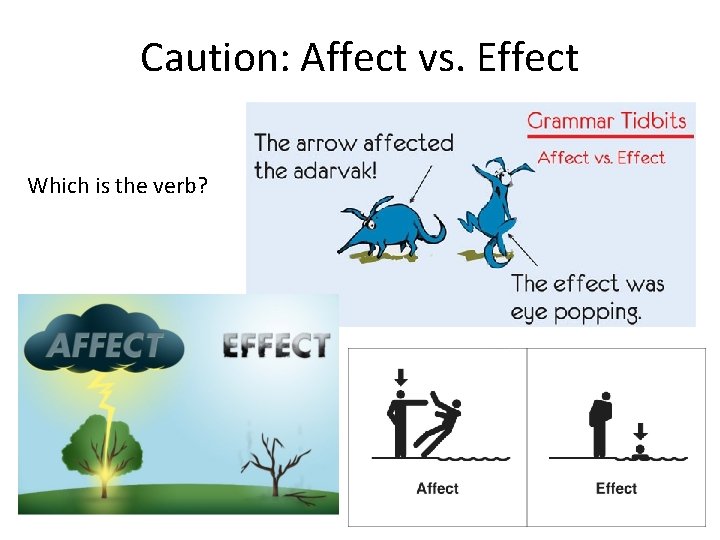
Caution: Affect vs. Effect Which is the verb?
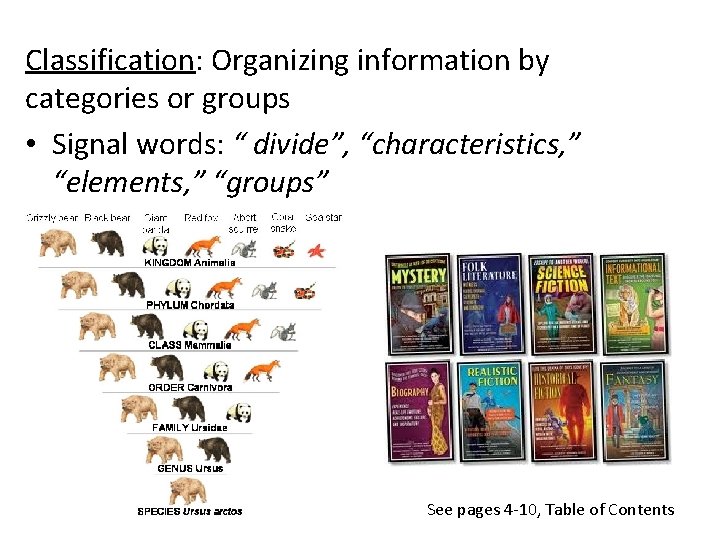
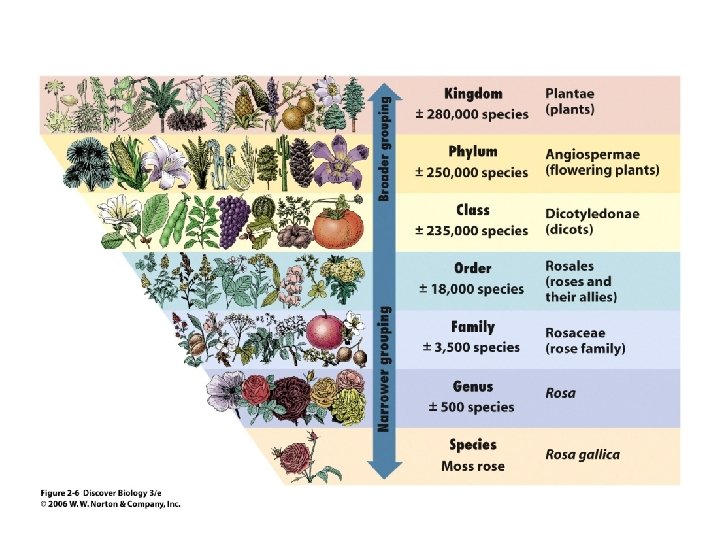
Classification: Organizing information by categories or groups • Signal words: “ divide”, “characteristics, ” “elements, ” “groups” See pages 4 -10, Table of Contents
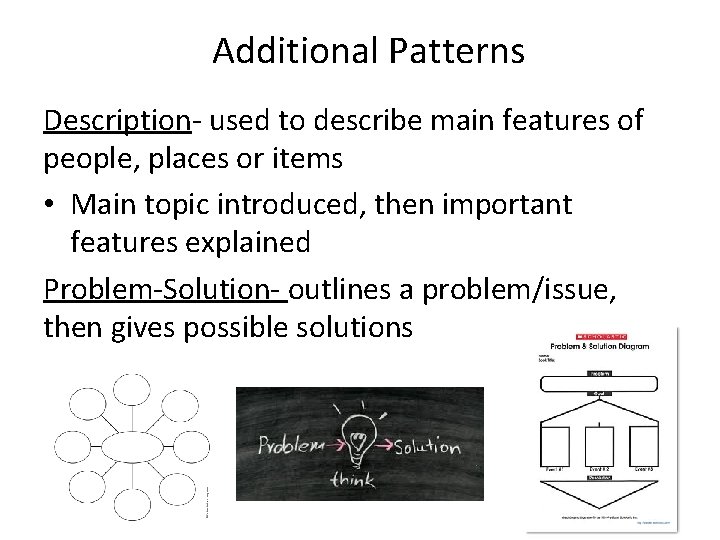
Additional Patterns Description- used to describe main features of people, places or items • Main topic introduced, then important features explained Problem-Solution- outlines a problem/issue, then gives possible solutions