
Organisational Change change management Organisational Conflict conflict management





- Slides: 38
Organisational Change, change management Organisational Conflict, conflict management Falkné dr. Bánó Klára BGF Külkereskedelmi Főiskolai Kar Falkne. dr. Bano. Klara@kkfk. bgf. hu falk. cs@t-online. hu
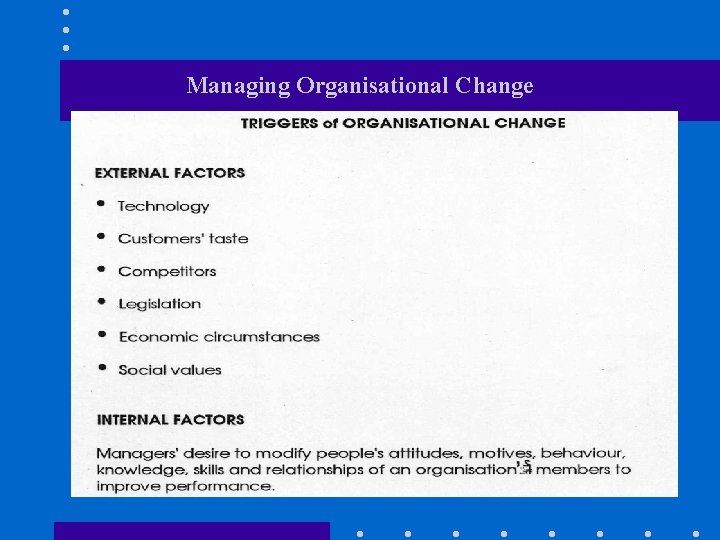
Managing Organisational Change
Major Properties of Organisational Changes
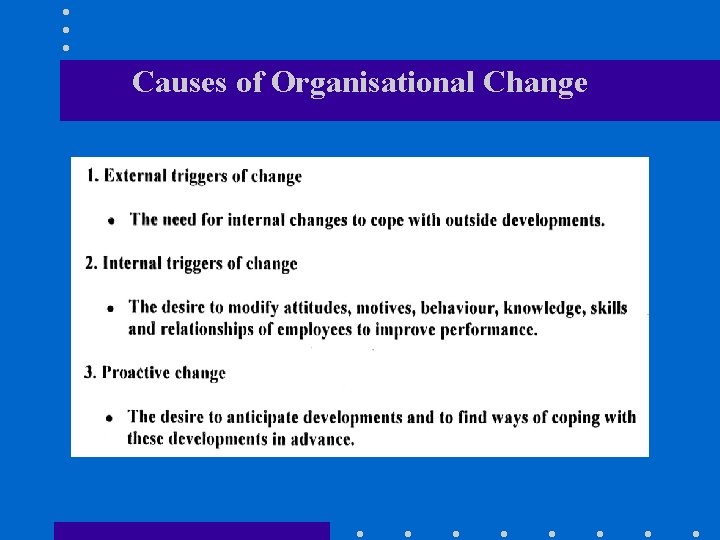
Causes of Organisational Change
Harold Leavitt’s Model of Four Interacting Variables
Causes of Resistance
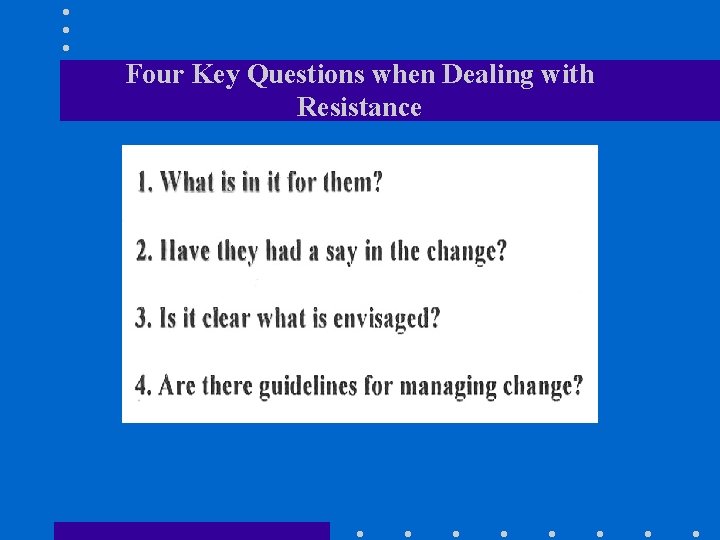
Four Key Questions when Dealing with Resistance
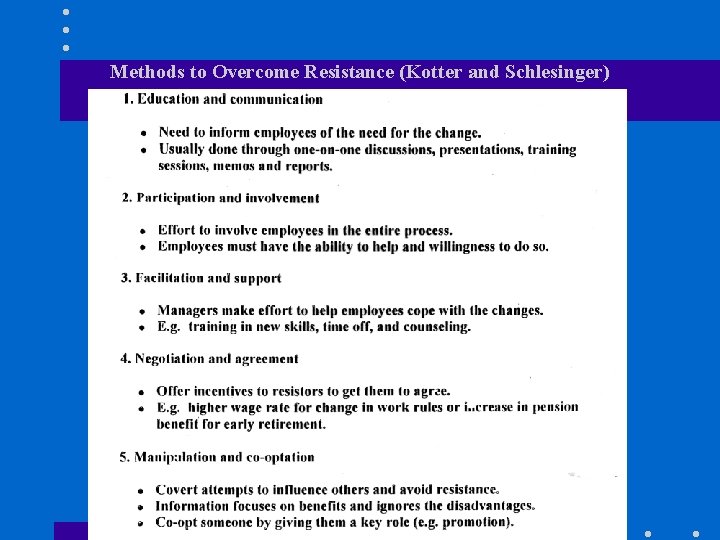
Methods to Overcome Resistance (Kotter and Schlesinger)
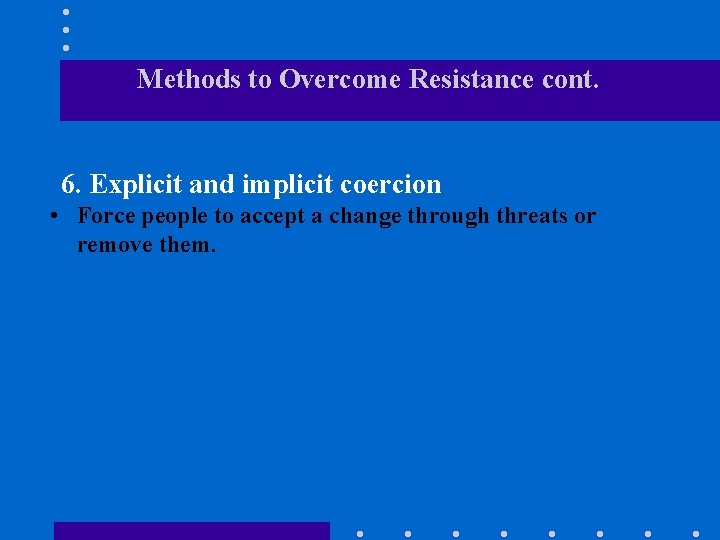
Methods to Overcome Resistance cont. 6. Explicit and implicit coercion • Force people to accept a change through threats or remove them.
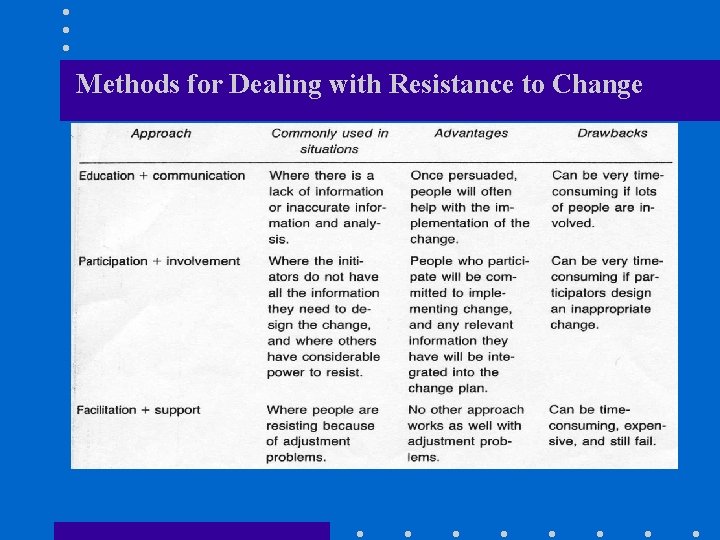
Methods for Dealing with Resistance to Change
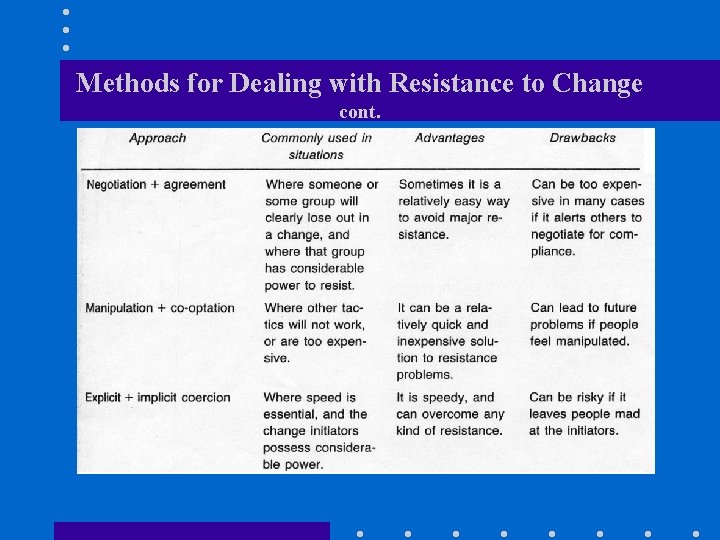
Methods for Dealing with Resistance to Change cont.
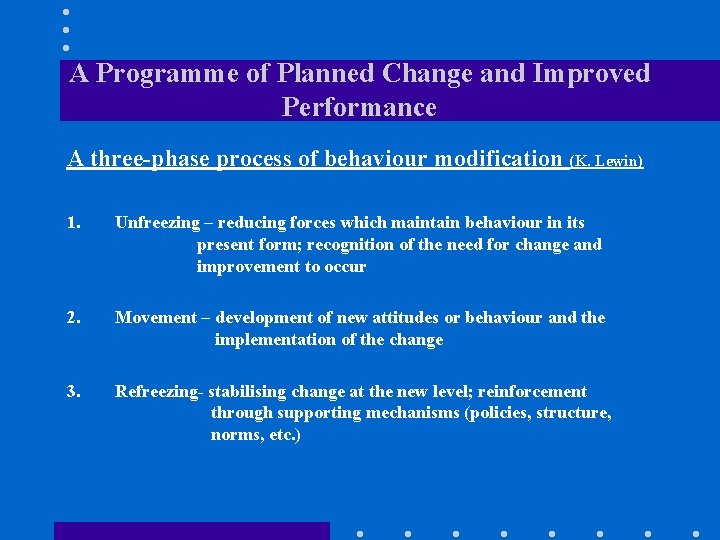
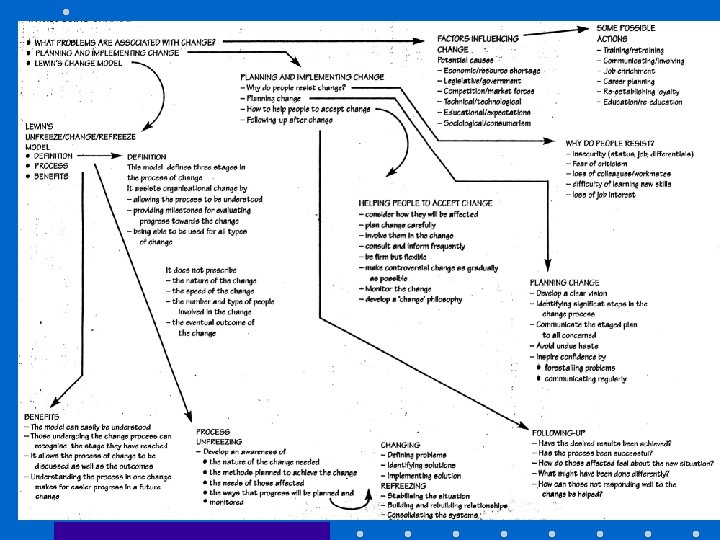
A Programme of Planned Change and Improved Performance A three-phase process of behaviour modification (K. Lewin) 1. Unfreezing – reducing forces which maintain behaviour in its present form; recognition of the need for change and improvement to occur 2. Movement – development of new attitudes or behaviour and the implementation of the change 3. Refreezing- stabilising change at the new level; reinforcement through supporting mechanisms (policies, structure, norms, etc. )
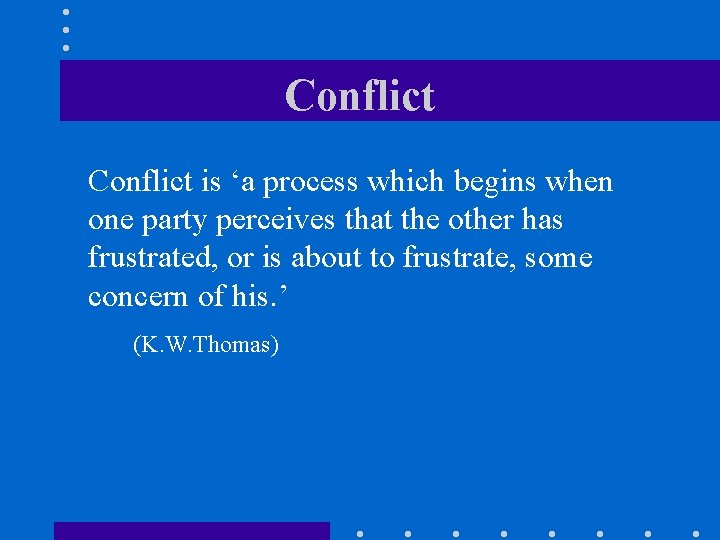
Conflict is ‘a process which begins when one party perceives that the other has frustrated, or is about to frustrate, some concern of his. ’ (K. W. Thomas)
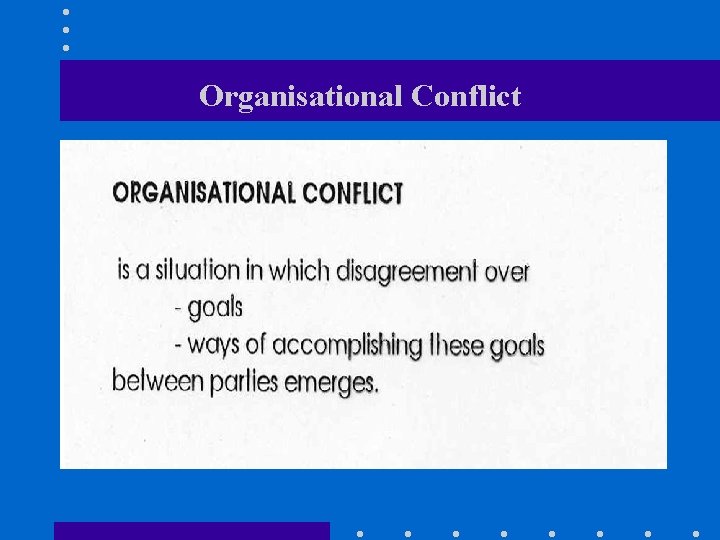
Organisational Conflict
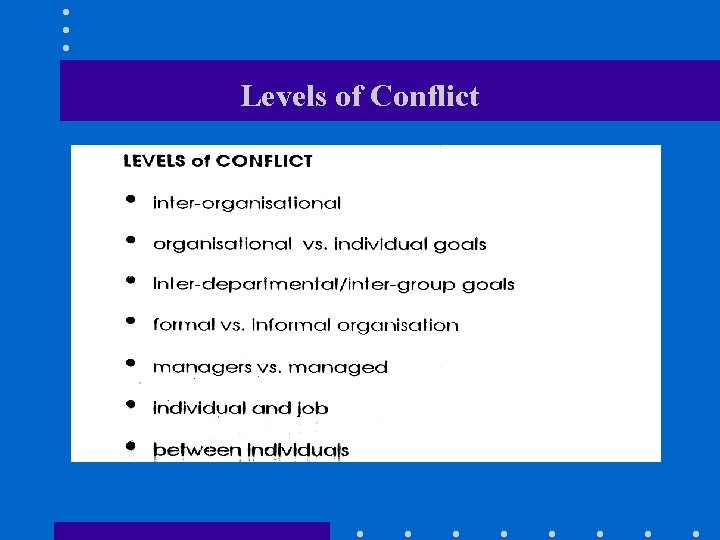
Levels of Conflict
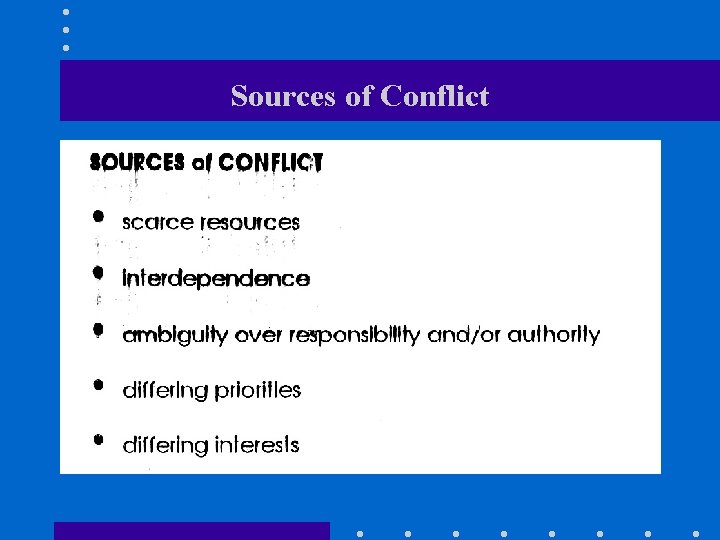
Sources of Conflict
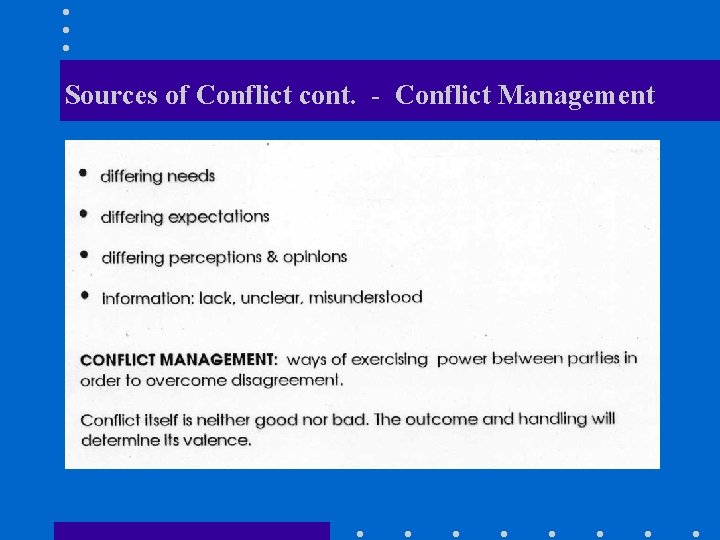
Sources of Conflict cont. - Conflict Management
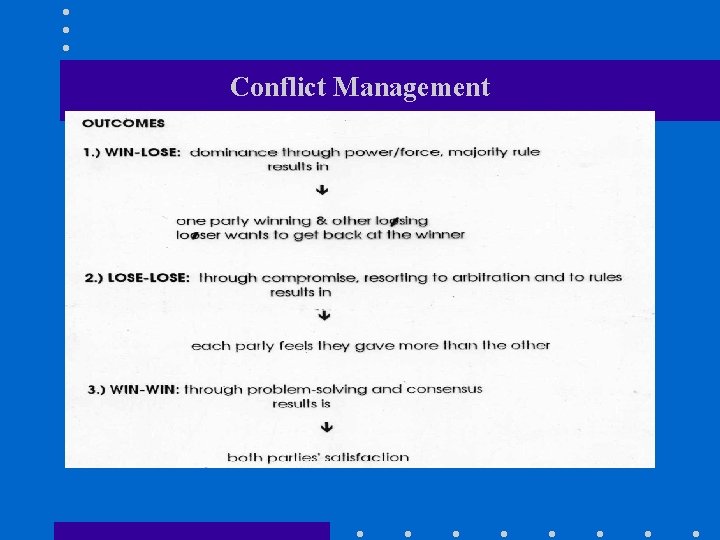
Conflict Management
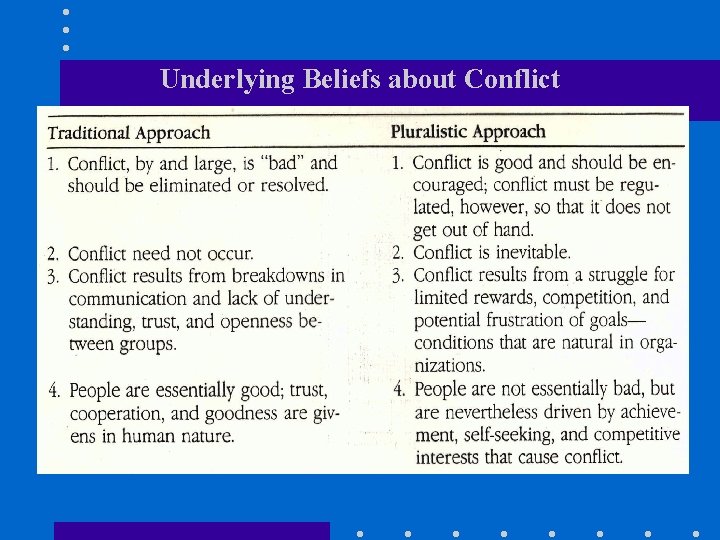
Underlying Beliefs about Conflict
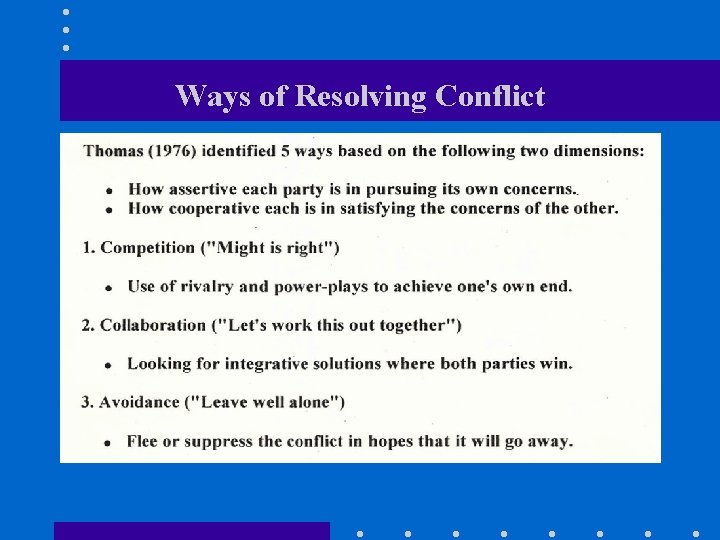
Ways of Resolving Conflict
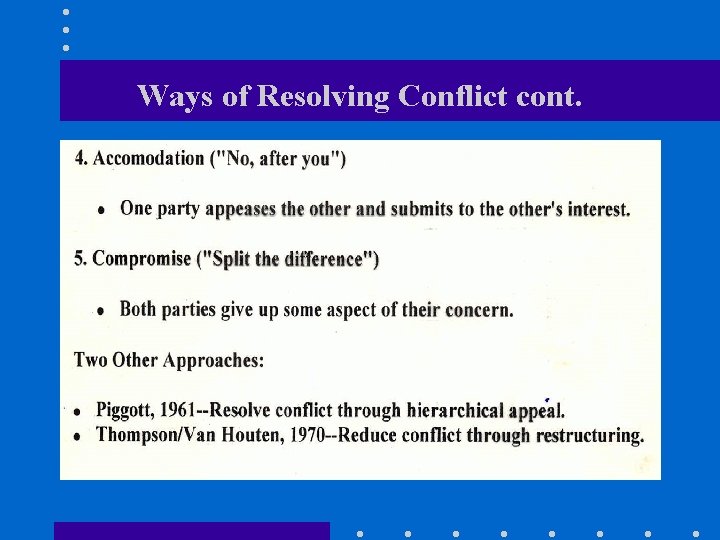
Ways of Resolving Conflict cont.
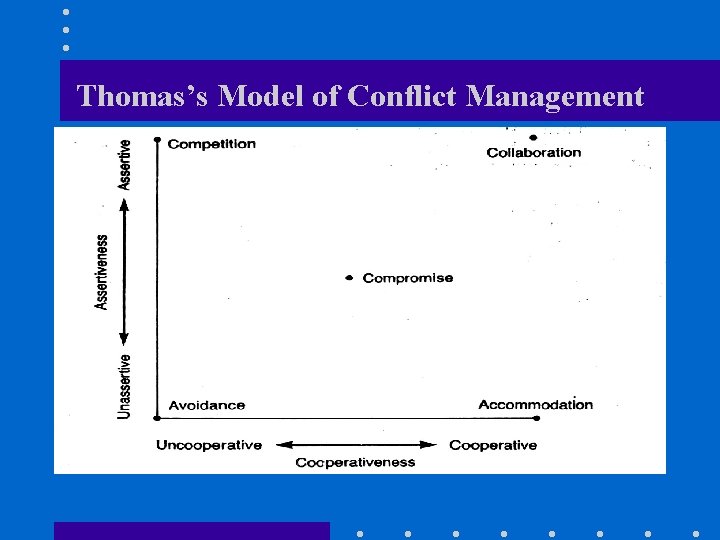
Thomas’s Model of Conflict Management
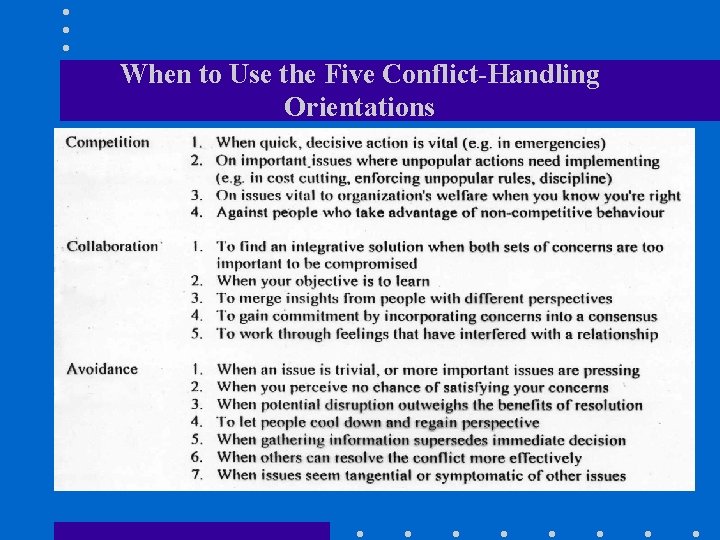
When to Use the Five Conflict-Handling Orientations
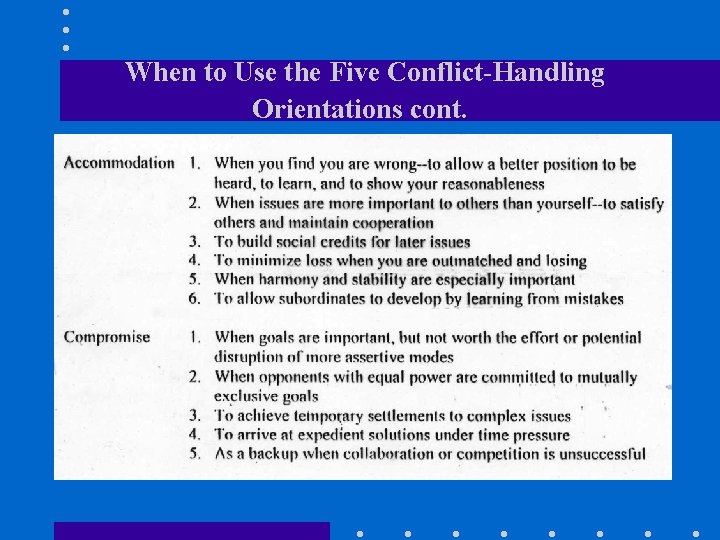
When to Use the Five Conflict-Handling Orientations cont.
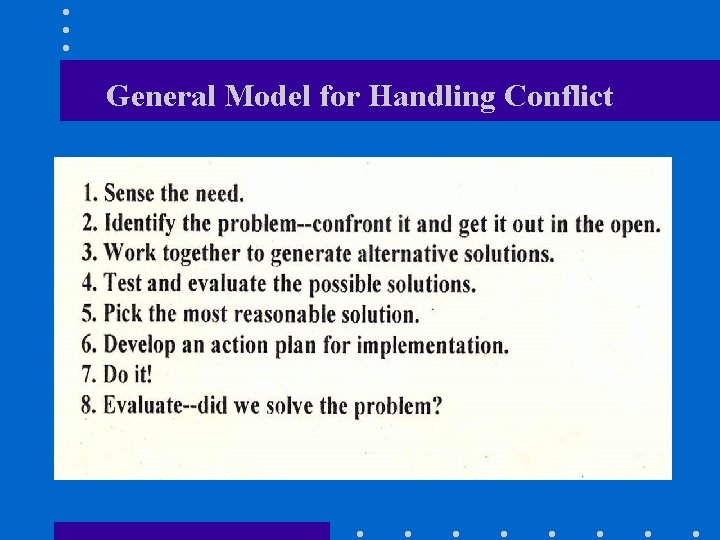
General Model for Handling Conflict
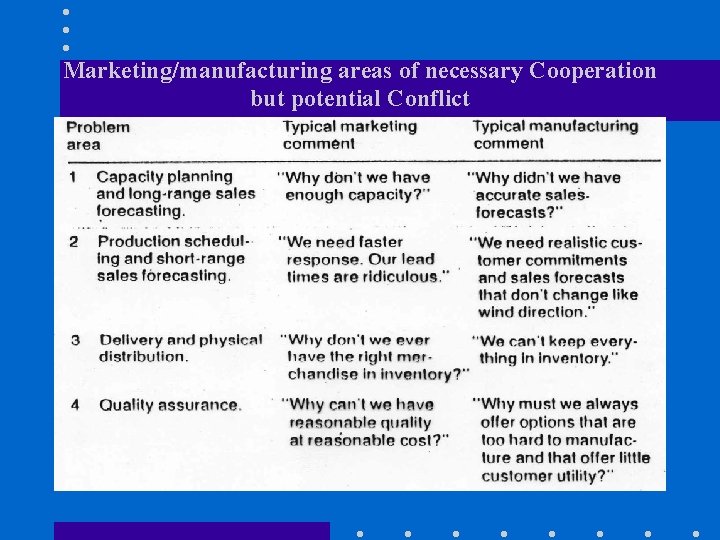
Marketing/manufacturing areas of necessary Cooperation but potential Conflict
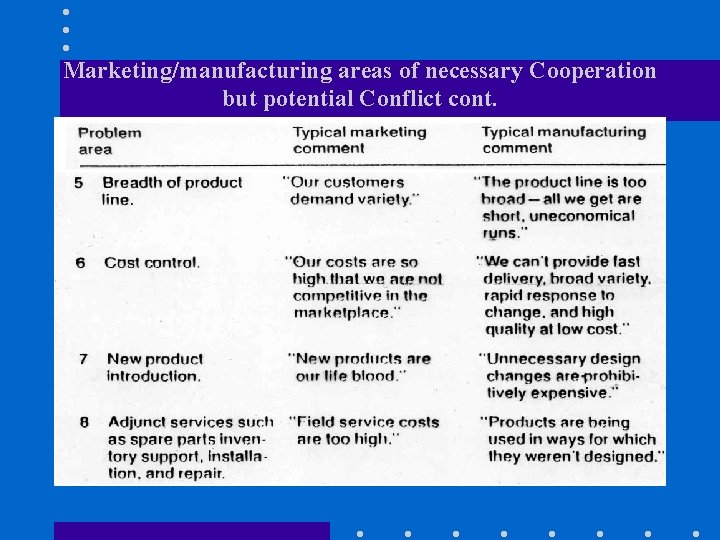
Marketing/manufacturing areas of necessary Cooperation but potential Conflict cont.