
Organisation of the motor system Visual cortex Cerebellum
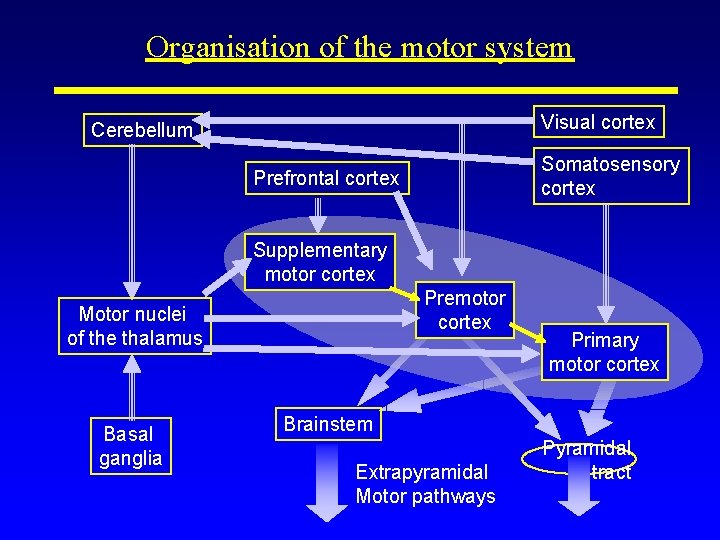
Organisation of the motor system Visual cortex Cerebellum Somatosensory cortex Prefrontal cortex Supplementary motor cortex Premotor cortex Motor nuclei of the thalamus Basal ganglia Primary motor cortex Brainstem Extrapyramidal Motor pathways Pyramidal tract
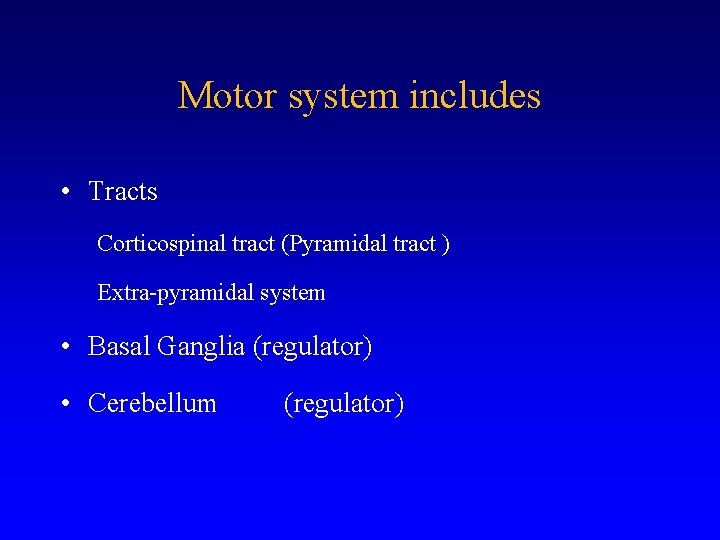
Motor system includes • Tracts Corticospinal tract (Pyramidal tract ) Extra-pyramidal system • Basal Ganglia (regulator) • Cerebellum (regulator)
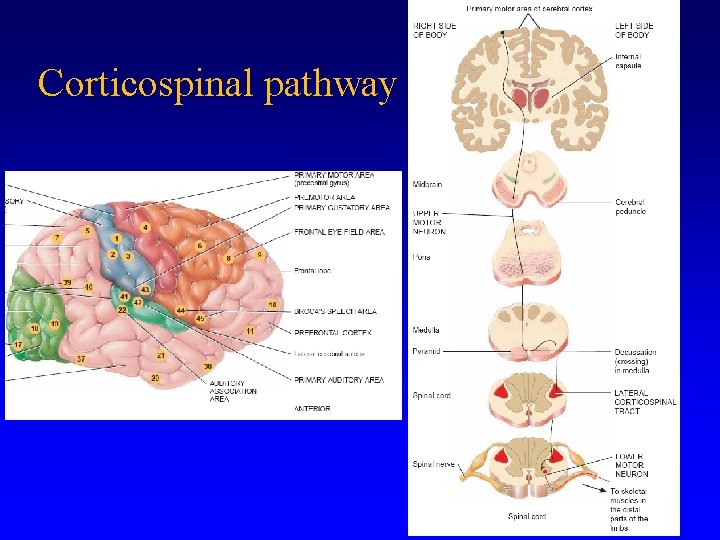
Corticospinal pathway
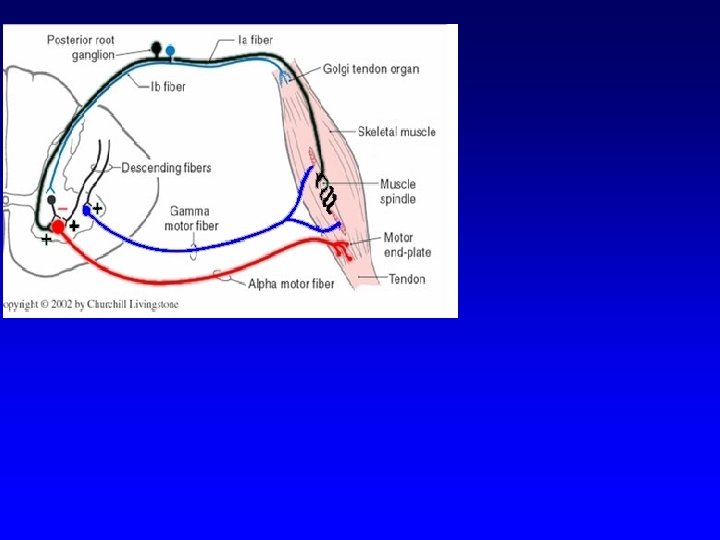
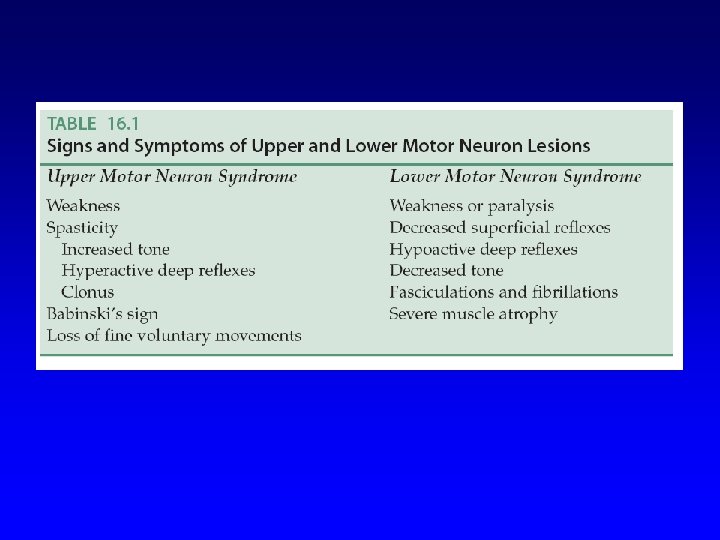
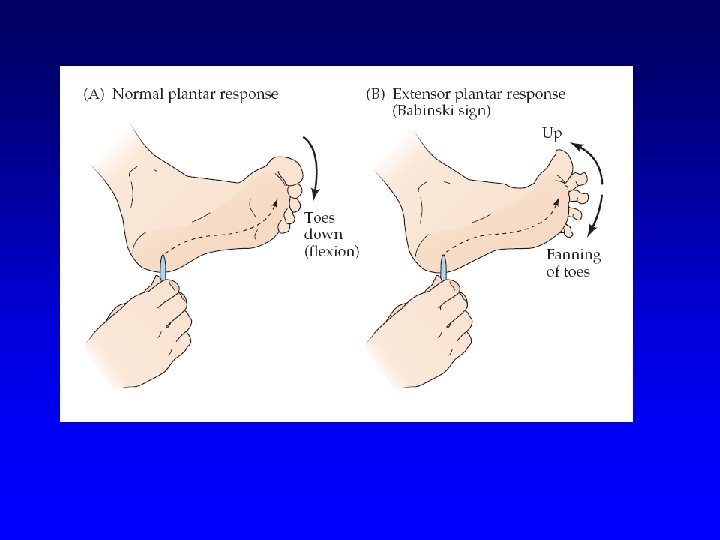
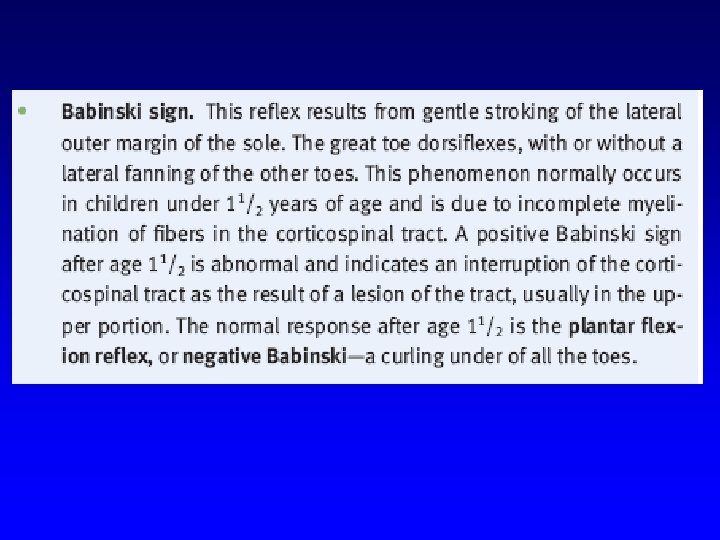
Basal Ganglia and Cerebellum
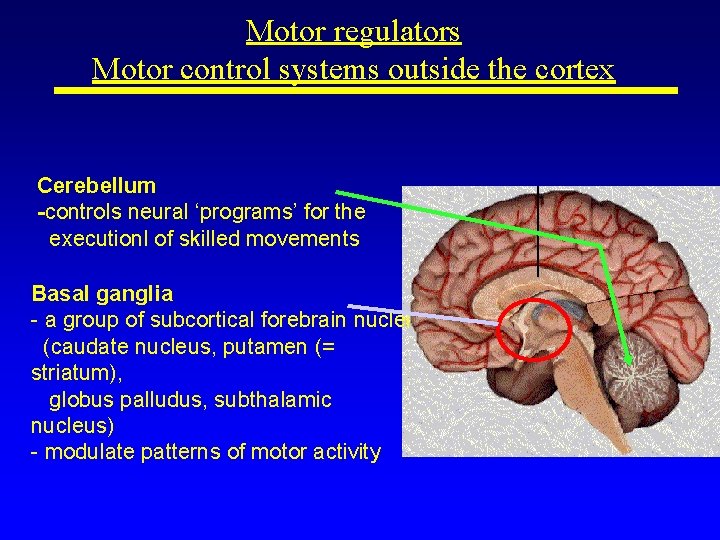
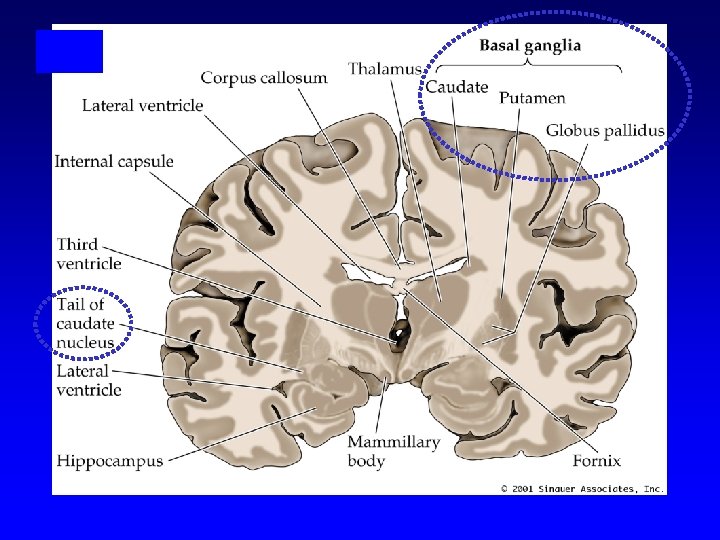
Motor regulators Motor control systems outside the cortex Cerebellum -controls neural ‘programs’ for the executionl of skilled movements Basal ganglia - a group of subcortical forebrain nuclei (caudate nucleus, putamen (= striatum), globus palludus, subthalamic nucleus) - modulate patterns of motor activity
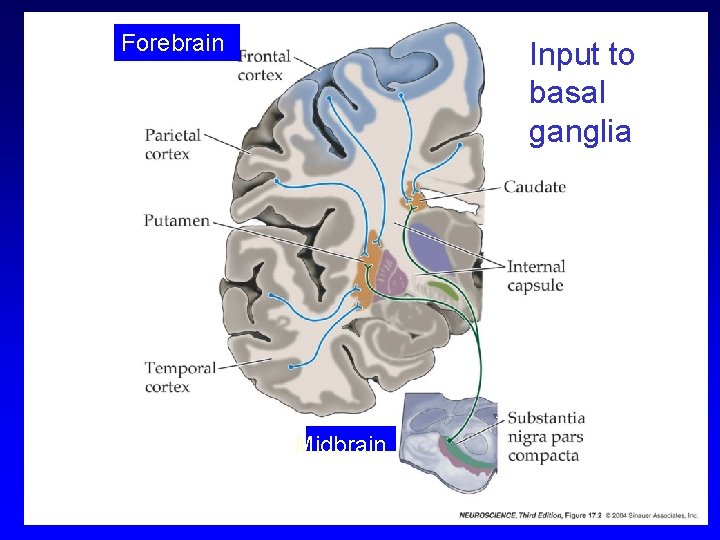
Forebrain Input to basal ganglia Midbrain
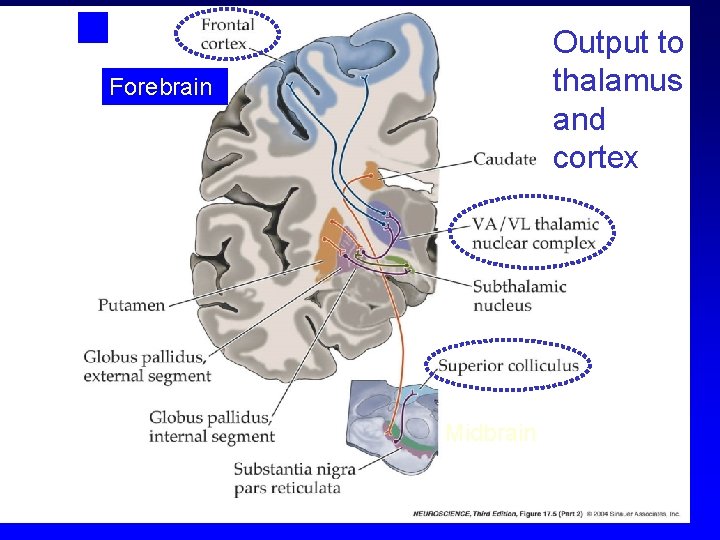
Output to thalamus and cortex Forebrain Midbrain
MOVEMENT DISORDERS v Parkinson disease v Huntingtons disease
PARKINSONS DISEASE • Effects dopaminergic neurons • Neurons are lost from substantia nigra • Rarely presents before 50 years • Neurodegenerative disease
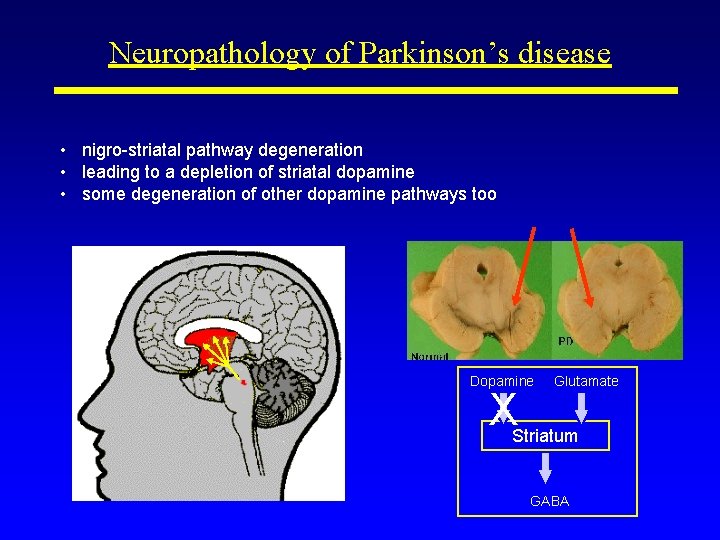
Neuropathology of Parkinson’s disease • nigro-striatal pathway degeneration • leading to a depletion of striatal dopamine • some degeneration of other dopamine pathways too Dopamine Glutamate XStriatum GABA
CLINICAL FEATURES Characterized by: • Tremors • Rigidity • bradykinesia
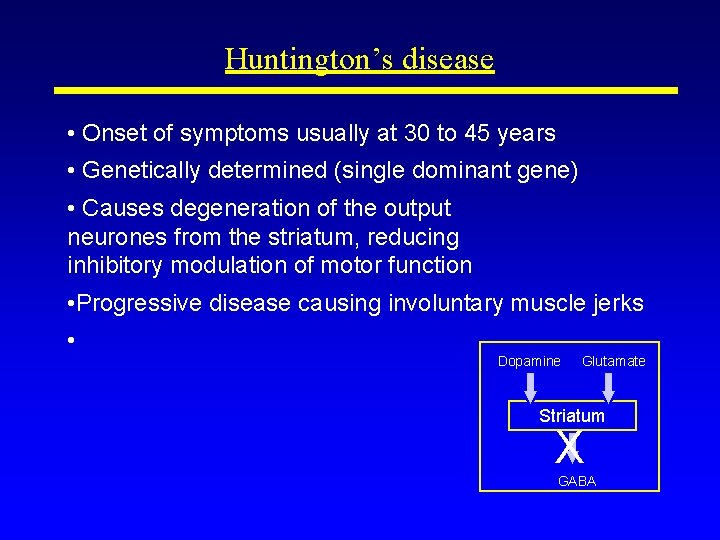
Huntington’s disease • Onset of symptoms usually at 30 to 45 years • Genetically determined (single dominant gene) • Causes degeneration of the output neurones from the striatum, reducing inhibitory modulation of motor function • Progressive disease causing involuntary muscle jerks • Dopamine Glutamate Striatum X GABA
HUNTINGTONS DISEASE • Inherited disorder • Autosomal dominant • Males females equally affected • Presents during the 4 th decade • Chorea which worsens with time NOT Sydenham chorea • Cognitive disorders • Dementia
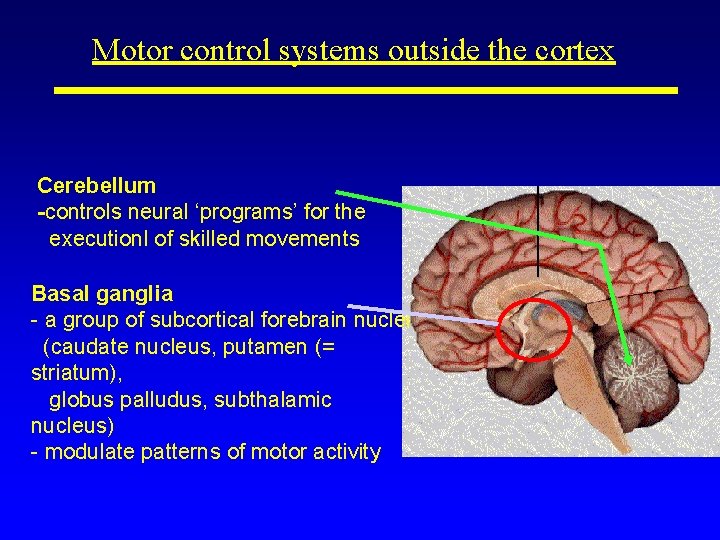
Motor control systems outside the cortex Cerebellum -controls neural ‘programs’ for the executionl of skilled movements Basal ganglia - a group of subcortical forebrain nuclei (caudate nucleus, putamen (= striatum), globus palludus, subthalamic nucleus) - modulate patterns of motor activity
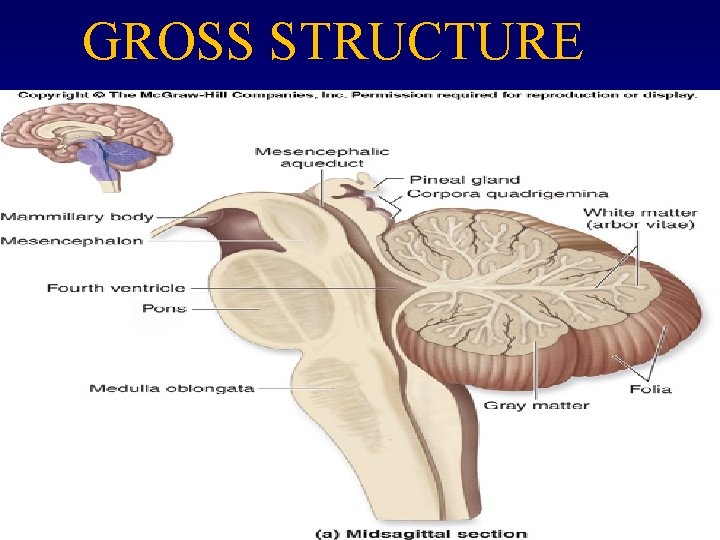
GROSS STRUCTURE
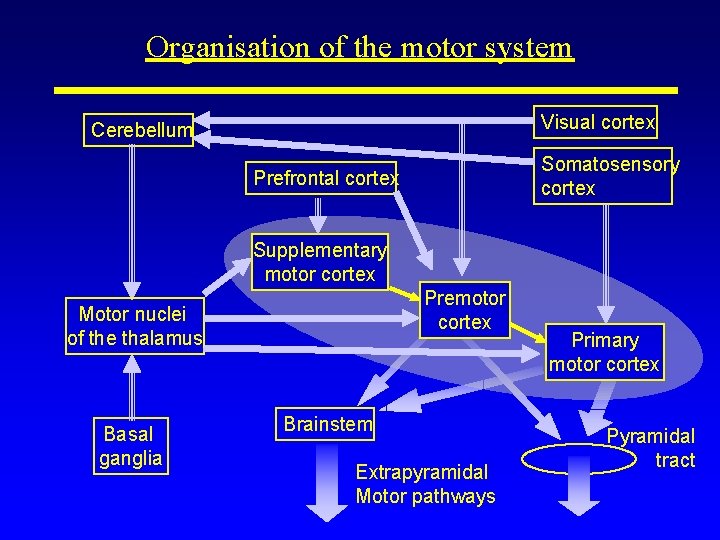
Organisation of the motor system Visual cortex Cerebellum Somatosensory cortex Prefrontal cortex Supplementary motor cortex Premotor cortex Motor nuclei of the thalamus Basal ganglia Brainstem Extrapyramidal Motor pathways Primary motor cortex Pyramidal tract
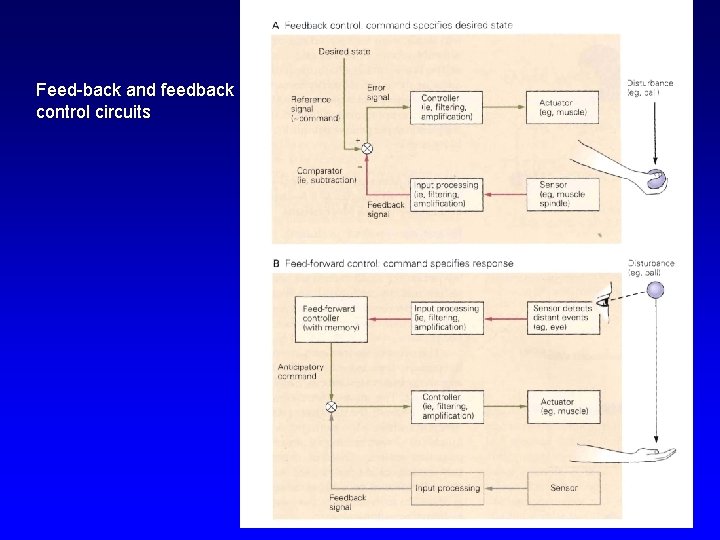
Feed-back and feedback control circuits
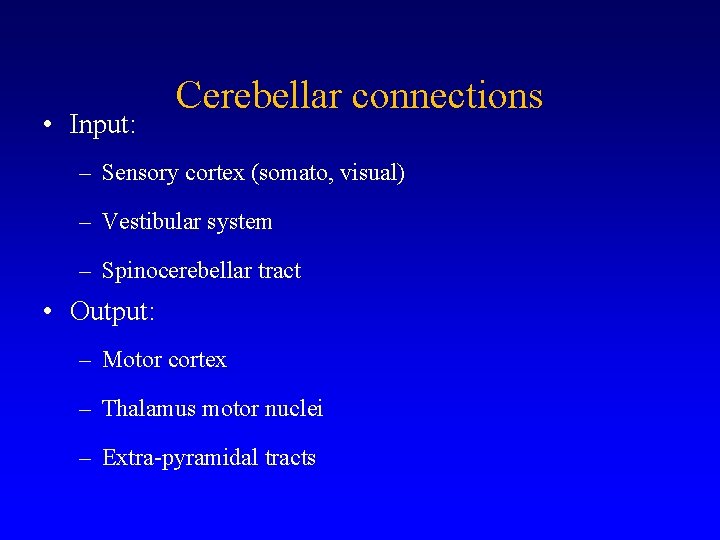
• Input: Cerebellar connections – Sensory cortex (somato, visual) – Vestibular system – Spinocerebellar tract • Output: – Motor cortex – Thalamus motor nuclei – Extra-pyramidal tracts
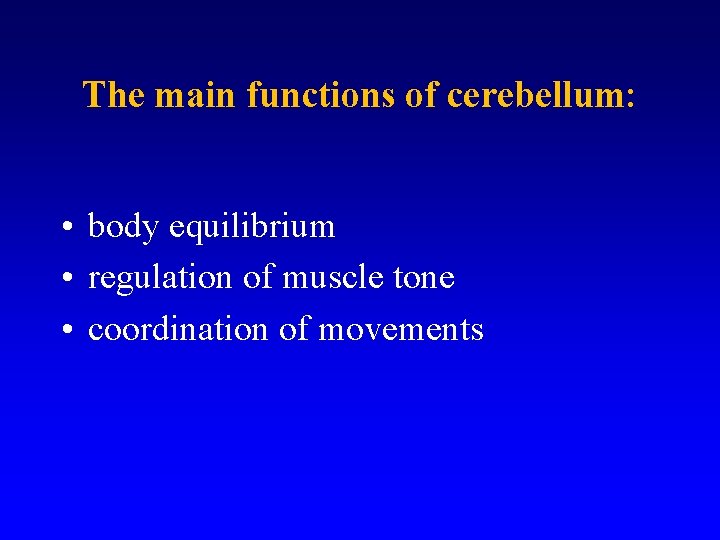
The main functions of cerebellum: • body equilibrium • regulation of muscle tone • coordination of movements
Ataxia • means disturbances of equilibrium of the body and coordination of movements. • Cerebellum lesion produces cerebellar ataxia
Cerebellar ataxia • Attactic gait – patient can’t to walk • Disorders of equlibrium – patient can’t to stand • Intention tremor – is dynamic tremor (it is more expressed while moving and disappears while rest) • Nystagmus • Dysmetria (disturbed ability to gauge distances)
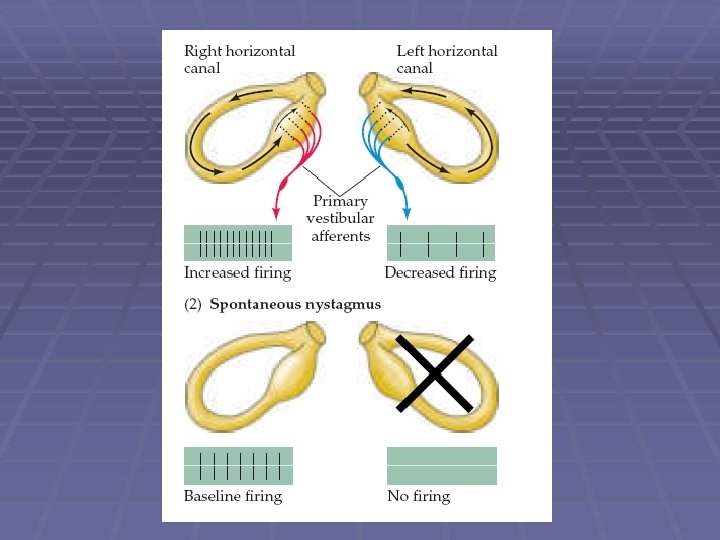
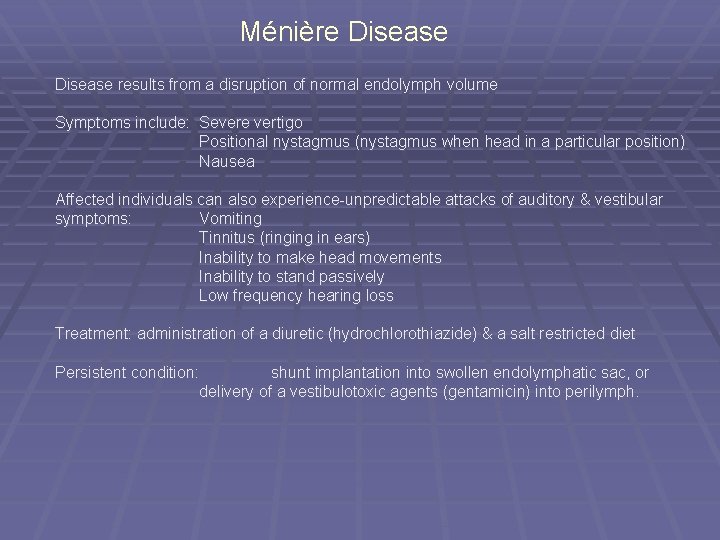
Ménière Disease results from a disruption of normal endolymph volume Symptoms include: Severe vertigo Positional nystagmus (nystagmus when head in a particular position) Nausea Affected individuals can also experience-unpredictable attacks of auditory & vestibular symptoms: Vomiting Tinnitus (ringing in ears) Inability to make head movements Inability to stand passively Low frequency hearing loss Treatment: administration of a diuretic (hydrochlorothiazide) & a salt restricted diet Persistent condition: shunt implantation into swollen endolymphatic sac, or delivery of a vestibulotoxic agents (gentamicin) into perilymph.
- Slides: 34