
Organic Chemistry Organic Chemistry The study of carbon
Organic Chemistry
Organic Chemistry • The study of carbon containing molecules Exception= Carbon dioxide
Properties of carbon *6 protons, 6 electrons *Needs 8 electrons in outer energy shell to be stable. *can form up to four bonds, one with each electron
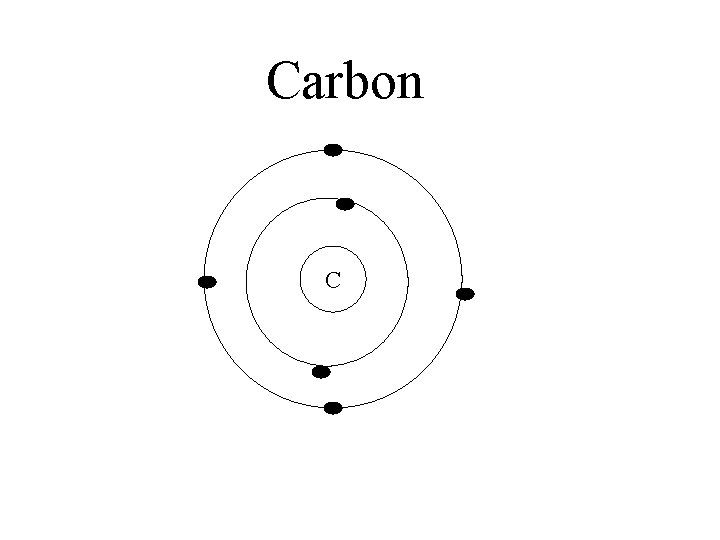
Carbon C
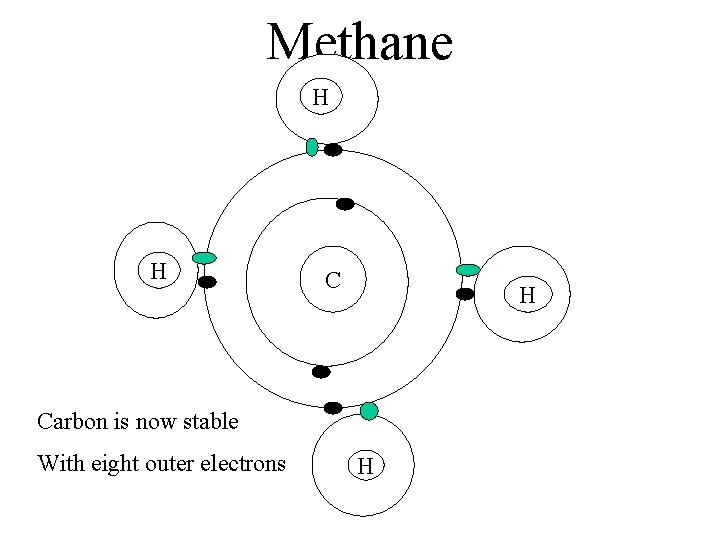
Methane H H Carbon is now stable With eight outer electrons H
All Organic molecules have a Carbon SKELETON
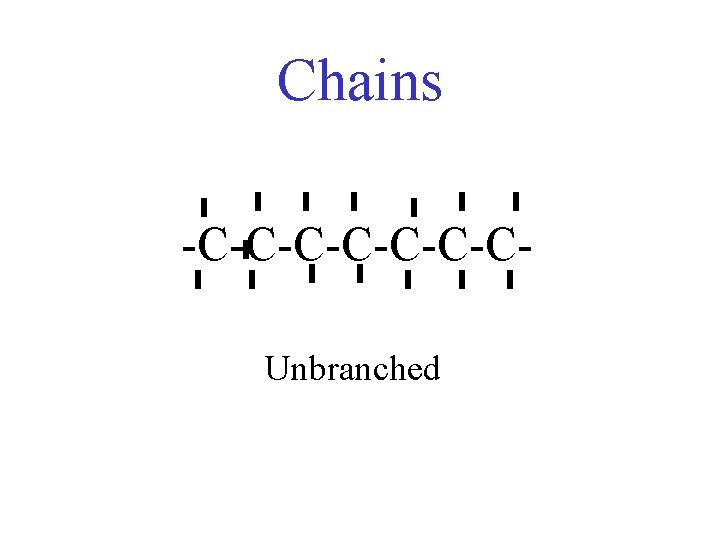
Chains -C-C-C-CUnbranched
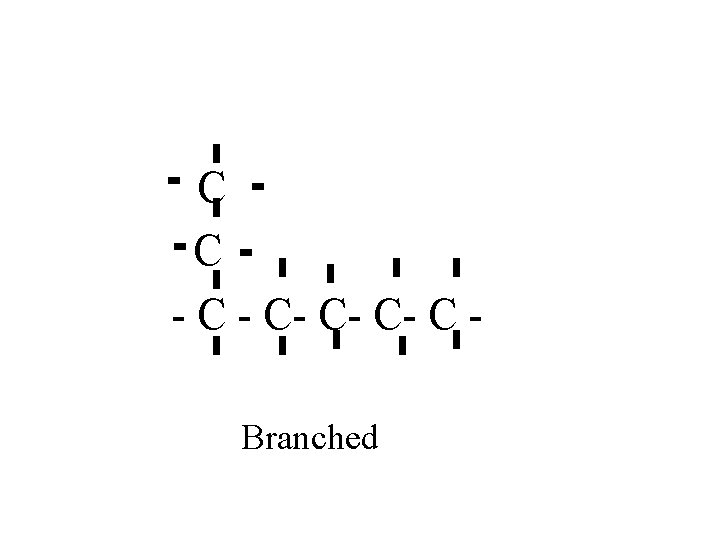
C C - C- C- C- C Branched
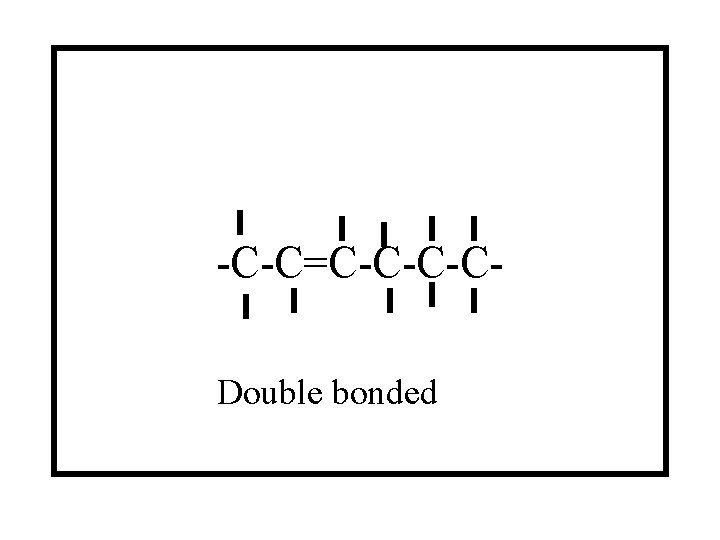
-C-C=C-C-C-CDouble bonded
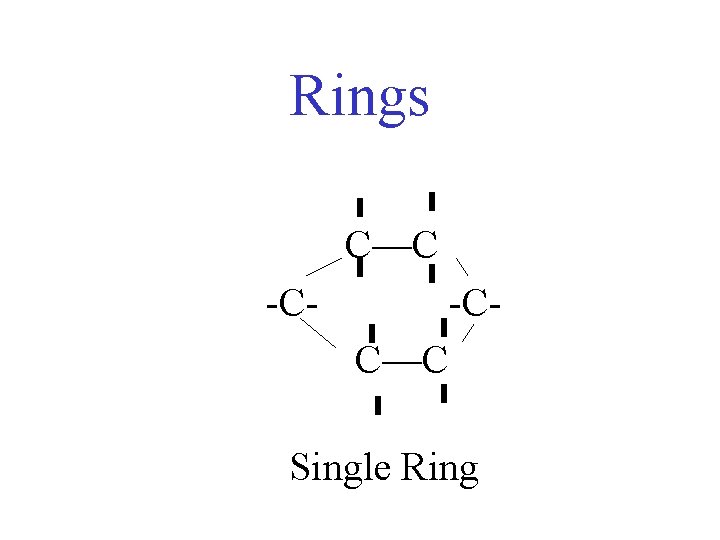
Rings C—C -C- -CC—C Single Ring

Double Ring c c c c c
Classification of Organic Compounds

By similar characteristics
Functional Groups A group of atoms that behave in a specific way no matter what the rest of the molecule is.
Functional groups: • Add to the stability of a molecule • Are involved with specific reactions.
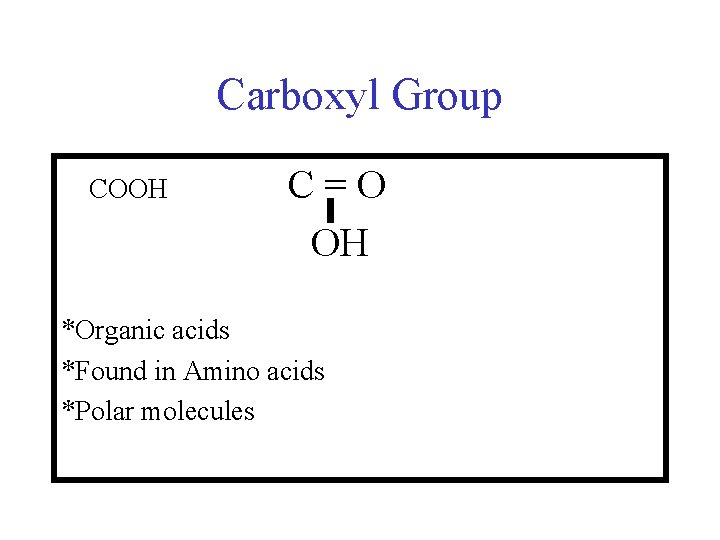
Carboxyl Group COOH C=O OH *Organic acids *Found in Amino acids *Polar molecules
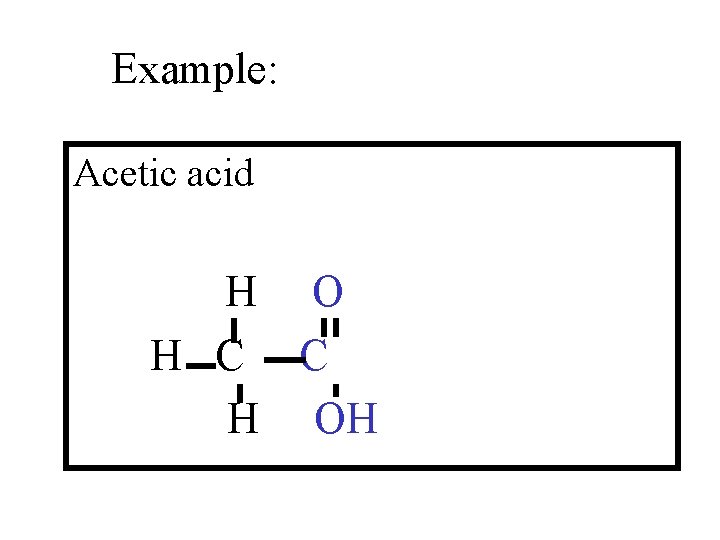
Example: Acetic acid H O H C C H OH
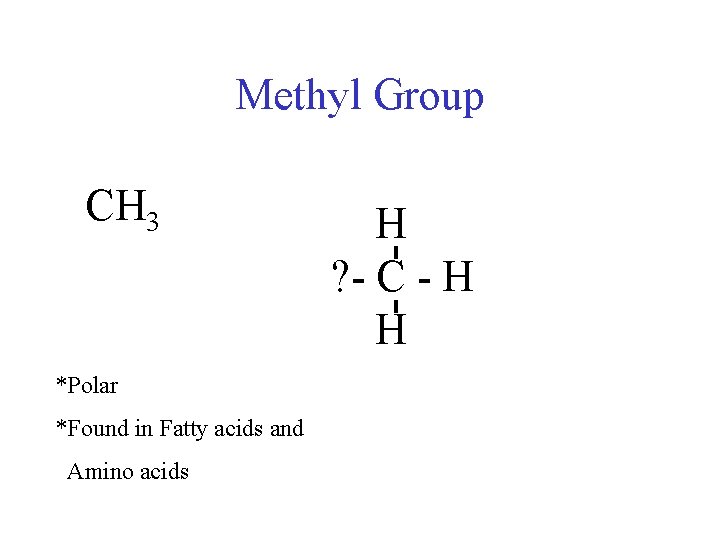
Methyl Group CH 3 *Polar *Found in Fatty acids and Amino acids H ? - C - H H
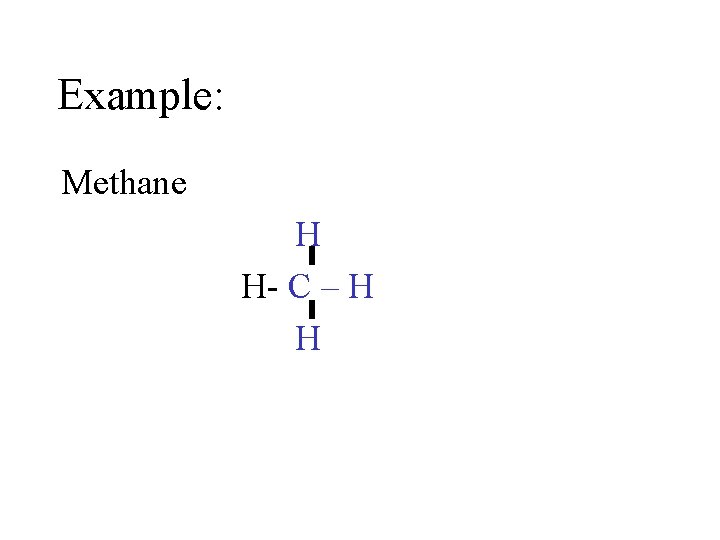
Example: Methane H H- C – H H
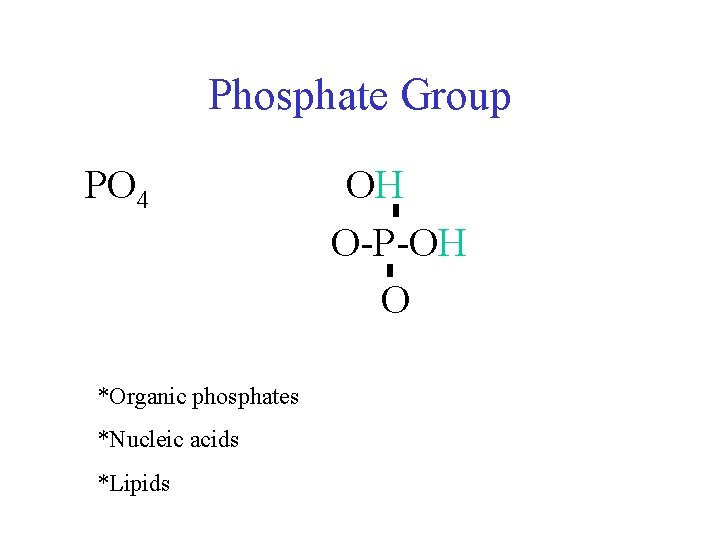
Phosphate Group PO 4 *Organic phosphates *Nucleic acids *Lipids OH O-P-OH O
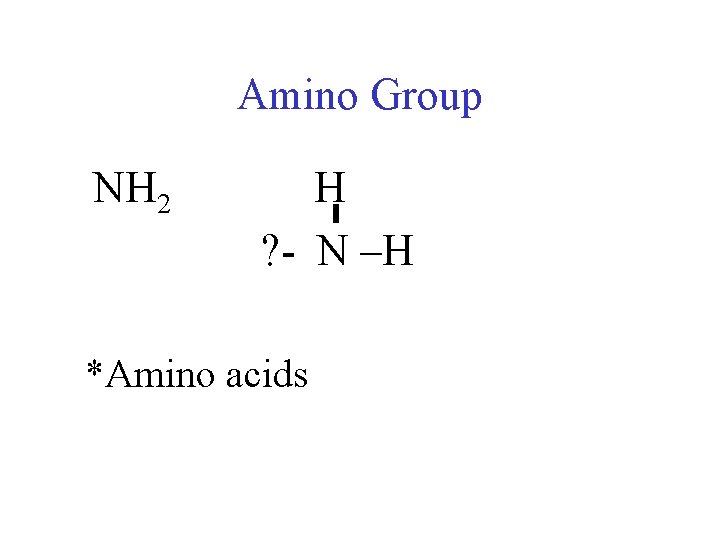
Amino Group NH 2 H ? - N –H *Amino acids
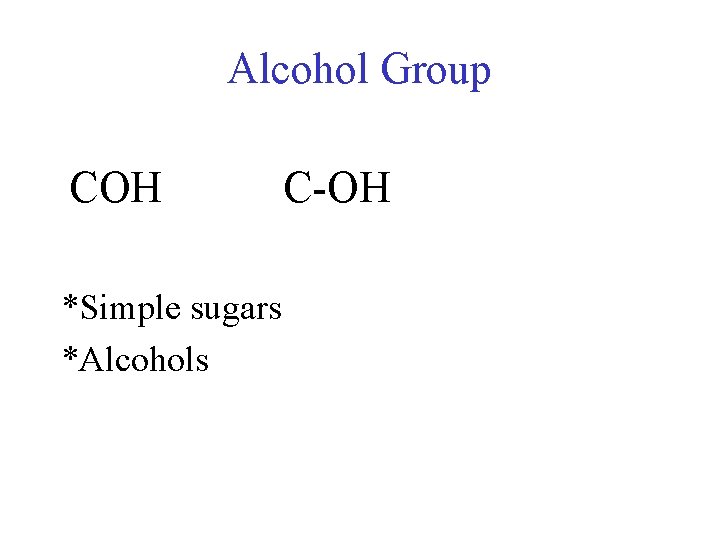
Alcohol Group COH *Simple sugars *Alcohols C-OH
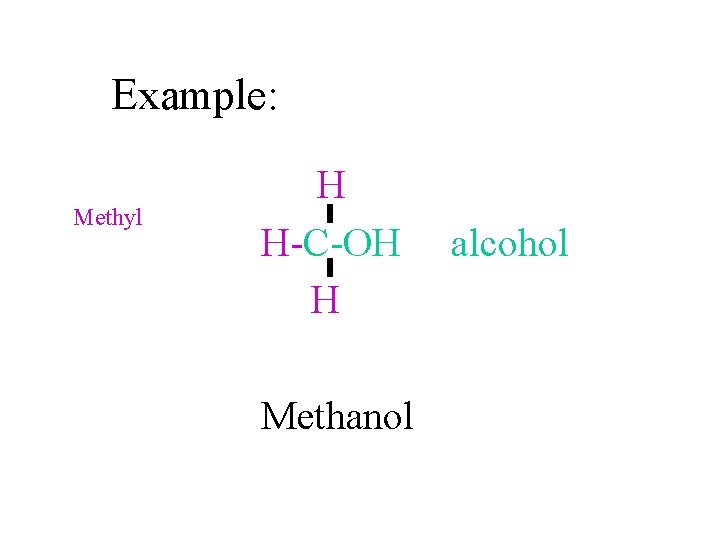
Example: Methyl H H-C-OH H Methanol alcohol
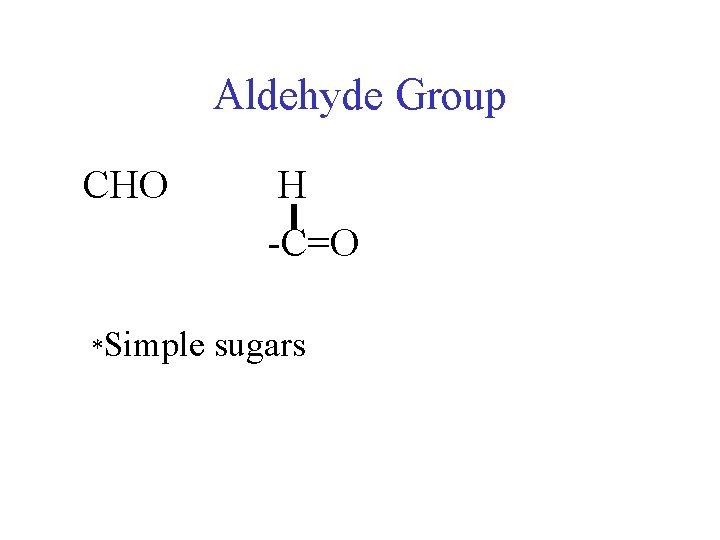
Aldehyde Group CHO *Simple H -C=O sugars
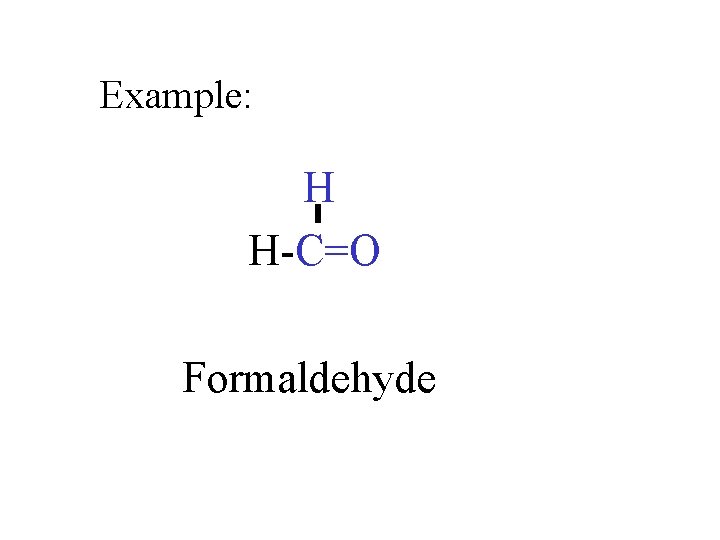
Example: H H-C=O Formaldehyde
You will learn to recognize Functional Groups in our study of: * Carbohydrates *Lipids *Proteins * Nucleic acids

Practice Identifying Functional groups
- Slides: 27